
Dying Light 2 Review: Gameplay Impressions, Videos and Speedrunning Tips
There's going to be a lot of "not a typical zombie game" analysis thrown at Dying Light 2 Stay Human.
And it's well-deserved praise.
Dying Light 2, from developer Techland, is a sequel to 2015's Dying Light and again embraces an interesting niche within an otherwise oversaturated genre, asking players to survive in an open world from the first-person perspective while placing an emphasis on parkour and melee combat.


.jpg?w=2560 "Cardinals Giants Football")
While doing so, DL2 pushes hard in some of the areas where the original fell short, emphasizing characters, deeper gameplay systems and other expected modern trappings.
The result is certainly worth a look, even for would-be players tired of dealing with undead hordes in all sorts of media.
Graphics and Gameplay
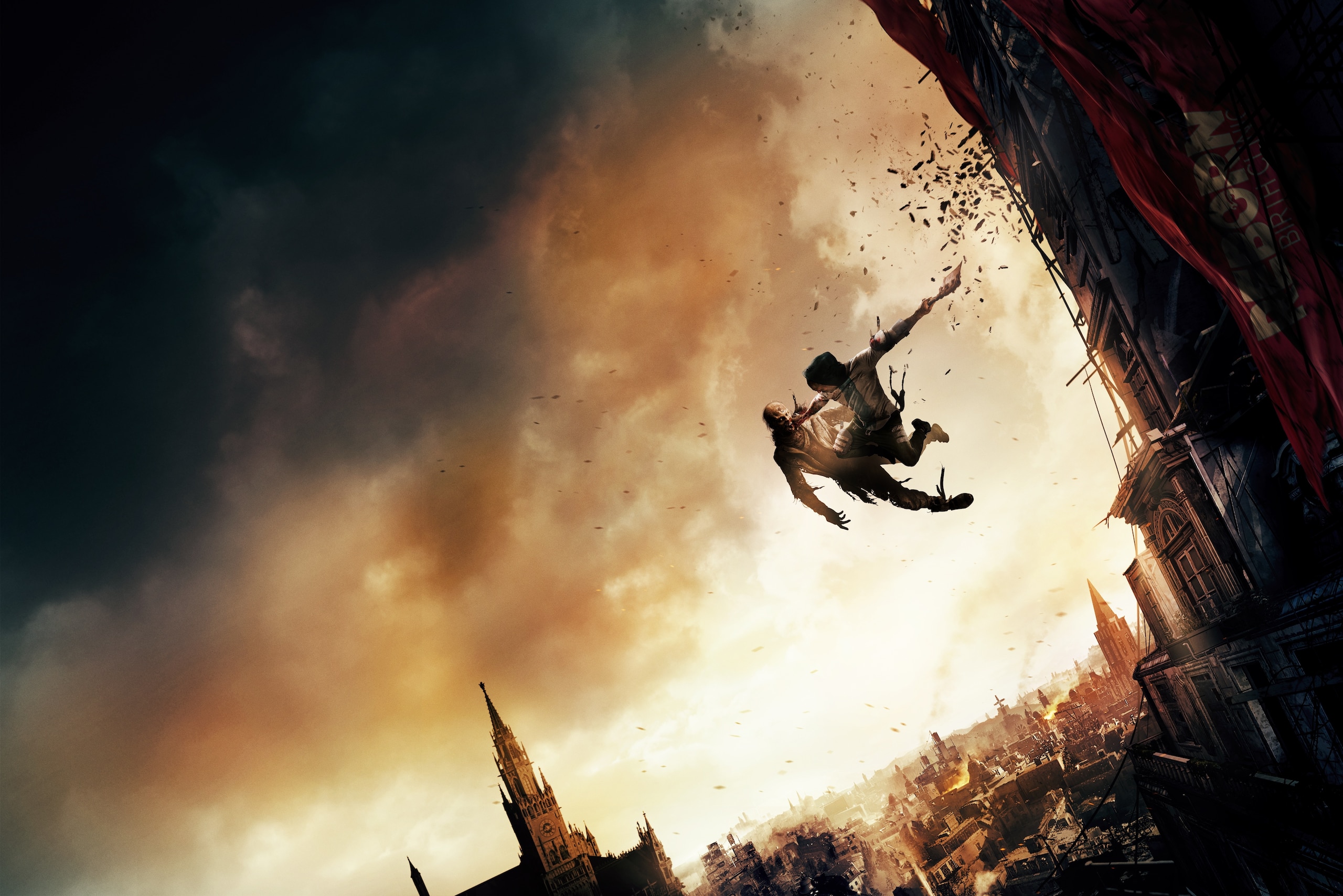
DL2 isn't a slouch in the presentation department, and some of the creative decisions with the city of Villedor make for quite the immersive experience.
The first game was captivating in the sense it replicated the real world well. While trying to simulate known locations, it didn't have its own identity per se, but it was both incredible and well-constructed in a way that let players lean heavily into parkour action.
In this way, Dying Light 2 hops out of its shell in emphatic fashion.
This sequel takes place 20 years later, which means more artistic freedom to forge that identity. There's a somewhat medieval twist to the modern world this time, and it's almost enough for it to steal the show from the characters and storylines outright. Humanity has been set back dramatically by the outbreak, and that detail is baked into every possible crevice.
Now, is an apocalyptic setting unique in video games? No, but it's fun to zip through a church-turned-base that has farms around its exterior and huge markets inside the reinforced walls, for example.
DL2 also goes heavy on the verticality side of immersion. The farther one travels up skyscrapers and such, the more greenery and untouched cleanliness players encounter, which is in stark contrast to the dull browns and grays below.
Which is to say DL2 looks great for the most part. There are a ton of little details that will wow, such as pieces of fabric or greenery just swaying in the wind. Scraps just floating in the breeze, superb shadow work and a colorful, almost Last of Us feel to environments keep things interesting at all times.
However, things aren't perfect. Players will notice glitches like weeds sticking through boxes or something, but it's clear DL2 is working its tail off behind the scenes to present one of the better-looking and -feeling worlds we've seen.
And it needs to—getting through that world in a variety of ways is one of the game's biggest selling points.
Jumping is admittedly a little floaty-feeling, but that's clearly a design choice meant to aid players in making precision jumps. The idea of first-person platforming challenges and parkour isn't a good one for most gamers because most games that have attempted it haven't come close to getting it right. DL2 does it better than anyone else.
Thankfully, combat also loops in the parkour in interesting ways, removing the robotic feel of the gameplay loop from the first installment. Skill unlocks that permit chaining parkour moves into melee attacks keep things fluid and reward staying on the go.
Also famed for its melee combat, DL2 sticks to a basic stamina system in which dodging, blocking and parrying also play a role. Why change what works? The real seller is the weight, physics and visceral, gory nature of it. Deceased enemies tend to fly off wildly into the air at times, but for the most part, it's a rewarding, responsive combat loop that keeps things fun.
Elsewhere on the modernization front is the upgraded day-night cycle. Both feel distinct now and come with differing challenges and rewards. Zombies take cover inside buildings during the day for obvious reasons, making it brutally difficult to explore them. At night, zombies take to the streets, offering fun interior exploration options.
One would think this sort of cycle and the surrounding circumstances would punch the frantic button enough. But players can also only spend so much time out in the world before needing to either eat something to stave off infection or to get back under ultraviolet lights.
Those UV lights are a fun mechanic in and of themselves. Darting across rooftops while being chased by a horde is indeed a good time.
Overall, DL2 looks great and plays mostly great. The traversal isn't nearly as fluid as some of the well-crafted trailers might lead would-be players to believe, but that's not really a slight. There's a fun-feeling gameplay loop backed by smooth systems, interesting characters and more.
Story, Multiplayer and More
If nothing else, DL2 works hard to get players invested in the world and story right out of the gates.
The short and sweet of it? Aiden Caldwell is a pilgrim and runs into a group dubbed the Peacekeepers while pursuing a personal thread throughout the world. He's eventually tasked with infiltrating Survivors, which forms the crux of the game's story backbone: Peacekeepers or Survivors?
That's nothing too wild by modern video game storytelling standards. But some of the cutscenes that offer hints at Aiden's past and relationships intensify the player's feelings for him. And even in the game's first hour, some of the characters Aiden runs into are well voice-acted and leave players wanting to know more.
It helps that DL2 goes as far as having dialogue trees that give the player some agency in how conversations go. These don't feel overly effective—picking the non-highlighted one just leads to the highlighted one, it seems—but giving players the option of fleshing out characters and background context is always a good thing.
The game also touts the impact decisions can have on the world, and that's mostly true—from minuscule things to some bigger-ticket items. Siding with the Peacekeepers, for example, unlocks more offensive-minded weaponry, skills and more. Going with the Survivors leans more into, well, survival-based items such as easier ways to navigate the city and more mattresses to land on from great heights.
Players can mix and match between the two, though it does feel like straddling the line could limit the chances of maxing out some of the unlocks (a problem that will seemingly get solved by playing with a friend or two in co-op).
Either way, it's admirable how DL2 tries to implement RPG-like systems compared to the barebones feeling of the first game. Every little parkour action players make builds experience for that skill tree, and the same applies to combat. Gradually improving Aiden's skills while progressing through the game is incredibly rewarding.
Inventory systems will be a little more polarizing, though, depending on how taxed players are over the standard "common (white), rare (blue), etc." rules that apply to gear and weapons. Modding weapons, at least, is a fun way to craft a unique arsenal in a diverse range of classes, whether its archery for ranged or something bigger for a tank-styled role.
As an aside, one might think a game without guns (which, by the way, is pretty well justified by the story and setting) in a zombie setting would feel rough. But the bow and arrow is so much fun that it's almost easy to forget there aren't traditional guns.
This leaning into the RPG side of things applies to combat as well given the number of different zombie types. Diagnosing what Aiden encounters on the fly and equipping the right weapons and strategies is one of the keys to success and in a good way.
One feature sure to be a tad divisive is the inclusion of something similar to towers in older Far Cry games throughout the open world. These come in the form of deactivated windmills that, when reactivated, provide more UV lights. They are all jump puzzles and, as mentioned, jumping is fun in this game, so it's not too much of a drag.
As a whole, the game encourages exploration, and it's often worth a player's time, whether it's uncovering useful gear or getting tidbits of world context. Parkour challenges, camps to clear out and other expected open-world trappings keep the variety at a fun level.
Of course, it wouldn't be a Dying Light game without multiplayer. Players can add up to four teammates to a lobby. Everyone joins on one player's instance of the world, but anything they earn carries back to their own save files. It's probably the best way the game could have handled co-op, and it is indeed a blast.
Kudos also goes to DL2 for the solid set of item menus, skill trees, crafting screens, behind-the-scenes options and even a library of collected hints to pursue. It's a modern-feeling game in these regards, as the UI is very strong and easy to understand, and as a whole, the game plays well at launch, which isn't something every game can claim these days.
Speedrunning Tips
Thanks to the versatile nature of the gameplay, plenty of speedrunning techs and even some glitches, the first Dying Light had a healthy speedrunning community.
So much so that, as of this writing, world-record runs under the two-hour mark have gone down within the past month.
Rest assured, DL2 should have a speedrunning lifecycle that extends six-plus years too. The skill it takes to traverse the world, never mind excel in combat, will make for some interesting runs that keep the ladder battles engaging well before any DLC comes out.
As for basic speedrunning times at the game's launch, the tried-and-true method of running past as many enemies as possible applies, especially early in the game. There's a radius in which zombies will chase after the player before losing interest (outside of chase modes or triggers by special zombies).
Otherwise, simple memorization of where to go, when and most efficiently is key. So is leaning into fast travel whenever possible. Skipping dialogues and cutscenes is a must too. Repetition will iron out a player's skills, allowing for mostly error-free combat and an ability to chain parkour into a near-endless combo.
On the skill trees, most things unlock organically as a player gets through the story. Prioritizing bow skills means an easier time picking and choosing targets from range to make encounters easier, and the perfect parry skill can stun enemies to provide much-needed breathing room. On the parkour skill tree, slide jump and wall-run jumps unlock an even faster way of chaining together moves that get the player from one point to another hastily.
Conclusion
DL2 has a big thing going for it: It's really, really fun.
While it does feel like DL2 is running unopposed in this fun niche genre of first-person parkour and melee combat in a zombie apocalypse, the fact that it's fluid and enjoyable is what sells the whole experience.
Add in some big emphasis on interesting characters, a story worth exploring and a borderline show-stealing world, and DL2 has all the ingredients of a megahit.
Whether it has the legs to last as a long-term single or co-op experience will hinge on post-launch support and the enjoyability of the endgame. But based on its predecessor and the love and care put into this sequel, that's not much of a concern.


.jpg?w=2560 "Tyreek Deal May Come Soon")

.jpg?w=2560 "Ward Nearly Walks Out of Presser ▶️")