

Ranking the Most Important NBA Free-Agent Signings of the Past 20 Years
Each NBA transaction reshapes the basketball landscape to a certain degree.
But every once in a while, a major free-agent move will stop everyone in their tracks and shift the tectonic plates below them.
Those era-defining moves came with more regularity over the past 20 years, and we're here to spotlight the seven most important of that stretch by focusing both on the on-court accomplishments and off-court significance.
Since that measure is easiest to recognize in a change, we're focusing only on players who switched teams in free agency.
Honorable Mentions
1 of 8
Bosh Bolts to Miami in 2010
The Heatles were a phenomenon like few others in NBA history, and even if Chris Bosh wasn't at their epicenter, he played an underrated role in supporting the superteam.
Someone had to sacrifice numbers for the operation to work, and the big man took his hit immediately. In one year, he went from averaging 24.0 points and 10.8 rebounds to just 18.7 and 8.3, respectively. He'd eventually reshape his entire game from a low-post offensive focal point to a defense-first, small-ball big tasked with supplying spacing and shooting to the Miami Heat's attack.
The statistical reduction held him to third-wheel status, and on a macro level, he contributed less to the organization's success than LeBron James or Dwyane Wade. But history won't forget Bosh's role in this overnight dynasty.
Andre Iguodala Helps Warriors Turn Golden
The Golden State Warriors started down the runway in 2012-13, and the subsequent offseason provided the lift they would need to reach absurd heights.
That's when they coaxed Andre Iguodala to town on a four-year, $48 million deal. It provided instant dividends when he started 63 games the following season and then exploded in value as he nestled into an invaluable glue-guy role under Steve Kerr. The change came with a move to the second unit, which effectively made Iguodala the embodiment of the organization's "Strength in Numbers" mantra.
Iguodala became a three-time champion and Finals MVP in Golden State. He played an integral part for one of the most lethal quintets in basketball history (the Death Lineup) and annually served as the Warriors' preferred option for defending LeBron James in the Finals.
The Many Misfires of 2016
If every free-agency period had its own logo, 2016's would have been a wad of bills burning inside of a pocket. Everyone had access to the new media rights money, and they couldn't wait to shower it over any player with a pulse.
Chandler Parsons inked a $94 million deal. Joakim Noah and Luol Deng scored separate $72 million pacts. Timofey Mozgov became a $64 million player overnight. Tyler Johnson waded into the often precarious waters of restricted free agency and emerged with a $50 million offer sheet.
Times were wild.
Most of the bloated deals blew up almost immediately, making it impossible to single out one over the rest. Taken collectively, though, this spending spree will surely live on in the minds of those who watched it take place.
7. Detroit's Difference-Maker
2 of 8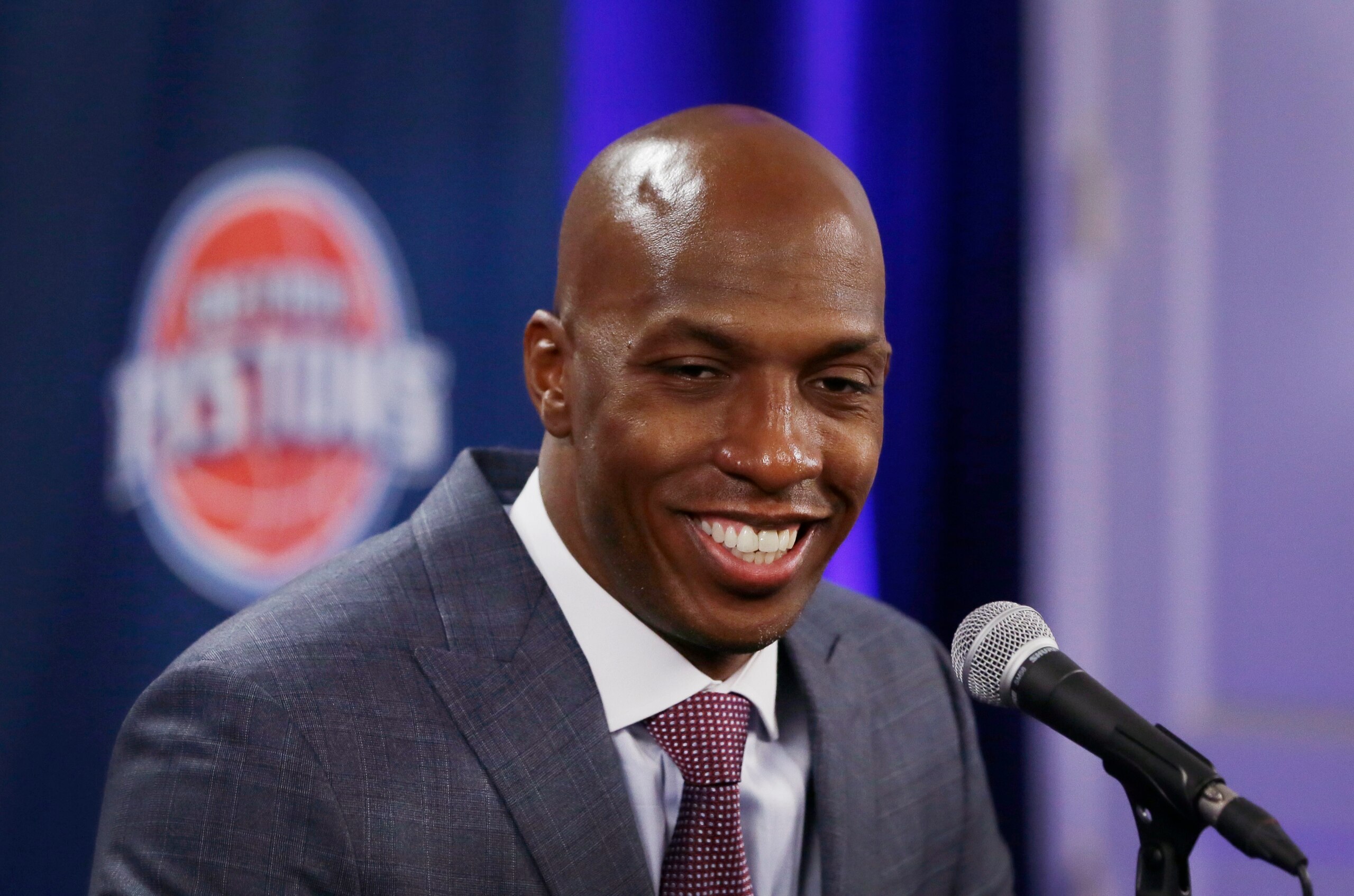
Casual fans may be foggy about Chauncey Billups' NBA life before the Detroit Pistons. His June 2002 move to the Motor City—at the bargain rate of a five-year, $35 million pact—rerouted his career from potential draft bust to perennial All-Star.
Drafted third overall in 1997, he pinballed around the Association before finally settling in with the Pistons ahead of his sixth NBA season. By that point, he'd already played with four different franchises.
Detroit, which won 50 games in 2001-02, had its eyes on a bigger prize and felt it might be one more piece away from something special. That it only cost the Pistons their midlevel exception for an eventual franchise icon speaks to their stroke of brilliance, but even then they were confident about what they were getting.
"The fact that Chauncey chose Detroit as his home validates our feeling that this organization is headed in the right direction," then-president of basketball operations Joe Dumars said. "We feel he is a player that can come in and make an immediate impact on our team."
Billups hit the ground sprinting with 16.2 points per game, and neither he nor his new club ever looked back. The Pistons were conference finalists in his first season and champions in his second. Each of his first six campaigns in Detroit resulted in at least a conference finals appearance.
Mr. Big Shot recorded the fifth-most win shares in franchise history (73.6) and their highest-ever win shares per 48 minutes (.217).
6. Kawhi Not the Clippers?
3 of 8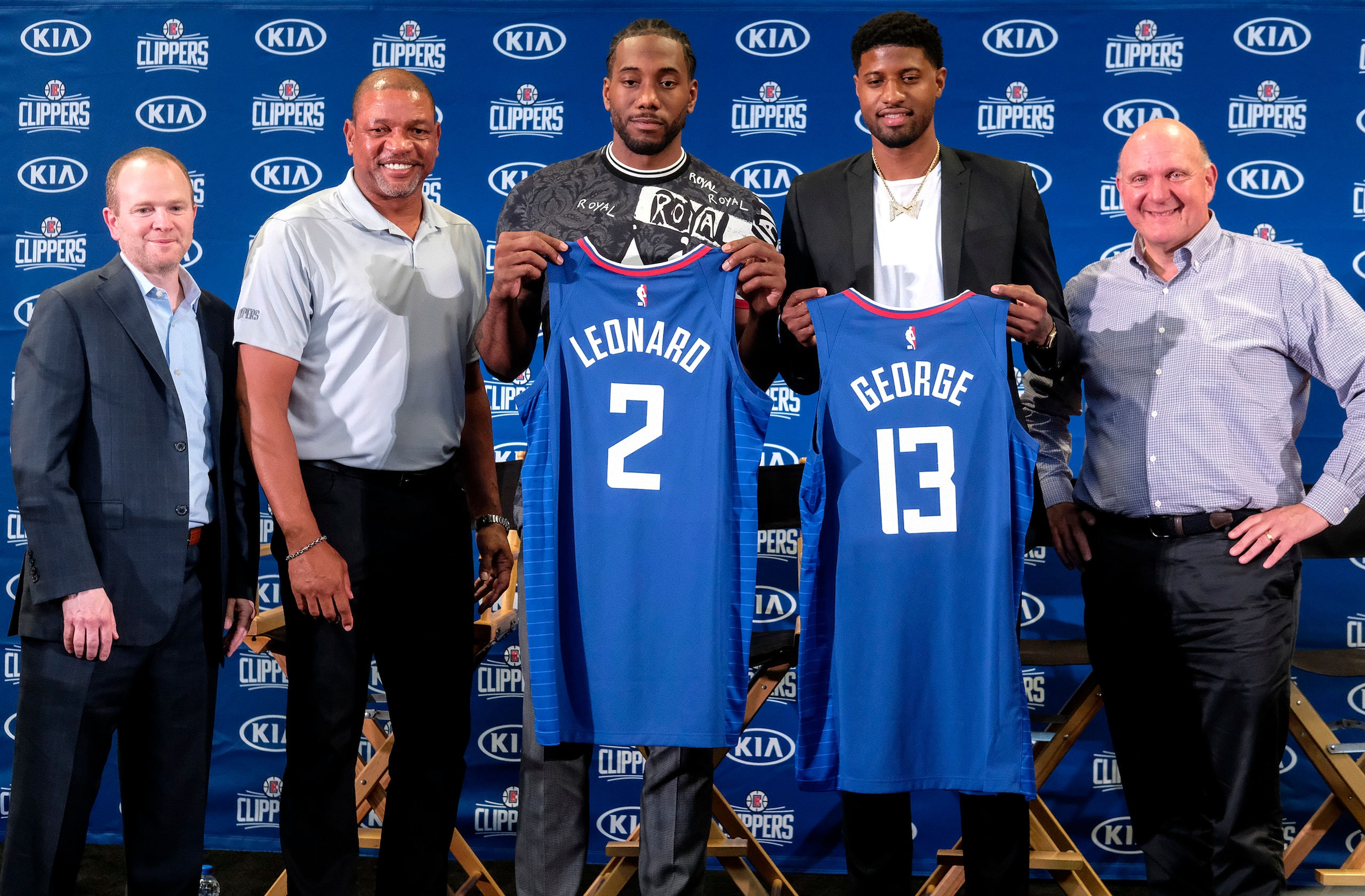
Between the brutal ending to Kawhi Leonard's first season with the Los Angeles Clippers and the fact that he could shake out of his contract after his second, maybe future hoops historians will disagree with this selection. In that case, we'll apologize for not finding a top-seven slot for Iguodala, Bosh or Horford.
But considering Leonard is an L.A. native who handpicked the Clips in 2019, it's hard to imagine why he'd punch his own ticket out of town two years later. Besides, once we zero in on a portion of that sentence, you'll understand why it's such a monumental deal.
Leonard was on top of the basketball world in 2019. He was fresh off the second Finals MVP of his career and entering the market as a 28-year-old with two rings, two Defensive Player of the Year awards and three All-NBA selections on his resume. He could've gone anywhere. Both L.A. teams were in the mix, both New York City clubs had the resources to court him, and had he stayed north of the border with the Toronto Raptors, he could've run it back with the champs.
He chose the Clippers, L.A.'s other team. This wasn't a splash signing; it was a tidal wave that washed over all corners of the league, as Jeff Zillgitt wrote for USA Today:
"The Clippers—yep the Los Angeles Clippers of Michael Olowokandi, and 12- and 10-win seasons and Donald Sterling—really pulled this off.
"This is a monumental moment—perhaps the biggest?—in Clippers history, and the unexpected moves have a direct impact on four teams (the Clippers, Lakers, Thunder and Toronto Raptors) and an indirect impact on the rest of the league, especially playoff teams who think they can make a run at the title this season."
Leonard legitimized the Clippers as full-fledged contenders and turned the battle of L.A. into a fight for leaguewide supremacy. He permanently altered their position on the hoops hierarchy, and even if he exits earlier than expected, he might've already proved Hollywood can support two superpowers.

5. Phoenix Finds Floor General, Franchise Icon
4 of 8
The Dallas Mavericks saw Steve Nash up close for six seasons. At the end of the run, they concluded the then-30-year-old might be hitting his peak and approaching his decline. So, in 2004, they let the two-time All-Star skip town to ink a six-year, $65 million pact with the Phoenix Suns.
Mavericks governor Mark Cuban has since labeled it his "biggest mistake." The rationale, Cuban explained, was that "[Nash's] body would break down—and it certainly didn't."
The decision looks hideous in hindsight, but the Suns were convinced even then the Mavs were making a mistake. Dallas treated him a bit like a luxury, but Phoenix was sure it had found a necessity.
"There are very few players in the league that make other players better and make coaches smarter," then-Suns coach Mike D'Antoni said, "and we've got one of them right now. We're obviously extremely happy to have him, and I'm looking forward to working with him to try to win a lot of basketball games."
With Nash running point, the Suns were shot out of a cannon. They skyrocketed their win total from 29 to 62 his first season in the desert and jumped to No. 1 in offensive efficiency. Their uptempo, spread-out style was unstoppable—they averaged 6.7 points per game more than the second-highest scoring team—and it soon became a revolutionary force, paving the way for many of the best modern attacks.
Nash wound up spending eight seasons with the Suns. Three of them featured a Western Conference Finals trip. He was an All-Star in six of them and the league MVP in two. Both he and that Phoenix team became legendary together.
4. I'm Coming Home
5 of 8
Of LeBron James' several trips through free agency, none has made a more direct hit in the #feelz than his 2014 return to Northeast Ohio.
Armed with a pair of rings from his South Beach sojourn (which we'll discuss later), James returned to the Cleveland Cavaliers on a one-man mission to reverse the fortunes of the forlorn franchise and snap the region's decades-long championship drought, he explained in an open essay to SI.com's Lee Jenkins:
"When I left Cleveland, I was on a mission. I was seeking championships, and we won two. But Miami already knew that feeling. Our city hasn't had that feeling in a long, long, long time. My goal is still to win as many titles as possible, no question. But what's most important for me is bringing one trophy back to Northeast Ohio."
James was everything to the Cavaliers, effectively redefining the franchise face label. They won 61 games in the final season before his 2010 exit, managed a minuscule .311 winning percentage in the four years spent without him, and then raced to 53 victories in his first campaign back in Cleveland.
Having an ascending Kyrie Irving plus Kevin Love helped, but this was all about the King. He not only carried the Cavs to the 2015 Finals, but he also did so while losing Love in the first round. Irving was then knocked out of the Finals in Game 1, and James still took the series—which he led in points, rebounds and assists—to six games.
James would get his (and Cleveland's) championship breakthrough a year later, helping the Cavs become the first finalist ever to climb out of a 3-1 hole—and doing it against the record-setting 73-win Golden State Warriors, no less. The Cavs booked another two Finals trips in James' final two seasons there.
He was an All-NBA first-teamer each season, and while he never claimed an MVP during the four-year run, he never finished lower than fourth in the voting.
3. #LABron
6 of 8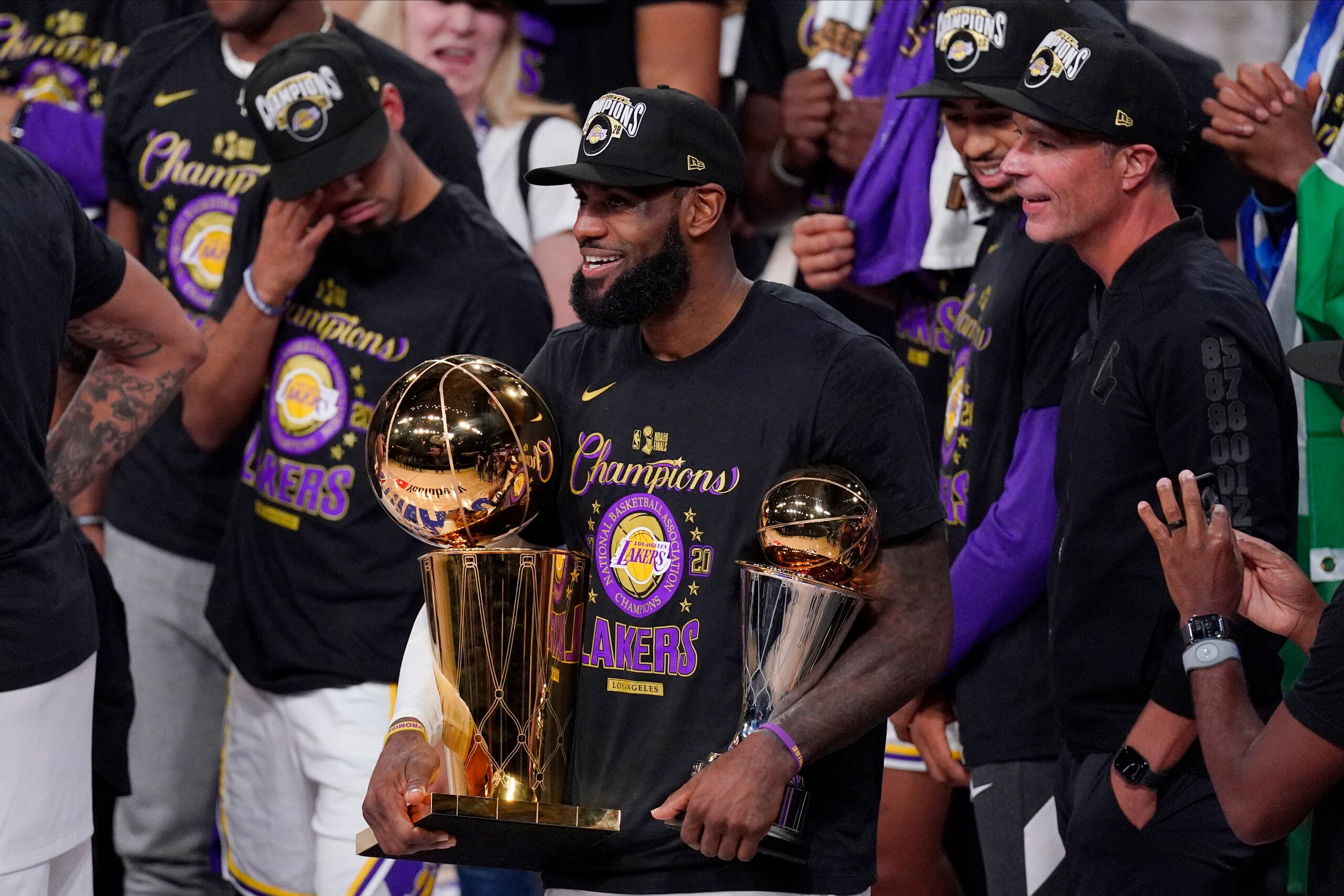
Maybe this will read as overly aggressive to some, but when you consider where the Los Angeles Lakers were when LeBron James arrived in 2018, how far they have already come since and where they could be headed from here, there's enough to justify the ranking.
Before James landed in L.A., the Lakers were going nowhere.
The late, great Kobe Bryant had walked away a few years prior, and the organization had yet to sniff out a successor. The offense ran through everyone from D'Angelo Russell and Brandon Ingram to Lou Williams and Julius Randle. Luol Deng and Timofey Mozgov qualified as big-ticket moves in free agency.
They were so starved for talent that when 2017 free agency delivered Kentavious Caldwell-Pope, general manager Rob Pelinka likened the signing to "bread [coming] down from heaven."
But when James hit Hollywood a year later, everything changed. Lakers exceptionalism was back, and it helped bring Anthony Davis to town the following summer. Basically, James snapped his fingers, and in two years' time, the Lakers went from 47-loss lottery participants to NBA champions.
Oh, and after acing this offseason, they're in the driver's seat heading into 2020-21. Moreover, it could be years before they cede this spot, since both stars are signed through at least 2023.
The Lakers are on a short list of the Association's most storied franchises. James got them their groove back. That's a massive development that could reverberate around the hoops world long after he walks away.
2. KD Completes Hamptons Five
7 of 8
Gamers would have trouble assembling a roster that could compete with what the Golden State Warriors assembled in 2016.
It shouldn't have been possible. The Dubs sprinted into that summer fresh off a world title in 2014-15 and a record-setting win total in 2015-16. They rostered the back-to-back MVP (Stephen Curry, who won the second honor in unanimous fashion), two additional All-Stars (Klay Thompson and Draymond Green) and maybe the most overqualified sixth man in the business (Andre Iguodala).
Their cap space should have been crunched, but an influx of TV money gave everyone breathing room. Many rushed out to make instantly regrettable investments. Golden State turned the cash into Kevin Durant, already a seven-time All-Star and 2013-14's MVP.
"It's an embarrassment of riches," Warriors coach Steve Kerr said, per Connor Letourneau of the San Francisco Chronicle. "I'm not going to shy away from that."
While Durant only spent three seasons with the Warriors, he overpowered them in a way basketball has seldom seen. Golden State had an inevitability about it the likes of which only generational powers like Michael Jordan's Chicago Bulls and the Shaquille O'Neal-Kobe Bryant Lakers ever emanated.
The Warriors went 182-64 over those three seasons. They lost a single playoff game en route to their first championship in 2017. A year later, they survived a seven-game tussle with the Houston Rockets in the conference finals but otherwise toppled their playoff opponents by a 12-2 count—including a sweep of LeBron's Cavaliers in the Finals.
Only the injury bug could stop Durant's Dubs, as both he (torn Achilles) and Klay Thompson (torn ACL) went down during the 2019 Finals. That marked the end of Durant's Bay Area tenure, and he headed out with two rings, two Finals MVP awards and three All-NBA selections.
1. The Decision That Changed Everything
8 of 8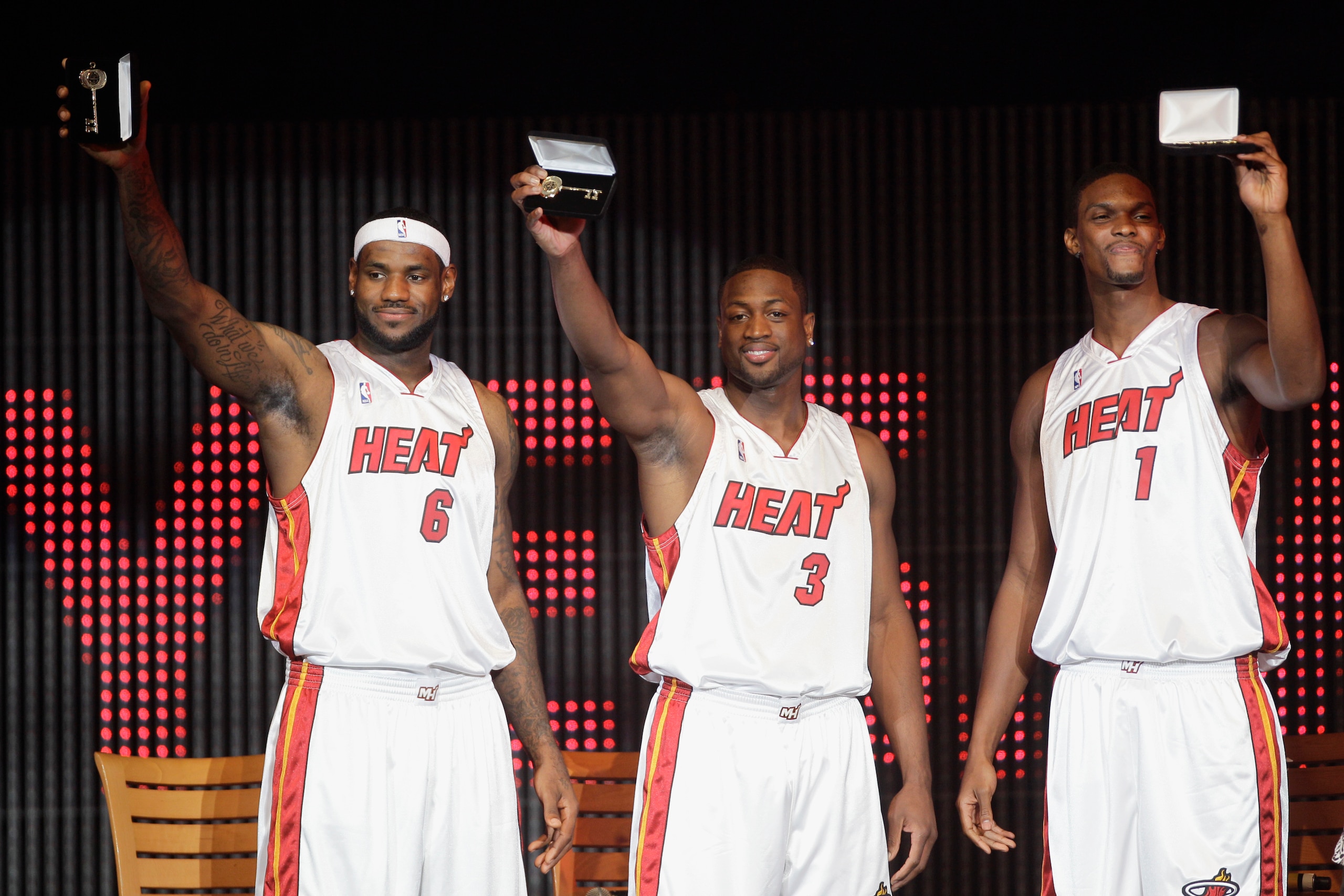
July 8, 2010.
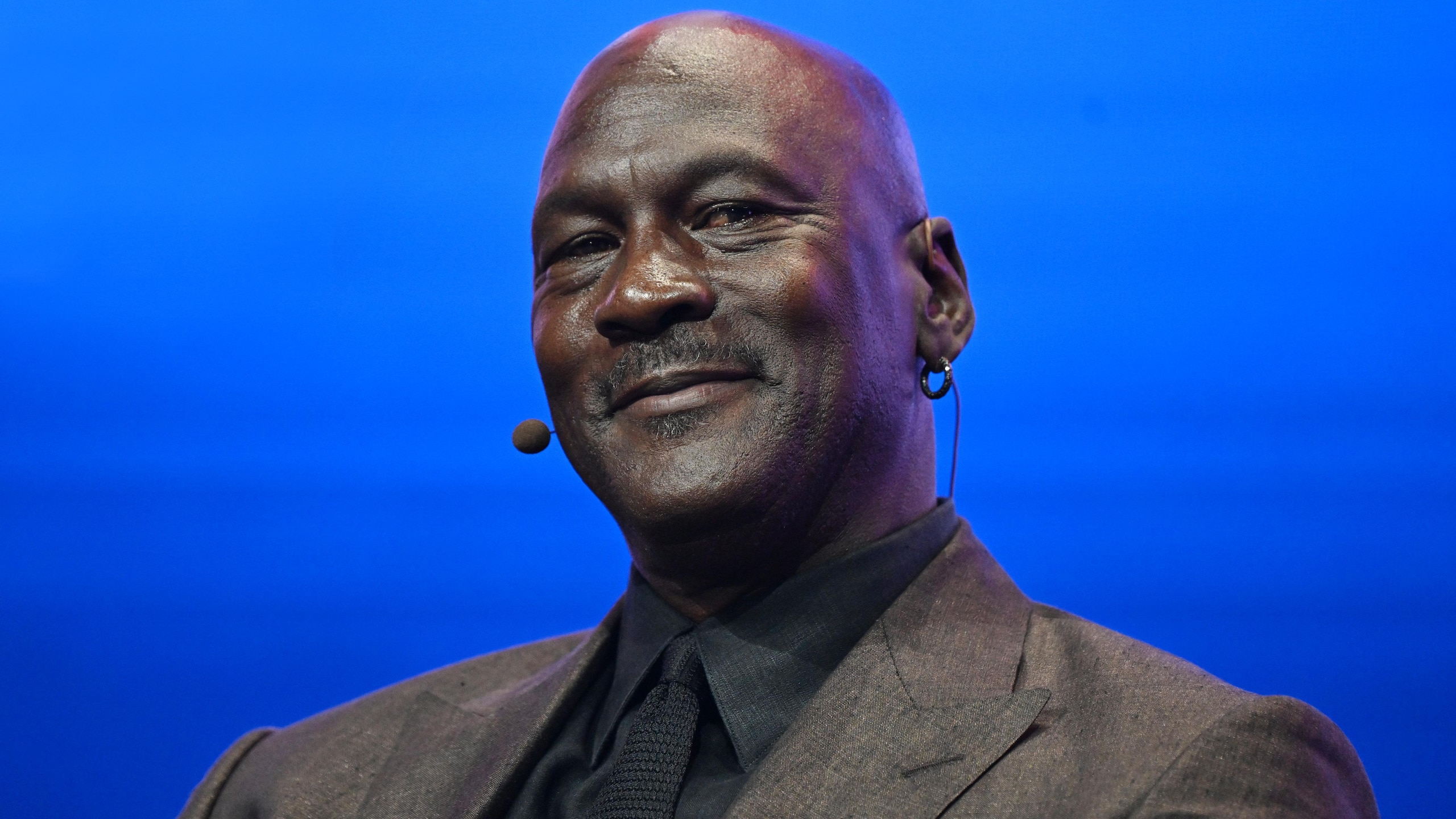
When sports historians retell the story of the 2010s, that's where they'll start. That's when LeBron James used a single sentence to rewrite history: "I'm going to take my talents to South Beach and join the Miami Heat."
That James broke his own news—an earth-rattling #LeBomb if there ever were one—was just one of many player-empowerment moves the King would make.
By joining forces with Dwyane Wade and Chris Bosh, he shifted the highest levels of roster construction from front offices to superstars. James' willingness to walk away from his original team and take an absurd amount of heat for doing so paved a path that everyone from Carmelo Anthony and Chris Paul to Kevin Durant and Kawhi Leonard eventually followed.
Media attention exploded. So too did the funds that came from it. As Ben Golliver noted for the Washington Post, the league's salary cap nearly doubled over the last 10 years (from $58 million to $109 million) while James put more than twice as much in his bank account ($16 million salary in 2010, $37 million this past season).
The Heat were overpowered: four Finals trips and two titles in four years. James was unbelievable: two MVPs, two Finals MVPs and four All-NBA first-team honors. But this was bigger than basketball. The statistical accomplishments—staggering as they were—have almost become footnotes to the most significant signing not just of the past 20 years, but throughout NBA history.
All stats courtesy of NBA.com and Basketball Reference unless otherwise noted.
Zach Buckley covers the NBA for Bleacher Report. Follow him on Twitter, @ZachBuckleyNBA.

.jpg?w=2560 "AD Trolls Bears WR on IG 😂")
.jpg?w=2560 "Viral Dan Campbell Presser 💙")
.jpg?w=2560 "Buzz: MHJ Hired Agents for Trade")
.jpg?w=2560 "Report: Steelers WR to Miss 'Weeks'")
.jpg?w=2560 "Cam Ward Says He's Not A Loser")


.jpg?w=2560 "Chargers Fall to 0-5 🤢")