
Unwritten Rules for the Baseball Spectator
It seems every time I go to a baseball game these days, I am bombarded with bored fans—or more likely spectators. With this in mind, I hoped to create a list of 10 simple rules, in random order, for all people attending baseball games to know how to be a good fan and spectator of the sport. This will, hopefully, create an atmosphere where all fans, based on level of interest and age, can enjoy.
Rule 10
Don’t pretend like you know the answer to a baseball question. If you don’t know, simply admit it and ask or move on. Don’t fake knowledge either. Fans know who the real fans are, and who just goes to a game to have a good time.
TOP NEWS

Latest MLB Trade Rumors 👂
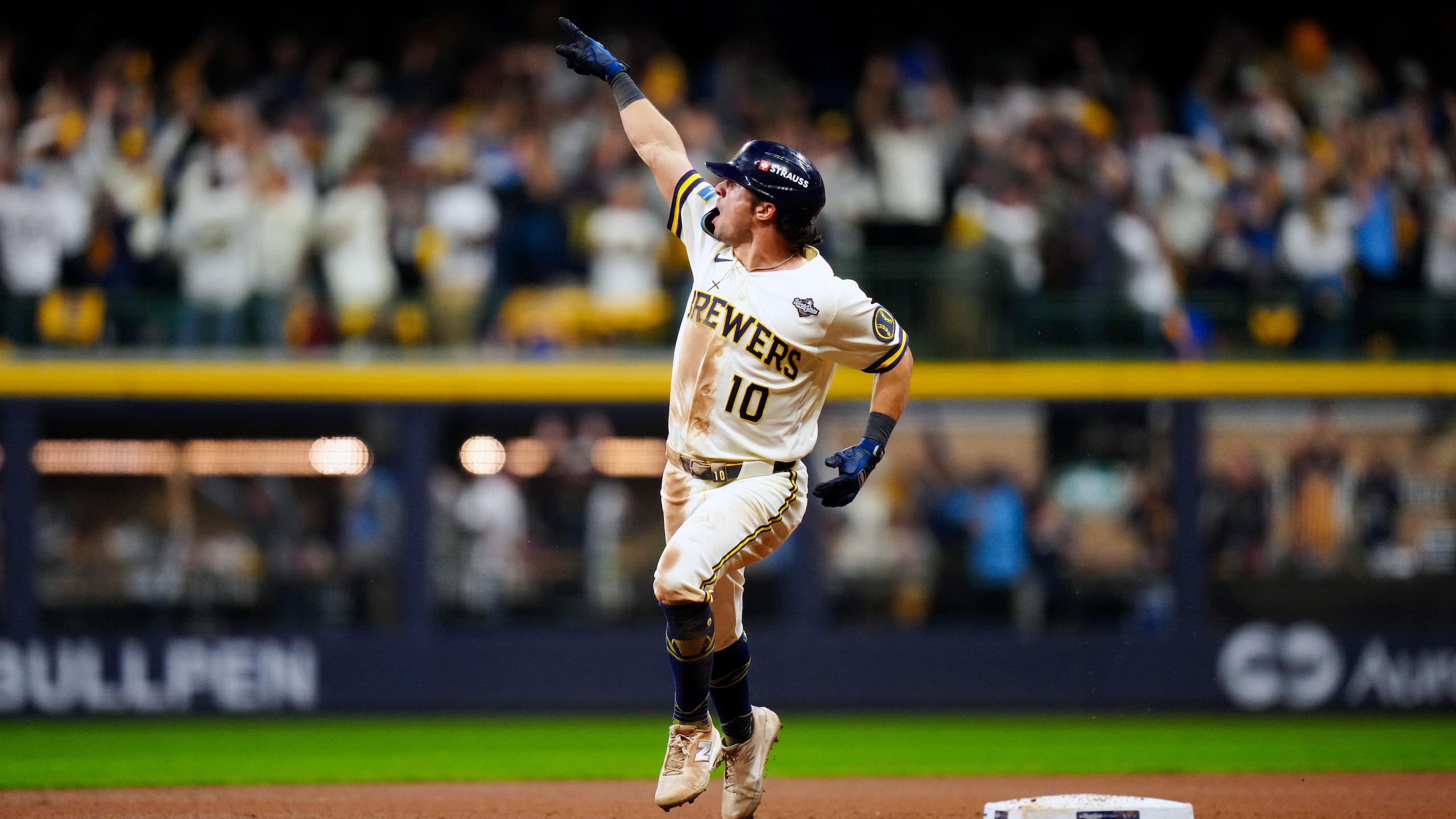
Tying HR Had Bauers Emotional
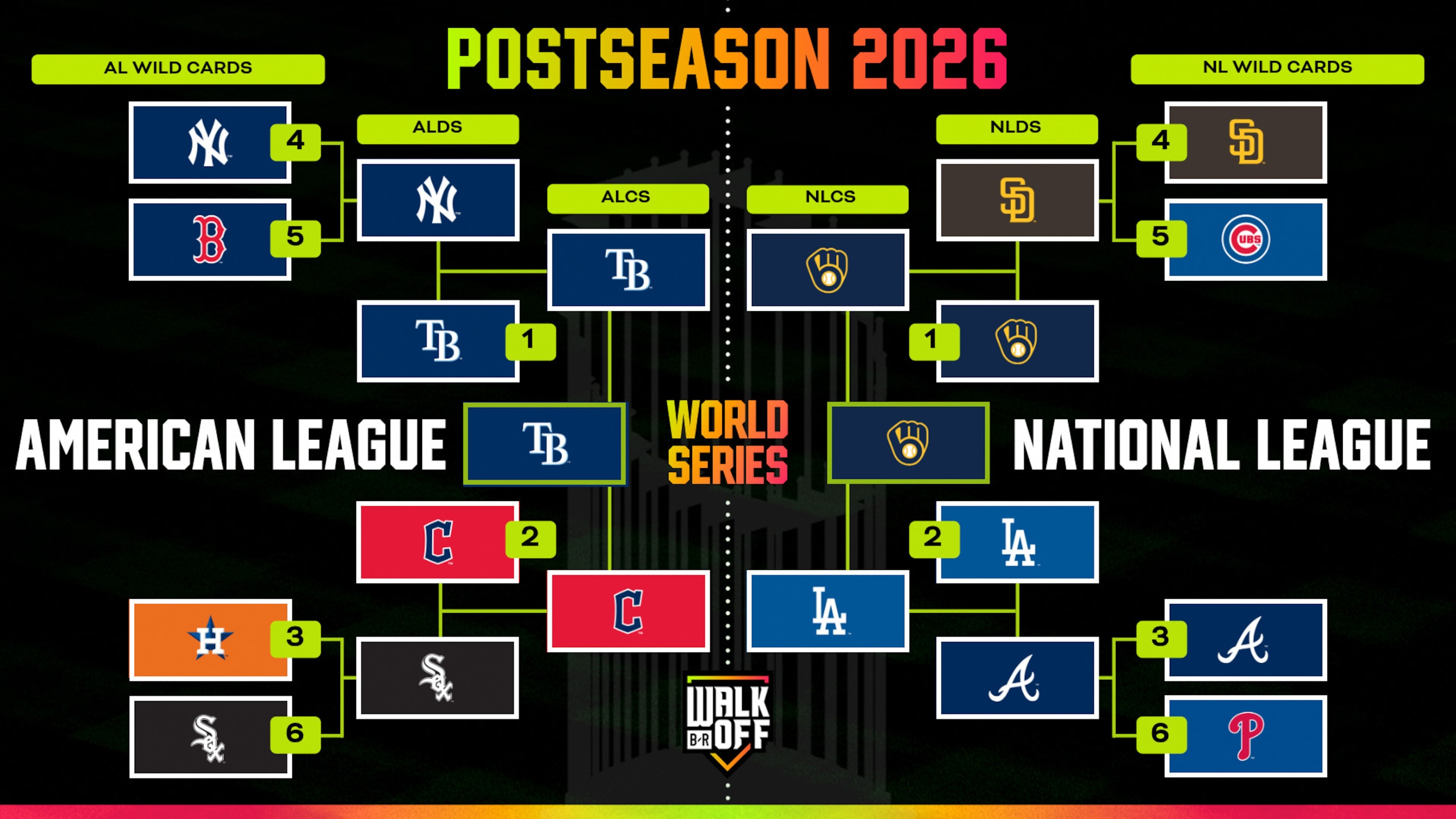
World Series Game 3 Stat Predictions 🔮
Rule Nine
Pitchers and hitters who have really good nights deserve curtain calls. Feel free to cheer wildly for these players, because these types of performances are very rare. Some really rare events include cycles, three home runs or greater, a four for four night or better, and a very well pitched game.
Good pitching performances are generally obvious to anyone. If an opposing player does something incredible, like four home runs or say a perfect game or a no-hitter, then you have got to give him credit when it’s due.
Rule Eight
Feel free to heckle at players as long as it's done in a reasonable matter. Nothing profane or racist. This does not mean you can heckle someone nonstop though.
Rule Seven
If a stadium chant has started, then keep it going until the at-bat is over with. If your team is up to bat, and a potential run can score, make as much noise as possible to distract the pitcher.
Rule Six
If people have clearly left a game early, those seats are on a first come, first serve basis. If no one has arrived at those seats by the seventh inning, those seats are also fair game. If there are plenty of seats in the general area, feel free to sit where you want in that general area.
If the people want their rightful seats, give them up and move, unless the two above criteria are met. Everyone deserves a seat upgrade if it’s available according to these rules.
Rule Five
Help your team out by making and preventing outs. If your team is up to bat, then by all means, help the batter out by preventing a player on the field from making an out. This also includes helping a ball get over a fence for a home run. If your team is in the field, let your team attempt to make the play to get an out in the stands. This includes letting the outfielder make a leaping catch to rob a player of a home run. Also known as NO Steve Bartmans.
Rule Four
If you catch a home-run ball for an opposing team, you must throw it back unless one of these conditions is met: 1) If you are under the age of 13, or 2) you have a kid in your family with you to give the ball to.
Rule Three
It is acceptable to boo when an opposing team’s pitcher beams a hitter, when he throws to first base more than twice consecutively or four times in the same at-bat, or when an obvious bad call is made by an umpire affecting your team in a negative way. If an opposing player is notoriously bad for off-field issues, or is just a mean player, feel free to boo him. Only in extremely awful conditions do you boo your own team.
Rule Two
Try not to distract a pitching duel. Most fans know a true duel does not happen very often, and they want to enjoy the $40+ money spent on the game and getting to the game. A pitching duel is defined by one of these statistics: lots of strikeouts, few hits, or a low scoring game.
Rule One
Do not do the wave when your team is ahead or in the first five innings of the game. The whole purpose of the wave is to serve as a rally for your team to come from behind. There is still a lot of time left for a team to come back with half the game left. For reference, see “Angels in the Outfield”.

.jpg?w=2560 "Mahomes Told Teammate to Leave Meeting")
.jpg?w=2560 "🚨 Week 8 AP Top 25 Poll")

.jpg?w=2560 "Baker Gets Glove From Rays 🧤")
.jpg?w=2560 "Updates from EVERY NFL Game 🏈")

.jpg?w=2560 "NFL investigating Eagles")