How Far Could Mekhi Becton, Javon Kinlaw Fall in Draft After Recent Red Flags?
At this time of year, there's no shortage of speculation regarding how the first round of the NFL draft will play out. As fans and pundits attempt to predict who will be chosen where, a dizzying multitude of factors come into play, from fit to trade speculation to good old-fashioned scuttlebutt.
The one factor no prospect wants added to their dossier is the dreaded "red flag." A failed drug test or medical concerns can cause a young player to take a costly slide down the draft board.
Louisville tackle Mekhi Becton and South Carolina defensive tackle Javon Kinlaw are two high-end prospects in that position in 2020. In this most unusual of years, it's worth asking just how much damage some recent bad buzz is doing to their respective draft stocks.
A month-and-a-half ago, it appeared that this year's scouting combine had done nothing but help Becton's cause. He was already one of this year's top prospects at his position—a massive and powerful 6'7", 364-pound mountain of a man. But when Becton showed impressive quickness in Indianapolis, including a jaw-dropping 5.1-second 40-yard dash, it solidified the notion that he might just be the best of a deep class at his position.
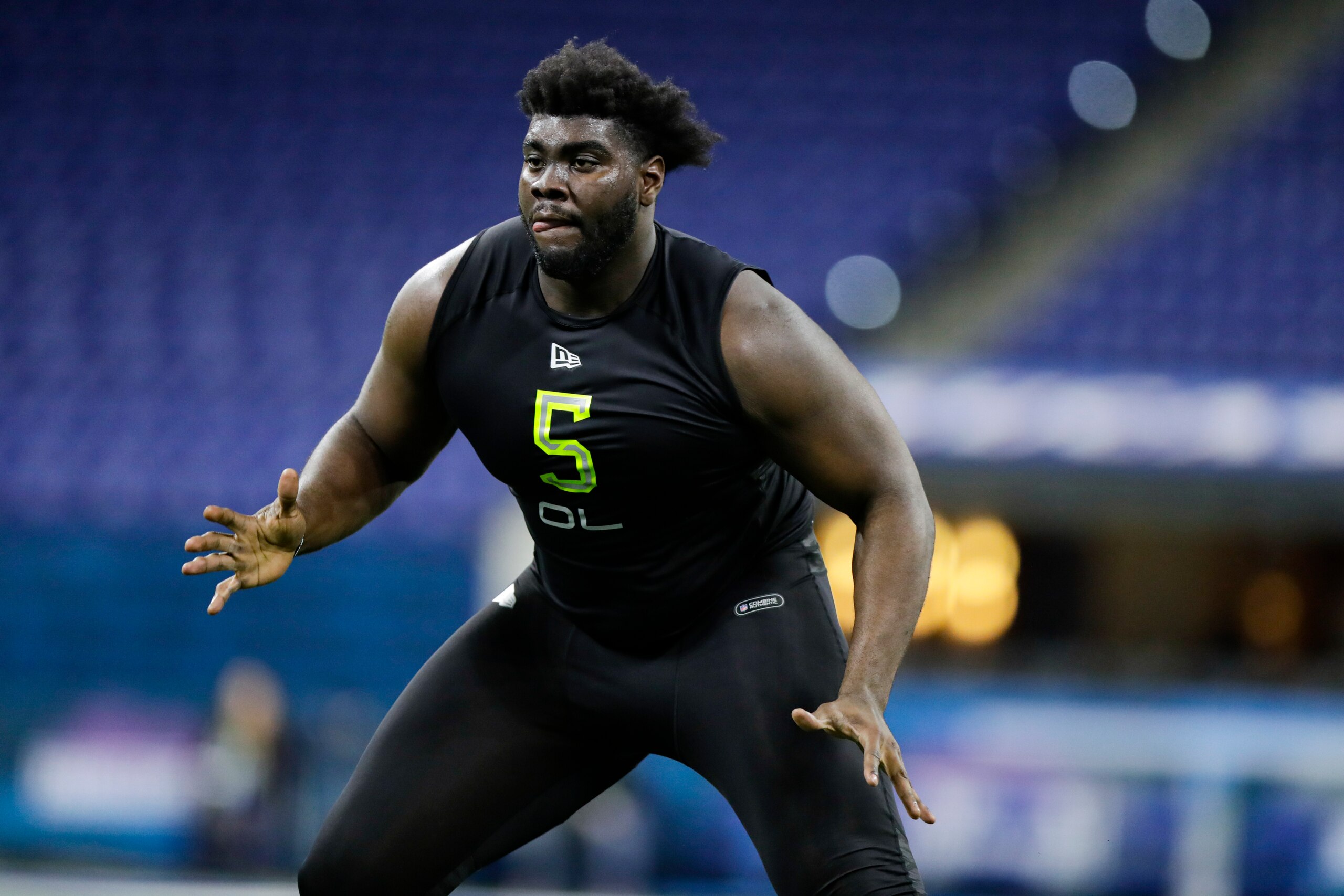
"I feel I'm the most dominant tackle in this draft. You wouldn't go wrong picking me," Becton said, via Bill Huber of Sports Illustrated. "The tape shows it. It shows that I finish almost every play. It's as simple as that."
However, Becton was one of several players to have his drug test flagged at the combine, according to NFL Network's Ian Rapoport.
Per the terms of the recently signed collective bargaining agreement, he will be enrolled in Stage 1 of the league's intervention program for no more than 60 days, Rapoport noted. If he isn't flagged again over that span, he would assume the same status as a player who has never had a test flagged.
Louisville athletic director Vince Tyra expressed surprise about Becton's flagged test.
"I would tell you it would be a surprise if he has a failed test," Tyra told ESPN's Josina Anderson. "He's just been a model student-athlete for us. ... I'm not worried about him. He is going to have a great career. I don't think he's going to be any trouble for any teams."
A flagged drug test at the combine is hardly the end of the world for Becton. If he stays out of trouble for a few months—which is far easier when you can't go anywhere thanks to a pandemic—he'll go right back to Step 1 in the NFL's intervention program. However, failing a combine drug test is undeniably a bad look. This isn't a pop quiz—prospects know many months in advance that they're going to be drug-tested.

The situations aren't identical, but this bears some similarity to what happened with Laremy Tunsil in 2016. Tunsil was widely regarded as the best tackle prospect in the class that year. In fact, NFL.com's Lance Zierlein went so far as to call him "the next Tyron Smith."
"Laremy Tunsil to me is going to be the best left tackle in the league, or one of the top two, within three years," Zierlein said on The Pick Is In podcast.
There was little doubt that Tunsil was going to be a top-10 pick—right up until a video emerged just before the draft of him wearing a gas mask with what appeared to be a bong attached to it.
The video didn't completely tank Tunsil's stock, but a player many expected to be drafted third overall fell to the Miami Dolphins at No. 13. Per Charlotte Wilder of USA Today, the slide cost Tunsil about $10 million.
This isn't to say that Becton's stock will take a 10-pick hit. But in a crowded class at tackle that includes Iowa's Tristan Wirfs, Alabama's Jedrick Wills and Georgia's Andrew Thomas, NFL teams might pass on Becton in favor of other tackles due to the perception (accurate or not) that there's less risk involved. After all, that's what causes these sorts of draft-day slides—aversion to risk.
The same holds true with Kinlaw, although it's a different kind of risk with the 6'5", 324-pound defensive tackle: injury risk.
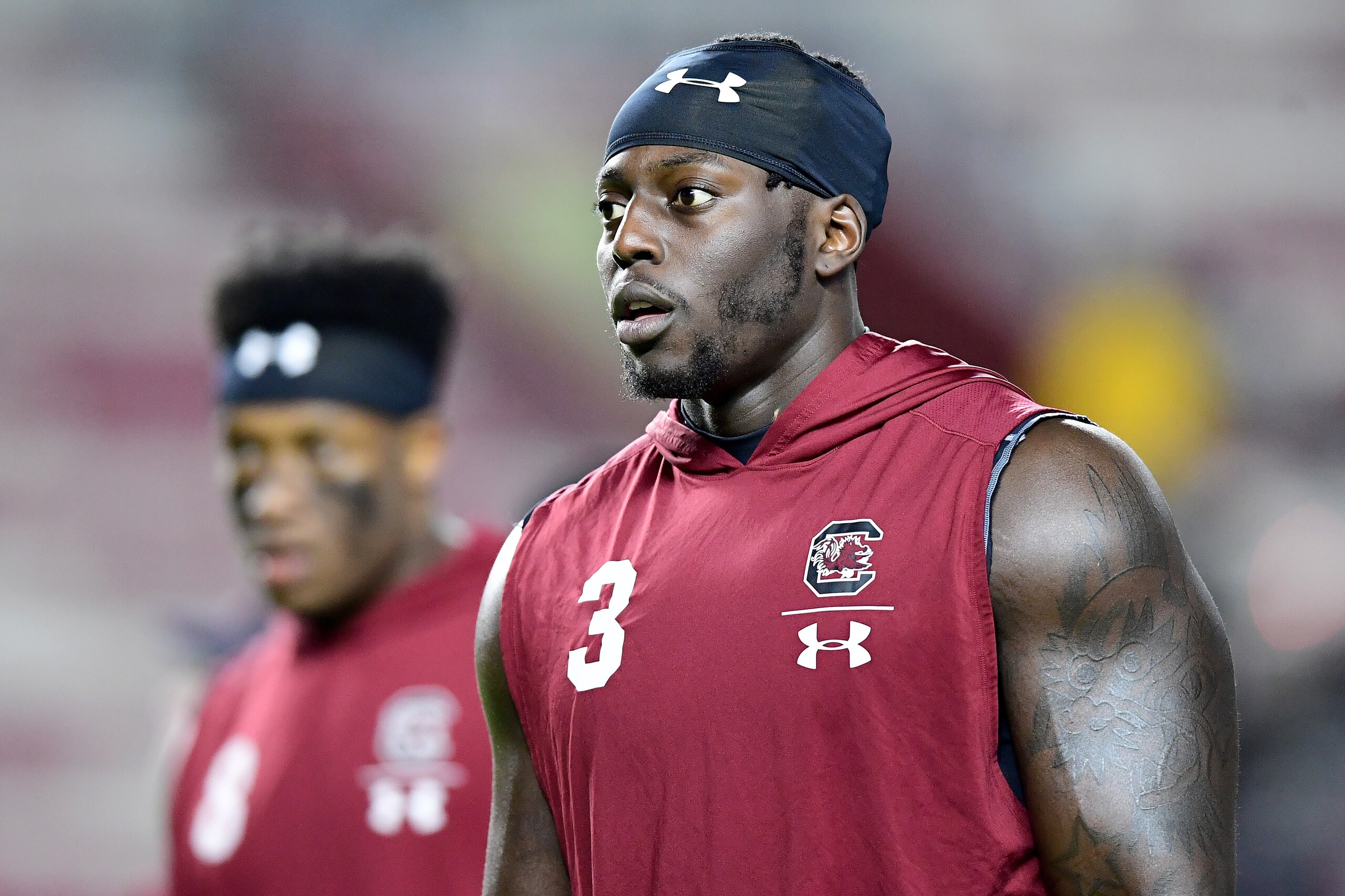
When he was healthy, Kinlaw was a game-wrecker at times for the Gamecocks. He carried that over onto the practice field at the Senior Bowl, looking all but unblockable. He has the total package from a talent standpoint—size, length, power and quickness. Kinlaw has the skill set to play both inside and outside, and much like Becton, he believes he's the best of this year's bunch at his position.
"Hands down, without a doubt," Kinlaw told Kimberly Jones of NFL.com. "And I'm not one to brag on myself. Ask anyone that's really around me, I don't brag on myself. But I don't feel like I'm the best because of where I am now. I'm the best because of where I can be, in terms of down the line, in years to come."
However, Kinlaw had hip surgery in 2018 and had knee problems that both shut him down at the Senior Bowl and prevented him from working out in Indianapolis at the combine. Per Bryan Broaddus of 105.3 The Fan in Dallas, some NFL teams have expressed significant concerns about his durability.
We saw a somewhat similar situation unfold two years ago with Maurice Hurst. Early in the predraft process, the Michigan standout was generally believed to be a first-round prospect and one of the better interior linemen in his class. But after Hurst was diagnosed with a heart condition at the 2018 scouting combine, his draft stock cratered.
The Raiders ended up drafting Hurst in the fifth round.
A heart condition and a knee problem are not the same thing. But in at least one respect, Kinlaw's situation is even worse. In any other season, teams interested in him would bring him in for a predraft visit and have their doctors check him out. Kinlaw's knees and hips would have been examined roughly 113 times over the past two months.

But with so much of the United States (and the NFL) stuck at home as a result of the COVID-19 pandemic, that's out the door. Teams either have to roll the dice that Kinlaw will hold up based on the information they already have, or they'll have to pass on him.
It's possible that this will all be much ado about nothing. It only takes one team willing to overlook these concerns for Becton or Kinlaw to be drafted early. Both are equal parts immense and immensely talented. Both play premium positions.
But in this strangest of years, with a virtual draft and no pro days or predraft workouts, it isn't difficult to imagine NFL general managers being more cautious than usual. If that's the case, Becton could easily fall outside of the top 15. Kinlaw could fall out of the first round altogether.
Here's the cold, hard truth: It's a bad year for an NFL prospect to have a red flag.
.jpg?w=2560 "Patriots Chiefs Football")