

1 Starter Every NBA Team Should Trade This Offseason
Though the 2020 NBA free-agent class is widely considered less interesting than its previous two counterparts, the offseason still has a chance to be full of transactions and drama. With no clear title front-runner and every team boasting a weakness or redundancy of some sort, there are plenty of potential trades to be made.
Here, we've isolated the one particular starter that each team should trade this offseason. However, there are two caveats.
First, let's be realistic. We may all think the Wizards and Pistons should try to move off John Wall and Blake Griffin, but there's an infinitesimal chance that either of them are traded this offseason. Secondly, as the prompt states "this offseason," that eliminates all impending free agents.
Atlanta Hawks: DeAndre Hunter
1 of 30
A bolder prognosticator would recommend the Atlanta Hawks trade Clint Capela. But it's unlikely that any team would trade a player of his magnitude without seeing him play a game for his new club, so Hunter is more realistic.
"More" is the operative word there, because it's also unlikely that Atlanta will trade Hunter after one season. But Trae Young and John Collins are an established pairing, and Kevin Huerter becomes even more essential with the arrival of non-shooting Capela, so he's the pick.
Hunter has had a traditionally up-and-down rookie season. After an encouraging three-month stretch, he started hitting the rookie wall in March. However, the basis of Hunter's skill set has translated.
He hits open threes and has guarded everyone from LeBron James to DeMar DeRozan, with varying degrees of success. On the off chance that Atlanta is looking to shop Hunter, he should garner a healthy market.
Boston Celtics: Daniel Theis
2 of 30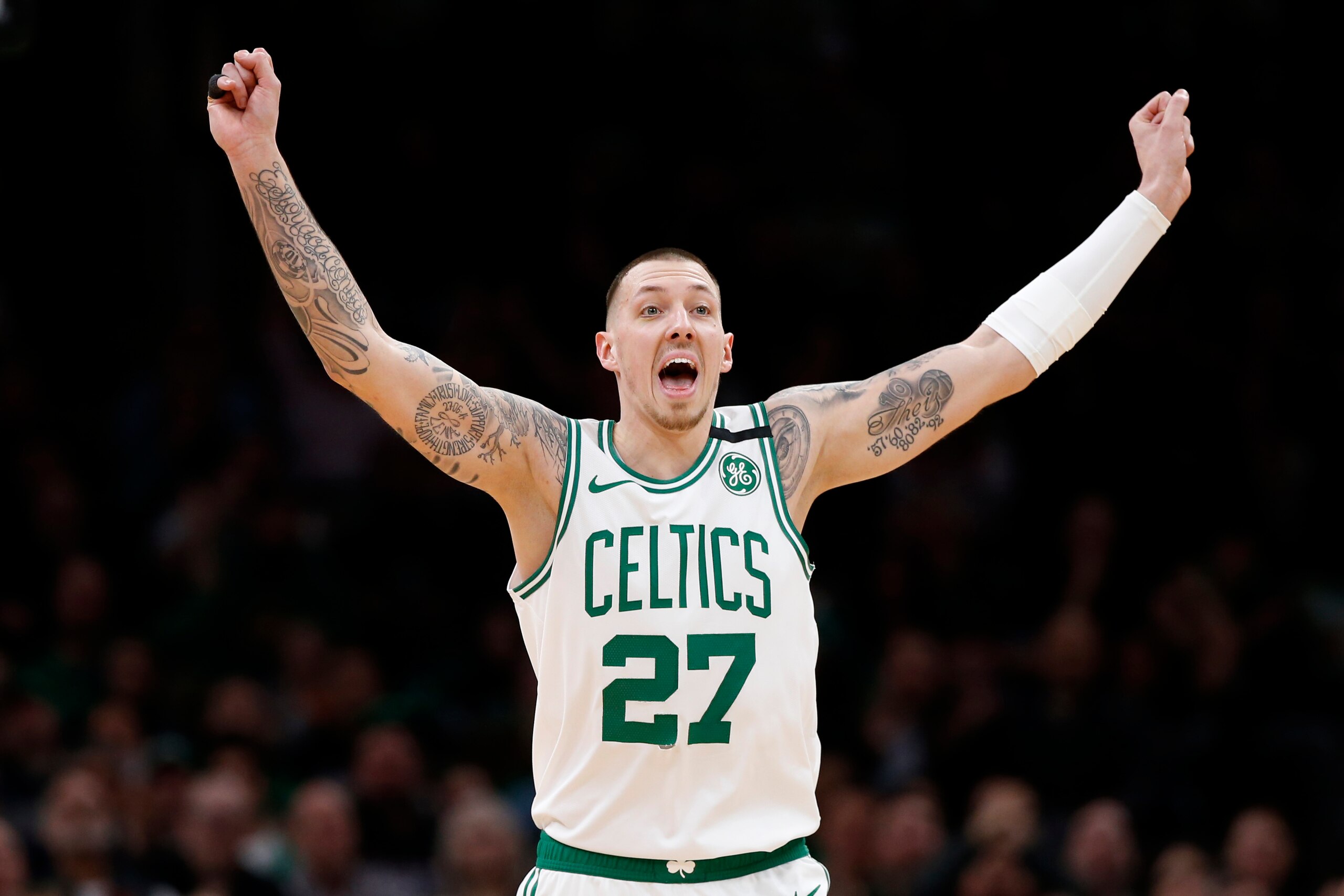
Gordon Hayward might be the most obvious trade candidate, but it would be quite a shock if he turned down his $34 million player option, so Daniel Theis will do instead.
After losing Al Horford and Aron Baynes last summer, center was considered a major weak point for the Celtics. However, they currently rank sixth in center net rating this year, in large part thanks to Theis. The German has been a stalwart in the paint, recording a 62.9 true shooting percentage and ranking fourth among centers in ESPN's defensive real plus-minus.
However, with Enes Kanter, Grant Williams and Robert Williams III all waiting in the wings, the Celtics can afford to ship off Theis. If they could lose their top two centers last year and remain top-notch at the position, who's to say they can't do so again with a less talented big man?
Brooklyn Nets: Taurean Prince
3 of 30
Before Nets fans begin quibbling with this pick, we must acknowledge that Taurean Prince has had a bad season. He's shooting just 37.6 percent overall and is recording one of Brooklyn's worst defensive ratings.
However, every team needs glue guys, and it appears that Prince may be that for Brooklyn. Despite those bad individual numbers, his presence has largely benefited the Nets. He boasts the team's fourth-best offensive rating and the second-best on/off-court swing.
Given these positive advanced stats and the fact that Prince's shooting numbers are highly anomalous (for him or anybody else), he may just be in the throes of a terrible slump. If that's the case, the team that acquires him as part of a larger, star-studded deal will be delighted to have a player who, when he's right, is built for postseason basketball.



Charlotte Hornets: Cody Zeller
4 of 30
If you want to identify one particular reason why the Hornets have only made the playoffs twice in the last 10 years, look at Cody Zeller.
Now, he's obviously not the only reason why Charlotte has wallowed in mediocrity, but he's a microcosm of the franchise's issues. The former Indiana Hoosier has started 252 games for the Hornets over seven seasons, and they've seemed comfortable with him the whole way, despite his outdated style of play.
In a perfect world, Zeller would function like a less athletic Mason Plumlee. They're both interior-based centers who can serve as secondary playmakers, but instead, Zeller has been playing above his head as a starter on one of the league's least relevant teams for years.
For the next phase of his career, Zeller should try to find his way to a contending team, where he could succeed as a second-unit offensive hub.
Chicago Bulls: Lauri Markkanen
5 of 30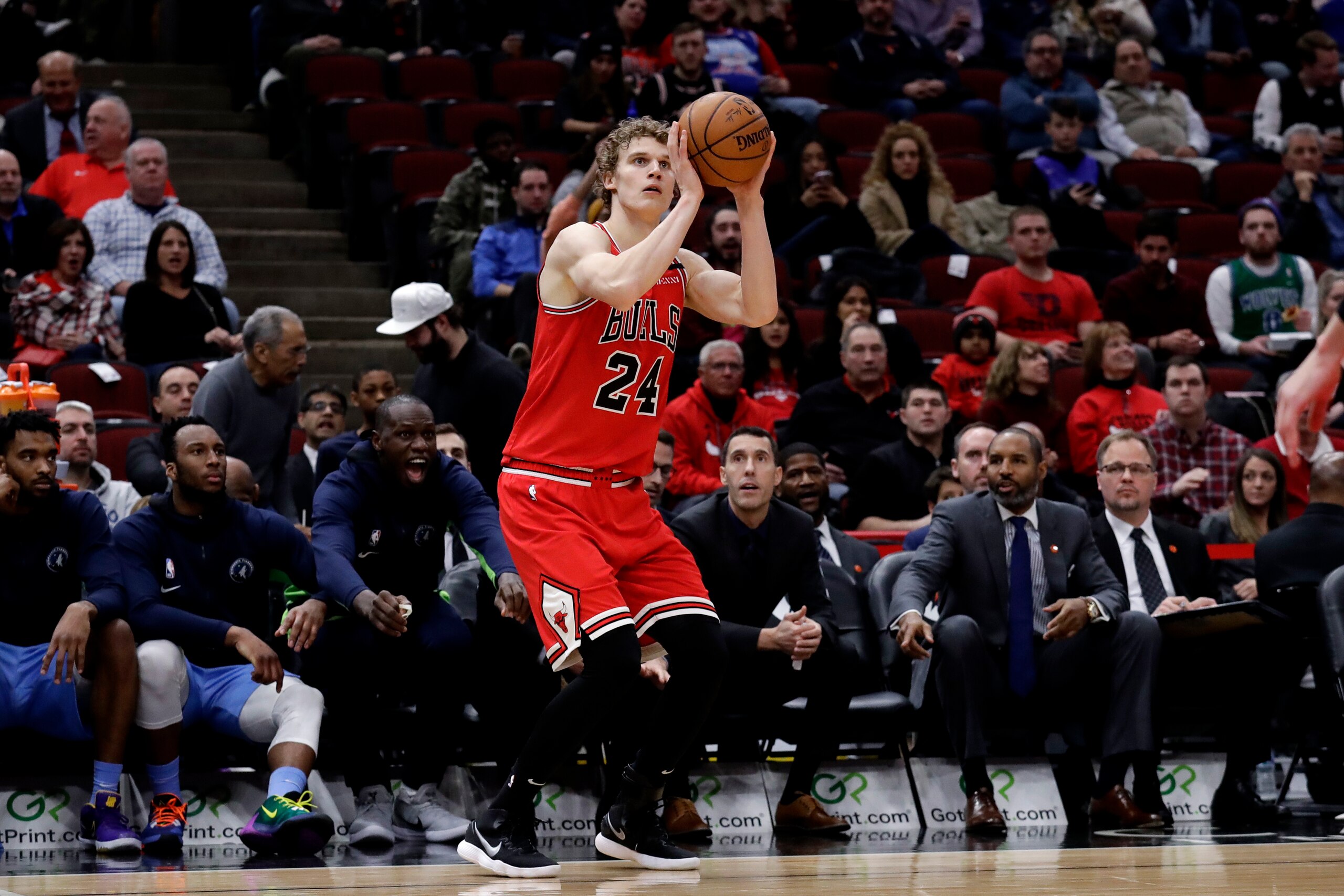
The Bulls have a logjam at point guard, but Kris Dunn, Coby White and Shaquille Harrison all bring distinct value in various areas of the game. Lauri Markkanen, on the other hand, has not only regressed in his third season but appears to be disgruntled in the Windy City, per Joe Cowley of the Chicago Sun-Times.
This is a perfect situation for the Bulls. Before Markkanen's trade request, their draft and offseason strategy seemed a bit unclear, but now new president of basketball operations Arturas Karnisovas has a clear directive. Move on from The Finnisher, draft a replacement big like Dayton's Obi Toppin or USC's Onyeka Okongwu, and use free agency to continue retooling on the fly around Zach LaVine, Wendell Carter Jr. and White.
If White, in particular, continues his play from his most recent hot streak into next season, Chicago might finally be back in playoff position.
Cleveland Cavaliers: Andre Drummond
6 of 30
Everything about the Cavaliers' acquisition of Andre Drummond was strange. From merely giving up Brandon Knight, John Henson and a second-round pick to the fact that Cleveland's frontcourt was already crowded, the team's decision to bring him in remains odd.
Now, keeping Drummond makes some sense if impending free agent Tristan Thompson leaves. But even then, he should probably be moved.
A frontcourt of Kevin Love and Larry Nance Jr. would be the Cavaliers' most modern big-man tandem in years, and a starting lineup with competent defenders and a coherent amount of spacing would be a major improvement on Cleveland's last two campaigns.
Hassan Whiteside was in a similar contractual situation as Drummond last summer, and the Blazers went out on a limb to acquire him. Hopefully, a starting center won't need to break his leg to necessitate a trade for Drummond, but he deserves a sincere look all the same.
Dallas Mavericks: Dorian Finney-Smith
7 of 30
The Dallas Mavericks have overperformed this season, and while Luka Doncic and Kristaps Porzingis have excelled, Dallas' success is in large part thanks to contributions from unheralded rotation members like Dorian Finney-Smith.
Finney-Smith found a roster spot with the Mavericks thanks to outstanding, multi-positional defense, but he was lagging behind on offense.
That's changed.
A career 30.3 percent three-point shooter in his first three seasons, Finney-Smith has discovered a jumper, making 37.4 percent of his threes this year on career-high volume. Add that offensive improvement to his continued defensive excellence, and you get one of the league's most underrated glue guys—one who Mavericks coach Rick Carlisle called "one of our most indispensable players."
That comment from Carlisle suggests that he'd like to keep Finney-Smith. But if the wing must be dealt for some reason, he's the exact type of player who helps teams win championships.
Denver Nuggets: Will Barton
8 of 30
With a whole summer to rehab a core muscle injury that nagged at him throughout the 2018-19 season, Will Barton got off to a blistering start this year.
Through October and November, he averaged 15.4 points and 3.5 assists per game while shooting 42.7 percent from three—contributions that helped keep the Nuggets afloat while Nikola Jokic played himself into shape. Since Jokic has returned to his usual All-Star form, Will the Thrill has leveled off but remains a prime candidate for scoring explosions.
Barton has also shown prowess as a secondary ball-handler, averaging four assists per 36 minutes, and as a defender, recording a positive defensive real plus-minus. Quietly, the swingman is getting closer and closer to becoming a complete player. Don't ask him to be a primary scorer, but nearly any role short of that seems possible.
Detroit Pistons: Tony Snell
9 of 30
And now, for the most shocking stat of this article: Tony Snell, one of the most anonymous players in the NBA, has started 275 games over his seven-year career. Though you may not know of Snell, there is a reason why three teams have relied on him.
He looks like a classic three-and-D wing, but looks can be deceiving. Quietly, he's only 6'6" and a lanky 213 pounds, which limits his ability to guard bigger forwards. However, he's excelled against wings like Bradley Beal, Devin Booker and Khris Middleton this year.
Snell is also a reliable shooter, making at least 36 percent of his threes in each of the last six seasons, and can be counted on for occasional scoring explosions. Though not flashy, Snell has become a proven commodity in big-minute roles for playoff teams.
If traded to another contender from Detroit, he could do so again.
Golden State Warriors: Marquese Chriss
10 of 30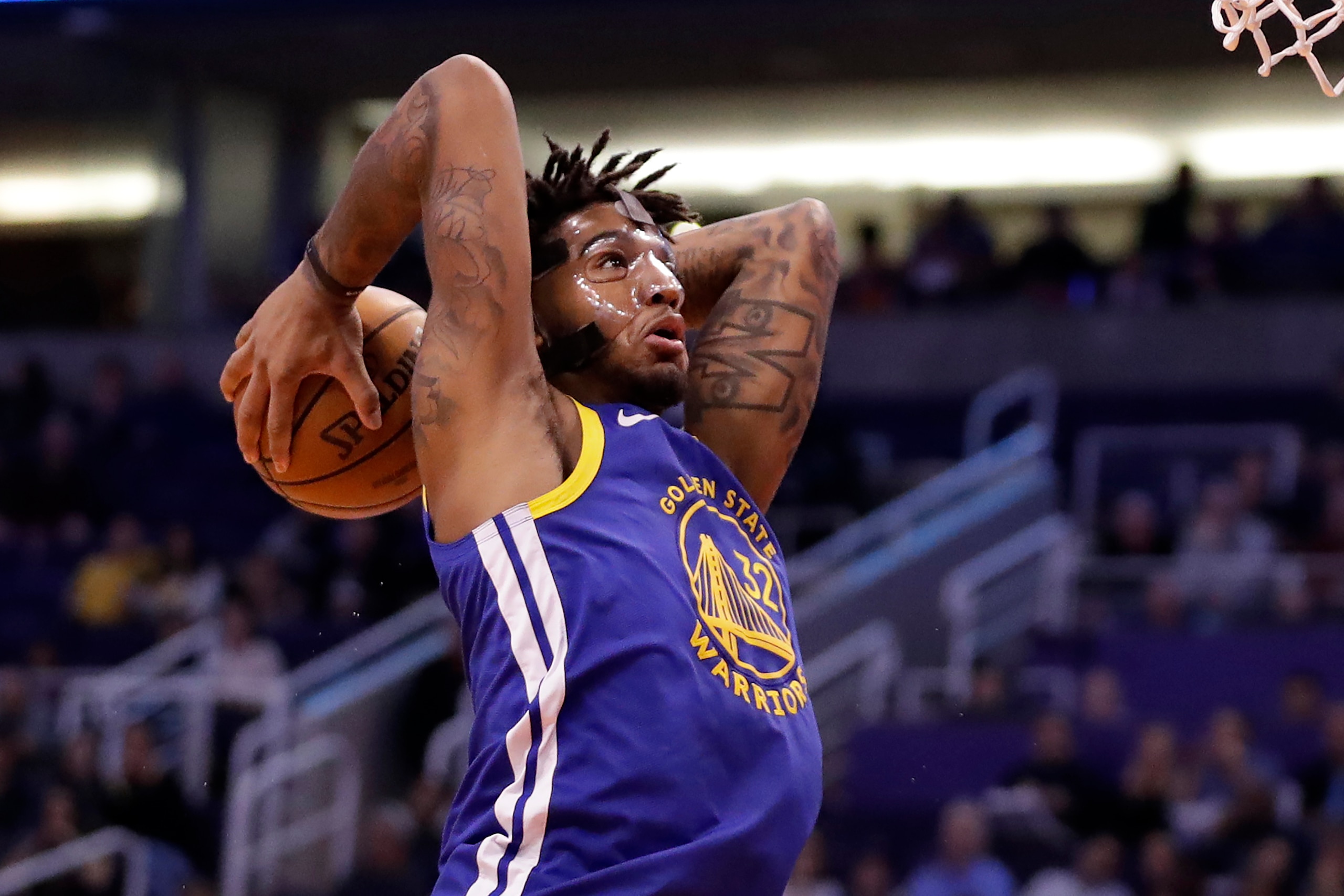
Two seasons ago, Steve Kerr helped JaVale McGee resurrect his career, and he may have pulled the same trick again with Marquese Chriss.
Last summer, Chriss was on the verge of exiting the NBA. He had played on three teams in two years, shot 37.2 percent from the field in 2018-19, and was as foul-prone as ever. However, after the departure of nearly its entire big-man rotation, Golden State took a chance on Chriss, who in turn has saved his NBA career.
Not only has the big man cut back significantly on fouls, but he's also recording a 60.4 true shooting percentage (tops among Warriors regulars) and attracting support from Kerr and Draymond Green. If Golden State must move on from Chriss (and given the reaction when he was temporarily released in January, that's not likely), he'll have numerous suitors.
Houston Rockets: Danuel House
11 of 30
As he's now been traded three times in two seasons, Robert Covington seems like an ideal candidate for a list like this, but it wouldn't be a shock to see GM Daryl Morey keep his ultra-small-ball experiment going for a full season.
In his place, however, Danuel House is also a perfect trade asset.
The former undrafted free agent has found a home in Houston. He stays out of the way on offense but shines when needed, recording a sterling 54.5 effective field-goal percentage, and is frequently assigned players like Devin Booker, Chris Paul and JJ Redick on defense, often excelling in those matchups.
As we are reminded constantly, three-and-D role players are in short supply, and teams with the most versatile wings will be the most competitive. House is a solid example of one of these players and could excel in his role for the right team
Indiana Pacers: Myles Turner
12 of 30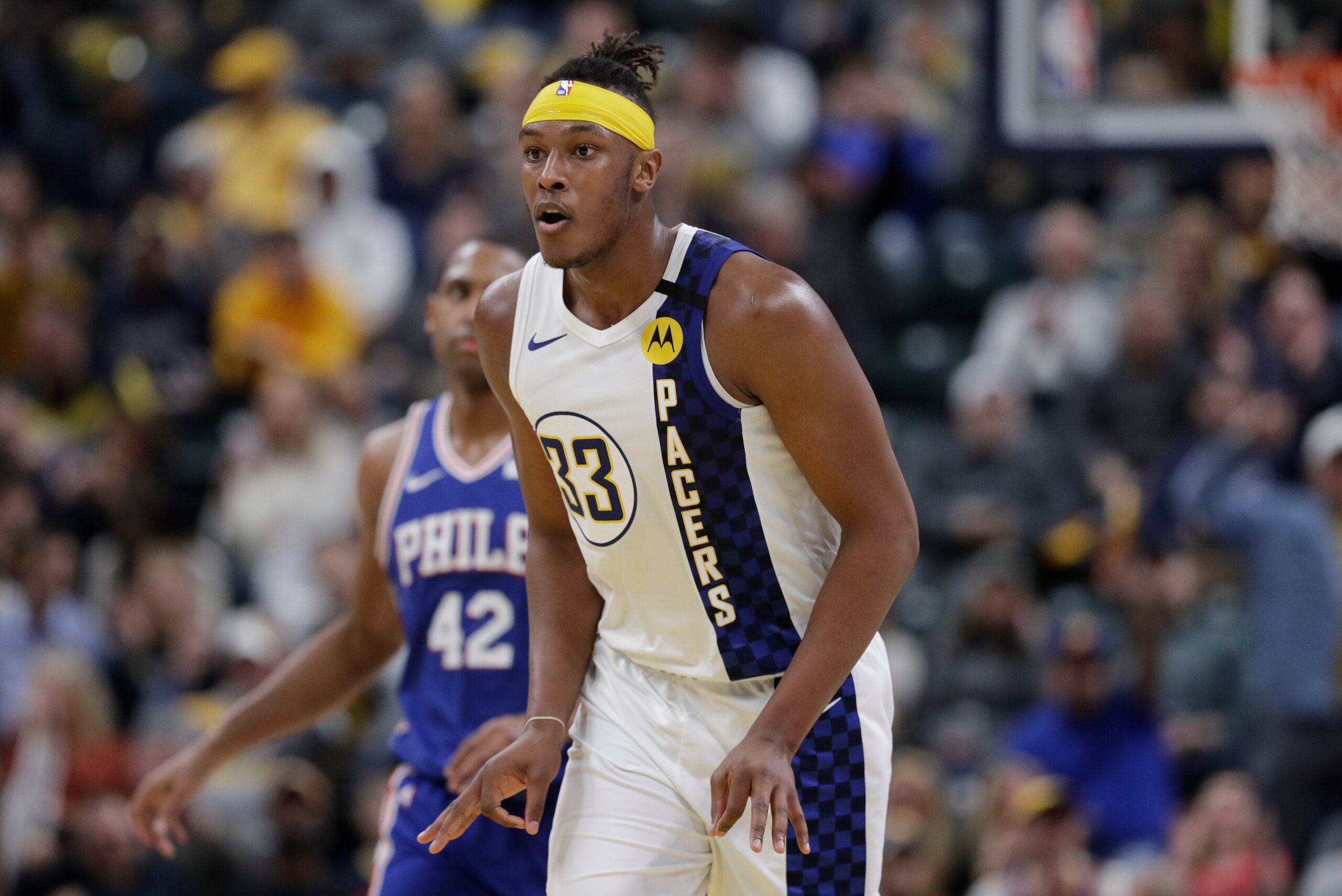
Ever since the Pacers acquired Domantas Sabonis, his fit with Myles Turner has been questionable. Though Turner signed a contract extension before the 2018-19 season, two things have happened since that makes his future in Indiana murky.
First, Sabonis' development has rapidly outpaced Turner's. Where the Texas product has stagnated on offense, Sabonis made his first All-Star team earlier this year. Secondly, the Pacers spent a first-round pick on Georgian big man Goga Bitadze in 2019, and though Bitadze hasn't gotten much opportunity, it's likely that Indiana will want to see what it has in him soon.
Though not nearly the unicorn that hopeful draftniks projected in 2015, Turner has blossomed into an elite defender and rim protector while offering solid spacing on offense. He'd be an excellent fit in Toronto, where both Serge Ibaka and Marc Gasol are free agents, or Charlotte, a team starving for defensive acumen.
Los Angeles Clippers: Ivica Zubac
13 of 30
While Patrick Beverley's contract is easy to trade, his defensive IQ and intensity are unmatched, so Ivica Zubac is the one to go.
Zubac has quietly been one of Los Angeles' main sources of continuity. Thanks to team-wide injury issues, he's made a team-leading 62 starts and provides a vital interior presence for the perimeter-minded Clippers.
There are few ways a non-shooting center can exist in the NBA, but Zubac has filled each of those niches at an elite level. He's a top-10 player in both true shooting percentage and rebounds per 36 minutes, and he boasts the fifth-best net rating among Clippers regulars.
Despite coming off the bench, Montrezl Harrell is generally considered Los Angeles' main center, and he does play more than Zubac. But the Bosnian understands his role and performs it to perfection. Every NBA team could use a player like that.
Los Angeles Lakers: Danny Green
14 of 30
As the Lakers likely want to win as many titles as possible before LeBron James retires, role players like Danny Green will be essential. But if another star demands a trade soon and Los Angeles is interested, attaching Green and his moveable contract in such a deal is the easiest place to start.
It's no coincidence that Green has only played on legitimate title contenders for the better part of a decade. While he's obviously never been the star of those teams, Green's basketball intelligence and easily transferable skill set make him the perfect role player for high-level, star-laden clubs.
Nothing has changed with the Lakers.
Though Green's shooting stats have dipped from a blazing-hot campaign in Toronto, he remains a top-flight defender and an indispensable locker room presence. If the Lakers must move on from the 32-year-old, he'll be welcomed with open arms in just about every other NBA city.
Memphis Grizzlies: Jonas Valanciunas
15 of 30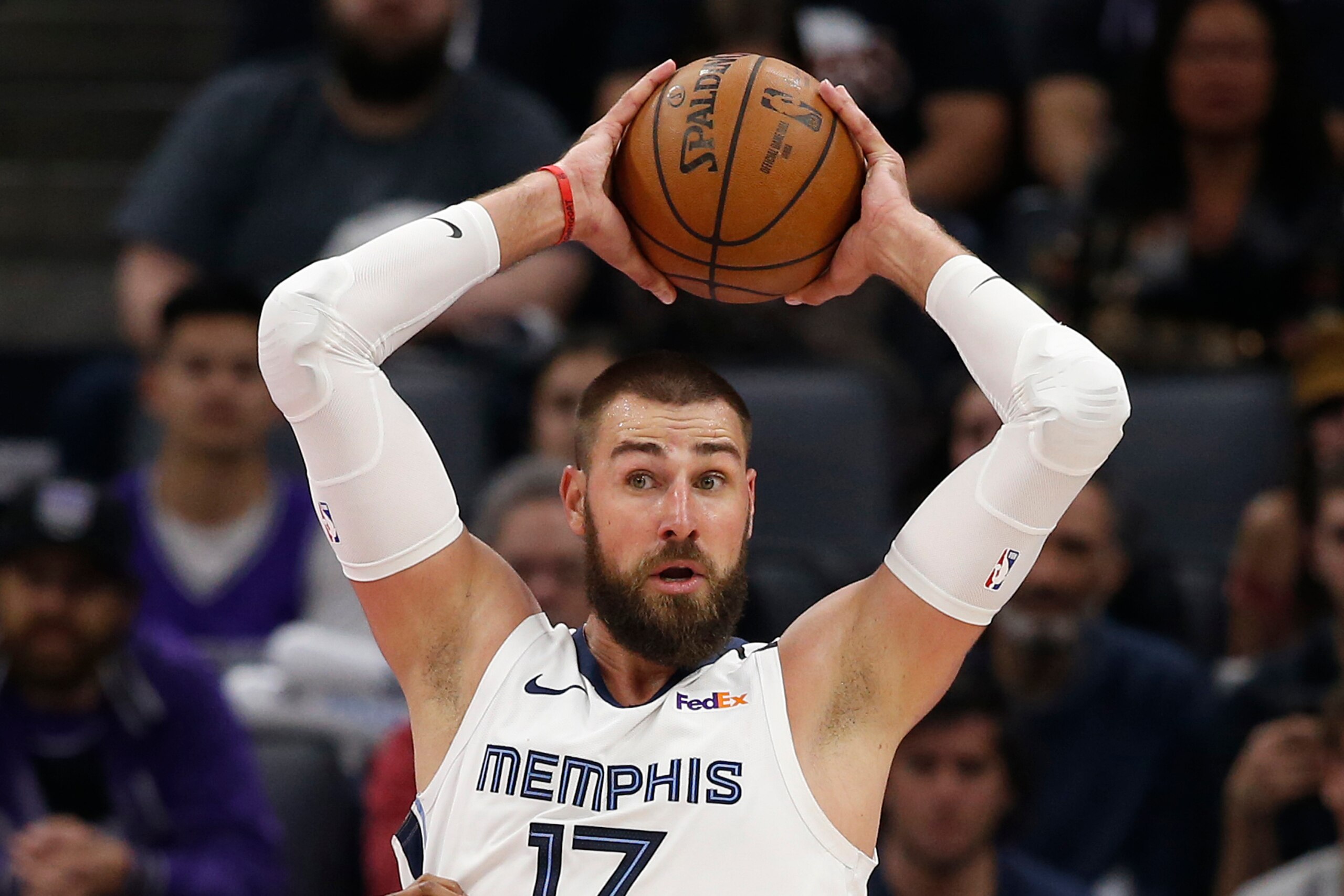
Since arriving from Toronto, Jonas Valanciunas has been an excellent mentor to Jaren Jackson Jr., but considering the team's surprising success and Brandon Clarke emerging alongside Jackson as a future starter, it's time for him to move on.
A less generous player than Valanciunas would look at his current situation and half-heartedly jog his way through the season. Not JV, though. The 2011 fifth overall pick is scoring with career-high efficiency, rebounding at an elite level and grading out well via analytics.
Despite being faced with obsolescence both in Memphis and league-wide, Valanciunas has doubled down on the skills that made him successful, and the Grizzlies have been better for it.
He may not land another starting job, but becoming a sixth man and helping a contender go deep into the playoffs would be a just reward for the man who barely missed his longtime franchise's first title.
Miami Heat: Kendrick Nunn
16 of 30
As one of the league's best surprises, the Miami Heat don't need to make a trade. But given their big plans for 2021 free agency, a move may be imminent anyway.
In that case, Kendrick Nunn is the most eminently tradeable Heat starter.
Nunn's story made the rounds early this season, and as the campaign has progressed, he looks more like an entrenched NBA player. His elite shot-creation ability transcends an undersized 6'2" frame, and with 18 games of 20-plus points, he's a reliable bet to fill up the hoop. In addition, Nunn is a deceptively effective ball-handler, ranking among the league's elite as a high-usage, low-turnover player.
The Heat likely want to keep Nunn, but considering the 24-year-old's low salary and fairly redundant skill set, it wouldn't be a surprise to see him moved. And considering what we've seen, he'd be a hot commodity in that scenario.
Milwaukee Bucks: Wesley Matthews
17 of 30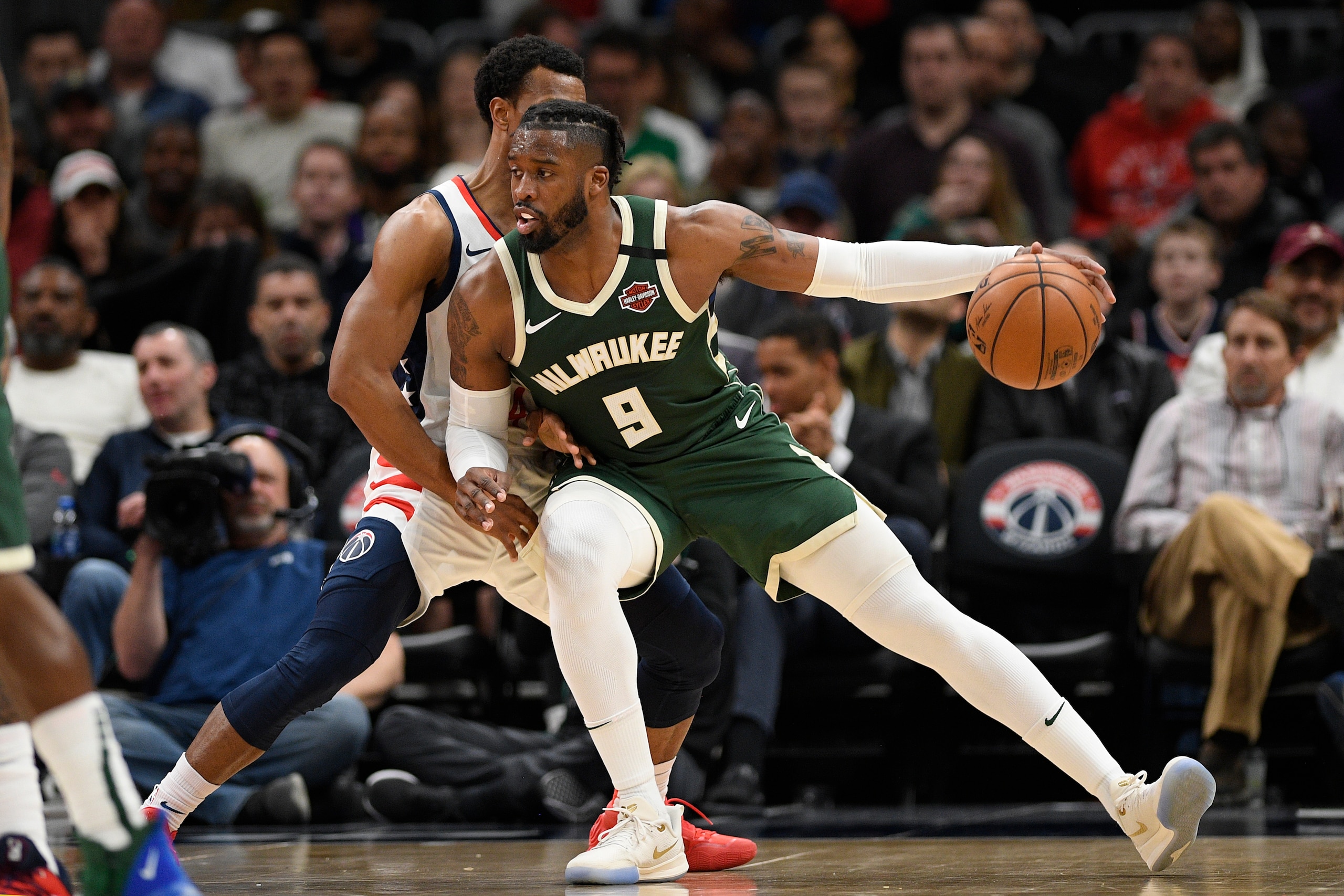
Despite shooting just 39.8 percent from the field, Wesley Matthews has been solid this season, recording his highest effective field-goal percentage in five years and boasting a staggering 12.0 net rating. Unfortunately, the young players he was presumably supposed to be a bridge for have surpassed him.
Neither Donte DiVincenzo nor Pat Connaughton is individually as dynamic as erstwhile Buck Malcolm Brogdon, but between them, Brogdon's skill set is approximated. In particular, DiVincenzo has emerged as one of the NBA's most valuable role players, providing efficient offense and intelligent defense.
In a sense, he's developing into the player Matthews was before an Achilles rupture altered his career.
Matthews has been one of the league's hottest trade commodities for years because of a flexible contract and low-maintenance skill set, and that should remain true this offseason. Next season, he'll likely be helping a new team reach its potential.
Minnesota Timberwolves: Josh Okogie
18 of 30
Boasting a minus-4.7 net rating and shooting just 42.7 percent from the field, Josh Okogie's trade value isn't exactly through the roof, but with Malik Beasley and Juancho Hernangomez each free agents and D'Angelo Russell and Karl-Anthony Towns the team's two cornerstones, he's the only answer here.
However, despite the poor statistics, Okogie boasts one valuable skill in spades: hustle. He compares himself to Jimmy Butler, and college coach Josh Pastner has stated that Okogie has an unparalleled work ethic. This never-ending motor has helped Okogie earn minutes right away in Minnesota and will likely endear him to coaches as long as he plays in the league.
As a career 27.4 percent three-point shooter, Okogie will likely never be any kind of go-to scorer, but he could be the answer for a team in need of cheap perimeter defense.
New Orleans Pelicans: Derrick Favors
19 of 30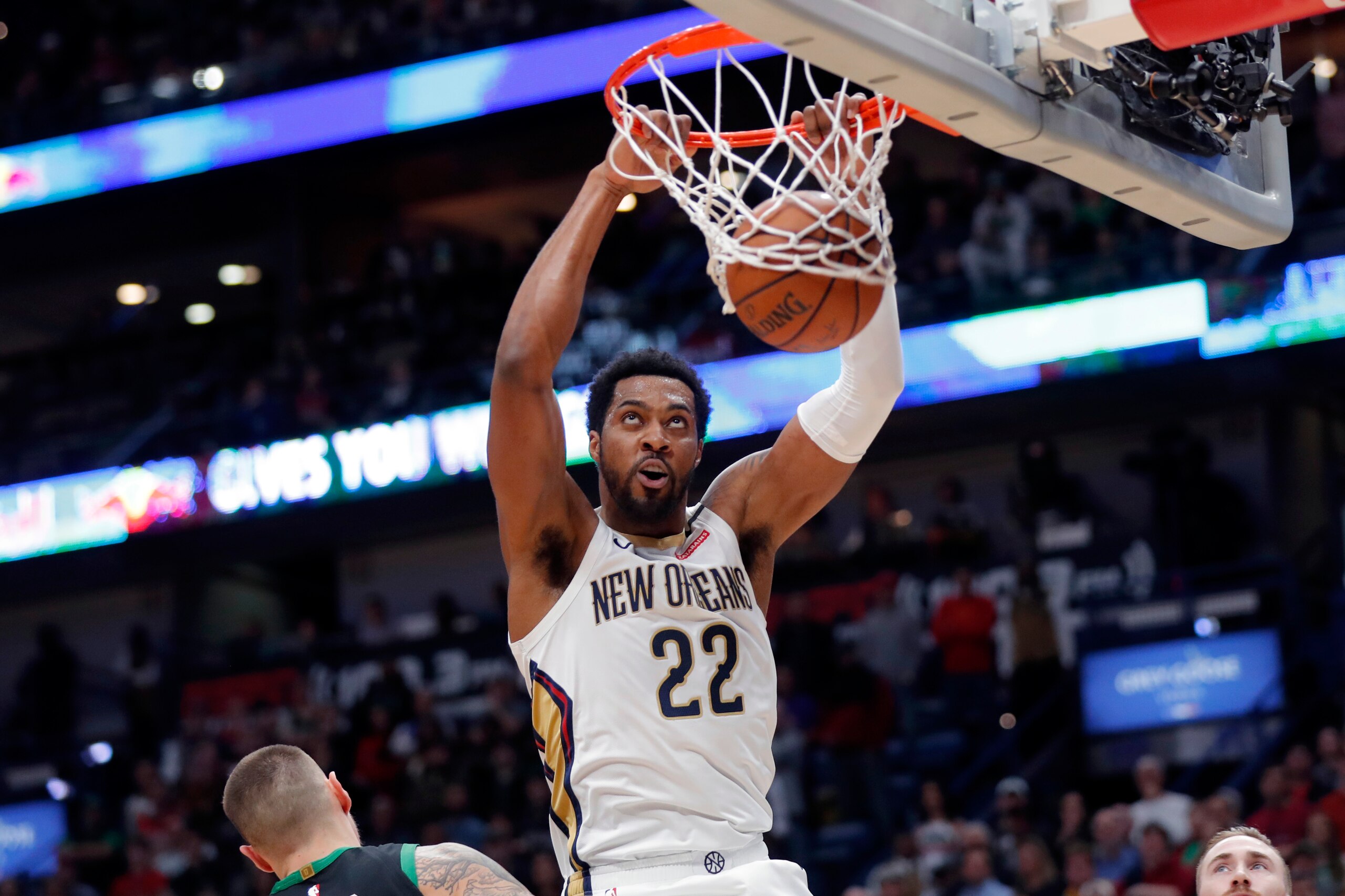
With the Pelicans' promising young core trending upward, management should officially turn the team over to the youngsters by moving Jrue Holiday or Derrick Favors. As the team's best defender and co-lead shot-creator, Holiday is indispensable, so Favors is the one to shop.
After years of trade rumors while on the Jazz, Favors' trade value has arguably never been higher. The Georgia Tech alum is shooting 62 percent from the field (sixth-best in the NBA if he qualified for the leaderboard), ranks seventh among all centers in real plus-minus, and is currently second on the Pelicans in net rating.
While Zion Williamson, Jaxson Hayes and Jahlil Okafor have rightfully encroached on Favors' playing time, the veteran has responded by being a star in his role. He should be rewarded with a trade to a title contender as soon as possible.
New York Knicks: Julius Randle
20 of 30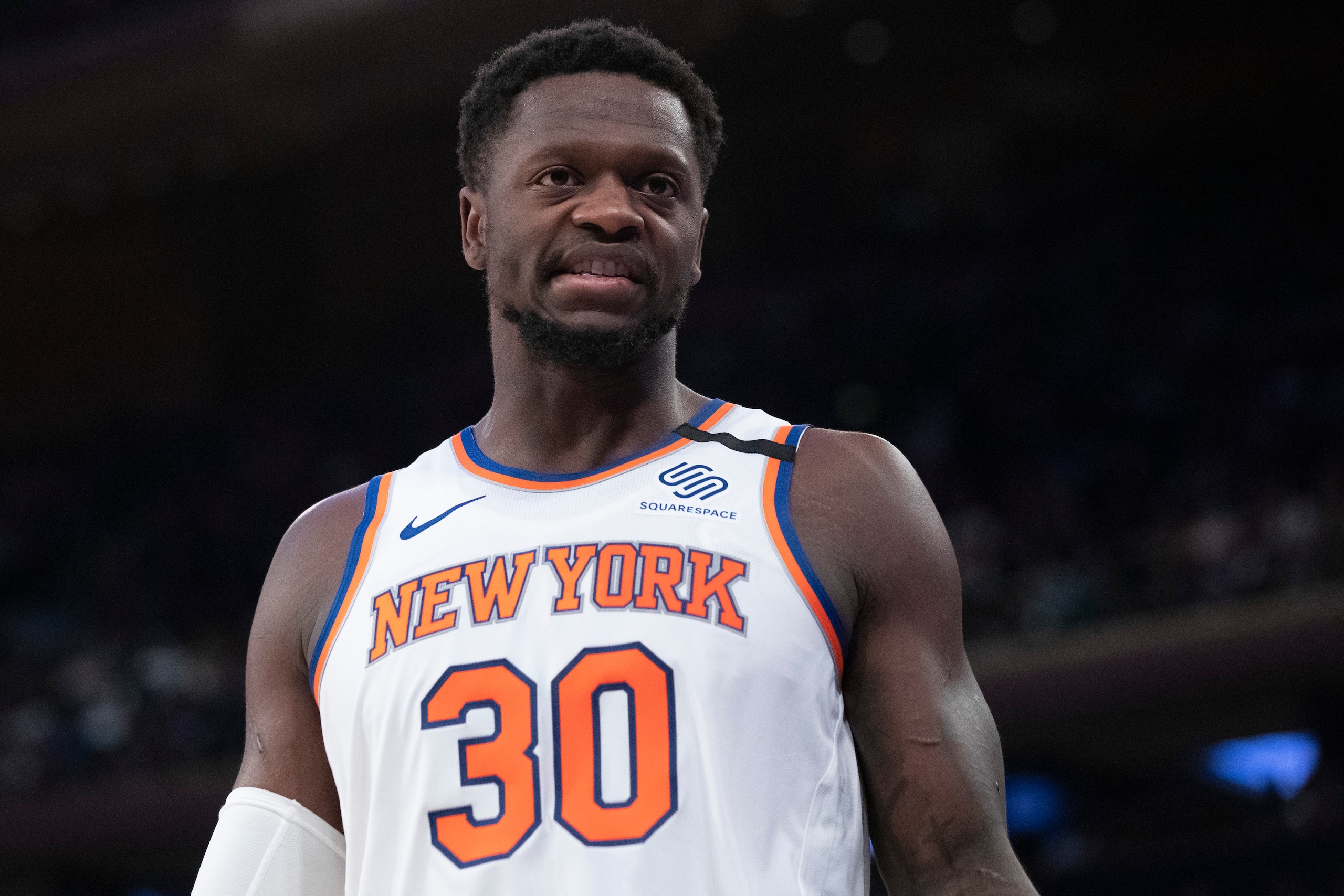
Julius Randle is a classic good stats, bad team player. Despite putting up huge counting stats, he can't shoot or defend.
On the other hand, expectations now need adjusting in year five. Given Randle's clear strengths and weaknesses, he should hope to emulate a similar big man: Zach Randolph. Kobe Bryant compared the two during Randle's rookie season, and as usual, Kobe was right.
Through his first decade, Randolph made appearances on three downcast organizations: the Jail Blazers, Knicks and Clippers. However, once traded to the Grizzlies, he became an integral contributor to the franchise's greatest period of success. He started most of the games in Memphis, but as the league transitioned to small-ball, Z-Bo moved to the bench and began dominating second units.
Don't get it twisted: Julius Randle is not Zach Randolph. But the philosophy remains the same. Let's hold debate on Randle's value until he's on a well-constructed team.
Oklahoma City Thunder: Steven Adams
21 of 30
Terrance Ferguson is the obvious weak link of Oklahoma City's starting five, but trading him wouldn't net much of a return. Moving Steven Adams, however, could help the Thunder add even more to their Scrooge McDuck-esque asset collection.
Through OKC's three recent roster upheavals, Adams has been the one constant. And though the Thunder guards have gotten most of the attention through the team's surprisingly competent 2019-20 campaign, Adams remains dependable, ranking fifth among OKC regulars in net rating and fourth in on/off-court swings.
The 26-year-old also continues to be an expert in basketball minutia, using his superhero-like physique to place fourth league-wide in screen assists and becoming a great roll man.
Whatever dirty work your team needs, Adams will do it. Though non-shooting big men are becoming increasingly niche, he's figured out a way to remain an essential starter for a playoff-caliber team.
Orlando Magic: Aaron Gordon
22 of 30
At first, it was just Aaron Gordon and Nikola Vucevic in the Magic frontcourt. Fast forward four years and the duo is now sharing a depth chart with Jonathan Isaac, Mo Bamba, Al-Farouq Aminu and Khem Birch.
This has particularly marginalized Gordon, whose natural position is power forward (and he arguably should be playing center in 2020), so the Magic's overstuffed frontcourt is inadvertently designed to accentuate his weaknesses.
Playing out of position is finally starting to affect Gordon's statistical profile as well. The Arizona alum is recording a career-low field-goal percentage and a minus-2.2 on/off-court swing, his first negative net-rating differential in five years. However, Gordon is just 24 and still has obvious star potential. Teams like San Antonio, Dallas and Miami would be perfect destinations for him to reset.
Let's hope one of them rings Magic GM John Hammond this offseason.
Philadelphia 76ers: Al Horford
23 of 30
What if, instead of assuming that Al Horford's struggles this season were because of his advanced age, we allowed for the fact that he just may not be a good fit in Philadelphia?
On paper, Horford's integration into the Sixers appeared seamless, given his transferable skill set and past affinity for playing power forward. Instead, Joel Embiid's paint dominance has often relegated Horford to spot-up duty, which has left him frustrated at times and is resulting in career-low efficiency.
However, the big man remains a plus defender, per real plus-minus, and if allowed to be a secondary playmaker like he was in the past, he could revert to offensive proficiency as well.
At 33 years old, Horford is bound to decline soon, but his awkward year in Philly may be because of more than just simple aging. Given another chance, he's likely to thrive for a few more seasons.
Phoenix Suns: Deandre Ayton
24 of 30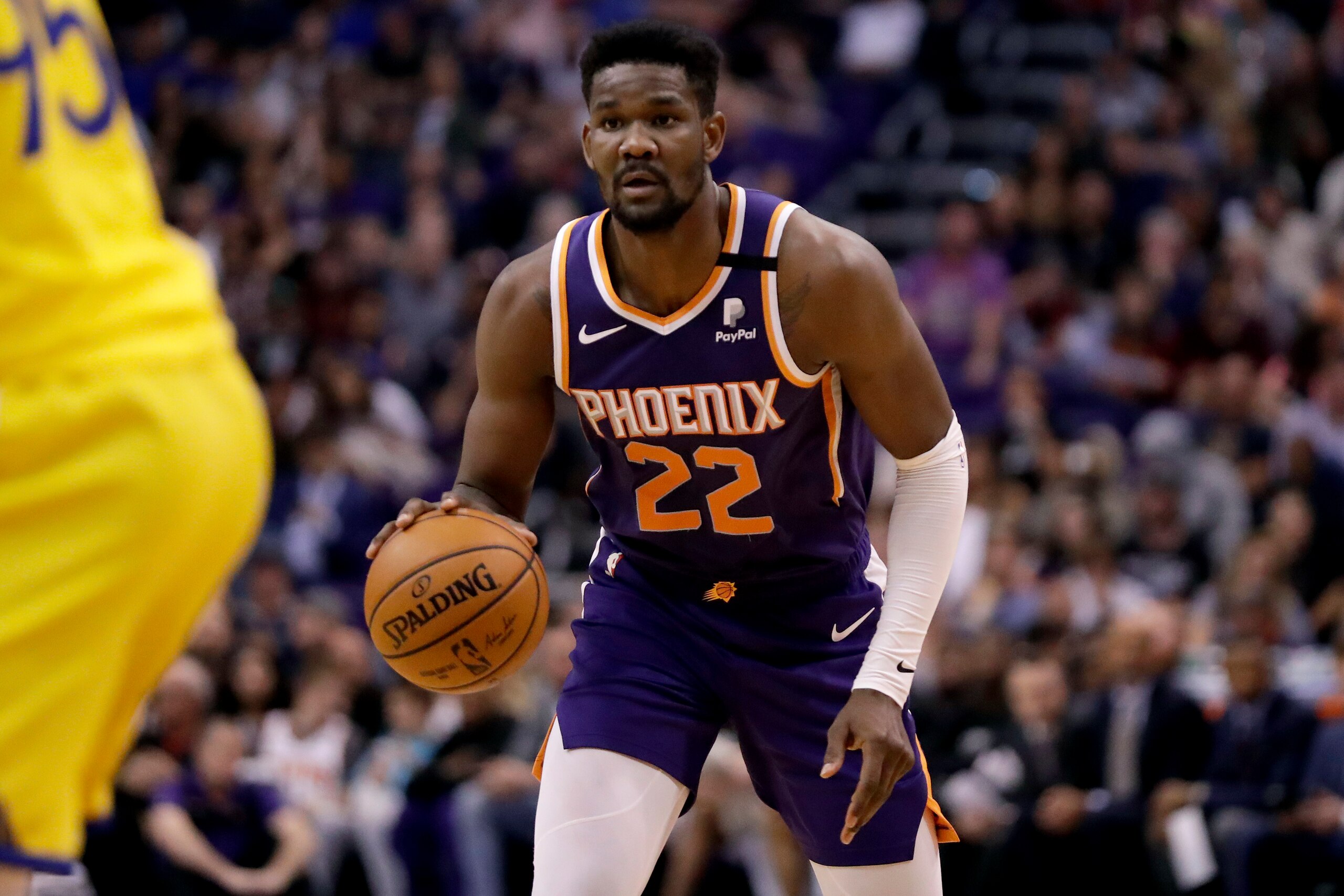
Yeah, Suns fans. We said it.
Picking Deandre Ayton over Luka Doncic was deemed questionable in 2018, but it looks much worse now as Doncic has already become a top-10 NBA player and Ayton remains a post-bound center for a middling team. What is a non-shooting, offensively minded big man worth anymore?
Devoid of league-wide context, Ayton has actually recorded good statistics this season. His combination of 19.0 points, 12.0 rebounds and 54.8 percent overall shooting at age 21 has only ever been matched by Shaquille O'Neal.
With outstanding physical tools, he could approach Joel Embiid or DeMarcus Cousins' offensive proficiency over time. But both Embiid and Cousins at least attempt three-pointers at a reasonable rate, and to fully modernize, Ayton must do the same.
The Suns may not be shopping Ayton, and fans in Phoenix can't blame them for that nearly two years in. But if real improvement is the goal and the right offer comes along, he may be their best bet to make it happen.
Portland Trail Blazers: Trevor Ariza
25 of 30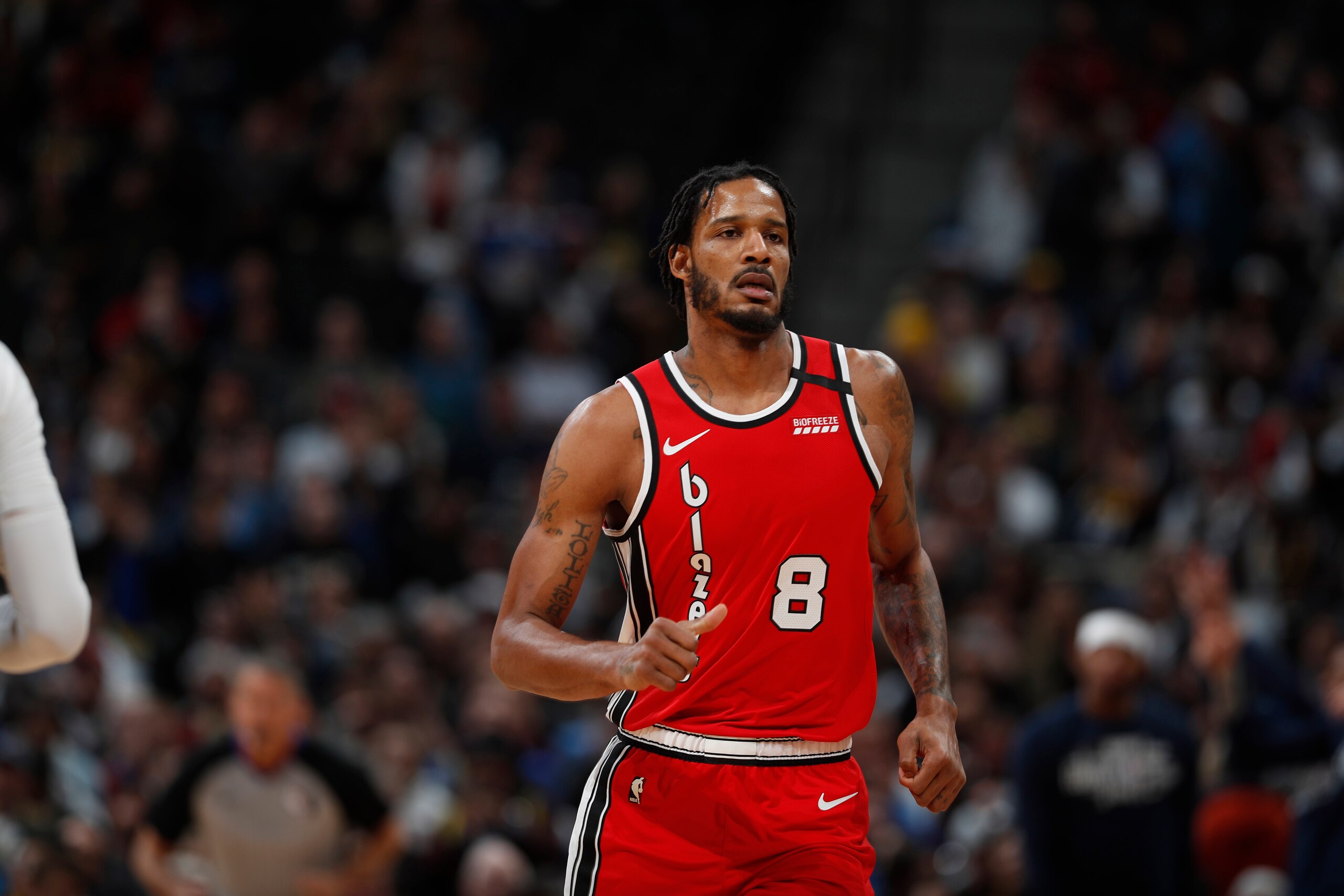
Damian Lillard and CJ McCollum are entrenched, while Carmelo Anthony and Hassan Whiteside are both on expiring contracts. This makes Ariza the only option here, though the three-and-D wing has been a perpetual trade candidate throughout his 15-year career.
Last offseason, the Sacramento Kings gave the 34-year-old wing a two-year, $25 million contract. This deal was widely perceived as an overpay, as Ariza coasted through the 2018-19 season with the Suns and Wizards. After playing the worst basketball of his pro career through 32 games, he was moved to Portland.
All of a sudden, being on a veteran-laden team fighting to make the playoffs reinvigorated Ariza, who's shooting 40 percent from three in Portland and leading all Trail Blazers in offensive rating.
Ariza is nearing the age of decline for most veterans. But with his low-maintenance game, he could contribute to winning for another half-decade.
Sacramento Kings: Richaun Holmes
26 of 30
After four anonymous seasons in Philadelphia and Phoenix, Richaun Holmes has broken out in a major way with the Kings.
He won a starting spot early on because of an injury to Marvin Bagley III and Dewayne Dedmon's struggles and has held onto it when healthy. The Bowling Green alum is shooting 65.4 percent from the field and serving as an elite rim-runner on offense while also becoming one of the league's elite defensive centers, ranking sixth in defensive real plus-minus.
However, Holmes is not a long-term fit in Sacramento. Bagley, while injured most of this season, is a higher developmental priority, while the likes of Nemanja Bjelica and Harrison Barnes make the team's frontcourt crowded.
Thankfully, given his standout season, the Kings will be able to sell high on Holmes and likely get a solid draft pick and fringe young player in return for the bouncy big man.
San Antonio Spurs: LaMarcus Aldridge
27 of 30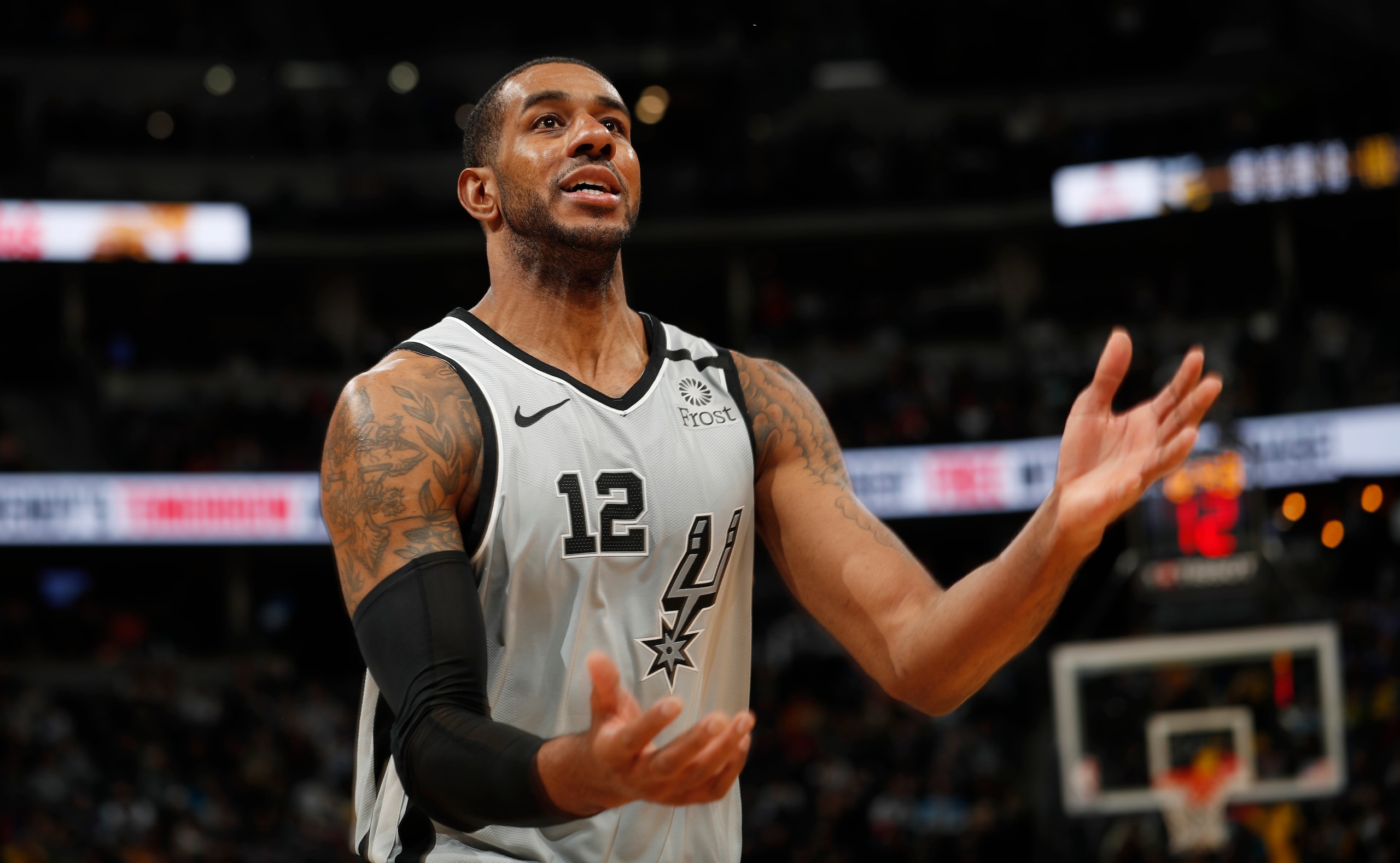
With DeMar DeRozan apparently unhappy in San Antonio and boasting a player option this offseason, the Spurs should stop delaying the inevitable and trade LaMarcus Aldridge too.
Years after he should have done so, Aldridge is finally adapting to the modern NBA. The former mid-range master has doubled his three-point attempts per game this year, is making 38.9 percent of them (a very good mark) and is recording a career-best 53.2 effective field-goal percentage in the process.
Aldridge shouldn't be that hard to move, either. With that new and improved offensive game, he could be attractive to all sorts of teams, plus his contract expires after the 2020-21 season, so he won't be a long-term commitment.
If clubs like the Chicago Bulls, Phoenix Suns or Sacramento Kings are interested, they should immediately pursue Aldridge, as he'd be an excellent fit.
Toronto Raptors: Kyle Lowry
28 of 30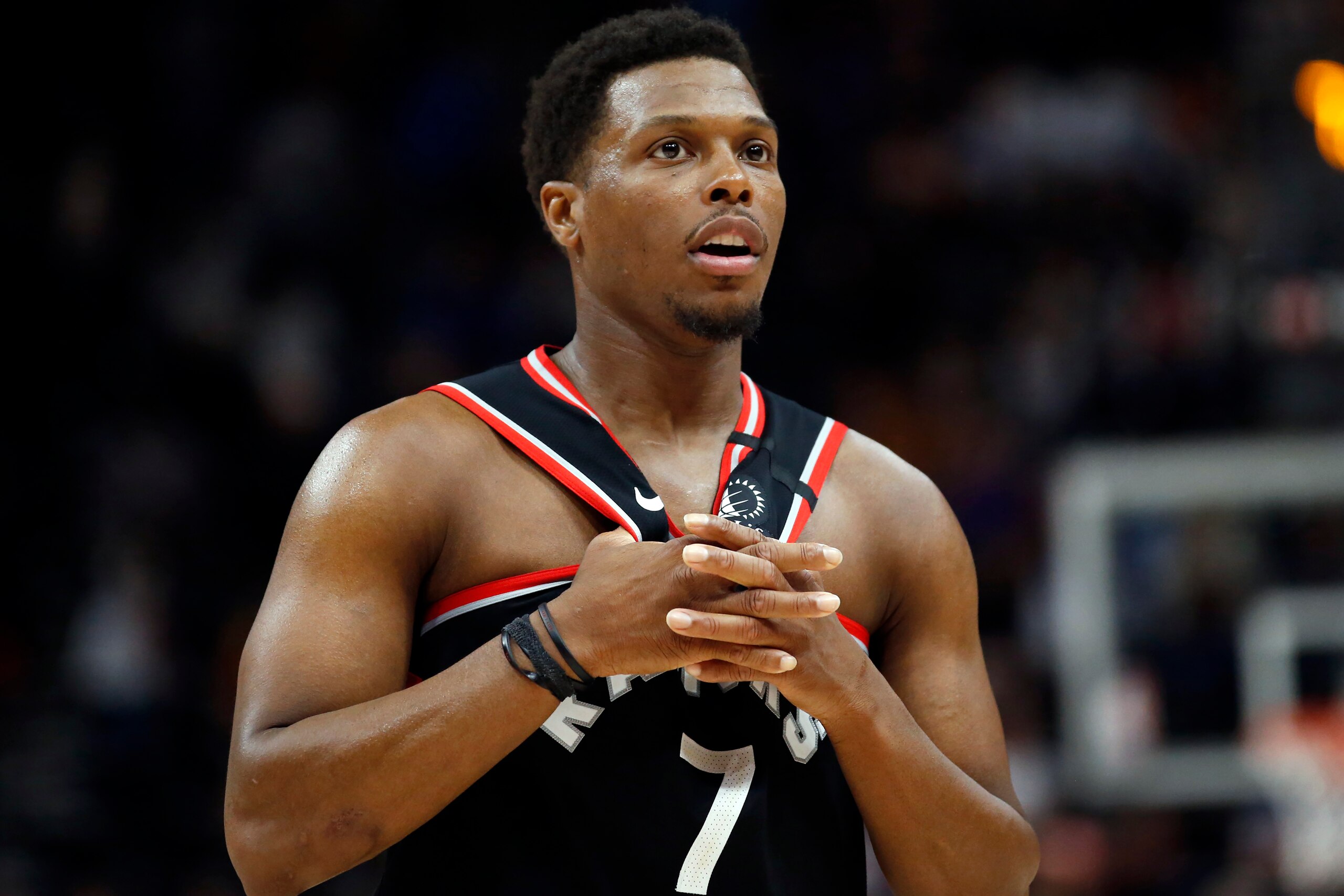
Though there are several legitimate contenders, Kyle Lowry is probably the best Toronto Raptor ever. And yet, it's still time for him to go.
Such a move would not be based on Lowry's on-court performance. An All-Star for the sixth consecutive season in 2020, he remains vital to Toronto's contention hopes. But with Marc Gasol and Serge Ibaka free agents this offseason and Lowry an unrestricted free agent in 2021, the Raptors could fully mark the end of an era all in one fell swoop.
To the We The North contingent reading this: remember how hard it was when DeMar DeRozan was traded? Now remember last summer, after Kawhi Leonard gave Toronto its first sports title in over 25 years.
Given the NBA landscape, the Raptors' young core probably can't win a title as currently constructed. But they'll absolutely remain relevant and competitive without Lowry.
Utah Jazz: Mike Conley
29 of 30
Though Mike Conley has regressed positively to the mean following an abysmal first six weeks, he's still far from a seamless fit in Utah.
Once considered the team's greatest strength, the Jazz's backcourt of Conley and Donovan Mitchell has instead been a source of tension. Mitchell has improved greatly as a passer this year, but to the point where a redundancy exists, and not in a good way.
The two guards boast a positive net rating together, but given their respective pedigrees, it should be much better than 1.3, which is Mitchell's lowest two-man net rating with any Jazz starter.
Admitting defeat on Conley's acquisition wouldn't be so difficult, as Utah didn't give up much for him. If this iteration of the roster meets a premature end, GM Dennis Lindsey must consider pulling the trigger sooner rather than later on Conley and fully turn the team over to Mitchell.
Washington Wizards: Thomas Bryant
30 of 30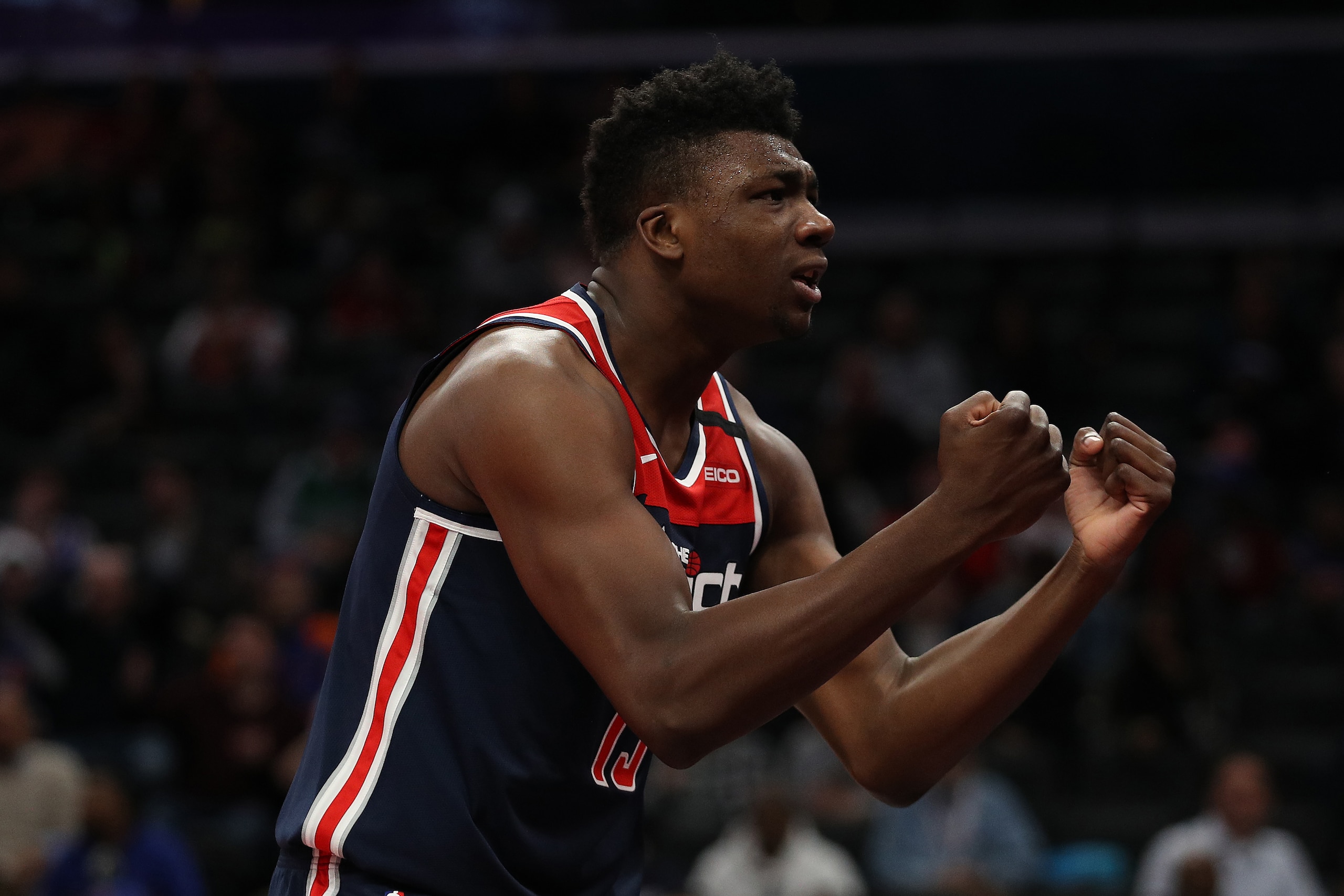
The same serendipity that gave Thomas Bryant opportunity in Washington might also be the cause of his departure.
Two years ago, injuries to both Dwight Howard and Ian Mahinmi left the Wizards with an extremely thin center rotation. They had no choice but to start Bryant from then on, and he surpassed expectations, shooting 61.6 percent from the field and playing with his trademark high motor.
With John Wall untradeable, Rui Hachimura a rookie and Bradley Beal untouchable (for now), Bryant is one of two available starters to be traded, and he's been far more productive than the Isaac Bonga-Troy Brown Jr. platoon at small forward.
As such, the Wizards could sell high on him and hope they find a cheap replacement center in the draft or free agency, much like they found Bryant in the first place.


.jpg?w=2560 "Jonathan Taylor Landing Spots 📍")



