
The 10 Worst Teams in NBA History
For every NBA team like the 1971-72 Los Angeles Lakers, the 1995-97 Chicago Bulls and the 2014-17 Golden State Warriors that made a compelling case for all-time greatness, a few others lost roughly seven out of every eight games during seasons that were downright atrocious.
There are three points of criteria to note in this ranking of the NBA's worst single seasons:
- The first five seasons of each franchise's history were not eligible for the list. It's only fair to give new teams a chance to get their affairs in order before we rake them over the coals.
- Both current and defunct franchises were eligible, provided they existed for more than five years.
- A franchise can only be represented once in the top 10. The Philadelphia 76ers, Los Angeles Clippers and Denver Nuggets each had multiple viable candidates, but we opted to only include the worst season for each team.
While winning percentage was the primary factor in choosing the proper candidates, these 10 worst teams of all time were ranked in ascending order of perceived awfulness in the context of their respective seasons. In other words, it's possible for a team that won 13.4 percent of its games to be regarded as worse than one that won 10.6 percent.
In most of these cases, it was a multiseason stretch of terrible play. Those situations will be addressed within. But for ranking purposes, we tried to focus solely on the single season in question.
"Honorable" Mentions: 1997-98 Golden State Warriors, 2009-10 Minnesota Timberwolves, 2013-14 Milwaukee Bucks, 2014-15 New York Knicks
10. 2002-03 Cleveland Cavaliers
1 of 10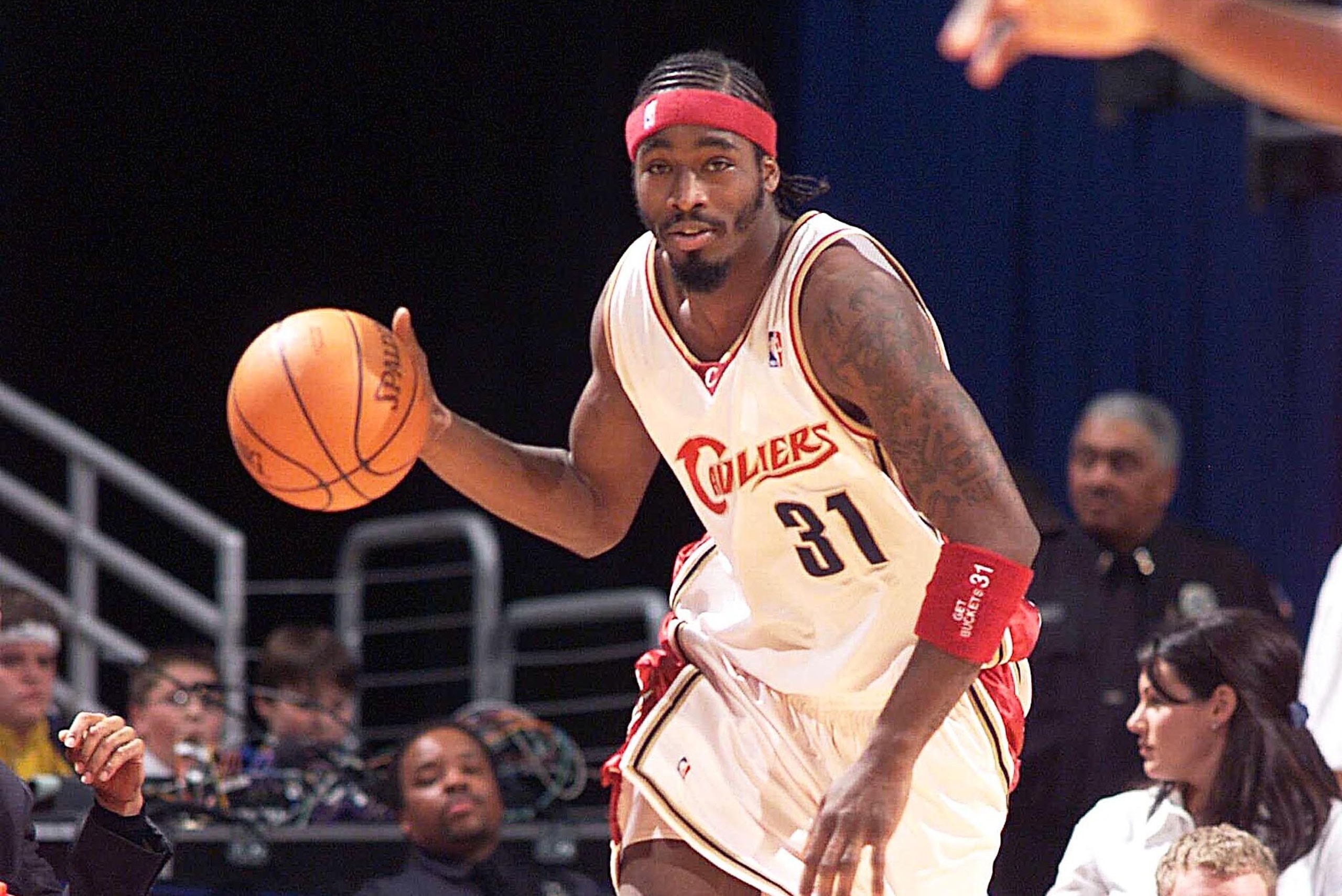
The Record: 17-65 (.207 winning percentage)
The Good
Even for a franchise that had suffered at least 50 losses in each of the previous three seasons, the on-court product was tough to watch. But it was all worth it when the Cavaliers won the 2003 draft lottery and got to take some local prospect by the name of LeBron James with the first overall pick. Also, Ricky Davis averaged career highs in points, rebounds, assists and steals. At least he had fun jacking up shots while the rest of the team stunk out loud.
The Bad
A 19-point win over the three-time reigning champion Los Angeles Lakers in the fourth game of the regular season was immediately followed by a 15-game losing streak. During that schneid, the Cavs had a 41-point loss and a pair of 32-point margins of defeat. Not that there were legitimate title aspirations before the season began, but the only thing worth rooting for by the beginning of December was draft position.
The Ugly
Maybe it was all part of their master plan to lose a boatload of games, but the late-July decision to trade Bryant Stith and Andre Miller—the latter of whom averaged 16.5 points and a league-leading 10.9 assists in 2001-02—for Harold Jamison (who?) and Darius Miles did not age well. Miles was the No. 3 pick in the 2000 draft, and perhaps the Cavs thought a change of scenery would jump-start his once-promising career. It didn't. And a point guard of Miller's caliber would've helped LeBron bring a title to Cleveland prior to his four-year hiatus in Miami.
9. 2000-01 Chicago Bulls
2 of 10
The Record: 15-67 (.183 winning percentage)
The Good
They finally completely embraced the rebuild. For the first two years after losing Michael Jordan, Scottie Pippen, Dennis Rodman, Steve Kerr and Luc Longley, the Bulls were still giving a ton of minutes to veterans. But in 2000-01, the only guy on the roster with more than three years of experience was Fred Hoiberg, who had five. Eight of the 16 guys who saw playing time were rookies. If you're going to be awful, at least figure out who you can either build around or get good ROI for on the trading block.
The Bad
Five of those eight rookies were out of the league within three years. And while Marcus Fizer and Jake Voskuhl were able to hang around a bit longer than that, neither amounted to much. The only one who panned out was Jamal Crawford, and the Bulls dealt him to the New York Knicks (for next to nothing) right after the first of his 14 consecutive seasons averaging better than 12 points per game. By the time they made the playoffs in 2004-05, there was literally no one left from this 2000-01 roster.
The Ugly
Despite having the worst record, the Bulls got shafted in the lottery and ended up with the fourth pick in a draft in which Tyson Chandler and Pau Gasol went Nos. 2 and 3, respectively. Chicago ended up taking Eddy Curry with the fourth pick and then traded its best player (Elton Brand) to the Los Angeles Clippers for the rights to Chandler. And, like, he was a good player, but he was no Brand. In his five seasons with the Bulls, Chandler went for 7.1 points and 7.7 rebounds per game. In those same five years, Brand was a two-time All-Star who put up 20.4 points, 10.5 rebounds and 2.3 blocks per contest in Los Angeles.
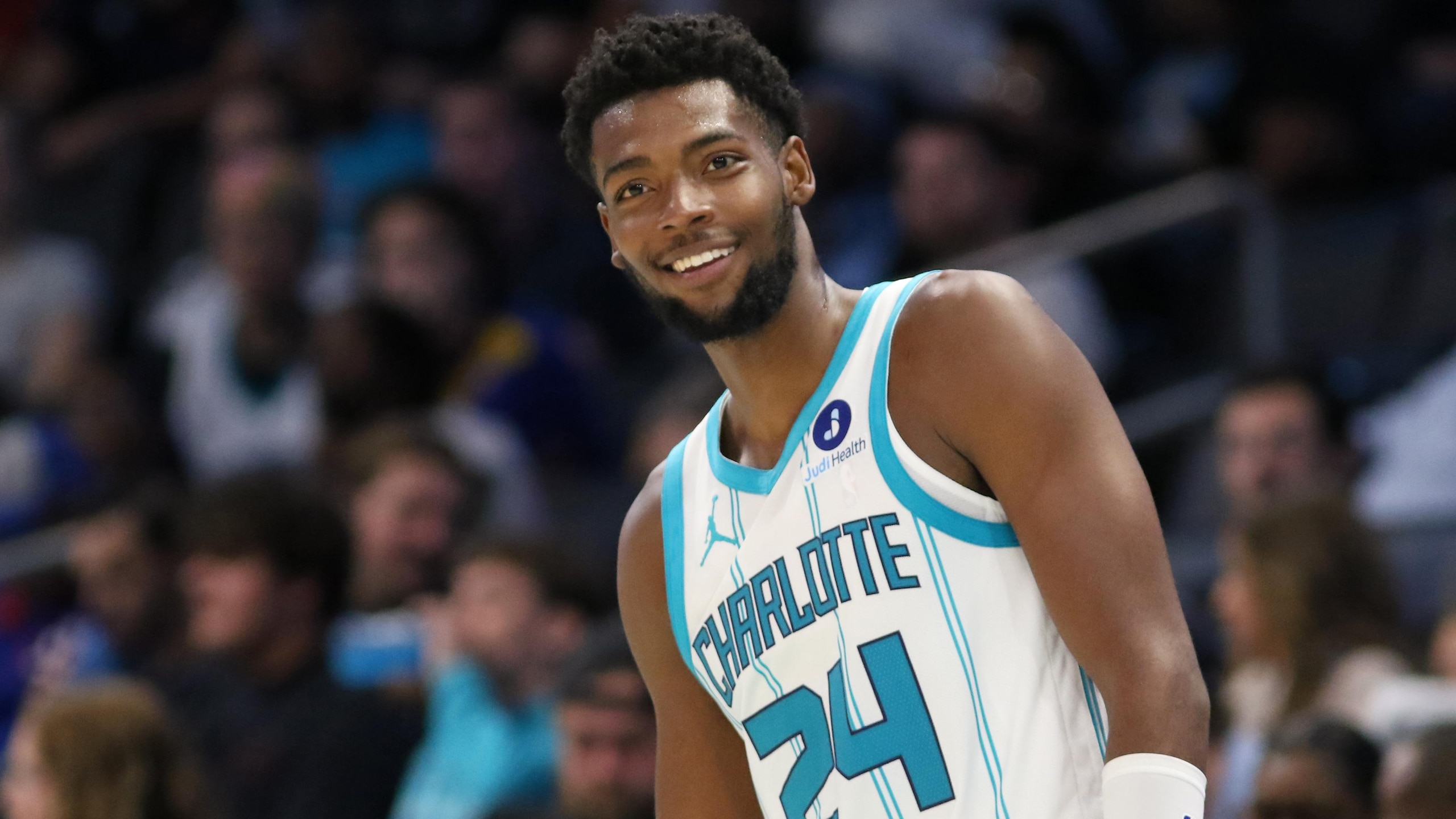
8. 2004-05 Atlanta Hawks
3 of 10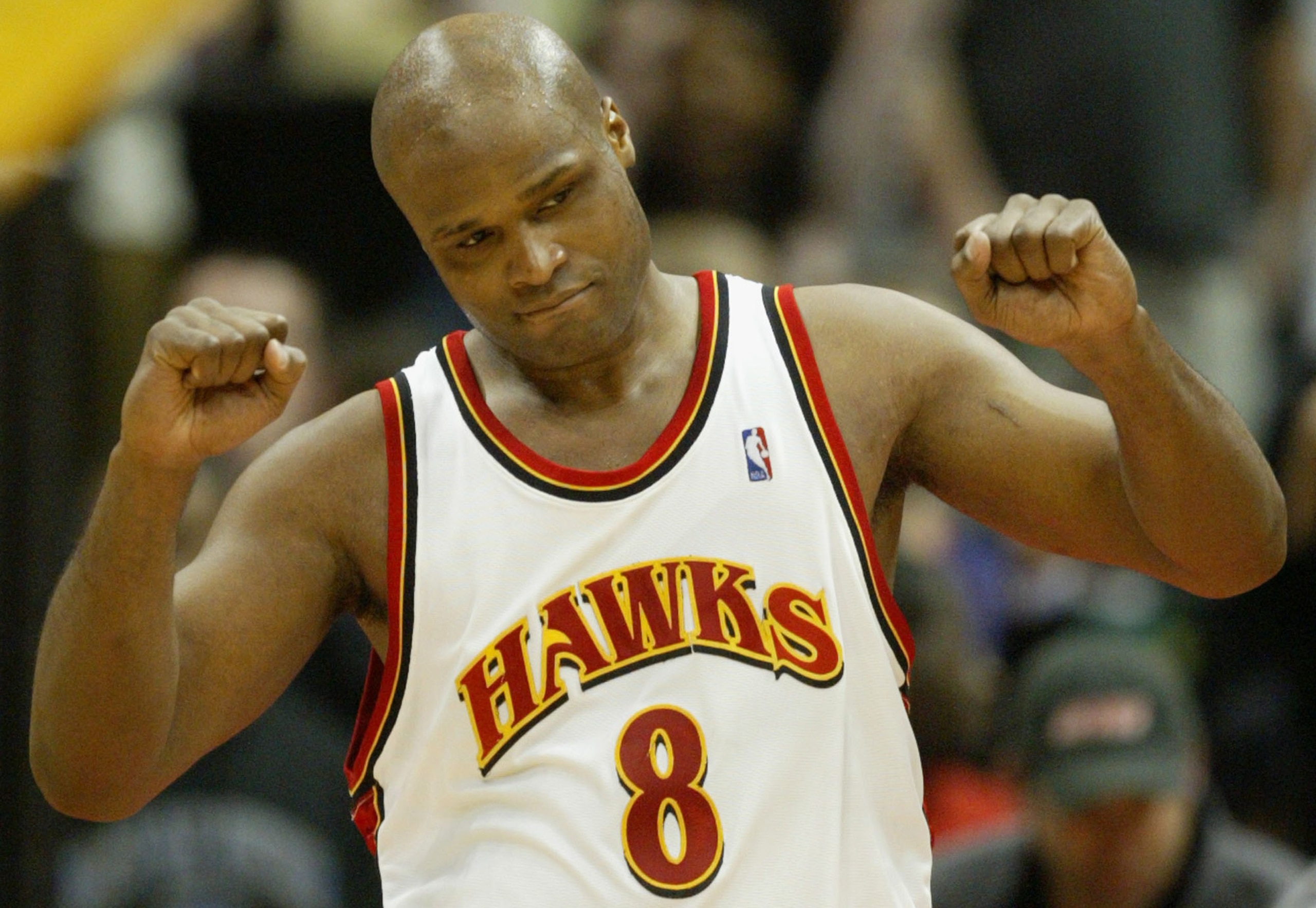
The Record: 13-69 (.159 winning percentage)
The Good
Both Josh Smith and Josh Childress were named to the All-Rookie team, providing at least some hope for the future. The Hawks also got Marvin Williams with the No. 2 pick in the 2005 draft, and he ended up providing a decent amount of value over his seven years in Atlanta. As far as career win shares are concerned, he was the fourth-best player in that draft class. Too bad they didn't take Chris Paul instead.
The Bad
Atlanta wasted little time showing it was going nowhere fast, losing its season opener to the Phoenix Suns by a 30-point margin. One month later, the Hawks were 2-14 and well on their way to a not-so-nice 69-loss season. Constant roster flux didn't help matters. Childress was the only player to appear in at least 75 games for the Hawks while 15 different players started at least one game.
The Ugly
Less than seven months after giving up Jason Terry as part of a package to acquire Antoine Walker, the Hawks dealt the forward to the Boston Celtics for 36-year-old Gary Payton, 35-year-old Tom Gugliotta, career backup Michael Stewart and a first-round pick they eventually traded away. The best part is that they waived Payton a week later, and he went right back to starting at point guard for the Celtics. But at least they got those 53 games of Walker averaging roughly 20 and 10 for a horrible team? They were already quite bad, but the Hawks went 3-26 after letting Walker go.
7. 1982-83 Houston Rockets
4 of 10
The Record: 14-68 (.171 winning percentage)
The Good
It was a brief nadir for Houston. It won 46 games in 1981-82 and was back up to 48 wins by 1984-85. But the Rockets traded Moses Malone (31.1 PPG, 14.7 RPG and league MVP in 1981-82) in September 1982, and Elvin Hayes was rapidly losing his effectiveness in his late 30s. At that point, they had little choice but to bottom out for two years and restock with highly coveted draft picks Ralph Sampson, Rodney McCray and Hakeem Olajuwon. The strategy was so effective that the NBA instituted the lottery the following year in hopes of combating it.
The Bad
One year after Malone and Hayes both averaged better than 16 points and nine rebounds per game—combining for 47.2 and 23.8 while playing 163 of 164 possible games—no one on the 1982-83 roster topped 14.8 or 8.1, respectively. Allen Leavell was probably the most valuable player, leading the Rockets in points, assists and steals. But despite setting career-high marks in all three categories that season, he wasn't anything close to an All-Star-level player.
The Ugly
While the Rockets never had an abysmal losing skid, it was like one step forward and five steps backward all season long. Including starting the campaign with an 0-10 record, they had eight separate losing streaks of at least five games and only had one two-game winning streak. Their average scoring margin was minus-11.6, good for fifth-worst in NBA history.
6. 1986-87 Los Angeles Clippers
5 of 10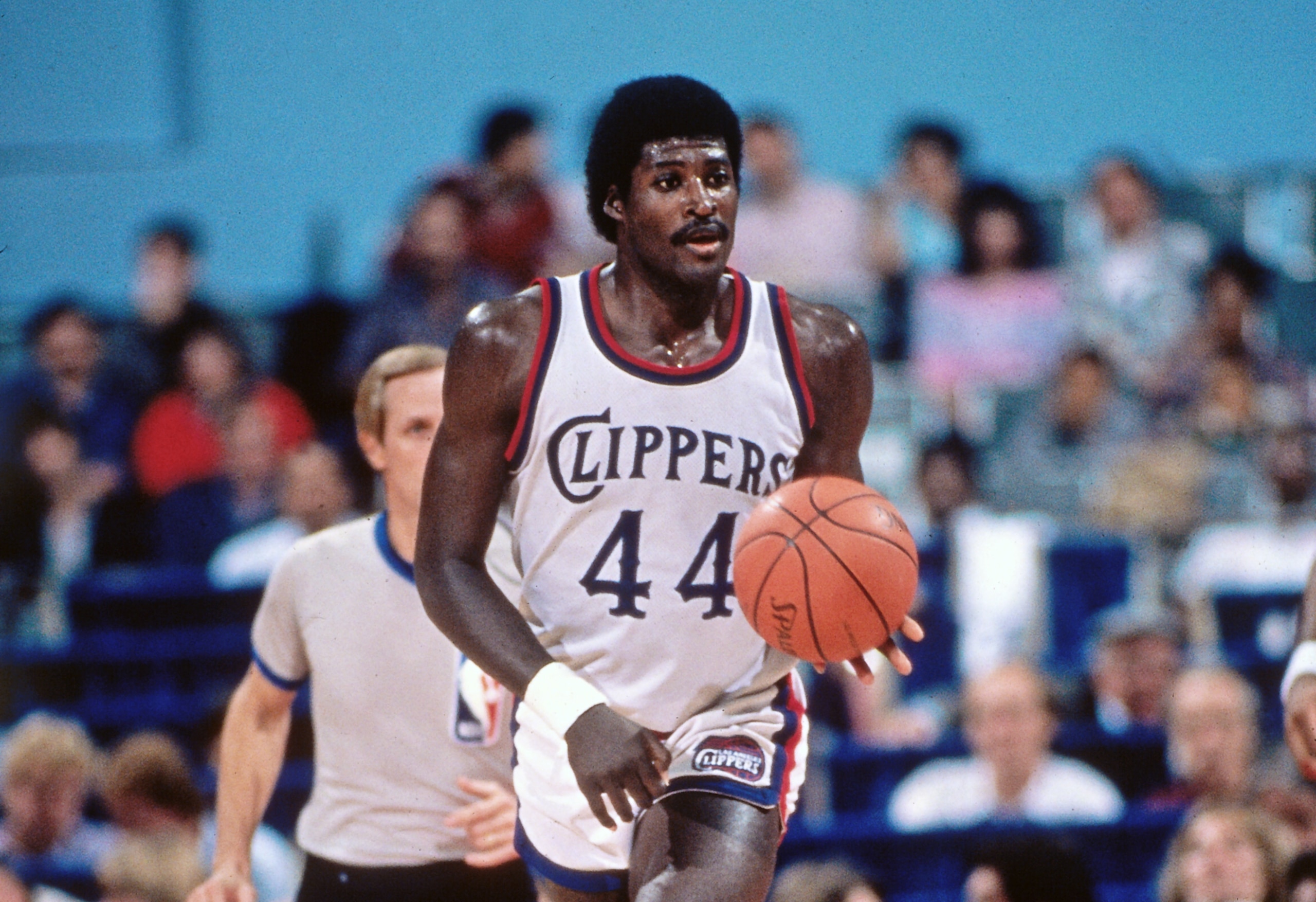
The Record: 12-70 (.146 winning percentage)
The Good
Michael Cage was a bright light in an otherwise dark chasm. He accounted for 7.2 win shares while the rest of the team combined for 8.6. Cage averaged a career-best 15.7 points per game, as well as 11.5 rebounds. Naturally, the Clippers traded him away one year later for a rookie (Gary Grant) and a first-round pick they also eventually traded away.
The Bad
As has often been the case since the lottery's inception, the worst team didn't win. Heck, the Clippers didn't even finish in the top three. So instead of getting David Robinson, they took Reggie Williams at No. 4. Aside from the New Jersey Nets' pick of Dennis Hopson at No. 3, every player in the top 12 of that draft class had a considerably more valuable career than Williams. Taking him one spot before the Seattle SuperSonics selected Scottie Pippen only makes it look that much worse.
The Ugly
From 1981-82 through 1990-91, the Clippers had 10 consecutive seasons with a winning percentage of 0.390 or worse. This was clearly their lowest point during that stretch, but this wasn't some calculated effort to get bad in order to get better. They were simply an embarrassment for an entire decade.
5. 2009-10 New Jersey Nets
6 of 10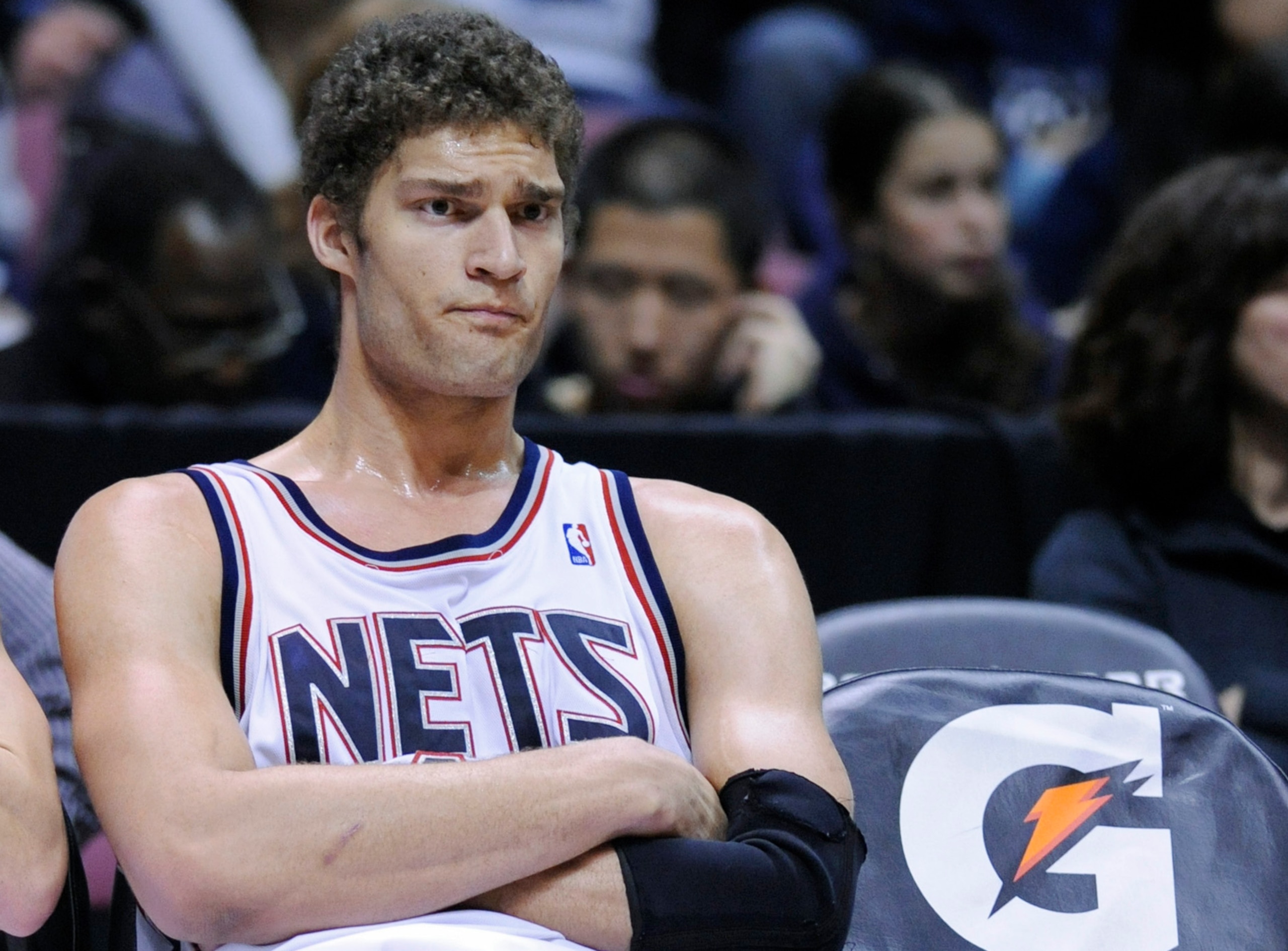
The Record: 12-70 (.146 winning percentage)
The Good
The Nets haven't done much right on draft night in the past three decades, but 2008 first-round pick Brook Lopez was an exception to that rule. After a solid rookie season, he became the star of the team in Year 2, averaging 18.8 points and a career-high 8.6 rebounds. He wasn't an All-Star, but he probably would have been if the Nets hadn't been such an abomination.
The Bad
They eventually salvaged things slightly by winning five of their final 12 games. However, the Nets infamously started 0-18. The 2015-16 Philadelphia 76ers eventually tied it, but that set the record for the worst losing streak to open a season. The Nets had four more losing streaks of at least eight games in the process of free-falling to a 7-63 record. That's a .100 winning percentage, and it would've been the worst of all time if they had kept it up for three more weeks.
The Ugly
It was hard to fault the new majority owner, Mikhail Prokhorov, for coming in and selling the roster for parts, but only four players—Lopez, Kris Humphries, Devin Harris and Terrence Williams—who played for the Nets in 2009-10 also played for them in 2010-11. And two of those guys (Harris and Williams) were traded away the following season. Worse yet, the Nets threw their No. 3 overall pick in 2010 (Derrick Favors) into the deal in which they traded Harris for Deron Williams. At least D-Will gave them a few good years, but it took the Nets a while to recover after basically starting over from scratch.
4. 1997-98 Denver Nuggets
7 of 10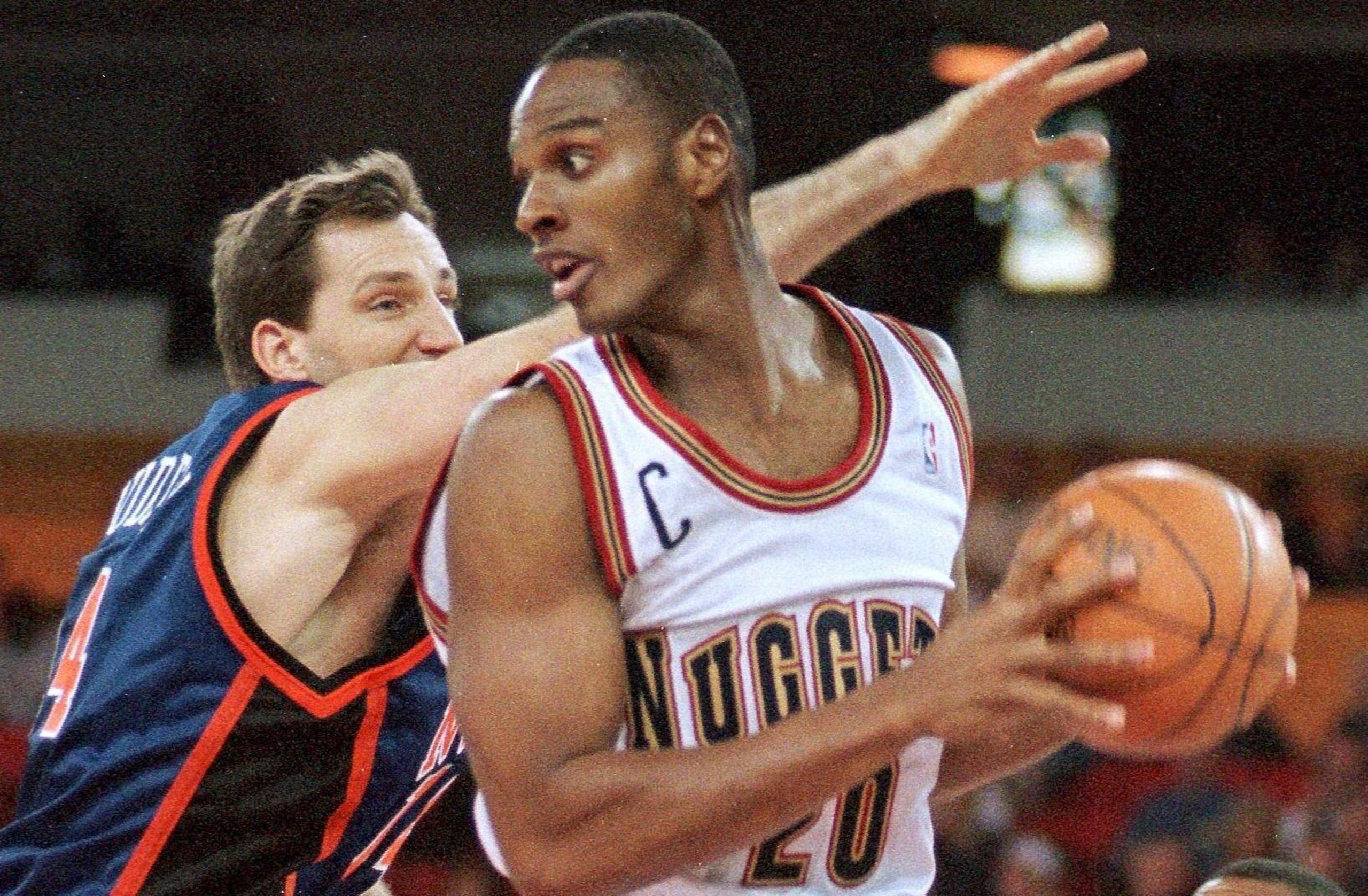
The Record: 11-71 (.134 winning percentage)
The Good
Denver had the worst scoring margin in the league, but at least it wasn't dead last on offense or defense. Golden State was slightly worse at scoring—the Warriors averaged 88.3 points while the Nuggets finished at 89.0—and there were three teams that allowed at least 103 points per game. Denver posted a less awful mark of 100.8. So even though the Nuggets were the worst team in 1997-98, they weren't quite as blatantly alone in the basement as the "top" three teams on our list.
The Bad
The Nuggets started out 0-12 and later added losing streaks of 16 and 23 games. There were 11 teams that won at least 47 games that season, and Denver went 0-32 against them.
Despite the worst record in the league, the Nuggets ended up getting the No. 3 pick in the lottery. The good news is that meant they didn't take Michael Olowokandi at No. 1. The bad news is they took Raef LaFrentz while Dirk Nowitzki, Paul Pierce, Vince Carter and Antawn Jamison were still on the board. They could've had a franchise-changer. Instead, it would be another six years before they finished .500 or better and more than a decade before they actually won another playoff series.
The Ugly
Failing to re-sign Dikembe Mutombo after the 1995-96 season was the first clue that a multiple-year disaster was looming. In fact, aside from LaPhonso Ellis and Bryant Stith, Denver went through a complete roster turnover from 1994-95 to 1997-98—and Ellis also left for greener pastures the summer after this 71-loss fiasco. Of the 16 players on this roster, Johnny Newman was the only one who would finish his career with at least 37 win shares. At 50.3, he wasn't a Hall of Fame candidate, either. And the 34-year-old was hardly in his prime at this point.
3. 2011-12 Charlotte Bobcats
8 of 10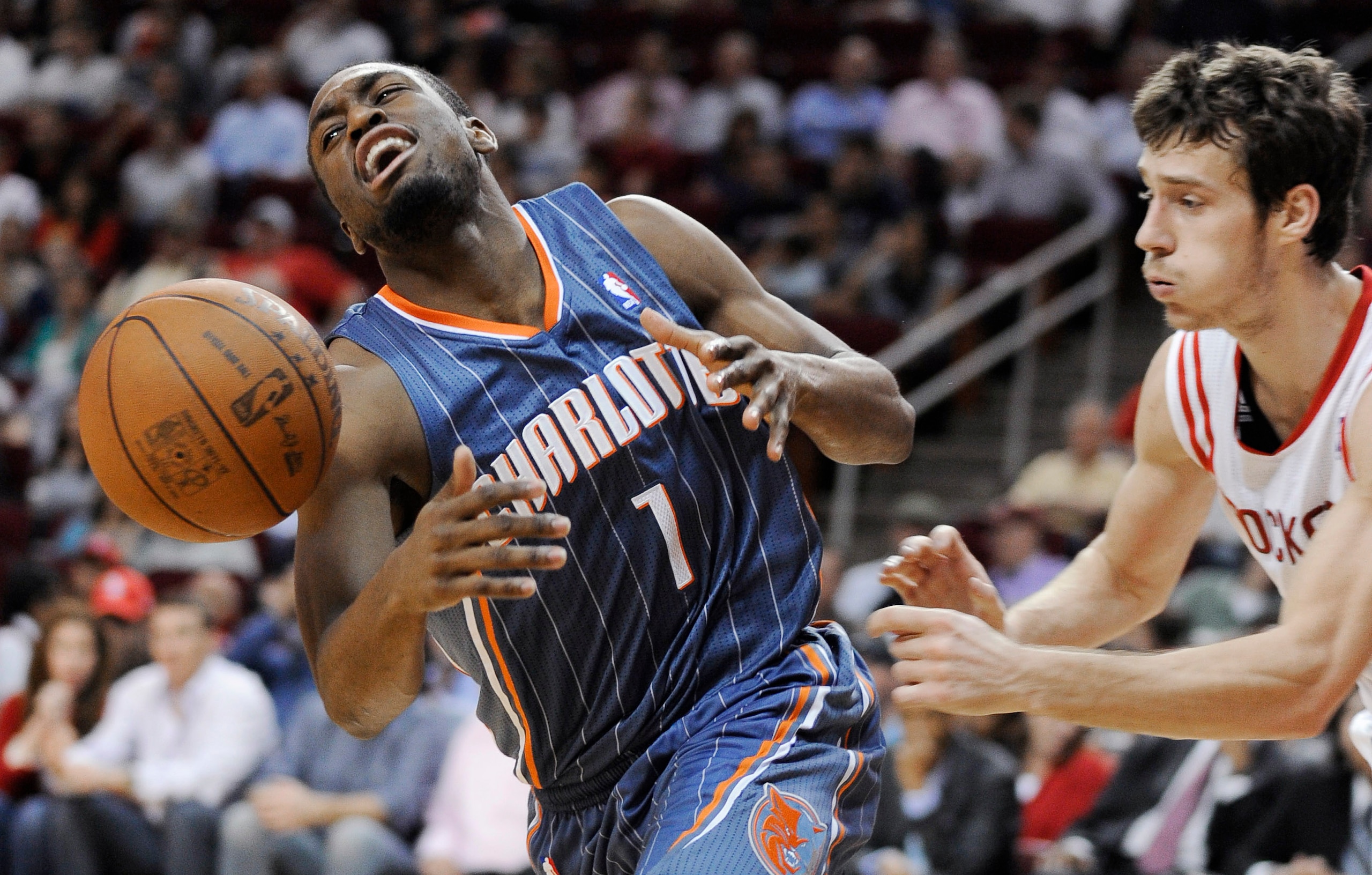
The Record: 7-59 (.106 winning percentage)
The Good
This team was dreadful, but at least it was only a 66-game season? Being that bad allowed the Bobcats to tinker with their lineups and figure out more quickly that rookie Kemba Walker was more than just some guy who led UConn on one of the most unforgettable NCAA tournament runs of all time. By Year 2, he was already the heart and soul of the team, and he would maintain that role for seven seasons.
The Bad
Not only did the Bobcats lose 13 more games than every other team this season, but they also lost the draft lottery. The New Orleans Hornets got the first pick in the 2012 draft and made the obvious choice with Anthony Davis at No. 1. Charlotte landed at No. 2 and passed on the likes of Bradley Beal, Damian Lillard and Andre Drummond to take Michael Kidd-Gilchrist. It's not quite Detroit taking Darko Milicic instead of Carmelo Anthony, Chris Bosh and Dwyane Wade in 2003, but let's just say it didn't work out as well as Charlotte hoped.
The Ugly
Thanks to a season-ending 23-game losing streak, this was the worst single-season winning percentage in NBA history. Nearly half of those losses (11) were by a margin of at least 20 points, too. And as previously mentioned, they finished 13 games out of 29th place, so it's not like they were still tanking for lottery balls. They were just that awful, averaging a paltry 87.0 points per game.
2. 1992-93 Dallas Mavericks
9 of 10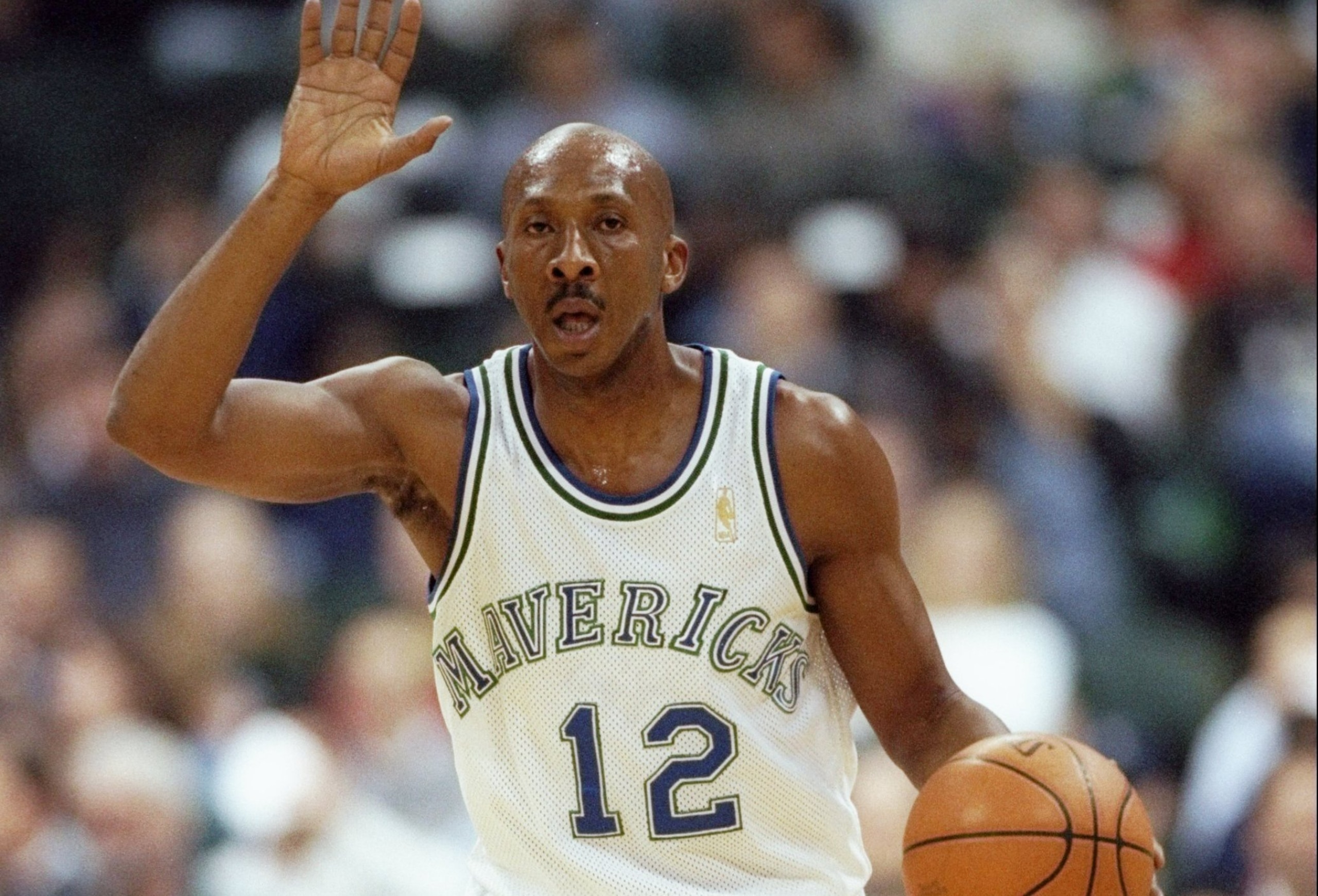
The Record: 11-71 (.134 winning percentage)
The Good
The 1982-84 Houston Rockets are often credited as the originators of the tanking philosophy. They were terrible in back-to-back years, ending up with Ralph Sampson and Hakeem Olajuwon as No. 1 overall picks. But those Rockets were still giving a lot of minutes to veterans. Dallas fine-tuned the approach, almost exclusively playing guys with fewer than five years of experience in an effort to figure out which of their young contributors were worth trying to build around. Jim Jackson ended up being the only one, but at least the Mavericks were able to get Jamal Mashburn and Jason Kidd in the 1993 and 1994 drafts, respectively.
The Bad
Lack of experience meant a lack of veteran leadership. Derek Harper was the only non-rookie on the roster worth much of anything, and the 31-year-old missed 20 games throughout the course of the season. Not that it made much of a difference. The Mavs went 8-54 (.129) with him and 3-17 (.150) without him.
The Ugly
As far as Basketball Reference's simple rating system (SRS) is concerned, this was the worst team ever. SRS combines scoring margin and strength of schedule to spit out a single number indicating how far above or below average a team was that season, and Dallas' minus-14.68 score in 1992-93 stands as the record for futility. The Mavericks had an average scoring margin of minus-15.2 points, including a 58-point loss to the Sacramento Kings in late December. Of their 71 losses, 58 were by double digits.
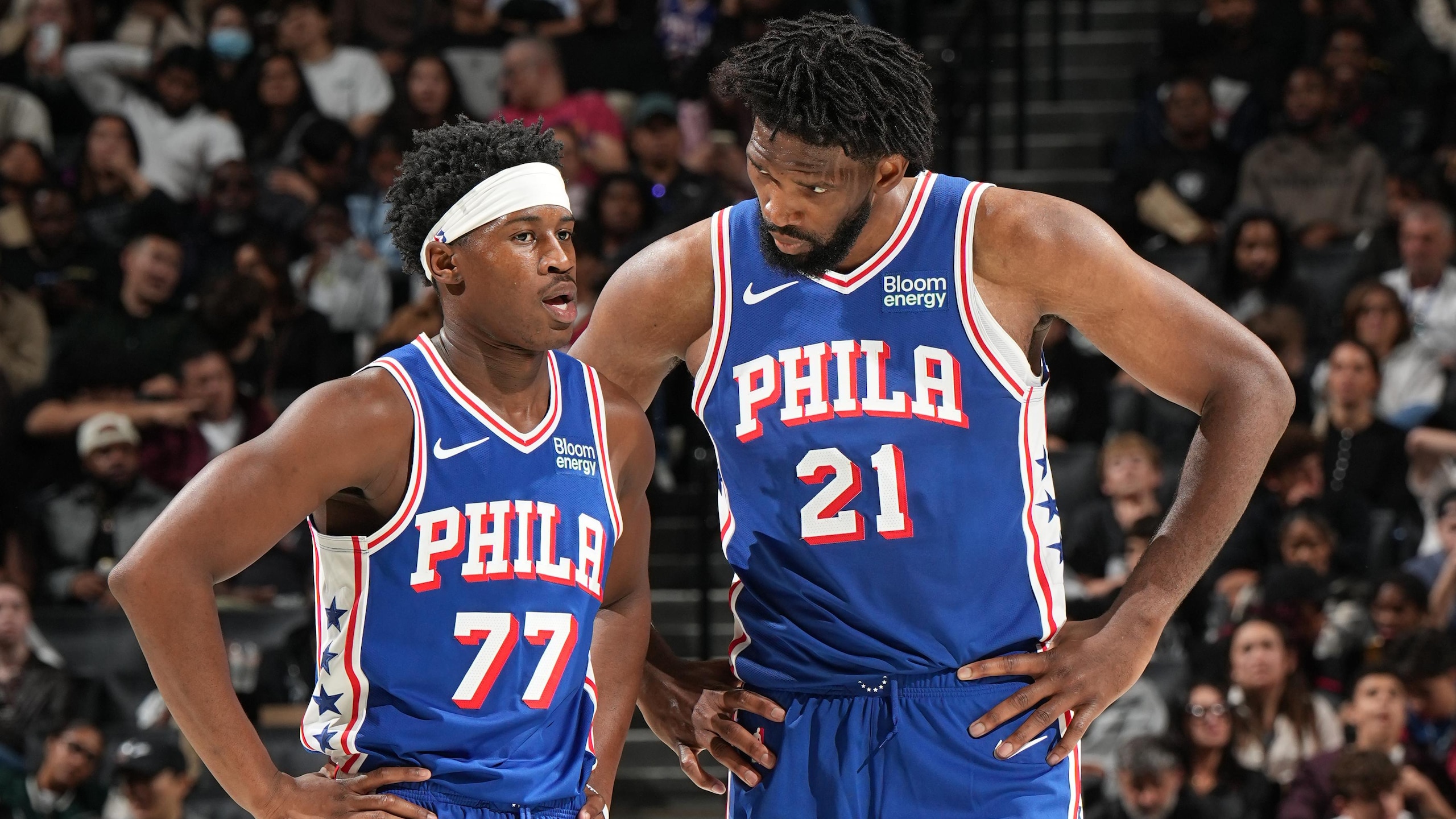
1. 1972-73 Philadelphia 76ers
10 of 10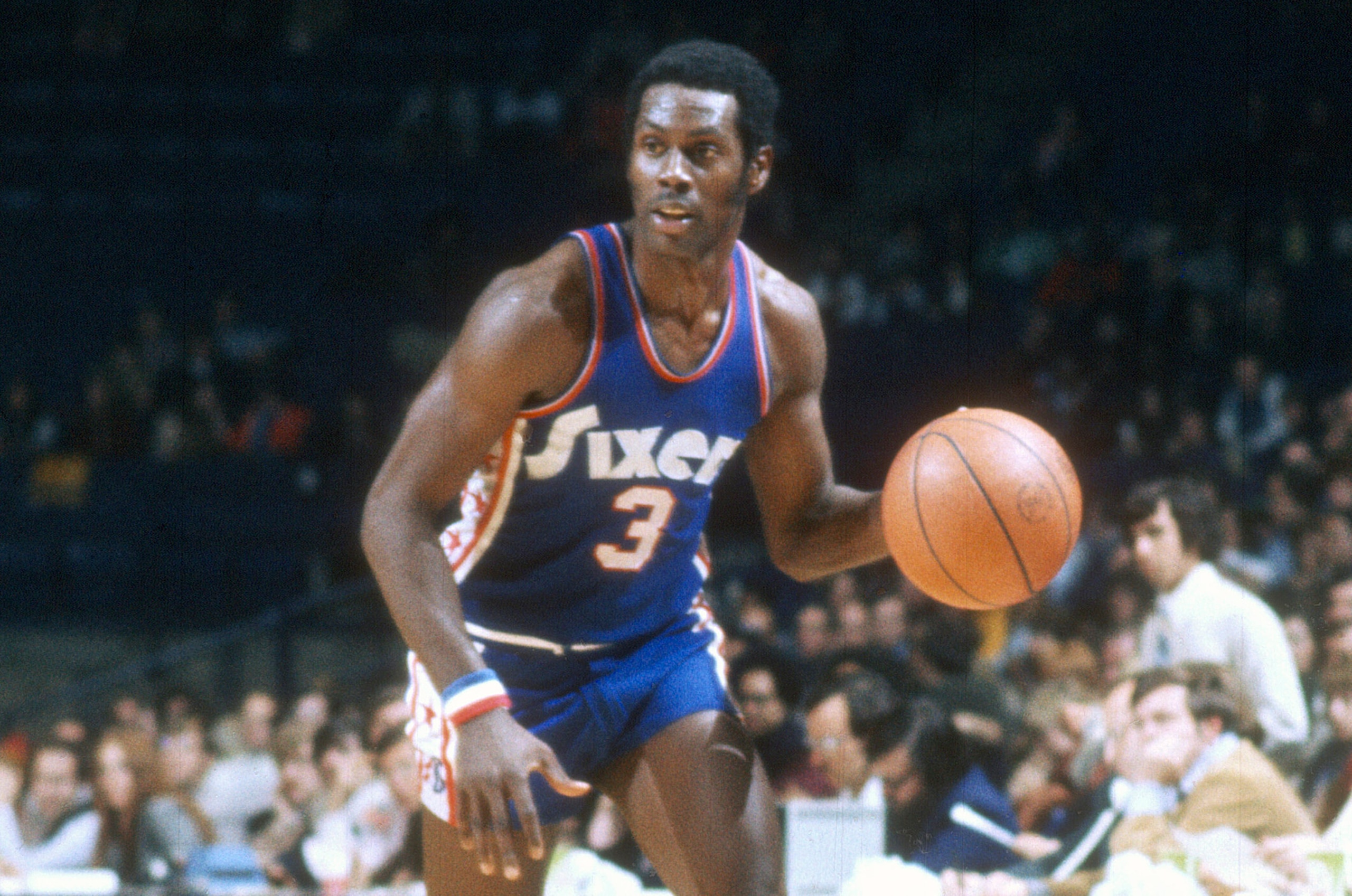
The Record: 9-73 (.110 winning percentage)
The Good
At least Fred Carter wanted to play. It was a breakout year for the shooting guard who outscored everyone else on that dreadful 76ers roster by at least 672 points. Between that season and the next three, Carter averaged 20.5 points, 4.7 assists and 4.7 rebounds. He was never an All-Star, but he deserves some sort of medal for carrying Philly through the muck from its Wilt Chamberlain and Hal Greer days to its Julius Erving and Moses Malone days.
The Bad
There were 17 teams in the NBA at this point, and Philadelphia finished 12 games out of 16th place. It's hard to believe this was the same team that went 68-13 and won it all six years earlier, but that'll happen when you trade an all-time great (Chamberlain) for a pu-pu platter and then proceed to make poor choices in the draft for half a dozen years. From 1967-72, the only remotely good player they drafted was Dennis Awtrey, and they traded him away three games into his third season anyway.
The Ugly
Even when the 76ers were "trusting the process" and tanking through the mid-2010s, they were never quite this awful. The 2015-16 team went 10-72, but that only put them in second place in NBA history behind the 73-loss Sixers. Carter's mess of a team had four separate losing streaks of 13, 14, 15 and 20 games. It was 4-58 (.065) in mid-February before inexplicably winning five of its next seven games.

.jpg?w=2560 "Cam Ward Says He's Not A Loser")
.jpg?w=2560 "Texans Trade for MHJ")
.jpg?w=2560 "Chargers Fall to 0-5 🤢")

.jpg?w=2560 "Grading MHJ Trade 📝")