
How NBA Teams Can Mask Every Top Rookie's Biggest Flaw
Even the top 10 picks will enter the NBA with weaknesses that need masking, both for the prospect's and team's sake.
Coaches can make the transition easier for these rookies by using them in certain ways or playing them in specific lineups.
We highlighted each top rookie's biggest flaw and suggested a strategy for minimizing its potential damage.
New Orleans Pelicans and Zion Williamson
1 of 10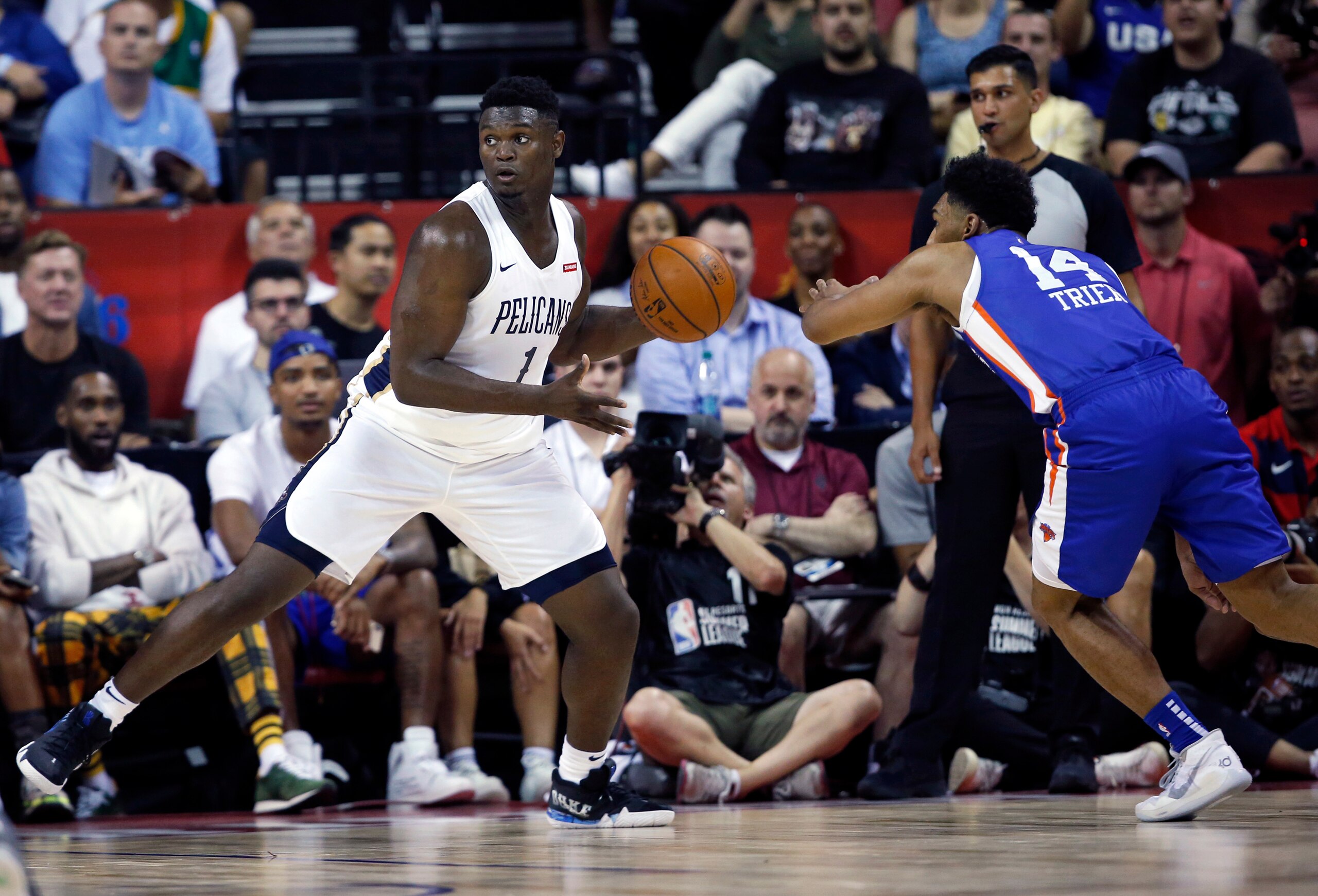
Biggest flaw: Lack of shooting range, half-court creation
Game plan to hide flaw: Play him at center; play him with JJ Redick, Nicolo Melli
Power forward comes off as Zion Williamson's (6'7", 285 lbs) natural NBA position. And it's fine that he starts there next to Derrick Favors. But it will also make sense for the New Orleans Pelicans to play smaller with Williamson at the 5, both to throw teams off and mask his perimeter weaknesses.
A frontcourt trio of Williamson, Favors and Brandon Ingram may not create great spacing for Jrue Holiday, particularly if teams aren't fully respecting Lonzo Ball's three-ball and he doesn't force them to stay attached when spotting up from the wing.
Playing Williamson at the 5, Melli at the 4 and Redick should open things up.
For the No. 1 overall pick, it also means more catch-and-finish opportunities and defensive rebound chances, which can lead to Williamson's signature grab-and-go transition offense. Additionally, it could result in fewer possessions when he's forced to shoot or create from outside the paint.
At Duke, he made just 24 threes in 33 games (30.0 MPG, 33.8 percent 3PT). And though he's an explosive driver from the arc, it came too easy in college, and he isn't the sharpest half-court ball-handler in tight spaces for creating against set defenses. He'll be forced to pull up more, particularly with opponents seeing a scouting report that reads 2-of-12 on dribble jumpers as a freshman.
Favors still needs to be a key piece of the rotation and franchise. But throughout the season, coach Alvin Gentry should look to stagger him with Williamson, so the team can have more space and the rookie can play closer to his strengths around the basket, where he led the nation in points per game at 18 years old.
Memphis Grizzlies and Ja Morant
2 of 10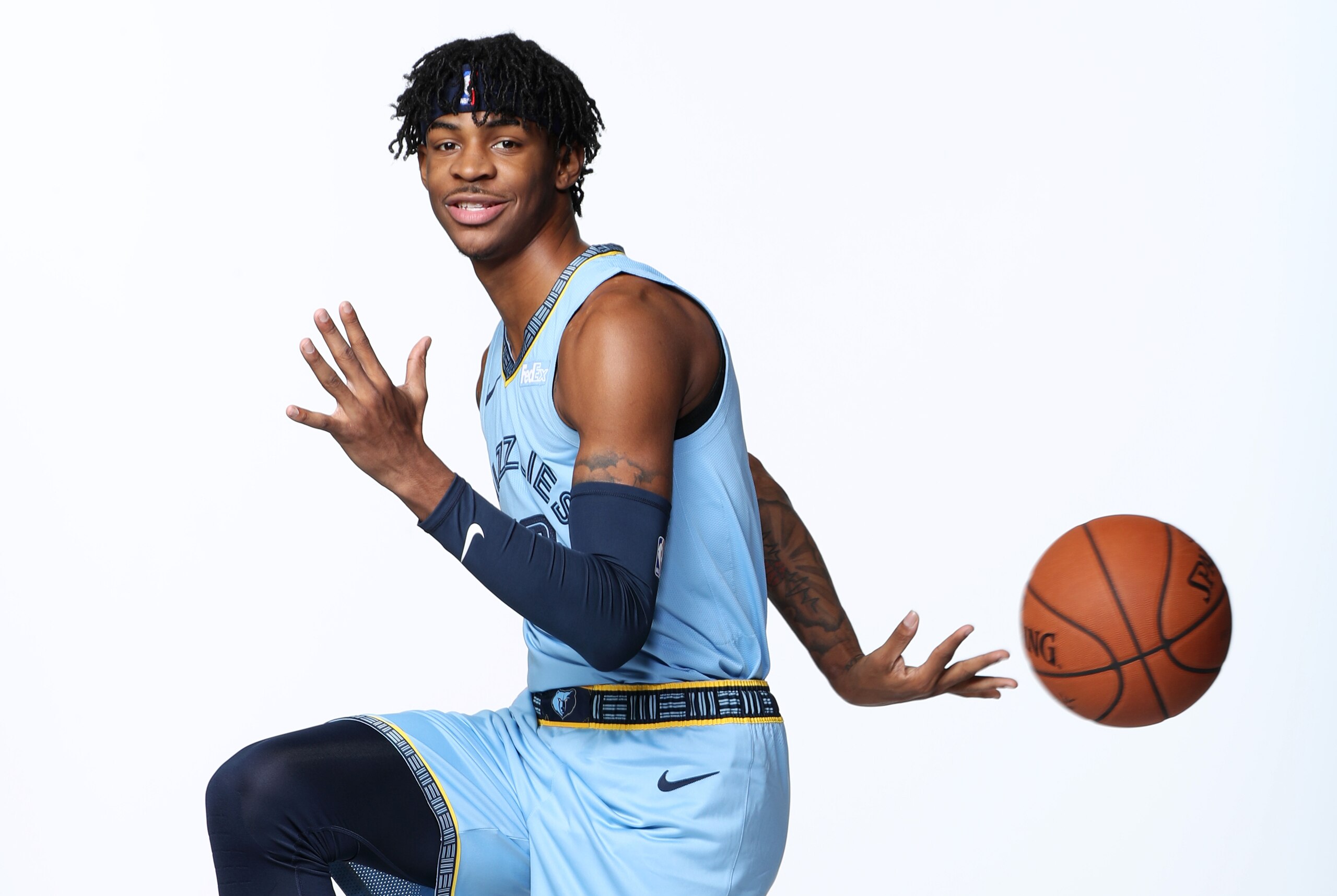
Biggest flaw: Decision-making/carelessness
Game plan to mask flaw: Dual point guard lineup with Tyus Jones
Ja Morant led the country last year in turnovers. His new teammate, Jones, led the NBA in assist-to-turnover ratio. Coach Taylor Jenkins should play them together in a dual point guard lineup, particularly since the Memphis Grizzlies shooting guards are Dillon Brooks and Grayson Allen.
Jones' basketball IQ should help mask Morant's occasional recklessness and carelessness. The rookie can go into overdrive, unable to resist the urge of making heat-check passes. Other times, he's overly casual delivering the ball to teammates, whether he's trapped near half court or tossing it into the post.
Jenkins can take pressure off Morant by giving some ball-handling duties to Jones. Morant also holds some value playing off the ball. He ranked in the 87th percentile on cuts with Murray State often running backcourt actions that put Morant in position to catch and explode up toward the rim. And though not known as a shooter, he made 43.2 percent of his non-dribble jumpers out of spot-ups.
The Grizzlies won't be expected to win many games, so they shouldn't be too concerned about the lack of scoring firepower from a Morant and Jones backcourt. Brooks and Allen aren't moving the needle, and Jones could be a catalyst in the No. 2 pick's transition and development.
New York Knicks and RJ Barrett
3 of 10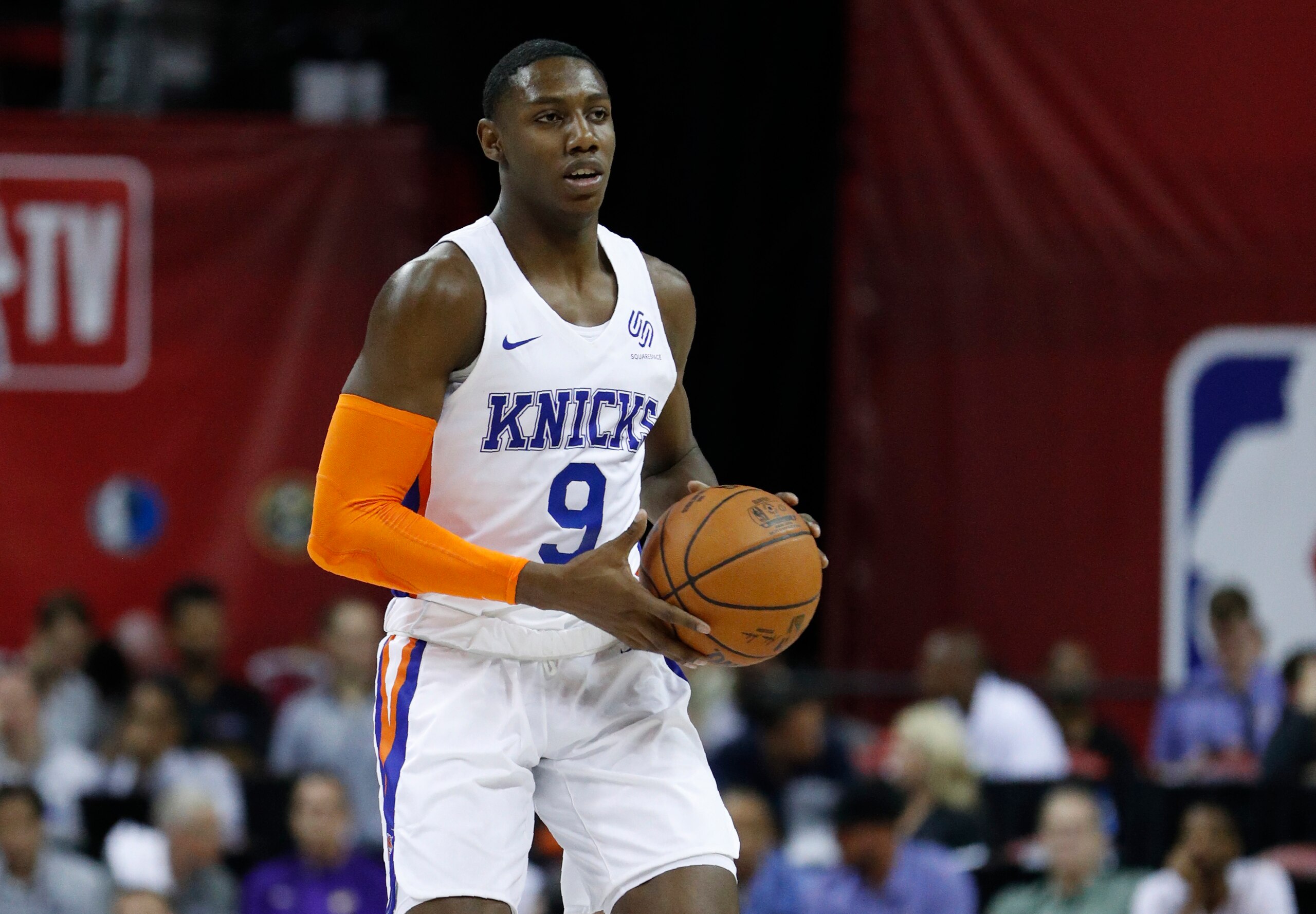
Biggest flaw: Spot-up play
Game plan to hide flaw: Give him ball screens, ball-handling possessions
From high school to Duke, RJ Barrett has been used to being a focal point of an offense. He won't be with the New York Knicks. And he's struggled when having to stand around the arc and make a play off the catch against a set defense deeper into the shot clock. Last season out of spot-ups (49th percentile), he shot 34.8 percent on non-dribble jumpers and a combined 15-of-48 on runners and layups.
Coach David Fizdale needs to give him more initiating opportunities on the ball, which he started to get in summer league (5.0 assists).
Barrett can play-make off ball screens, using his size, hesitations and feel to deliver on-target passes that lead teammates to quality looks. At Duke, he ranked in the 95th percentile in generating offense as a passer to the roll man and the 97th percentile to cutters.
As a rookie, he may be surprisingly more effective facilitating than scoring. But letting him initiate should also create more chances to get downhill (transition and half court), his bread and butter, or pull up for a jumper, a shot he's more comfortable with (38.0 percent) compared to catching-and-shooting (31.9 percent).
He'd be playing to his weaknesses just floating around the arc, waiting for spot-ups. Letting Barrett bring the ball up or putting him in pick-and-roll situations should make the game easier early on—while also giving him a chance to build some in-game rhythm and confidence.
Atlanta Hawks and De'Andre Hunter
4 of 10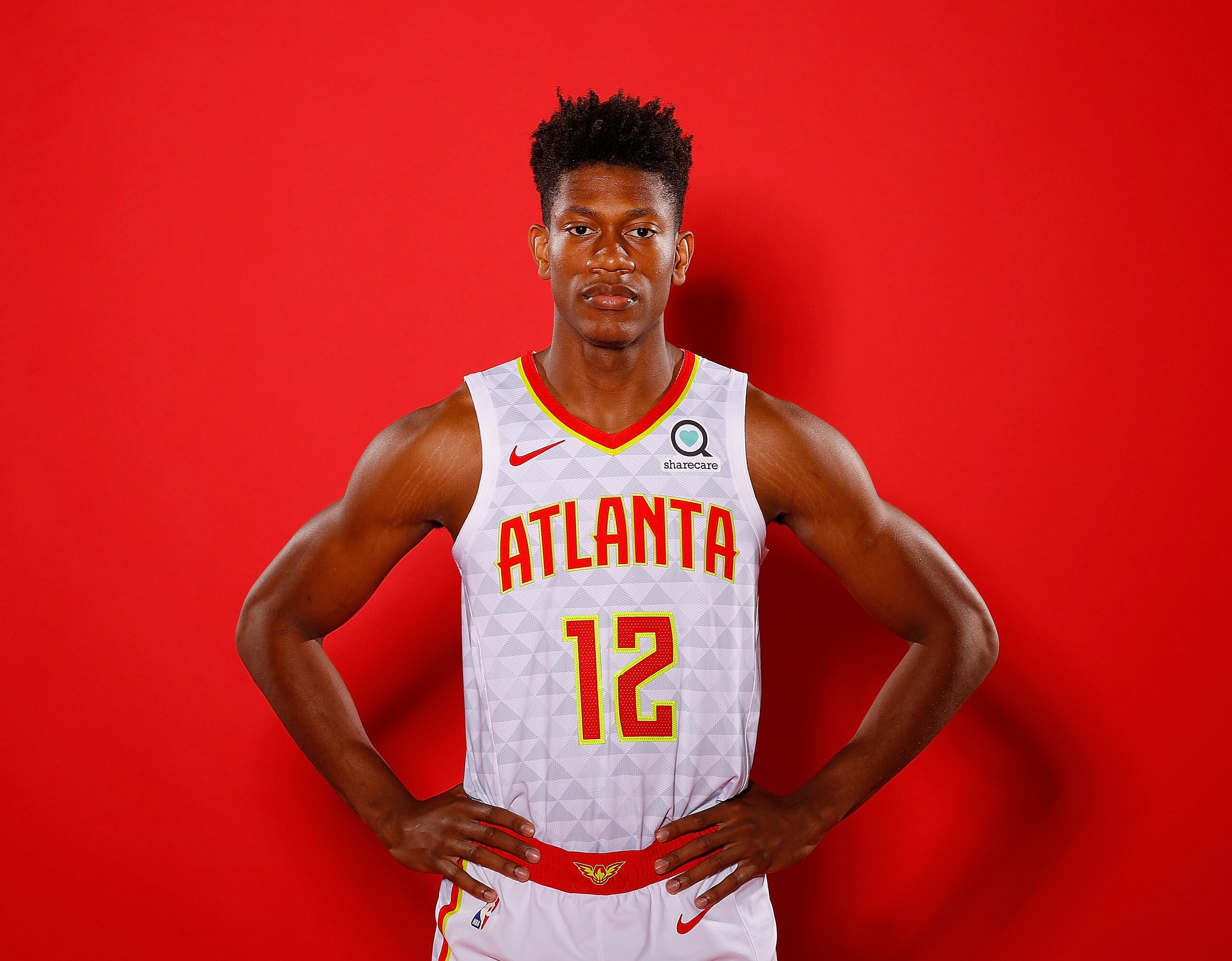
Biggest flaw: Creating off the dribble
Game plan to mask flaw: Stretch 4/spot-up role
The less creation responsibility for De'Andre Hunter, the better. He'll be optimized as a three-and-D power forward next to John Collins, who also brings the explosiveness and rebounding around the basket that Hunter does not.
The rookie doesn't project as a major scorer. His sophomore numbers (18.8 points per 40 minutes) weren't much different from his freshman stats (18.4 points per 40). Hunter's one-on-one shot creation is fairly basic, and he's best out of the post (88th percentile), another reason to play him at the 4. He'd also offer minimal playmaking as a wing (13.0 AST%), a responsibility that Kevin Huerter, DeAndre' Bembry and Evan Turner can help take on.
For the national champions, Hunter was used primarily out of spot-ups (30.4 percent of possessions). He lacks the typical blow-by burst or ball-handling wiggle of a small forward.
It would make the most sense pairing Hunter, the reigning ACC Defensive Player of the Year and career 41.9 percent three-point shooter at Virginia, with Collins at the 4 and 5 spots, respectively.
Cleveland Cavaliers and Darius Garland
5 of 10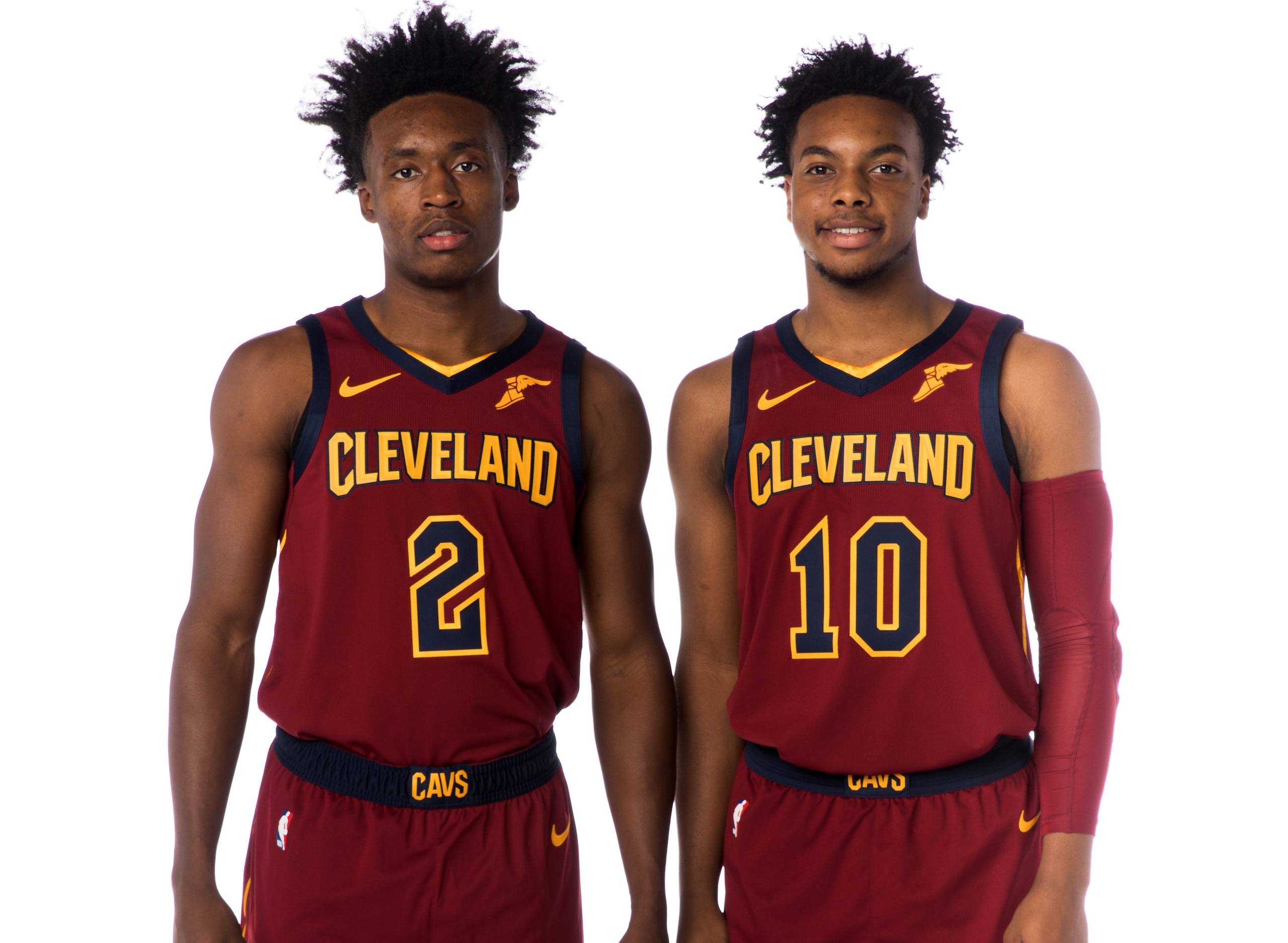
Biggest flaw: Decision-making
Game plan to mask flaw: Keep Kevin Love and run heavy two-man game
Before giving Kevin Love away in a trade, Cleveland Cavaliers head coach John Beilein should want to use him heavily in two-man action with his new rookie. Darius Garland only played five games last season, but in his brief time at Vanderbilt, he totaled more turnovers (15) than assists (13) without much help.
He still needs to improve his facilitating feel, and Love would be a fitting scorer to work with, particularly out of pick-and-rolls/pops. Resting the veteran or trading him for draft picks and 20-year-olds won't help with Garland's development.
On one hand, Garland and the Cleveland Cavaliers will benefit from his scoring versatility, being a guard who shoots well off spot-ups and screens. Collin Sexton will do his fair share of ball-handling, and Garland seems equipped to adjust.
On the other hand, the Cavaliers just drafted him No. 5, and if he's going to maximize his potential, it will be as a lead guard. So they might as well start giving him reps now, with Love there to work as a No. 1 option/target.
Minnesota Timberwolves and Jarrett Culver
6 of 10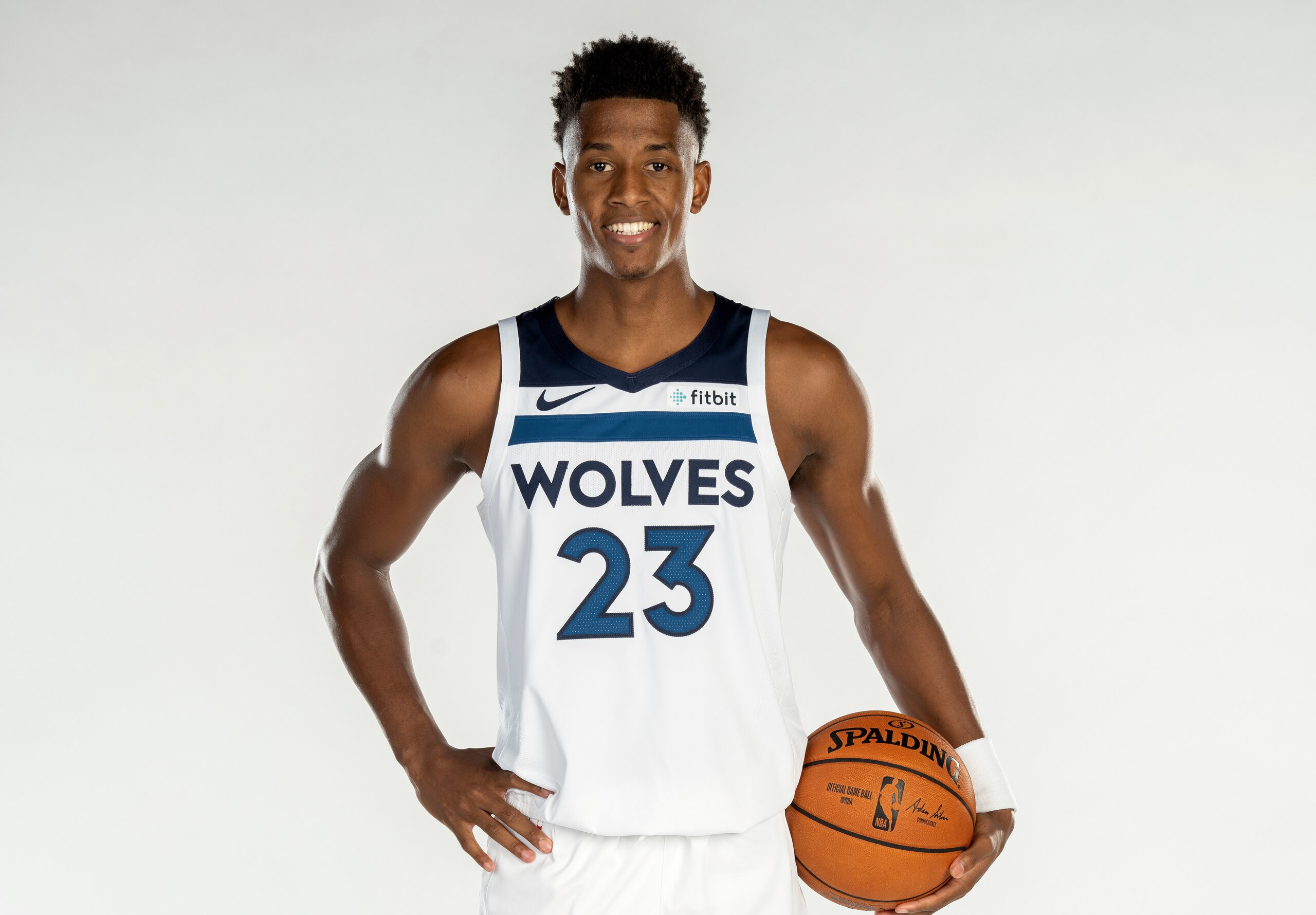
Biggest flaw: Spot-up/off-ball offense
Game plan to mask flaw: Put him on the ball, run action for him to make reads/plays
While Jarrett Culver's ball skills and passing improved in a new lead-guard role at Texas Tech, his off-ball play declined. Minnesota Timberwolves head coach Ryan Saunders should look to keep him involved in creation so that he's not spending too much time waiting around the wings and corners.
Culver only shot 30.4 percent from three and 13-of-43 as a spot-up shooter, demonstrating a lengthy delivery process on his jump shot and a noticeable pause atop the release.
He erupted into the No. 6 pick by strengthening his one-on-one skills (77th percentile isolation) and becoming a ball-screen playmaker able to set up teammates. In a rotation that includes Andrew Wiggins (10.9 assist percentage) and Josh Okogie (6.9), Culver's off-the-dribble versatility may actually be refreshing.
Even with Karl-Anthony Towns, Andrew Wiggins and Jeff Teague, Saunders should run plays for his rookie and get him the ball off some type of momentum.
Chicago Bulls and Coby White
7 of 10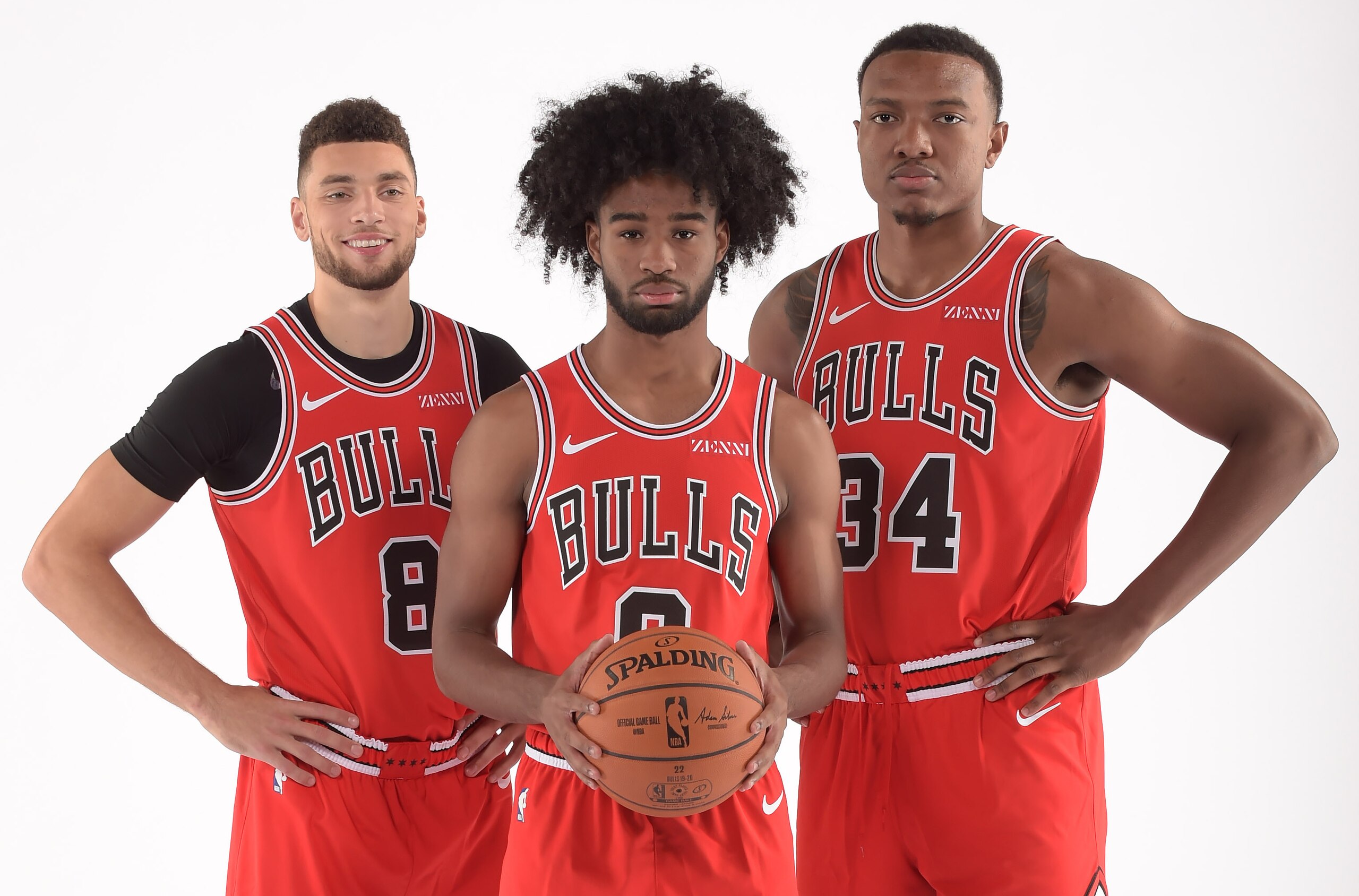
Biggest flaw: Erratic execution, decision-making and defense
Game plan to mask flaw: Bring him along slowly off the bench
Point guards drafted as high as No. 7 are typically expected to start, but Coby White shouldn't supplant veteran free-agent signee Tomas Satoransky on the Chicago Bulls. As a rookie, he'll struggle with decision-making and execution running a Bulls offense that ranked No. 29 last season.
White, who shot 3-of-30 from three and averaged 4.8 assists to 3.8 turnovers in summer league, will need time to perform with starting-caliber efficiency. And now that Wendell Carter Jr. and Lauri Markkanen are both healthy, head coach Jim Boylen and Chicago's front office will be motivated to escape the lottery.
Based on White's current strengths and weaknesses, he'll be optimized in a bench-spark role. The Bulls should value his streak scoring off the bench.
As a freshman at North Carolina, he had games of 33 points and seven threes against Texas, 27 points and five threes against Virginia Tech, 33 points and seven threes against Miami, 34 points and six threes against Syracuse and 28 points and six threes against Clemson. But he finished the season shooting only 42.3 percent from the field and 35.3 percent from three.
White's lack of explosiveness leads to a jumper-heavy shot selection that he isn't ready to consistently execute (25.0 percent on pull-ups).
Instead of starting him because he's a top-10 pick and watching his shot slump and turnovers rack up, the Bulls should use White as a source for microwave offense off the bench, especially with Satoransky, Kris Dunn and Ryan Arcidiacono also on the roster. Boylen should give the rookie a short leash so that his off games don't hurt the team too much, but when he's hot, milk the streak scoring.
White may also get eaten up defensively next year by NBA starting point guards, which is another reason to let him begin his career against second units.
New Orleans Pelicans and Jaxson Hayes
8 of 10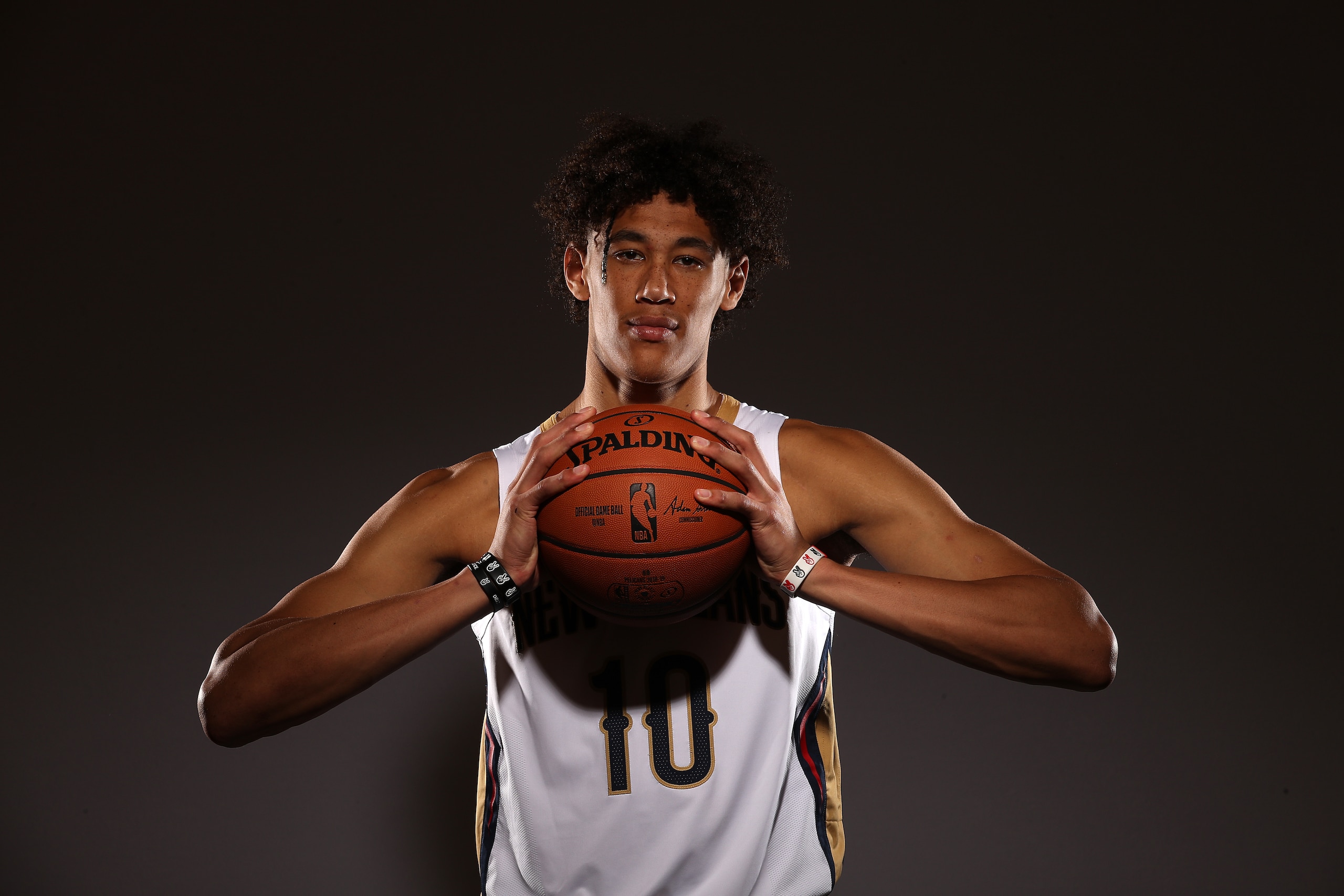
Biggest flaw: Scoring limitations, passing and fouling
Game plan to mask flaw: Keep it short and simple
New Orleans Pelicans center Jaxson Hayes, a skinny 19-year-old, shouldn't play big minutes this year behind Zion Williamson, Derrick Favors and Jahlil Okafor.
The rookie needs some time on the floor just to get acclimated to the NBA game. But his only responsibility should be finishing at the basket (76.9 percent, 98th percentile) off rim runs, rolls, cuts, dump-offs, lobs and offensive rebounds.
Hayes shouldn't have to make any decisions or tough reads with the ball. His skill level isn't high enough. He didn't make a jump shot or isolation basket all season at Texas, and he had only nine assists in 32 games.
In the limited action he's given with the Pelicans, the No. 8 pick must strictly focus on using his size, bounce and coordination for easy baskets and blocking shots.
Head coach Alvin Gentry won't be able to keep him in long regardless, assuming his 5.7 fouls-per-40-minutes problem doesn't immediately disappear.
Washington Wizards and Rui Hachimura
9 of 10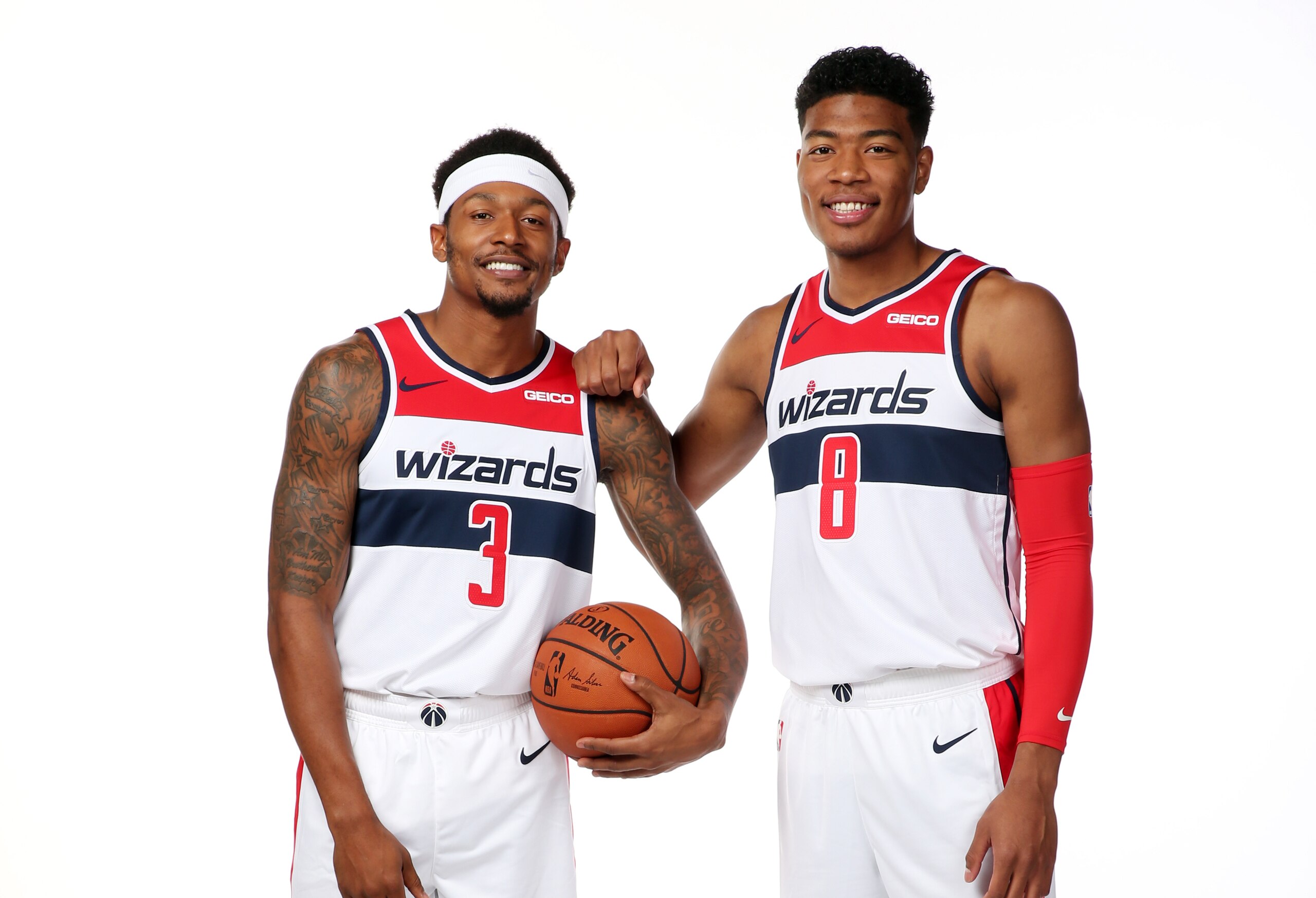
Biggest flaw: Long-range shooting, feel for game
Game plan to mask flaw: Play him with Bradley Beal and frontcourt shooters
In 102 career games at Gonzaga, Rui Hachimura made 24 threes and committed 120 turnovers to 81 assists.
Washington Wizards head coach Scott Brooks will want to surround his rookie with the team's best players and shooters.
Hachimura should start at power forward and play whenever Beal is on the floor. The Japanese prospect's lowlights appear when he locks into scoring on his own and the tunnel vision hits.
Hachimura prefers to operate from the short elbows and short corners, so for spacing purposes, it also makes sense to play him with CJ Miles and either Davis Bertans or Thomas Bryant, who's becoming a credible three-point threat (33-of-99 last season).
Atlanta Hawks and Cam Reddish
10 of 10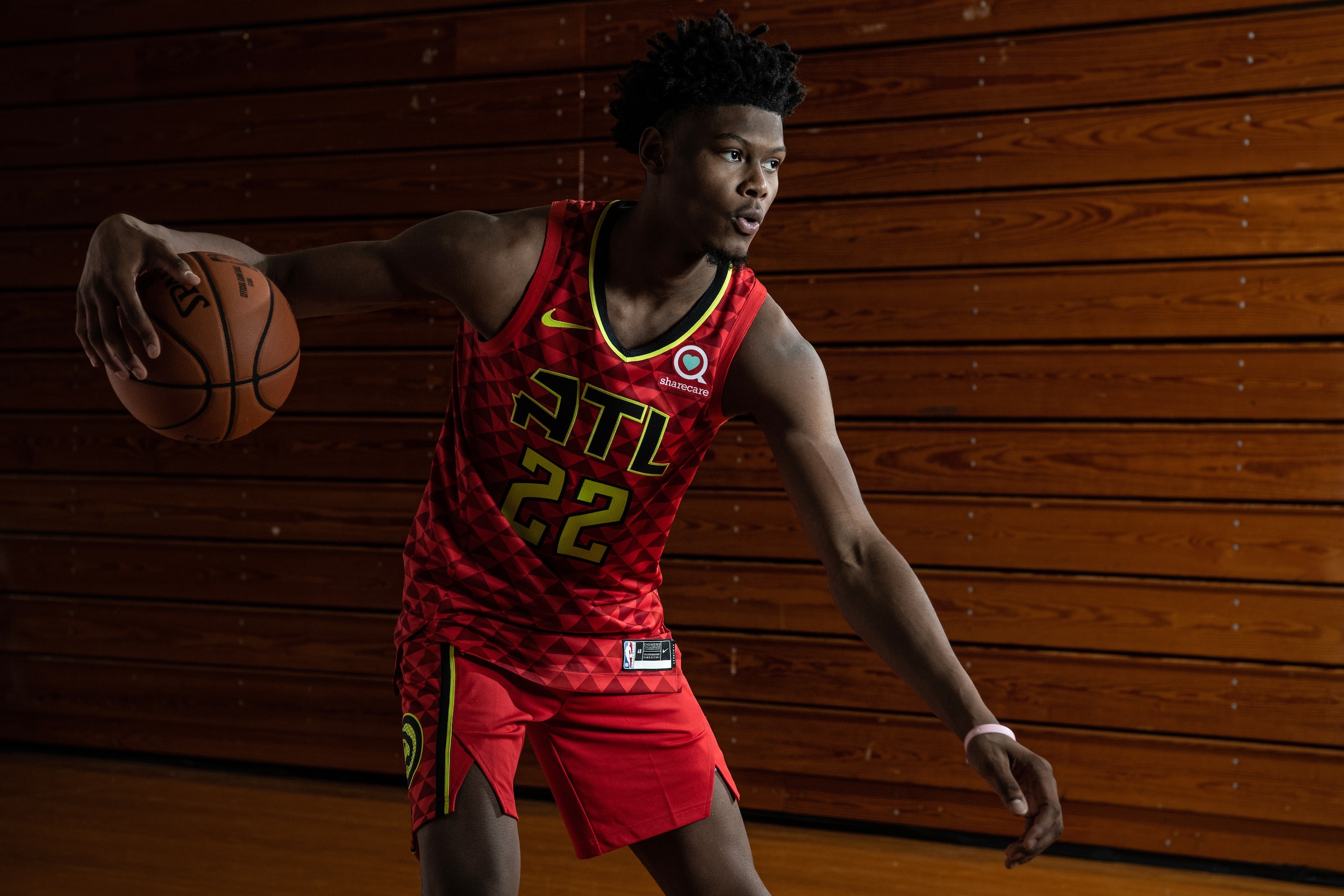
Biggest flaw: Finishing/executing in crowds or when guarded tight
Game plan to mask flaw: Maximize spacing, keep it simple with spot-up role
At Duke, Cam Reddish had a brutal time finishing inside or executing whenever he was pressured. He shot 20-of-97 (20.6 percent) on guarded catch-and-shoot jump shots and just 47.3 percent at the basket, lacking the explosiveness and feel for creating the right angle against rim protectors.
Atlanta Hawks head coach Lloyd Pierce should keep it simple this year with Reddish. Last season, he totaled seven field goals and two assists out of isolation, and he graded in the 11th percentile as a pick-and-roll passer.
The Hawks should leave ball-handling duties to Trae Young, Kevin Huerter and Evan Turner and just let Reddish focus on shooting in rhythm by taking what the defense gives up.
He did make 89 threes last year (compared to 65 twos) in 36 games, demonstrating effortless range. But getting the most out of the No. 10 pick will mean creating as much space as possible for him to shoot or attack driving lanes.
He'll benefit from playing in a lineup specifically with Young, Huerter, De'Andre Hunter and John Collins, all of whom can step out behind the arc.
Stats courtesy of Synergy Sports, ESPN, Sports-Reference RealGM.
.jpg?w=2560 "Steelers May Trade Porter Jr.")

.jpg?w=2560 "Minor League POY For Every Team 🏆")

.jpg?w=2560 "Skattebo Teases New Celly 🕺")
