

Winners and Losers of the Josh Rosen Trade Sweepstakes
The trading of Josh Rosen was an inevitability. With all signs pointing toward the Cardinals taking Kyler Murray for the past four months, it was not a matter of if Rosen would be traded, but where to and at what price.
The Dolphins answered those questions on Friday. As the second round came to a close, the Dolphins struck a deal with the Cardinals to send the 62nd overall pick this year and their 2020 fifth-round pick in exchange for Rosen.
Now, Arizona has its new quarterback of the future and Miami has a beacon of hope to rally around during their rebuild.
Let's dive into which teams, players and team staff either won or lost as result of this trade.
Winners: Miami Dolphins
1 of 8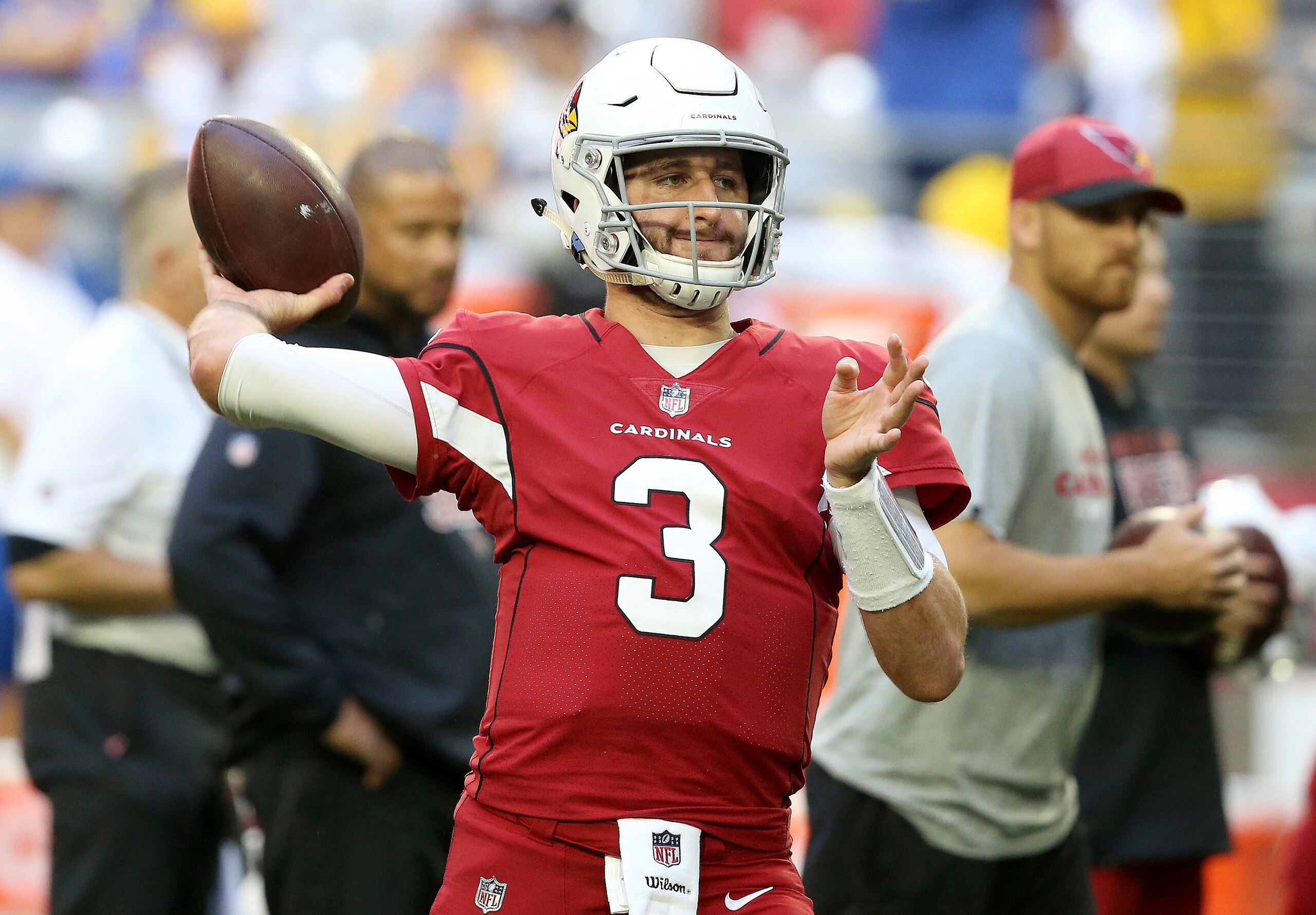
Packaging a 2019 second-round pick (nearly a third-rounder, at 62nd overall) and 2020 fifth-round pick is a bargain for a lightly worn franchise quarterback prospect.
Just a year ago, Josh Rosen was the 10th overall pick and, in the eyes of many, the best quarterback in the 2018 class. Rosen's experience in a handful of different offenses at UCLA and his pocket-passing prowess made him the prototypical quarterback prospect. His vision, footwork and arm talent were all indicative of a future franchise quarterback.
As the Dolphins dive headfirst into a full rebuild, securing a young quarterback to build around at a discount could go a long way. Not only do the Dolphins no longer need to burn a first-round pick on a quarterback next year, but they may have even needed to trade up to do so in 2020, depending on how they fare in 2019.
Furthermore, the Dolphins do not have to front the most expensive portion of Rosen's rookie contract. Per Andrew Brandt, the Cardinals paid Rosen $11 million for one season while the Dolphins will only have to pay him $6 million over the next three seasons (with a team option for a fourth). Checking quarterback off the list of needs saves both hassle and resources moving forward.
It also benefits the Dolphins to bring in a quarterback that is seen as a reclamation project rather than their own first-round pick in 2020, who would likely be viewed as the franchise savior from the moment he is drafted. That the expectations on Rosen are dampened should give the Dolphins breathing room to grow and develop with, and around, their young quarterback.
Losers: Los Angeles Chargers and New England Patriots
2 of 8
Of the teams with aging quarterbacks who are interested in getting their signal-caller of the future at a discount, the Los Angeles Chargers and New England Patriots should feel the worst about missing on the Josh Rosen sweepstakes.
The Chargers are positioned well to succeed once 37-year-old Philip Rivers retires, but there is no young replacement plan on the roster right now. The last time the Chargers took a chance on a quarterback in the draft was Brad Sorensen in 2013's seventh round.
Considering the Dolphins gave up a second-round pick for Rosen, Los Angeles would have effectively given up safety Nasir Adderley, their second-round pick (60th overall) this year, in exchange for Rosen. Adderley is a quality safety prospect who helps the Chargers win now, but the chance at a good replacement for Rivers outweighs drafting a safety. Rosen getting to go back to Los Angeles, where he grew up and went to college, would have made for an especially easy transition, too.
As for the Patriots, Rosen is the prototype to replace Tom Brady. It would be unreasonable to say Rosen would ever reach Brady's level of play, but as a pocket passer whose game revolves around winning pre-snap and being aggressive when necessary, Rosen checks all the boxes for what Bill Belichick should be looking for. Pairing Rosen with Belichick would have been the perfect opportunity for Rosen to rebuild his career and for Belichick to sustain success post-Brady.
Although the Chargers (Easton Stick, North Dakota State, 166th overall) and Patriots (Jarrett Stidham, Auburn, 133rd overall) each drafted quarterbacks on Day 3, neither compare to a former top-10 pick in Rosen. Stick and Stidham project more as backups and developmental projects, whereas Rosen offers higher upside and a year of NFL experience.
Winners: Arizona Cardinals
3 of 8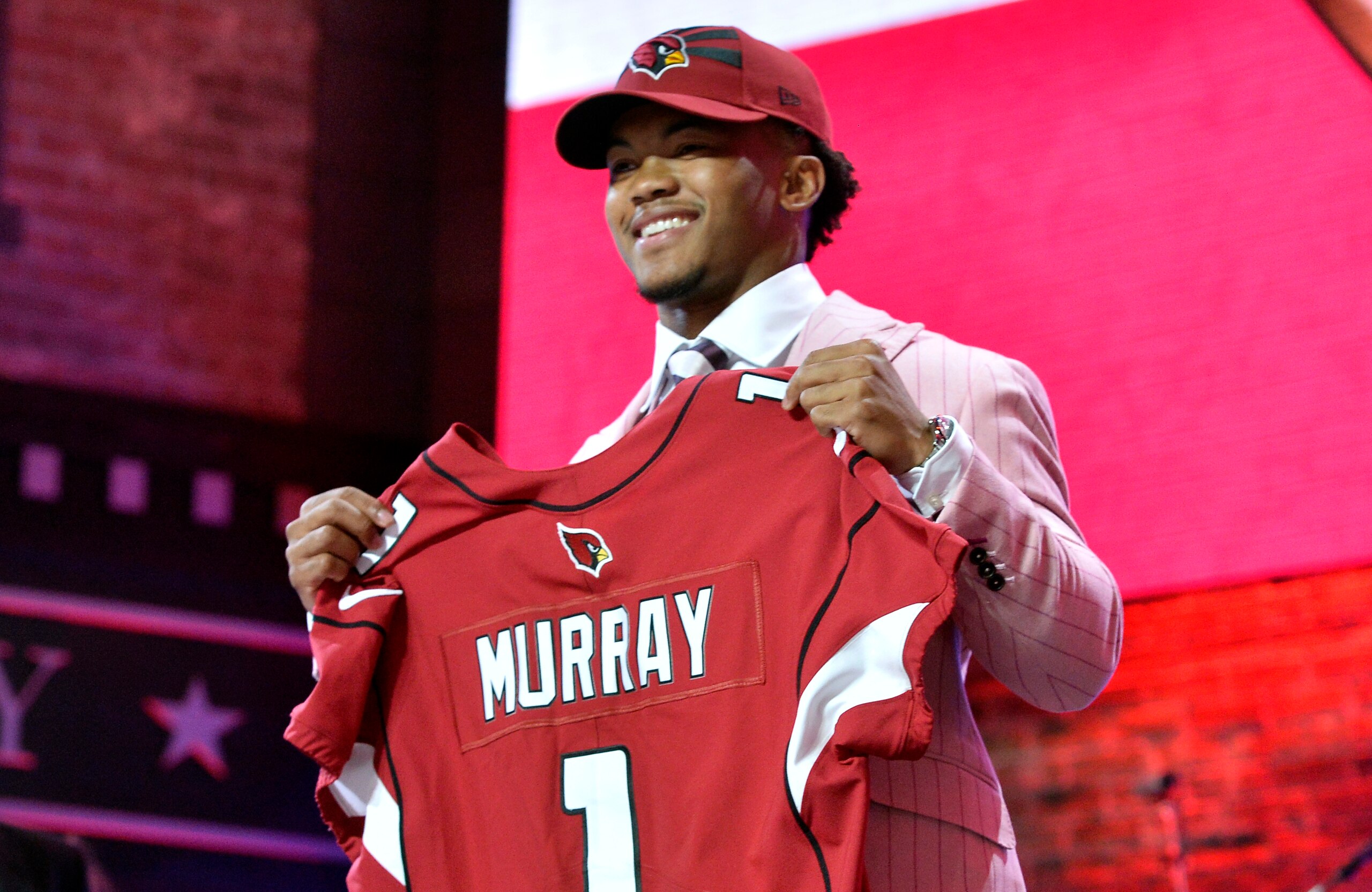
Trading up to select a first-round quarterback only to trade away that quarterback for a second-round pick a year later does not sound like a beneficial situation on the surface, but the Cardinals are in a unique position.
Arizona made one of the most ambitious head coach hirings in years with former Texas Tech head coach Kliff Kingsbury. Not only has Kingsbury never coached in the NFL before, but he put up a 35-40 record in six seasons at Texas Tech. He is also an Air Raid protege, both as a coach and a former quarterback. Despite a gimmicky reputation, the Air Raid has potential to succeed in today's NFL and every team already uses its passing concepts to some degree. But there is no comparable offense at the professional level with Kingsbury's all-in Air Raid philosophies. He is one of a kind to the NFL.
With that, the Cardinals are fully committing to a fresh start. In shipping off Josh Rosen and drafting Kyler Murray with the first pick, Arizona has made a dramatic shift from Mike McCoy's dated pro-style offense to Kingsbury's Air Raid.
Murray is the better fit for this offense, which is why the Cardinals still come out as winners in this deal. That is not to say Rosen would have failed with Kingsbury, but Murray's arm, athleticism, knack for playmaking outside of the pocket and experience in a spread, Air Raid system at Oklahoma make him the perfect prodigy for Arizona's ambitions.
In terms of value on the Rosen pick and eventual trade, the Cardinals definitely lost out. But they now get to commit to their new strategy while recouping a second-rounder, speedy receiver Andy Isabella, in return. Given their unique position and approach, things worked out just fine for Arizona.
.jpg?w=2560 "Chiefs Giants Football")
.jpg?w=2560 "Steelers Buccaneers Football")
.jpg?w=2560 "Eagles Jaguars Football")
Loser: Steve Keim
4 of 8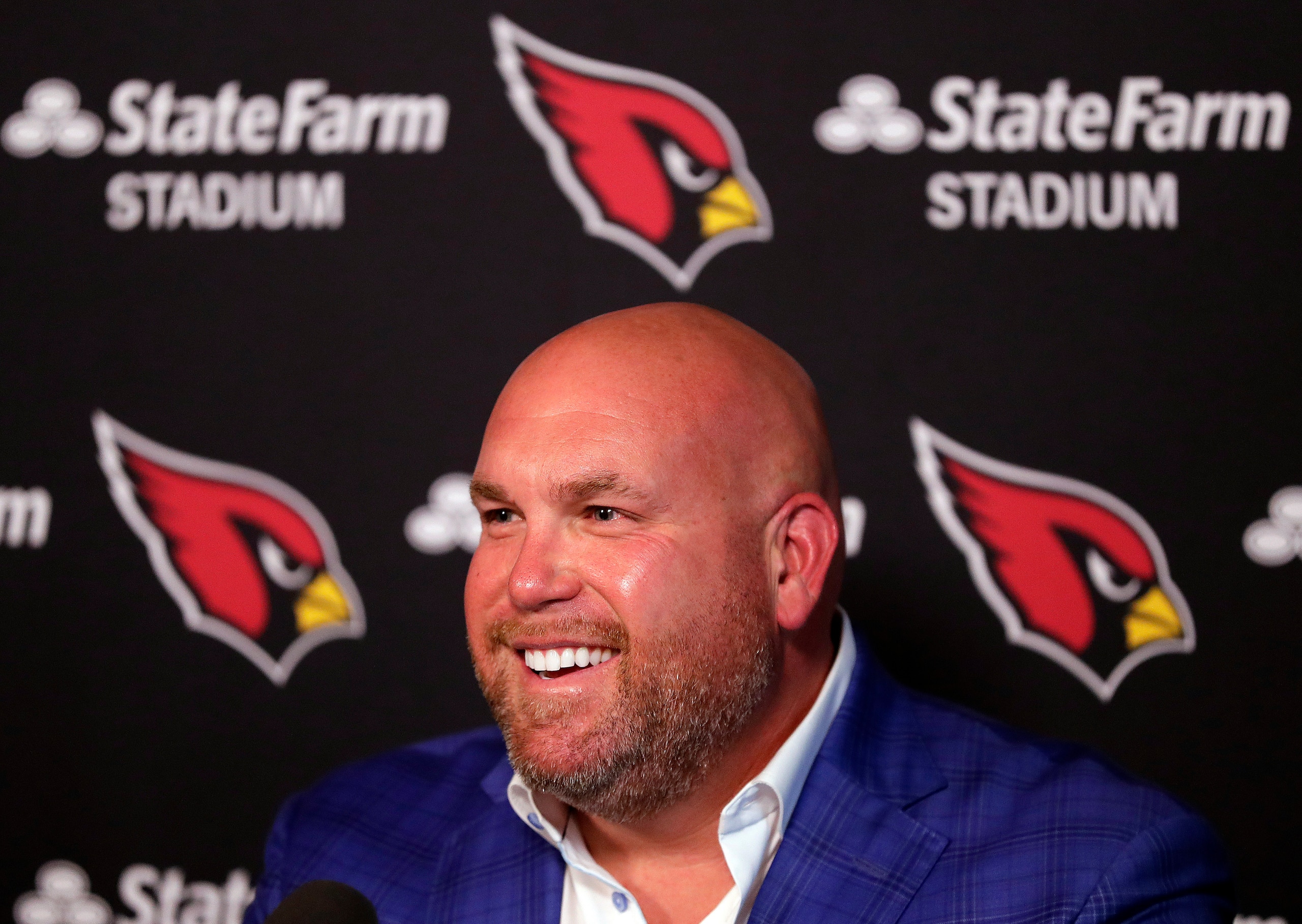
Steve Keim has been with the Cardinals in some front-office capacity for two decades now, but only took over the general manager position in 2013. The team experienced some success with veteran quarterback Carson Palmer during the early portion of Keim's tenure, but the past couple of seasons have been lackluster and Keim has little draft success to hang his hat on, especially in the first round.
Since 2013, the Cardinals' first-round picks have been, in order, offensive guard Jonathan Cooper, moneybacker Deone Bucannon, offensive tackle D.J. Humphries, defensive tackle Robert Nkemdiche, linebacker Haason Reddick and quarterback Josh Rosen. Only three of those players remain on the roster (Humphries, Nkemdiche, Reddick) and none of those remaining have turned out to be much more than average contributors. Keim may have some success in the mid rounds, like running back David Johnson and safety Budda Baker, but his shortcomings with the most important picks outweigh those gems.
With Arizona now trading away Keim's first-round quarterback in Rosen, handing the keys of the franchise to rookie head coach Kliff Kingsbury and drafting a new first-round quarterback in Kyler Murray, Keim's fate is on thin ice. His job now rests on the shoulders of Murray, who appears to be much more of a Kingsbury pick than a Keim pick.
Keim's future is not really in his hands anymore. He may still have the job for now, but another poor season in 2019, even if this draft class turns out okay, could spell the end for him. If Murray struggles, it would be an upset to see Keim calling shots again in 2020, despite him having been pulled away from the reigns this year.
Winner: Josh Rosen
5 of 8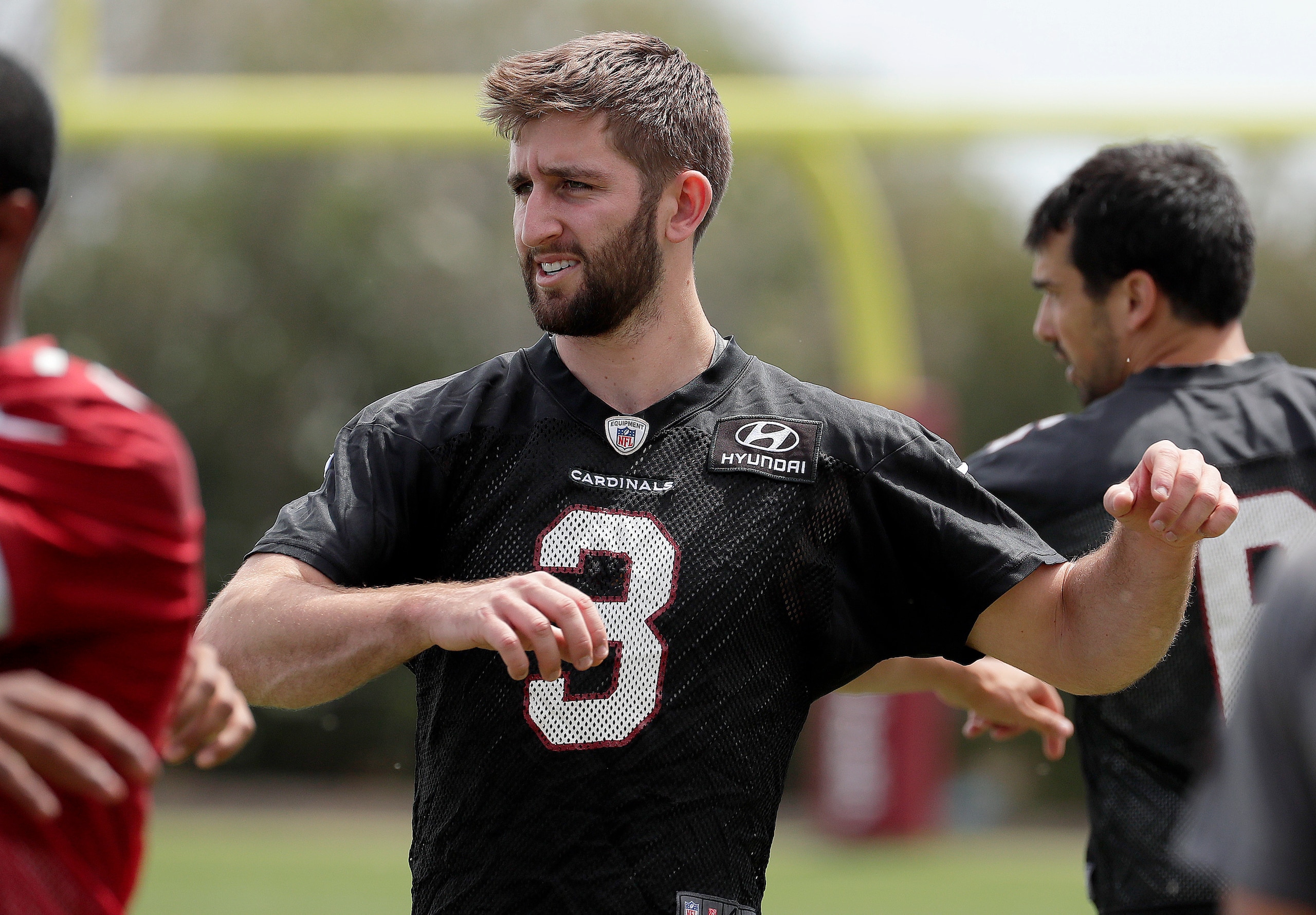
Josh Rosen's first year in the league did not go as planned. A poor offensive line, a bare receiving corps and a revolving door of offensive coaches plagued Rosen's rookie campaign. He may have disappointed, but it is tough to imagine any of last year's rookie quarterbacks looking good in Arizona's 2018 offense. Heck, most veterans would not have looked good.
As a result, Rosen's rookie numbers were some of the worst in recent history. His 3.53 adjusted net yards per attempt ranks 54th among 61 rookie quarterbacks to start at least six games since 2000. Rosen is sandwiched between Ken Dorsey and David Carr on that list and below notable busts Blake Bortles, Blaine Gabbert and DeShone Kizer. The list of players to post fewer than 5.0 adjusted net yards per attempt as rookies is not pretty, to say the least.
However, there is hope. Among those poor rookie performers are Jared Goff and Alex Smith, both of whom faced uphill battles on disastrous teams with lame-duck coaching staffs as rookies. Smith, in fact, is the worst among the 61 qualifying quarterbacks, and Goff is not far away at 59th. Even Eli Manning, 56th, and Matthew Stafford, 52nd, turned their careers around after struggling mightily as rookies.
Rosen getting a reset, even if on a rebuilding Dolphins team, is good for him. He should not be expected to be the immediate savior in Miami and will instead get time to develop. This team will be able to build around him and embrace his learning curve, rather than throw him to the wolves in a dull, outdated Mike McCoy offense from the jump.
Loser: Christian Kirk
6 of 8
While wide receiver Christian Kirk may come to build a solid rapport with rookie quarterback Kyler Murray, Kirk developed a promising connection with Josh Rosen last season.
Rosen and Kirk quickly hit it off as rookies. With Rosen behind center, Kirk went on to be the team's second-leading receiver with 590 yards and three touchdowns—trailing only future Hall of Famer Larry Fitzgerald—despite playing in just 12 games. In a tumultuous season for the Cardinals, the two rookies' chemistry was a glimmer of hope.
Now, Kirk must start from scratch with his new quarterback. With as important as chemistry is for a quarterback-receiver duo, it is unfortunate for Kirk that he is back to square one after an impressive rookie campaign.
Chemistry aside, the Cardinals also drafted three receivers: Andy Isabella, Hakeem Butler and KeeSean Johnson. Though Fitzgerald will retire soon and ease some of the competition here, all three rookies have the potential to eat into Kirk's production. Isabella, in particular, offers a similar skill set (founded on speed and quickness) that could overshadow Kirk.
Winner: Kliff Kingsbury
7 of 8
If nothing else, trading Josh Rosen in favor of selecting Oklahoma's Kyler Murray, an enigmatic Air Raid quarterback prospect, with the first overall pick is a testament to how much power Kliff Kingsbury already has in Arizona. Not often does a career college coach take his first NFL job as a head coach and immediately take over full control. There should be no question that this is his team, his offense and his quarterback.
The rest of the draft weekend has turned out in Kingsbury's favor, as well. The 62nd overall pick the Cardinals netted from the Dolphins turned into UMass wide receiver Andy Isabella, a dangerously fast receiver suited to thrive in Kingsbury’s offense. Arizona also drafted Iowa State wide receiver Hakeem Butler at the top of the fourth round, giving the Cardinals an athletic, big-bodied archetype they did not previously have at receiver. If two were not enough, the Cardinals threw a third receiver into the ring with Fresno State's KeeSean Johnson, a possession receiver who could eventually supplant Larry Fitzgerald.
Whether the Kingsbury experiment works out for the Cardinals is yet to be seen, but Kingsbury has to feel comfortable right now. The organization is making a clear effort to give him all the tools he wants and needs to make this work. He should not be worried about being fired after one year the way Steve Wilks was last season.
Losers: 2020 Quarterback Class
8 of 8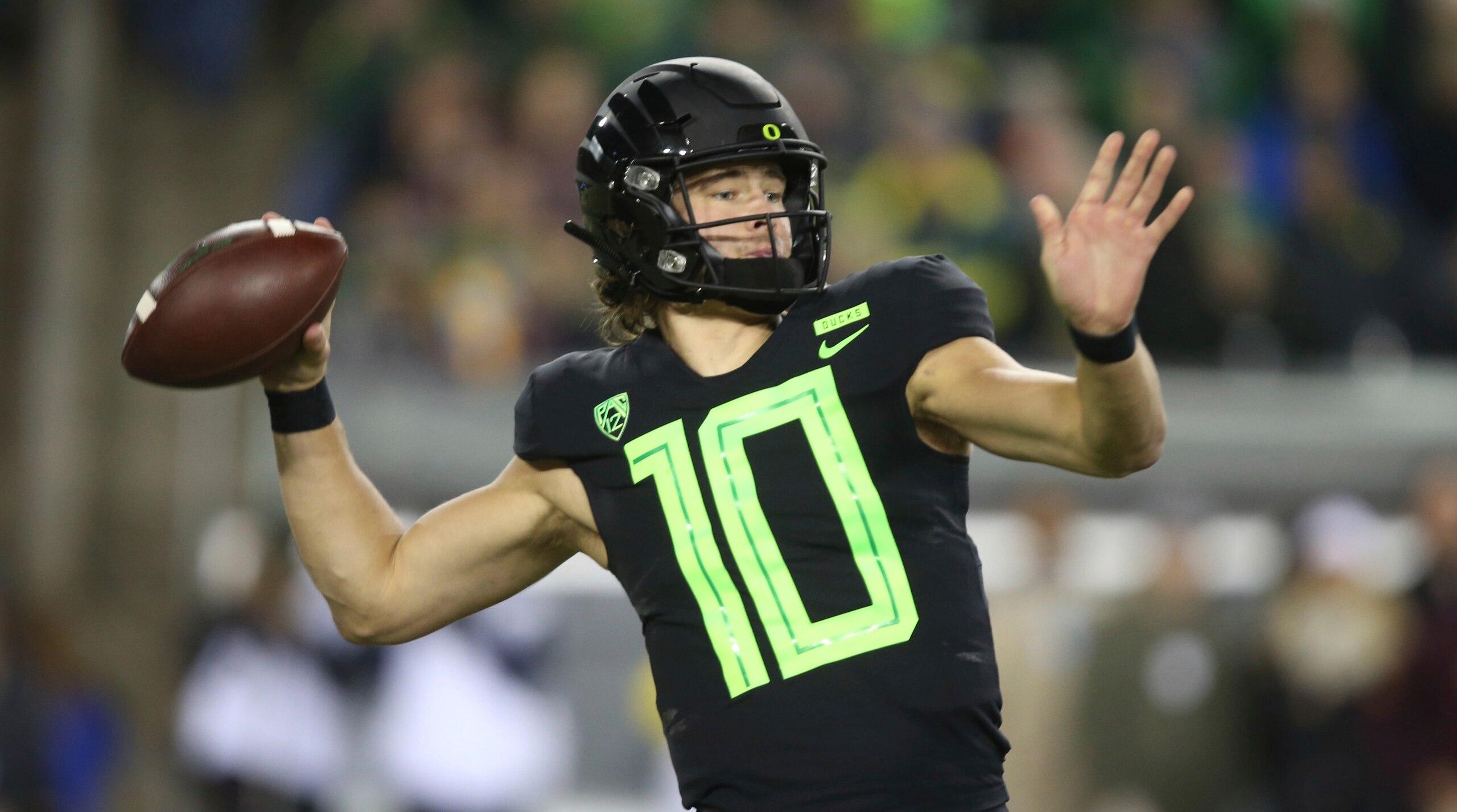
No team in the league was better positioned to earn the first overall pick in 2020 than the Miami Dolphins. After trading starting quarterback Ryan Tannehill, letting Cameron Wake walk and making few efforts to fix a bad roster through free agency, it seemed apparent that the Dolphins were tanking for their choice of Alabama's Tua Tagovailoa or Oregon's Justin Herbert. Even if they did not earn the first pick, they were a good candidate to trade into that spot—or at least take a quarterback as early as possible.
After trading a second-rounder and a 2020 fifth-rounder for Josh Rosen, the Dolphins' eyes are likely moved off the 2020 quarterback class. Of course, until Rosen proves to be effective, they should do their due diligence on the top passers in college football, but drafting a quarterback in the top five next year is much less likely for the Dolphins now than it was a week ago.
The question is whether the Dolphins believe in Rosen that much more than the options in 2020 or if the value on Rosen was too good to pass up. The value was good on the Rosen trade—there is little disputing that—but teams tend to hold out for "their guy" in the draft.
Seeing the Dolphins take a chance on Rosen rather than wait on 2020 is interesting, especially because bringing in Rosen now does not turn them into a competitive football team in 2019. This roster is still years away. If the Dolphins already did their due diligence on the 2020 class and decided Rosen was the best option long term regardless of draft value, it may be a precursor for how the rest of the league will value the upcoming quarterback class.
.jpg?w=2560)
.jpg?w=2560 "Steelers Saints Football")
.jpg?w=2560 "🚨 Week 8 AP Top 25 Poll")



.jpg?w=2560 "CFP Bracket After Week 8 🏆")