

Some 2018-19 NBA rookies are off to hot starts. But they will each experience difficulty in achieving consistency or maximizing potential based on specific flaws and weakness.
Some are physical, others are fundamental. And NBA opponents will target and expose them early on.
Here, we have pinpointed the area of each top rookie's game that could hold him back, both now and down the road when trying to reach his ceiling.
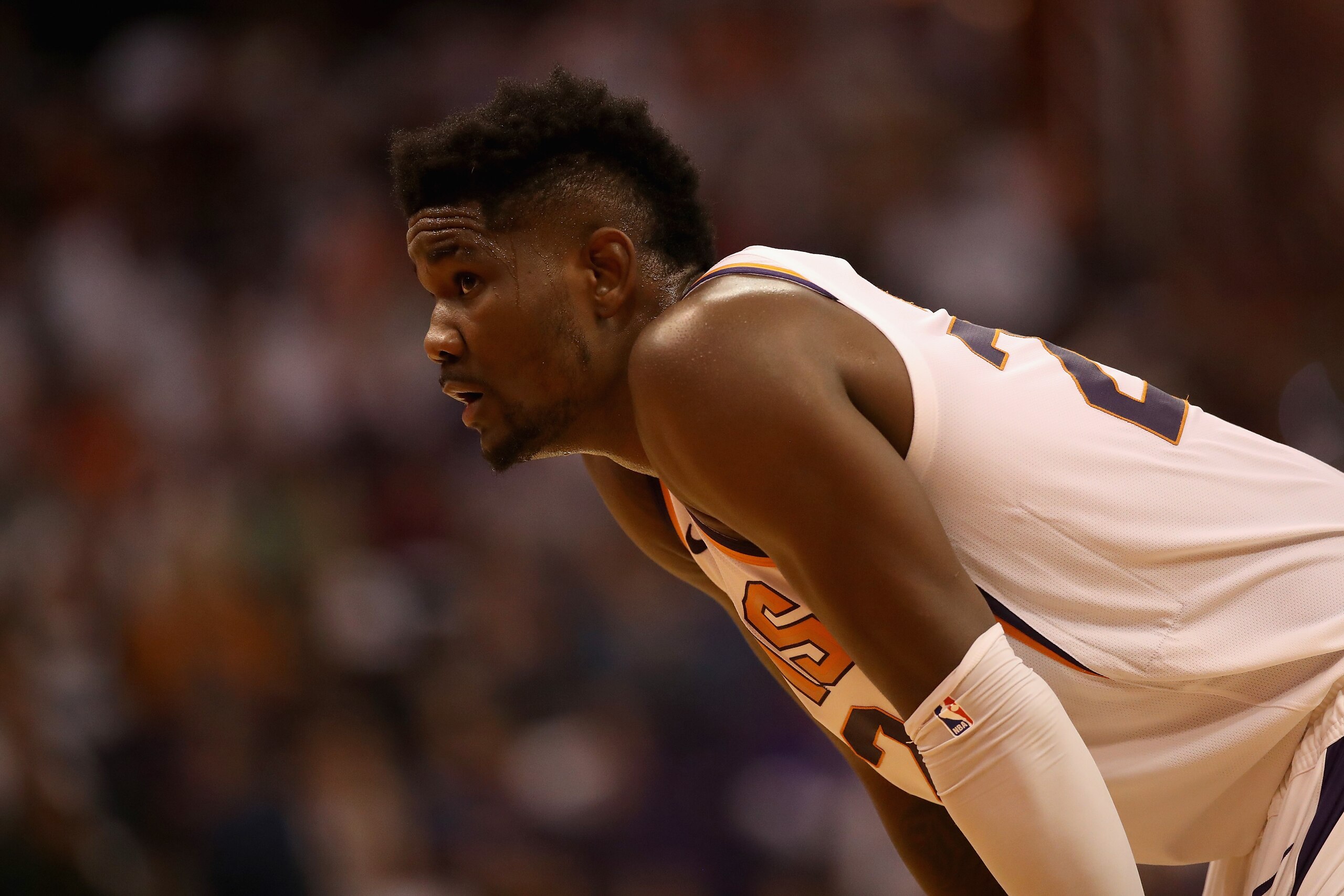
Deandre Ayton: Defensive Awareness
1 of 11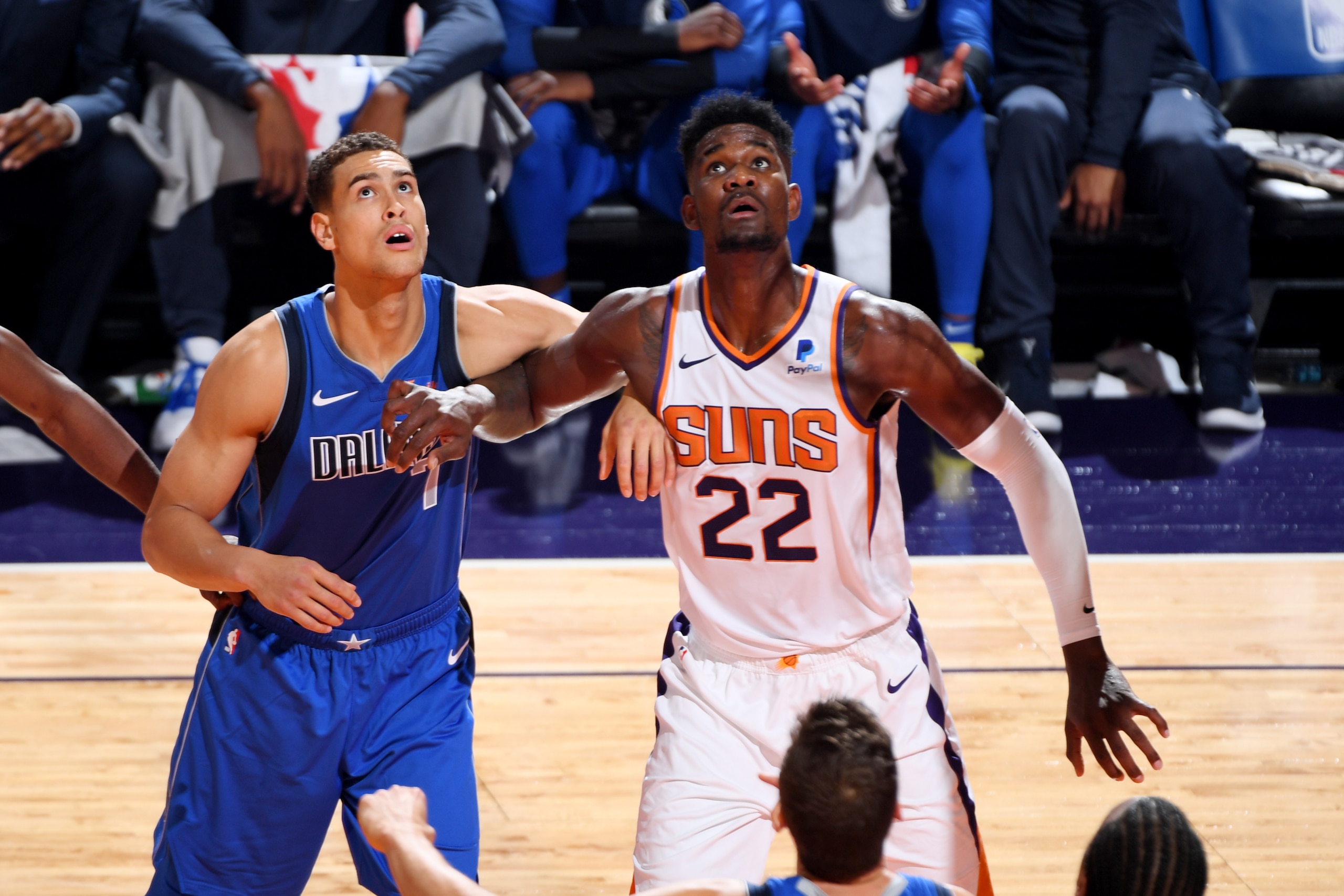
The Phoenix Suns clearly bought into Deandre Ayton's upside as a scorer and the chances he improves defensively. He just wasn't overly convincing as a defender at Arizona.
He's already experienced a handful of teaching moments as a rookie. Ayton lacks awareness. During his debut against the Dallas Mavericks, he had trouble keeping his eye on both the man and ball. He doesn't have the quickest reaction time or sense of when to help or stunt.
There will be instances moving forward when Ayton freezes up on the opposite side of the lane while a guard drives in for an uncontested layup.
He'll still block shots and shine on plays when his athletic ability can take over, thought, and he'll look great in certain one-on-one situations, when his strength, length and quickness come to life.
Ayton figures to have the most trouble moving forward making reads in rim protection.
Marvin Bagley III: Offensive Polish
2 of 11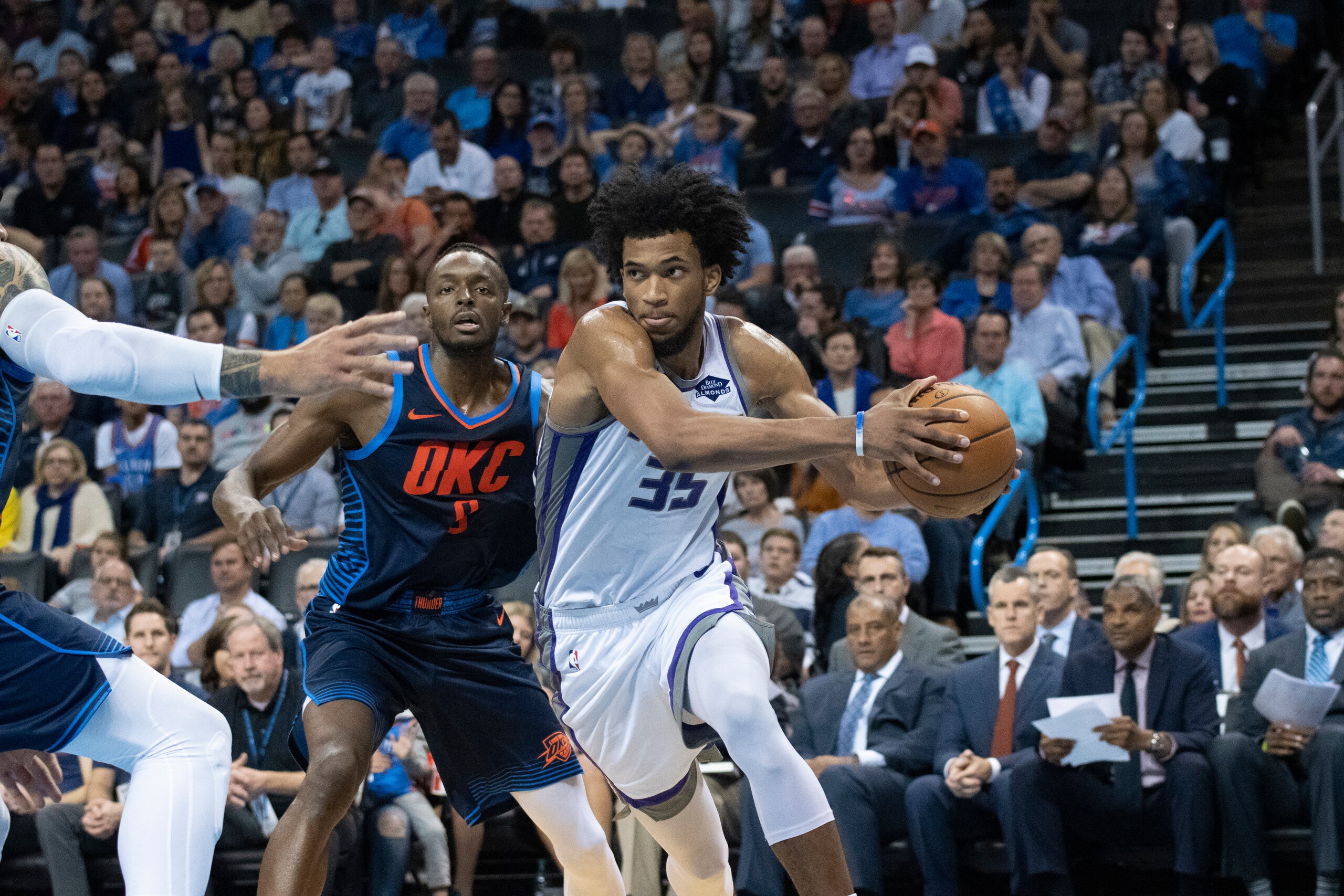
Marvin Bagley will give the Sacramento Kings easy baskets and rebounding right away. Consistent offense may take a few seasons.
At 19 years old, his shot-creation remains heavily dependent on athleticism and quickness. And alone, they'll only carry him so far.
Against a set defense, Bagley could have trouble creating and scoring unless he's isolated in space within 15 feet.
He'll do his fair share of catching passes around the perimeter playing the forward positions for Sacramento. Only Bagley is far from a consistent shooting threat or skilled face-up scorer. He didn't make one pull-up jump shot at Duke.
He'll lean on cuts, lobs, open-floor play and offensive rebounds for the bulk of his scoring. To reach the All-Star ceiling that's fueled by his explosiveness and versatility, Bagley's three-point shot and ball skills must improve.
Luka Doncic: On-Ball Defense
3 of 11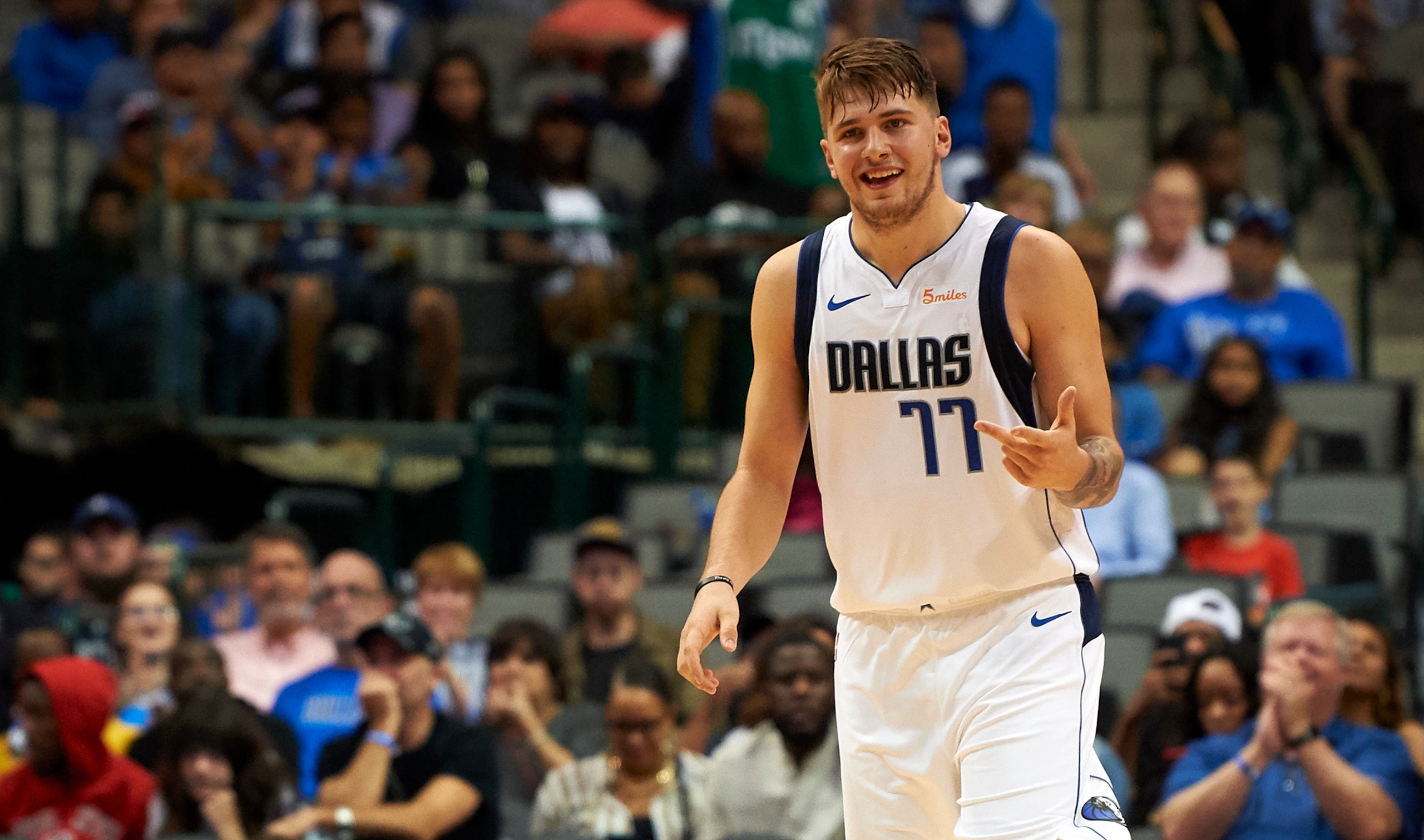
Luka Doncic's defense will be under the microscope while his offense creates Rookie of the Year stats and future All-Star expectations.
Playing him at forward is likely a wise move to start. Doncic isn't the quickest laterally, and against the NBA's top scoring wings, the rookie is bound to have trouble staying in front of his opponent and making life uncomfortable.
He happens to be a smart team defender off the ball, able to anticipate, rotate and make plays. On the ball, however, Doncic could experience difficulty, whether it's containing dribble penetration or holding his ground around the basket.

Jaren Jackson Jr.: Offensive Polish
4 of 11
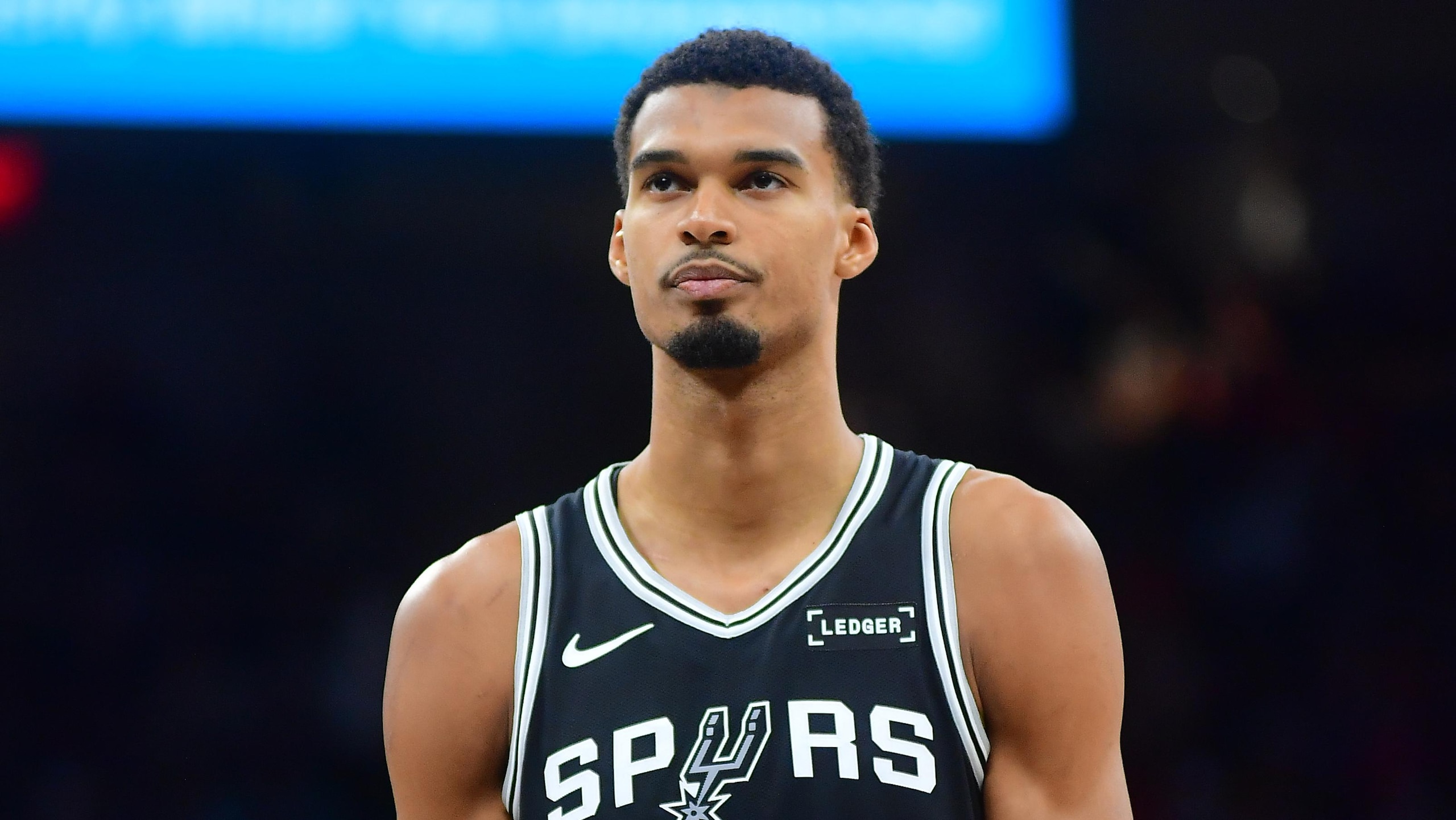
A weakness today could be a strength tomorrow for Jaren Jackson Jr., based on how quickly he's developing. But at this stage, he still lacks polish when it comes to creating and converting two-point shots against set defenses.
Inside the arc, he leans mostly on improvisation and length over skill and decisive footwork. Playing back-to-the-basket, he takes contested shots without countering. Facing up, he tends to lose control during drives (33.3 percent shooting), resulting in off-balance layup attempts in traffic.
He's relatively choppy with his overall delivery working one-on-one.
Jackson will generate much of his offense off spot three-pointers and one-handers around the block, where he can use his tools. But his field-goal percentage will take a hit from the shots he's forced to create himself (two of 10 out of isolation last year) that aren't over-the-shoulder hooks.
Trae Young: Shot Selection Due to Physical Limitations
5 of 11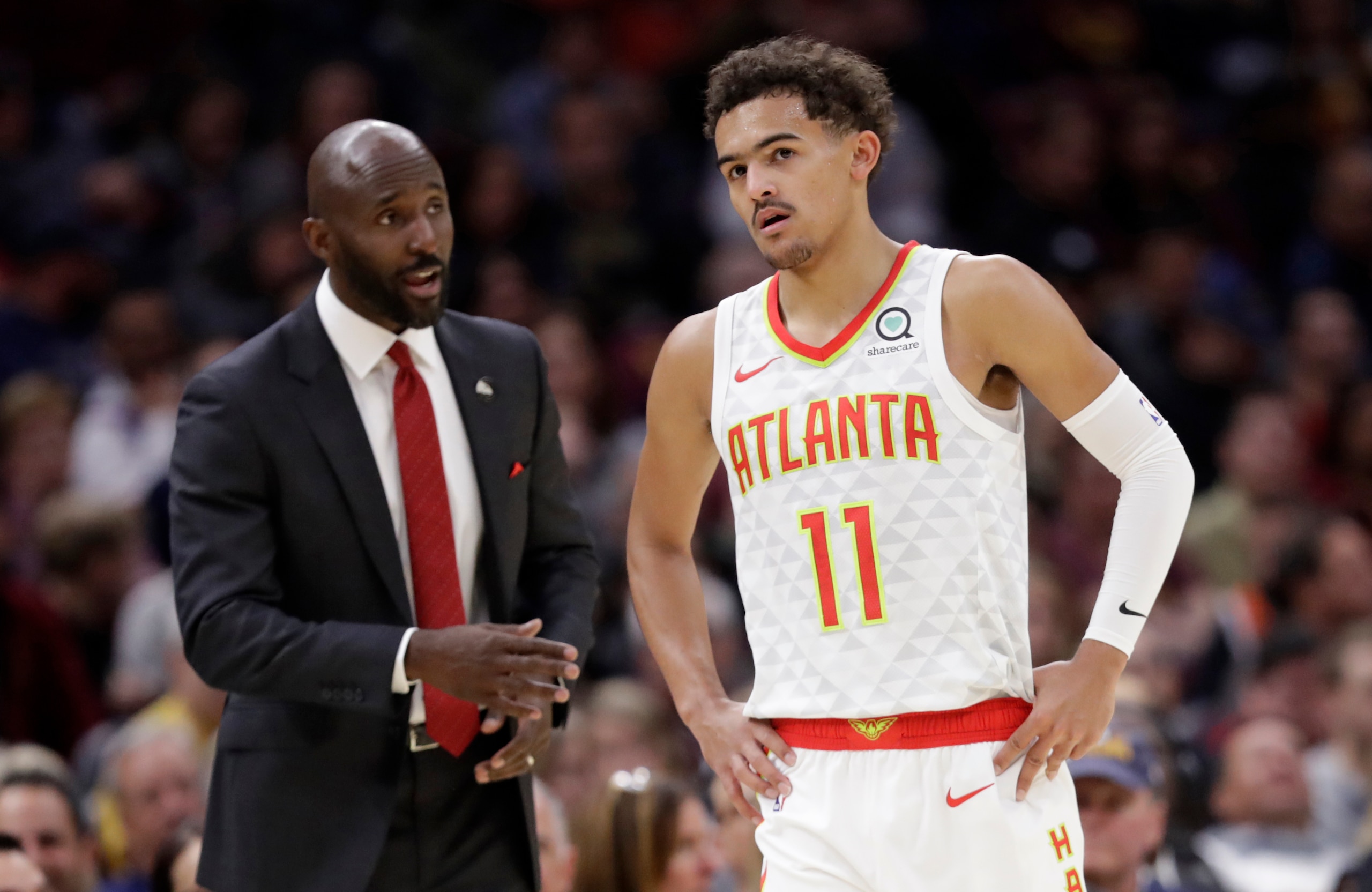
Trae Young's shot selection has been a talking point since he erupted onto the scene early as a freshman at Oklahoma.
He usually has to take a lot of low-percentage jumpers to score in volume. Young can be fearless to a fault with his early-clock pull-ups and logo-range attempts.
His tendency to give into the urges can also be tied to his physical and athletic limitations. He'd presumably rather take an open look from 30 feet than a contested two-pointer in traffic.
Young lacks the explosion and length to easily separate in tight spaces. Last year, he made just four two-point jumpers. Instead, he attempted 62 runners, finishing just 49.6 percent of his shots at the rim.
When Young is on, he has the ability to catch fire and take over with high-level shot-making. It already happened by career game No. 3, when Young totaled 35 points in a win over the Cleveland Cavaliers.
But there are going to be games when the three-ball isn't falling and he struggles to get himself easy baskets.
The big question is how consistent Young will be using this particular style and shot selection over an 82-game season.
Mohamed Bamba: Physicality
6 of 11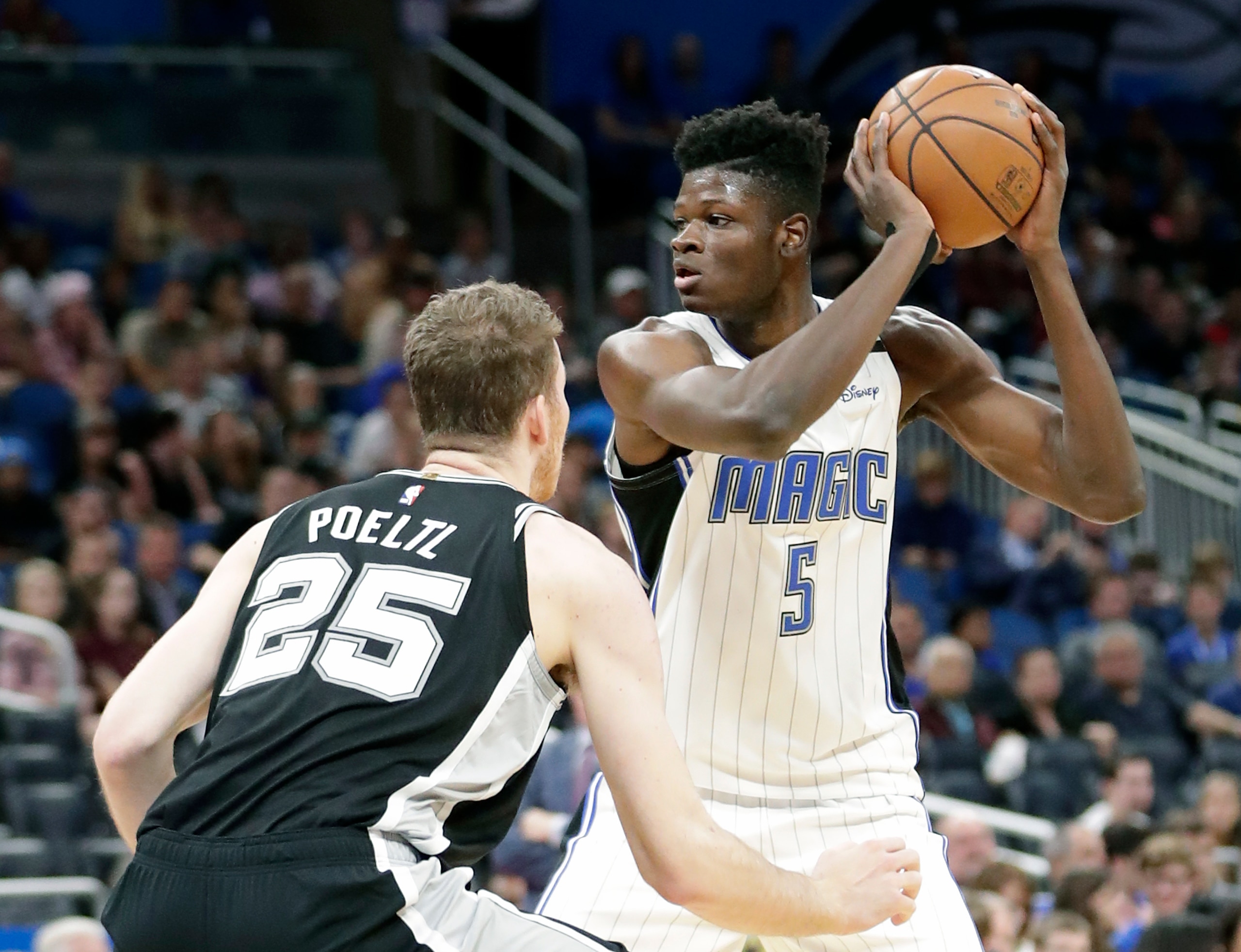
Opposing centers won't have major trouble moving around 7'0", 225-pound Mohamed Bamba. They'll exploit the rookie's lack of physicality at both ends.
Offensively, we're already starting to see Bamba drift farther from the basket into more of a stretch-big role. He's attempting 2.0 threes in 19.3 minutes through four games. There have been fewer opportunities for Bamba to gain inside position for easy-basket chances off dump-downs, lobs and missed shots.
Minimal core strength will also hurt Bamba's post game and ability to create higher-percentage looks closer to the hoop. He wasn't dominant in the post last year, either, ranking in the 34th percentile (27 of 71).
Defensively, Bamba will continue to be disruptive with that 7'10" wingspan. He'll block plenty of shots. But one-on-one in space, he'll be vulnerable against tougher veteran centers who'll back him down or face up and plow through.
Wendell Carter Jr.: Predictable Offense
7 of 11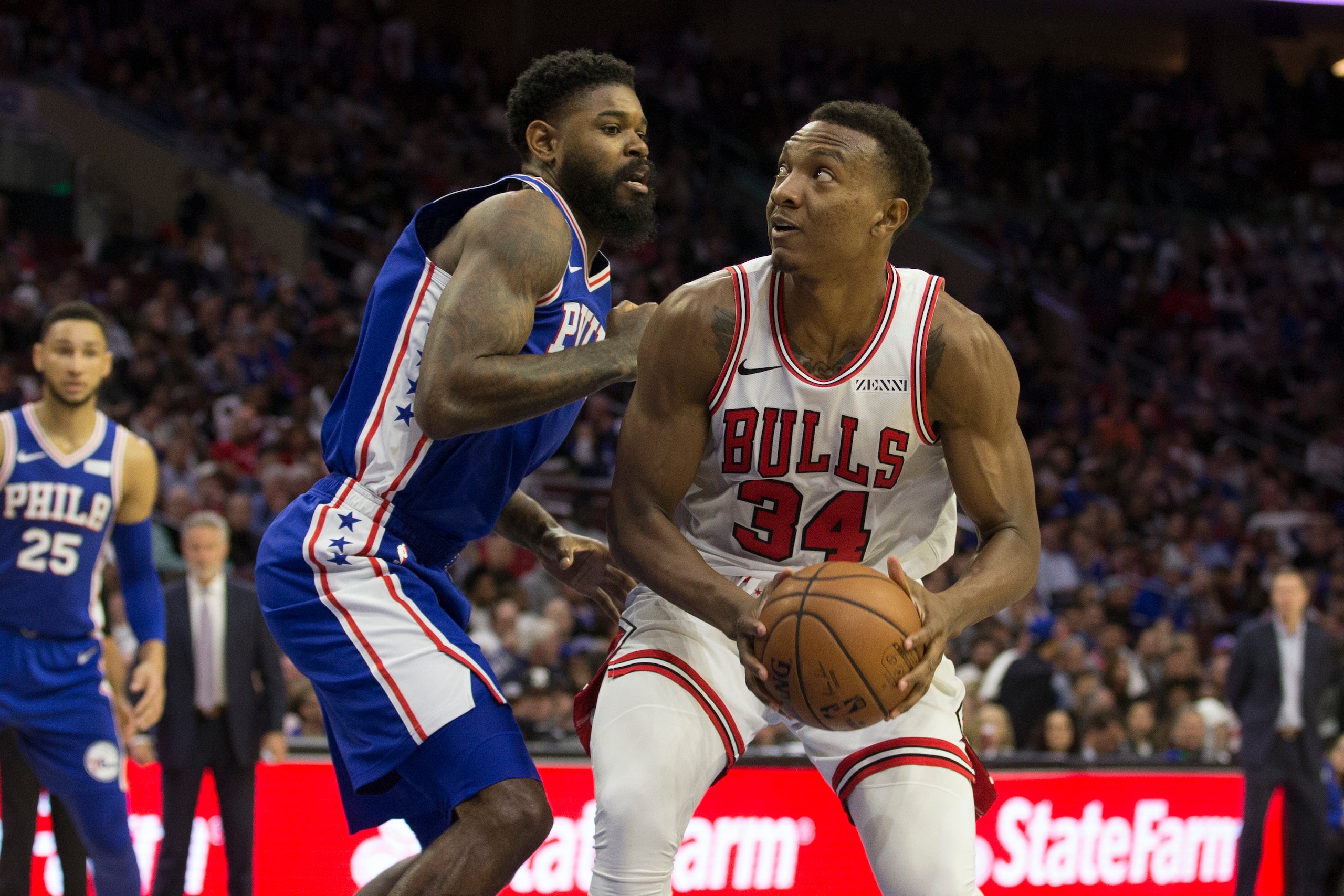
Wendell Carter Jr. enters the league well-rounded with tremendous tools, refined post moves, promising shooting touch and solid timing as a shot-blocker. The element that's missing is an off-the-dribble game.
It's not often Carter puts the ball on the floor, which can make him predictable. He didn't record a field goal out of isolation at Duke. Only five of his 40-made post-ups came off face-ups. If he's catching around the perimeter and the jumper isn't available, chances are, he'll be forced to pass it off.
Through 69 minutes, he's made one shot off one dribble or more.
Carter will score as a pick-and-roll weapon, spot shooter, option on the block and offensive rebounder. The question is whether he can blow up offensively without face-up scoring versatility or flashy athleticism.
Collin Sexton: Playmaking Efficiency
8 of 11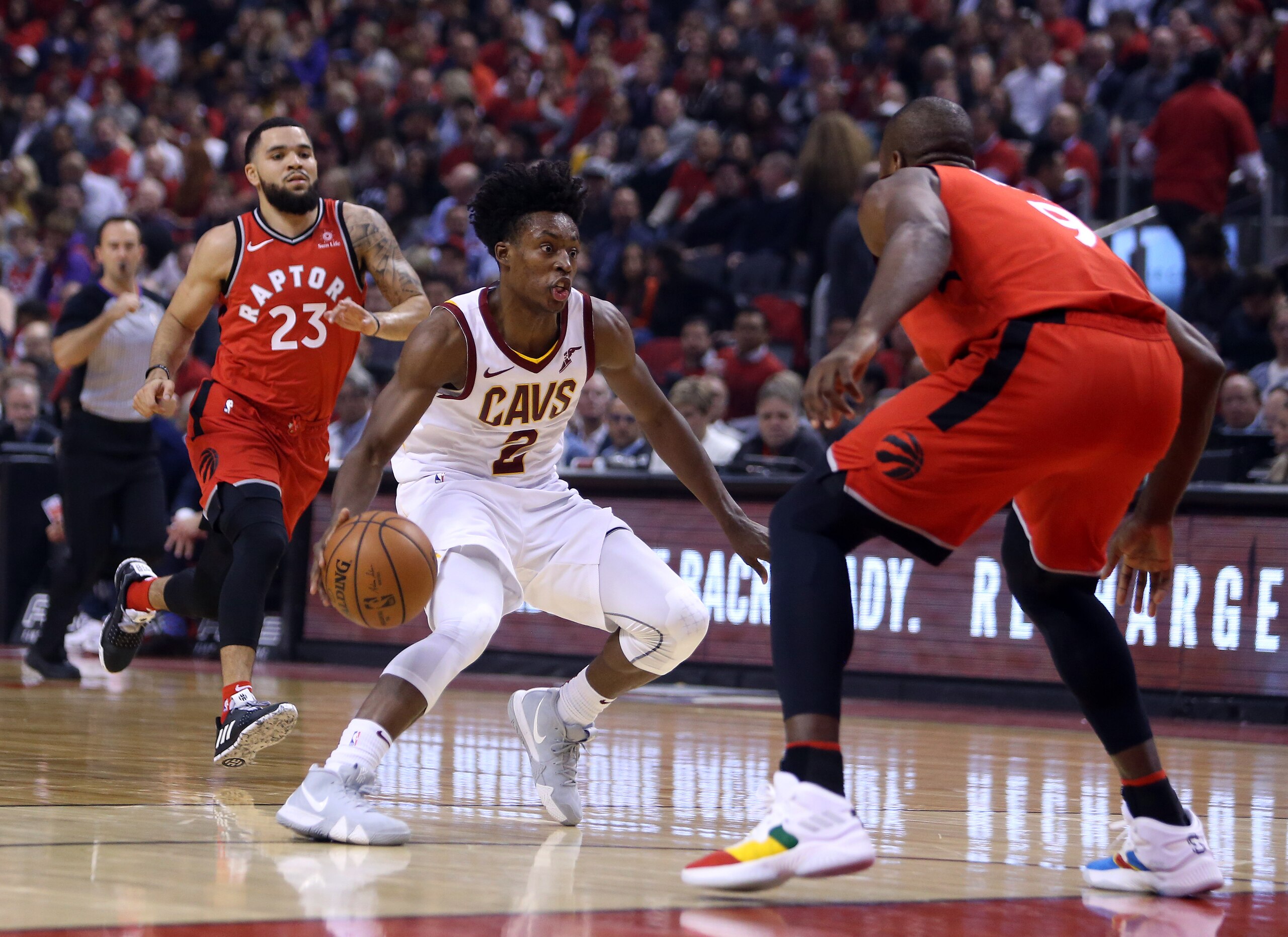
Collin Sexton should give the Cleveland Cavaliers a live scorer off the bench. But does he facilitate well enough to run the point for the starting lineup?
Ideally, Sexton will be George Hill's long-term replacement. However, while the rookie brings exciting speed and firepower, creating for teammates hasn't been a strength.
After averaging just 3.6 assists to 2.8 turnovers per game at Alabama, Sexton's playmaking didn't pop in summer league or preseason. So far during the regular season, he's averaging 9.0 field-goal attempts, 1.0 assist and 2.0 turnovers in 22.7 minutes.
Last season, he only passed 11 times out of isolation (92 possessions), and he ranked in the 29th percentile as a pick-and-roll passer.
He'll have games where he takes over for stretches with streak scoring ability, but Sexton isn't ready to accept lead guard decision-making duties running the Cavaliers offense.
Kevin Knox: Inefficiency
9 of 11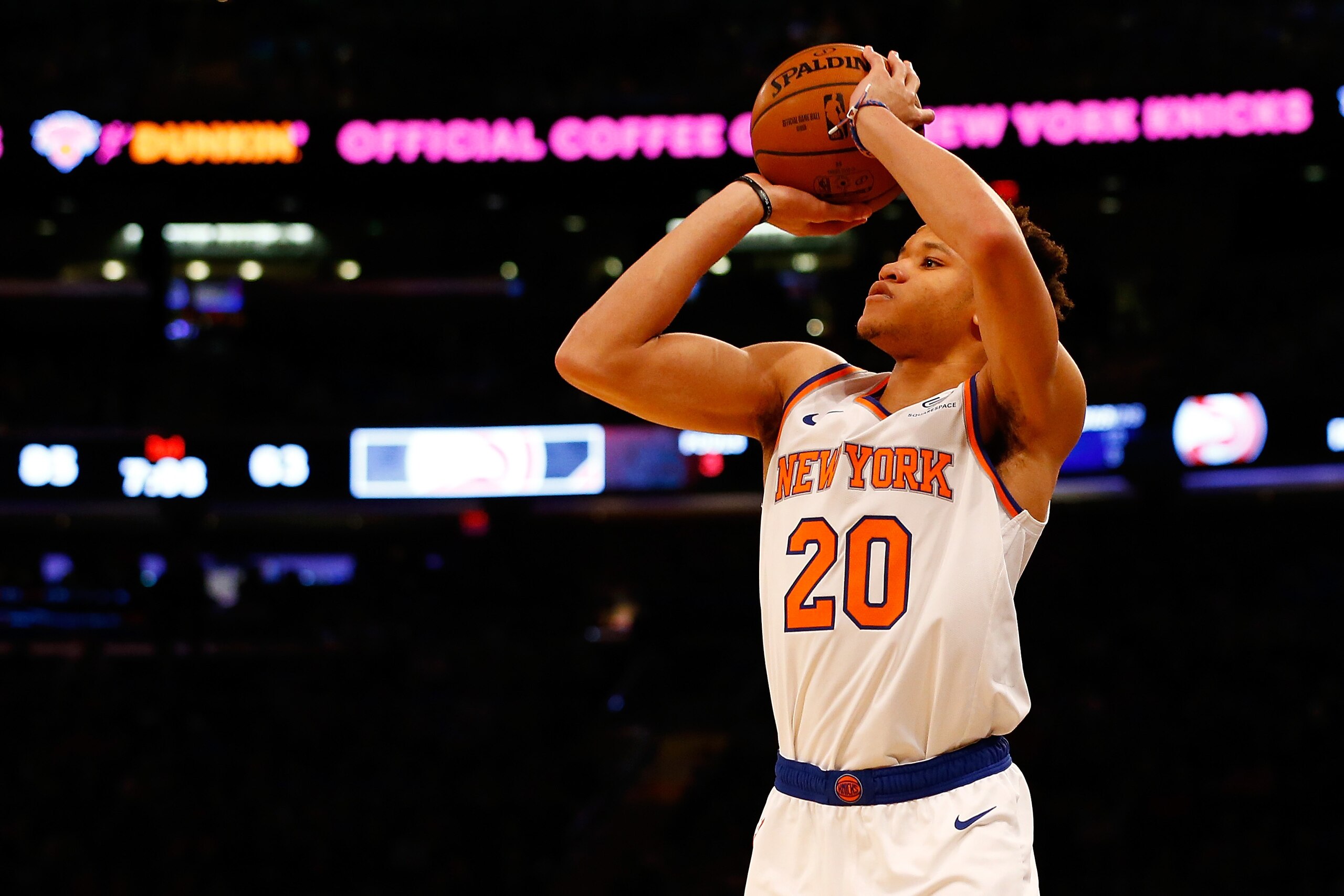
Kevin Knox could have a promising rookie year all while finishing as one of the league's most inefficient players.
He takes a lot of jump shots for an inconsistent shooter, and he has also had trouble figuring out how to score inside the foul line. His judgment has been off in terms of finishing and knowing when to drive hard versus lofting a floater or pulling up. Too often, he's plowing into crowds off one foot without balance, unable to convert or draw a foul.
Knox's in-game value is also tied heavily to his scoring, since he won't offer much as a playmaker. The sample size is tiny, but the results are relevant: Knox totaled four assists in 125 preseason minutes and zero through his first 56 regular-season minutes. And at 19 years old, he won't be a reliable link in the defense.
Knox will now miss weeks with an ankle injury and then have to spend time re-establishing his confidence and comfort. Don't count on him finishing with a high player efficiency rating as a rookie.
Shai Gilgeous-Alexander: No Specialty
10 of 11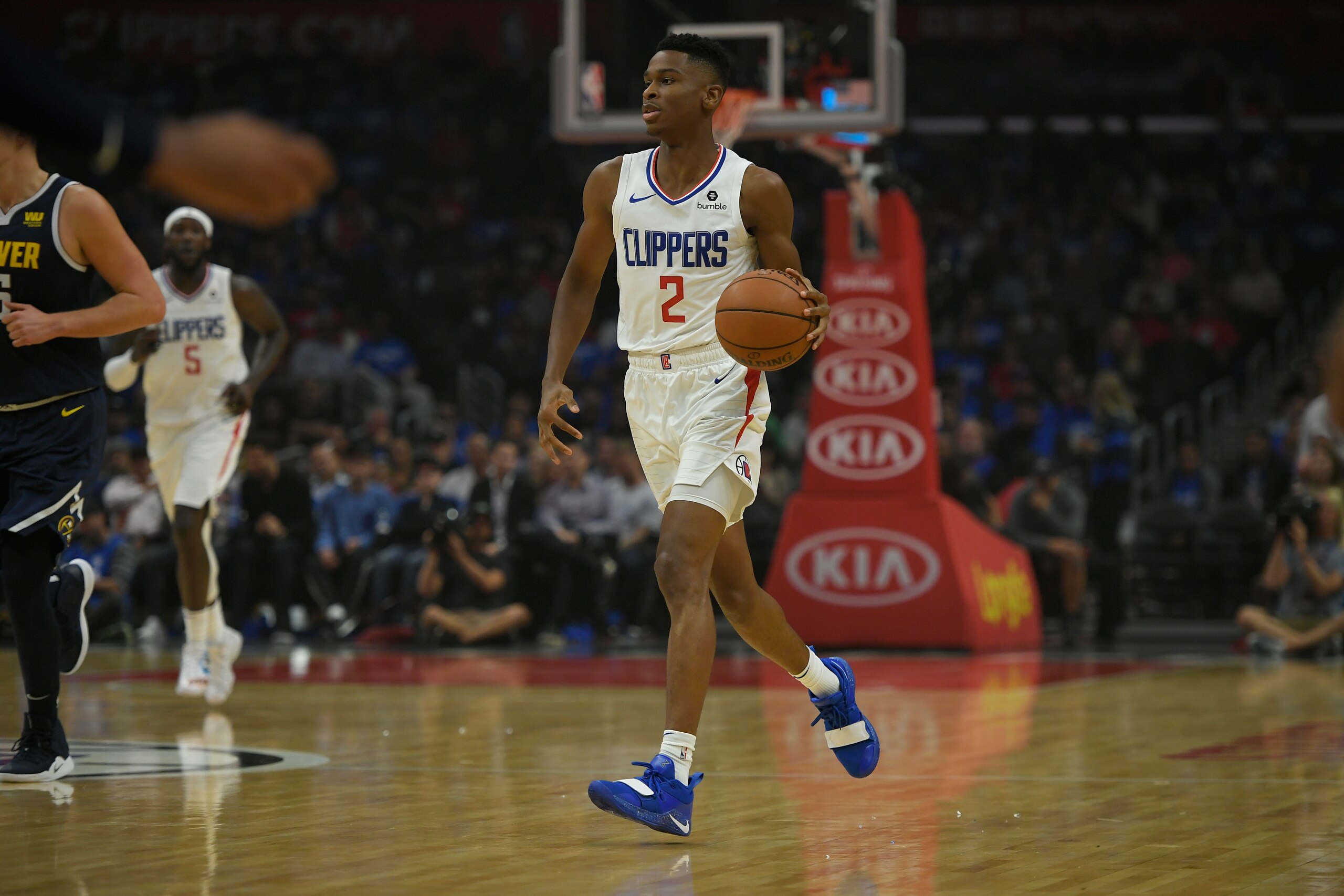
Shai Gilgeous-Alexander has already emerged as an effective scorer and facilitator off the Los Angeles Clippers' bench. The scouting report is coming together, however, and defenses will soon adjust.
They're going to start making the rookie beat them around the perimeter, where he can be reluctant to pull up or shoot the three. Gilgeous-Alexander also lacks explosiveness, limiting his breakdown-penetration chances. He'll have trouble blowing past his man if his defender drops back.
But when he does get there, he's crafty and he uses his size, length and improvisation to convert angled banks and short fallaways. And his passing is savvy. Limited burst and shooting range will just make it challenging for Gilgeous-Alexander to take off as a volume scorer or high-level playmaker.
Miles Bridges: Dribble/Shot Creativity
11 of 11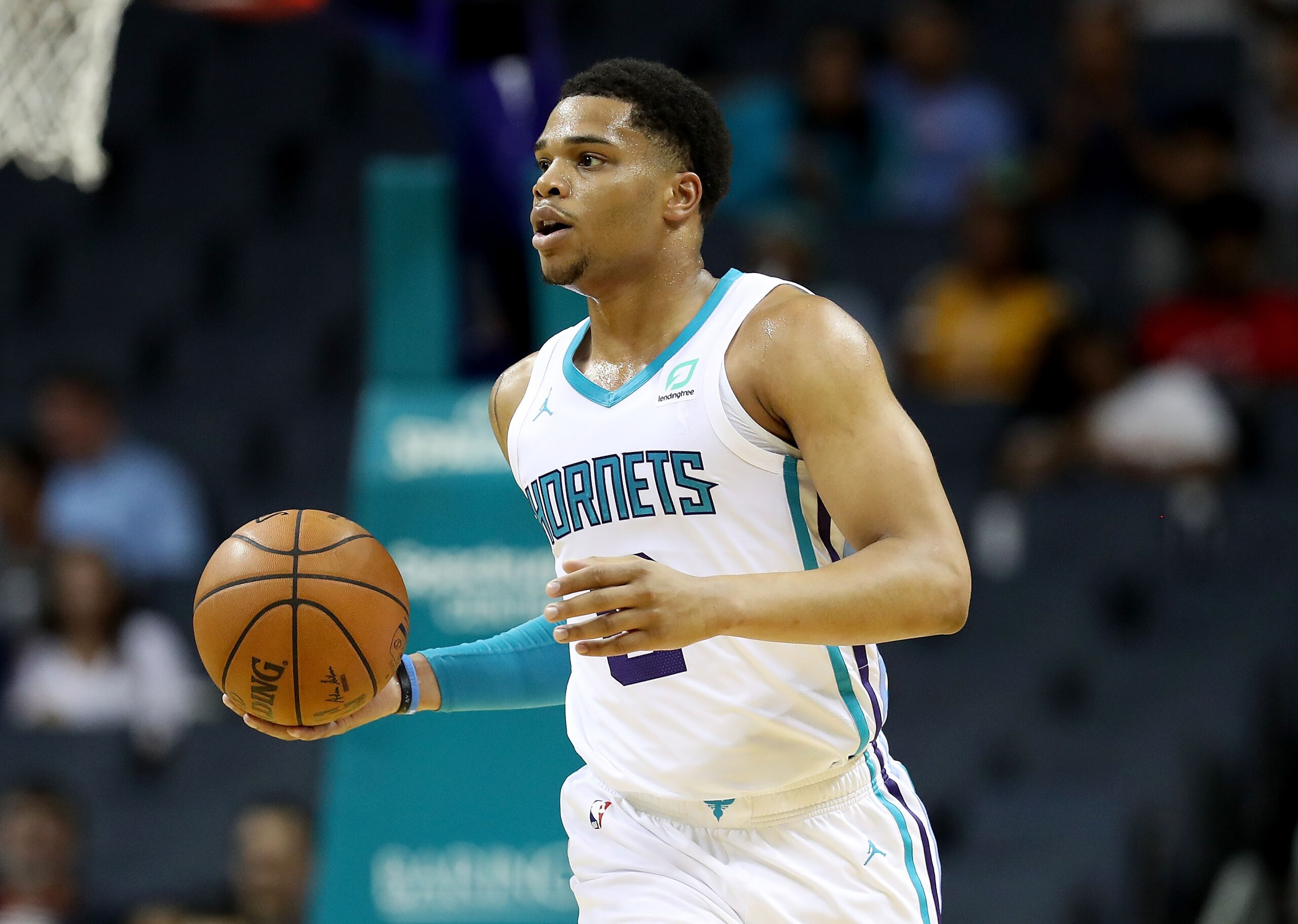
Miles Bridges should give the Charlotte Hornets an offensive weapon with his shot-making and explosive athleticism. Taking his game to new heights will require him to improve as an off-the-dribble scorer, though.
Right now, he's mostly a catch-and-shoot or line-drive weapon. Bridges isn't sharp enough to consistently create good looks for himself against a set defense outside of pull-ups over screens.
He rarely gets to the free-throw line, having averaged 4.1 attempts per 40 minutes in college, 3.6 in 30.5 minutes per game during summer league and 1.4 in 24.8 minutes this preseason (two total free throws in 47.8 regular-season minutes). Bridges can be overly reliant on his three-ball for offense, which is a potential recipe for inconsistency.
Stats courtesy of Synergy Sports unless otherwise noted.

.jpg?w=2560 "Jonathan Taylor Landing Spots")
.jpg?w=2560 "NFL House in Paris Closes for Protests (AP)")

.jpg?w=2560 "Trevon Diggs Cut by Seahawks")