
The 11 Most Important Transfers of the 2018-19 College Basketball Season
The incoming McDonald's All-Americans destined for NBA millions create the attention-grabbing headlines in men's college basketball, but transfers have become the most important roster acquisitions for teams trying to win a national championship.
Two seasons ago, Gonzaga almost won it all with three transfers in its starting lineup: Nigel Williams-Goss, Jordan Mathews and Johnathan Williams.
Last season, all of the Final Four teams had at least one transfer who averaged better than 10 points per game: Villanova's Eric Paschall, Michigan's Charles Matthews, Kansas's Malik Newman and Loyola-Chicago's Clayton Custer and Marques Townes.
While anonymous benchwarmers still make up the majority of the annual list of 800-plus transfers, there are always a few dozen guys ("up transfers") who make a huge impact for their new, more nationally relevant schools. And it's becoming clear that adding a quality player or two with college experience helps a team reach its potential faster than trying to break in freshmen.
Even the patron saint of the one-and-done phenom, John Calipari, has gotten in on the action. Kentucky's summer pickup of former Stanford big man Reid Travis was possibly the most important transfer news for this season.
To determine the importance of each transfer, the player's previous stats, his projected fit on the roster and the postseason potential of the team were all taken into consideration. As such, the players ranked at the top of the list scored in bunches elsewhere before finding a presumed starting job on a title contender.
Both graduate transfers and sit-a-year transfers are eligible for this list, provided they are eligible to play this season.
Honorable Mentions
1 of 12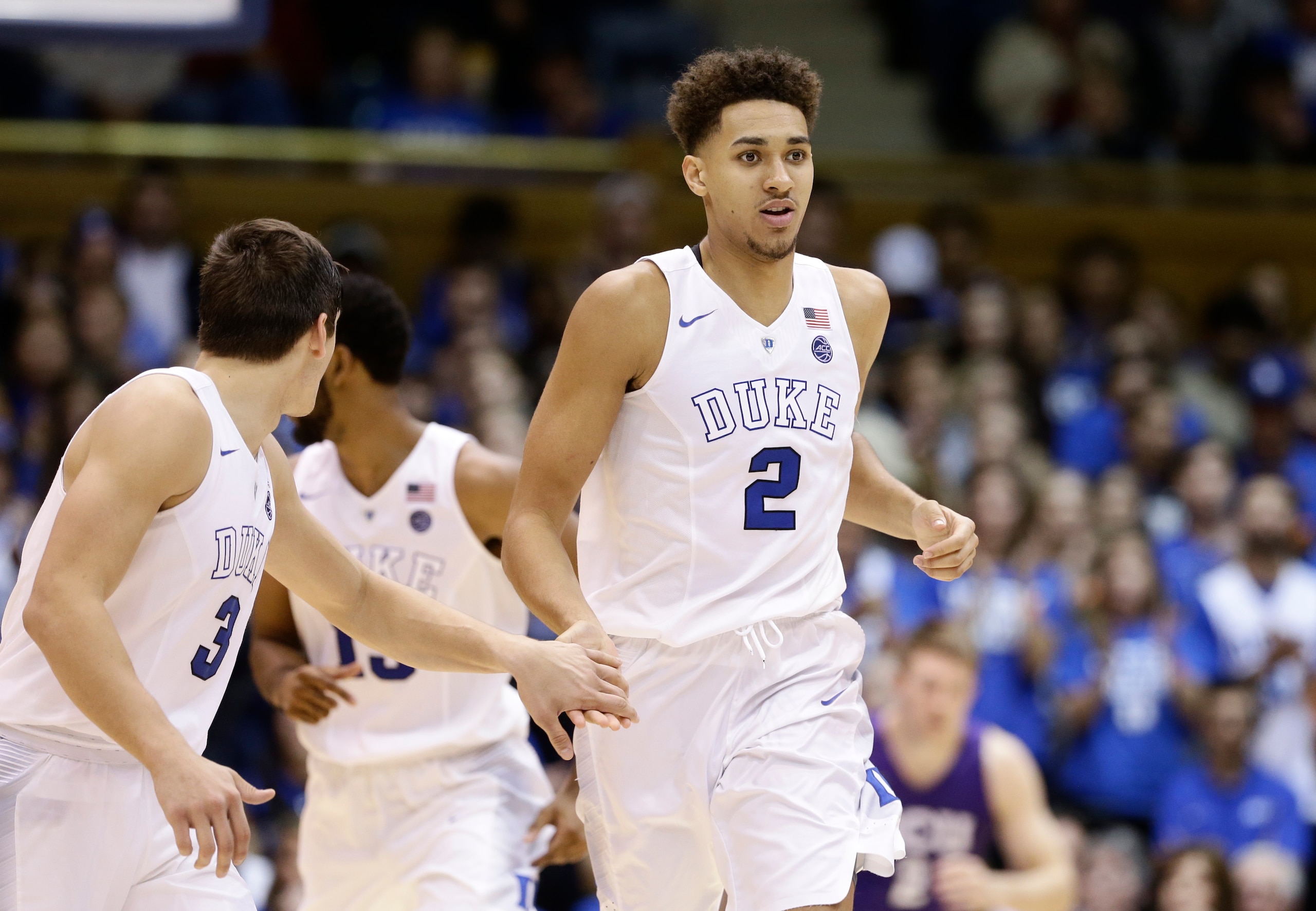
Chase Jeter, Arizona (from Duke): Never even came close to living up to the hype at Duke, but could have a rebirth in the desert. Put it this way: If Jeter doesn't pan out, it's going to be a disastrous year for the Wildcats. Had he shown any promise while with the Blue Devils, he'd be a top-five candidate.
Evan Boudreaux, Purdue (from Dartmouth): Averaged better than 17 points and nine rebounds in each of his two seasons with the Big Green. Figures to start at power forward and might be the second-best Boilermaker behind Carsen Edwards.
Makai Mason, Baylor (from Yale): Dropped 31 on Baylor in the 2016 NCAA tournament before deciding to transfer there, but injuries have limited him to just two games played since then. Who knows what the Bears are getting here?
Mario Kegler, Baylor (from Mississippi State): Highly touted recruit who didn't quite fit in as a freshman at Mississippi State. Hoping to replicate what Malik Newman did by bailing on the Bulldogs—sitting one season and thriving with a Big 12 program.
Tevin Mack, Alabama (from Texas): One of many players on the list of gifted athletes who could help Alabama remain relevant after losing Collin Sexton. If he can avoid the off-court issues that led to suspensions at Texas, Mack might be the leading scorer for the Crimson Tide.
Ryan Welage, Xavier (from San Jose State): The lone bright spot on a 26-loss team, Welage shot 42.9 percent from three-point range and racked up 18.1 points per game. Will be very tough for Xavier to replace Trevon Bluiett, J.P. Macura and Kerem Kanter, but this is a start.
Matt Mooney, Texas Tech (from South Dakota): The Red Raiders lost six of last year's eight leading scorers, but Mooney gives them hope in the form of both shooting and defense. Averaged at least two made threes and two steals per game in each of his two seasons with South Dakota.
C.J. Bryce, NC State (from UNC-Wilmington): Former UNC-W head coach Kevin Keatts knows what he's getting with this one. If his game translates from the CAA to the AAC, Bryce could be the Wolfpack's best player. But will it be enough for the team to matter this year?
Quincy McKnight, Seton Hall (from Sacred Heart): Along with Taurean Thompson (from Syracuse), McKnight is one of the transfers Seton Hall will be leaning on to withstand the loss of four of last year's top five scorers. He can score in bunches, but efficiency (field-goal percentage and turnovers) are a concern.
Michael Weathers, Oklahoma State (from Miami-Ohio): Filled up the stat sheet as a freshman, but one of his worst games of the season was his only game against a major-conference opponent (Missouri). Tough to say how much of an impact he'll have in the Big 12.
11. Ryan Taylor, Northwestern (from Evansville)
2 of 12
Previous Season: 21.3 PPG, 3.8 RPG, 42.4% 3PT
Northwestern is likely to finish near the bottom of the Big Ten standings regardless of what Ryan Taylor does, so you could argue that he doesn't belong on a list of the most important transfers. However, no other transfer averaged more points per game in his most recent season, so he's kind of a big deal.
But one does have to wonder how much of that 21.3 points per game was just a product of Evansville's offensive scheme, where one player has averaged at least 20 in each of the last seven seasons. As was the case with Colt Ryan, D.J. Balentine and Jaylon Brown, the Purple Aces gave Taylor the permanent green light, and he took it, averaging 18.3 field-goal attempts per game.
To be fair, after losing primary shooters Scottie Lindsey (13.3 field-goal attempts per game) and Bryant McIntosh (11.3) as graduates, Northwestern could certainly use a guy who isn't afraid to let it fly.
And in spite of that volume, Taylor was an efficient three-point shooter. During a nine-game stretch at the end of the regular season, the 6'6" wing shot 32-of-64 (50.0 percent) from downtown while scoring at least 25 points in eight of those nine games.
Who is going to help him, though?
The Wildcats still have Vic Law and Dererk Pardon, but that's about it. True freshman Ryan Greer is probably going to start at point guard, which is always a dicey proposition. Boston College transfer A.J. Turner might also start out of necessity, but he was just a modest contributor for two years on a terrible Eagles team.
Taylor might lead the Big Ten in scoring, which would be noteworthy for sure. But he also might do so for a team that loses a dozen conference games.
10. Rob Edwards, Arizona State (from Cleveland State)
3 of 12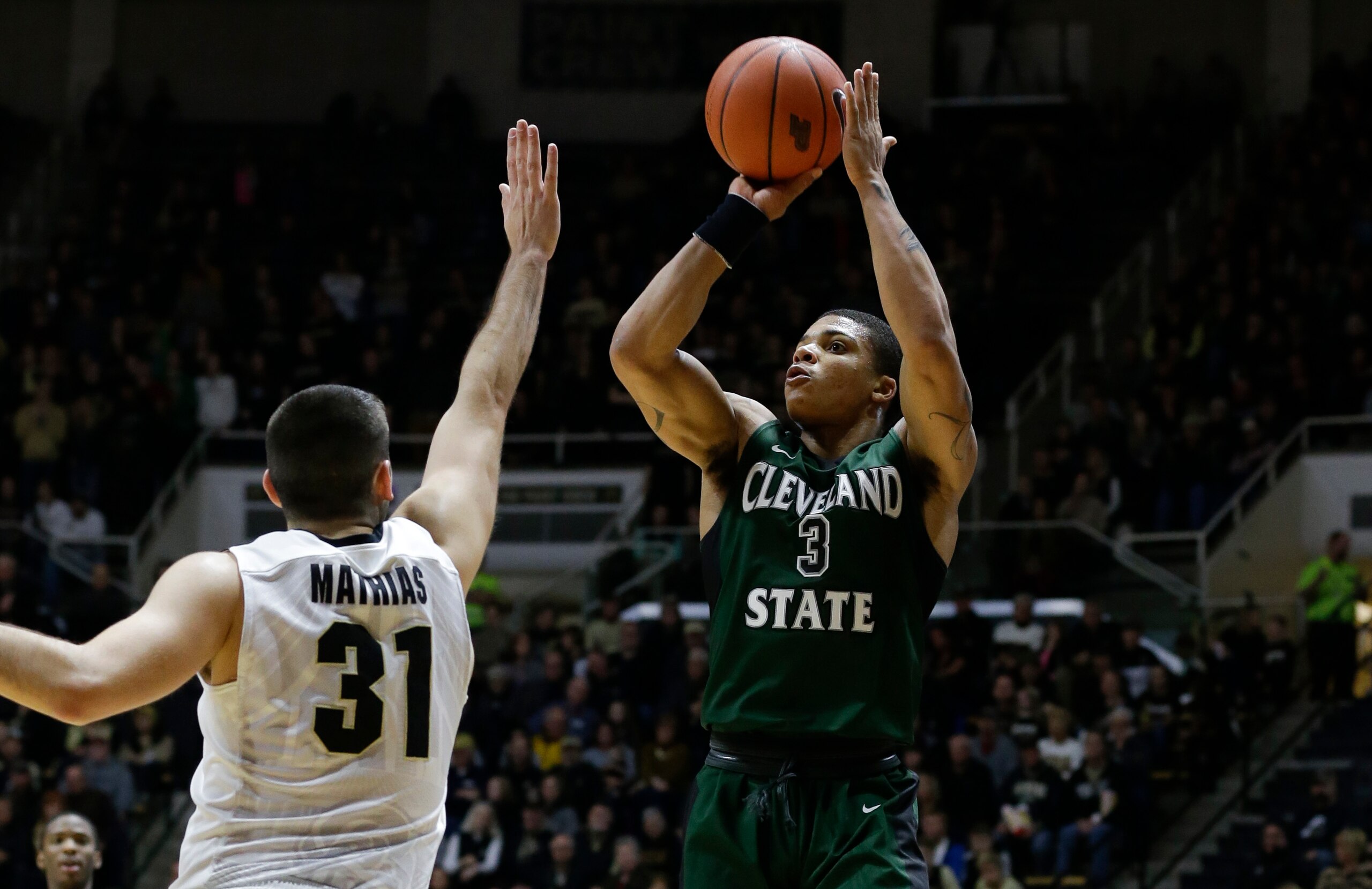
Previous Season: 16.5 PPG, 4.5 RPG, 1.7 APG, 1.3 SPG
For a good chunk of last season, Arizona State had the best backcourt duo in the nation. After seven games, Tra Holder and Shannon Evans were averaging a combined 41.3 points, 10.2 assists, 9.6 rebounds and 3.8 steals per game while shooting 45.7 percent from three-point range. They each tapered off a bit but still finished among the top eight scorers in the Pac-12. And Kodi Justice (12.7 PPG, 38.1% 3PT) was no slouch of a third wheel.
However, it's all gone. Each member of that trio was a senior, leaving the Sun Devils with Remy Martin and nothing else as far as returning guards are concerned. And Martin isn't much of a three-point shooter, at least compared to the three guys they lost.
Enter Rob Edwards.
Previously a volume scorer on a Cleveland State team going nowhere fast, Edwards should immediately become Arizona State's primary shooting guard. He only shot 37.1 percent from downtown in his two seasons with the Vikings, but he did finish that portion of his college career on a 25-game streak of at least one made three.
Edwards is also an above-average defender who once racked up seven steals in a game late in his sophomore season.
The big question mark is the turnovers. Edwards averaged more than three per game in each of his two seasons with Cleveland State. But that was probably just a product of being asked to do too much for a roster that never had much of a point guard. Put him alongside Martin as more of a spot-up shooter, and those turnover woes should vanish in a hurry.
One major X-factor to watch out for is the immediate impact of freshman Luguentz Dort. The Canadian shooting guard just barely missed a 5-star rating from 247Sports, but there's a non-zero chance he gets a starting job right away—which would figure to come at the expense of Edwards.
Either way, Edwards will get a lot of minutes and will be a crucial part of Arizona State's attempt to make it to consecutive NCAA tournaments for the first time in nearly four decades.
.jpg?w=2560 "Kriisa Fraud Conviction")
9. Geno Crandall, Gonzaga (from North Dakota)
4 of 12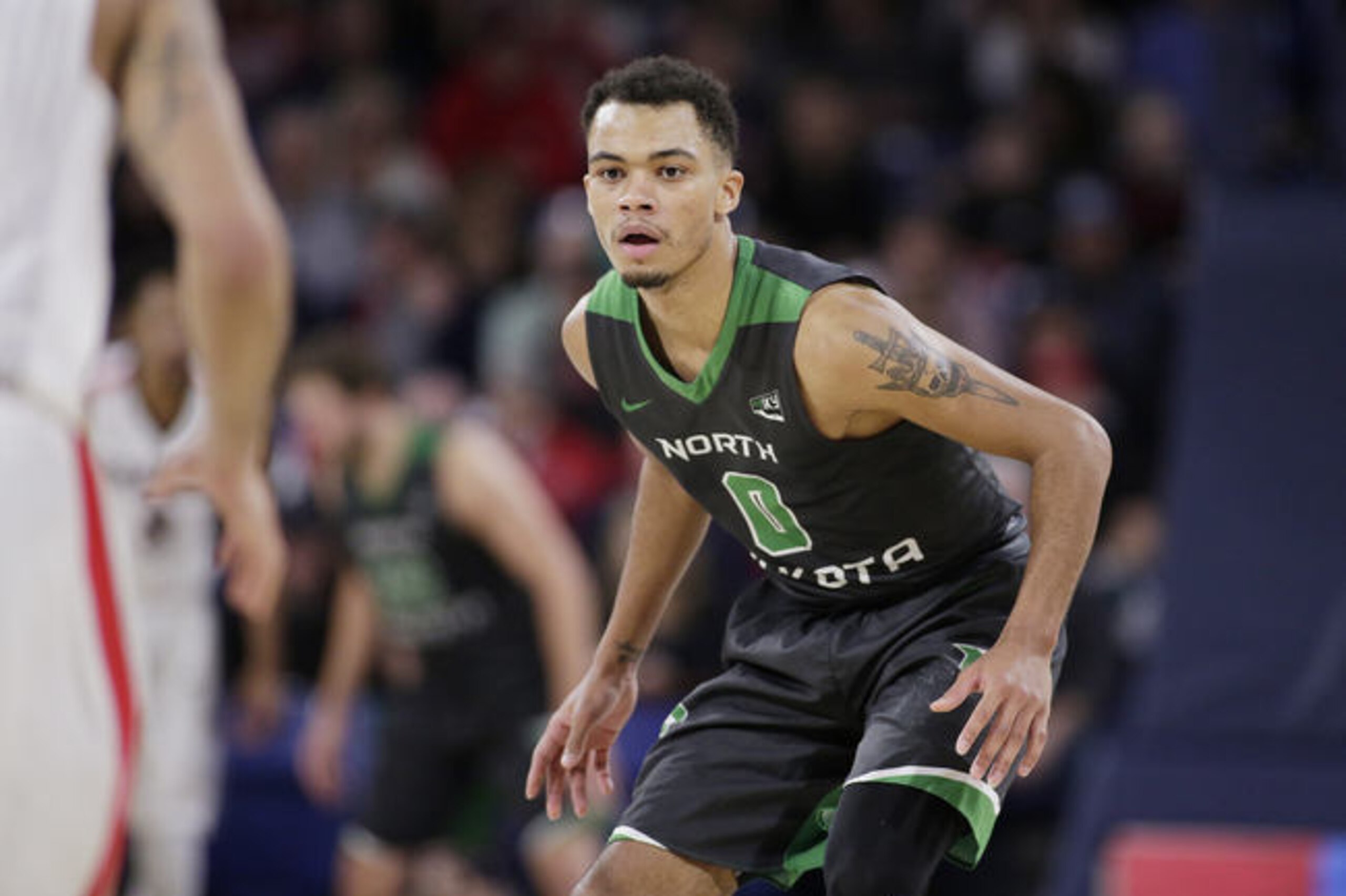
Previous Season: 16.6 PPG, 4.3 RPG, 3.6 APG, 2.1 SPG, 41.7% 3PT
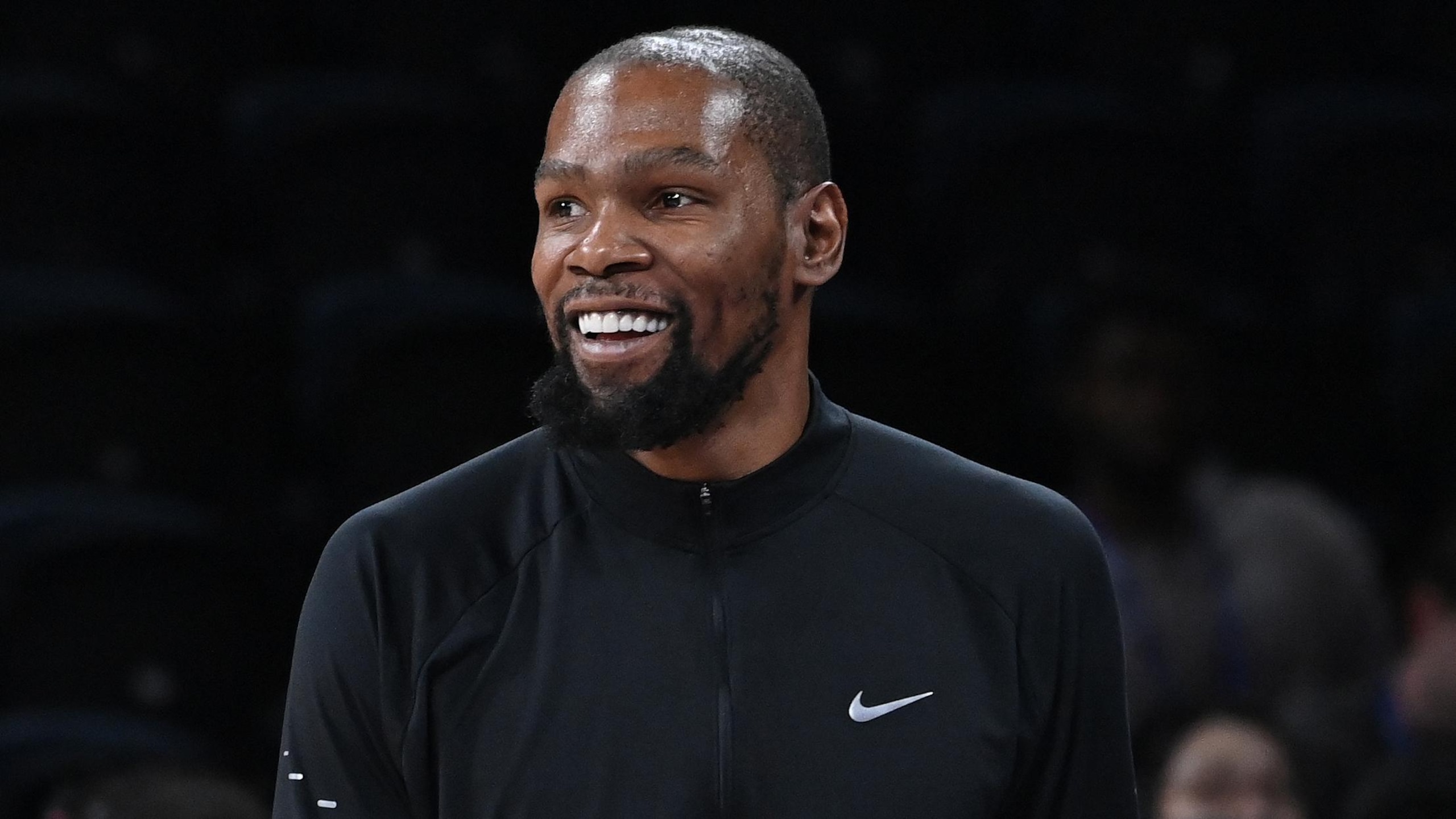
While it's not exactly Kevin Durant losing to the Golden State Warriors in the Western Conference Finals before joining forces with them a month later, it is rather amusing that Geno Crandall will now be playing for the team against which he had one of his best performances.
This past December in an overtime game at Gonzaga that North Dakota should have won in regulation, Crandall played all 45 minutes, finishing with 28 points, five assists, five rebounds and three steals. He shot 9-of-16 from the floor, including 4-of-7 from distance.
If he could perform that well as an adversary in the Kennel, it's fun to think about what he could accomplish with the support of that crowd.
Crandall wasn't much of a three-point threat as a freshman, but he has come a long way in that department and should at least help the Bulldogs withstand the loss of Silas Melson (61 triples last year). He's also an above-average distributor, averaging 4.0 assists over the past three seasons.
Where he'll be most valuable, however, is with his on-ball defense. Crandall recorded 190 steals over the past three seasons, good for eighth in the country during that time, per Sports Reference. Defensive turnover percentage has been one of Gonzaga's biggest weaknesses over the past five years, so he could be a real game-changer.
Josh Perkins figures to remain Gonzaga's primary ball-handler, but Crandall should get a lot of playing time as head coach Mark Few looks to revive the dual-combo guard backcourt approach that brought the Zags so close to a national championship two seasons ago. That isn't to say Crandall is the second coming of Nigel Williams-Goss, but his veteran experience will go a long way.
8. Ed Morrow, Marquette (from Nebraska)
5 of 12
Previous Season: 9.4 PPG, 7.5 RPG, 1.1 BPG
Statistically speaking, Ed Morrow can't even hold a candle to anyone else in our top 11. The rest of the group either averaged at least 16 points per game or recorded steals at a near-record pace while Morrow was a good-not-great post player for a team that lost 19 games.
However, he's one of the most critical transfer-market pickups because of how badly Marquette needs capable bodies in the paint.
Last year, the Golden Eagles had a remarkably efficient offense led by three long-range snipers. But because they couldn't rebound or defend the paint, they routinely lost games in which they scored at least 75 points and fell short of reaching the NCAA tournament. The center tandem of Matt Heldt and Theo John simply wasn't enough to get the job done down low.
It should be a different story with Morrow, who is a much better rebounder and a marginally better shot-blocker than anyone else on this roster.
Though he's a good four inches shorter than Luke Fischer was, Morrow could put up numbers similar to those posted by Marquette's senior center from two years ago: 18.3 points, 9.9 rebounds and 2.8 blocks per 40 minutes.
Anything close to that, while Markus Howard, Sam Hauser and maybe Jamal Cain (26-of-55 as a freshman) make it rain from distance, and Marquette will be in business as the top challenger to Villanova in the Big East.
7. Joseph Chartouny, Marquette (from Fordham)
6 of 12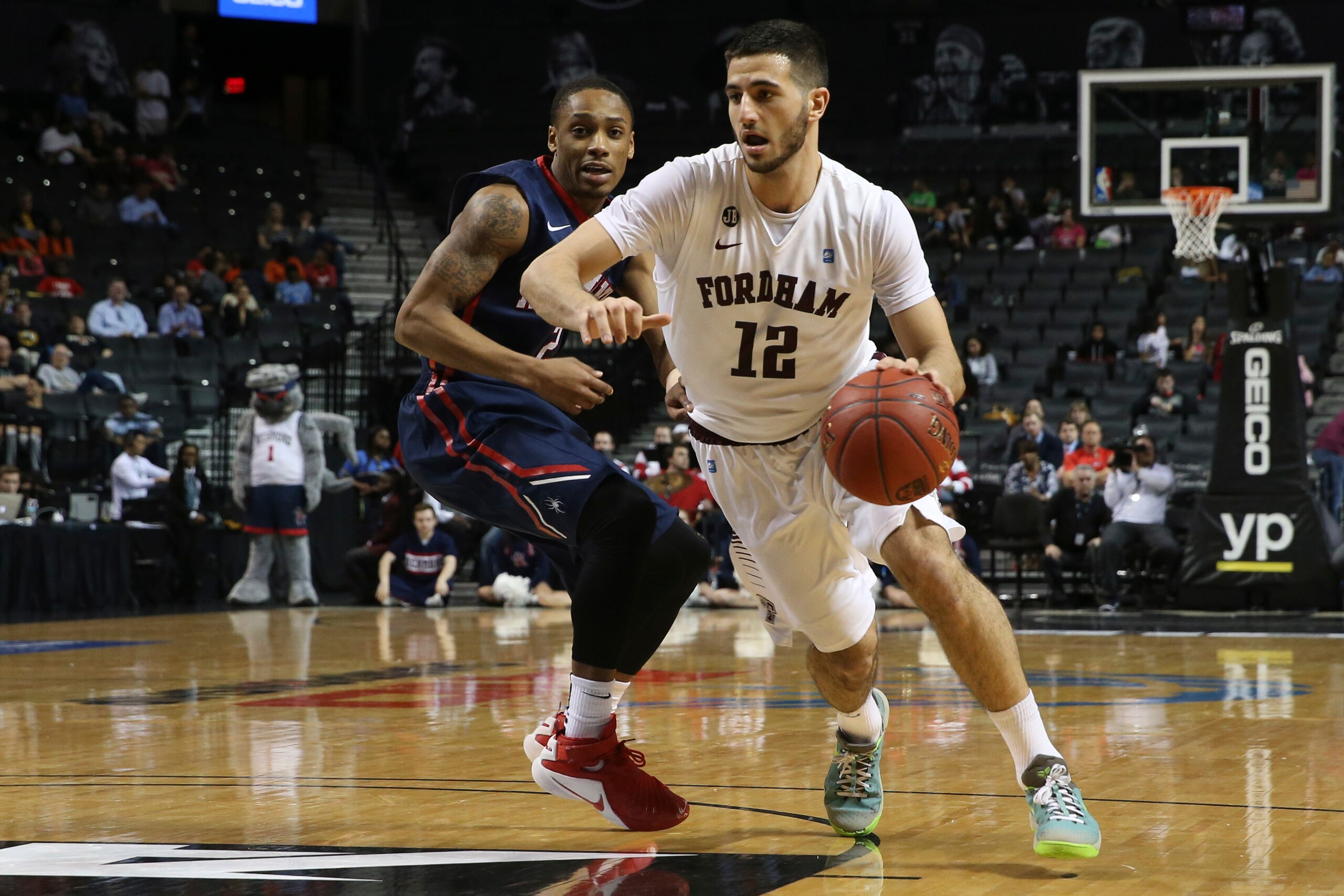
Previous Season: 12.2 PPG, 5.6 RPG, 4.6 APG, 3.3 SPG
That's right. Back-to-back players who transferred to Marquette. And why not? Head coach Steve Wojciechowski did a fine job with Matt Carlino (BYU), Katin Reinhardt (UNLV/USC), Luke Fischer (Indiana) and Andrew Rowsey (UNC-Asheville) in recent years. No good reason to think he won't be able to turn both Ed Morrow and Joseph Chartouny into key components of this year's rotation.
While Morrow brings a rebounding presence that Marquette was desperately lacking last year, Chartouny figures to be even more important as a defensive stalwart.
Per KenPom.com, Chartouny led the nation in steal percentage in 2016-17 and ranked second in that category last year. No one paid much attention while he was at Fordham, but he's on pace to finish at around 10th place on the all-time steals list.
Over the last two years, Chartouny has recorded at least five steals in a game 16 times. During that same two-year window, Marquette players hit that mark a grand total of four times—three of which were by JaJuan Johnson in 2016-17. Needless to say, the Golden Eagles haven't had a pilferer like this in some time.
But Chartouny is more than just a defensive specialist. Over the past three years, he also averaged 11.9 points, 5.2 assists and 5.0 rebounds.
In fact, Chartouny recorded at least 350 points and 92 steals in each of the last two seasons. Those might be arbitrary thresholds, but dating back to 2006-07, the only other players to hit both of those marks in multiple years were Mario Chalmers, Jevon Carter and Tra-Deon Hollins.
Not bad company. And with Rowsey out of the picture and Marquette in need of a new backcourt running mate for Markus Howard, Chartouny just might get enough minutes and touches to put up those numbers for a third straight year.
6. Nisre Zouzoua, Nevada (from Bryant)
7 of 12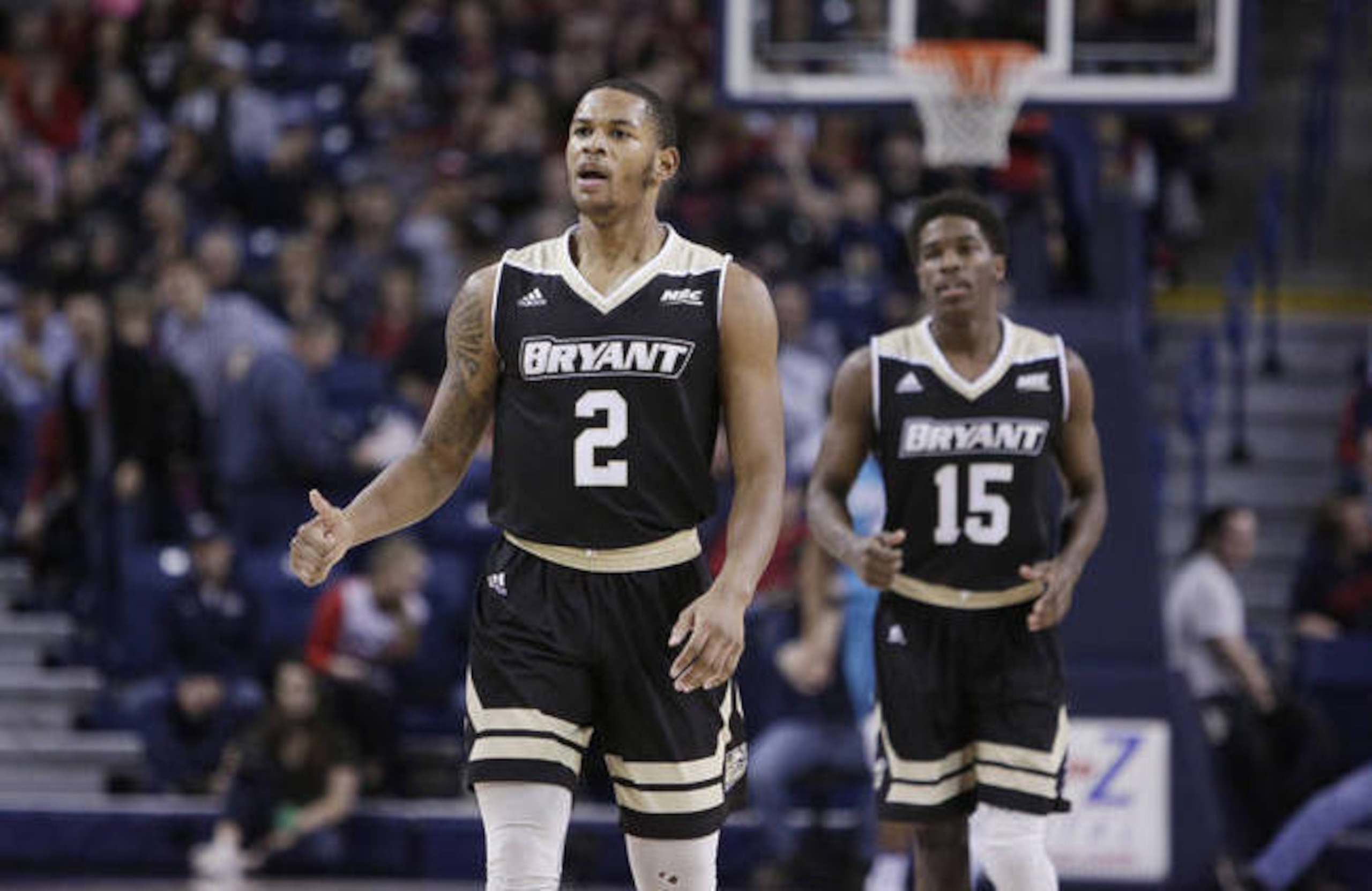
Previous Season: 20.3 PPG, 4.2 RPG, 1.5 APG, 1.5 SPG, 36.7% 3PT
Nevada has three returning stars, each of whom stands 6'7" and averaged at least 14 points, five rebounds and two assists per game last season: Caleb Martin, Cody Martin and Jordan Caroline. That trio alone is enough for the Wolf Pack to have Top 10 potential.
However, Nevada lost Kendall Stephens, Josh Hall and Hallice Cooke, and it's still unclear how healthy Lindsey Drew will be in his recovery from a ruptured Achilles suffered in February. If he's unable to go, that aforementioned trio is the full list of returning players who averaged at least three points in the entire 2017-18 season.
If they're going to live up to that hype, they'll need their new weapons to hit the ground running.
Jazz Johnson (15.8 PPG, 41.5% 3PT at Portland in 2016-17), Corey Henson (14.6 PPG at Wagner in 2016-17), Tre'Shawn Thurman (13.8 PPG, 7.8 RPG at Nebraska-Omaha in 2016-17) and Trey Porter (13.2 PPG, 6.2 RPG at Old Dominion in 2017-18) are all strong candidates to plug the holes. So is Jordan Brown—probably the best recruit Nevada has ever signed.
But the most important addition is arguably Nisre Zouzoua.
Two seasons ago at Bryant, Zouzoua averaged better than 20 points, thanks to just a hair under three three-pointers per game. That makes him an obvious candidate to fill the void created when Stephens graduated, as the former transfer from Purdue averaged 3.4 triples per game last year.
And Zouzoua is much more of an already-established weapon than Stephens was upon his arrival. Save for one January game in which he only played 12 minutes because of an injury, Zouzoua made at least one triple and scored in double figures in every single game played his sophomore season. That includes three games against Gonzaga, Notre Dame and Northwestern, against whom he averaged 21.6 points.
Zouzoua probably won't be a starter if Drew is healthy enough for the job, but he's going to be a huge contributor for a title contender.
5. Mustapha Heron, St. John's (from Auburn)
8 of 12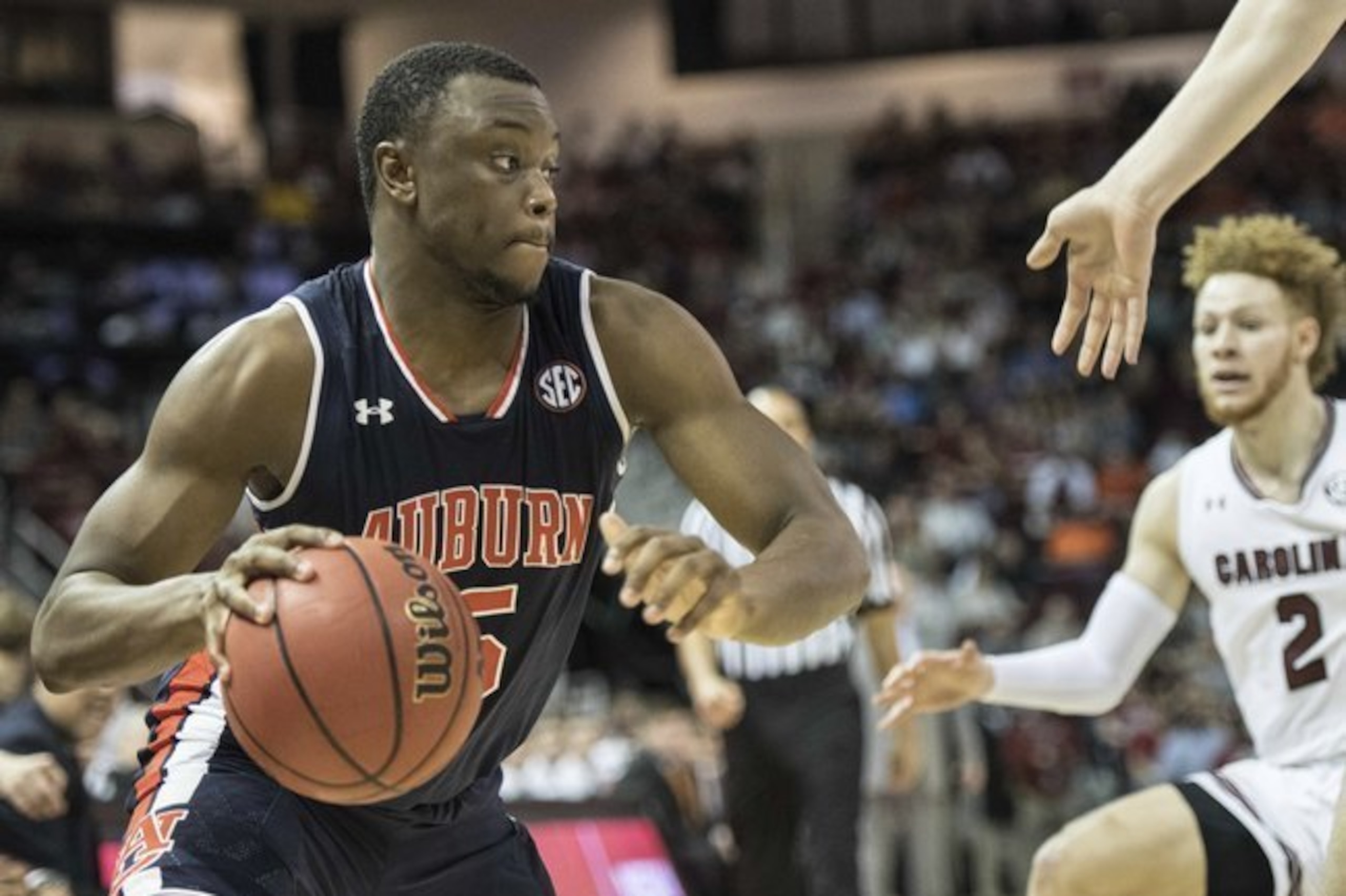
Previous Season: 16.4 PPG, 5.3 RPG, 1.2 SPG
After months of waiting to hear if the NCAA would grant Mustapha Heron a waiver for immediate eligibility, St. John's announced Saturday on Twitter he will be allowed to play this season, finally putting an end to the suspense for Red Storm fans.
Now that we know Heron will be suiting up, it's hard to not think this could be the best version of the Johnnies since 2000.
They already had legitimate NCAA tournament potential. Leading scorers Shamorie Ponds, Marvin Clark II and Justin Simon are all back, and the additions of Quinnipiac transfer Mikey Dixon (16.5 PPG) and Odessa College transfer LJ Figueroa (21.4 PPG) rounded out a good-looking starting five.
Depth was the big question, but Heron gives the Red Storm a sixth potential double-digit scorer, as well as lineup flexibility.
Cut from the same cloth as a Stanley Johnson or a Trevon Bluiett, Heron (6'5", 210 lbs) could play shooting guard, small forward or a small-ball 4. And given the lack of proven big men on this roster, that last option might be the most useful for the Red Storm.
Heron isn't much of a passer, but no sweat. Simon (5.1) and Ponds (4.7) combined for nearly 10 assists per game last year. Rather, it's the 5.3 rebounds per game where Heron could be the biggest help. St. John's ranked in the bottom 50 nationally in both offensive and defensive rebound percentage last season, per KenPom. Considering the Red Storm lost 11 games by a margin of eight points or fewer, even a modest improvement on the glass could make a huge difference.
And let's not overlook the winning mentality he'll bring after playing for a team that won a share of the SEC regular-season title last year. At a program that hasn't even played .500 basketball in any of the past three seasons, that could be huge.
4. Brandon Clarke, Gonzaga (from San Jose State)
9 of 12
Previous Season: 17.3 PPG, 8.7 RPG, 2.6 BPG, 2.3 APG, 1.2 SPG
The one minor concern about Gonzaga heading into the season is this: How does it replace everything Johnathan Williams brought to the floor?
The former transfer from Missouri led the Zags in points, rebounds and blocks last season. Despite losing Przemek Karnowski and Zach Collins, Williams was such a force in the post that Gonzaga's frontcourt was even more dominant last year than when it nearly won the 2017 natty. Were it not for Jock Landale at Saint Mary's, he would've been the obvious choice for WCC Player of the Year.
Brandon Clarke has the tall task of replacing that production, but he has the talent to rise to that challenge.
While some guys put up big numbers to the detriment of their team, there's no question Clarke helped the Spartans. They went 2-28 the year before his arrival and 4-26 the year after he transferred, but they won 23 games in his two seasons on the roster.
Clarke was the only good thing going for San Jose State two years ago. He led the Spartans in points, rebounds and blocks by a laughable margin. He also narrowly led the team in assists and finished just three steals shy of first place in that category. But even though he was the lone player opposing teams needed to worry about slowing down, he continued to excel—with high efficiency, too.
Now, imagine what he could accomplish as Gonzaga's fourth or fifth scoring option. The stat-sheet-stuffer likely won't be asked to score as many points as he was with SJSU, but his presence as a rebounder and a shot-blocker will be indispensable.
Clarke is the first of four guys who easily could have been No. 1 on this list. The only reason he isn't higher is because Gonzaga could survive without him. A starting five of Josh Perkins, Zach Norvell Jr., Corey Kispert, Rui Hachimura and Killian Tillie, with Geno Crandall, Joel Ayayi and Jacob Larsen as the primary reserves, would still win a ton of games and at least reach the Sweet 16. But Clarke is the bonus piece that makes the Bulldogs one of the top candidates to win the national championship.
3. Joe Cremo, Villanova (from Albany)
10 of 12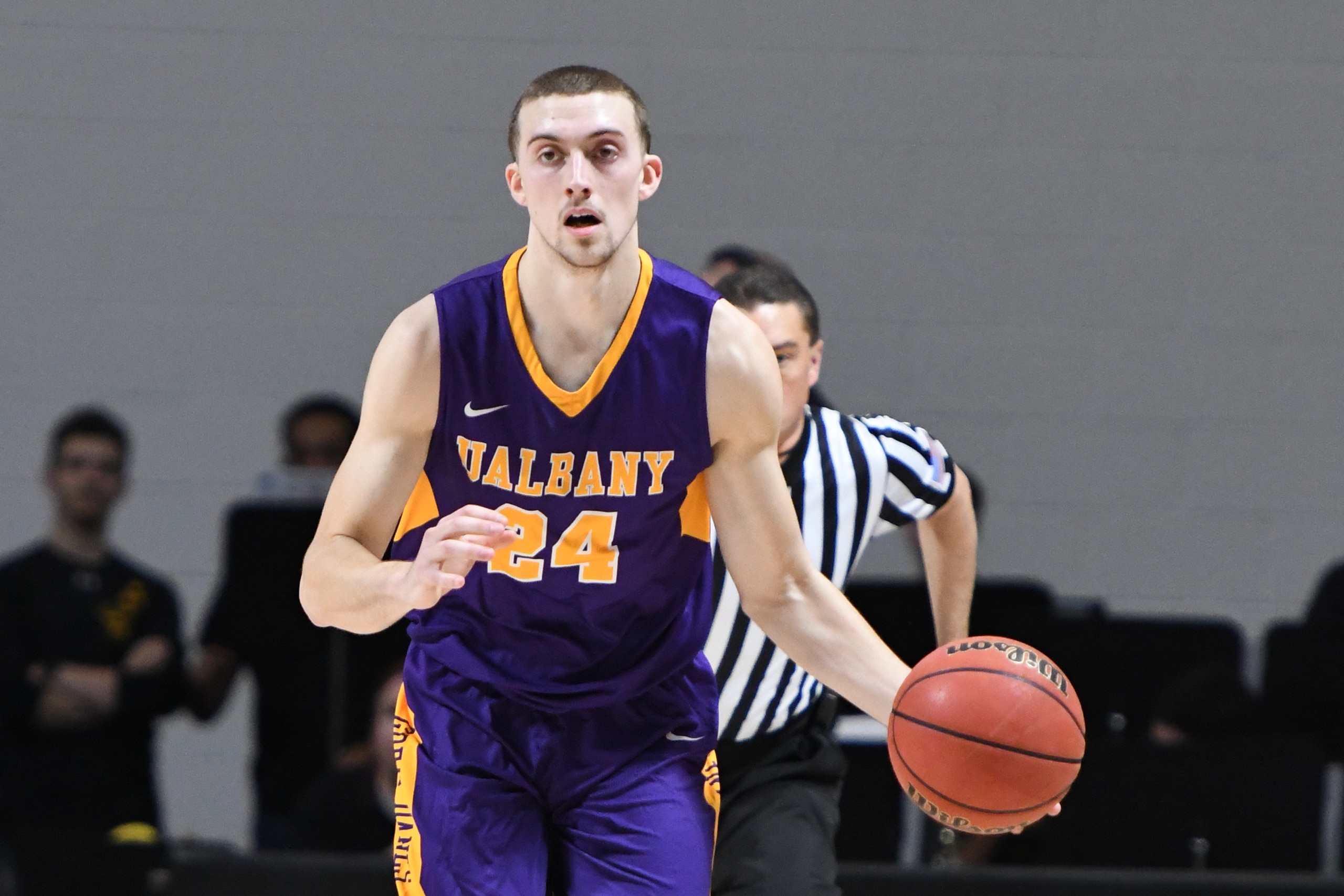
Previous Season: 17.8 PPG, 4.1 RPG, 3.8 APG, 45.8% 3PT
Jay Wright lost four outstanding three-point shooters from the 2018 national championship team. Mikal Bridges, Jalen Brunson, Donte DiVincenzo and Omari Spellman each shot better than 40 percent from distance, draining a combined total of 340 triples. There were only 20 teams who made more threes than that quartet made.
But no need to fear, because Wright found a sharpshooter from Albany who might be more lethal than any of the guys he lost.
Joe Cremo shot 41.8 percent from downtown in his three seasons with the Great Danes, culminating in 76 threes at a 45.8 percent clip last year. Not saying they're the same player, but those are similar to senior-year Frank Mason III numbers from 2016-17: 47.1 percent and 82 makes (with four more games played than Cremo).
Cremo put up those numbers while serving as one of just two semi-reliable three-point shooters at Albany. Now he gets to take his talents to Villanova, where spreading the floor on offense is just a way of life. We already know Phil Booth, Collin Gillespie and Eric Paschall can stroke it from deep. Highly touted freshmen Jahvon Quinerly and Cole Swider should also contribute in a big way in that arena.
In addition to shooting, Cremo gives Villanova a boost in experience at point guard after back-to-back seasons averaging 3.8 assists per game. Gillespie, Quinerly and Booth figure to be the primary ball-handlers in this offense, but Cremo should make a seamless transition into Villanova's combo-guard-heavy approach.
He might not start for the Wildcats, but Cremo will play a critical part in an offense that had six players average at least 10 points per game last year. Given how much this team lost, he's the X-factor that will determine whether Villanova wins at least 32 games for a fifth straight season. At the very least, he's a great preseason candidate for Big East Sixth Man of the Year.
2. Dedric Lawson, Kansas (from Memphis)
11 of 12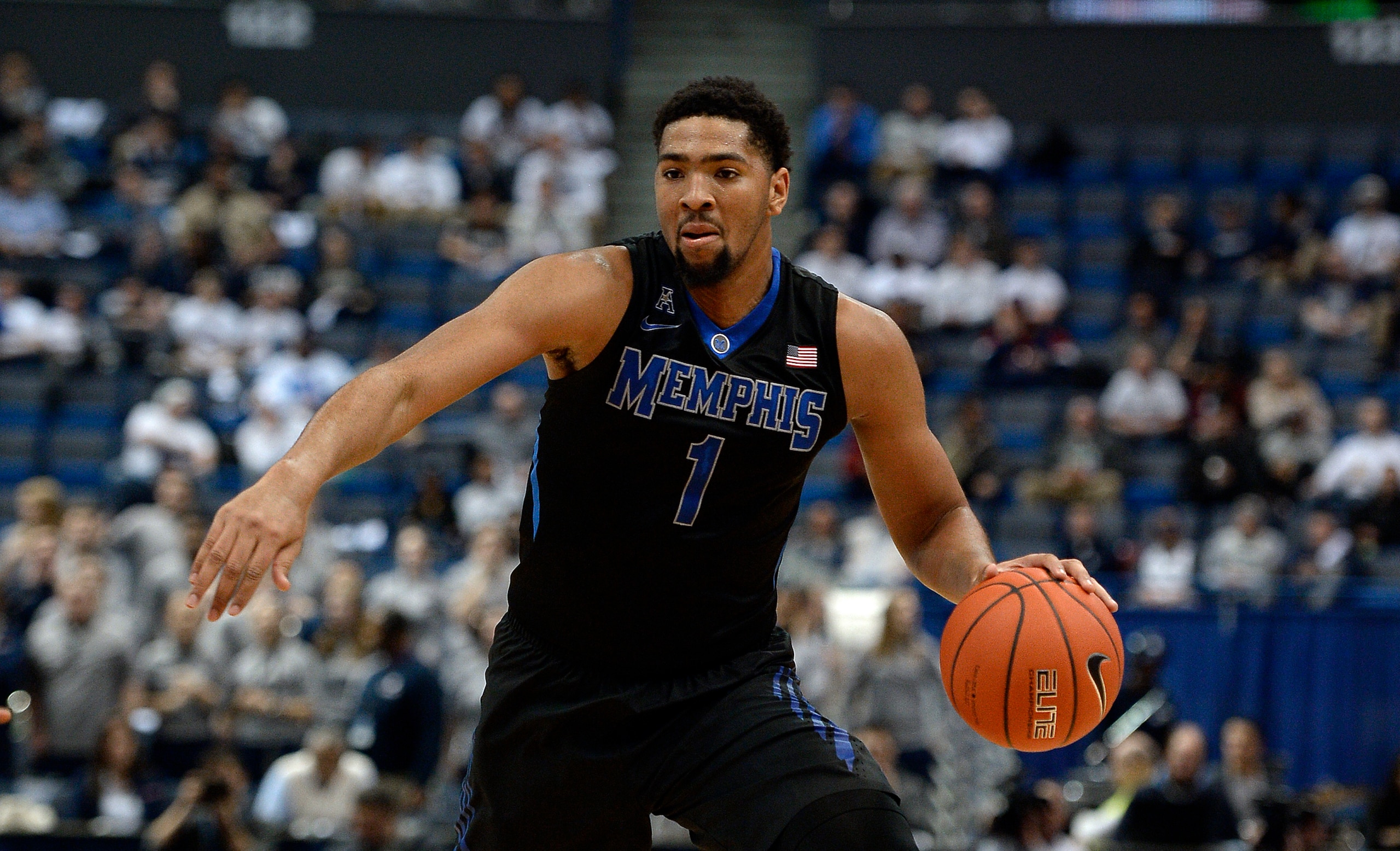
Previous Season: 19.2 PPG, 9.9 RPG, 3.3 APG, 2.1 BPG, 1.3 SPG
Similar to Brandon Clarke's projected impact at Gonzaga, Dedric Lawson is the player who pushes Kansas over the top from good to elite.
Without the big man who filled up box scores on a nightly basis at Memphis, the Jayhawks would still have a formidable frontcourt. Udoka Azubuike and Mitch Lightfoot would presumably start, with Silvio De Sousa and McDonald's All-American freshman David McCormack providing a ton of value off the bench. Dedric's brother, K.J., would also figure prominently into the mix as a hybrid 4 with some perimeter range.
But with Dedric Lawson, it's just an embarrassment of big-man riches for Bill Self. (Quite the 180 from last year when three-point assassin and scarce rebounder Svi Mykhailiuk was effectively the primary 4 for the Jayhawks.)
Lawson shouldn't be asked to shoulder as much of the load as he did at Memphis, where he was the primary frontcourt player for one of the worst three-point shooting teams in the nation. At any rate, with Azubuike manning the paint and Lagerald Vick likely to become the top scorer, there's no reason for Lawson to dominate any category like he did with the Tigers.
But he's still one of the top preseason candidates for national player of the year because he's going to make a massive impact all over the floor.
Lawson's most noteworthy roles will be as a defensive rebounder and as a post passer. His presence will allow Azubuike to pursue blocks without the fear of giving up easy second-chance points, and it will also lead to even better scoring opportunities for the man who led the nation in two-point percentage last season. But that's a two-way street, too, as having Azubuike (or De Sousa, or Lightfoot, or McCormack) on the court will provide Lawson with better open looks than he ever got with Memphis.
Simply put, it's hard to imagine any team beating the Jayhawks in the paint this season, and they have Lawson to thank for that.
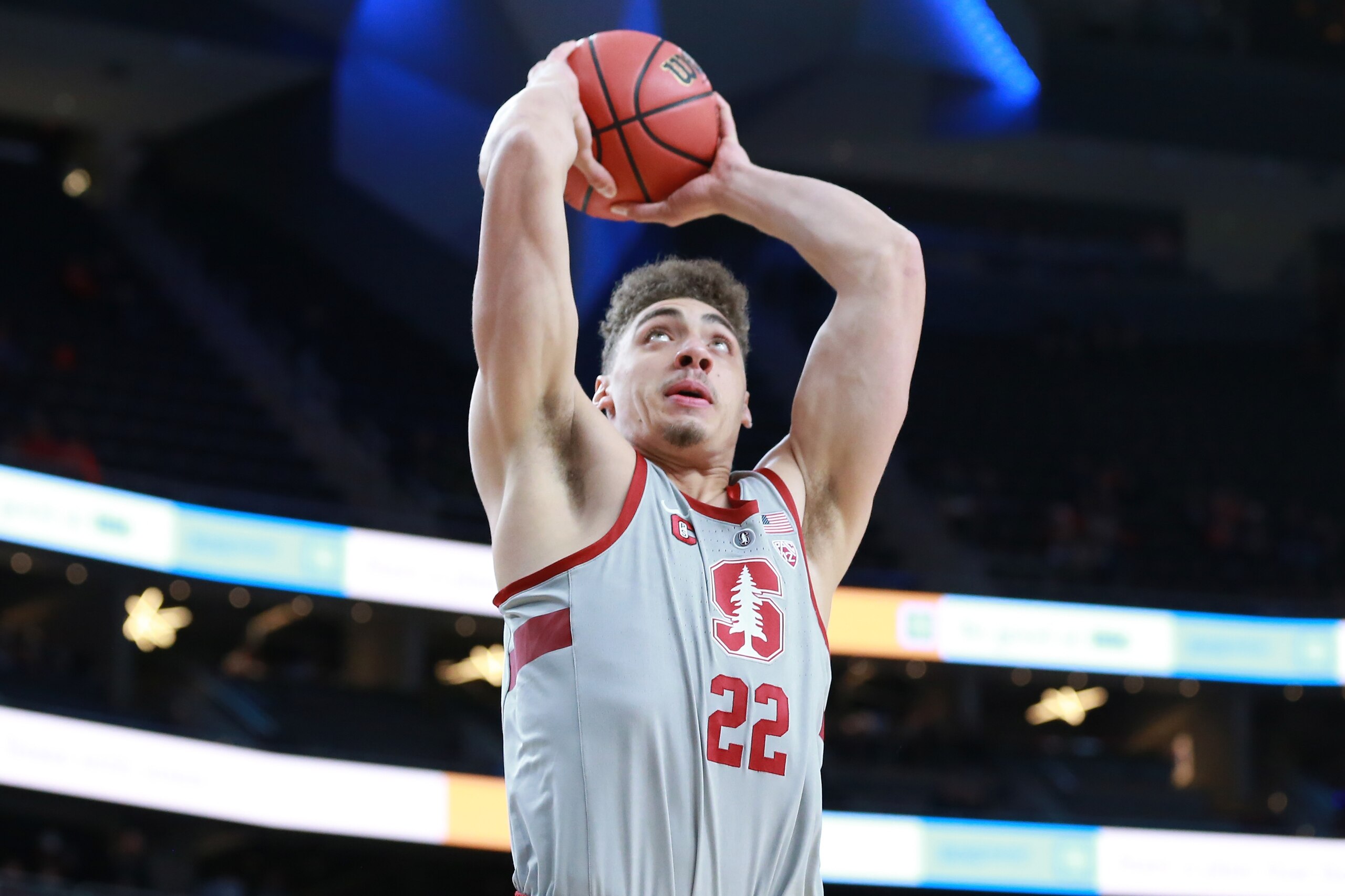
1. Reid Travis, Kentucky (from Stanford)
12 of 12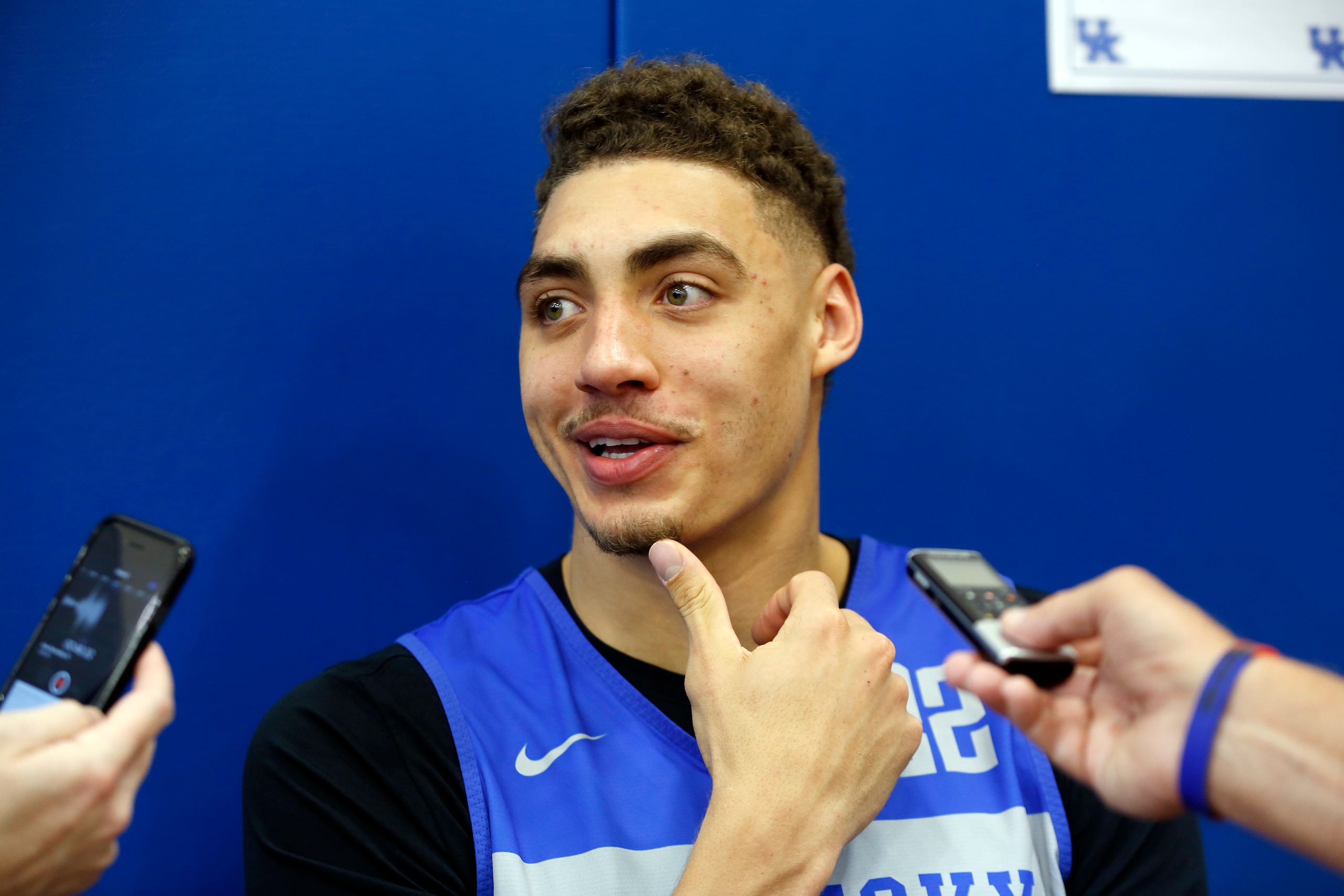
Previous Season: 19.5 PPG, 8.7 RPG, 1.3 APG
Dedric Lawson will probably have more of a statistical impact at Kansas than Reid Travis will have at Kentucky, but it's the veteran experience Travis brings to the Wildcats that makes him the most important transfer in the country.
Prior to Travis' last-minute decision to pull out of the NBA draft and transfer to Lexington, it was the same concern as usual for John Calipari's guys: Who will be the leader in the locker room? Aside from sophomores PJ Washington, Quade Green and Nick Richards, Kentucky doesn't have a single returning player with meaningful experience. And as we've seen several times in recent years, no matter how talented your freshmen may be, it's beyond difficult to consistently win without an upperclassman to lead the way.
Now that Kentucky has that guy, the sky is the limit.
If it feels like Travis has been around forever, that's because it's sort of true. The fifth-year senior was a top-40 recruit, per 247Sports' composite rankings, whose peers included the likes of Jahlil Okafor, Karl-Anthony Towns and D'Angelo Russell back in 2014. Had he been able to stay healthy, he would have been gone long before now.
Unfortunately, injuries stunted Travis' development. After starting at power forward from day one at Stanford, he missed almost an entire month of his freshman season due to a stress fracture. He only played eight games the following year before taking a medical redshirt because of another fracture. He broke out in a big way in 2016-17 but still missed several games because of shoulder issues.
When he finally stayed healthy, though, he was a force. And not only did Travis survive last season, but he also was still getting stronger at the end of it, averaging 20.9 points and 11.8 rebounds over his final nine games.
Combine that experience and talent with Richards, Washington and phenomenal freshman EJ Montgomery, and Kentucky has the frontcourt strength to run rampant through the SEC en route to perhaps its first Final Four appearance since 2015.
Kerry Miller covers men's college basketball and college football for Bleacher Report. You can follow him on Twitter, @kerrancejames.