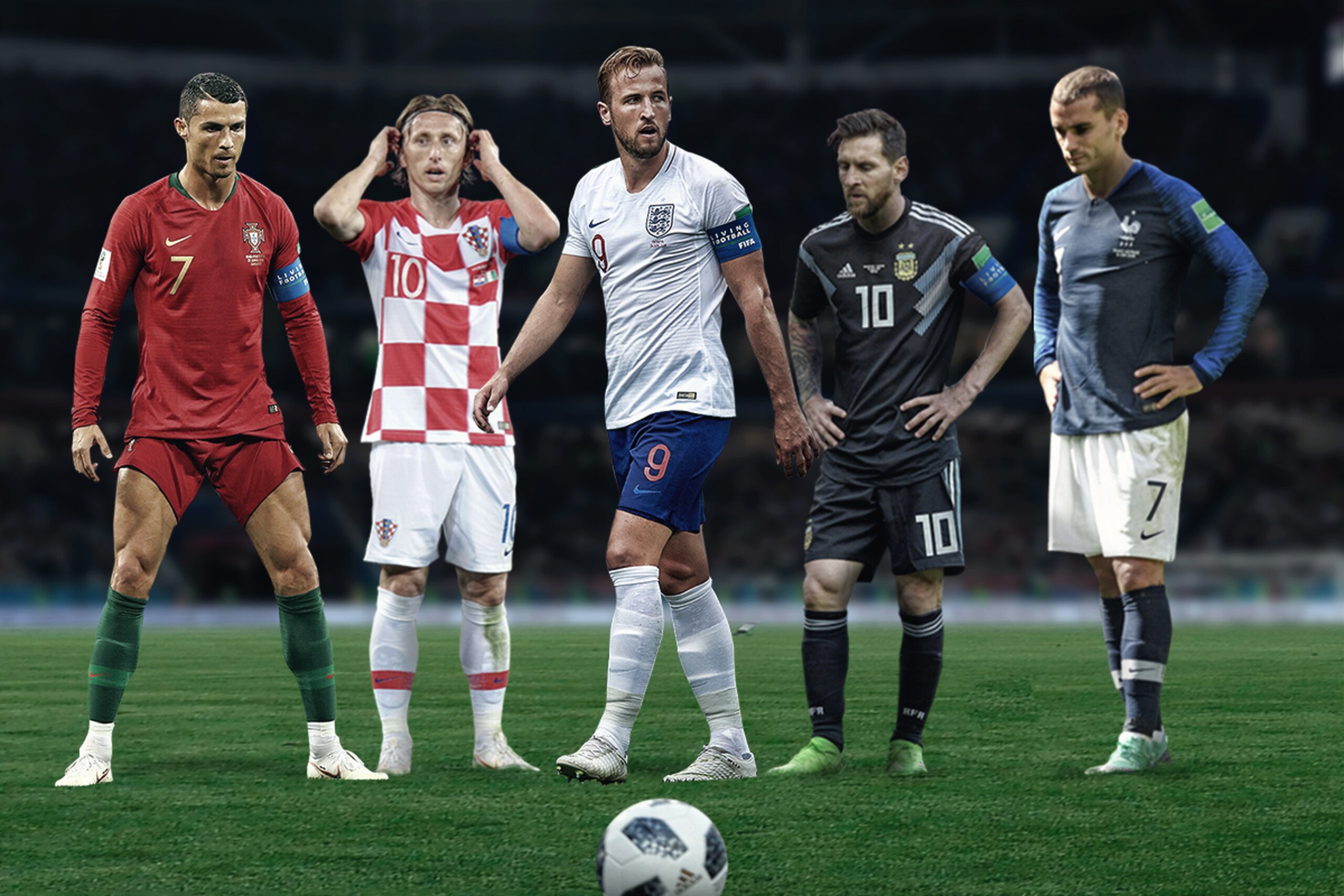
How the World Cup's Last 16 Have Been Preparing for Penalty Kicks
Argentina started practising penalties just 24 hours before their World Cup knockout clash with France. Meanwhile, Brazil began work on theirs the day they landed in Russia, and England are so concerned about the prospect of losing on spot-kicks that they started to focus on them in March.
It's the ultimate test of nerve, skill and precision—but when it comes to a World Cup shootout, does anyone really know the best route to success?
Former England boss Kevin Keegan still says it's a lottery, but Ben Lyttleton—author of Twelve Yards: The Art and Psychology of the Perfect Penalty—believes there are ways to master the art.
TOP NEWS
.jpg?w=2560 "Cardinals Giants Football")
NFL investigating 2 referees for separate viral exchanges
.jpg?w=2560 "Titans Giants Football")
OBJ Calls Out Giants After Release
.jpg?w=2560 "Hill Injury Update Football")
Report: Chiefs Contact Hill's Agent
"The biggest impact to success in penalties is to practise with purpose," Lyttleton told Bleacher Report. "Has the team taken seriously the prospect of penalties and worked on a strategy to be ready to cope with that?"
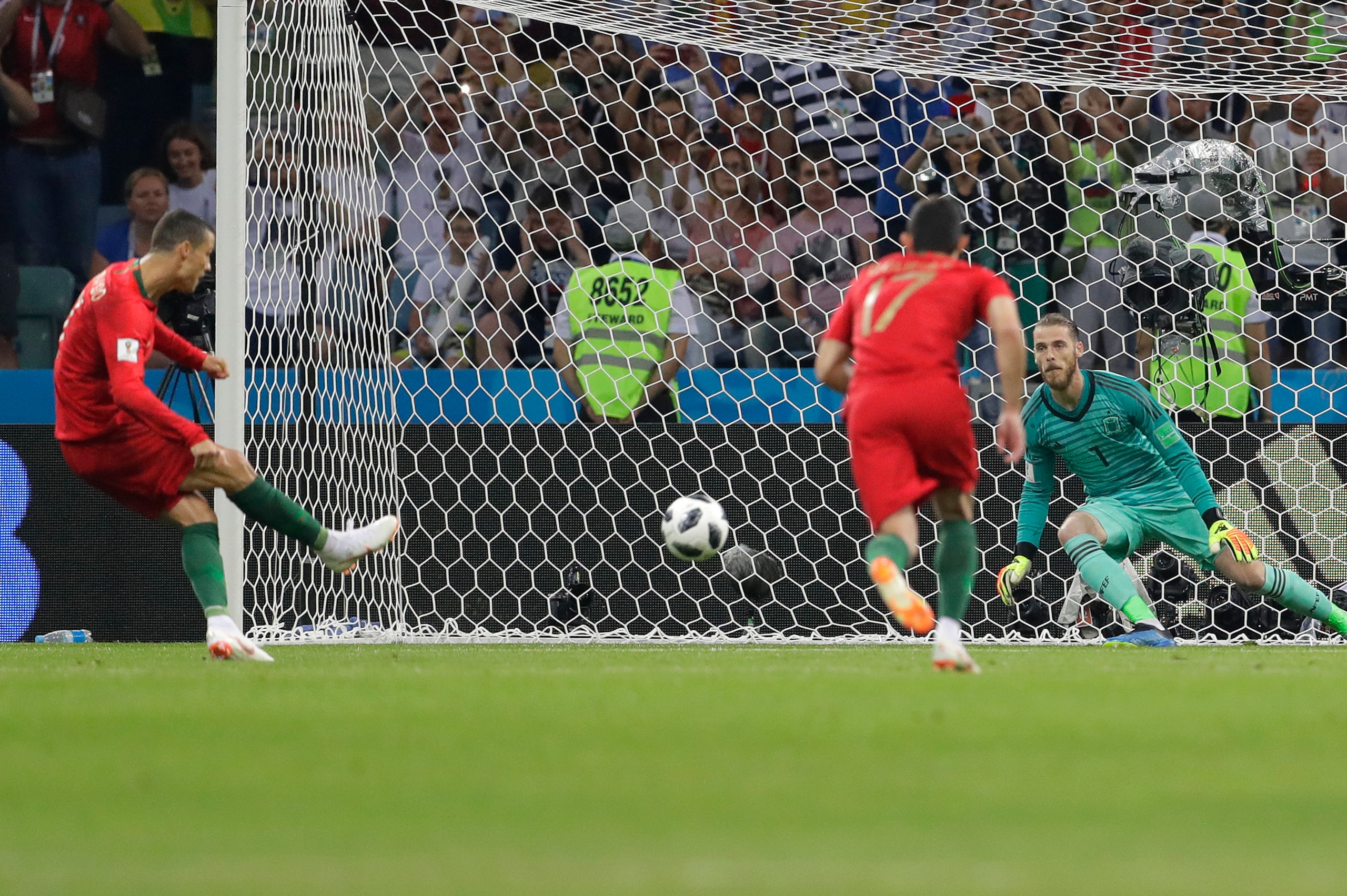
The 16 teams that made it past the group stages of this tournament seem to each have their own approach to deal with the pressure of a penalty shootout.
B/R approached reporters and experts from each team to gauge just how much focus was being aimed at such a decisive factor in the game, and the range of information was intriguing.
News from inside Brazil's Sochi training camp indicated that they have been taking spot-kicks as part of every session since arriving in Russia, with even goalkeepers Alisson, Ederson and Cassio taking turns to strike on goal.
Mexico's video analysts have been spending increased time studying the techniques and habits of future opponents and discussing tactics with the El Tri goalkeepers on how to be best prepared to save their efforts. They also have a mind coach with the team who has been helping with focus.
Denmark picked their takers as soon as the group stage was over, though they have not been spending increased time on specific practice. The reason? They have such huge faith in goalkeeper Kasper Schmeichel.
England's preparation has been by far the most detailed, though—possibly giving an indication of just how scarred the national team are by past tournaments that have ended in penalty heartache. They have one shootout win from seven attempts at major tournaments.
"We've been practising penalties and going through strategies on them since March," head coach Gareth Southgate told reporters on Thursday. "We've done various different studies and done different practices. We are aware the margins are fine in the knockout phases, and we have to be prepared physically and mentally to go to extra time, and beyond that if that's what it takes."

Lyttleton has been paying close attention to the way Southgate has been looking at intricate details in his penalty preparations—from studies on the psyche of individuals to practising the long walk from the halfway line and taking penalties when tired after a long training session.
"You can detect there has been a culture shift in this England team, both in terms of style and approach," Lyttleton said. "They are playing with more freedom, are fearless on the pitch, and seem to be enjoying themselves off it. This is unlike England teams from the last 20 years or so—where, after England have lost on penalties, the players have said they spent extra-time worrying about penalties and the losing coach has always said that penalties are a lottery.
"This time around, there is less fear and anxiety. The current setup have looked at the penalty research that shows England players rush their penalty-kicks more than any other nation at World Cups, and it was very apparent against Panama that Harry Kane had taken that on board. He took his time before his penalties, taking a deep breath after the referee blew his whistle, and that was encouraging to see.
"He also restarted his routine when the Panama defenders had tried to distract him. So while there is no guarantee that England will win a shootout if they get to one, they are certainly increasing their chances of doing well—which is something they have not done in the past."
Former England boss Keegan is one of those who thinks practice makes no difference. "There is no atmosphere, no crowd, and when it comes to doing it in a World Cup, it is about bottle and nerve," he said on bet365's World Cup Preview Show. "You don't actually require that much skill."
Among the other countries to make the last 16, there does not seem to be the same fear in the back of their minds that England have.
News from the Sweden camp is that they are well prepared and have been practising, while the indications from Spain, Colombia and Uruguay are that they have been taking spot-kicks in training but it is really no big deal—it's just a normal part of preparation.
Argentina had done little practise until putting on a 10-minute session at the end of training on Friday, though the goalkeepers did spend an extra session learning about France's potential takers.
Switzerland—who have never won a World Cup shootout—have been keeping their penalty prep behind closed doors, and no details could be discovered as they cancelled a press conference on Friday.
Russian journalists were able to ask about spot-kick planning in their pre-match briefing on Saturday—but were told their plans are a closely guarded secret. Insiders are convinced they have been practising regularly, though, such is Stanislav Cherchesov's usual mindset.
At the time of writing, Belgium were thought to have put in no special penalty training—which is not wholly surprising given Roberto Martinez does not generally put much time into set pieces.
And for Portugal, Japan, Croatia and France, word came back that the subject did not seem an issue at all. Correspondents told how there had been little or no talk of how they would deal with such a situation.
Lyttleton has become so specialised in his area of expertise that he now advises clubs on how to maximise their team's chances of being successful with their penalties.
"Every club and national team I work with has different requirements when it comes to penalty strategy," Lyttleton explained. "The practise element is crucial, and not just in the week before a big game, but to make it a regular part of the training programme. The other elements to consider include penalty order—if your best kicker wants to take the fifth penalty, for example, I would urge a coach to reconsider as the shootout might be over by then—as happened to Portugal and Ronaldo in Euro 2012.
"I also talk about body language, gaze-avoidance, response time and the best advice to give non-regular kickers."
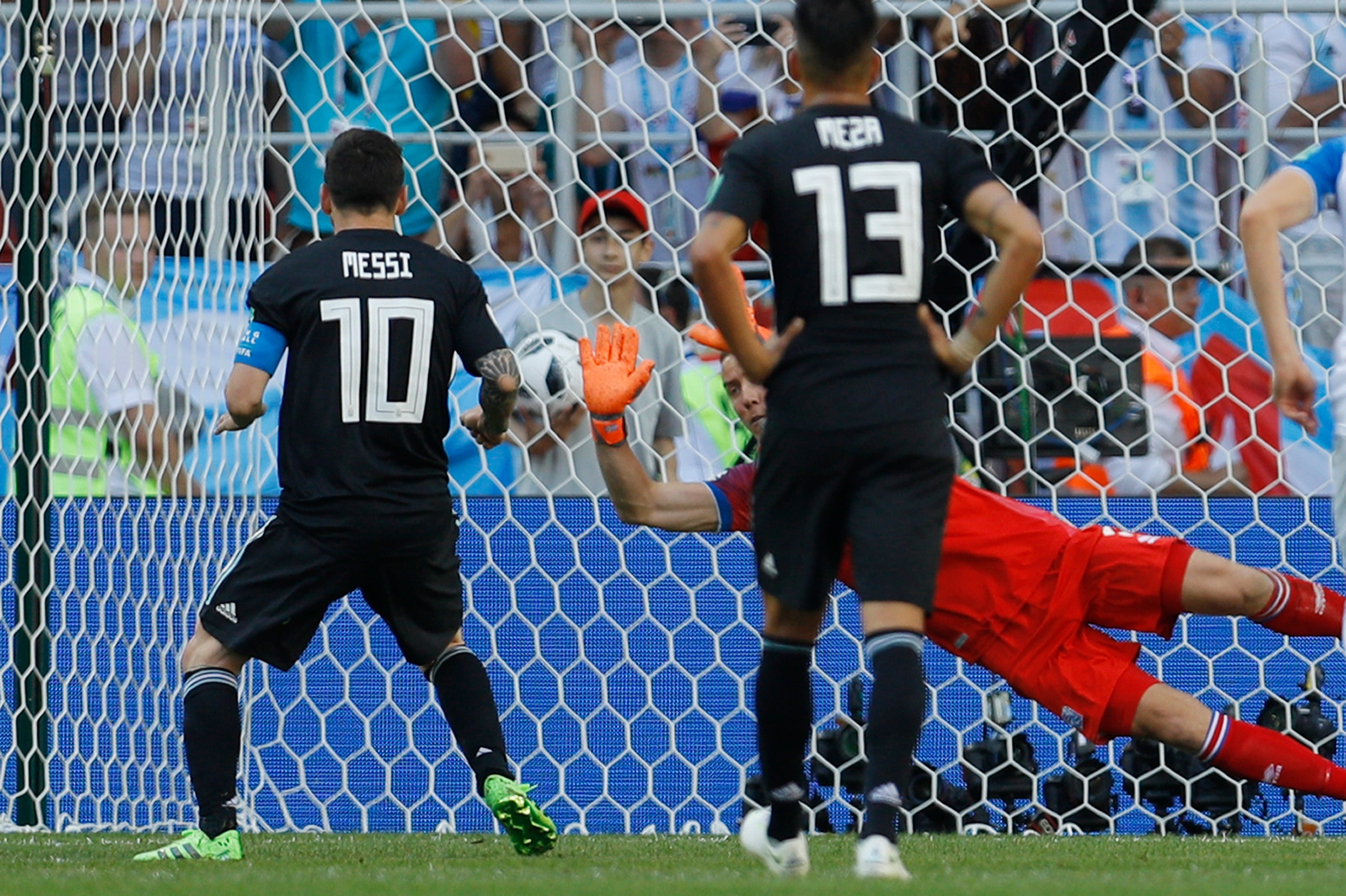
There is another fascinating element to penalty taking that is difficult to understand. While Lionel Messi, one of the greatest players in the world, struggles with his kicks from 12 yards, centre-back Andreas Granqvist—the Sweden captain who previously struggled for games at Wigan Athletic and has most recently been playing in the Russian Premier League with Krasnodar—is a specialist.
The Swede has scored two in this tournament, and it is no coincidence.
"He also scored three for Sweden in qualifying and has scored a couple for Krasnodar this season, too," Lyttleton added. "He is used to the pressure of taking penalties. But his technique is interesting: he takes penalties using the Goalkeeper-Dependent method, which is waiting for the keeper to move first and then going the other way.
"If the goalkeeper doesn't move then he has already picked a spot and the keeper won't get there in time. This is the method that Eden Hazard uses as well.
"It's a very difficult technique to get right but over time is more successful than the Goalkeeper-Independent method, which is pick your spot and smash it. If you get the spot right, the keeper won't save it anyway—look at Harry Kane against Panama.
"In World Cups, we see a lot more GK-Independent method because the greater the pressure, the more likely players are to just smash it. Which makes Granqvist's penalty skills even more impressive!"
If this tournament is to be decided on penalties, we might yet have an unlikely hero.
.jpg?w=2560 "Dolphins Bills Football")