College World Series 2018: Championship Bracket and Predictions
The college baseball world will turn its full attention to Omaha, Nebraska, and TD Ameritrade Park this weekend as the 2018 College World Series gets underway.
Eight teams remain standing in the hunt for a national title. They'll be broken into two different brackets and a double-elimination format will commence, with the winner of each section advancing to the best-of-three finals.
Oregon State, North Carolina, Mississippi State and Washington make up one bracket, while Florida, Arkansas, Texas Tech and Texas make up the other.
TOP NEWS
.jpg?w=2560 "Cardinals Giants Football")
NFL investigating 2 referees for separate viral exchanges

Deion Playbook Found at Hotel
.jpg?w=2560 "Hill Injury Update Football")
Report: Chiefs Contact Hill's Agent
Here's a look at how things will begin this weekend:
- Saturday, June 16: Oregon State vs. North Carolina, 3 p.m. ET (ESPN)
- Saturday, June 16: Washington vs. Mississippi State, 8 p.m. ET (ESPN)
- Sunday, June 17: Arkansas vs. Texas, 2 p.m. ET (ESPN)
- Sunday, June 17: Texas Tech vs. Florida, 7 p.m. ET (ESPN2)
The Florida Gators have been the team to beat from the get-go this season, as they began the year as the No. 1 team in the nation and wrapped up the regular season in that same spot.
With first-round picks Brady Singer and Jackson Kowar fronting the rotation and a high-powered offense led by No. 5 overall pick Jonathan India, they're in a great position to repeat as national champions.
The SEC was far and away the best conference in baseball this season, and two other teams from the conference join Florida at the College World Series—Arkansas and Mississippi State.
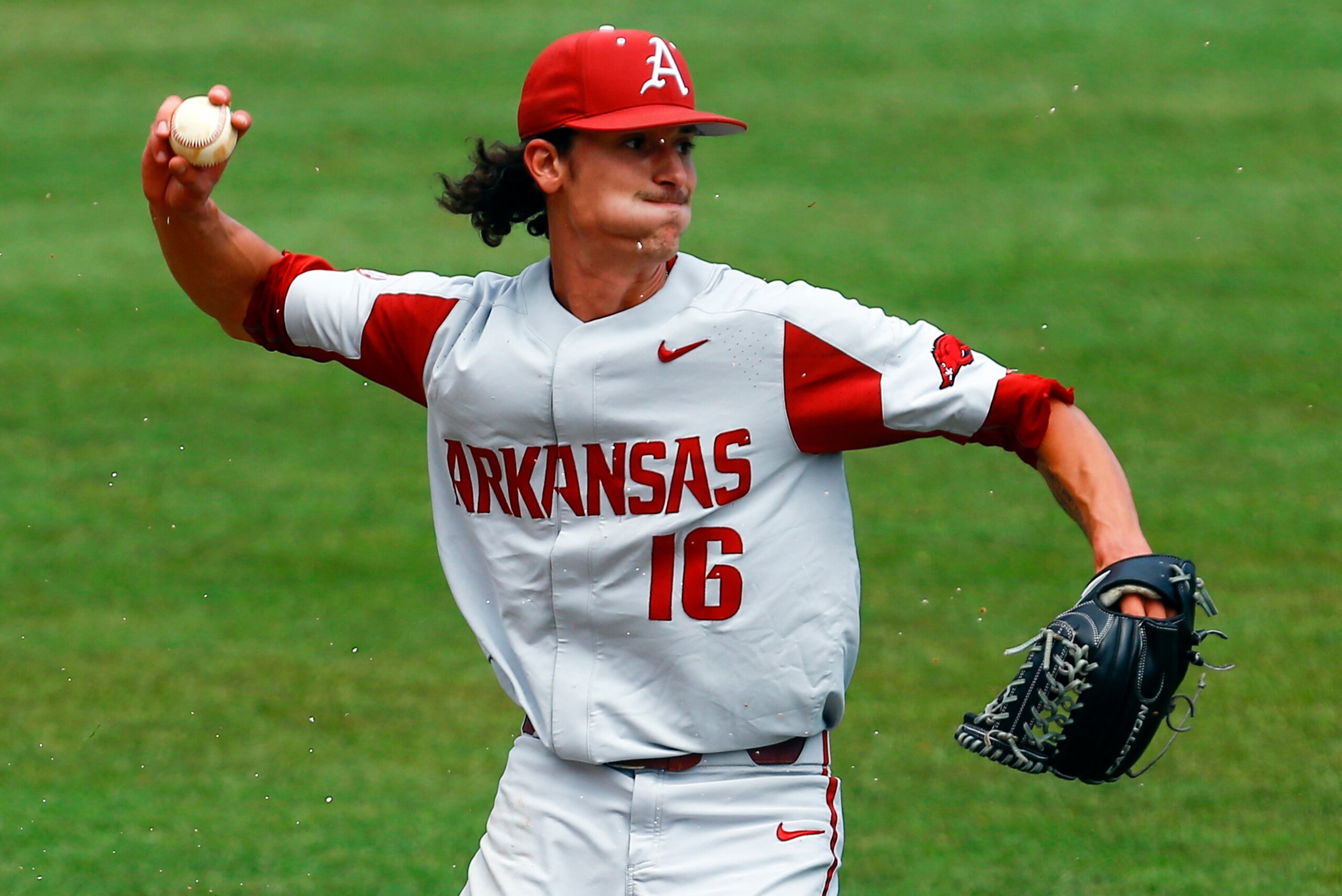
The Razorbacks won the SEC West regular-season title and wrapped up the season at No. 3 in the RP rankings, according to NCAA.com. Right-hander Blaine Knight fronts the rotation, while the offense launched 88 home runs, good for third in the nation.
The Bulldogs didn't enjoy quite the same level of regular-season success with a 15-15 record in conference play, but they advanced past Florida State in regionals and Vanderbilt in the Super Regionals to get to Omaha.
Oregon State might be the biggest threat to the Gators.
First-round picks Nick Madrigal and Trevor Larnach lead the way offensively, while the pitching staff ranked 23rd in the nation with a 3.45 ERA thanks to the one-two punch of Luke Heimlich and Bryce Fehmel atop the rotation and standout closer Jake Mulholland at the back of the bullpen.
Offensively, Texas Tech looks like the most dangerous team left in the field.
They ranked in the top 10 nationally in batting average (.309, eighth) and runs per game (8.4, third), with No. 74 overall pick Grant Little one of five players with at least 10 home runs and 50 RBI.
North Carolina averaged seven runs per game behind leadoff man Kyle Datres and slugging first baseman Michael Busch. And while there's no standout ace on the staff, junior Cooper Criswell has pitched well of late and stepped into the lead role.

The Texas Longhorns upended Tennessee Tech in the Super Regionals behind three home runs from Kody Clemens. The second-round pick is now up to 24 home runs and 72 RBI on the season, and he'll look to keep swinging a hot bat in Omaha.
And finally, there's the underdog in this field: the Washington Huskies.
They finished the regular season at 30-23—good for the No. 63 spot in the RPI rankings—but swept their way through the Conway Regional hosted by Coastal Carolina and then took two of three from Cal State Fullerton in Super Regionals.
Momentum is on their side at this point, even if they're a bit overmatched from a talent standpoint.
Predictions
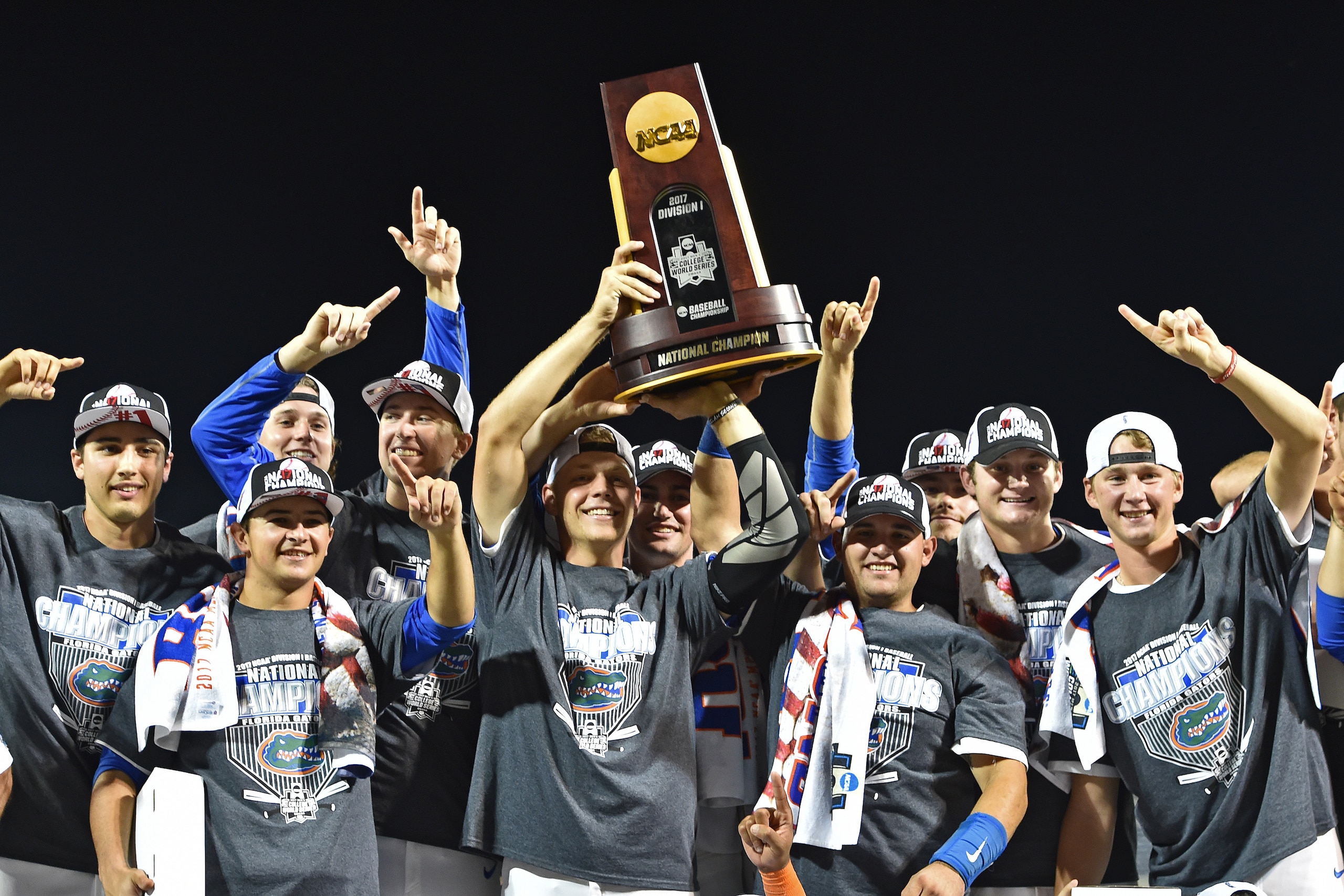
It's tough to bet against Florida and Oregon State emerging from their respective sides of the bracket, as they boast the two most complete rosters in the remaining field.
If anyone can throw a wrench into things, look for it to be Arkansas or Texas Tech. After all, Florida needed extra innings in Game 3 of the Super Regionals to get this far.
Still, there's a reason the Gators were the team to beat all season. We'll say they meet the Beavers in the finals and repeat as national champions in three games.
All individual stats courtesy of The Baseball Cube, while team stats come via NCAA.com.
.jpg?w=2560 "Titans Giants Football")
.jpg?w=2560 "Dolphins Bills Football")