MLB Draft 2018: Results, Grades and Top Steals for Rounds 1-3
The 2018 MLB draft will wrap up on Wednesday with rounds 11-40, and while there will no doubt be a few diamonds in the rough taken in those late rounds, it's generally the first 10 rounds that the bulk of future MLB players are selected.
A full list of each of the 314 picks that have been made so far can be found at MLB.com.
The focus here will be on identifying the biggest steals of the draft's first three rounds.
TOP NEWS
Brewers Stun Padres in Game 2 😧
Aaron Boone Calls Out Yankees Catcher 🗣️
Padres Lose In Controversial Fashion
Ahead we've identified the seven biggest heists of the first three rounds, ordered by draft position. The predraft rankings from Baseball America and MLB.com are included as a frame of reference:
16. Tampa Bay Rays: Matthew Liberatore, LHP, Mountain Ridge (Ariz.) HS
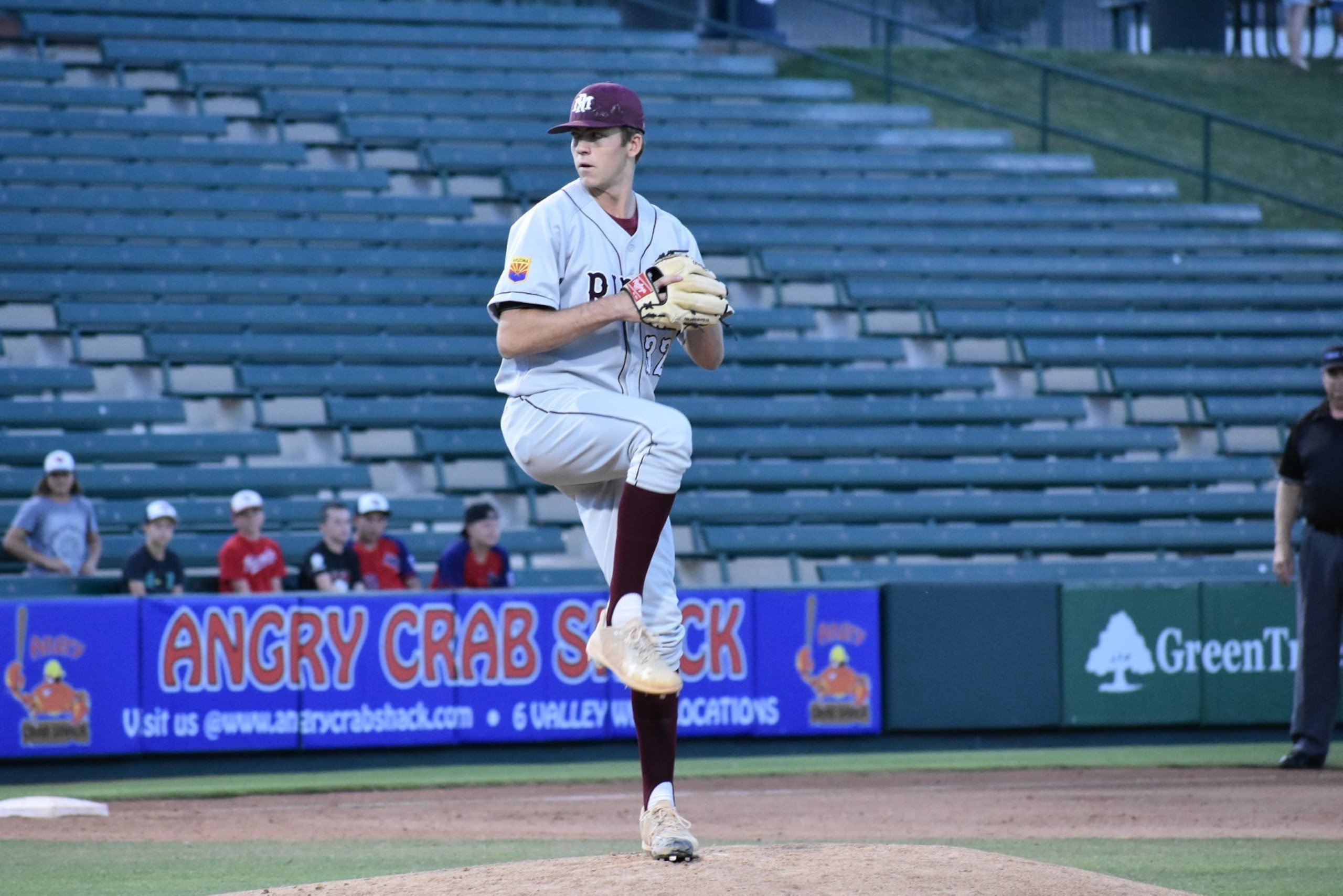
(BA-2, MLB.com-4)
Liberatore is the most polished high school pitcher in this class, and he had a chance to be the first prep arm off the board. Instead, he slipped all the way to the Rays in the middle of the first round, where it will likely take an above-slot deal to sign him. With a polished four-pitch mix, projectable 6'5", 200-pound frame and smooth mechanics, his floor is as high as any pitcher in this class, and he has a No. 2 starter ceiling.
18. Kansas City Royals: Brady Singer, RHP, Florida
(BA-4, MLB.com-2)
It's still unclear what exactly caused Singer to slide so far. Most considered him a consensus top-five pick, and he entered the spring as one of the leading candidates to go No. 1 overall. He has a strong 6'5" frame, an explosive fastball, a plus slider and a solid changeup. He should move quickly and has legitimate front-line upside if everything clicks.
33. Kansas City Royals: Jackson Kowar, RHP, Florida
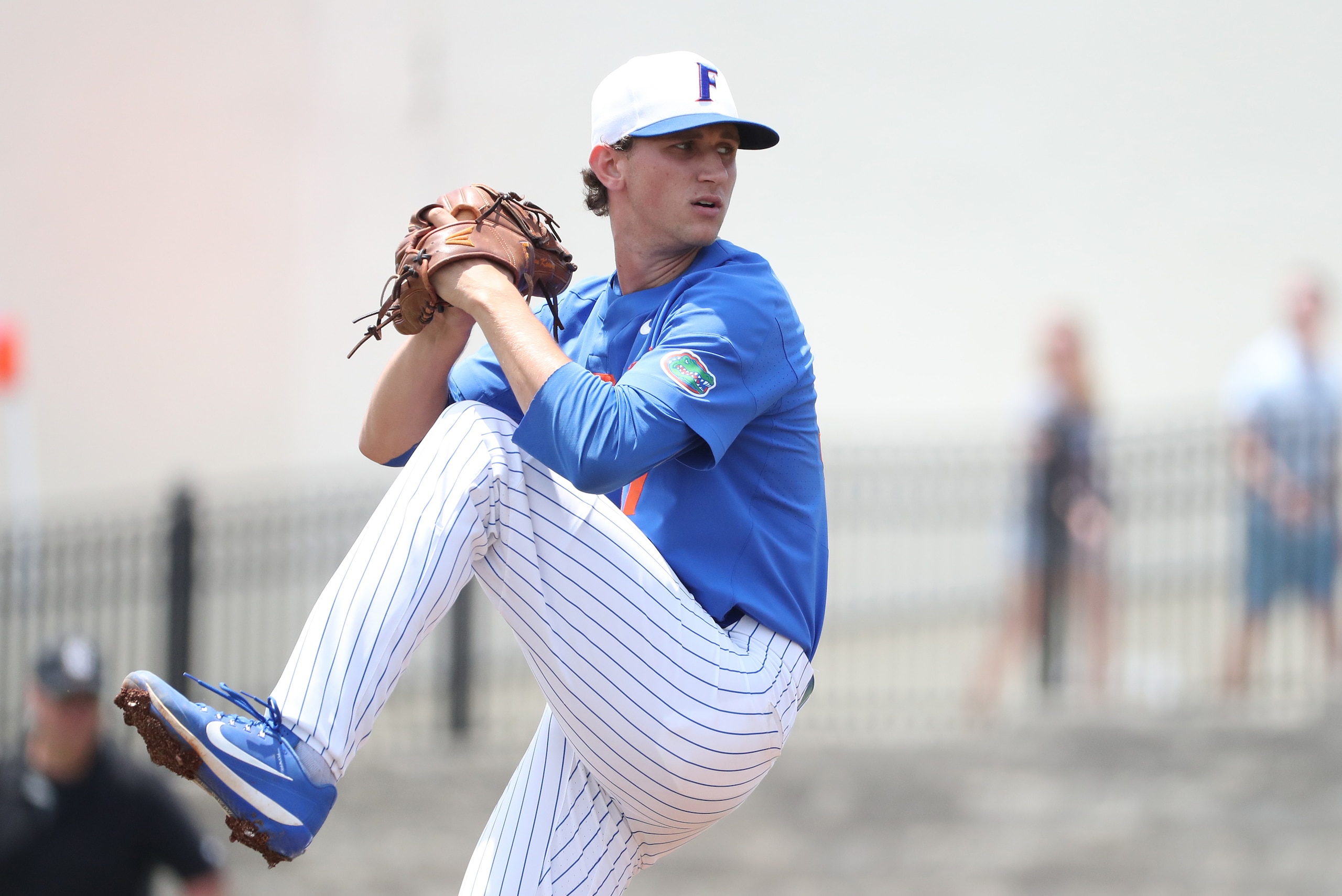
(BA-17, MLB.com-15)
Kowar is not as polished as fellow University of Florida starter Singer, but he offers equally intriguing upside. His 6'5", 180-pound frame offers more projection than most college arms, and he's already been up to 97 mph with his fastball. He's shown flashes with his changeup. As part of the second tier of college arms, grabbing him at No. 33 overall was a huge win for the Royals.
45. Chicago White Sox: Steele Walker, OF, Oklahoma
(BA-32, MLB.com-30)
Walker was a candidate to go at the end of the first round after hitting .352/.441/.606 with 14 doubles, 13 home runs and 53 RBI in 54 games this spring. He'll be limited to left field defensively, but he was one of the most polished collegiate hitters in the class, and he's just starting to tap into his raw power. Pairing him with Nick Madrigal at No. 4 overall was a great start to the draft for the White Sox.
70. Oakland Athletics: Jeremy Eierman, SS, Missouri State
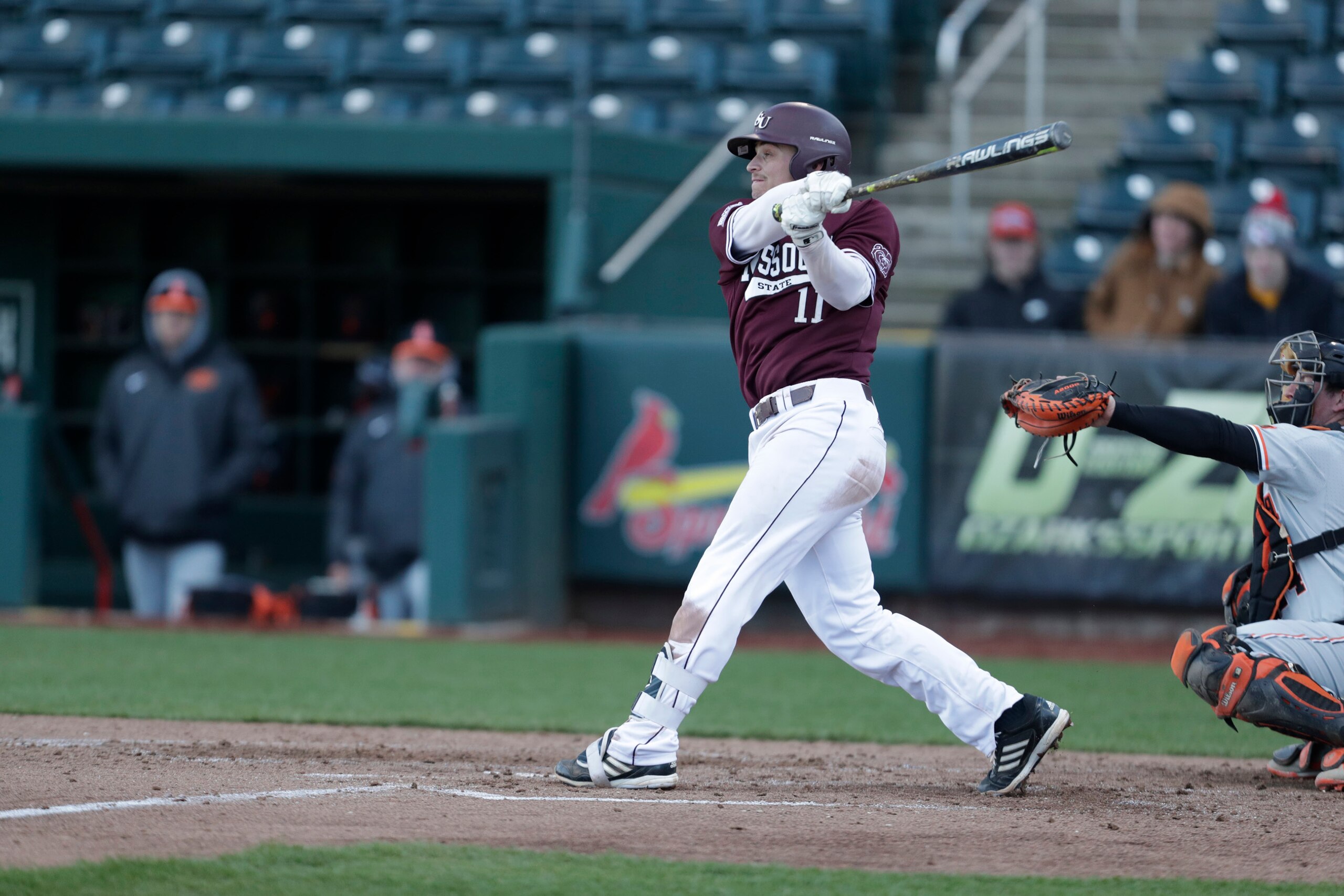
(BA-26, MLB.com-29)
Eierman hit .313/.431/.675 with 23 home runs as a sophomore while hitting alongside first-round pick Jake Burger in the middle of the Missouri State lineup. He failed to match that level of production during his junior campaign and slipped out of the first round as a result. That said, he was undoubtedly one of the top college middle infielders in this class and that offensive upside is still lurking.
87. Baltimore Orioles: Blaine Knight, RHP, Arkansas
(BA-36, MLB.com-48)
A 29th-round pick as a draft-eligible sophomore last season, Knight returned for his junior season and boosted his stock considerably. The 6'3", 165-pound right-hander will need to add strength and prove he can handle a starter's workload. However, after going 10-0 with a 2.78 ERA, 1.11 WHIP and 86 strikeouts in 87 innings this spring, it's worth gambling on his upside for an Orioles team in need of quality arms.
89. Miami Marlins: Triston Pompey, OF, Kentucky
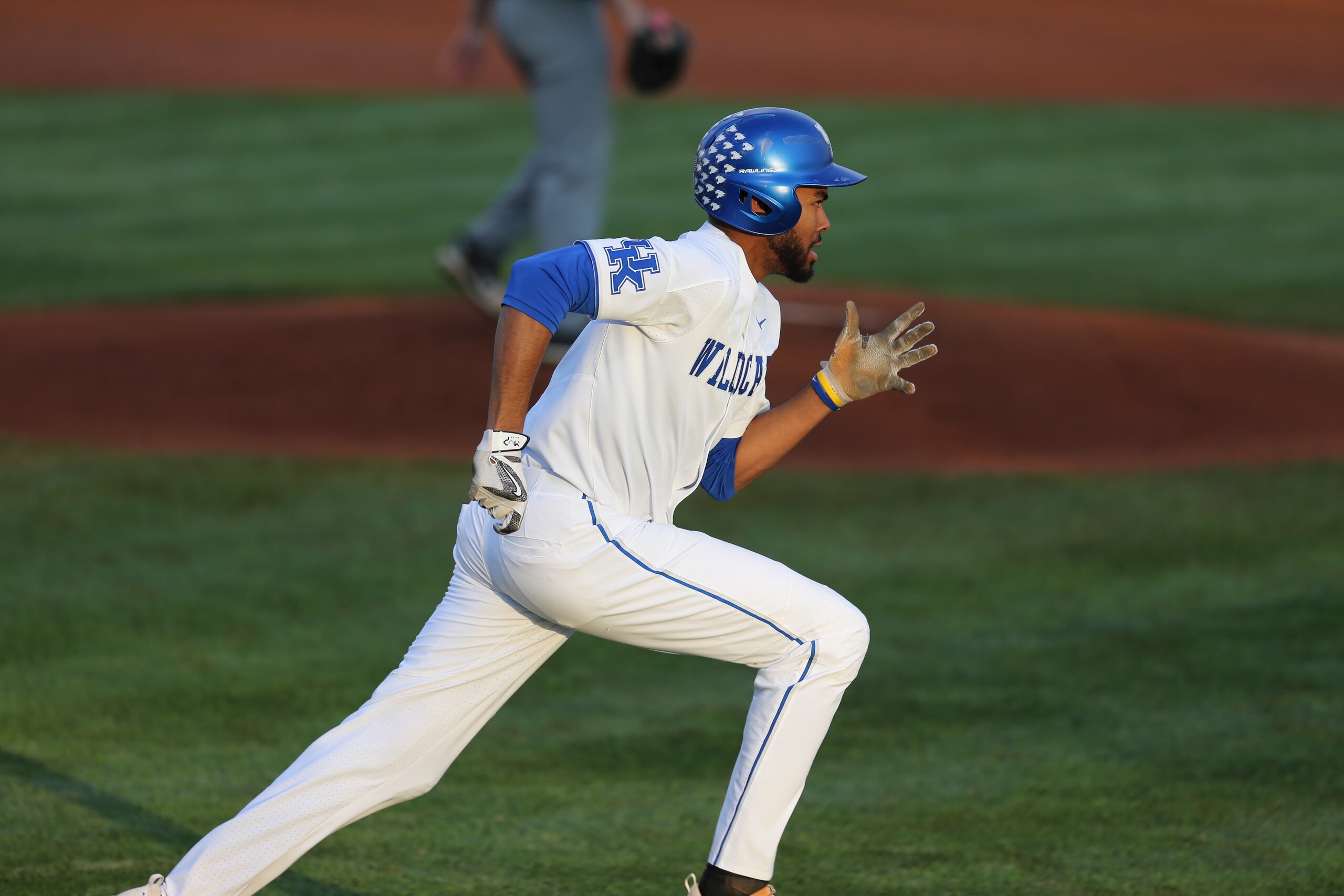
(BA-51, MLB.com-51)
Pompey hit .361/.464/.541 with 10 home runs as a sophomore to emerge as a potential top-10 pick in this year's draft. However, after struggling in the Cape Cod League (95 PA, .230 BA, .629 OPS) last summer, he didn't take the step forward many were expecting this spring. That said, he still slipped much further than expected, and the Marlins could walk away with one of the biggest Day 1 steals as a result.
Draft Grades
As for draft grades, I provided pick-by-pick grades and analysis for each of the first 78 selections on Day 1 of the draft. Once things move to Day 2, it becomes even more of a crapshoot, so there's no sense grading those picks.
I also broke down each team's draft with a cumulative grade. Here's a recap of how all 30 clubs fared:
Arizona Diamondbacks: B+
Atlanta Braves: A
Baltimore Orioles: A-
Boston Red Sox: B
Chicago Cubs: C
Chicago White Sox: A+
Cincinnati Reds: C
Cleveland Indians: A-
Colorado Rockies: B+
Detroit Tigers: A
Houston Astros: B-
Kansas City Royals: A
Los Angeles Angels: B+
Los Angeles Dodgers: B-
Miami Marlins: A
Milwaukee Brewers: A-
Minnesota Twins: B
New York Mets: B
New York Yankees: B-
Oakland Athletics: A
Philadelphia Phillies: C-
Pittsburgh Pirates: A-
San Diego Padres: B+
San Francisco Giants: A
Seattle Mariners: A
St. Louis Cardinals: A-
Tampa Bay Rays: A+
Texas Rangers: A+
Toronto Blue Jays: B-
Washington Nationals: A-
All stats courtesy of The Baseball Cube, unless otherwise noted.
.jpg?w=2560 "NFL investigating 2 referees for separate viral exchanges")
.jpg?w=2560 "OBJ Calls Out Giants After Release")
.jpg?w=2560 "Tyreek makes another cryptic post amid Chiefs rumors")
.jpg?w=2560 "Report: Chiefs Contact Hill's Agent")