
NBA Metrics 101: Predicting Advanced Stats Stars of 2017 Rookie Class
The NBA has increasingly used analytics to accurately assess performance and efficiency.
Team fit plays a major role when predicting advanced stats like player efficiency rating, points per play and win shares.
Since most metrics analyze players on a per-minute basis, we only took into account rookies who'll be expected to play regular roles.
Player Efficiency Rating
1 of 8
John Hollinger: PER sums up all a player's positive accomplishments, subtracts the negative accomplishments, and returns a per-minute rating of a player's performance.
Joel Embiid led all rookies last year in PER by producing in volume and doing so efficiently. His new teammate and 2017's first pick looks poised to follow in the big man's footsteps.
With no expected minutes restriction, Markelle Fultz should put up big numbers for a Philadelphia 76ers coach who likes to play fast.
Fultz is the best bet to lead all rookies in scoring after averaging 23.2 points at Washington. Highly skilled, from his handle and shot-creating to his jumper, he's also 6'4" with nearly 6'10" length and exciting athleticism. Between his tools and bounce, along with the fact he actually has weapons around him to attract attention, his 47.6 percent field-goal clip from college shouldn't fall too much.
Even with Ben Simmons stealing playmaking touches, Fultz's creativity and passing should still translate to assists. In Embiid, Fultz will have a pick-and-roll (or pop) and lob target, as well as a shooter in JJ Redick for drive-and-kicks.
It's not unreasonable to project Fultz averaging 15 points, five assists and five rebounds while hovering around the 45 percent mark from the floor.
True Shooting Percentage (Guards Only)
2 of 8
Basketball Reference: True shooting percentage is a measure of shooting efficiency that takes into account field goals, three-point field goals and free throws.
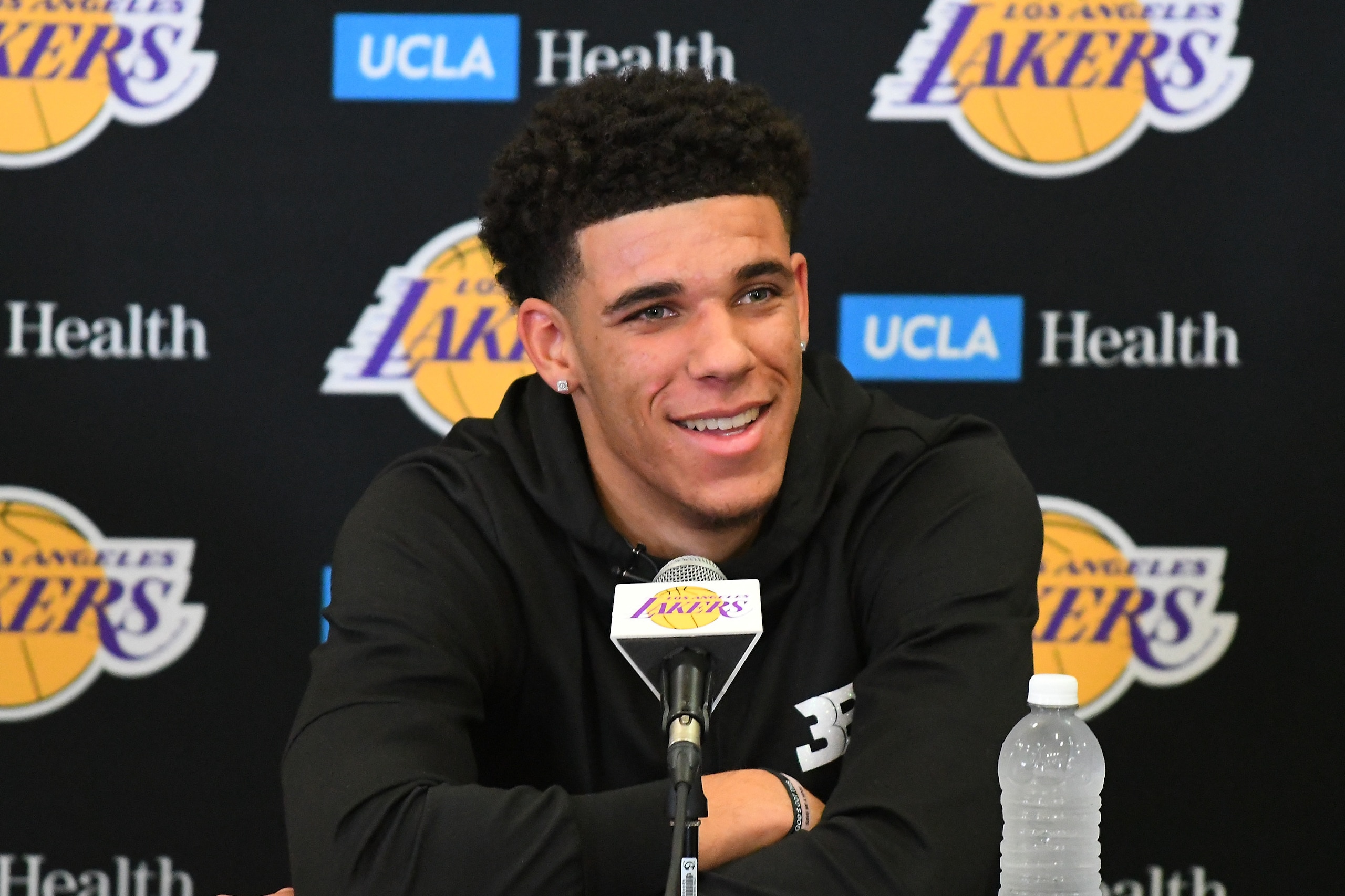
Shot selection and three-point shooting should help Lonzo Ball lead all rookie guards in true shooting percentage.
He shot a remarkable 73.2 percent inside the arc last year. Ball should continue taking only high-percentage layups and floaters next year. And given his three-point consistency, 80 makes and the deep range he showed at UCLA, there are enough reasons to buy into his 41.2 percent clip being legitimate.
Ball only shot 67.3 percent from the line, but assuming that's a worst-case number moving forward and that he won't make too many trips to the stripe, his two-point and three-point percentages should result in an efficient true shooting clip.
Usage
3 of 8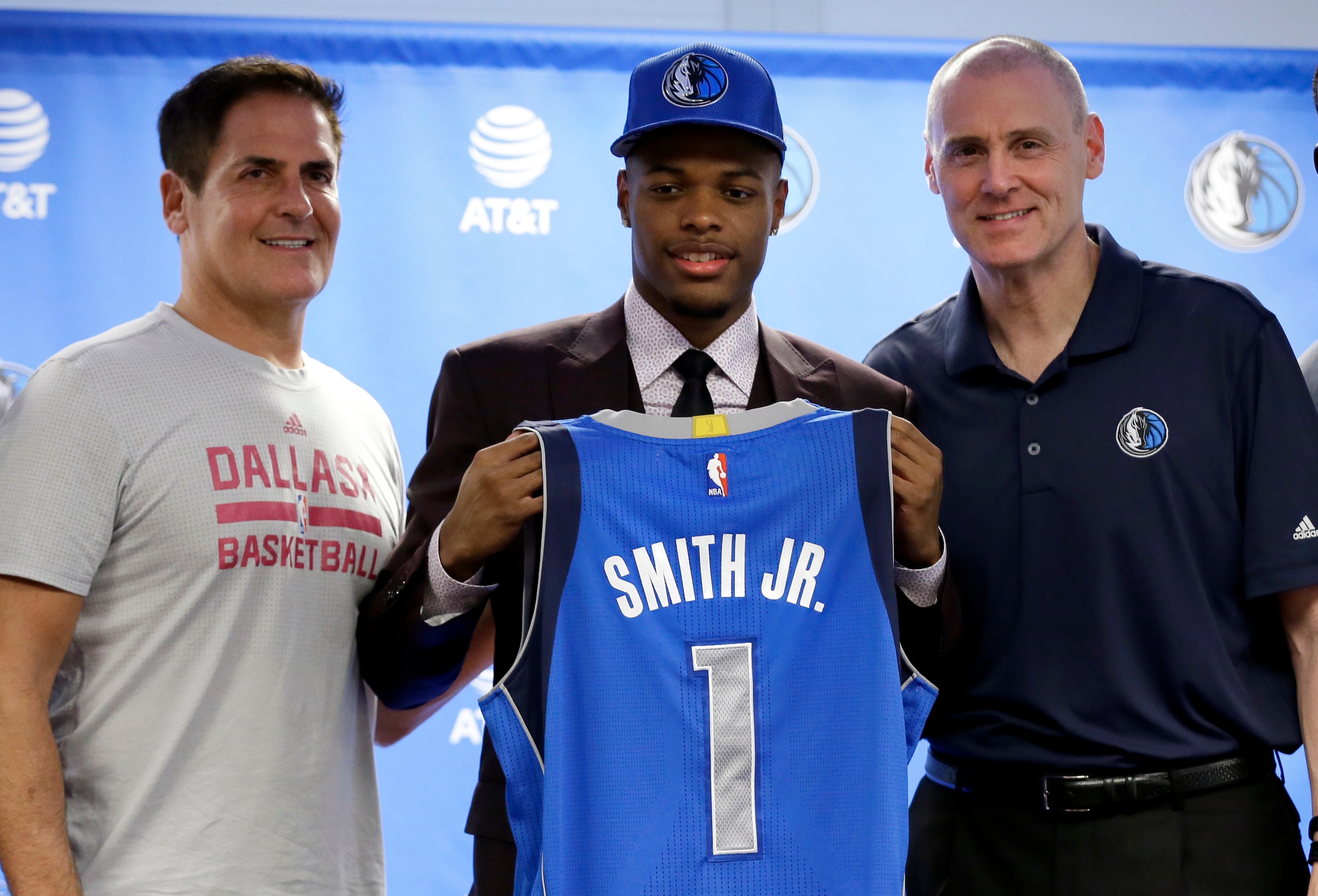
Basketball Reference: Usage percentage is an estimate of the percentage of team plays used by a player while he was on the floor.
Dennis Smith Jr. should be looking at a bright green light in Dallas. The Mavericks aren't serious contenders in the West. The coaching staff's goal will be to prioritize Smith's development and allow him to make early mistakes.
He could be looking at 30-plus minutes a game right away, with only Yogi Ferrell and JJ Barea to steal lead ball-handling touches.
Smith, who isn't shy offensively, could be one of the Mavericks' top-three scoring options next year behind Harrison Barnes and Seth Curry. Based on his role and style—score first, pass second—Smith's projected playing time, field-goal and free-throw attempts should translate to the highest rookie usage rate.

Rebounding Percentage
4 of 8
Basketball Reference: Total rebound percentage is an estimate of the percentage of available rebounds a player grabbed while he was on the floor.
Paul Millsap signing with the Denver Nuggets clears the way for John Collins. Based on the current roster and the available free agents, Collins should wind up starting on opening night and playing heavy minutes throughout the season.
He pulled in a whopping 14.8 rebounds per 40 minutes with a monster 21.1 rebounding percentage at Wake Forest. Collins enters the league with a 225-pound NBA body and explosive athleticism around the basket, where he taps into his motor, quick jump and hands to clean the glass and win 50-50 balls.
Collins should wind up leading all rookies in second-chance points as well after earning himself 54 putback opportunities and averaging 5.6 offensive boards per 40 minutes.
Assist Percentage/Pure Point Rating
5 of 8
Basketball Reference: Assist percentage is an estimate of the percentage of teammate field goals a player assisted while he was on the floor.
Pure Point Rating (RealGM): 100 x (League Pace / Team Pace) x ([(Assists x 2/3) - Turnovers] / Minutes).
Lonzo Ball's vision and floor game are well-documented. Assuming he's the starting point guard for the Los Angeles Lakers on opening night, his passing instincts and basketball IQ should translate to the top pure point rating and assist percentage among rookies—especially with Markelle Fultz and Ben Simmons likely to share the ball in Philadelphia.
Only four players in college finished with a higher PPR than Ball's 7.0. And nobody averaged more dimes per game.
The Lakers ranked No. 6 last year in pace, and that was with D'Angelo Russell running the show. They should play even faster under Ball, who specializes in pushing the break and finding teammates before opposing defenses can set.
Given the perception that's tied to his father's outspokenness, Ball may be even more motivated to show the NBA his unselfishness.
Points Per Play
6 of 8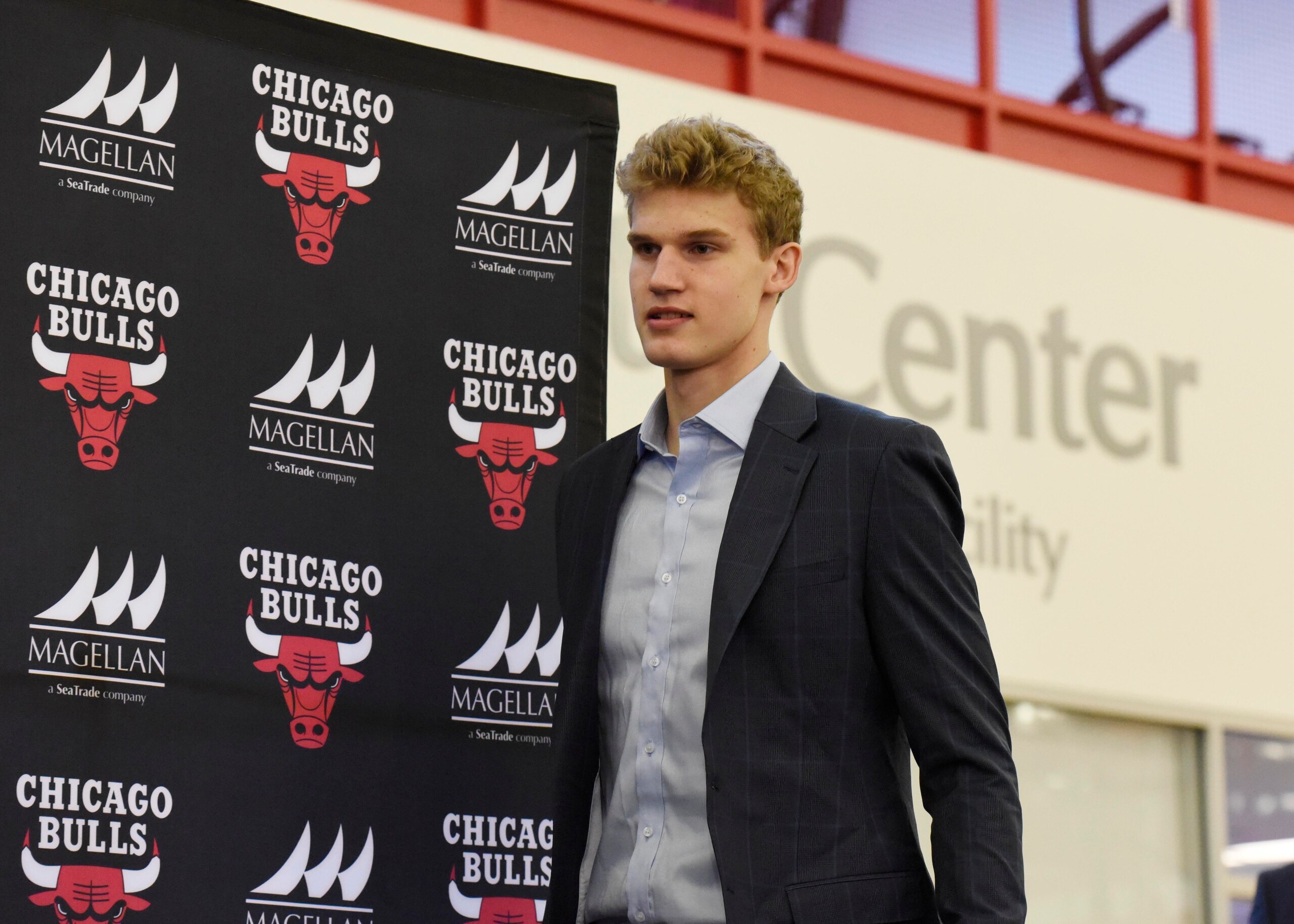
DraftExpress: Points scored by player per play used.
After finishing second (behind TJ Leaf) among draft picks in points per play in college, Lauri Markkanen could lead all rookies in 2017-18.
He should see enough minutes in Chicago without too big of a workload. And given his shooting numbers at Arizona (69 threes, 42.3 percent) and his picturesque mechanics, Markkanen looks poised to continue capitalizing as a spot-up or pick-and-pop marksman.
He should still be effective scoring inside the arc with his 7-foot size, agility and unique skill level. He'll catch defenses off guard with his ability to drive past closeouts or convert off the dribble as a driver and mid-range scorer.
Defensive and rebounding toughness are potential concerns, but not offense. He could quickly become an efficient, volume shot-maker for the Bulls bench.
Offensive Win Shares
7 of 8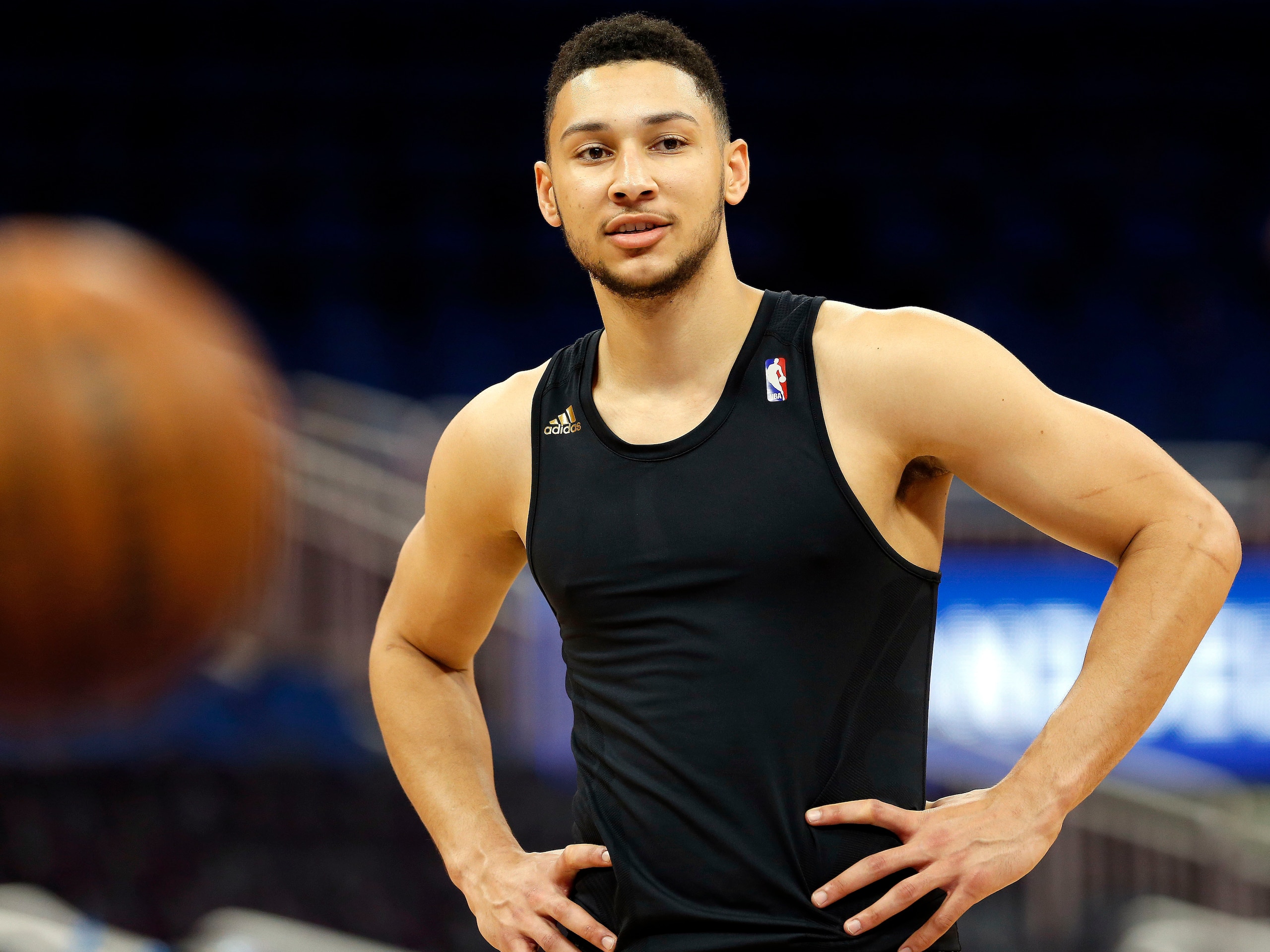
RealGM: An estimate of the number of wins a player produces on offensive possessions.
Lonzo Ball will give Ben Simmons a run for his money, but the Philadelphia 76ers should win more games than the Los Angeles Lakers, particularly given how weak the East is looking midway through free agency.
That should mean extra win shares for Simmons, whose fingerprints will be on practically every Sixers possession given his versatility.
He'll split time both creating offense and finishing it. His workload could be heavier than Markelle Fultz's, with Simmons the physically superior player and potentially the tougher matchup at his respective position.
Defensive Wins Shares
8 of 8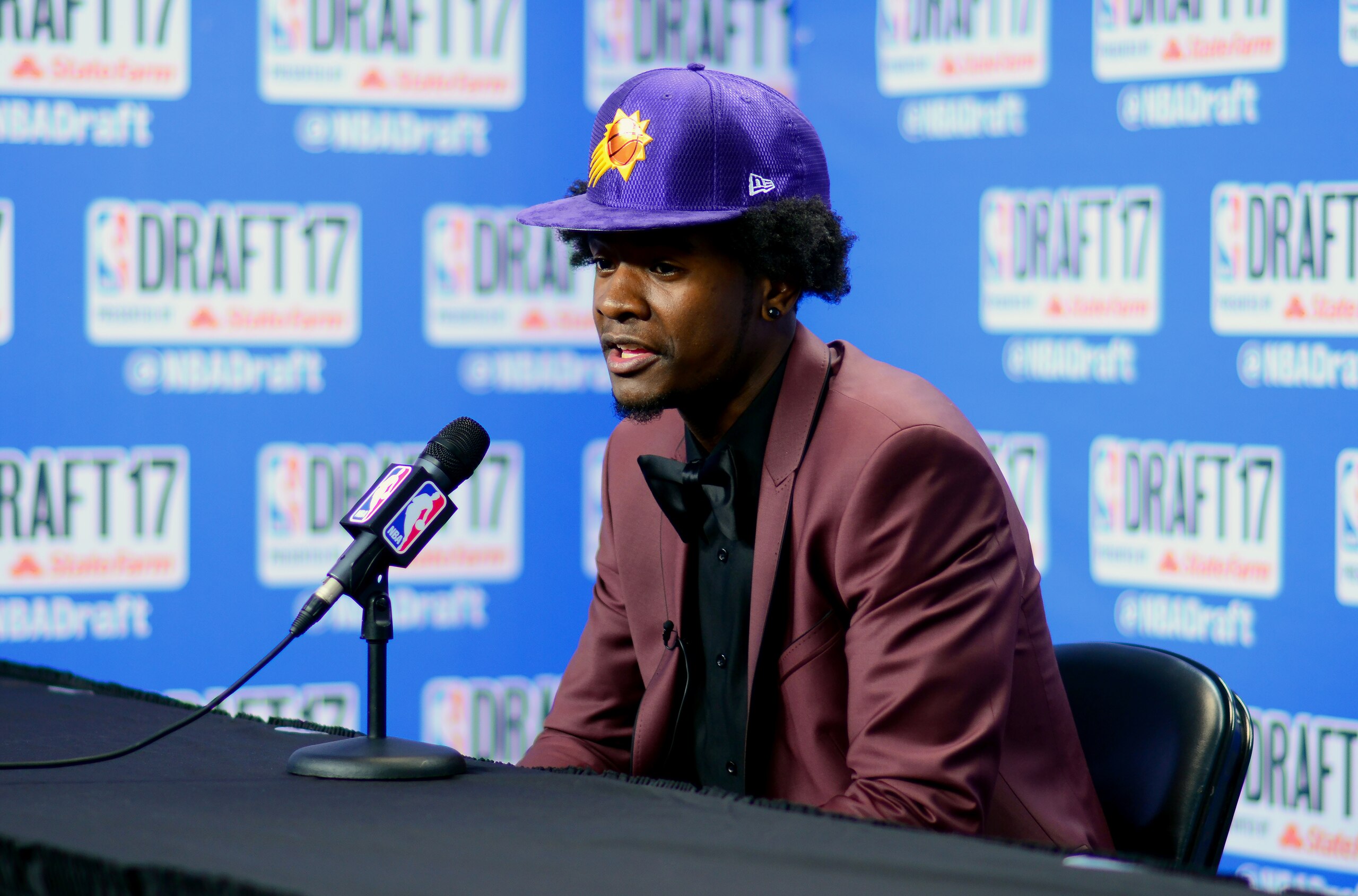
RealGM: An estimate of the number of wins a player produces on defensive possessions.
Defensive potential was a big selling point for Josh Jackson out of Kansas, where he finished with more defensive win shares than De'Aaron Fox, Lonzo Ball and Jonathan Isaac.
Jackson's value on defense lies within his ability to bring intense pressure, guard multiple positions and force turnovers (1.7 steals per game).
With Eric Bledsoe and Devin Booker carrying the offense and Marquese Chriss poised for a breakout season, the Suns should be a tougher out in 2017-18. The extra wins and their rookie's defense could reflect favorably on Jackson's advanced numbers.
All advanced stats and definitions courtesy of Sports-Reference.com, DraftExpress.com and RealGM.com.

.jpg?w=2560 "Grading WWE Raw 🔠")
.png?w=2560 "Allen's BRUTAL 1H Stats 🫤")
.jpg?w=2560 "Aaron Donald Fights Bills OL😳")