
Breaking Down Strengths, Weaknesses of Top Shooting Guards in 2017 NBA Draft

With so much attention being paid to the exciting floor generals in the 2017 NBA draft class, quality shooting guards are flying below the radar.
Five of them will be competing for first-round looks, with two or three expected to generate interest in the lottery.
At least one 2-guard appears locked into June's top 10, but another has started knocking on the door following a strong performance at the NBA Scouting Combine. Two others stand out as possible sleepers or value picks later in the 20s or 30s.
These cheat-sheet scouting reports highlight each top shooting guard's core strengths and weaknesses.
5. Josh Hart (Villanova, 6'5", Senior)
1 of 5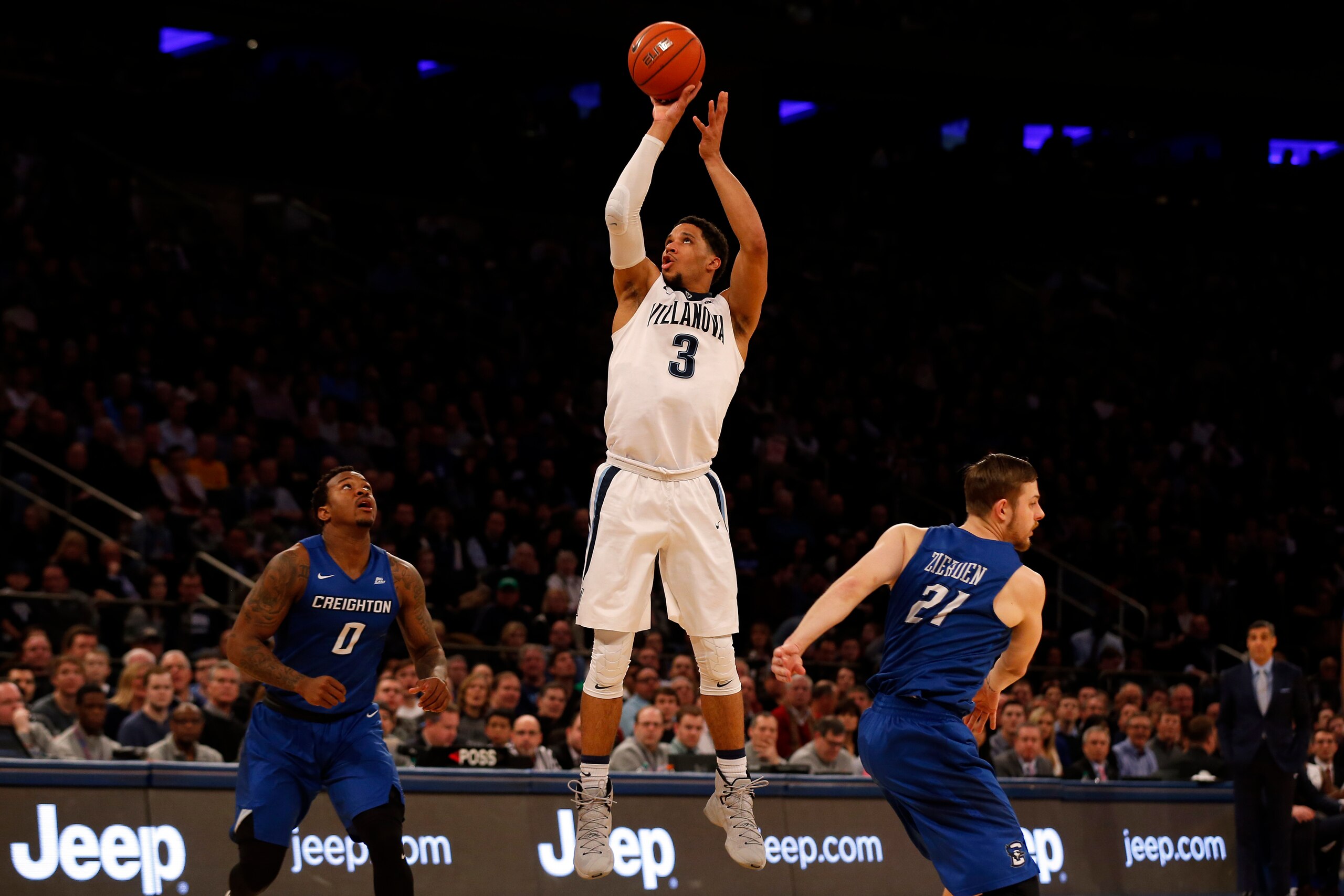
NBA comparison: Malcolm Brogdon
Draft projection: No. 25-45
Strengths
Offensive versatility
Josh Hart finished his senior season with career-high averages in points (18.7), assists (2.9) and threes (2.1). He improved each aspect of his game, from scoring and playmaking to shooting. His NBA identity will revolve around versatility as an efficient jack-of-all-trades. A timely driver with a competent pull-up jumper, Hart shot at least 55 percent inside the arc during all four years at Villanova. And he's proven to be a fine passer capable of dishing out of pick-and-rolls.
Hart also raised his three-point mark to 40.4 percent as a senior, a key development given some questions concerning his ability to create against NBA defenses.
Defensive toughness
Hart competes hard and shows excellent defensive IQ and instincts. With quick feet and discipline, he's tough to beat around the perimeter, but he's also an intelligent off-ball and team defender.
Weaknesses
Hart is an average athlete without any elite skill. He's not the slickest shot-creator or setup man, and he doesn't possess the prettiest shot mechanics, especially as he drifts further away from the basket. With what appears to be a low ceiling as a best-case role player, Hart, who's 22 years old and lacks a speciality, could have difficulty drawing first-round interest.
4. Derrick White (Colorado, 6'5", Senior)
2 of 5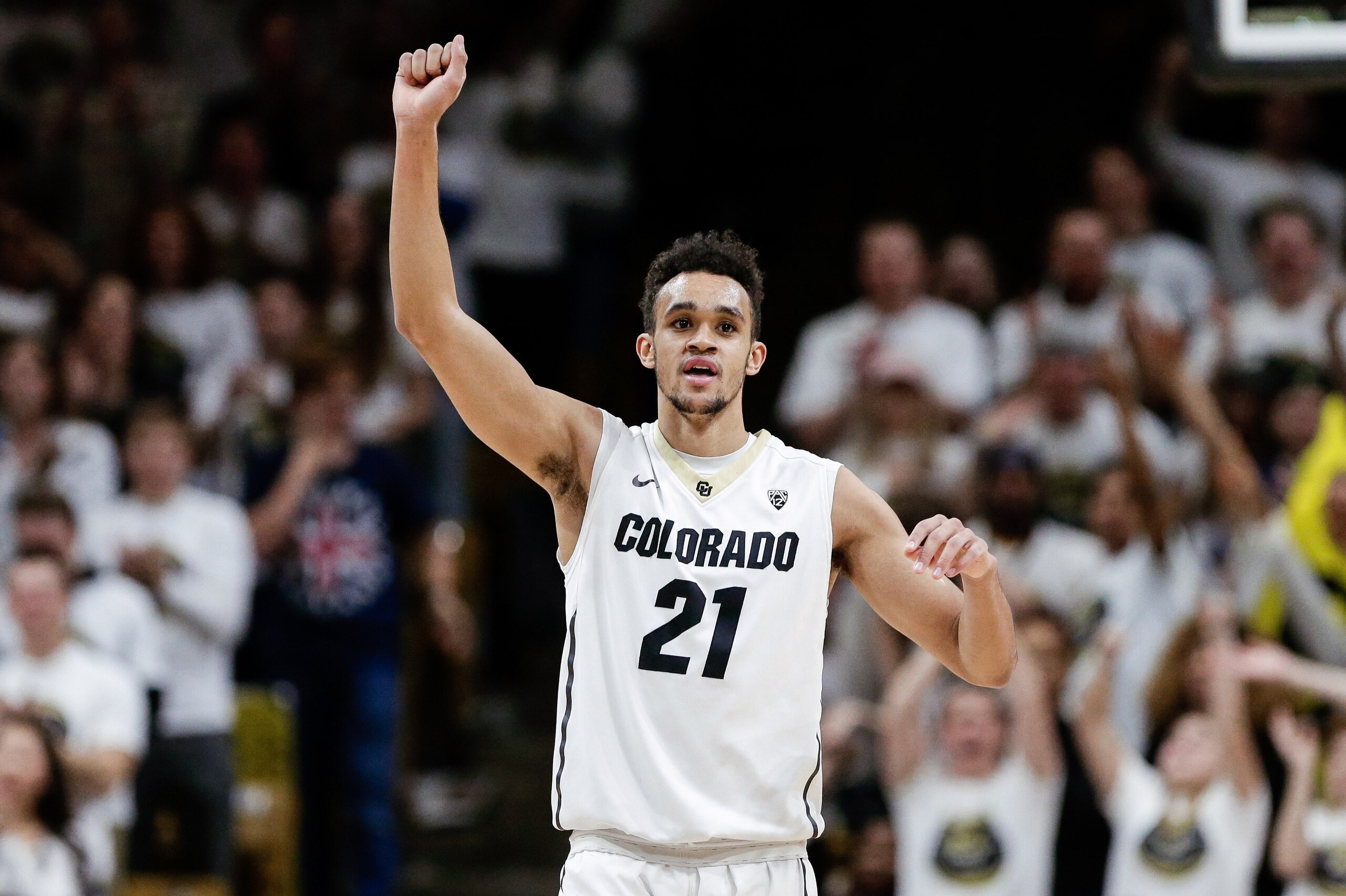
NBA comparison: Randy Foye
Draft projection: No. 20-45
Strengths
Scoring/shot-making
A former Division II standout, Derrick White came out of nowhere to average 18.1 points on 50.7 percent shooting as a senior at Colorado. He scores from all three levels, having converted 96 shots at the rim, 52 two-point jumpers (43.7 percent) and 57 threes, and he got to the free-throw line 6.5 times per 40 minutes.
White's most appealing skill is his pull-up shooting, which shows most off ball screens. He uses rhythm dribbles to rise and fire, and he's competent tossing in floaters on the move.
A crafty shot-creator, White also looked comfortable spotting up off the ball (39.6 percent from three).
Playmaking versatility
White earned the combo label after averaging 4.4 assists per game this past season. His handle and vision should lead to secondary playmaking. He's shown a natural feel for the game, both with his scoring and passing instincts.
Weaknesses
White turns 23 in July, which suggests he's already closer to his prime than many of his fellow draft prospects. He's also an average athlete without an explosive first step. Teams may question whether White will be able to cleanly separate and finish over length. It's also unclear how effective he'll be defending NBA wings.
3. Luke Kennard (Duke, 6'6", Sophomore)
3 of 5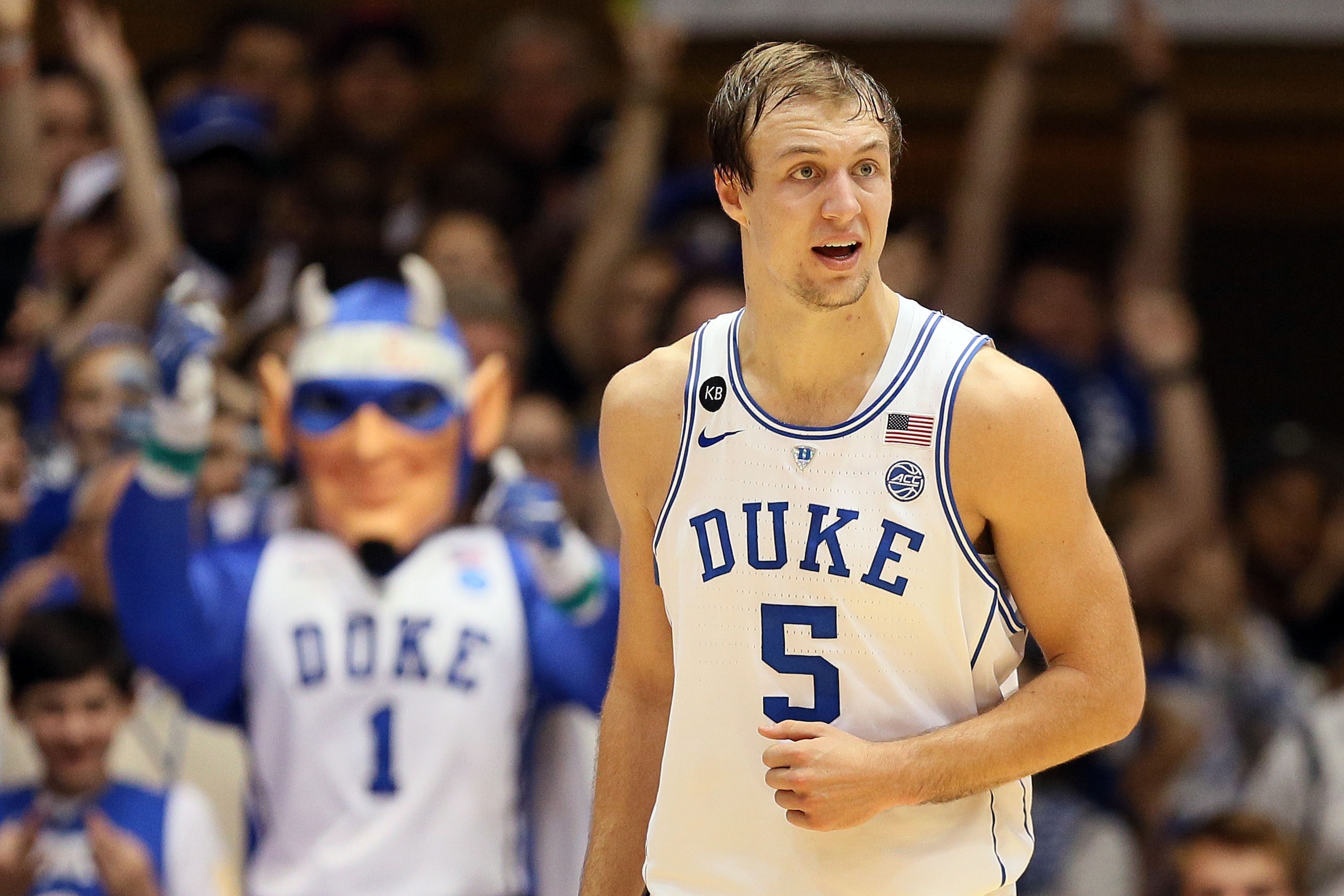
NBA comparison: Rodney Hood
Draft projection: No. 12-20
Strengths
Shooting
If nothing else translates, Luke Kennard's shooting still should. He shot 43.8 percent from three as a sophomore, sinking 88 triples in 37 games. Kennard has a pure stroke, which shows up at the free-throw line (career 86.7 percent), but also from the wings and corners. At the least, Kennard's accuracy and range should keep him afloat as a marksman specialist.
Crafty scoring
Kennard didn't average 19.5 points this past season just by spotting up around the arc. He has threatening handles and high-level shot-making. The Duke product made 94 two-point jumpers at a scorching 48.2 percent clip, showing the ability to knock down shots off the dribble and separate with crafty footwork and fakes.
Kennard compensates for limited athleticism and strength with advanced scoring instincts and skills.
Basketball IQ
Despite playing 35.5 minutes per game and leading Duke in field-goal attempts, Kennard only averaged 1.6 turnovers. His 9.3 turnover percentage is the lowest among projected first-rounders. His basketball IQ also shows up as a passer, where he's proved to be a capable pick-and-roll facilitator.
Weaknesses
Kennard was one of the few prospects at the combine to measure a smaller wingspan (6'5 ¼) than height in shoes (6'5 ½"). He lacks bulk at 196 pounds, and he's a mediocre athlete. Kennard isn't explosive, which raises concerns about his ability to create enough separation on offense, while his limited strength and quickness hurt his defensive outlook. He could ultimately have trouble containing starting NBA wings, making it reasonable to question whether he can handle full-time minutes.



2. Donovan Mitchell (Louisville, 6'3", Sophomore)
4 of 5
NBA comparison: Eric Gordon
Draft projection: No. 8-16
Strengths
Tools/Athleticism
Donovan Mitchell compensates for 6'3" size with a strong 211-pound frame, giant 6'10" wingspan and 40 ½" max vertical. Both quick and explosive, he's one of the top pound-for-pound athletes in the draft.
Scoring/shot-making
Mitchell improved dramatically as a sophomore, both as a shot-creator and shot-maker. With a sharper handle and confident jumper, he's shown the ability to separate and convert on pull-ups and step-backs. And he uses his dribble and burst to change direction, split screens and penetrate.
He also drilled 80 threes in 2016-17, up from 18 the year before.
Defensive potential
Tough, long, powerful and fast, Mitchell has the chance to be a bully of a defender, particularly against opposing point guards. But he'll also match up against 2s and 3s with enough strength, length and competitiveness. His 2.1 steals per game highlight defensive playmaking ability.
Weaknesses
Mitchell's 55.9 percent finishing clip at the rim was below-average. He also hasn't shown much as a facilitator, having only averaged 3.4 assists per 40 minutes throughout his two-year college career, and he rarely got to the free-throw line (3.9 attempts per 40 minutes). Though he touts a lot of positives defensively, he also had lapses in concentration.
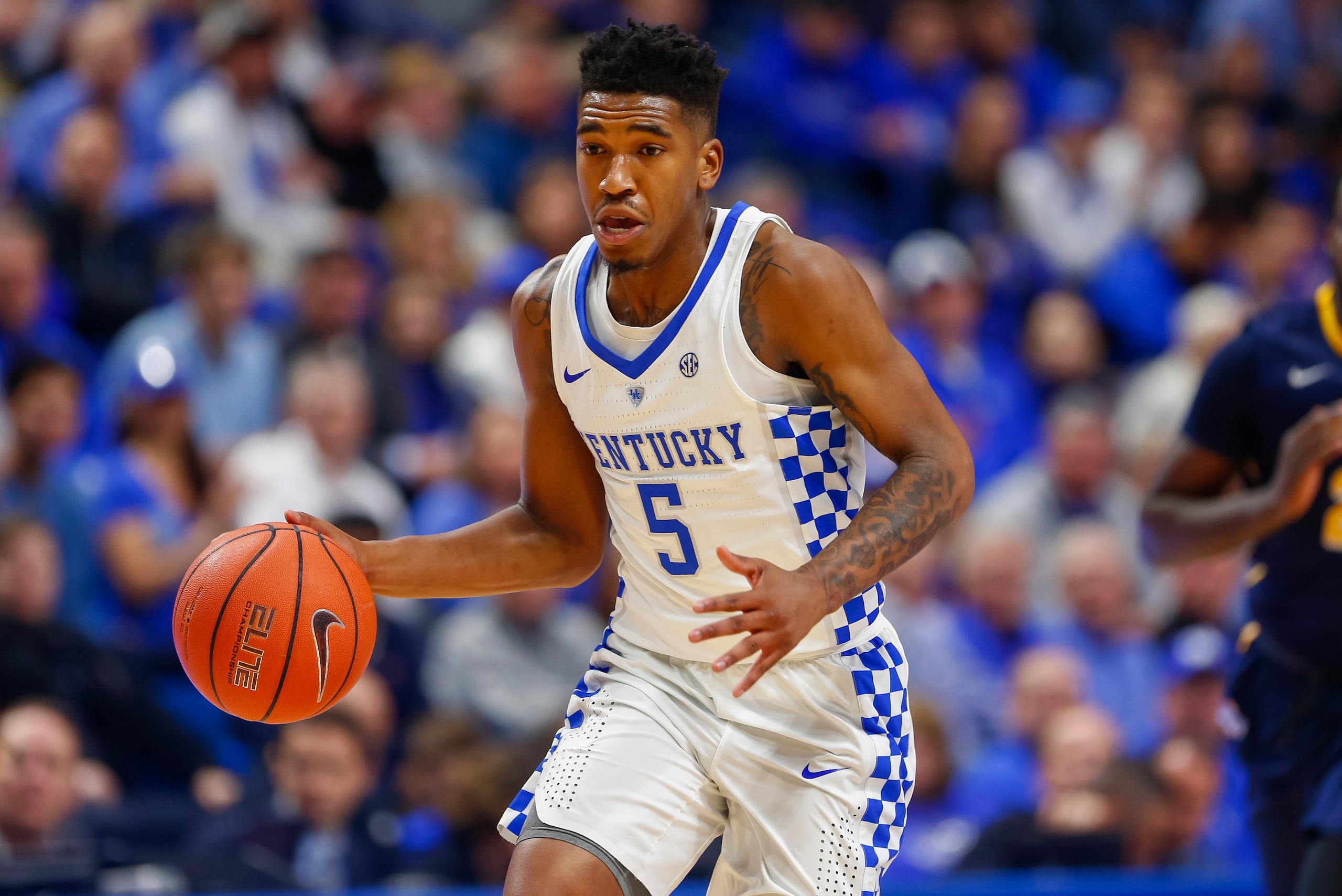
1. Malik Monk (Kentucky, 6'3", Freshman)
5 of 5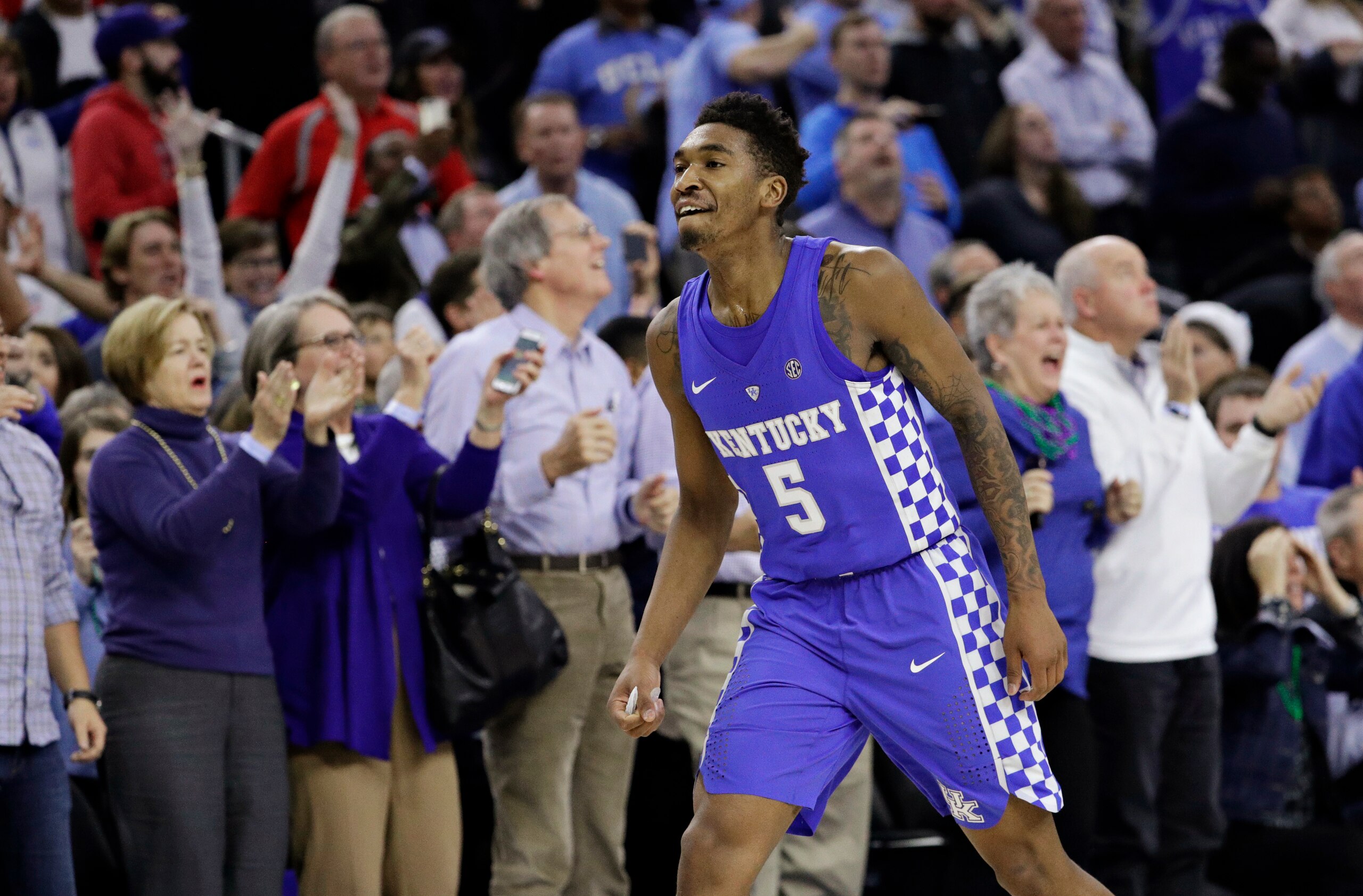
NBA comparison: Ben Gordon
Draft projection: Top 8
Strengths
Athleticism
In the running for top athlete in the draft, Malik Monk can explode above the rim when given a lane to build momentum. He's a high-flier with exciting open-floor agility.
Scoring/shot-making
Monk averaged 19.8 points, and only 20.4 percent of his field-goal attempts came at the rim. He consistently buried defenses with perimeter shooting (104 threes in 38 games) and the ability to make contested shots off spot-ups, screens and leakouts.
Off the dribble, he creates separation with abrupt pull-ups and decisive step-backs. And he's demonstrated natural scoring instincts with offensive improvisation.
Takeover confidence
When Monk's confidence reaches a certain point, he enters takeover mode. He erupted for 47 points against North Carolina, 34 at Ole Miss and 37 against Georgia. On February 25, he poured in 30 second-half points against Florida.
Tight coverage isn't enough once Monk gets hot. He scores in bunches.
Weaknesses
Though a good pick-and-roll lob passer, Monk isn't a true playmaker or polished ball-handler. And at 6'3" with short arms, he'll be undersized against most starting NBA 2-guards.
Being a volume perimeter shooter, Monk can also be frustratingly streaky. He finished below 43 percent from the floor during 12 of Kentucky's final 14 games. Shot selection and consistency could be issues for Monk early in his career, especially if he lands on a team that doesn't provide him with established talent to play off.
All statistics via Sports Reference or Hoop-Math.com, unless otherwise noted.
.jpg?w=2560)


.jpg?w=2560 "Raiders Could Start Mendoza")
.jpg?w=2560 "Rodgers Iced Out on Plane 💎")
.jpg?w=2560 "🚨 Week 8 AP Top 25 Poll")
