


Did you catch a few NCAA games this past year?
Any chance you read Matt Miller mock drafts here or there?
Then, congratulations. As of right now, you’ve put as much time and thought into the NFL draft as almost any current coach. Only the two teams (Browns, Bears) that coached at the Senior Bowl know these kids. The rest of the profession is far too busy with end-of-season details and free-agency preparation to care. They’ll get acquainted with blue-chip names at Lucas Oil Stadium; I’m studying the biggest NFL combine names the same way.
Ready to start two straight months of NFL draft analysis? Not as ready as these 10 prospects need to be when these crucial questions pop up at the combine over the next six days.
Deshaun Watson, QB, Clemson
1 of 9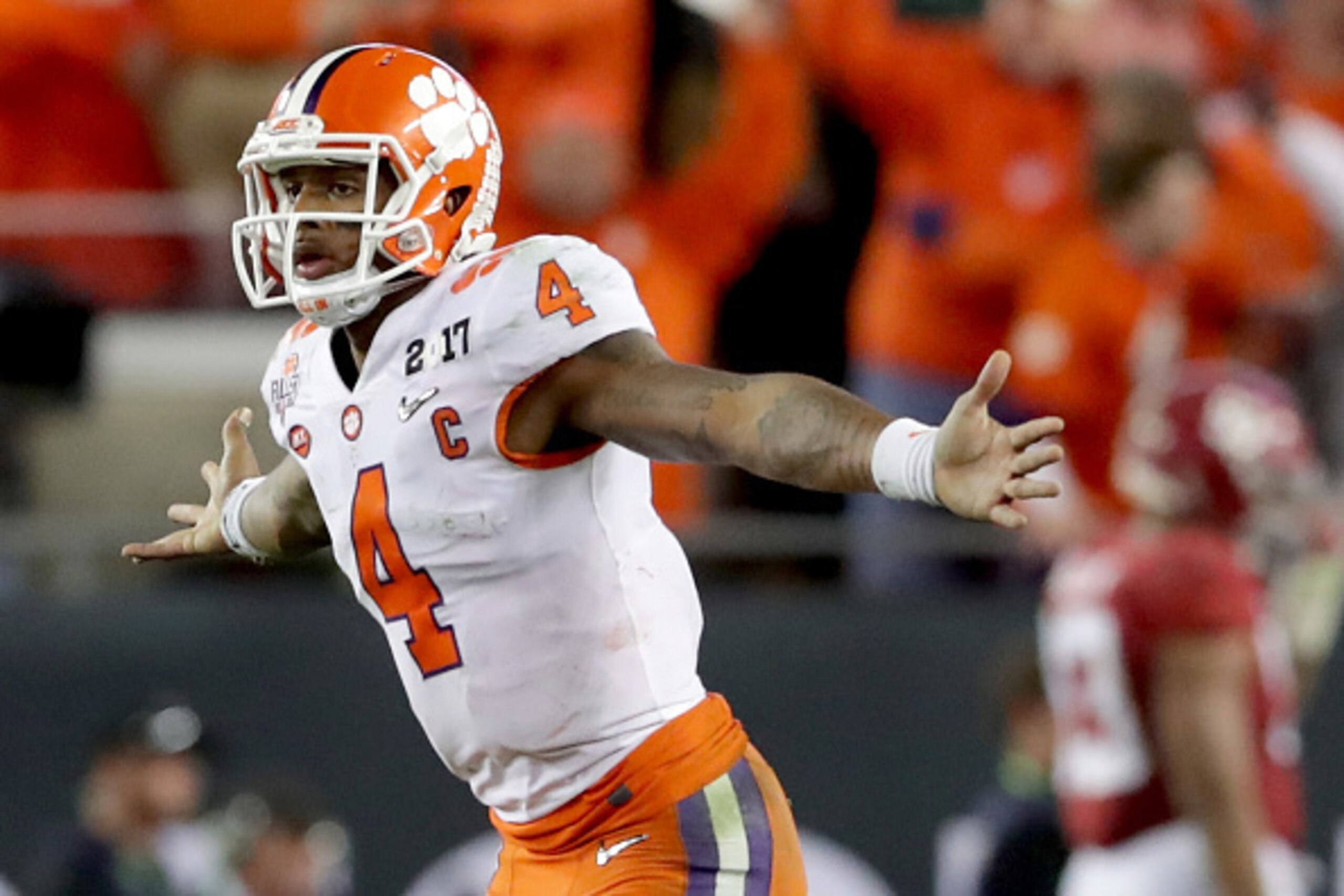
Question: Is consistency going to be an issue?
Every Deshaun Watson game I’ve seen sparks a massive debate in my brain.
On one hand, this kid can THROW. I’m not talking 25-yard post patterns. I’m talking 60 yards downfield with perfect precision. The South Carolina game (six touchdown passes!) in November comes to mind as an example of his undeniable arm talent and potential.
Potential only gets you so far in professional football, though. Ditch the 60-yard throws; can Watson perfectly hit a 10-yard in cut, 10 times in a row? Being an NFL quarterback requires that level of precision every time, not just when everyone’s watching you in the College Football Playoff.
Too many of Watson’s throws got away from him in college. If he does that in the league, he’ll be out of work quickly.
Myles Garrett, DE, Texas A&M
2 of 9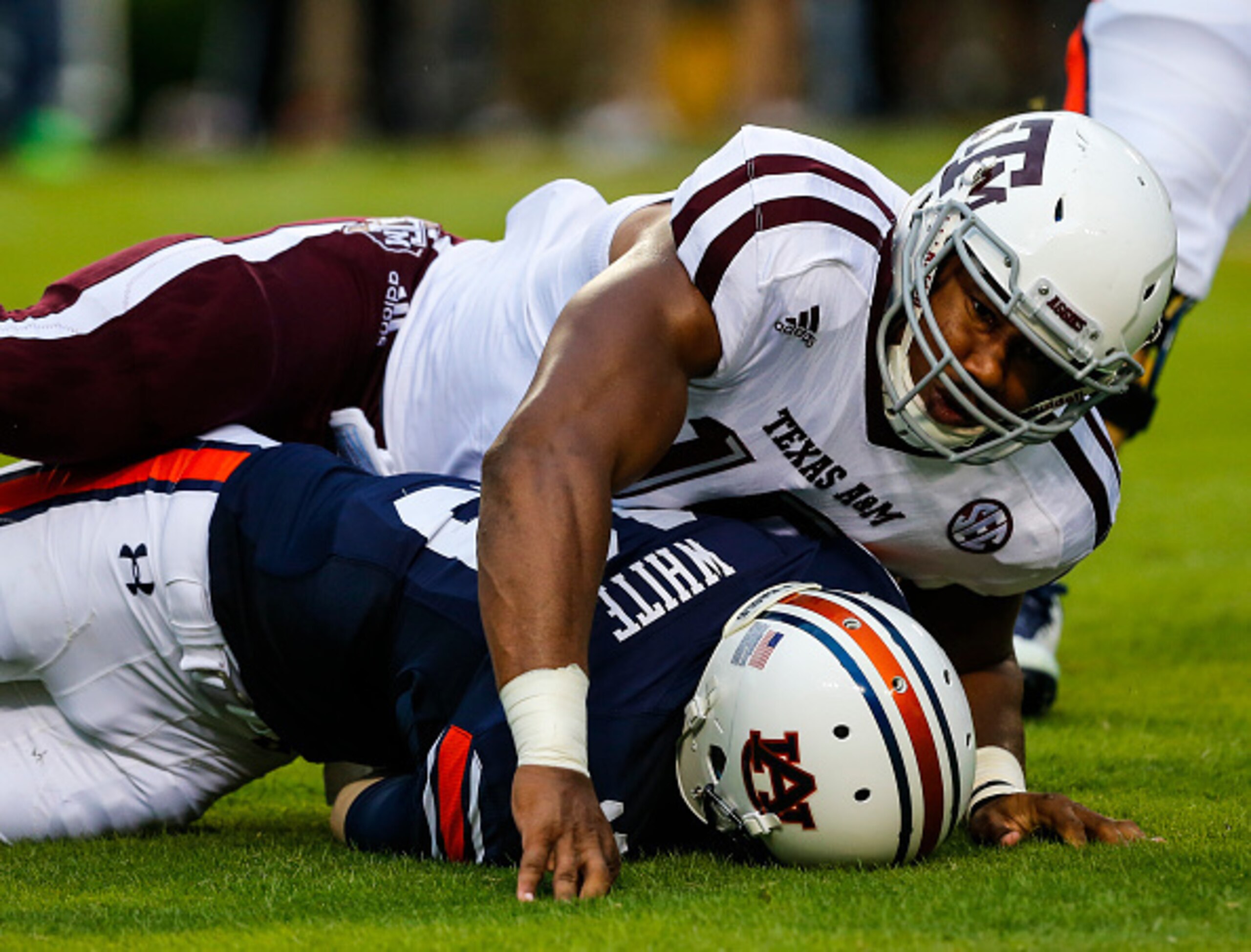
Question: What’s your 10-yard time?
If I’m a scout, I’m clicking my stopwatch one-fourth of the way through Myles Garrett’s 40-yard dash.
Of course, Garrett is already recognized as a freak athlete. With a nearly 270-pound frame, he reminds many of Von Miller or Jason Pierre-Paul. He did his work in the toughest conference in college. A 40-yard dash won’t confirm his skills.
But his time through the first 10 meters might. That’s the space a team like the Cleveland Browns will ask him to hold down as a 4-3 defensive end or stand-up outside linebacker. Time that to see if Garrett’s first few steps match up with his No. 1 overall pick potential.
Pat Mahomes II, QB, Texas Tech
3 of 9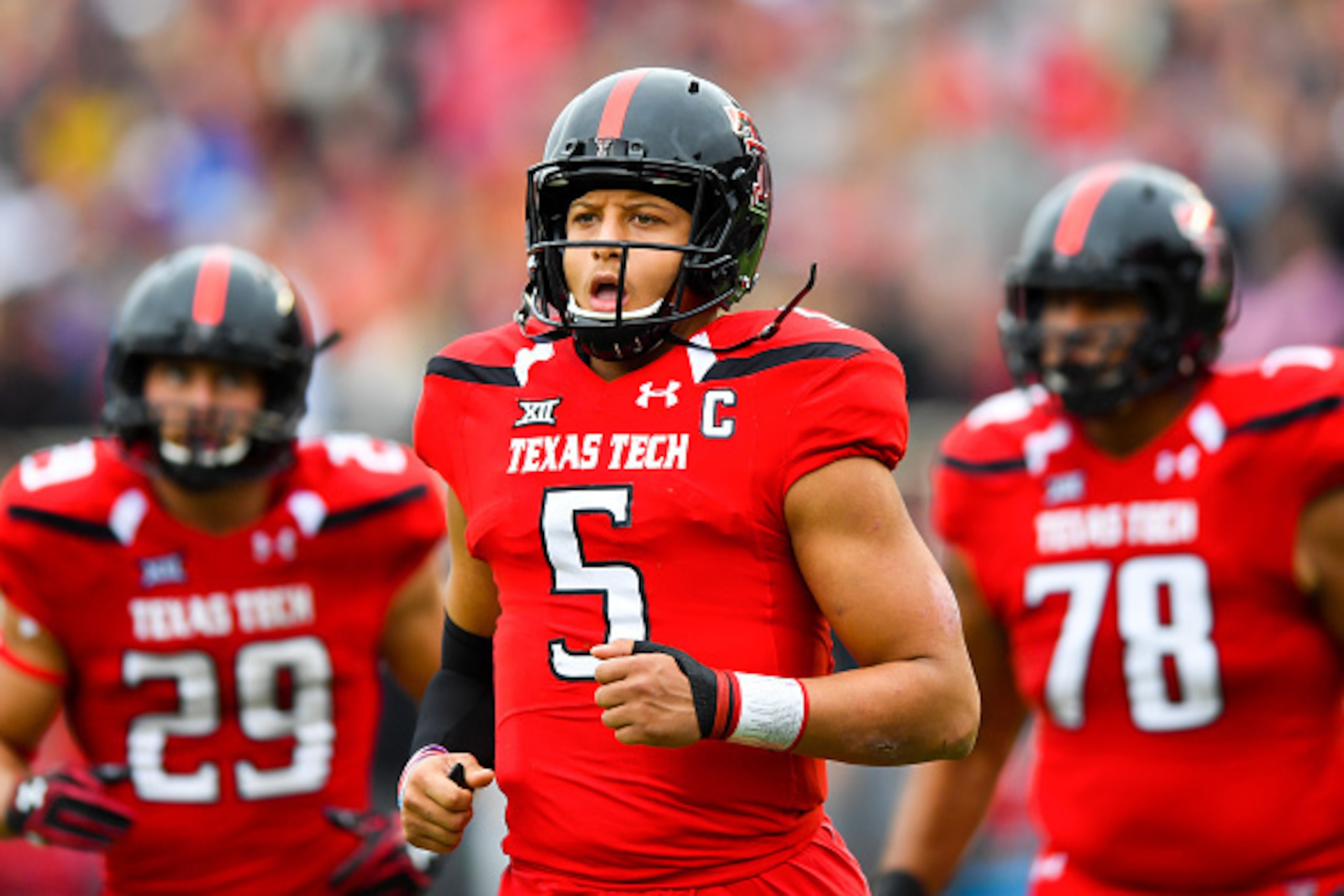
Question: Can you adapt to the professional game?
You’re not in Lubbock anymore, kid.
This is the NFL—where plays aren’t held up on goofy sheets, snaps come from under center and progressions involve more than one receiver. Pat Mahomes II needs to prove he can transcend the Air Raid offense before I'd feel comfortable picking him to lead an NFL offense.
The son of a former MLB pitcher has superstar potential as a thrower and as a dual-threat athlete. He looks like Ben Roethlisberger, but looks will only get him so far. He needs to be ready for the nuances of a different game before a team selects him, throws him on a practice field and expects him to grow.
.jpg?w=2560 "Rams Raiders Football")

Leonard Fournette, RB, LSU
4 of 9
Question: Are you multidimensional?
Everything that made Leonard Fournette great on Saturdays might hurt his draft stock for Sundays.
Remember: LSU’s offensive playbook basically asked the highly touted back which direction he’d like to run in. But by being a bell-cow ball-carrier, did Fournette develop his blocking skills? What about his abilities as a receiver out of the backfield?
Considering the freak athlete in question, both answers are probably "yes." Fournette can put both topics to bed by acing the receiving and blocking drills on the combine’s first day, though. And even if he’s shaky there, a 4.4 40-yard dash time could warrant a top-five selection.
Mitch Trubisky, QB, North Carolina
5 of 9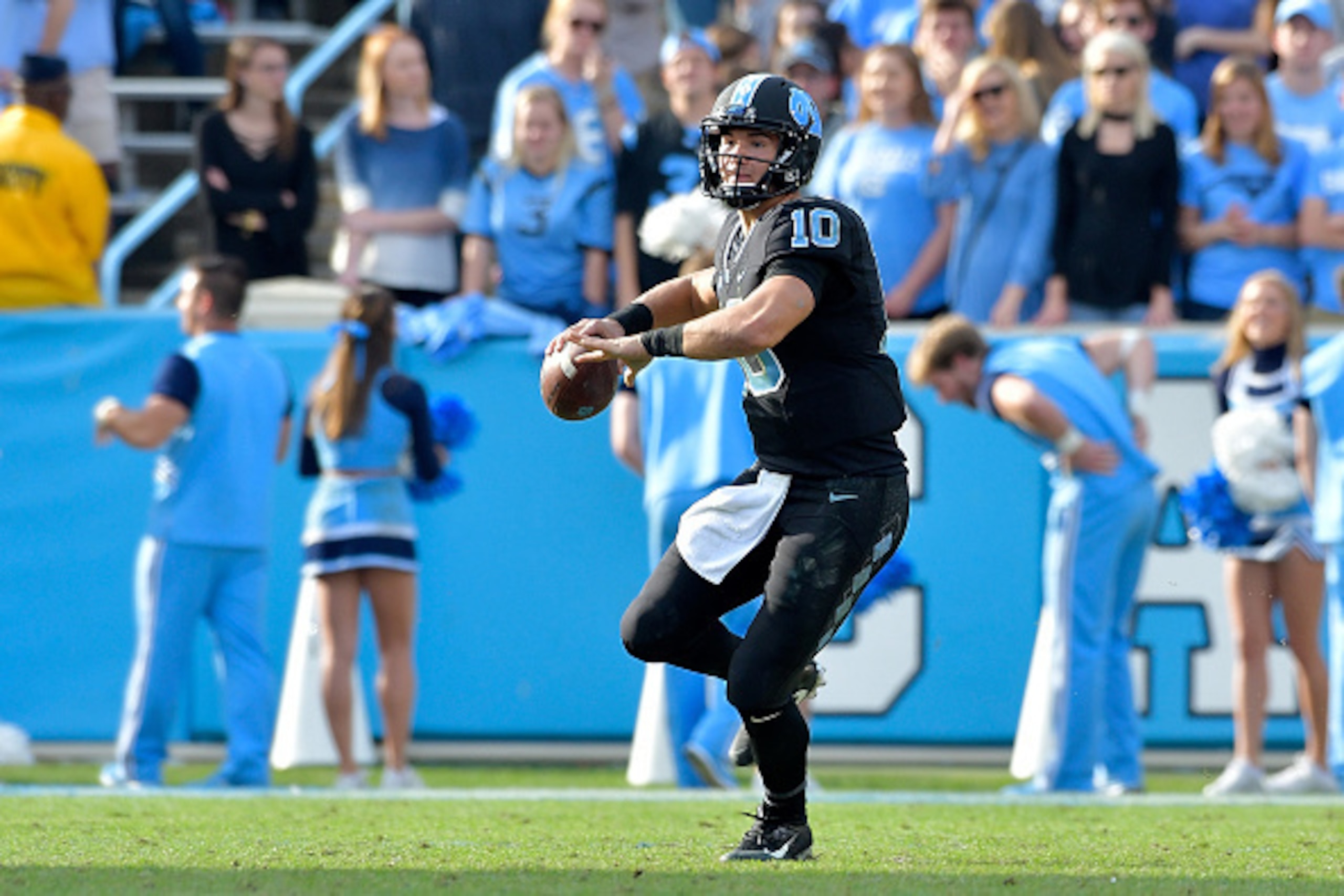
Question: What took so long at North Carolina?
Quarterback competitions don’t go down in Chapel Hill the same way they do in Tuscaloosa or Columbus.
So Mitch Trubisky’s path to the Tar Heels’ QB1 job was littered with fewer top prospects than a normal football factory. And it still took him three seasons to earn the starting nod. Every pro scout should have a red flag raised here.
Trubisky’s next team will ask him to command a huddle and tell 30-year-olds what to do. Not every person is alpha enough to take that task on. Teams need to decide if Trubisky can with only 13 starts of evidence to back their pick up.
Dalvin Cook, RB, Florida State
6 of 9
Question: Can you be the man?
Florida State’s career rushing leader has few faults to his game.
But that’s what talent evaluators are paid to find. And they may find it easy to knock Dalvin Cook as he works out next to Leonard Fournette all weekend long.
Why? Fournette is 10 pounds heavier and powerful enough to keep a running-back-by-committee approach at arm’s length. The same can’t be said for Cook, who weighs in at a media guide’s 214 pounds but relies more on speed and sizzle. Those guys normally don’t carry the rock 25 times every weekend.
One word of caution: In compensating for a lack of perceived size, Cook shouldn’t compromise that speed and sizzle. Any attempt to add pre-combine poundage should come with the ultimate goal of looking the part but sacrificing no time from his 40-yard dash.
Jabrill Peppers, LB/DB, Michigan
7 of 9
Question: What position do you play?
High school prospects without a proper position get the “ATH” designation—short for athlete, someone who could thrive at multiple spots.
Jabrill Peppers never peeled that label off at Michigan. Now the NFL draft is approaching—teams are on the hunt for talented players who can do specific things at an elite level—and the former Wolverine is still a question mark. His elite skill is returning punts, but that’s it.
Drill work is more important to Peppers than any other prospect at the combine. There, scouts will evaluate his coverage skills (backpedal, catching ability, range). If he doesn’t fit in as a defensive back, I’m not sure he can fit in this league at all.
DeShone Kizer, QB, Notre Dame
8 of 9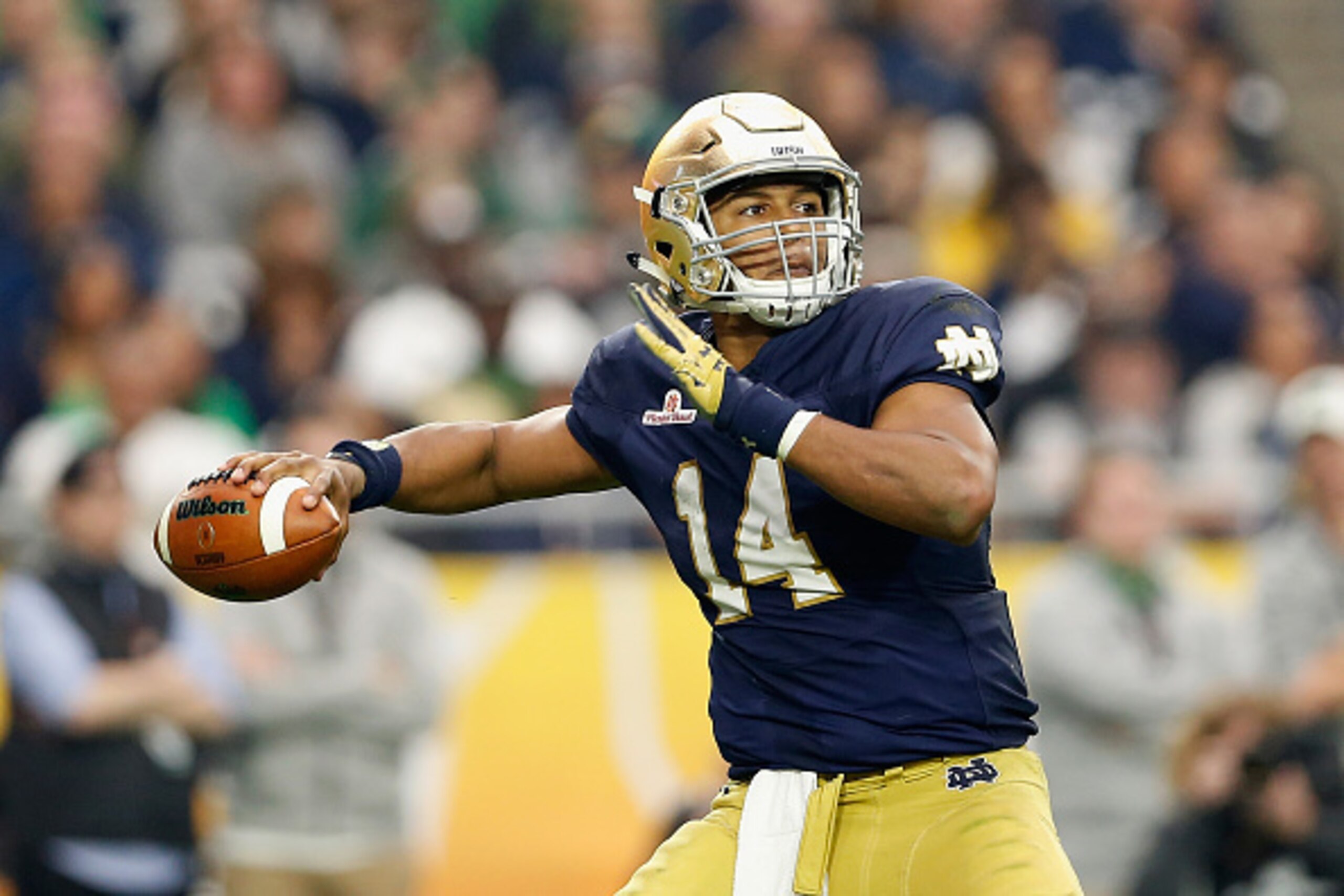
Question: What the hell happened at Notre Dame?
Elite quarterback prospects are supposed to elevate their teams, not sink alongside them.
So scouts will have lots of questions for DeShone Kizer, who was billed as a No. 1 overall pick candidate and as a future bust in one head-spinning junior season.
Combine questions could and should touch on Kizer’s demotion against Stanford. After Kizer threw back-to-back interceptions, Irish coach Brian Kelly sat his star quarterback for three series in favor of a common foil, backup Malik Zaire. And Zaire beat out Kizer for the starting gig in 2015.
I’d need to hear Kizer’s side of the story before I consider him a top-25-caliber guy. Even then, his throwing inconsistencies make it tough to justify.
Mike Williams, WR, Clemson
9 of 9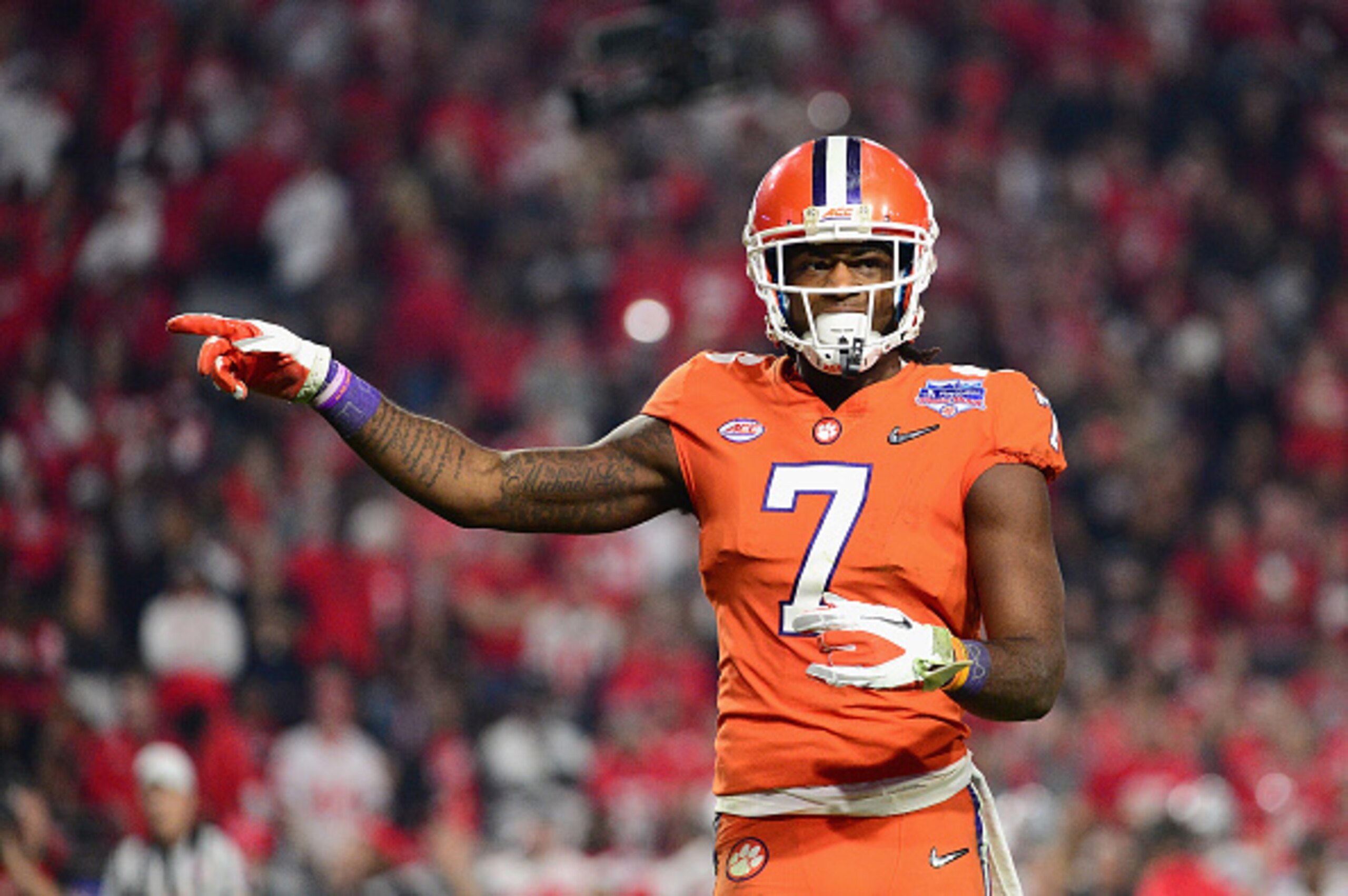
Question: Can you be effective without being fast?
Want to be a No. 1 receiver in today's NFL? Speed isn't a requisite.
Mike Williams can get by in the same way some towering pass-catchers do—with long arms, a wide catch radius and play to match a tall frame few cover corners can counter. Think of Clemson's former top target as a less plodding Kelvin Benjamin.
Williams could be even better in the pros, where defensive backs are vilified for in-play contact. He just needs to show a little "get-off," the term scouts use to describe the first couple of steps receivers use to separate off the line of scrimmage. After that, the former Tiger can rely on his 6'3", 225-pound frame.
.jpg?w=2560 "Steelers Saints Football")




.jpg?w=2560 "🚨 Week 8 AP Top 25 Poll")