Best Longform Sports Articles of the Past 5 Years
In the age of the sound bite and instant gratification, the best longform sports stories of the past five years resonate even more, because they forced us to stop, take our time and enter worlds and lives we thought we knew, or in some cases, knew nothing about.
What separates these pieces is that they gave readers the five basics of who, what, where, how and how, and then confounded expectations with revelations and details that made readers reconsider everything about the subject of the piece. Longforms are less concerned with providing information, and more concerned with gaining insight into a subject or event.
The stories represented here remind us that at its best, sportswriting can be as powerful, dramatic and compelling as any movie or athletic event, and they can also do another thing that seems impossible in the digital age: make you care.
Who Killed Lorenzen Wright? Sports Illustrated 11/18/15
1 of 8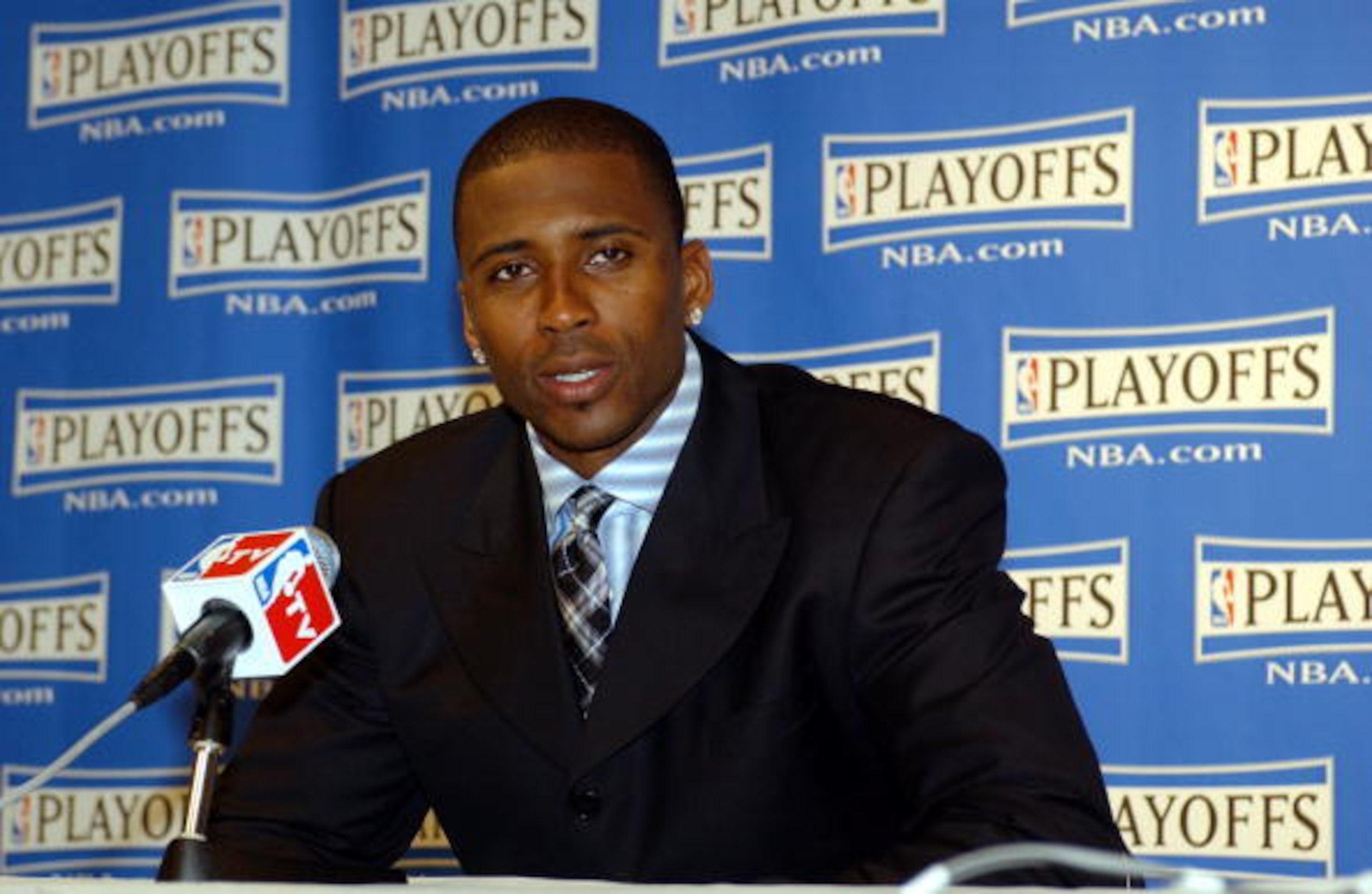
Jon Wertheim is one of the finest writers in the business, and his SI.com longform piece on former NBA player Lorenzen Wright is prime evidence of his talent.
Wright was one of those basketball players fans vaguely remember because he was never a star, but he wasn’t a scrub either.
And very few fans knew he had died, much less been murdered.
Wright played 13 years in the NBA and was something of a journeyman, plying his trade for five teams.
Wertheim sets up the story with a thriller-like description of a man’s pained-filled voice as he spoke to a 911 operator on the night of July 19, 2010, in Memphis, Tennessee.
The man gasps, "Gunshot…gunshot."
That man was Wright, and shortly after those words were uttered, there was the sound of gunshots, and the line went dead.
Wright was shot in the head and chest and died quickly.
But his downfall was long, and Wertheim does a remarkable job of retracing Wright’s life from his college days playing for Memphis, through his NBA stints, his post-playing days of aimlessness, despair and shady figures, punctuated by the death of his 11-month-old daughter, Sierra, of Sudden Infant Death Syndrome (SIDS).
The story is tragic, but it’s also a mystery that may never be solved.
Who killed Wright?
The story ends with a twist, but the answer isn’t what's important.
Nick Saban: Sympathy for the Devil: GQ 08/25/13
2 of 8
The title tells the tale, and Warren St. John’s in-depth analysis of the character and soul of college football's most misunderstood and polarizing figure humanizes a man whom many view as cold and robotic.
St. John understands all the preconceptions we have about Saban, and he puts them all on the table for examination.
But he also defies those preconceptions by showing us Saban’s other side and making him a near-tragic figure because of his inability to ever feel satisfied.
One stark example: Two days after Saban won the 2012 national title, he told one of his closest friends, "That damn game cost me a week of recruiting."
And then after being reminded that a championship would likely aid in recruiting, Saban almost sheepishly responded, "Maybe that was good."
But then there are other moments that surprise, such as when Saban asserts with force, "Mick Jagger can sing. Mick Jagger is a great entertainer."
One must read the piece to understand the context, but suffice to say, who would have thought Mr. Never Smiles is a Rolling Stones fan?
This was a fair and balanced analysis of a man whose life credo "right is never wrong," pushes him to seek excellence long past the time when most people would have stopped trying.
Dan Shanoff of USA Today ranked this profile as one of the greatest pieces of sportswriting in 2013.
Black and Blue: The Player’s Tribune 12/09/15
3 of 8
The first line of this first-person story (which contains profanity) written by retired NHL player Patrick O’Sullivan sets the tone for a disturbing tale.
Short-listed by Sports Illustrated's Richard Deitsch as one of the best examples of sports journalism in 2015, the piece recounts the child abuse O’Sullivan suffered at the hands of his father.
In simple, clear and stunning detail, O’Sullivan tells readers how his entire childhood was a series of domestic faceoffs with his father, whose temperament would waver depending on how well O’Sullivan performed on the ice.
When you read sentences such as, "He would put cigarettes out on me. Choke me. Throw full soda cans at my head," you’re horrified.
O’Sullivan tells you why it happened, and then he turns the camera on people who saw the abuse and looked away.
"You better play well out there today, because if you don’t, it’s going to be bad tonight."
These are not the threatening words of O’Sullivan’s father.
His mother, who did nothing to stop the sickening abuse, spoke them.
This is a child-abuse story about sports.
It’s also a sports-abuse story about children.
You won’t feel the same way about kids and sports after reading this superlative piece.
.jpg?w=2560 "Titans Giants Football")

Run and Gun: Foxsports.com 06/30/14
4 of 8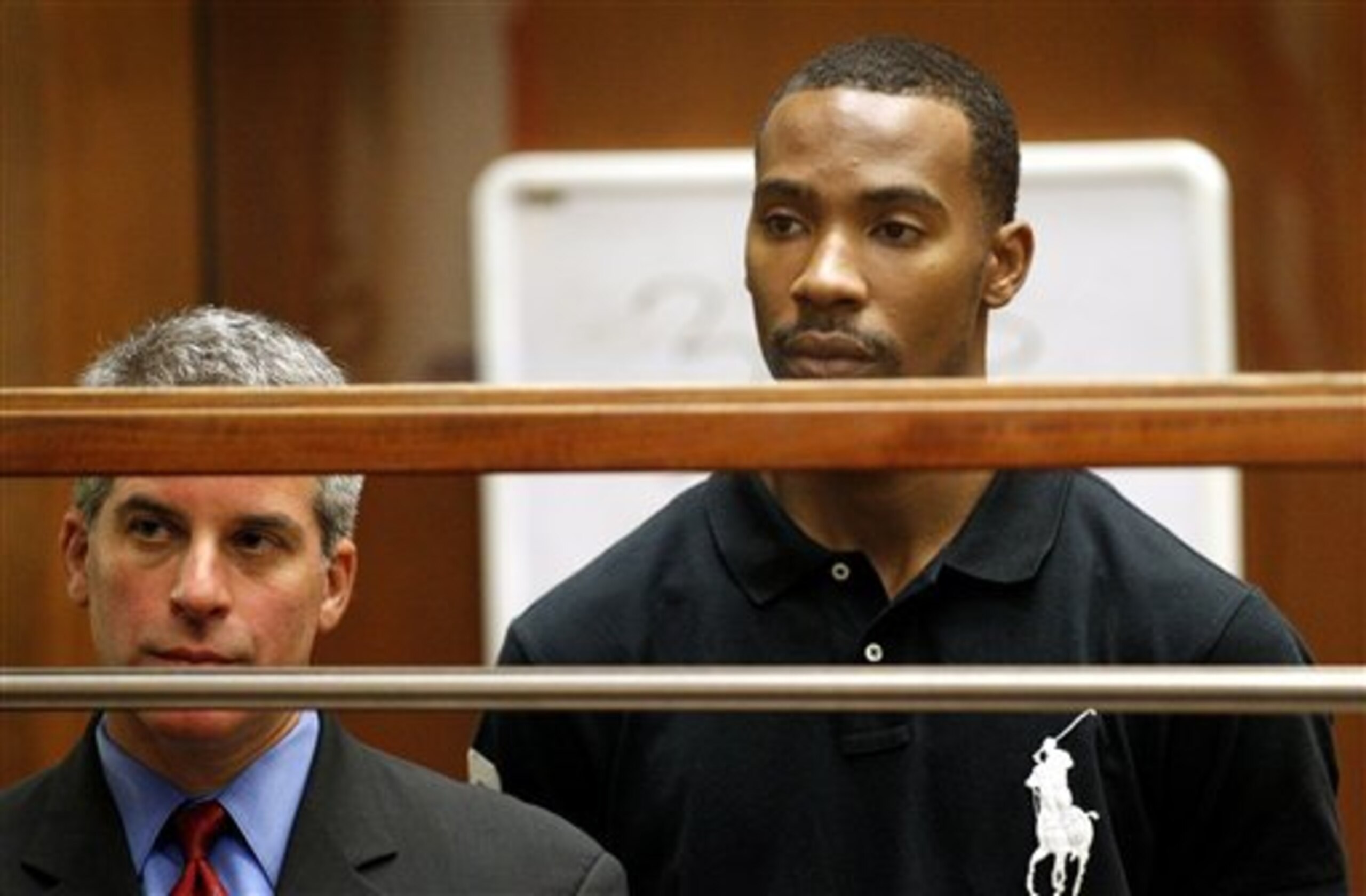
Flinder Boyd’s startling Fox Sports article about the precipitous fall of former NBA player Javaris Crittenton made Glenn Stout's prestigious list as one of the best American sports writing pieces of that year.
Crittenton’s story is confounding, tragic, unnecessary and riveting.
He was a former No. 1 pick of the Los Angeles Lakers with unlimited potential, a great Atlanta kid whom everyone loved and rooted for because he had such deep roots in the city.
But he had a cup of coffee with the Lakers and was traded in 2008 to the Memphis Grizzlies in the blockbuster Pau Gasol trade.
Despite his skills, Crittenton played for five teams in the next three years.
And then he had the misfortune of ending up on the Washington Wizards with Gilbert Arenas, and after an altercation over a card game, both players brought weapons to the locker room the next day and the league suspended them for the remainder of the season.
From there, Crittenton spiraled into the Los Angeles and Atlanta gang culture. The ending is not happy or redeeming or logical in any way.
Read this piece to understand how one bad decision can spiral into a series of wrong turns that ends with a jail sentence and leaves readers wondering whether Crittenton's involvement with gangs began before or after his NBA career started.
The Malice at the Palace: Grantland 03/20/2012
5 of 8If you think you know everything about the infamous brawl between the Indiana Pacers and the Detroit Pistons on November 19, 2004, at the Palace of Auburn Hills in Michigan, you’re wrong.
Jonathan Abrams’ sports verite tale lets the main players as well as fringe participants detail every second of that seminal event, giving readers a macro and a micro view of all the small moments that led to the melee.
Justin Peters of Slate.com ranked this as one of now-shuttered Grantland’s best stories, calling it an outstanding example of oral-history sports reporting.
Abrams sets the tone by explaining to readers that the seeds of tension between the two teams occurred the year before in the Eastern Conference Finals that had been plagued with hard fouls and near-brawls.
The rest of this longform piece is a brilliant and confessional tale that allows many of the players involved, such as Jermaine O’Neal, Ron Artest (before he changed his name to Metta World Peace) and Stephen Jackson.
What gets captured in raw detail is how much the Indiana Pacers players felt as if the crowd would kill them.
In the players’ words, you hear genuine fear that a mob of fans would tear them apart with their hands, or as then-assistant Pacers coach Mike Brown said, "It was the scariest moment I’ve ever been a part of in my life."
Five Pacers players and five fans were charged with assault and battery, and Artest’s long suspension cost him nearly $5 million.
Death in a Cell: Bleacher Report 05/14/15
6 of 8
Long before he died mysteriously on a small cot behind bars this past January, former NFL running back Lawrence Phillips faced trying circumstances and regrettable decisions.
Bleacher Report’s own Lars Anderson wrote a devastating piece on Phillips after he was accused of murdering his cellmate, Damion Soward, probing into the events surrounding the death as a means of examining how an athlete of such immense talent as Phillips ended up in prison.
Anderson’s narrative details how nothing is what it seems in this story.
Phillips was intellectually gifted from the time he was a child, and in prison, he read books on every subject and worked on filing an appeal for his conviction.
And as you get lost in the depth of detail about Phillips’ model behavior as a prisoner and learn about the gang-related vendetta that may have placed Soward in Phillips’ cell for what a friend of Phillips calls a hit, your preconceptions are challenged, and you find yourself rooting for Phillips.
And rooting for Phillips does not mean dismissing the events that placed him in prison to begin with; it simply means you understand him as a deeply flawed human being instead of just a monster.
Lost Soul: Sports Illustrated 10/23/13
7 of 8
Sports Illustrated's Chris Ballard traveled to Tahiti to tackle another sports mystery—this time the disappearance and likely murder of Bison Dele, a former NBA player who once balled under his birth name of Brian Williams.
Selena Roberts, writing for Sports On Earth, ranked Ballard's opus as one of the best longform sports stories of 2013.
Dele was a Renaissance Man who just happened to be good enough to play in the NBA, an odd duck who always viewed basketball as the thing he did to support all his other interesting habits.
He never seemed to fit into a hyper-macho culture that prized trash talk and demonstrative behavior as the ultimate expressions of masculinity.
How different was Dele?
He loved art, traveling and literature, while barely tolerating basketball as a means to an end.
His green eyes, chill persona and personal magnetism earned him bags of envelopes in which married women wrote him breathless notes pledging to leave their husbands for just one night with Dele.
He dated Madonna and found her boring.
His father, who left when Dele was young, was once a member of the famous group The Platters.
Dele was prone to depression and once swallowed 15 sleeping pills.
He had an older brother he loved and hated named Miles Dabord, and on July 7, 2002, somewhere out in the waters off the coast of Tahiti, on a boat with Dele, his girlfriend, Serena Karl, Dabord and the captain of the vessel, everyone disappeared with the exception of Dabord, who later reportedly assumed his brother's identity.
How things got to that point and why Dele died are the bookends of a marvelous story about a man who lived more in his 33 short years than most people do in a lifetime.
The Meaning of Serena Williams: The New York Times 08/25/15
8 of 8
What do fans really know about Serena Williams?
Beyond the well-known story of her father Richard training Williams and her older sister Venus to become the first tennis champions from Compton, what do we really know?
Claudia Rankine takes on this existential mystery in a story that is less a profile than a confessional from the greatest female tennis player of all time.
In exploring Williams’ assault on the most cherished records in a white-dominated sport, Rankine is revealing less about Williams and more about how what Williams calls "black excellence" makes tennis fans uncomfortable.
Williams reveals her fears, frustrations and the fury that drives her to physically dominate a sport that is known more for its finesse than the power she brings to every serve.
Rankine’s ability to catch Williams in vulnerable moments that reveal her humanity is probably why Cure Editor ranked this as the eighth-best longform story of 2015.
After you’re done reading this piece, you may not like Serena Williams, but you’ll damn well respect her.

.jpg?w=2560 "Saints Lions Football")

.jpg?w=2560 "Report: Baker May Miss Up to 6 Weeks")