

Ranking the 10 Most Important Years in Boxing History
Writing about boxing is always fun, but some assignments are a special treat. This article was one of them. Narrowing down the history of the Sweet Science to the 10 most important years was a challenge, but an extremely enjoyable one.
It was tempting for me to expand the scope of this piece all the way back to the mid-1700s, when professional prizefighting developed in England. I would have had to include 1860—the year British champion Tom Sayers fought to a two-hour draw with American standard-bearer John C. Heenan, in what might be regarded as the first true world-title fight. I would have needed to mention 1889—the year John L. Sullivan defeated Jack Kilrain in the final, legitimate, bare-knuckle world championship.
Limiting myself to just the gloved era made my project easier, if no less interesting.
Like so many boxing lists, Muhammad Ali dominates here. I make no apologies. Our most iconic star reigned over one of the sport's greatest eras, at a moment when boxing enjoyed tremendous cultural importance.
10. 1982: The Duk Koo Kim Tragedy
1 of 10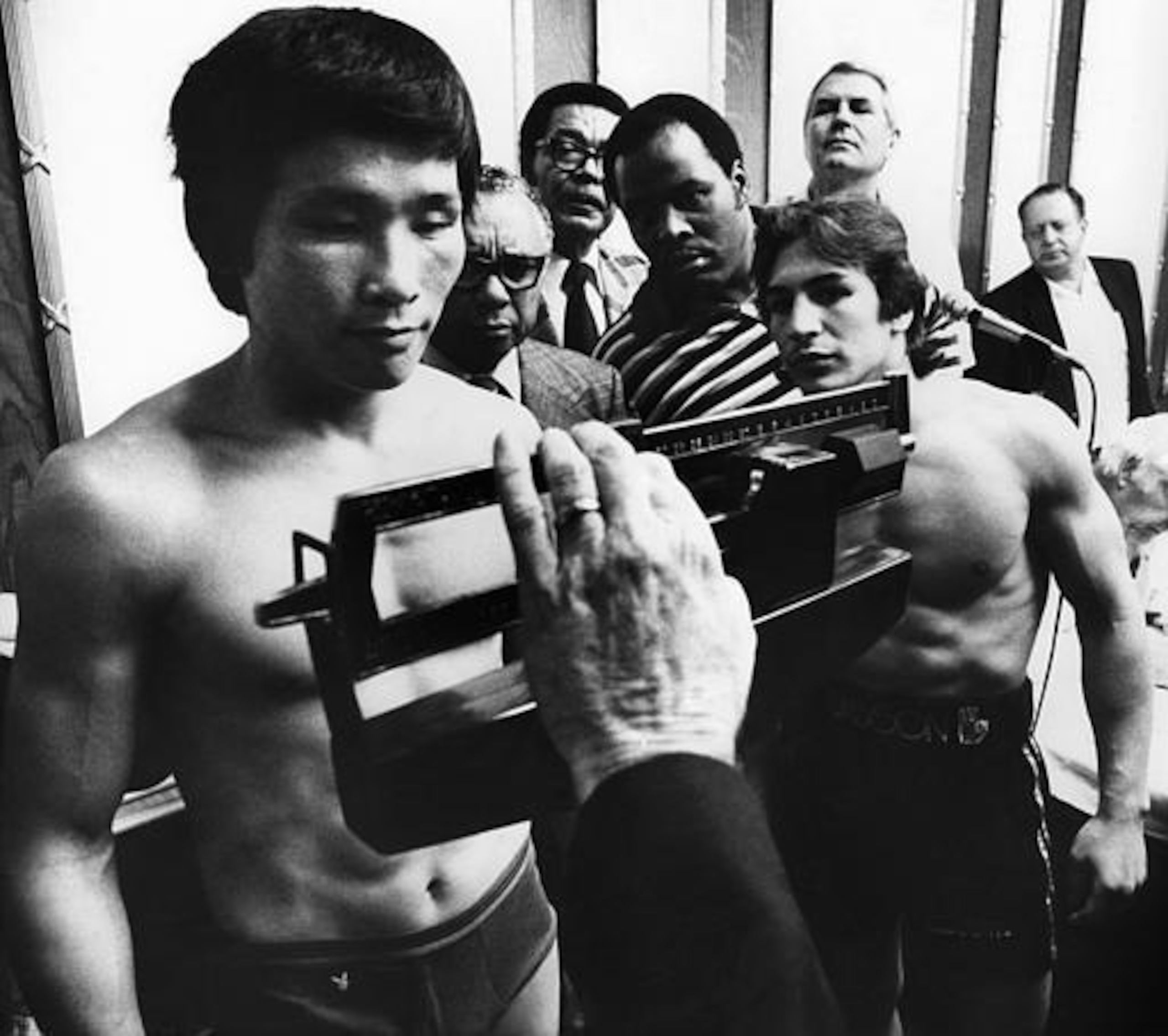
In grade six, when I was 11, I watched Duk Koo Kim suffer the injuries that would eventually kill him, on live television, in a fight with Ray Mancini. Mancini was among my favorite fighters. The all-action lightweight was featured regularly on network television.
When Mancini defended his WBA belt against Duk Koo Kim on November 13, 1982, it was not expected to be much of a test. The South Korean was lightly regarded, never having fought outside of his native country.
Instead, Kim came prepared for an all-out war. If not for the resulting tragedy of this bout, I would still remember it vividly as one of the most exciting I watched during my childhood. For the first 11 rounds, the champion and challenger fought back-and-forth on even terms.
In the championship rounds, Mancini began to take control of the fight, though Kim continued to come forward relentlessly. In Round 14, Mancini finally dropped Kim for the count.
Briefly, Kim made it back to his feet, then collapsed again. He had to be taken from the ring on a stretcher and never regained consciousness, dying five days later.
The tragedy of Kim's death was the catalyst for reducing championship bouts from 15 to 12 rounds, one of the most significant changes in the history of the sport.
9. 1980: Enter the Kings
2 of 10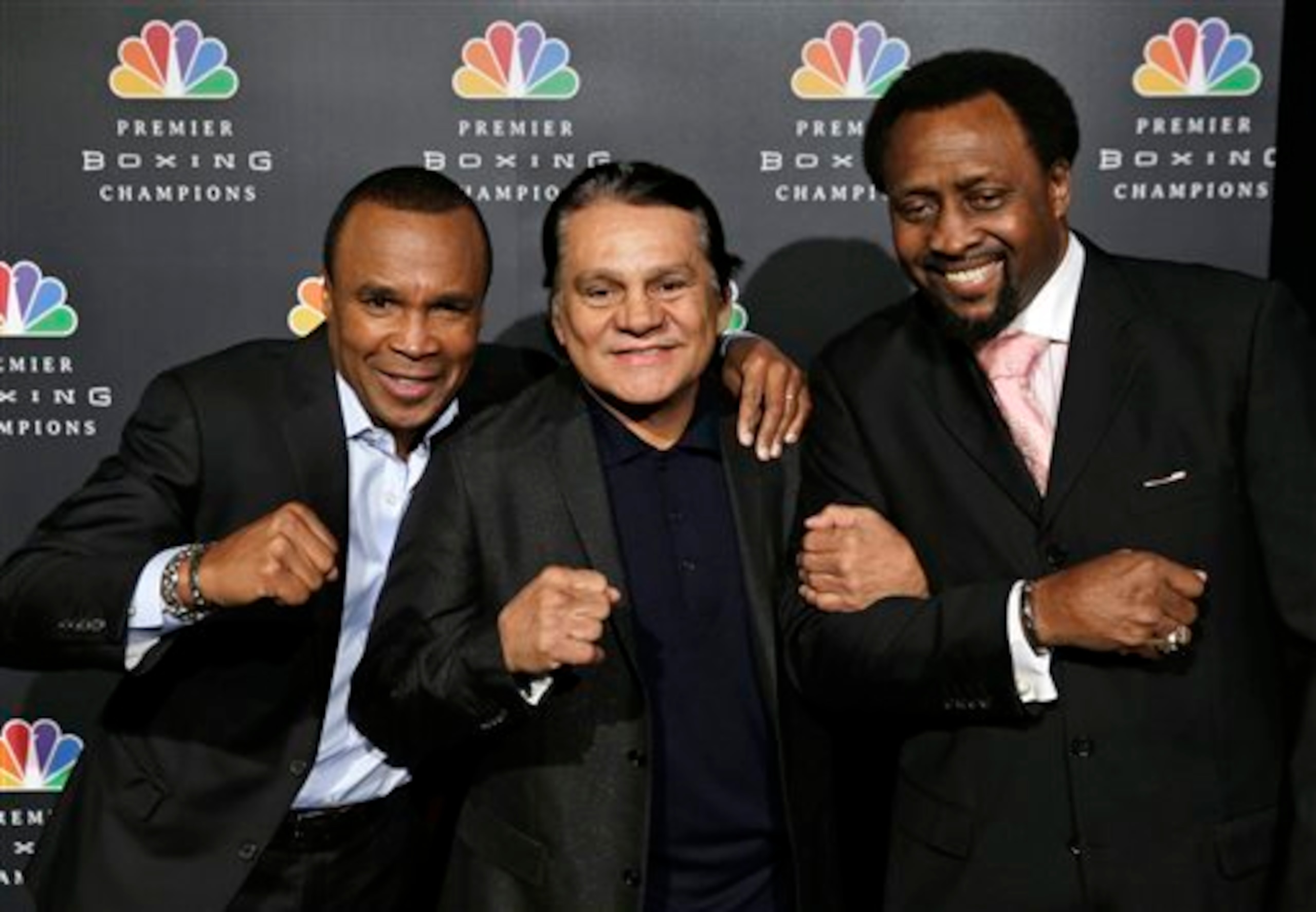
Most of the years mentioned on this list are included due to a specific, major fight. But 1980 is important for the era it established—the time of the Four Kings. Ray Leonard, Marvin Hagler, Tommy Hearns and Roberto Duran combined to dominate the 1980s, both in the ring and at the box office.
And 1980 was the year it all kicked off.
The two major fights of that year were between Leonard and Duran. In June, Duran moved up from lightweight and out-brawled Leonard in Montreal, to capture the WBC welterweight title. Leonard defeated Duran five months later, in New Orleans, frustrating the legend so badly, he quit, in the infamous "No Mas" fight.
But 1980 was also the year Hearns and Hagler both became champions. In August, Hearns confirmed his fearsome, "Hitman" reputation, whacking Pipino Cuevas in two, to capture the WBA welterweight belt.
After spending the late 1970s as boxing's most avoided fighter, Hagler travelled to England in September 1980, where he destroyed Alan Minter in just three rounds, becoming the undisputed middleweight champion.
Everything was in place for a golden decade of boxing.
8. 1975: The Thrilla in Manila
3 of 10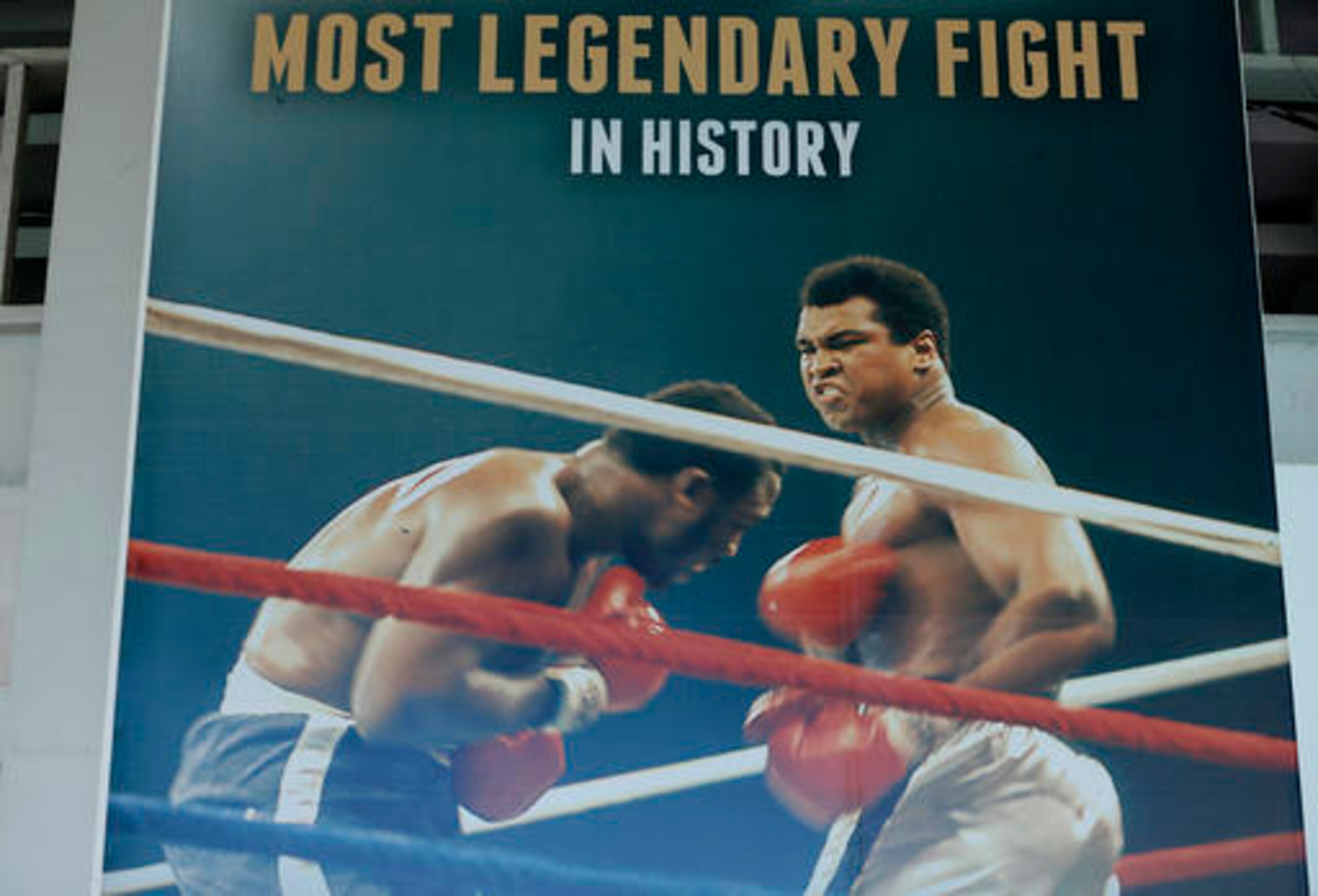
The 1970s stand without challenge as the greatest single decade in heavyweight boxing history. And 1975 was the year it reached his pinnacle.
In October of that year, Muhammad Ali travelled to Manila, Philippines, to defend his heavyweight crown against his greatest rival—Joe Frazier. It was the third meeting between the two. Fighting mid-morning, local time, the two legends waged the greatest heavyweight title fight of all time.
So much has been written about this fight over the years, and it had already assumed an aura of mythical grandeur, even when I was a boy, just a few short years after the fight took place.
I view it as a kind of archetype for any great heavyweight bout—it contained two perfectly matched opponents, neither with a single drop of quit or compromise. It featured relentless action, epic momentum swings and awe-inspiring physical courage from both men.
Ali and Frazier would stand as boxing immortals, even if this fight had never taken place. Because it did, they enjoy a special kind of status, even among the sport's true gods.

.jpg?w=2560 "Rams Raiders Football")

7. 1921: The First Million-Dollar Gate
4 of 10
This fight officially kicked off what would become known as "The First Golden Age of Sports." In the 1920s, increased disposable income, a shifting population to the urban areas and modern technology like film and radio all combined to give sports a level of cultural importance it had never previously enjoyed.
Jack Dempsey, alongside Babe Ruth, was the great sports star of the day. His brawling, all-action style perfectly matched the rollicking mood of the "roaring 20s."
In 1919, Dempsey had captured the heavyweight belt by destroying the giant Jess Willard in just three rounds. In 1920, he knocked out contenders Billy Miske and Bill Brennan.
But Dempsey's manager Doc Kearns and promoter Tex Rickard were hungry for a truly big payday. So they matched Dempsey with light heavyweight champion Georges Carpentier of France.
A World War I hero, with matinee good looks, Carpentier was not a true challenge for the Manassa Mauler. But that didn't stop Rickard from creating one of the biggest events in the history of popular culture.
A special 90,000-seat stadium was built for the fight. For the first time in history, a fight drew a million dollars in revenue. After a brave stand, Carpentier went down inside of four rounds.
A new standard for fight promotion had been established that continues to influence the sport up to this present day.
6. 1892: The Gloved Era Begins
5 of 10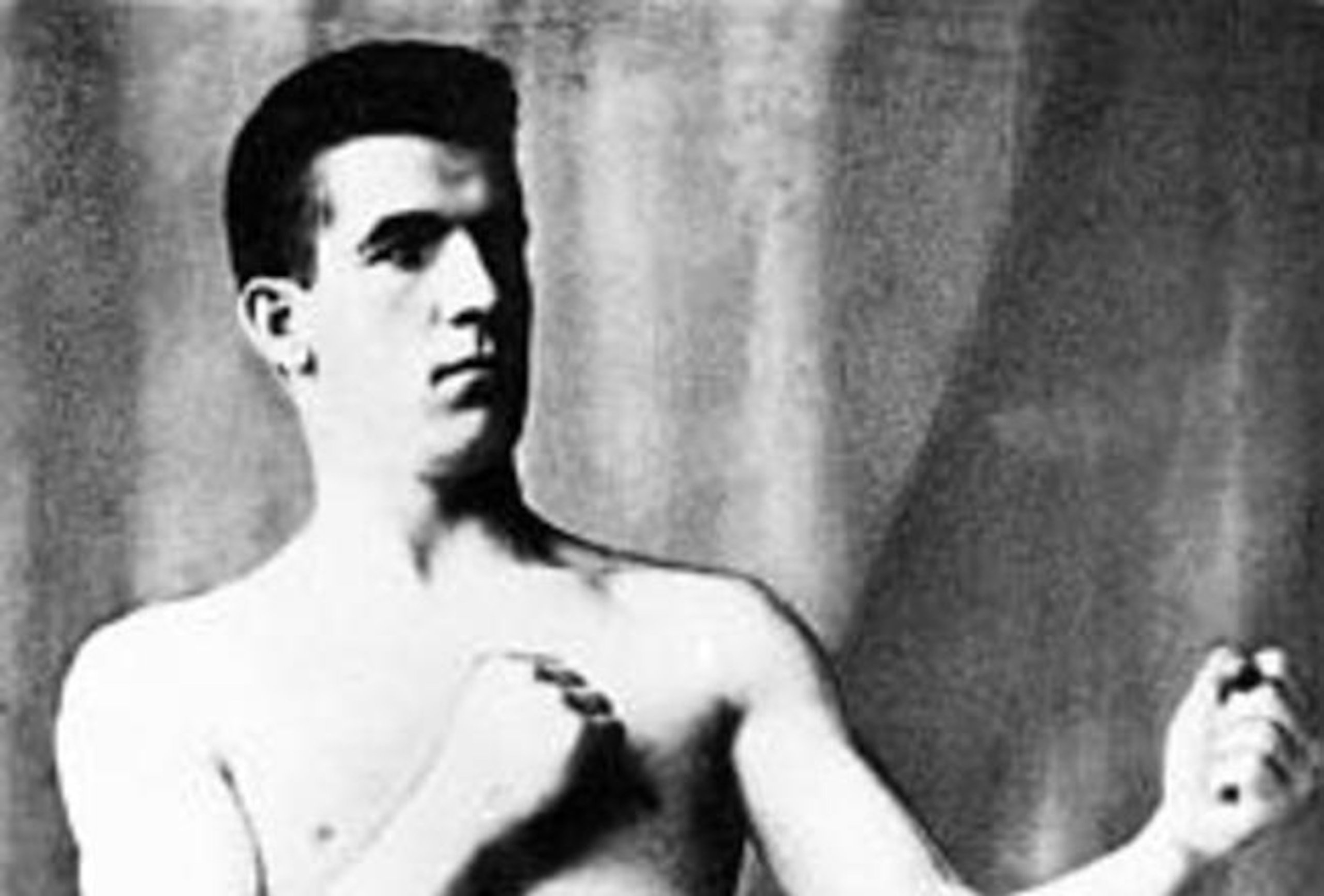
John L. Sullivan can fairly be called America's first great sports superstar. As world heavyweight champion, he toured the globe, shaking hands with royalty and working men alike, and proudly threw down the gauntlet to face all challengers.
By 1892, he was a dissipated and bloated version of his former self, his greatness leveled by a decade of hard drinking and fast living. But he remained boxing's major star.
James Corbett, by contrast, was famous mostly among "the Fancy"—those writers, fighters, trainers and sporting men who truly followed the sport. He was a strong and athletic tactician, highly technical and scientific in his approach.
While Sullivan had been essential for promoting the use of gloves in his travelling exhibitions, all of his title fights had taken place under the London Prize Rules. Against Corbett, he agreed to face off with gloves, under the Marquess of Queensberry rules.
Sullivan did train for this fight and came in somewhere close to fighting shape. But the years of abuse to his body still proved too much for him, as did Corbett's guile. Using footwork and a smart jab, Corbett punished and exhausted the great John L., before finishing him in Round 21.
It was the beginning of a new era. Never again would the Heavyweight Boxing Championship be contested for under the old bare-knuckle rules.
5. 1974: The Rumble in the Jungle
6 of 10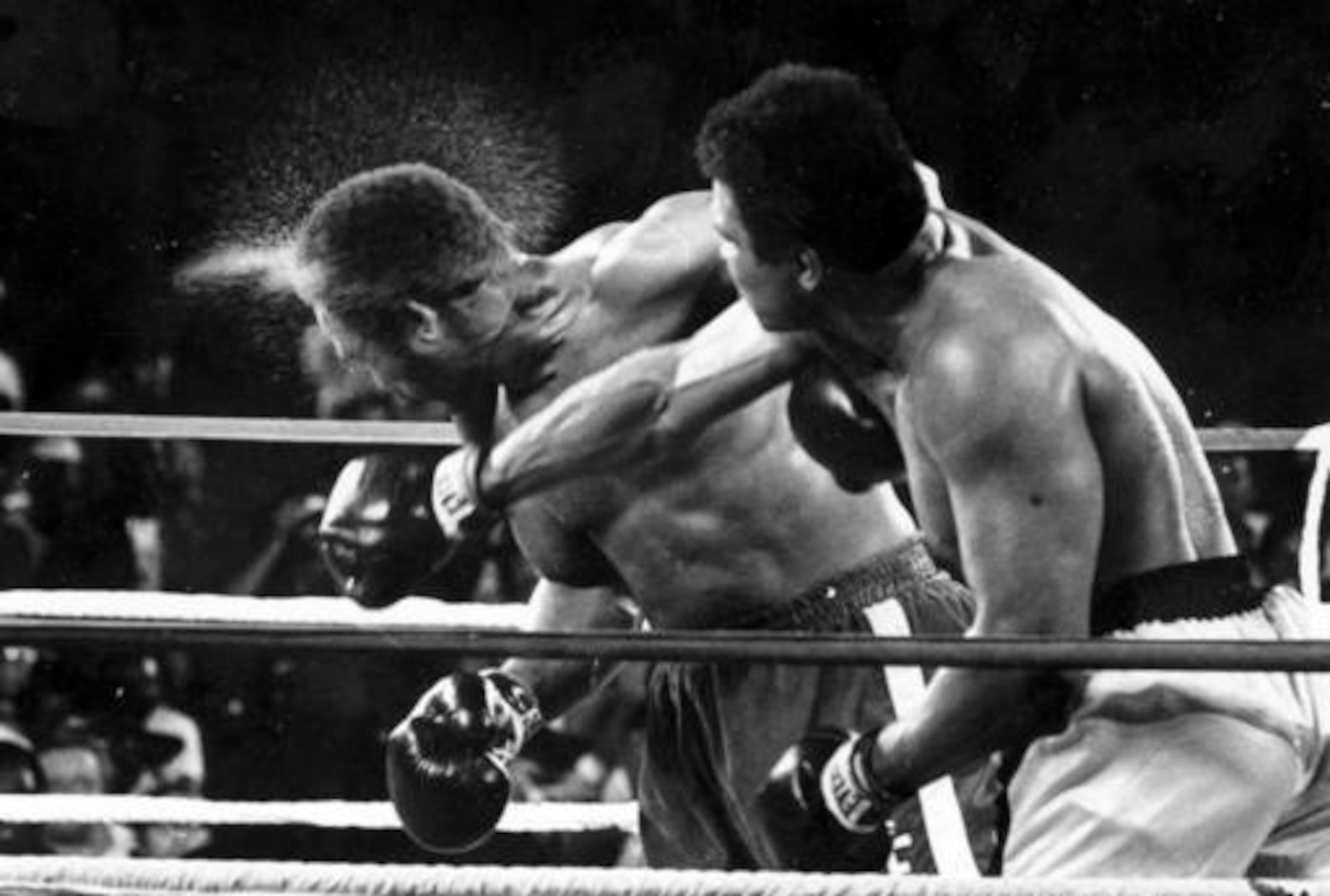
In the legend of Muhammad Ali, 1974 has to hold a special place. In January of that year, he won a rematch over Joe Frazier—the man who had handed him his first professional loss, in 1971. The stage was set for Ali to face George Foreman.
Foreman had become the heavyweight champion in 1973, stunning the boxing world by dispatching Frazier in just two rounds. In March 1974, he had made similarly short work of Ken Norton—a fighter who had also defeated Ali.
Ali was given little chance against the seemingly invincible Foreman. But the fight was set for later in the year, in the Democratic Republic of the Congo.
This fight would mark Don King's debut as a major boxing promoter. Unfortunately or not, King would go on to become one of the sport's major players in the 1980s and 1990s.
For the showdown between Ali and Foreman, King did succeed in creating a truly momentous cultural event. A music festival surrounded the big fight, featuring the legendary James Brown, among others.
The fight stands as one of Ali's greatest triumphs. Debuting his "rope-a-dope" strategy, he used small movements and blocks to deflect and lessen the impact of Foreman's heaviest shots, as he camped out along the ropes and tricked the champion into punching himself out.
In Round 8, Ali poured on his own aggression and finished off a fatigued and mentally broken opponent, to become just the second man in boxing history to reclaim the heavyweight crown.
4. 1963: The Alphabet-Soup Era Begins
7 of 10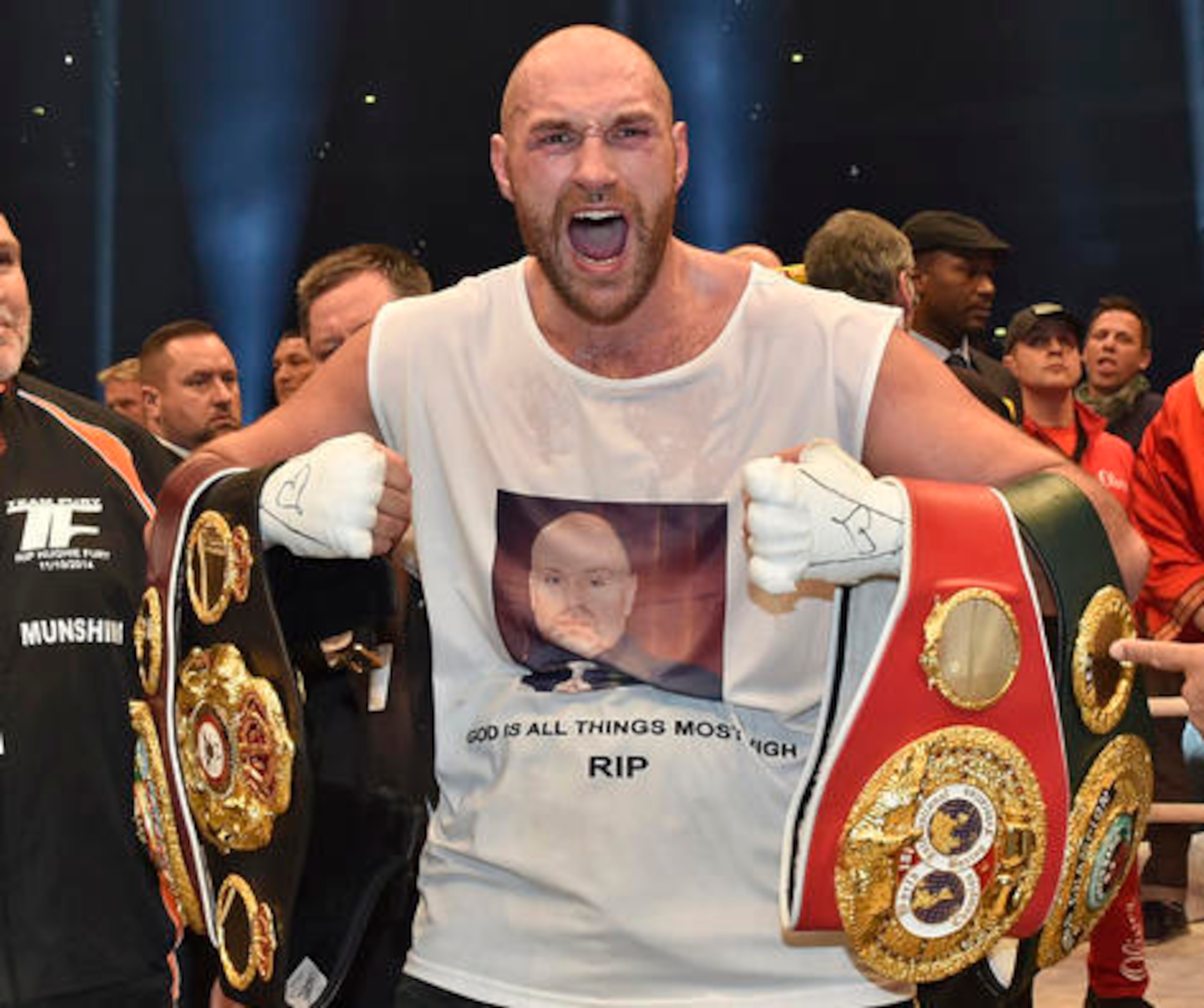
One of the most common complaints among boxing fans is the ridiculous proliferation of "world champons." We all long with nostalgia for the golden era, when you knew who the champion was.
But only the oldest among us really remember those days. In 1963, the flood gates to absurd claims were opened, as the WBA and WBC both began to recognize competing champions.
The WBA had existed since 1921 as the NBA (National Boxing Association) and its recognized champion had traditionally been viewed as THE champion. In 1962, the organization changed its name, replacing "national" with "world."
The WBC set up shop just a year later, after a conference in Mexico City in February 1963. For most of the next two decades, fans only needed to keep track of the two organizations, and unification fights were often easy enough to arrange.
But then, in 1983, the IBF emerged on the scene. By 1984, its association with stars like Larry Holmes, Aaron Pryor and Marvin Hagler had given it an heir of legitimacy.
The WBO broke off from the WBA in 1988 and at first languished in deserved obscurity. Still, by the early part of this century, it had associated itself with enough worthy champions to earn more-or-less consensus recognition among writers and fans.
The situation now is tragically absurd, with even the sport's journalists and most serious fans struggling to keep track of all the assorted champions.
3. 1971: The Fight of the Century
8 of 10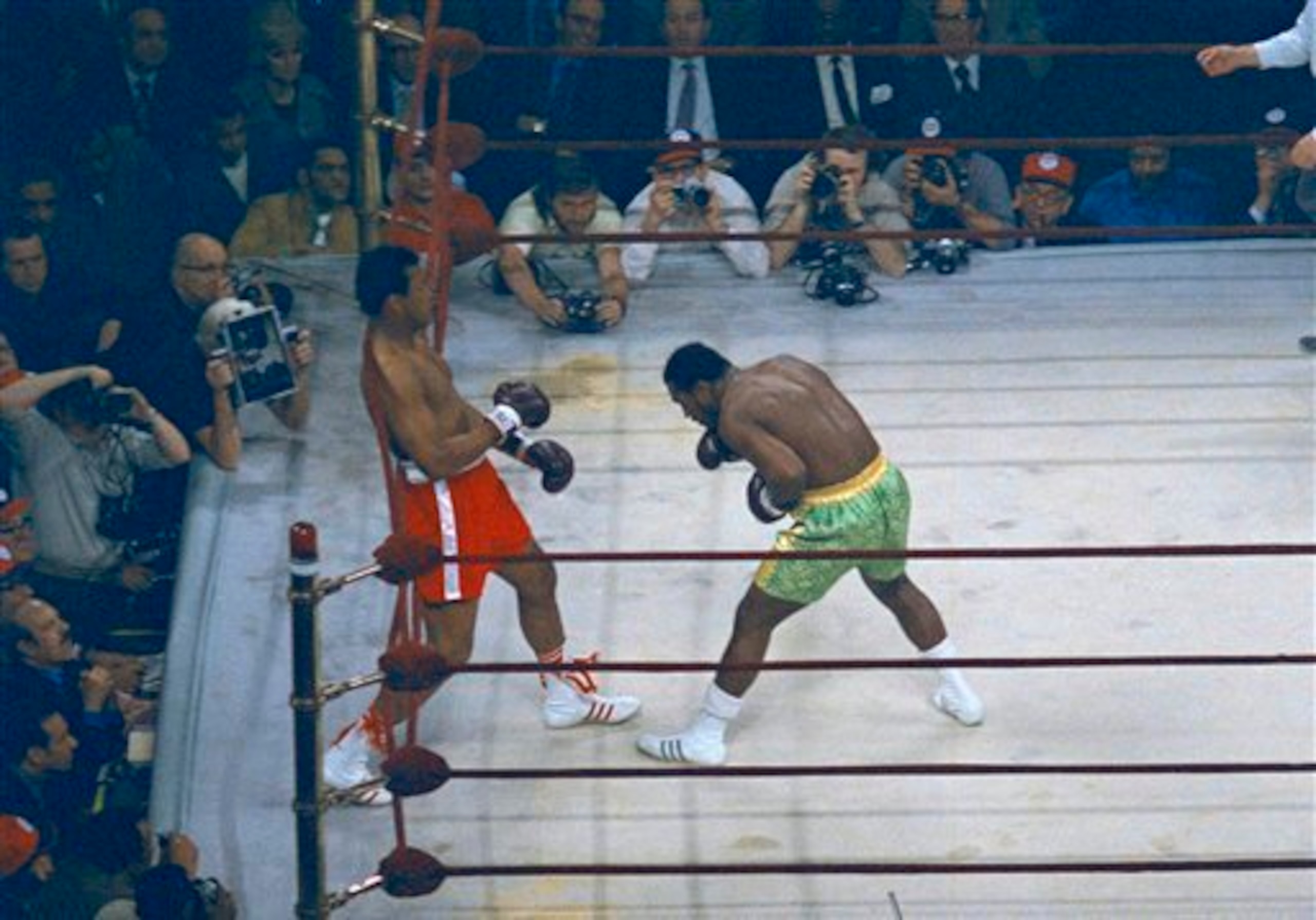
For boxing reasons alone, the first meeting between Muhammad Ali and Joe Frazier stands as one of the most important fights in boxing history. Both men were undefeated champions and two of the greatest to ever lace up the gloves.
But the historical context for their March 1971 fight gives it a level of cultural importance that few sporting events have ever known. The United States was submerged in an era of civil strife, as citizens faced off in conflict over race relations and the Vietnam war.
Ali had become a symbol for the progressive, revolutionary side of that equation, embracing Black Nationalism and refusing induction into the Army. The later stand had caused him to be stripped of his titles in 1967.
By the time Ali was re-instated to fight in 1970, Frazier had emerged as a dominant champion in his own right. Deserved or not, he became the hero to the nation's more reactionary element, who opposed Ali.
When the two champions finally faced off in Madison Square Garden, the entire nation was paying attention, boxing fans or not.
The fight itself was a classic. Ali used his speed and length to build an early lead, but Frazier continued to come forward, pounding at Ali's body. Early in Round 11, Frazier stunned Ali with a brutal left hook upstairs.
The tide had turned, and Frazier was up on the cards heading into the 15th and final round. But he shored up his victory when he dropped Ali with another sensational left hook. The moment stands as Smoking Joe's greatest victory.
2. 1910: The White Hope Goes Down
9 of 10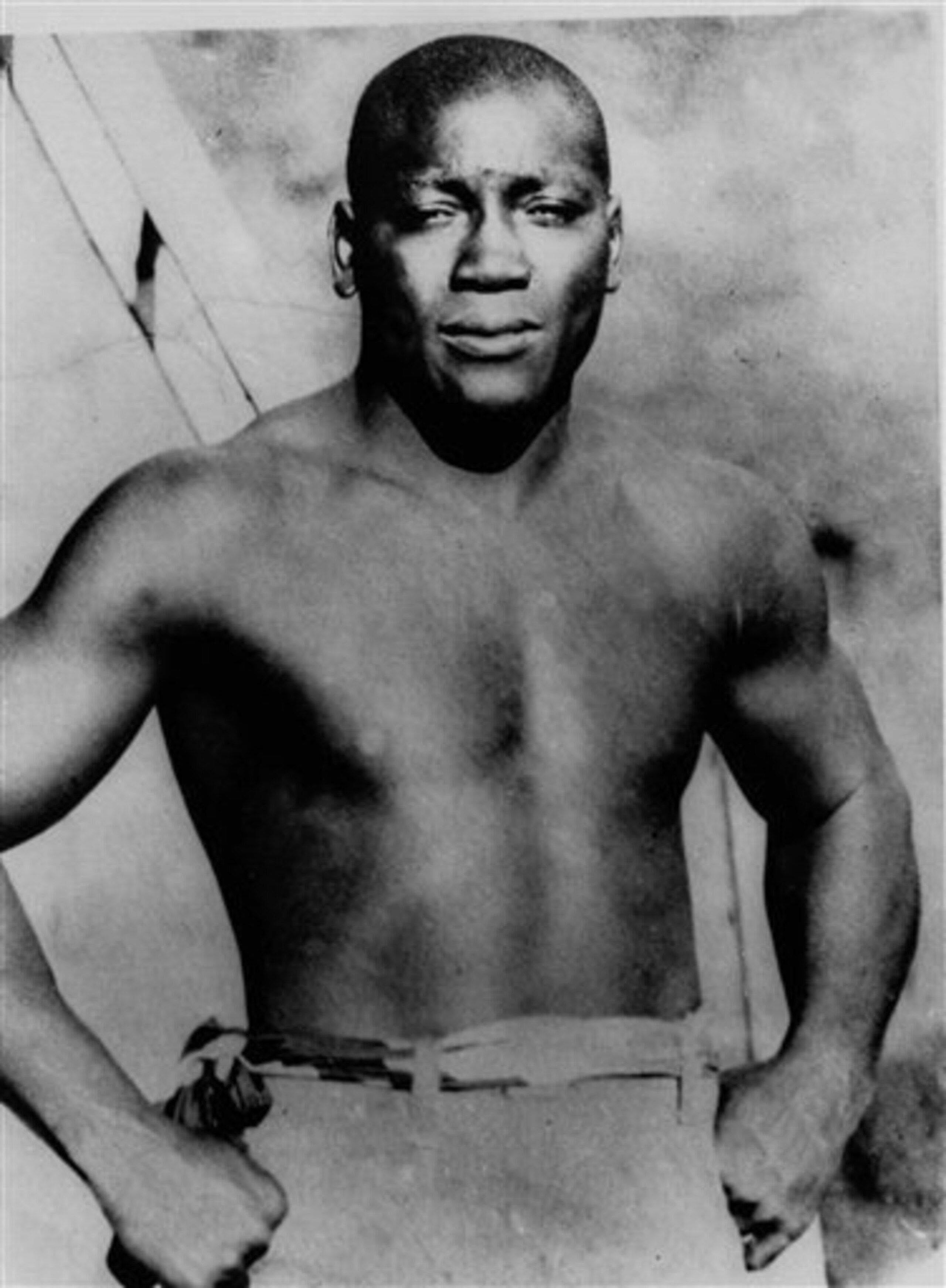
In 1908, Jack Johnson had pummeled Tommy Burns, becoming the first black man in history to capture the Heavyweight Boxing Championship of the World. Much of white America lost its mind.
As somebody who loved White Fang and The Call of the Wild as a boy, it has been disheartening as an adult to read the vile racism Jack London printed during Johnson's reign. Unfortunately, the great novelist's rhetoric was standard for the day.
For his own part, Johnson took great pleasure in angering the bigots of the world, making no attempt to be humble or respectful. He was as boastful as Muhammad Ali would be a half-century later, but within living memory of the Civil War.
A cry went out for a "great white hope" who could teach Johnson a lesson. The best anybody could find was former champion James J. Jeffries.
Jeffries is among the top 15 or so fighters to ever hold the heavyweight crown during the gloved era. He was a large, shockingly agile man, with good technical skill. But he had retired as undefeated champion in 1904, retiring to his farm and swelling to over 300 pounds.
His reputation alone was enough to make his challenge to Johnson a major prizefight. It set new box-office records. The bout was also historically important due to the fact it was one of the first major bouts where film rights were sold.
In the ring, Jeffries was punished for 15 rounds, before getting stopped. The racist attitudes that surrounded this bout make it an ugly memory in boxing history.
But it is an even more important moment for shattering the myth of racial superiority.
1938: Joe Louis, American Hero
10 of 10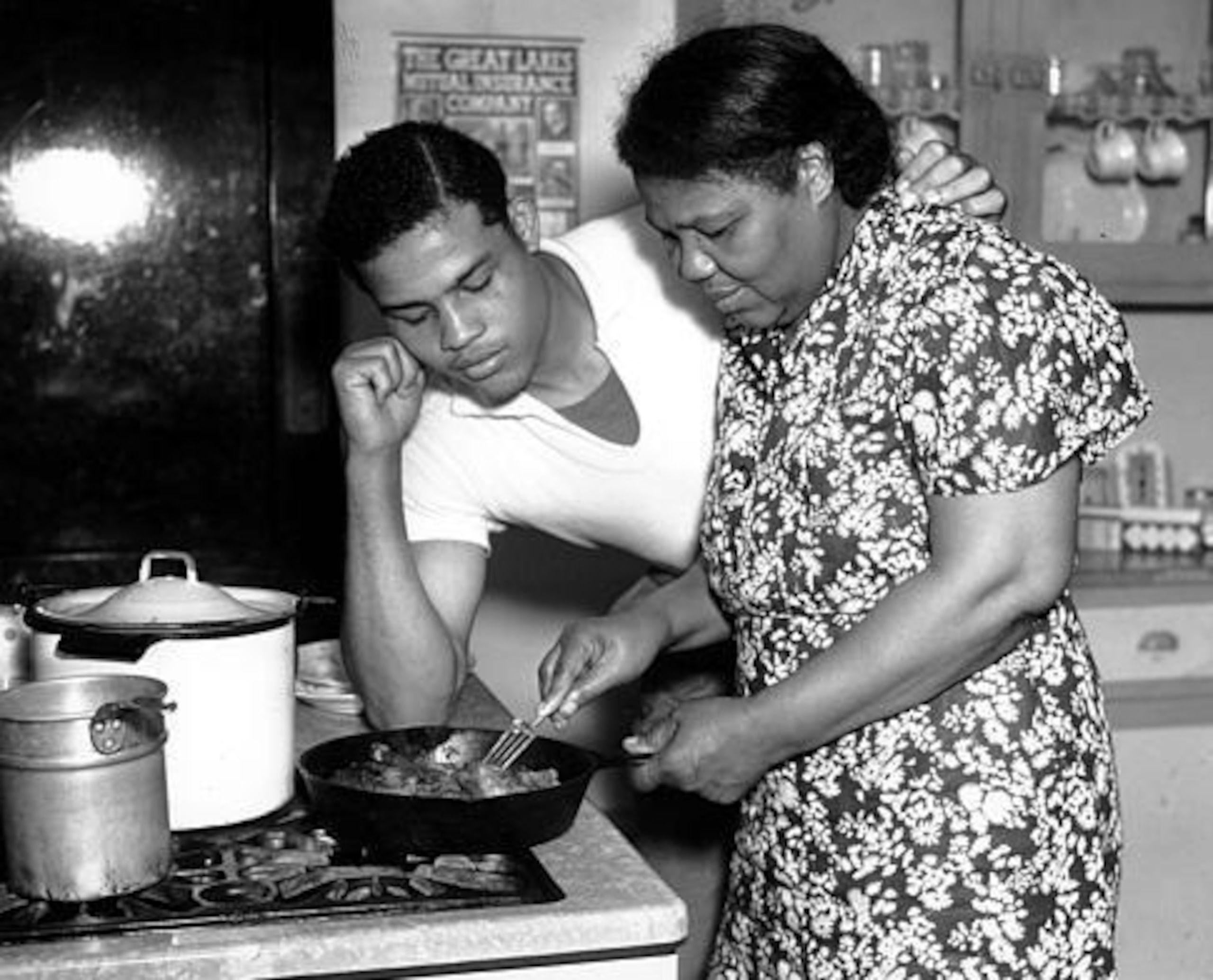
No sporting event in history has been more important to the development of America's multicultural mosaic than the 1938 boxing match between Joe Louis and Max Schmeling. With World War II looming on the horizon, white America embraced a black man as its guy.
Louis had become heavyweight champion in 1937, when he knocked out James J. Braddock. But his 1936 loss to German Max Schmeling still hung heavy on his mind. He publicly declared he would not feel like a champion until he defeated Schmeling in a rematch.
The Nazi goverment of Germany had seized upon Schmeling's victory as a propaganda bonanza, using it as "evidence" of Germany's racial superiority. With World War II looming, the 1938 rematch between Louis and Schmeling took on international importance.
When Louis visited the White House, President Roosevelt told him: "Joe, we need muscles like yours to beat Germany."
For his own part, Schmeling appeared to have been an honorable sports man, caught in an ugly political situation. He would later personally save the sons of a Jewish friend during the Holocaust, and keep the story secret for decades after, apparently due to modesty.
On the June night when Schmeling faced Louis at Yankee Stadium, the young champion was an improved boxer, having learned painful lessons in their earlier fight. And Louis savaged Schmeling, like history's own tidal wave, dropping the German three times and stopping him in Round 1.


.jpg?w=2560 "Rodgers Iced Out on Plane 💎")

.jpg?w=2560 "🚨 Week 8 AP Top 25 Poll")

.jpg?w=2560 "Packers Safety Slams Refs 🤬")