

Why Manchester United's Biggest and Fiercest Rivals Will Always Be Liverpool
When Manchester City won the Premier League title in 2014, the main feeling from Manchester United fans, who they had supplanted as champions, was one of overwhelming relief.
This might have been a strange and unexpected emotion, but City’s victory had prevented a far greater calamity being inflicted on the Red Devils, as the Citizens had stopped Liverpool winning the title.
With three games remaining, Liverpool had been top of the table and on the brink of becoming champions for the first time in 24 years.


That long, long wait was nearly over, and United fans were inconsolable as Liverpool prepared to clamber back on to their perch.
But City would become their saviour as they overtook an imploding Liverpool to grasp the title and leave both sides of Manchester strangely content.

Despite City’s rise over the last decade—the trophies, the two title wins, the slew of big-name players, finally becoming a genuine threat to United and the recent arrival of Pep Guardiola—they have not come close to becoming United’s biggest rivals.
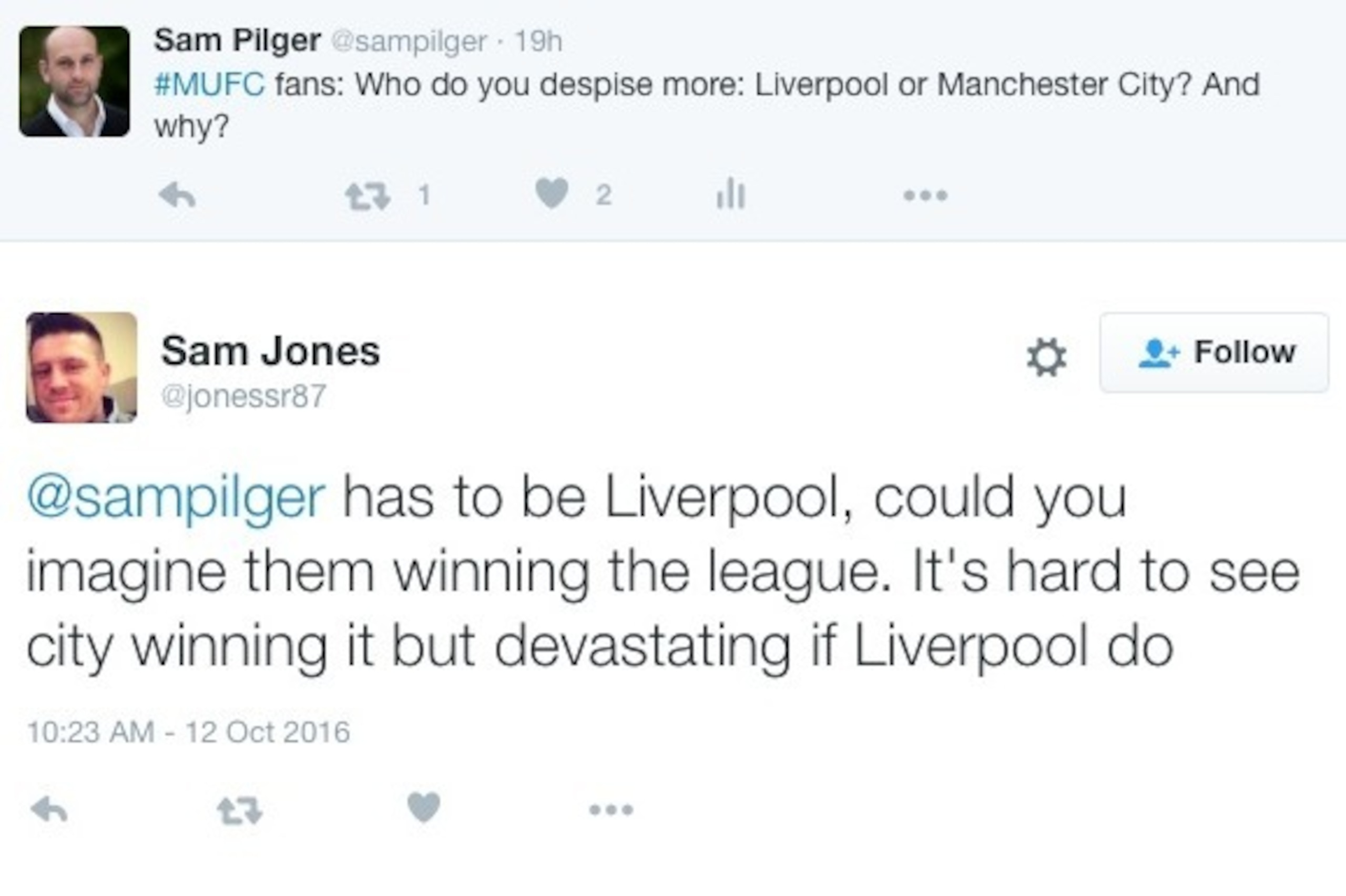
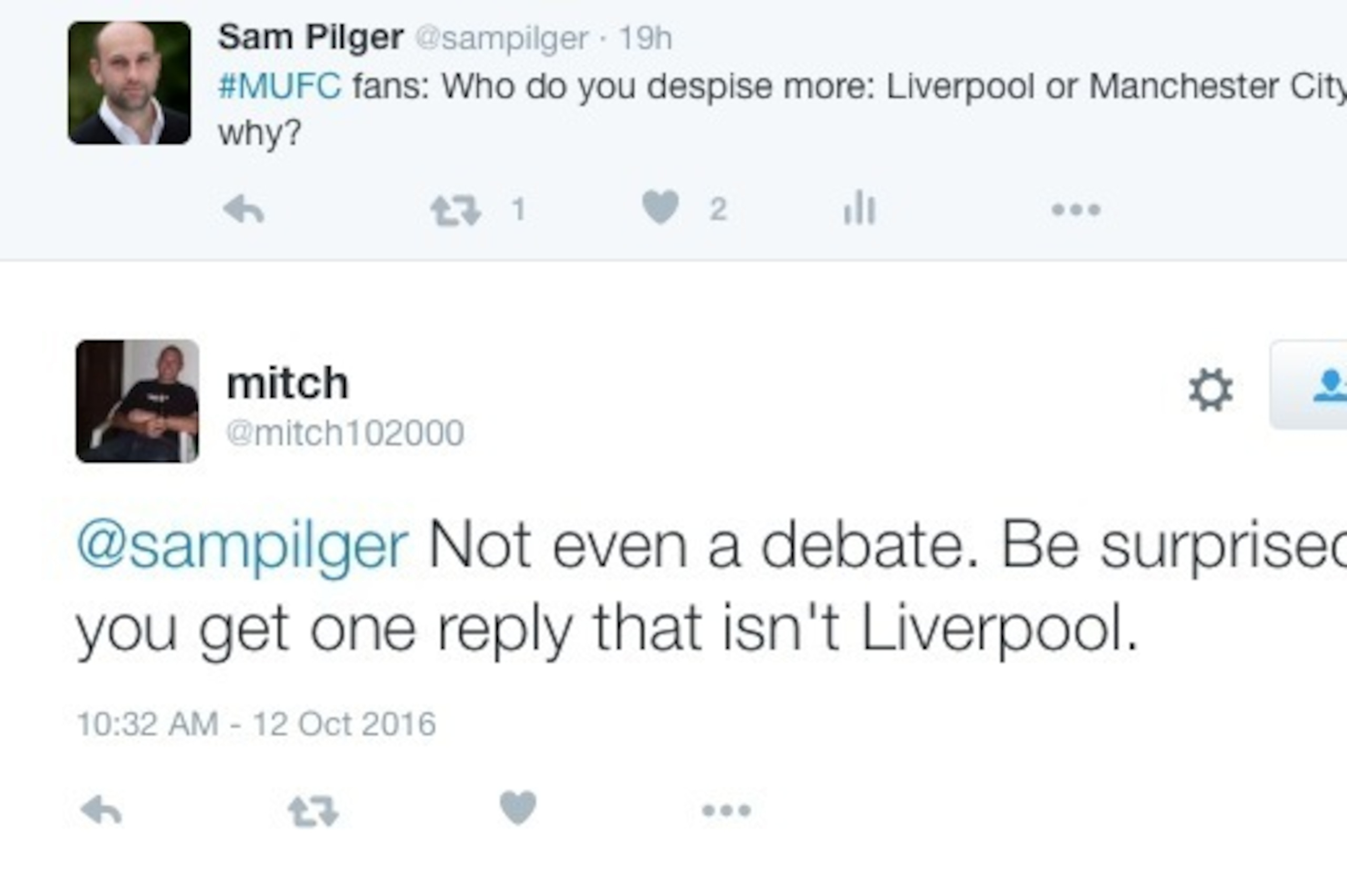
On the eve of United’s trip to Anfield, I canvassed their fans about who they now despised the most between Liverpool and City, and the response was overwhelming.
United and Liverpool’s rivalry cannot be surpassed, and today it remains as fierce and toxic as ever.

The rivalry between the cities of Liverpool and Manchester dates back to the 19th century when Manchester built their own ship canal and port for ocean liners after Liverpool’s port had imposed excessive taxes on Mancunian cotton.
It wasn’t until the 1960s that the city’s football clubs became involved in this civic battle.
The 1963-64 season is when hostilities broke out, and it is the last year in which the clubs sold each other a player; Phil Chisnall’s move from United to Liverpool in April 1964 remains the last time a player moved directly between the clubs.
During the middle of this decade, they traded blows on the pitch, winning the League Championship for four consecutive seasons between them, Liverpool in 1964 and 1966, and United in 1965 and 1967, before United added the European Cup in 1968.
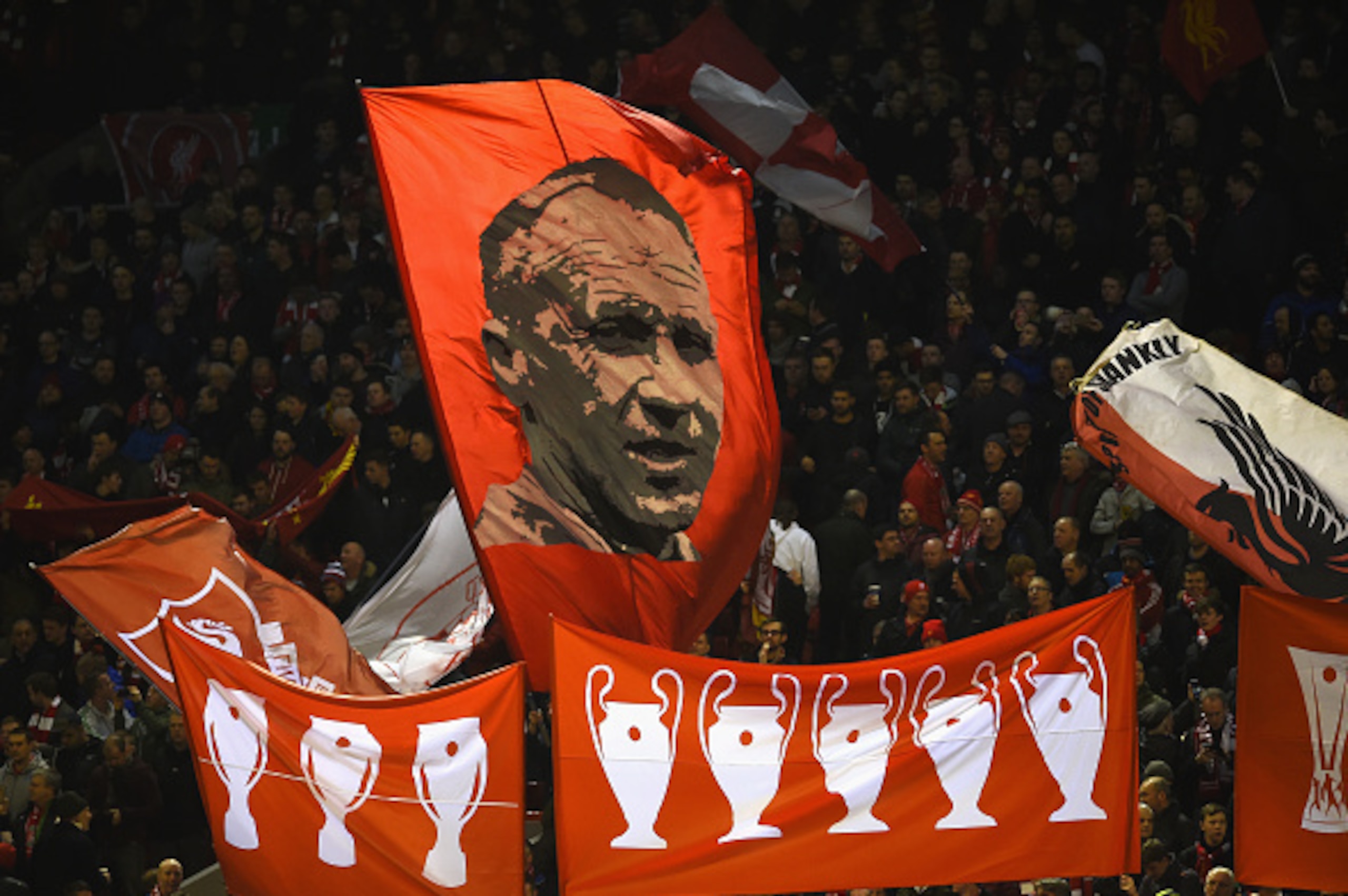
But after that, United would slip firmly into Liverpool’s shadow as the Reds dominated both England and Europe, winning 11 league titles and four European Cups in the space of 18 seasons between 1973 and 1990.
During this period, United could only muster three FA Cups and were even relegated in 1974, but their aura and appeal was not dimmed, and they remained the biggest club in the country.
Between 1973 and 1987, despite all of Liverpool’s success, United continued to have the biggest average attendance in the country, including in the 1974-75 season in the Second Division.
However, this provided scant consolation for United as they had to watch their rivals routinely lifting trophies and finishing above them in the First Division.
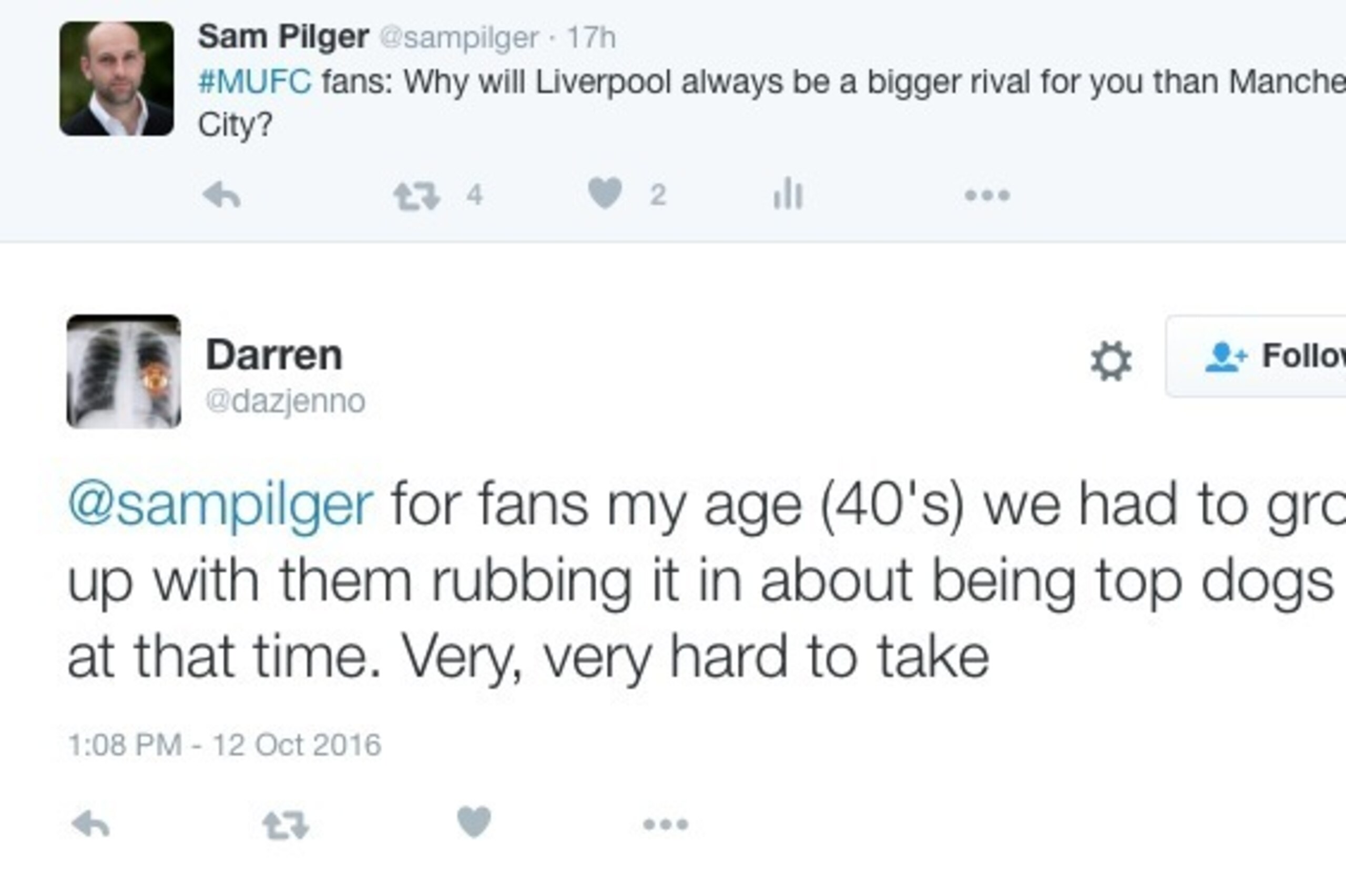
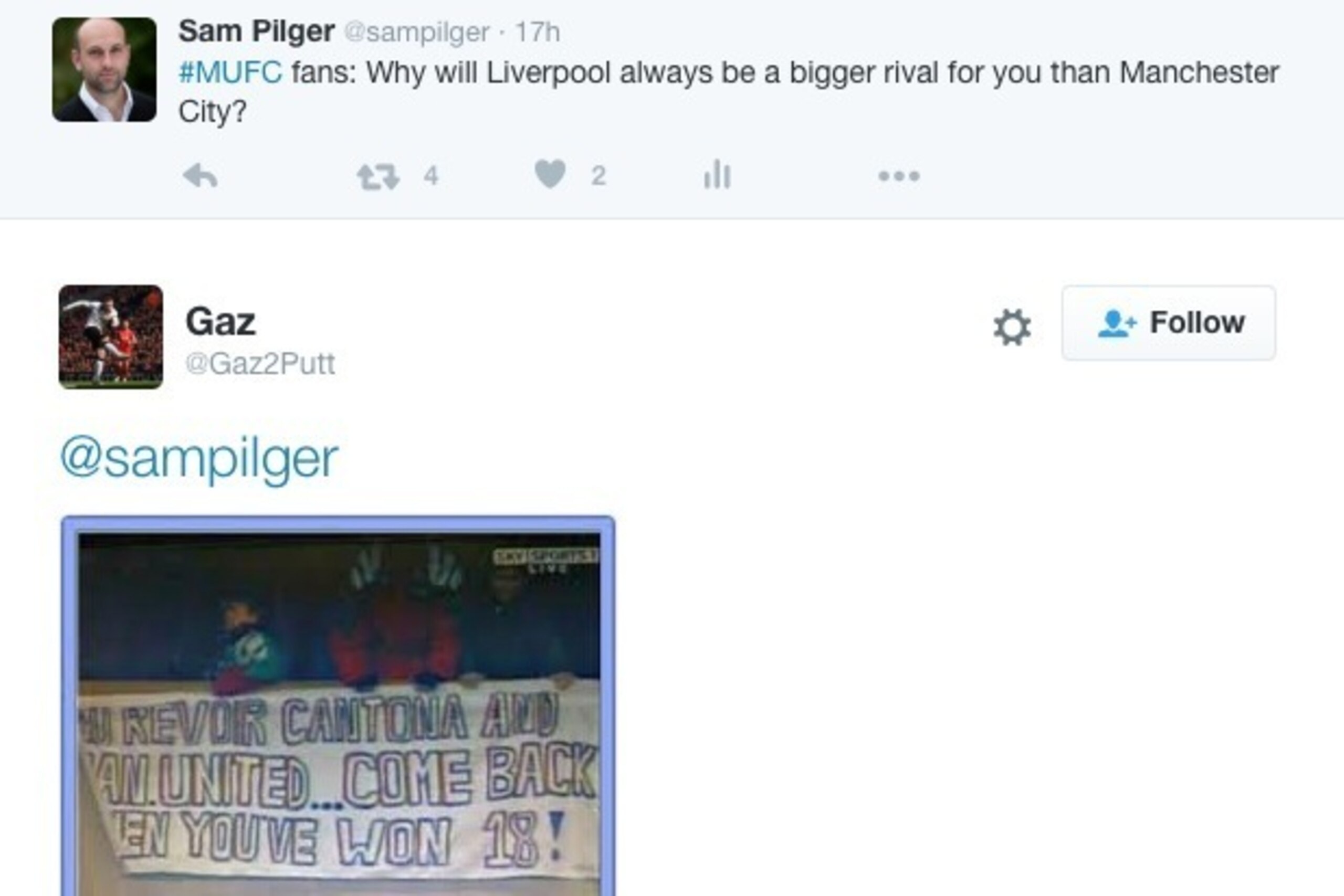
At the start of the '90s, it had become a severely imbalanced rivalry, with Liverpool having won a total of 18 league titles to United’s mere seven.
Anfield would gleefully remind United fans of this disparity, and in April 1992, the Anfield faithful famously unfurled a banner that crowed, “Come back when you’ve won 18.”
Sir Alex Ferguson took up the challenge, and over the course of the next 21 seasons, he would win 13 Premier League titles.
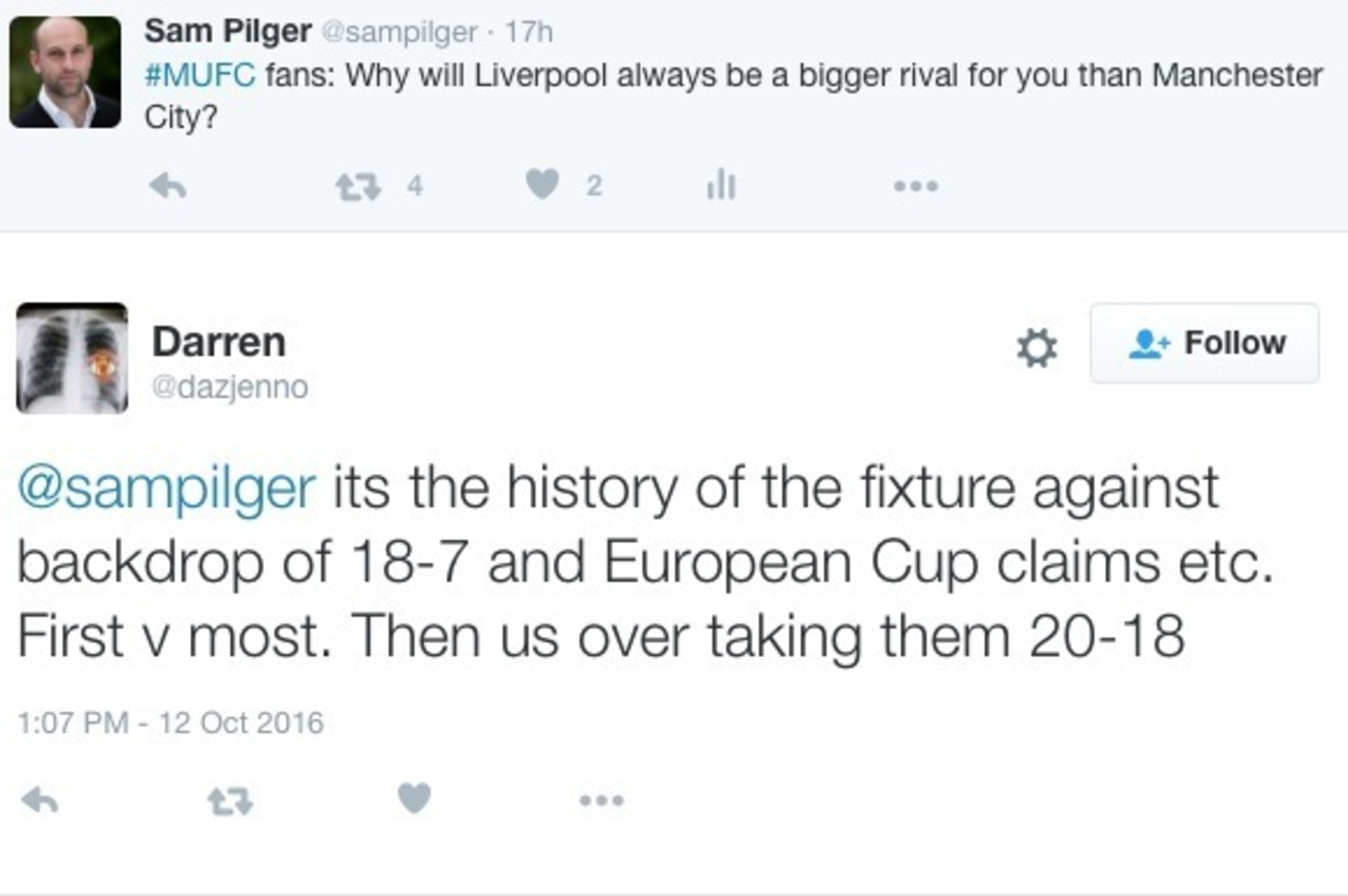
As instructed, United came back with 18 titles, and then 19 and 20 as they drew level and then overtook their rivals to become English football’s most successful club.
The pain of the '70s and '80s had been truly avenged.
From 1993, these titles were gleefully received by United fans for the discomfort they also caused Liverpool, who had spiralled into decline, and today, the Reds are still waiting for their first championship since 1990.
When he arrived at Old Trafford in 1986, Ferguson’s aim had always been to end Liverpool’s dominance, and he famously made that clear when he later declared, as reported by the Guardian: "My greatest challenge is not what's happening at the moment, my greatest challenge was knocking Liverpool right off their f--king perch. And you can print that."
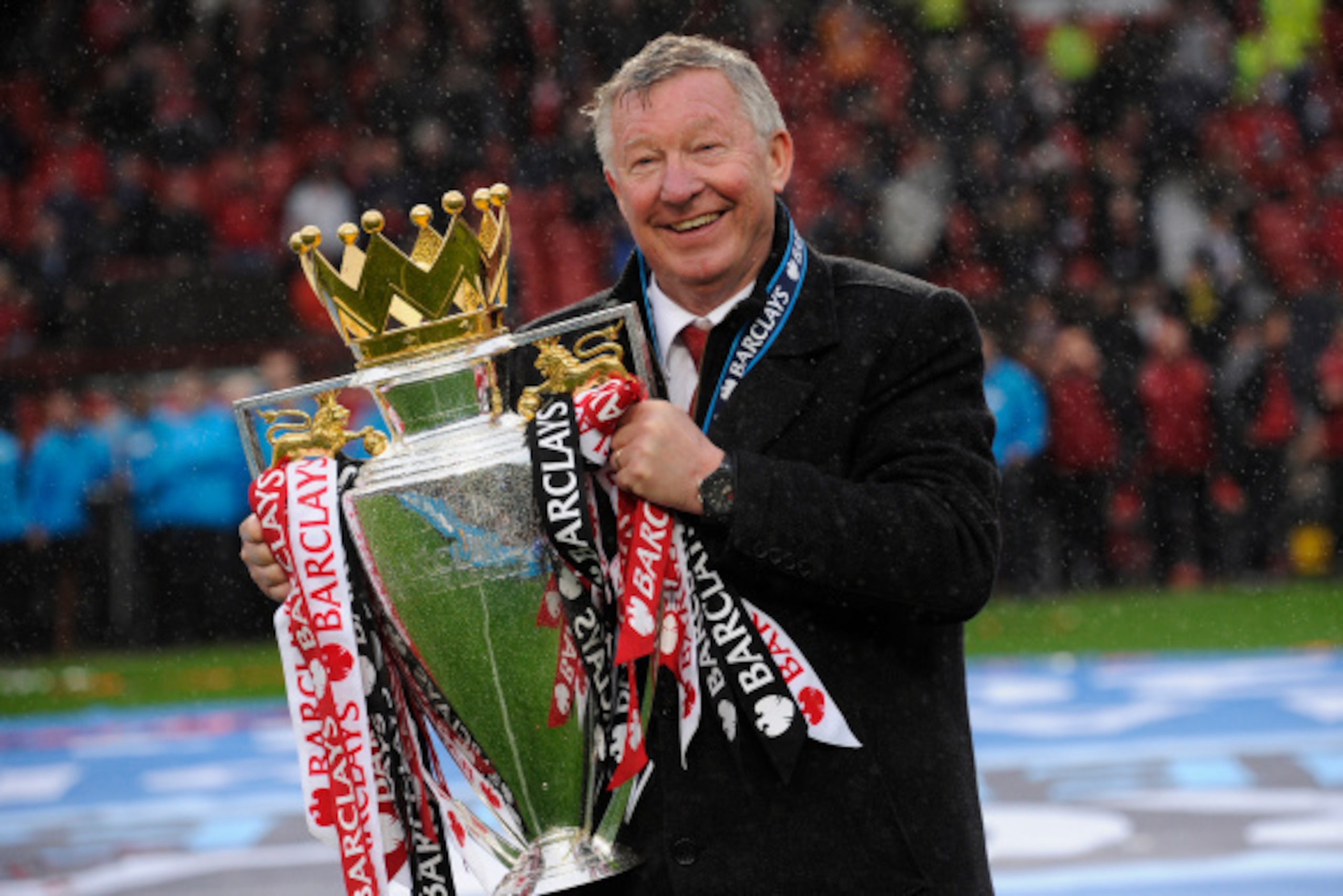
Even in retirement, Ferguson has made little effort to disguise his delight at how United’s rise was accompanied by Liverpool’s fall and how radically the football landscape has changed.
“What’s great is our young fans growing up don’t even remember when Liverpool were successful,” he has said, as reported by the Guardian's Daniel Taylor.
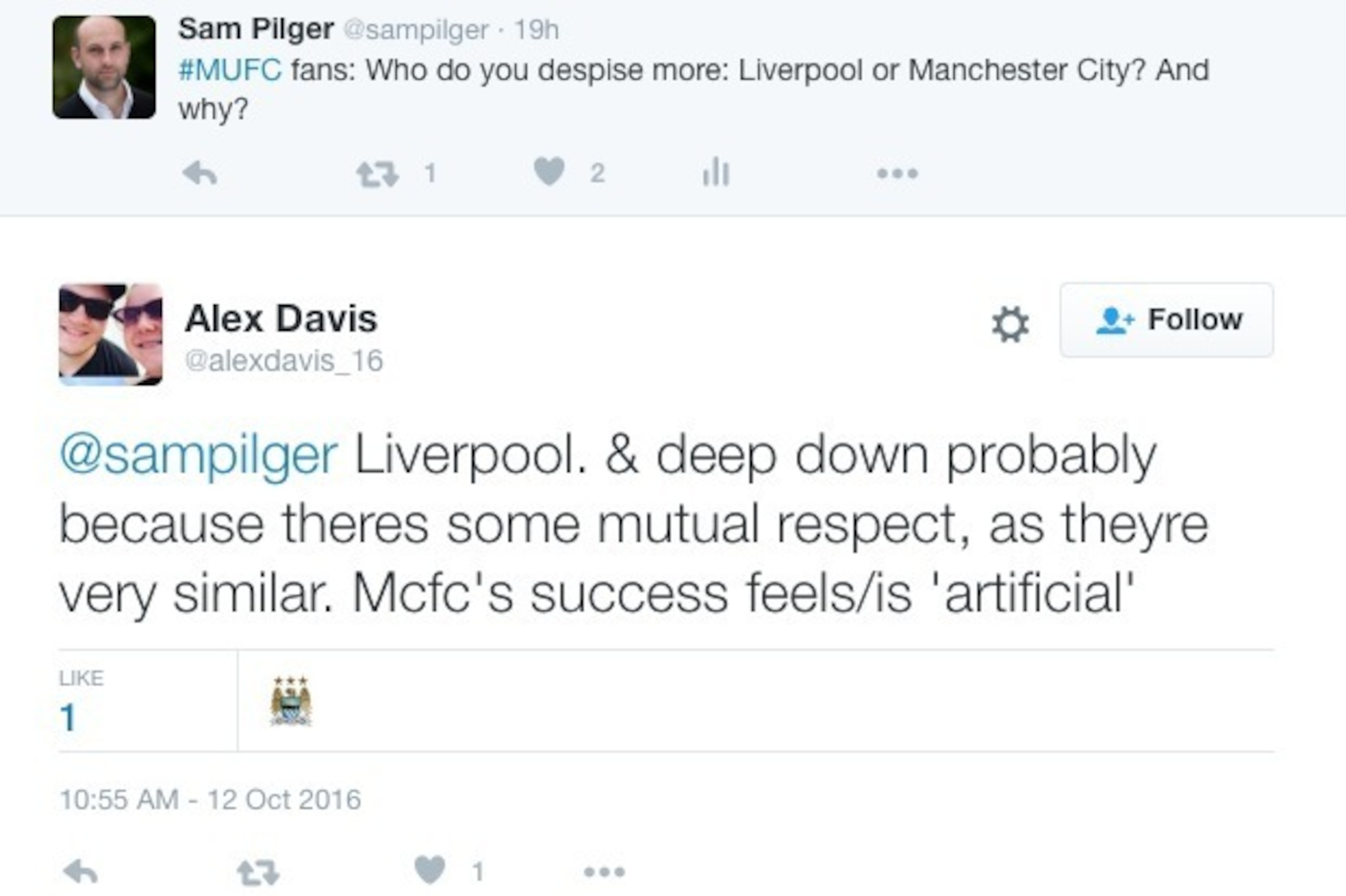
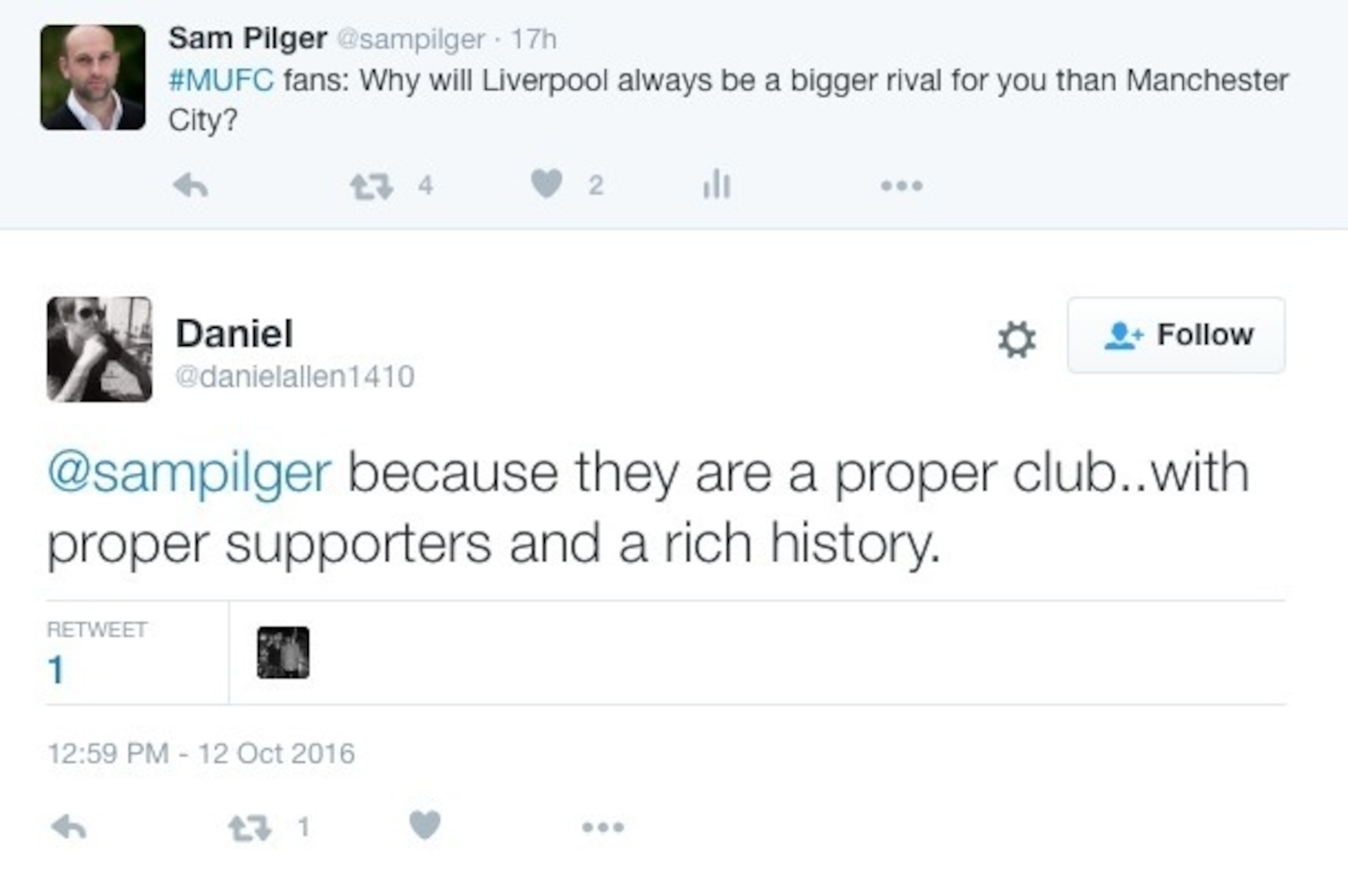
Liverpool might inspire enmity in many United fans, but they also have something Manchester City do not appear to have earned yet: respect.
While Liverpool can be loathed, delve just a little deeper and you will also find a genuine respect among United fans for their rival's history, success, resilience and fanbase.
Whisper it quietly, but the braver and more sensible United fans actually acknowledge how many similarities there are between the clubs.
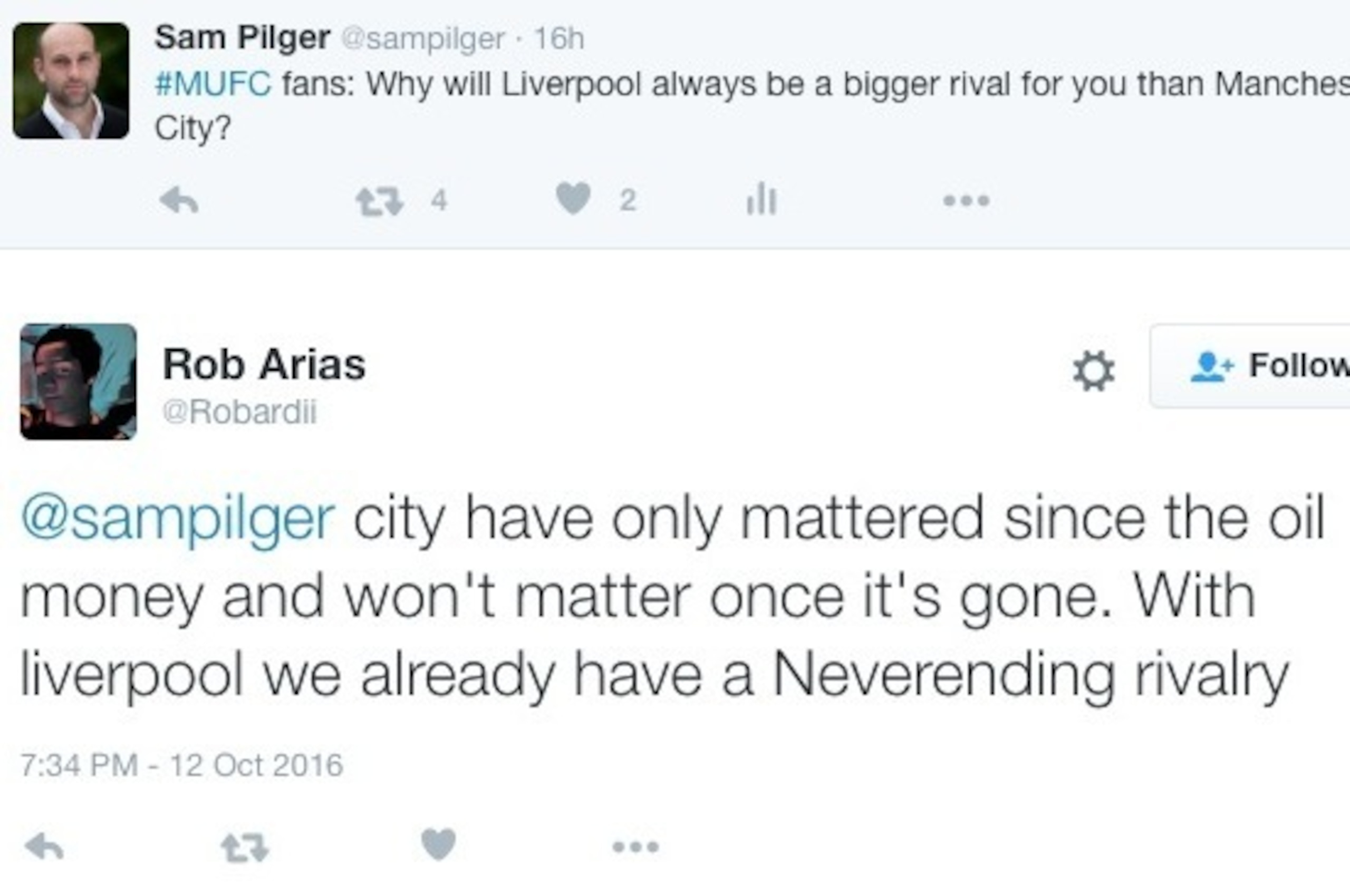
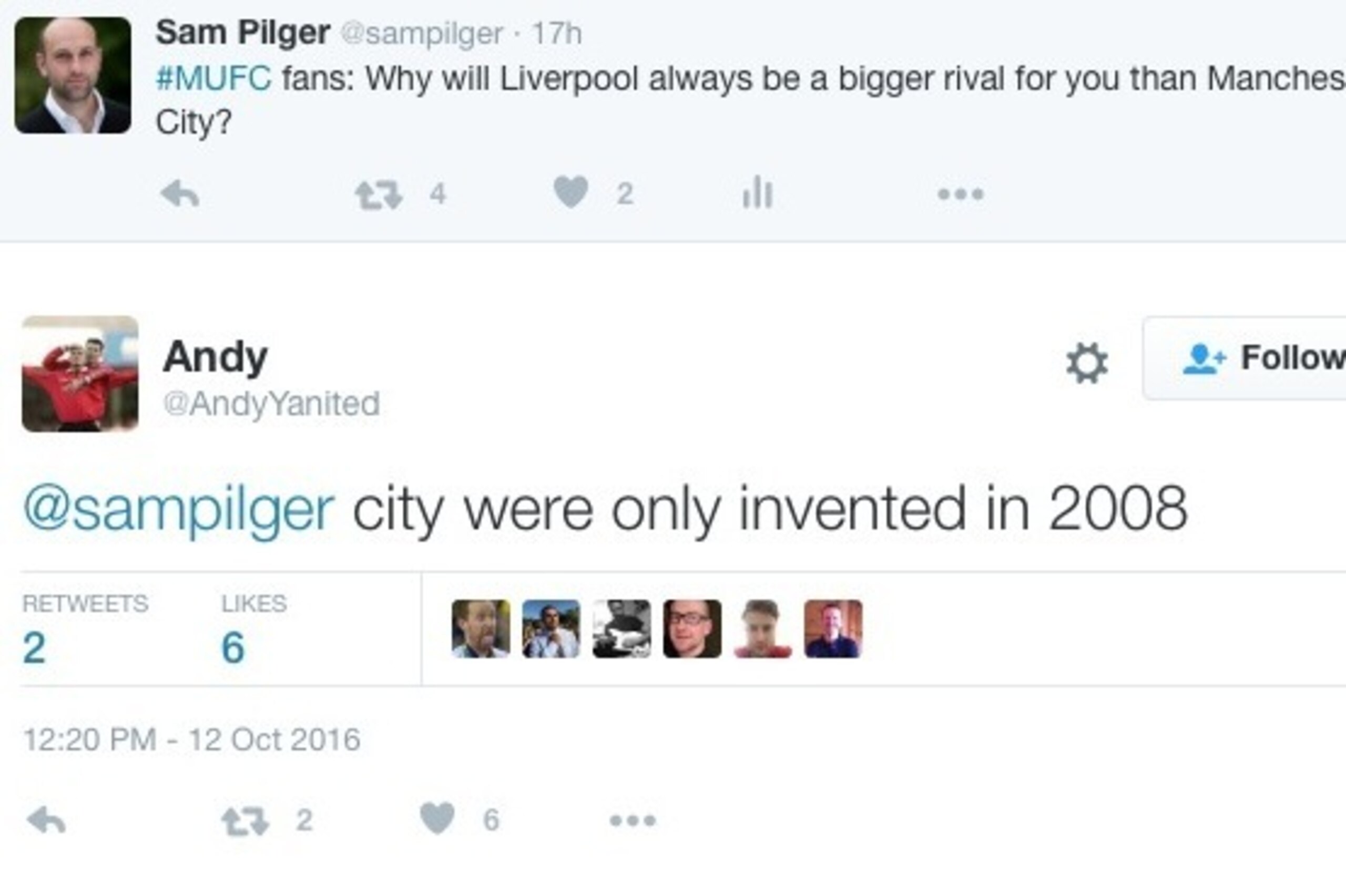
Despite City proving themselves more than the “noisy neighbours” Ferguson labelled them as, they still can’t begin to compete with the strength and depth of Liverpool’s rivalry with United.
Even now, United fans can be openly contemptuous of City being seen as genuine rivals.

Liverpool against United has been played against a backdrop of tear gas, flying darts and the regrettable mocking of tragedies—one former United manager even likened it rather melodramatically to the Vietnam war—but both clubs acknowledge nothing matters more than beating the other.
The fixtures remains a thrilling mix of tribalism, history, hatred, and yes, even respect.
The next instalment begins on Monday at Anfield.
.jpg?w=2560)



.jpg?w=2560 "Viral Rams Coach Vid 🖕")
.jpg?w=2560 "2 NFL Officials Suspended")
