

6 Years of FSG: The Highs and Lows of Fenway's Liverpool Ownership
Fenway Sports Group, formerly New England Sports Ventures, completed the purchase of Liverpool Football Club six years ago on 15 October, 2010.
The Boston-based company have had many ups and downs as owners of the Premier League club, with mixed success both on and off the pitch ultimately dividing opinion among fans on how good they are as owners of the Reds.
FSG inherited a club on the brink of bankruptcy, managed by Roy Hodgson and with a squad shorn of its star players and instead full of high-earning but underperforming players.

.jpg?w=2560)
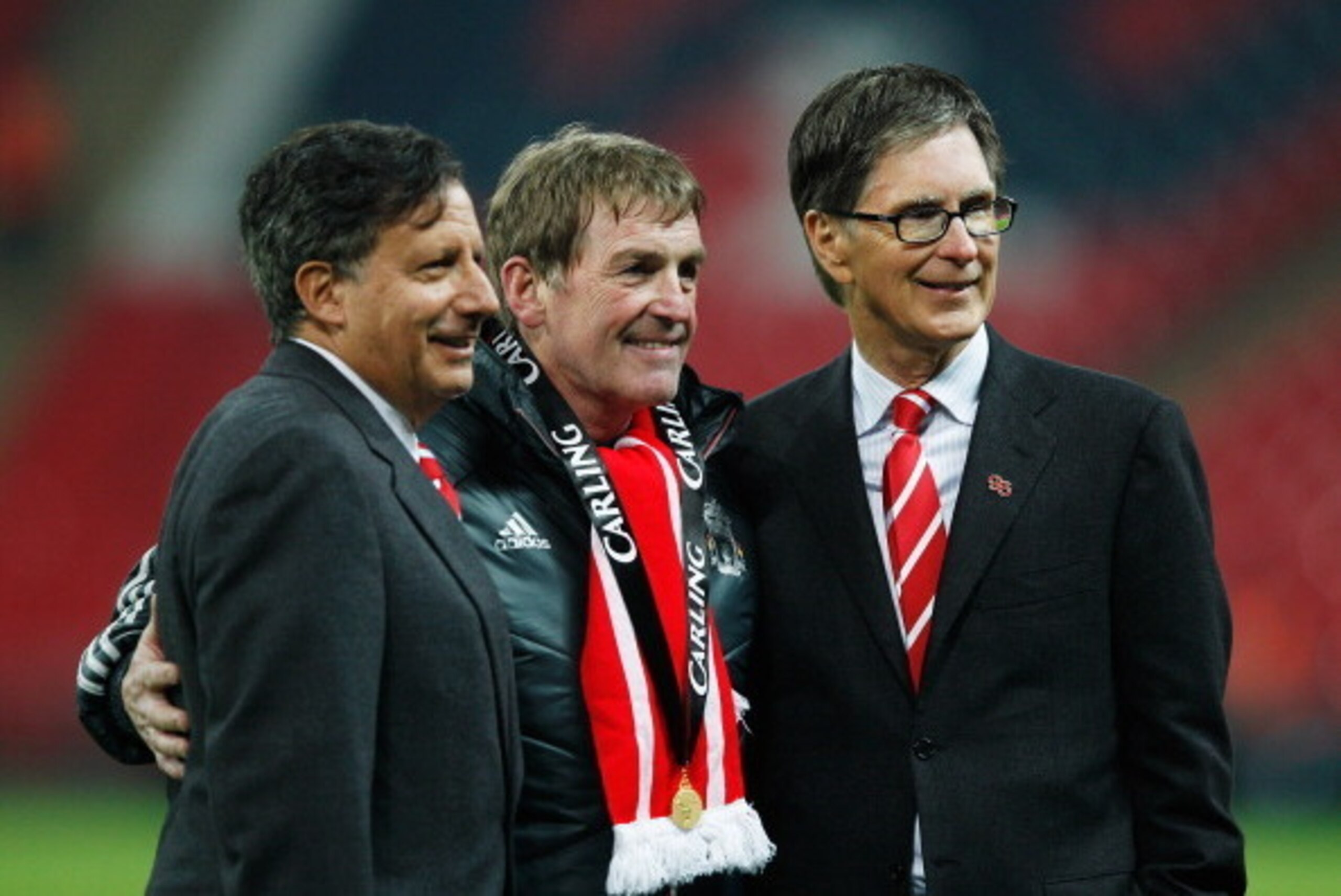
Since then, they've appointed three managers—Kenny Dalglish, Brendan Rodgers and Jurgen Klopp—and won one trophy: the Capital One Cup in 2012.
Just one season has been spent in the Champions League, having finished second in the Premier League in 2013/14, and this is the third out of their six full seasons where Anfield has no European football on offer.
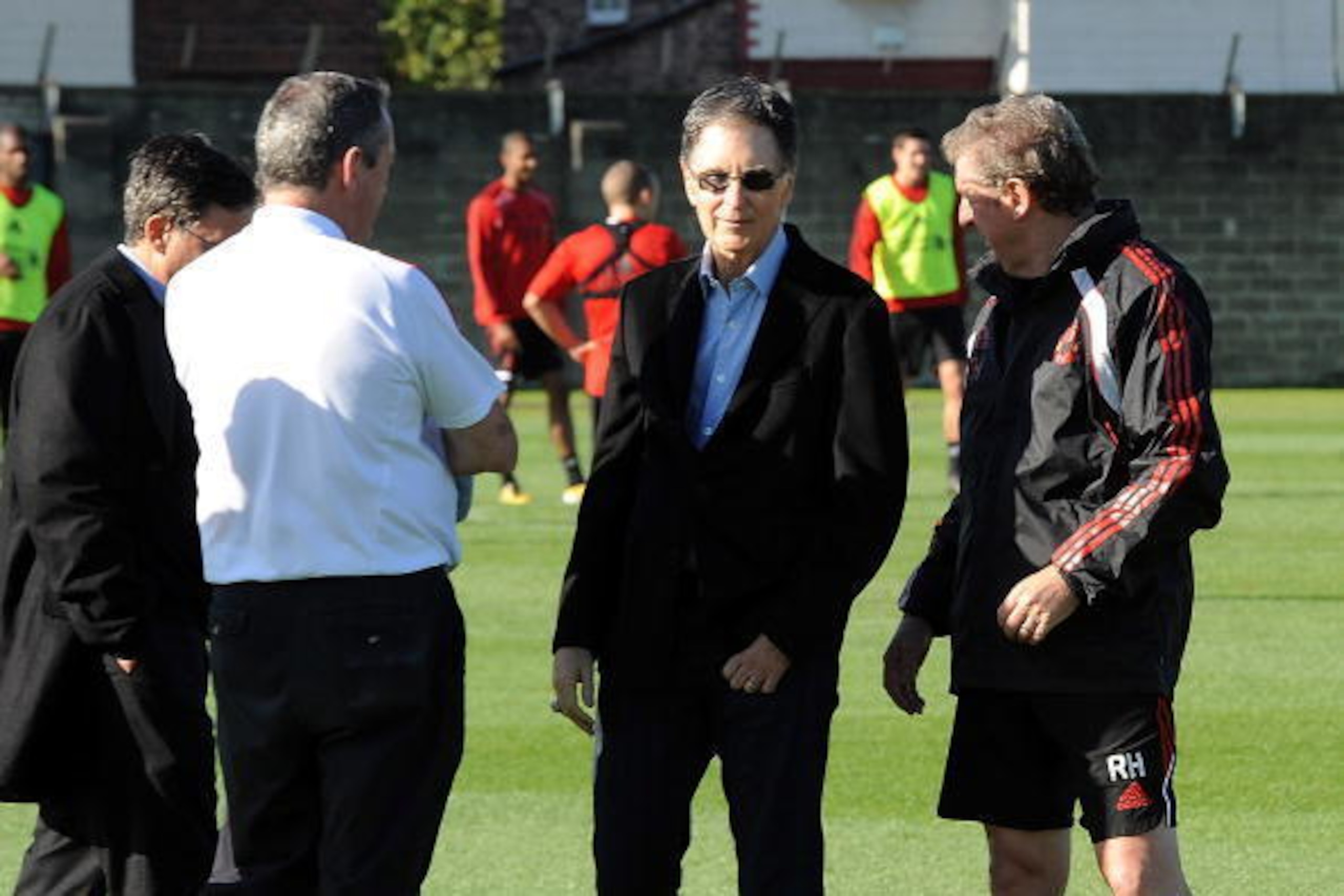
"We’re here to win," declared principal owner John W. Henry upon the purchase of the club. "We are committed first and foremost to winning. We have a history of winning, and today we want Liverpool supporters to know that this approach is what we intend to bring to this great club."
Winning, though, is not something FSG have delivered on so far. Indeed, if success is measured only in silverware, FSG's six years so far have been pretty mediocre to say the least.
However, there are two sides to every story, and FSG have achieved success in stabilising Liverpool as a football club and finally finding progress on Anfield's expansion—although that is now becoming another issue, which will be discussed later.
Mistakes
With Liverpool being FSG's first foray into football ownership, mistakes were perhaps inevitable. A year after their purchase of the Merseysiders, Henry acknowledged that he knew "virtually nothing" of Liverpool or the Premier League before purchasing the club, as detailed by the Guardian's David Conn.
Indeed, in the days after the purchase, Henry read a multitude of books about not only Liverpool FC but football as a business. He also met with several supporters groups and individuals at Anfield.
One supporter Henry met with was Liverpool author Paul Tomkins, who explained that in the meeting, Henry accepted some mistakes would be made along the way.

"We’re going to do a lot of listening, we have a lot to learn, and we’ll walk this path together [with the fans]," Henry had said after securing the purchase of the club at the High Court.
Unfortunately, six years into their reign, it was a failure to listen to the fans that was laid at FSG's door, when they announced plans earlier this year for £77 general admission tickets in Anfield's newly renovated Main Stand—despite exhaustive meetings with fans groups over ticket prices.
It led to a mass walkout in the Premier League game against Sunderland, and within days, the club announced new ticket pricing for this season. It was a major oversight to spend months consulting fan groups then to raise prices so dramatically, especially when Henry himself told the Anfield Wrap in 2012: "Can Liverpool as a community afford Chelsea or Arsenal prices? No."
Mistakes were made earlier in FSG's reign, too. They appointed Frenchman Damien Comolli a month after purchasing the club and later promoted him to director of football. Opinions on Comolli's time at Anfield differ depending whose side of the tale you wish to believe, but FSG's desire to appoint a proponent of the moneyball strategy they'd adopted on baseball saw much scepticism from some supporters and British media.

Other mistakes occurred along the way, from being too slow to sack Hodgson to failing to adequately replace Luis Suarez and build on being back in the Champions League.
Perhaps one mistake, though, was sacking Comolli and reneging on their idea of having a European-style structure, with a sporting director/director of football to head up the club—and, perhaps most importantly, therefore fill the knowledge gap in the hierarchy of the club.
Brendan Rodgers refused such a setup when being appointed in summer 2012, with FSG having had Louis van Gaal lined up for the director of football role to mentor Rodgers, as reported by Chris Bascombe of the Telegraph.
Instead, somebody at Anfield coined the phrase "transfer committee"—leading to a huge issue between Rodgers and the so-called committee, with new signings being labelled as one or the other's and the manager showing favouritism to some players.
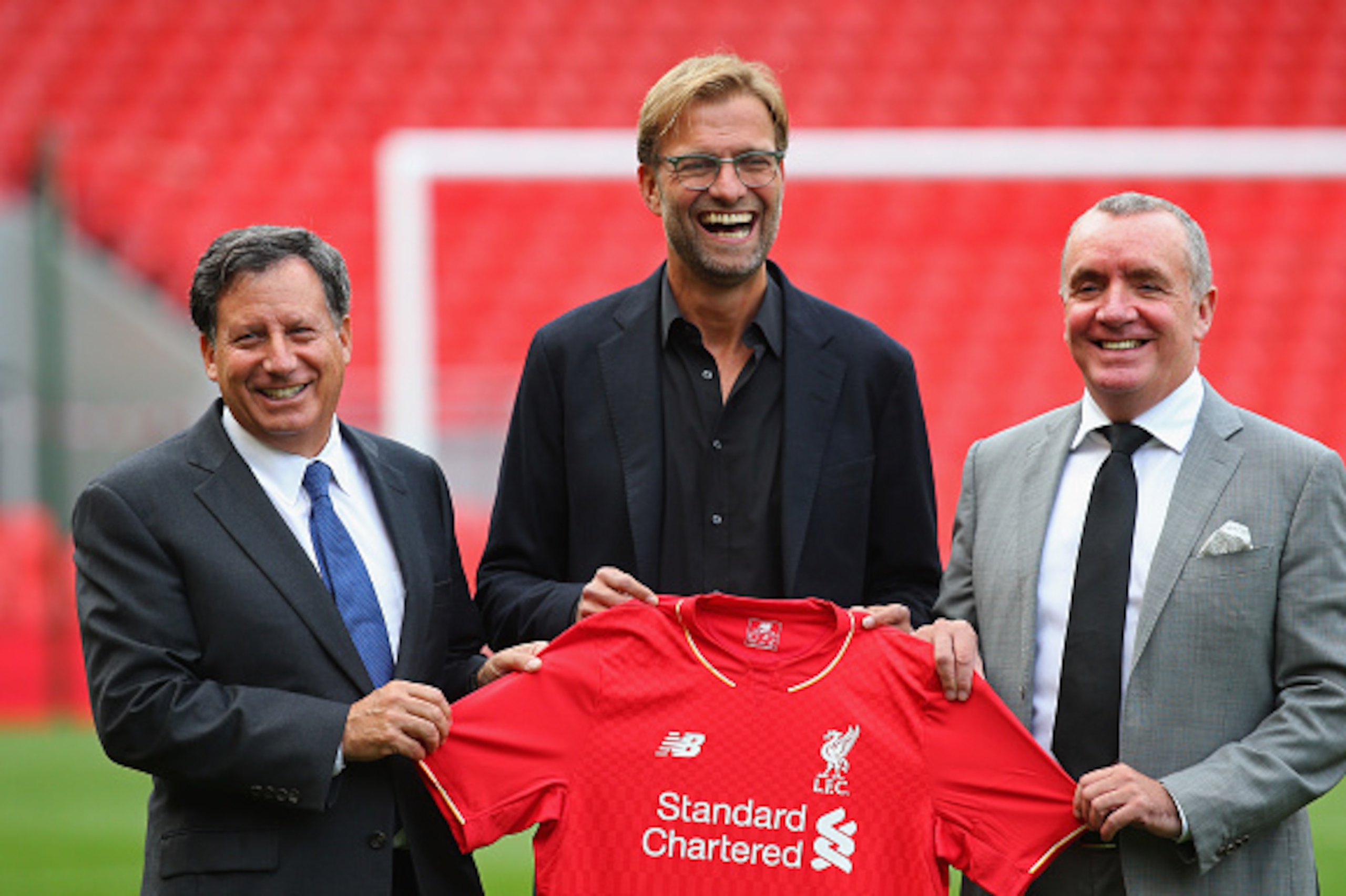
Thankfully, since appointing Klopp, everybody at the club now appears to be on the same page, and Klopp himself seemingly has much more control over new signings, with the German's seven permanent deals so far showing a clear influence.
FSG's Ownership of Liverpool So Far—Major Events
- Oct 2010: Purchase LFC for £300 million
- Nov 2010: Appoint Damien Comolli as "director of football strategy"
- Jan 2011: Sack Hodgson; appoint Dalglish; sell Fernando Torres; sign Andy Carroll and Suarez
- May 2011: Appoint Dalglish to permanent manager
- Feb 2012: Win League Cup (only silverware to date)
- April 2012: Sack Comolli
- May 2012: Sack Dalglish
- July 2012: Appoint Rodgers
- April 2014: Announce decision to redevelop Anfield
- May 2014: Qualify for Champions League
- July 2014: Sell Suarez for record £65 million
- Oct 2015: Sack Rodgers; appoint Klopp
- Feb 2016: Backtrack on ticket prices after walkout protest
- Sept 2016: New Main Stand is officially opened
Stability
Perhaps when FSG purchased the club and promised to deliver a winning formula, they didn't quite understand the size of the job at hand, inheriting a huge mess from George Gillett and Tom Hicks. They also weren't anticipating financial fair play rules to be so lax in their implementation.
What they have done, though, slowly but surely, is make Liverpool into a stable, sustainable football club again.
This year, since the appointment of Klopp, is the most stable the club has been during FSG's reign, with a manager in charge whom everybody believes in and who, crucially, has experience of winning at the elite level.
Anfield Expansion
FSG's biggest success, aside from appointing Klopp, has been the redevelopment of Anfield's Main Stand. Raising the capacity of the famous stadium to 54,000 is long overdue, and the Americans took their time in initially deciding on remaining at Anfield rather than moving to a new stadium. It was the correct decision.
However, the overall expansion of Anfield now threatens to become a negative against their ownership, with strong suggestions recently that they may not go ahead with the planned second phase of expansion that would see the Anfield Road End redeveloped similarly, taking Anfield's overall capacity to just short of 60,000.
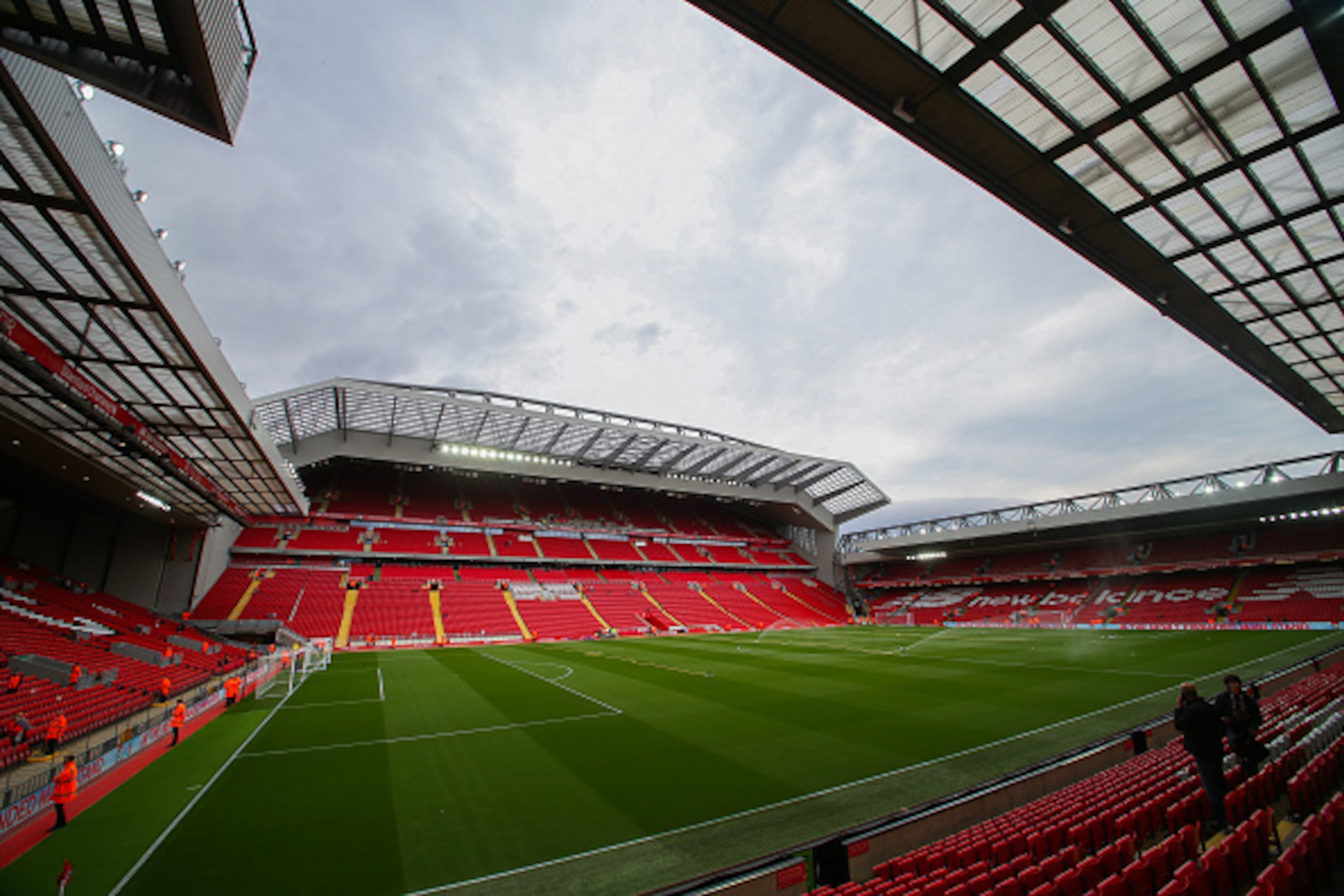
Speaking to the Associated Press in New York in September (h/t This Is Anfield), Henry seemed to indicate that the ticket-price protest could scupper phase two of the expansion, while chief executive Ian Ayre has been quoted saying that the lack of hospitality in the second phase makes it "not a smart investment," per Sky Sports' Paul Vinnell—taking 15 years to pay off.
Such comments have not sat well with supporters, especially given that FSG never intended to have hospitality in the Anfield Road Stand and had always earmarked it as purely for general-admission tickets. Quite why this has now become an issue, two-and-a-half years after acquiring outline planning permission, isn't clear.
A failure to deliver on the phase-two expansion would be a failure to deliver on FSG's promise to outgoing chairman Martin Broughton upon purchasing the club in 2010.
"We will have a stadium of more than 60,000. We will get substantial stadium development," Broughton assured fans upon NESV's purchase of the club, per Sky Sports News' Elliot Ball.
Future
Quite what the future holds for FSG and Liverpool FC isn't clear. Recent months have seen Chinese investors linked with a purchase of the club, with one report from Bloomberg's David Hellier and Tariq Panja suggesting they valued LFC at £1 billion.
According to the Press Association (h/t This Is Anfield), FSG are open to investment into the club as part of an overall package involving naming rights of the new Main Stand—for which they are seeking £7-9 million per season.
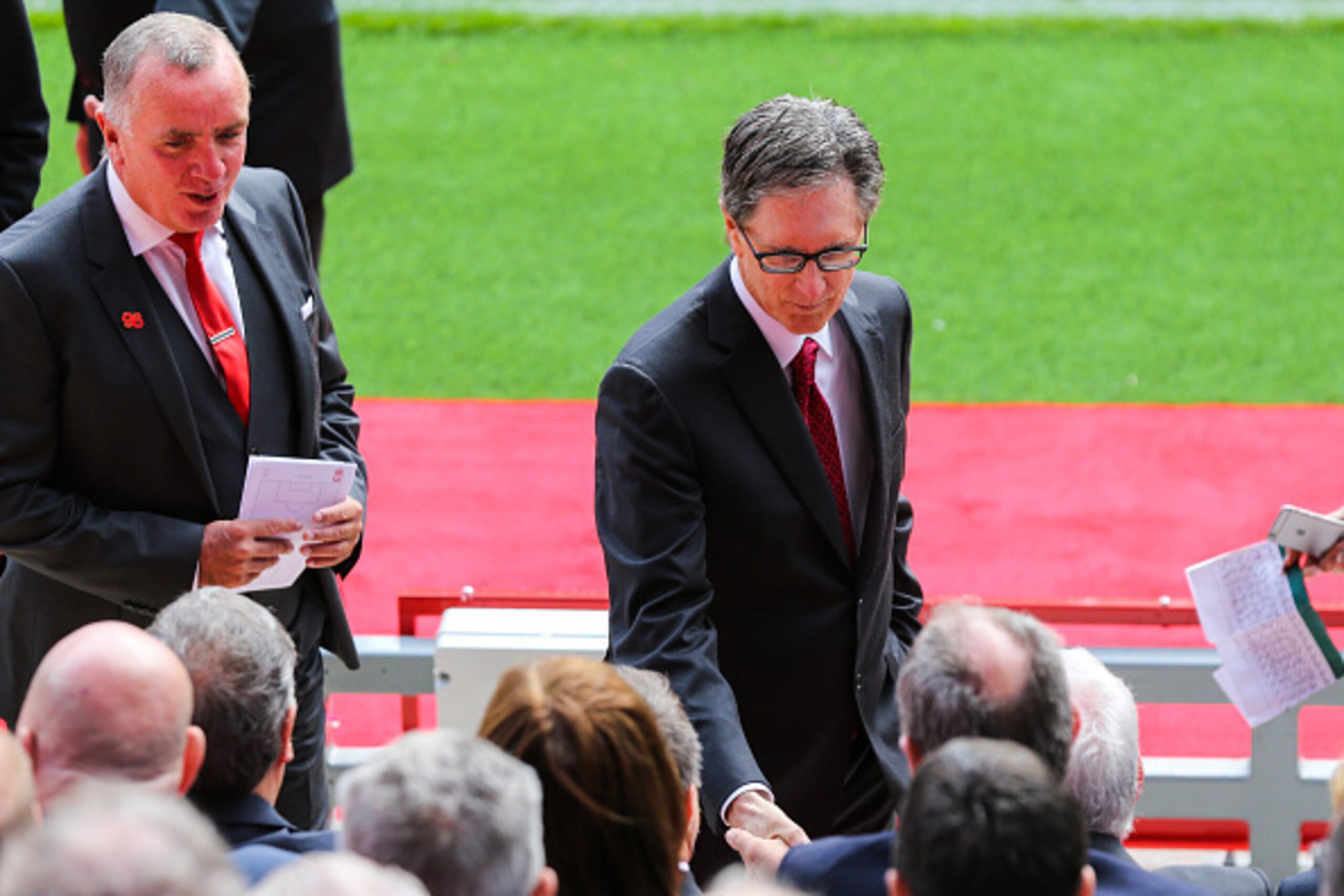
With the new stand also set to boost matchday revenue by £20 million per season and a positive net spend recorded in the summer despite the new combined TV deals worth £83 billion meaning clubs earn 50 per cent more in broadcast revenue this season, supporters may be left questioning FSG's long-term commitment to LFC.
That Liverpool have earned more from player sales than any other club in Europe over the last six years, according to the CIES Football Observatory (h/t This Is Anfield)—mostly due to the high-profile departures of Luis Suarez and Raheem Sterling for £65 million and £49 million, respectively—also leaves fans questioning quite why the ownership are so hesitant to press ahead with phase two of Anfield's expansion, which would cost between £60-70 million.
Should FSG press ahead with phase two and also look to integrate the club's two training facilities—the Melwood first-team training ground and Kirkby academy base—then FSG will have moved Liverpool into a strong footing off the pitch. Until then, questions will continue to be asked.
Meanwhile, chief executive Ayre departs his post at the end of the season, leading to questions over whether this will see a restructure of the club's hierarchy or if FSG will promote from within. Doing the latter may see their ambitions again questioned.
But with Klopp in charge, the on-pitch success looks more possible than ever, and perhaps finally FSG will deliver on their promise of being "here to win."

.jpg?w=2560 "Rams Eagles Football")

.jpg?w=2560 "Injury-stricken Seahawks signing veteran RB")
.jpg?w=2560 "Bijan's INSANE 1st Half 🤩")

.jpg?w=2560 "2 NFL Officials Suspended")
