
Paco Alcacer Must Handle Tricky 4th-Striker Role to Succeed at Barcelona
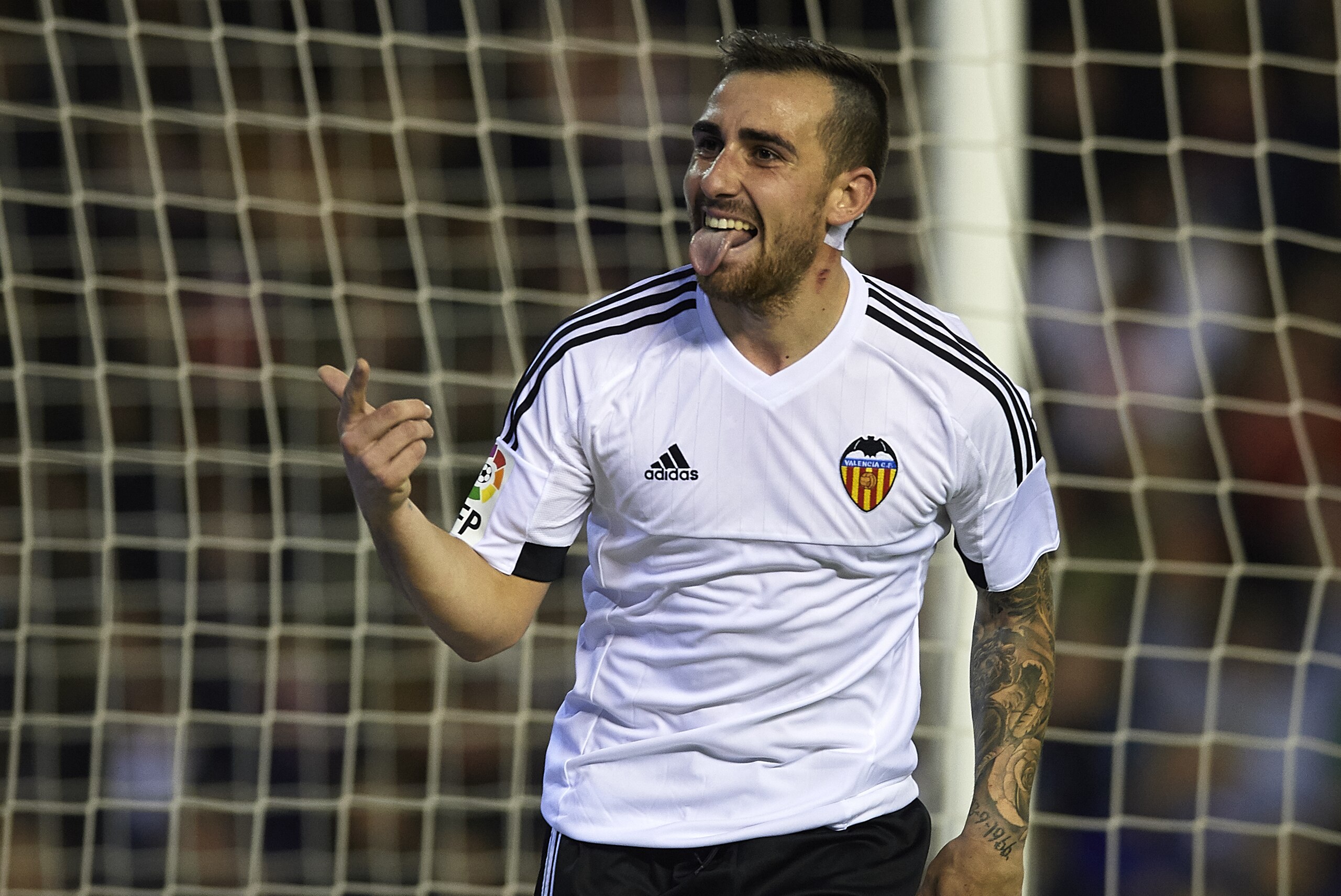
Paco Alcacer was hoisted into the air, but he was already walking on clouds.
The striker celebrated turning 23 at the Ciudad de Las Rozas in Madrid, where the Spanish national team are preparing for their upcoming fixtures against Belgium and Liechtenstein, and his team-mates gave him the bumps. It wasn’t the only thing he was celebrating, though.
As well as his birthday and a recall to the Spain squad after missing out on Euro 2016, his transfer from Valencia to Barcelona was made official, for an agreed €30 million and a possible further €2 million in add-ons.

As Alcacer was tossed around, he may well have thought to himself that these will be just the first bumps he receives on the rollercoaster ride that lies ahead as a Barcelona player.
"@paco_alcacer being thrown into air by his NT teammates on his 23rd birthday today pic.twitter.com/X3MdU79zFC
— Barçaaaa❤ (@forca_fcb) August 30, 2016"
Even the deal to take him from Los Che, 350 kilometres up Spain’s east coast, to the Camp Nou was complex.
Whereas earlier this summer Barcelona struck swiftly and smoothly for Andre Gomes—Alcacer’s former and current team-mate—negotiations to sign the forward dragged on for weeks.
Barcelona were first linked to him at the start of August, with Sport’s Lluis Miguelsanz reporting that the talks were advanced and that the player had already given a thumbs-up to the move.
Over the next couple of weeks, though, progress was slow. There were reports from various sources claiming a whole bundle of players were going to be involved in the move.
Superdeporte (h/t Sport's Miguelsanz) believed Sergi Samper would head to Valencia, while Marca thought the Catalans would be getting goalkeeper Diego Alves as well.
In the end it was Munir El Haddadi going the other way. Although the deals are not officially linked, unofficially the Alcacer switch hinged on the Barcelona man going the other way.
That was part of the problem with the negotiation process. Valencia needed a replacement before they could allow Alcacer to leave. Munir seemed to make perfect sense, except for the fact the player had another offer on the table from Celta Vigo which was tempting, per Sport's Miguelsanz. Especially given the club are much less of a mess than Valencia are.

Eventually Munir plumped for the Mestalla Stadium over Balaidos, and Valencia even have an option to buy him for €12 million at the end of his year loan there.
Barcelona do not have a buyback clause installed after that, just an option that allows them to buy him if Valencia are going to sell him to another club. This is a bone of contention for some Barca fans who don’t believe the Alcacer deal is good business.
The other reason the deal was so slow to come about is down to the institutional crisis at Valencia. Per Sport’s Lluis Mascaro, there is a civil war going on at the club. He wrote:
"Valencia are divided into two factions: the technical secretary department and the presidency. Jesus Garcia Pitarch, the sporting director of 'Los Che', is irritated by the transfer of Andre Gomes to FC Barcelona, for which he did not give his consent. Now he is trying to foil the sale of Paco Alcacer, and is using the manager Pako Ayestaran, who has publicly voiced his disagreement with the idea of Alcacer leaving.
"
Evidently president Lay Hoon Chan and owner Peter Lim won, even though the former had previously declared that Alcacer was “part of a legacy at Valencia," per Sport's Miguelsanz.
Even in the home straight there were still complications, as Barcelona’s website accidentally published a competition in which fans could win a signed Alcacer shirt, the day before the transfer officially took place.
Almost fittingly, it won’t be until next week that Alcacer can be presented, because he is on national-team duty.

“Some will understand and others will not, but I take this decision personally because it is good for me and for the club,” said Alcacer in his leaving statement, translated by Sport. "In the end, people have to understand the decisions of others and respect them. They can take it well or badly, but I will always respect Valencia as I have done up to now."
However, even a fairly large section of Barcelona fans are scratching their heads at the deal. Barcelona have three of the best forwards in the world in Lionel Messi, Neymar and Luis Suarez. Did they need another one? Was Munir not enough? What can Alcacer add?
The drawn-out transfer, the presence of the MSN trio and the fans who believe Barcelona should turn to their youth team to fill gaps when possible will up the ante for Alcacer. But this is a man who has been through a lot, and it would be wise to back him to triumph once more.
Alcacer went through the toughest experience of his life in August 2011. He scored a goal on his Valencia debut in a friendly against AS Roma, but his father, who was at the game, suffered a cardiac arrest and died as the family headed out of the stadium.

"I was hit hard and out of nowhere when I was 18. I couldn't even say goodbye to my father, it was so tough," he told El Pais (h/t ESPN's Richard Martin). "But that gave me the strength to keep fighting and see things in a different way."
Barcelona have actually been chasing him for a lot longer than a few weeks. Sport's Jordi Gil reported in 2014 how the Catalan giants had attempted to bring him in at the age of 17 in 2011.
Gil said Juvenil A coach Oscar Garcia wanted to add him to a youth team that already boasted Gerard Deulofeu and Rafinha as attacking support.
The basic factor Alcacer adds is goals. That is what manager Luis Enrique wants from his fourth striker, for him to be a player that Barcelona can turn to in times of need and expect results.
Munir and Arda Turan’s presence would have given the club plenty of back-up for the MSN trio, but neither of those players are the type you would bank on to score in the final seconds of a Champions League quarter-final, for example.
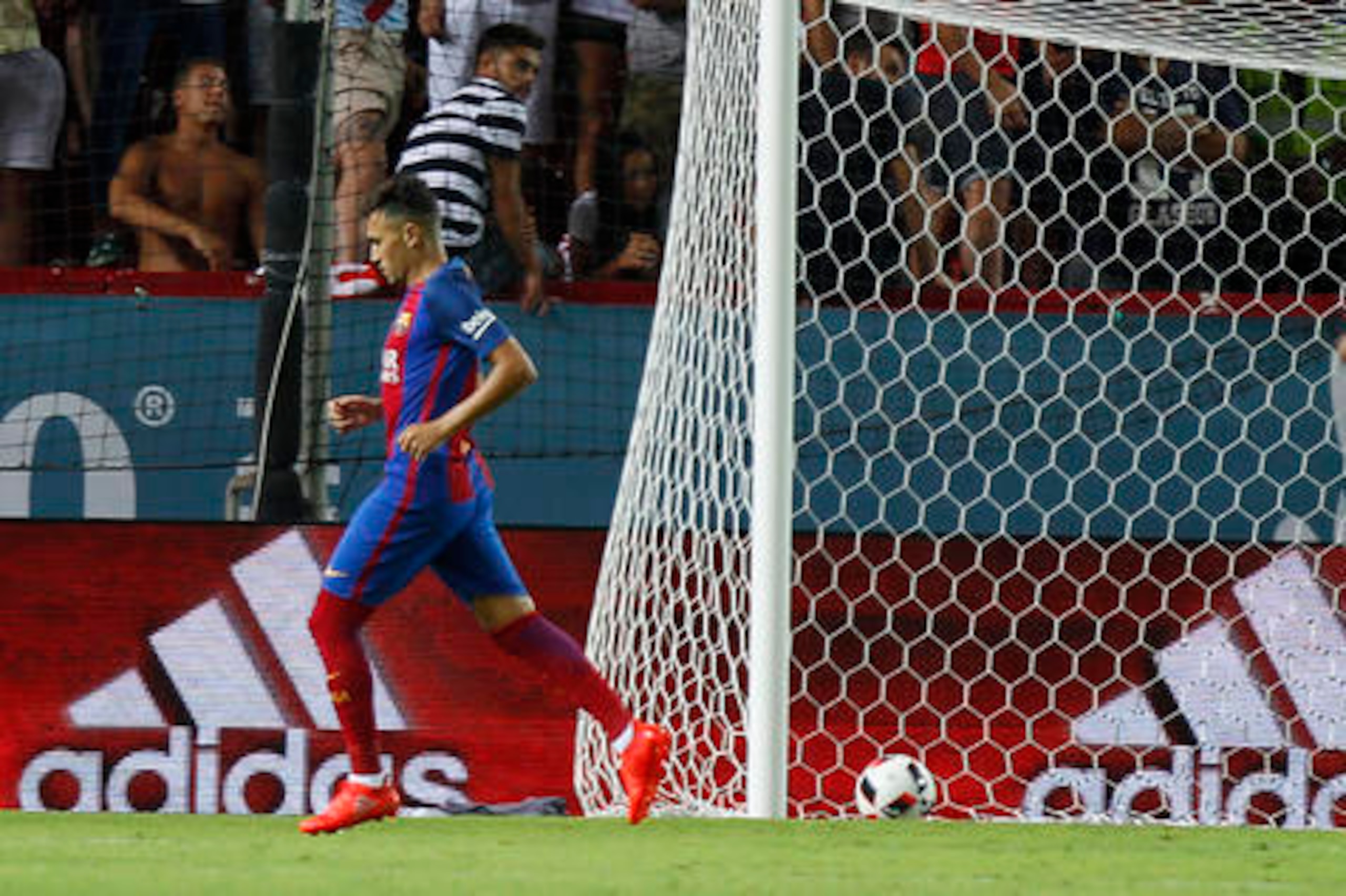
Alcacer is a more lethal finisher and has that eye for goal that isn’t as strong in other options in the Barcelona squad. He becomes a first option for the coach when turning to his bench, instead of a last resort.
The player knows already that he will have to be patient to get game time, but that comes with the territory when you are a new signing for Barcelona—and especially one who has to play second fiddle to Messi, Neymar and Suarez.
After signing for the club, Alcacer told Barca TV (h/t Sport's Luke Salvin-Hughes):
"I’m happy to be here with this great club. A striker lives on hope and getting lucky, so I hope I can contribute my bit and achieve something nice at the club.
It will be easier [to adapt] as I know some team-mates already.
Messi, Suarez and Neymar are the three best players in the world - playing with them is a privilege.
"
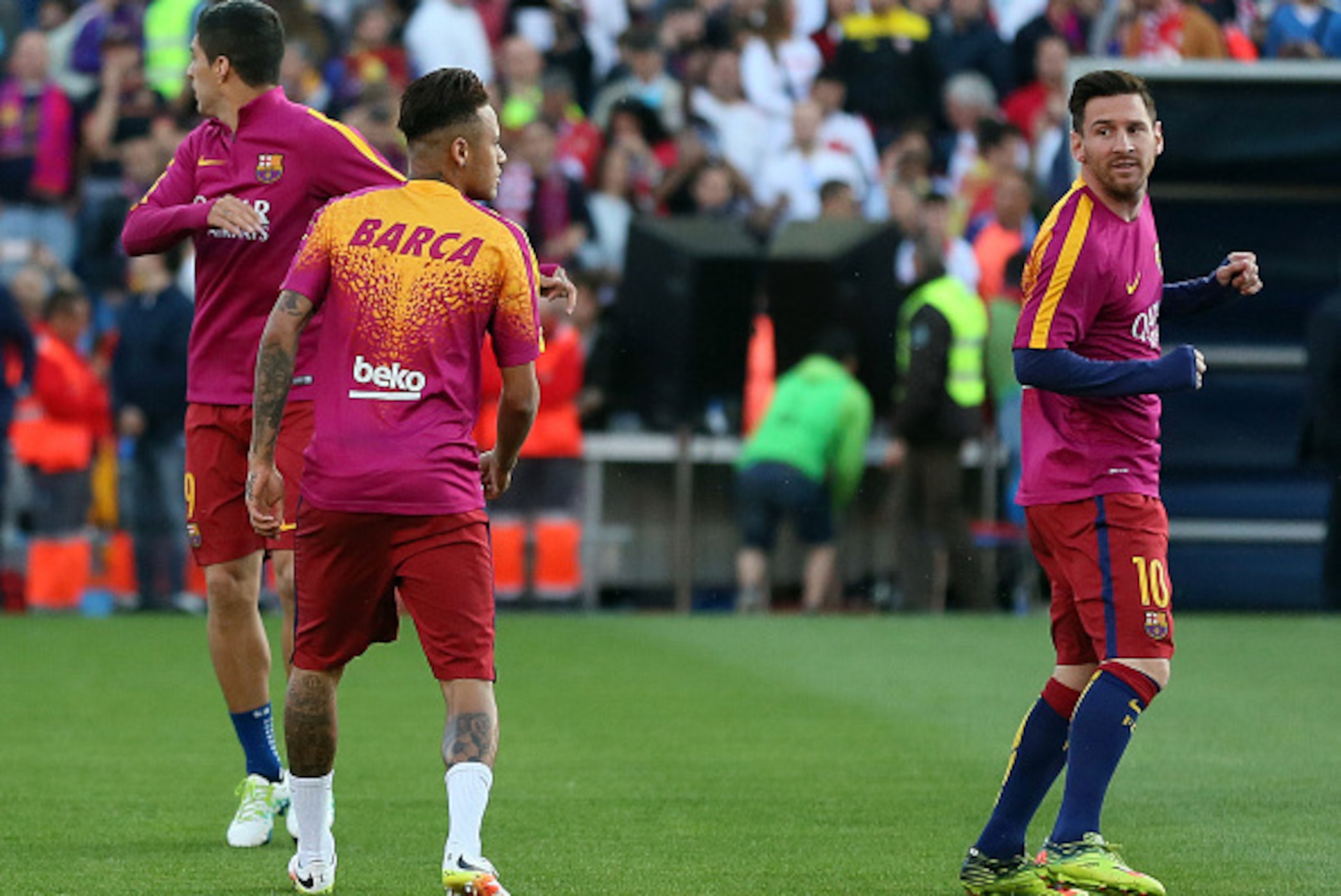
On some occasions the closest he will get to playing with that trio is in training, but there is the potential for a switch in tactics if Barcelona are chasing a game.
Alcacer can join Neymar and Suarez in the attack, while Messi can do something that he has been doing increasingly in recent times—dropping in to play almost as a central midfielder.
Having a player who Luis Enrique trusts—a man who notched 15 goals in 40 games last season, several as a substitute—means the coach will be able to rotate the attack more and rest key players. Not being able to do so last season led to tiredness, which in turn led to Barcelona’s near collapse late in the season.
They managed to hold themselves together after Champions League elimination to win the double, but the transfers this season prove they are not willing to let that happen again. They also show Barcelona are planning their future.
Suarez is still at his peak, but the Uruguayan is 29 and, as with other older players—Javier Mascherano, Andres Iniesta, Jordi Alba—the club’s purchase of Alcacer is a nod towards his potential replacement, just as Samuel Umtiti, Gomes and Lucas Digne are for that trio.
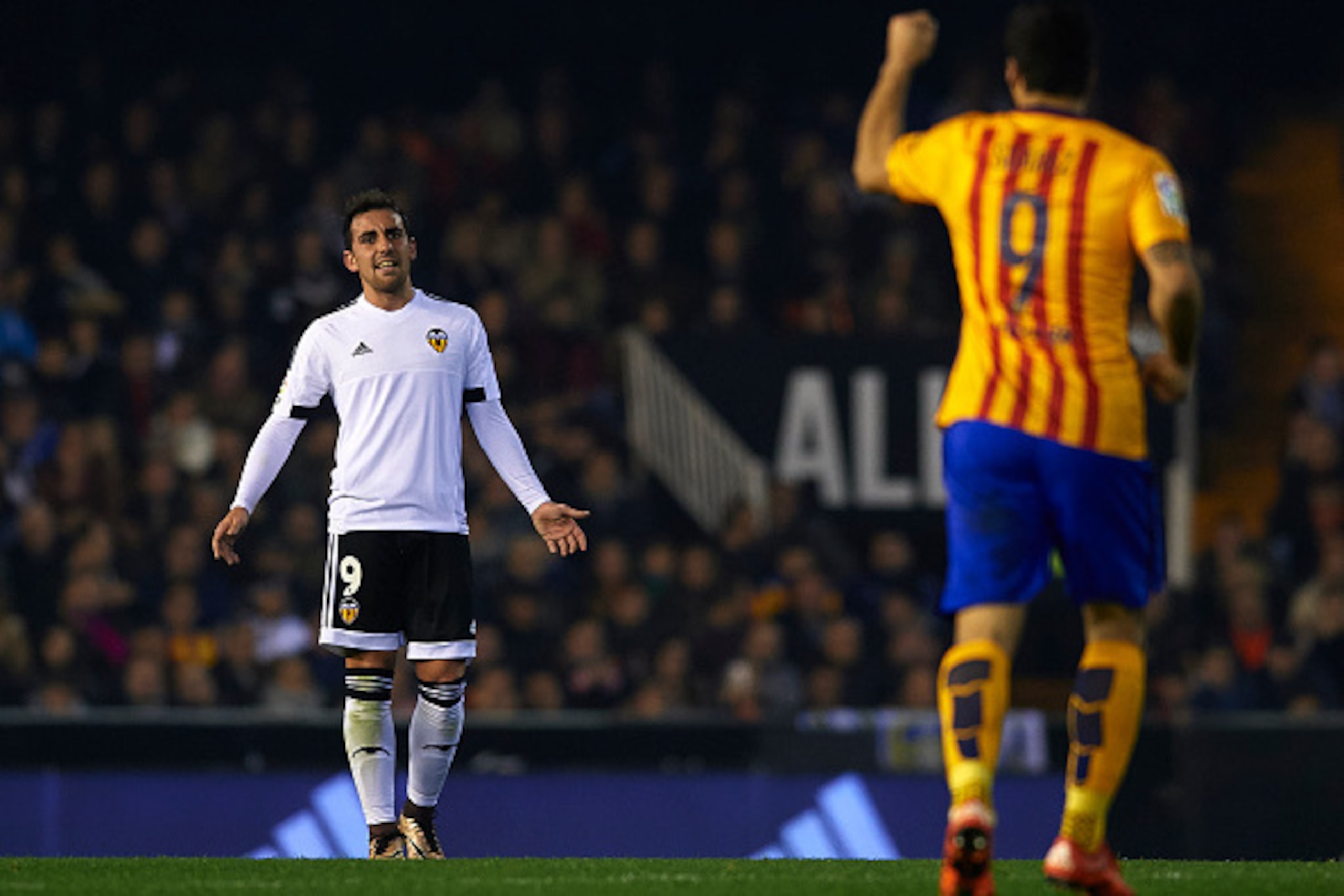
Something Alcacer may have to get used to is not playing on the break. Some of his finest moments for Valencia saw him bursting downfield, using his acceleration and speed to charge forward and hit teams on the counter.
It’s not that Barcelona don’t play that way—under Luis Enrique they are happy to utilise a swift breakaway—but often the times Alcacer will be called upon will see the Liga champions having a stranglehold on a game but just lacking the final connection.
Alcacer is a natural finisher, and his job will be making sure he stays sharp, even when not playing, so he can find the net when he is.
He can carry the ball despite not being a brilliant dribbler, and he has enough trickery to burst away from a tight marker, with a favoured trick of his being to lift the ball over an opponent’s head and then nip around to get it and carry on piling forward.
Alcacer is a direct player with good link-up play, although whether he can adapt to Messi’s wavelength is something we will have to wait and see. After all, sometimes even Neymar and Suarez get it wrong.
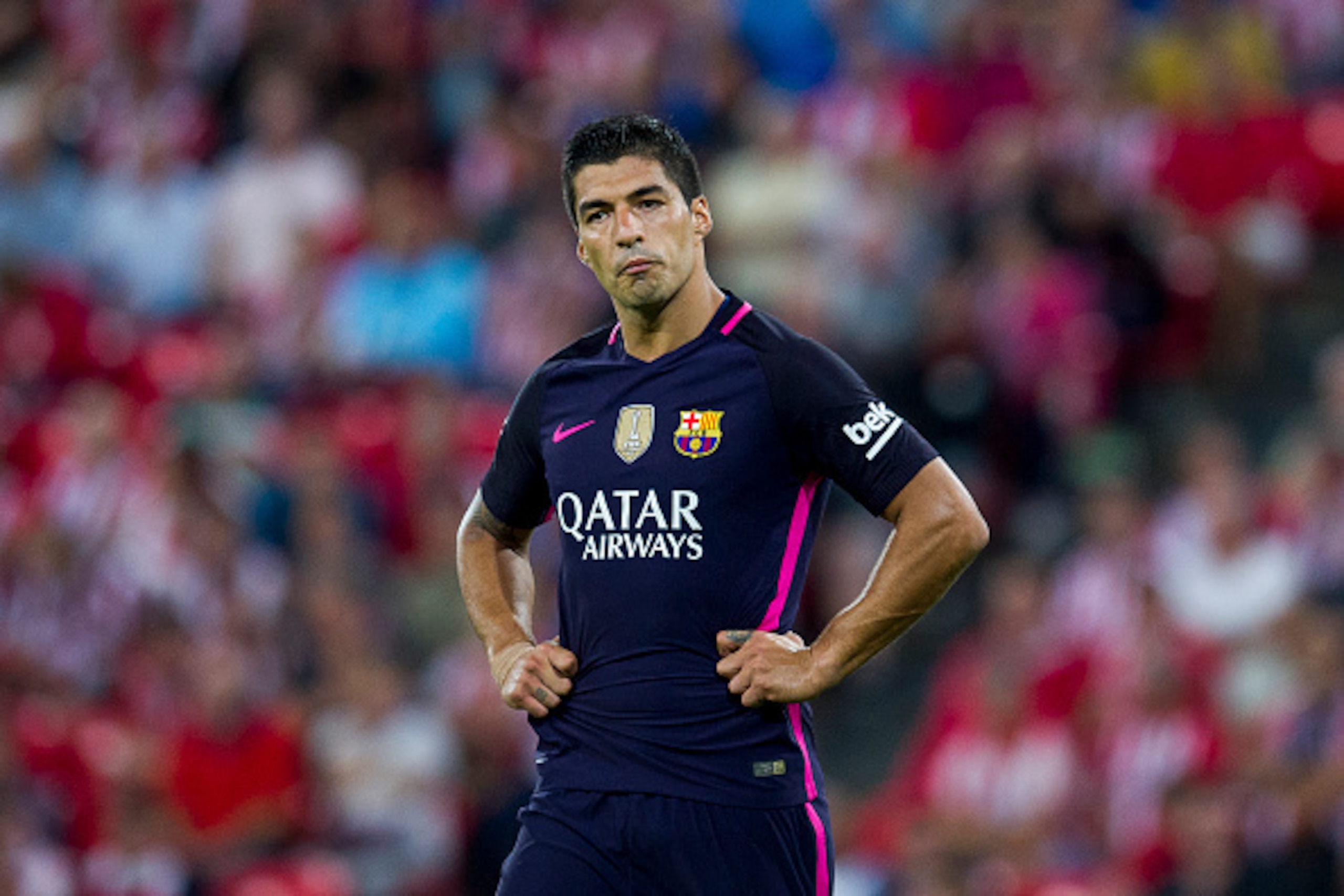
In a best-case scenario for Alcacer, he will get plenty of games in the Copa del Rey and some league clashes when Lucho wants to rest Suarez, as well as being relied on in important European games from the bench. He can hope for 15 goals.
Then next season, and even more so the year after that—having continued developing, improving and learning from the talent around him—he can truly vie with Suarez for his place. And eventually, with the South American hitman ageing and Alcacer increasingly difficult to ignore, he can win.
The worst-case scenario? Not necessarily for Barcelona, but for Alcacer, is that the MSN trio stay fit throughout the season and perform to their maximum, giving the coach little cause to turn to the new man.
Whenever he plays there will be a big focus on him, particularly as he—along with Alvaro Morata—looks like one of Spain’s best striking options for the years ahead.
Alcacer is used to bumps and bruises, though, so the smart money is on him to handle the glare and go about doing what he does best—putting the ball in the back of the net.


.jpg?w=2560 "Latest Peyton-Colts Rumors")