

Lessons Learned About Each MLB Contender at the 2016 Halfway Mark
School might be out for summer, but the 2016 MLB regular season isn't done teaching.
As we arrive at the season's halfway point, we've learned quite a bit about all 30 teams. Some of those lessons have been positive, some not so much. But every game presents an opportunity to learn something new and walk away with more information than we had before the first pitch of the day.
While we could break down what we've learned about each team, we're only going to focus on contending clubs right now. To qualify as a contender, a team must meet the following criteria:
- Be within five games of a playoff spot, whether it be the division lead or a wild-card berth.
- Have a winning record. Teams playing .500 baseball and below need not apply.
Those are certainly reasonable criteria to have when it comes to the teams that are supposed to be the best in the game. If your favorite team didn't make the cut (mine didn't), well, chances are they're more pretender than contender anyway and didn't really belong in the conversation to begin with.
What have we learned? Let's take a look.
Baltimore Orioles
1 of 16
Lesson Learned: A powerful offense can overcome horrible pitching.
At no point this season has Baltimore been more than two games out of first place, and it's been nearly a month since the Orioles weren't at least tied for the division lead. In the American League, only Texas (.637) has a higher winning percentage than Baltimore's .610 mark.
The Orioles have done all that despite rolling out a starting rotation that goes two deep (three if you're a believer in Yovani Gallardo) and has pitched to the American League's fourth-highest ERA (4.94).
It's not supposed to work like that, of course. Pitching and defense win championships, remember?
But Baltimore's high-octane offense has done its part to make up for its rotation shortcomings, leading the AL in home runs (124) and slugging percentage (.477) while sitting tied with Boston for the lead in OPS with runners in scoring position (.839).
Manny Machado (.332 BA, 18 HR, 49 RBI, 1.001 OPS) and Mark Trumbo (.282 BA, 23 HR, 60 RBI, .894 OPS) have put together MVP-caliber seasons, while Jonathan Schoop (.301 BA, 13 HR, 46 RBI, .846 OPS) finally looks like the star he was long touted to be.
Whether the Orioles can keep this up remains to be seen, but they may not have a choice. As the Baltimore Sun's Jon Meoli noted, there are serious questions about whether the team has the trade chips to add the starting pitcher it needs:
"While improved, the Orioles farm system is at the point where any reduction in top-level talent will be difficult to stomach. One American League scout, who cannot be named as he's not authorized to speak on behalf of his organization on other teams' players, has scouted the Orioles extensively and doesn't see how they can put together a package for an impact starter.
"
Boston Red Sox
2 of 16
Lesson Learned: A $210 million ace can't fix all your problems.
Boston desperately needed to add a legitimate front-of-the-rotation arm over the winter and did just that, signing David Price to a seven-year, $210 million pact. While Price has shown flashes of brilliance—he pitched to a 2.47 ERA and 0.94 WHIP with 56 strikeouts in 58.1 innings over an eight-start stretch from mid-May to mid-June—he hasn't been the always reliable ace the Red Sox thought they had added.
“It’s frustrating,” Price told the Boston Globe's Alex Speier on Wednesday, after he allowed four earned runs and nine hits in 6.1 innings to the Texas Rangers. “It’s been my worst year. It’s unacceptable. I don’t care if I’m a rookie. It’s unacceptable. I’ve got to get better, and I will.”
But improvement from Price alone won't fix what continues to ail the Red Sox.
Steven Wright (2.18 ERA) and Rick Porcello (3.78) are the team's only starters with ERAs below 4.70, and there's little help coming from the minors, with the team's best pitching prospects, such as Anderson Espinoza, not yet ready to contribute.
If there's good news, its that Boston has one of the game's deepest farm systems, which should enable the team to go out and acquire whichever available starter it chooses. Whether the Red Sox will be willing to meet a team's asking price is another story, but Boston has the trade chips to do so.
Chicago Cubs
3 of 16
Lesson Learned: Getting hot early has its advantages.
It's true that the Chicago Cubs have gone only 24-18 after the team's historic start to the regular season. While that still qualifies as winning baseball, it's understandable why some might be concerned, considering how far a cry it is from the team's 27-9 mark through its first 36 games of the year.
But that hot start—and the team's ability to still win more often than it loses—has given the Cubs a double-digit lead over the St. Louis Cardinals, Pittsburgh Pirates and the rest of the National League Central.
None of this guarantees anything, of course, as Cat Garcia wrote for Baseball Prospectus Wrigleyville back in May:
"Of the 45 teams that make it to the postseason after playing a >.600 April and staying at or above .500 at the [All-Star] break, only 20 percent of these teams advance to the World Series. October can be a cruel month.
But how many of the teams who made it to the World Series, actually won once they got to the final stage? 77 percent.
"
There's far too much baseball left to anoint the Cubs as anything but a heavy favorite to represent the NL in the Fall Classic. If we've learned anything since the Cubs last won a World Series, back in 1908, it's that anything can—and often does—happen.
Still, getting off to such a hot start has given the team a cushion—and a margin for error—that most other division leaders don't have the luxury of enjoying. By the end of the year, the Cubs might teach us another lesson: It's not just how you finish but how you start as well that matters most.

Cleveland Indians
4 of 16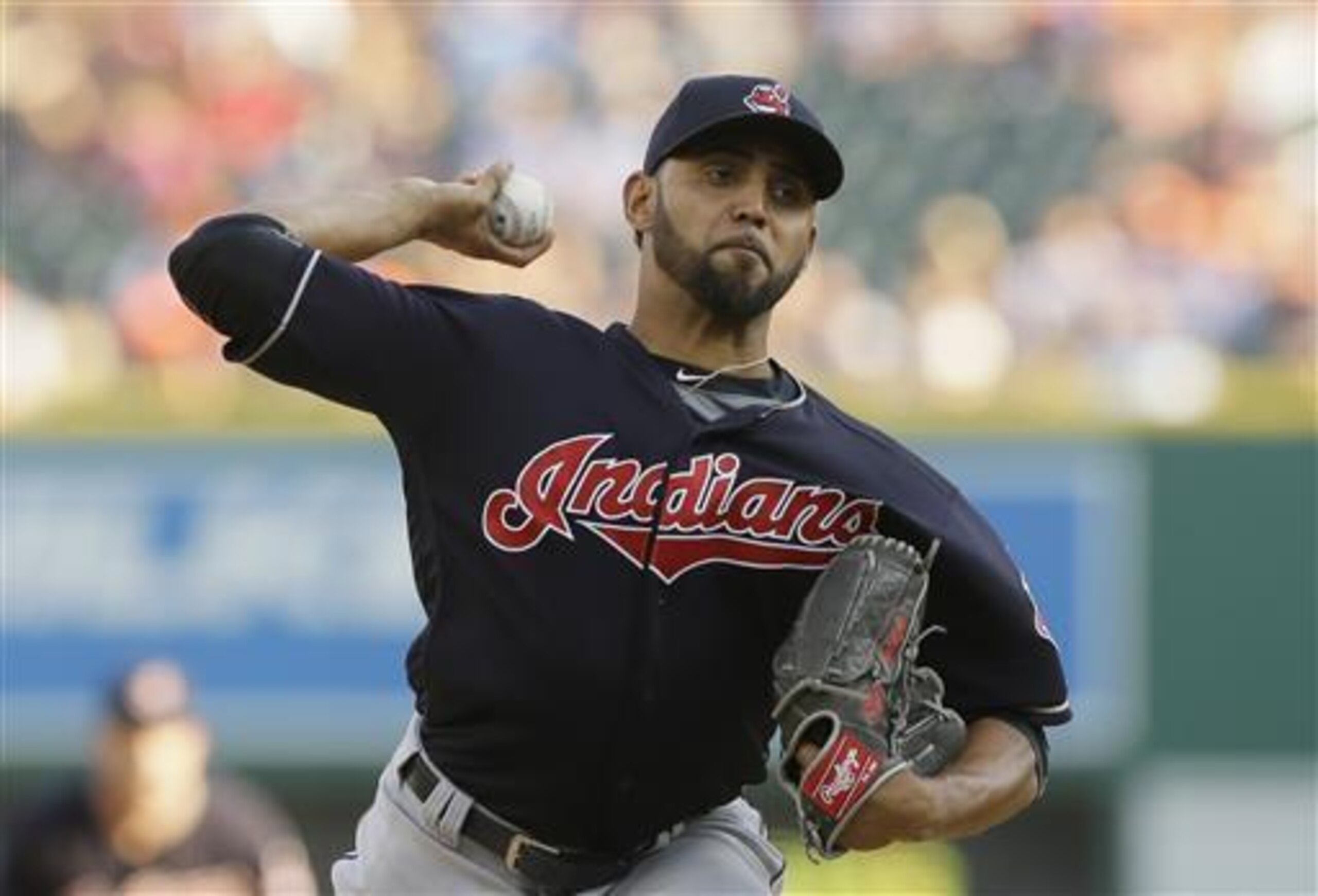
Lesson Learned: One big winning streak can change everything.
Two weeks. That's all it took for Cleveland to go from looking like a mediocre team in a mediocre division to a legitimate threat for AL supremacy.
Cleveland headed into a three-game series against the Chicago White Sox on June 17 tied for first place in the AL Central with the Kansas City Royals. A franchise-record 14-game winning streak (and counting) later, the Indians have a comfortable seven-game lead over the defending World Series champs.
Not only has the streak thrust the Tribe to the top of the division, but it's made their path to meaningful October baseball easier.
"Cleveland could play .500 baseball the rest of the regular season and still finish with a 90-72 record," wrote Cleveland.com's Zack Meisel after the streak hit lucky No. 13. "That would possibly be enough to win the division, too. The Royals, who sit in second place in the American League Central, would have to go 48-36 to reach the 90-win mark."
Armed with the AL's best starting rotation, a solid bullpen and a resilient offense—not to mention one of the game's most overlooked rising stars in Francisco Lindor—the Indians could very well be the team to beat down the stretch.
Detroit Tigers
5 of 16
Lesson Learned: Last year's Yoenis Cespedes trade was a stroke of genius.
This writer gave Detroit an A grade on its return from the New York Mets for Yoenis Cespedes at last year's non-waiver trade deadline. It's a deal that has paid dividends for both clubs, but halfway into the 2016 season, it looks like the Tigers deserved a higher mark.
The Tigers landed a pair of pitching prospects in exchange for the Cuban slugger—Luis Cessa and Michael Fulmer. Cessa and fellow pitching prospect Chad Green were traded to the New York Yankees after the season for reliever Justin Wilson.
While Wilson has helped solidify the back end of Detroit's rotation, Fulmer has been a revelation for the Tigers. The 23-year-old has been the team's ace since making his big league debut, going 8-2 with a 2.17 ERA and 1.09 WHIP over 12 starts.
After tossing seven scoreless innings against Tampa Bay on Friday, Fulmer became the team's first starter since 1913 to allow no more than one run in eight consecutive starts, per MLB.com's Jason Beck.
Not only has Fulmer emerged as Detroit's best pitcher, but he has to be considered one of the favorites—if not the favorite—to take home AL Rookie of the Year honors at the end of the regular season. Without him, the Tigers likely wouldn't have made the cut as a contender.
Houston Astros
6 of 16
Lesson Learned: Slow starts can be overcome.
Check the comments section of nearly any article written about the Houston Astros in April, and you're sure to find remarks calling for manager A.J. Hinch's removal and claims that the team was grossly overrated, among others.
After going 7-17 over the first month of the regular season, such criticism was to be expected. But the Astros have proved to be a resilient bunch and have played their way back into the playoff picture.
Since May 1, Houston has gone 36-20 and won nine of its last 10 games, going 18-8 in June. Entering play Saturday, the Astros occupy one of the AL's two wild-card spots. Not bad for a team that was left for dead two months ago.
Houston may not be able to catch its Arlington-based, in-state division rival Texas Rangers in the AL West, but the fact that we're talking about the Astros as a contender is nothing short of miraculous given how poorly they played in April.
Kansas City Royals
7 of 16
Lesson Learned: Winning it all has its downside.
It'd be easy to point to increased and, in some cases, unfair expectations placed on a team as the biggest downside it faces after winning the World Series. But expectations aren't the issue in Kansas City.
Nobody in their right mind would say the Royals shouldn't have made the trades they did for Johnny Cueto and Ben Zobrist last season. The Royals don't win it all without them. And before you bash Cueto, who had his struggles in Kansas City, allow me to remind you of his performance in Game 2 of the World Series.
But the team paid a steep price to obtain them. Consider the list of pitchers the Royals had to trade away in those deals:
- Aaron Brooks
- Brandon Finnegan
- John Lamb
- Sean Manaea
- Cody Reed
While none of them have emerged as Cy Young Award contenders with their new teams, it's hard to argue that most, if not all, of them would have been better options for the Royals than the likes of Kris Medlen and Chris Young, as neither one looks like a serviceable big league starter at this point in his career.
Again, nobody should be critical of the Royals for making the deals they did. When you have a chance to win it all, you take it. But those moves have contributed to making the team's defense of its crown that much more difficult.
Los Angeles Dodgers
8 of 16
Lesson Learned: You can never have too much pitching.
As B/R's Danny Knobler recently pointed out, the Los Angeles Dodgers are going through starting pitchers like a newborn goes through diapers: "Counting [Bud] Norris, the Dodgers have had 10 starting pitchers this season—only the Cincinnati Reds and Oakland A's have used more—and four of them made their major league debut in 2016."
There's a quality five-man rotation sitting on the team's disabled list: Brett Anderson, Clayton Kershaw, Brandon McCarthy, Hyun-Jin Ryu and Alex Wood. It's a far superior group than the team's current starting five, which consists of Norris, Kenta Maeda, Scott Kazmir, Julio Urias and Brock Stewart.
Yet for all their pitching woes, the Dodgers have remained within shouting distance of first-place San Francisco and are 1.5 games up on the rest of the field for one of the NL's two wild-card berths.
Miami Marlins
9 of 16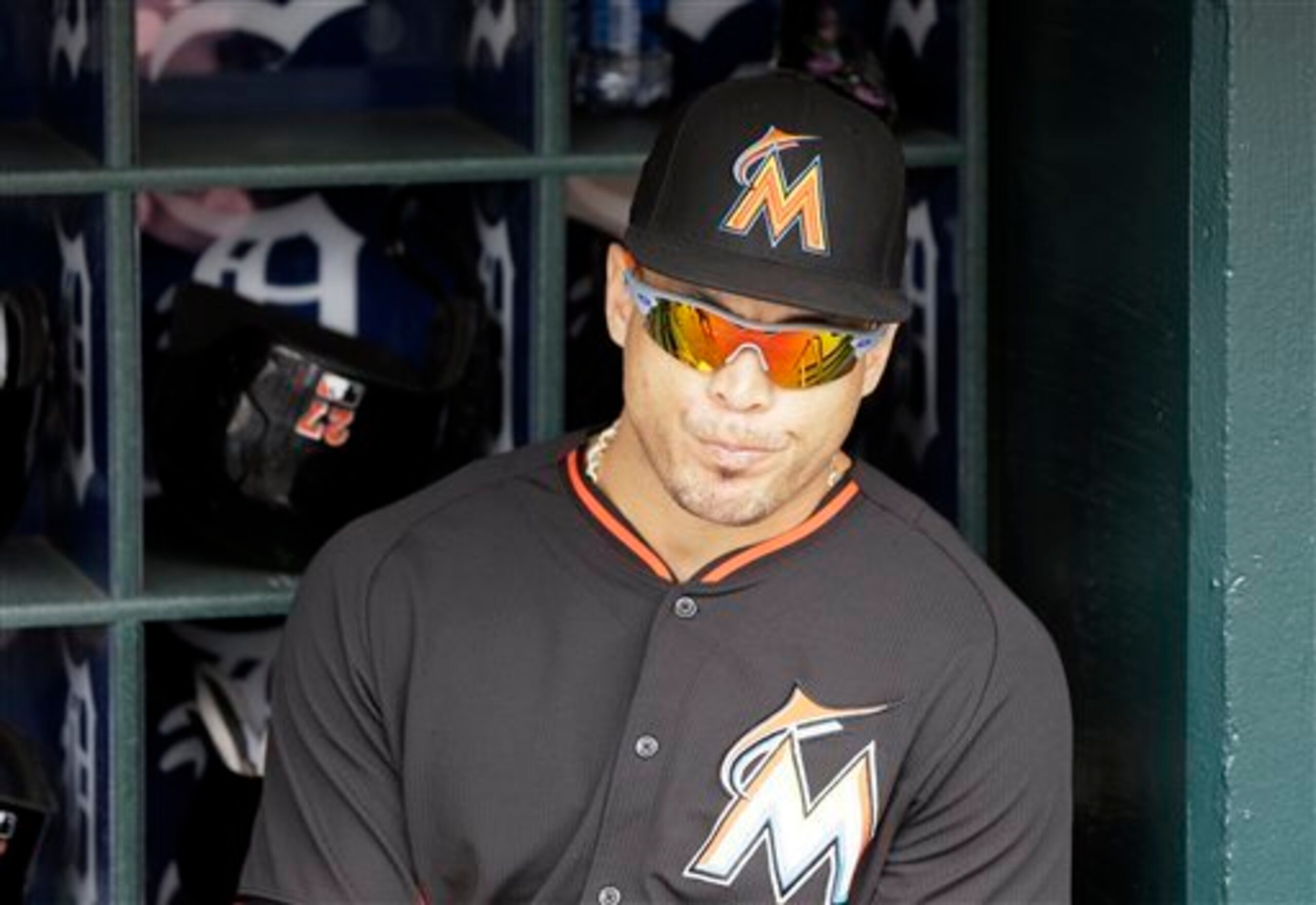
Lesson Learned: The Miami offense is more than just Giancarlo Stanton.
While Giancarlo Stanton might be the most popular and well-known member of the Miami Marlins thanks to his affable personality and otherworldly power, the Marlins have remained in contention without much of a contribution from the hulking slugger.
His 15 home runs and 25 extra-base hits serve as proof that his power hasn't disappeared, but his .219 batting average and .746 OPS are nowhere near the numbers we've come to expect from the 26-year-old. Or that he's come to expect from himself.
“It’s something that’s good and bad,” Stanton told John Perrotto of Today's Knuckleball. “It’s good that we can win when not playing at my best, but it also leaves me wondering what our record would be if I was producing the way that I know that I can.”
Luckily for the Marlins, players such as Marcell Ozuna (.321 BA, .932 OPS), Christian Yelich (.311 BA, .872 OPS), Derek Dietrich (.302 BA, .849 OPS) and Justin Bour (.263 BA, .874 OPS) have been able to pick up the slack. Veteran leaders Martin Prado (.319 BA, .769 OPS) and Ichiro Suzuki (.342 BA, .799 OPS) have raised the level of their games as well.
If the offense can maintain its current level of production and Stanton finally gets going, the Marlins could be one of baseball's more dangerous teams over the season's second half.
New York Mets
10 of 16
Lesson Learned: Pitching alone can't sustain success.
Heading into Saturday, only three teams have failed to score 300 runs on the season—the Atlanta Braves (269), Philadelphia Phillies (282) and the New York Mets (290). While that lack of offense hasn't kept the Mets from staying in the thick of the playoff hunt, it's not helping their chances, either.
That lack of production has wasted some of the efforts of a starting rotation that's pitched to baseball's second-lowest ERA (3.30). It's not surprising to see, per ESPN, that four of the 11 National League starters receiving the lowest run support call Citi Field home.
Injuries to Lucas Duda and David Wright haven't helped, but their absences aren't to blame for the team's woes at the plate.
While Yoenis Cespedes has been a consistent source of offense, the same can't be said about the rest of the team's regulars. Asdrubal Cabrera and Neil Walker have cooled off after torrid starts to the season, while Curtis Granderson has yet to get going. Michael Conforto, one of the team's key bats last season, played his way back into the minors.
If those in-house players don't start to perform, the Mets may not have a choice but to add another bat from outside the organization.
San Francisco Giants
11 of 16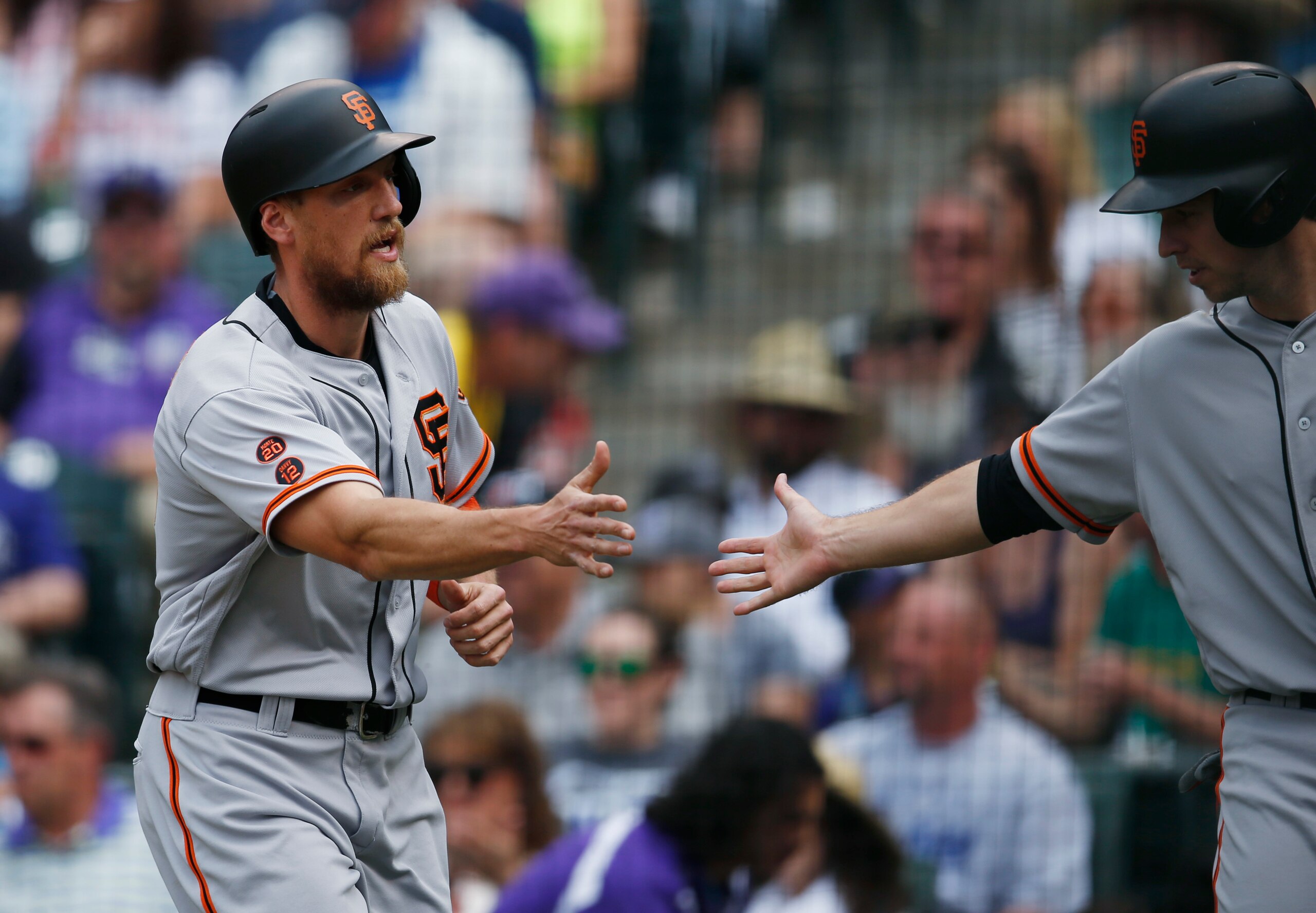
Lesson Learned: Even years really do belong to San Francisco.
Seeing as how San Francisco was the last team standing in 2010, 2012 and 2014, missed the playoffs in 2011, 2013 and 2015, and that we are in an even-year season, the Giants were a predictable preseason pick by fans and pundits alike.
Halfway through the 2016 season, the Giants have a six-game lead in the NL West. That's not really a surprise.
But among losing starting outfielders Angel Pagan and Hunter Pence for chunks of the first half because of injury, a down season by perennial MVP candidate Buster Posey and a bullpen that has been good, not great, they probably shouldn't.
While part of their success can be attributed to playing in a mediocre division, can we really discount the notion that every other year, the baseball gods turn their gaze to San Francisco? I'm not so sure we can.
Seattle Mariners
12 of 16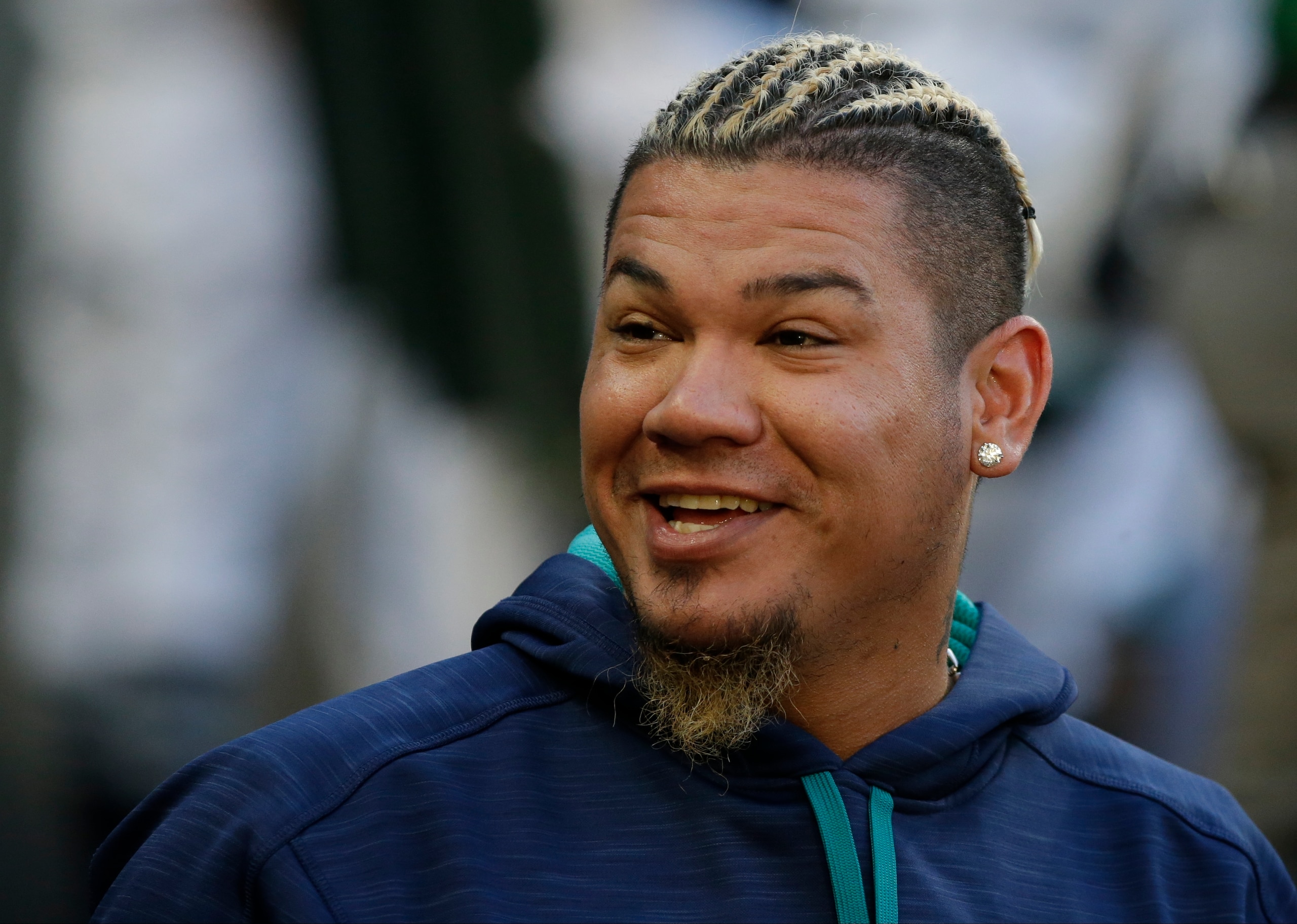
Lesson Learned: Seattle needs its king to stay competitive.
On June 1, the Seattle Mariners sat a half-game out of first place in the AL West, eight games over .500 (30-22) and looking like a team with a real chance to reach the playoffs for the first time since 2001.
Then Felix Hernandez landed on the disabled list with a strained right calf, and things fell apart. The Mariners would go 10-18 in June, finishing the month only one game above .500 (40-39) and 10.5 games behind Texas for the division lead. Seattle's starters pitched to a combined 5.01 ERA for the month—one of 13 teams to post a combined ERA over 5.00 in June.
Maybe, just maybe, Hernandez is the heart and soul of the clubhouse—the guy who everyone else looks to for guidance and inspiration. It's not crazy to think that his absence has negatively impacted not only the rotation but the team as a whole.
I suppose we'll find out whether this is true upon his return, whenever it may be. But for now, it sure seems like more than a coincidence that things went south for the team as soon as Hernandez hit the shelf.
St. Louis Cardinals
13 of 16
Lesson Learned: "The Cardinals way" continues to work.
The St. Louis Cardinals haven't been one of baseball's most successful franchises over the past 15 years because of luck. There's a method to the team's madness—a way the Cardinals go about things that, for whatever the reason, hasn't had the same level of success elsewhere.
It's a simple formula, really: Next man up. That's it. Take, for example, the injury that starting shortstop Jhonny Peralta suffered in spring training.
The Cardinals went out and signed Ruben Tejada to replace him, only to have Tejada injure himself as well. The next man up, Aledmys Diaz, seized his opportunity and hasn't let go of the job since, forcing Tejada out of town and Peralta to third base upon his return to action.
Kolten Wong, who was knocked off second base when Peralta returned (Matt Carpenter took over) and demoted to the minors, has reached base safely in all but one game since he rejoined the club as an outfielder, a move necessitated by the continued struggles of Randal Grichuk, who was demoted.
The Cardinals way. It's not elaborate or scientific, but it works.
Texas Rangers
14 of 16
Lesson Learned: The injury bug can't stop the Rangers this time.
Two years ago, Texas was decimated by injuries, using 40 different pitchers (including three position players), falling out of contention far earlier than expected. Last year, the team lost its ace, Yu Darvish, before the regular season even began. Yet it stormed back at season's end and won the AL West.
This season, Darvish and a slew of other pitchers have all made their way to the disabled list at one point or another. Yet the Rangers continue to win and enter Saturday's action with a 52-29 record, mere percentage points away from the Chicago Cubs (51-28) for the best record in baseball.
Unlike past seasons, the Rangers appear to have the necessary depth to withstand the injuries that seem to hit the team more often than others. Nomar Mazara, Matt Bush and Chi Chi Gonzalez are only some of the examples we can point to as proof of that.
So long as the injuries don't once again reach those 2014 levels, the Rangers seem well-positioned to take home their second consecutive AL West crown.
Toronto Blue Jays
15 of 16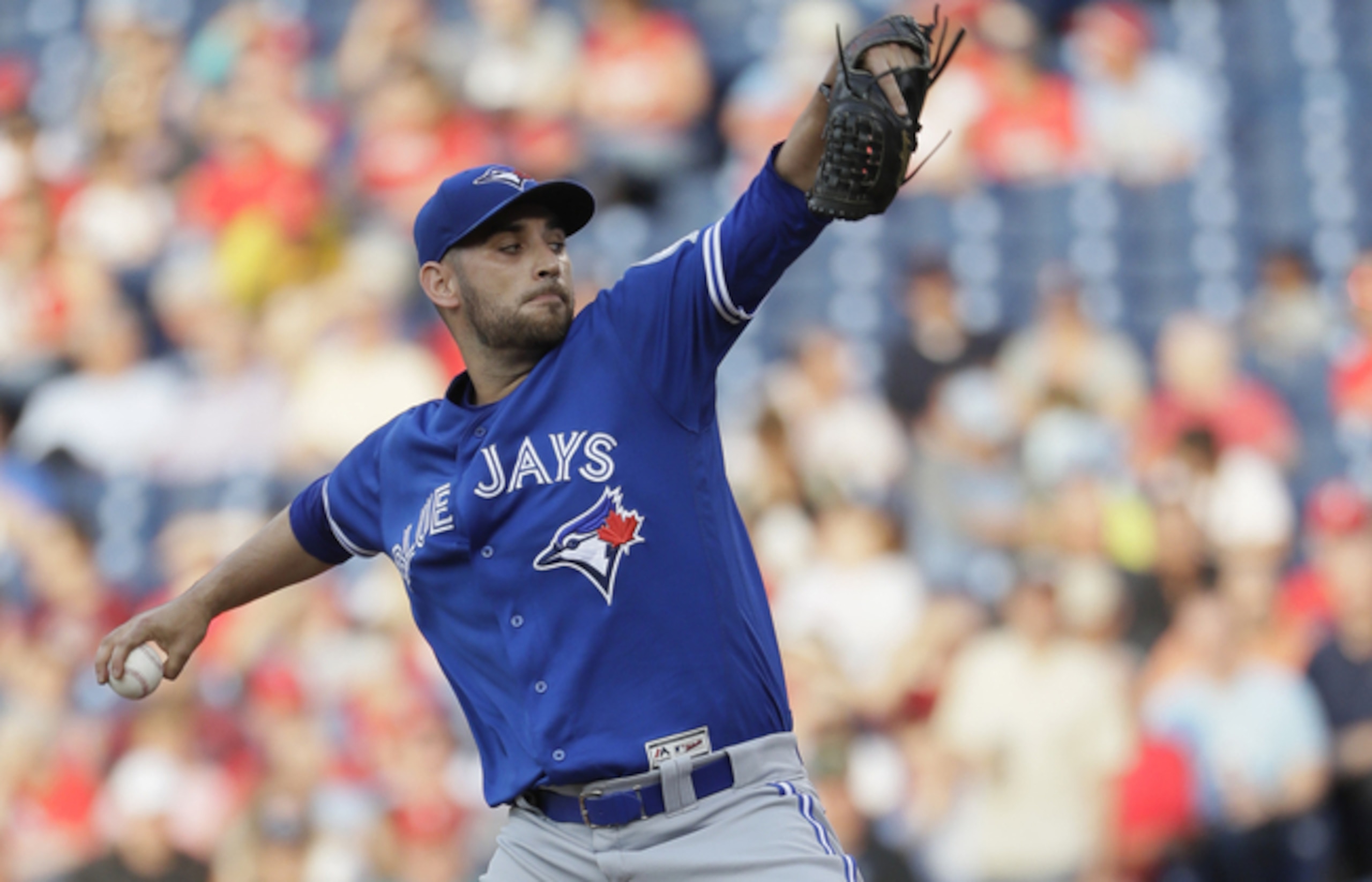
Lesson Learned: You don't need a true ace to have success.
Statistically speaking, Toronto's ace would be Marco Estrada, who leads the team's rotation in both ERA (2.81) and WHIP (0.99). But would the 32-year-old be considered anything more than a mid-rotation starter on most contenders' rotations? Probably not.
That's not to say that Estrada is a bad pitcher—clearly, he's not. Neither is J.A. Happ or R.A. Dickey, and both Aaron Sanchez and Marcus Stroman still have front-of-the-rotation upside, with Sanchez currently looking the part more than his diminutive counterpart.
Yet despite the lack of a true ace—and middling production from some of the team's biggest bats (Russell Martin, Troy Tulowitzki and the currently injured Jose Bautista)—the Blue Jays have managed to stay within a game of a wild-card berth and not let either Baltimore or Boston get too far ahead of them in the AL East.
That's an impressive feat.
Washington Nationals
16 of 16
Lesson Learned: Managers matter.
One of the biggest criticisms of former Washington manager Matt Williams was a lack of communication with his players. That hasn't been a problem for the Nationals under new skipper Dusty Baker.
“He does communicate well, which you always know where you stand with him ,and I do appreciate that,” Washington outfielder Chris Heisey told the Washington Times' Anthony Gulizia. “Maybe sometimes it’s not what you want to hear, but he’ll let you know.”
That's gone a long way in a Nationals clubhouse that clearly needed to hear a new voice.
“His warmth is just very inviting, and it kind of spreads,” left fielder Jayson Werth explained to James Wagner of the Washington Post in early April. “... Kind of like that cool uncle when you were a kid and looked up to and wanted to hang out with.” Friday, Cincinnati's Joey Votto echoed those sentiments.
“It’s crazy, man, it’s like seeing your favorite uncle,” Votto told Gulizia. “I can’t help but smile every time I see him and interact with him. I miss him. He’s charming. He’s got a fantastic sense of humor.”
The proof is in the results. Under Williams in 2015, Washington was 45-36 with a 4.5 game lead over New York in the NL East. This year, the team sits 17 games over .500 (49-32) and enjoys a six-game lead over the Mets.
Unless otherwise noted, all statistics courtesy of Baseball-Reference.com and FanGraphs and are current through Friday's games. All contract information courtesy of Cot's Contracts (via Baseball Prospectus).
Hit me up on Twitter to talk all things baseball: @RickWeinerBR.

.png?w=2560)


.jpg?w=2560 "Malik Beasley Negotiating Plea Deal (AP)")

.png?w=2560 "Week 8 Winners & Losers 📊")

.jpg?w=2560 "Aikman Blasts Cowboys WR 🫣")
.jpg?w=2560 "Jonathan Taylor Landing Spots")