

A Simple Solution to the Problems with Formula 1's Radio Ban
The biggest story from the European Grand Prix in Baku, Azerbaijan, was not Nico Rosberg's win, nor Sergio Perez's unlikely podium; it was the backlash against the FIA's ban on radio messages from teams giving advice to their drivers.
Mercedes' Lewis Hamilton and Ferrari's Kimi Raikkonen both had engine problems and grew increasingly frustrated when their engineers could not say how to fix them. After the race, several drivers shared their displeasure with the regulations.
Fortunately, there is an easy compromise. Just as the new qualifying format was reversed once it became apparent that it was not working, the radio ban could be rolled back to the 2014 version, where driver coaching in areas such as gear selection and braking points was banned, but technical advice was allowed.
TOP NEWS
_0.png?w=2560 "CFB Top 25")
Unranked Teams Cause Chaos in Rankings 📊

Brown with an all-time summary of relationship with Tatum
.png?w=2560)
Week 8 Winners & Losers 📊
Then, if there is still concern that the messages make the sport look too easy, simply refrain from broadcasting them. Limit the team radio transmissions that fans watching on television hear to Raikkonen's one-liners and the like.
Earlier this year, FIA race director Charlie Whiting told the official Formula One website the point of the radio ban is to "make sure the driver is driving the car on his own, that he's not being told how to drive the car."
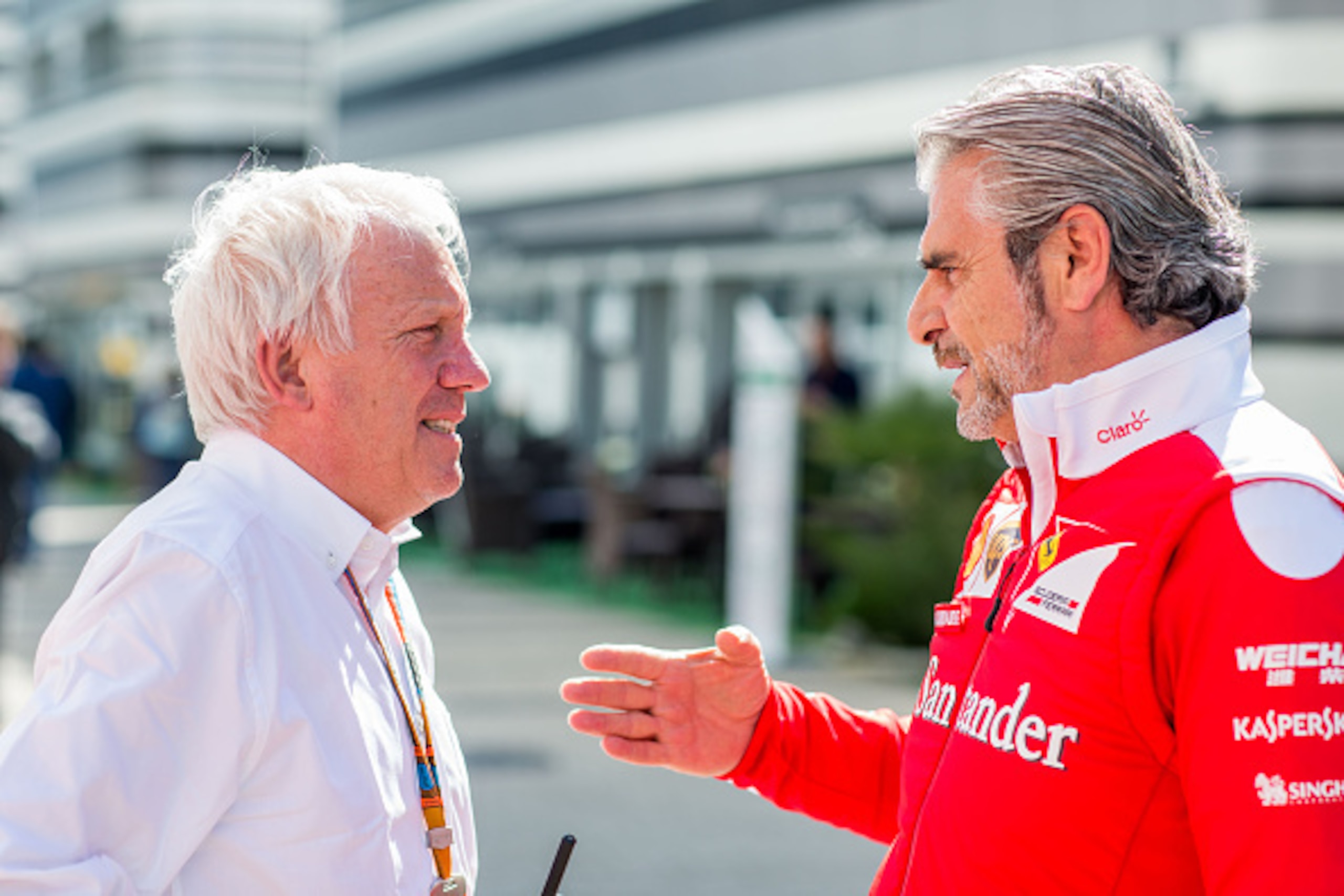
At the time, Mercedes executive director Toto Wolff approved of the new regulations. "It's an absolutely positive step," he said, per Autosport's Ian Parkes.
"The target was to make things less predictable, more variable, and this is what's going to happen."
He went on to say that the new rules would "create more error, therefore more variability in the result, which is important for the sport."
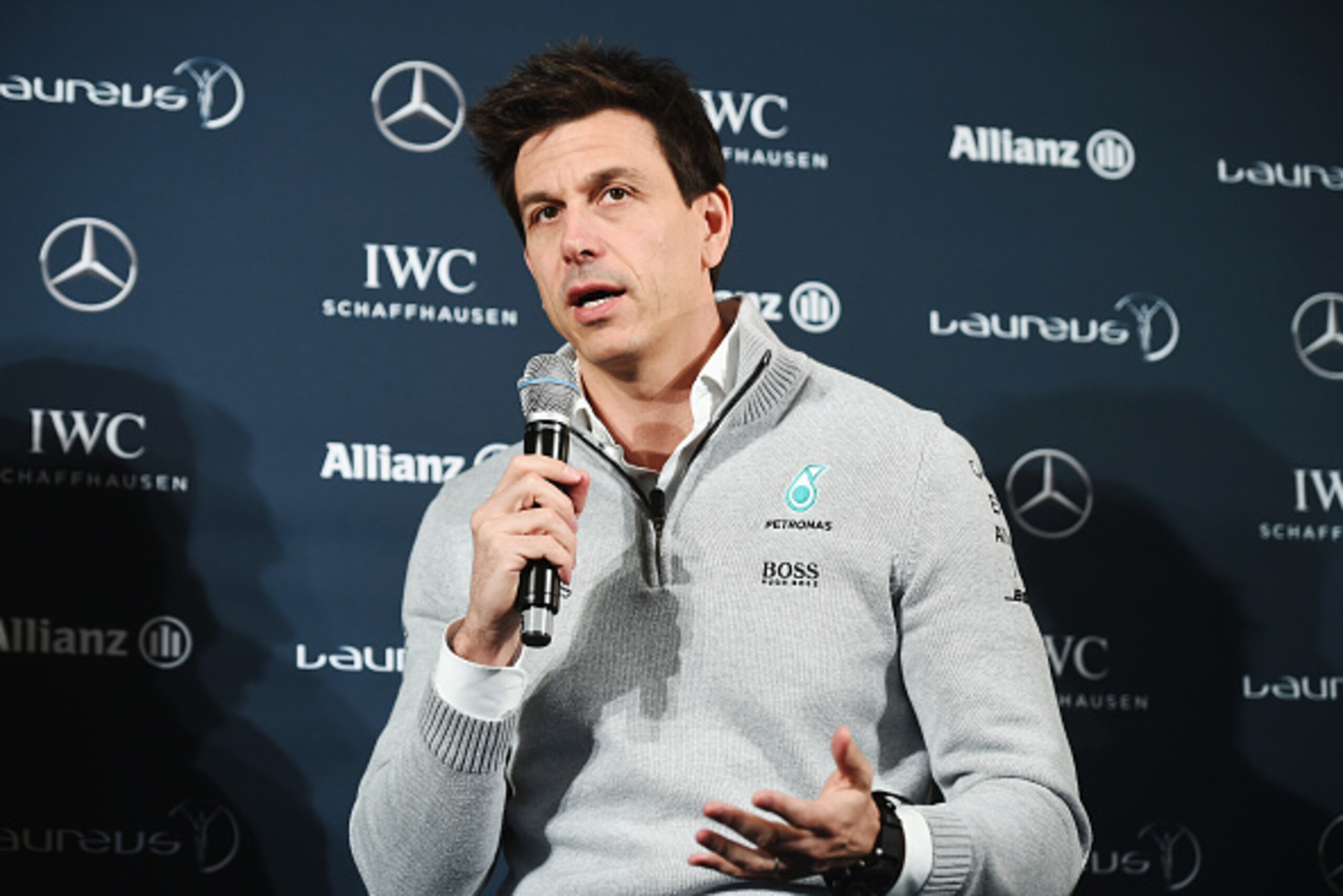
After the race, though, when that variability affected his driver, Wolff wasn't so sure about the positive impact of the radio ban. He did not blast the FIA or the rules, though—he is too tactful and deliberate for that.
According to ESPN F1's Laurence Edmondson, Wolff said, "you can either make the technology much less complicated, I don't think this is the right direction. Or we maybe adjust the regulation so you are able to communicate more with the driver in case of a problem."
Some drivers, though, were not happy.
"From the beginning this rule was not making much sense," said McLaren's Fernando Alonso, per ESPN F1's Nate Saunders. "They give us a spaceship to drive, with the technology we have, and now we have no information available. Sometimes it's difficult to know what is happening with the car, and what solution to do."
Sebastian Vettel called the ban a "joke," according to Sky Sports' James Galloway.
For the most part, the ban has worked as intended. This has been especially apparent at race starts, where Mercedes, in particular, have struggled.
It is possible, though, to retain the positive impacts of the ban while minimising the negative effects we saw in the European Grand Prix.
Going back to the 2014 rules would let teams tell their drivers how to fix simple issues with their cars, like Hamilton's in Baku. At the same time, it would keep them from providing a constant stream of advice to brake here, use this engine mode there and select a certain gear now.
Of course, the FIA doesn't always choose the most reasonable solution—that's why the teams are now part of the rule-making process, for example—and FIA president Jean Todt has already indicated his reluctance to changing the rules again, per Autosport's Dieter Rencken and Lawrence Barretto.
Perhaps Todt does not want to be seen to be flip-flopping again after the qualifying fiasco earlier this season. This version of the radio ban has only been in effect for eight races, and this is the first time it has caused such significant problems.
Hamilton, at least, foresaw these issues. Back in March, he said, "Some of it is of no benefit in terms of improving our pace or anything like that, it's just to keep the car going because it is so technical," per Autosport's Barretto.
Exactly!
The drivers should be left alone to drive the cars as much as possible, but if there is a simple fix to a problem with the car, why should teams be restricted from providing it?
Is a quick message to change the settings on a couple of dials really worse than the following exchange that television viewers heard between Raikkonen and his race engineer during the Baku race:
"Is it the same as last race, let's say?"
"I can't answer, Kimi. I can't answer I'm sorry."
"Surely you can say yes or no!"
"I can't, Kimi. I can't."
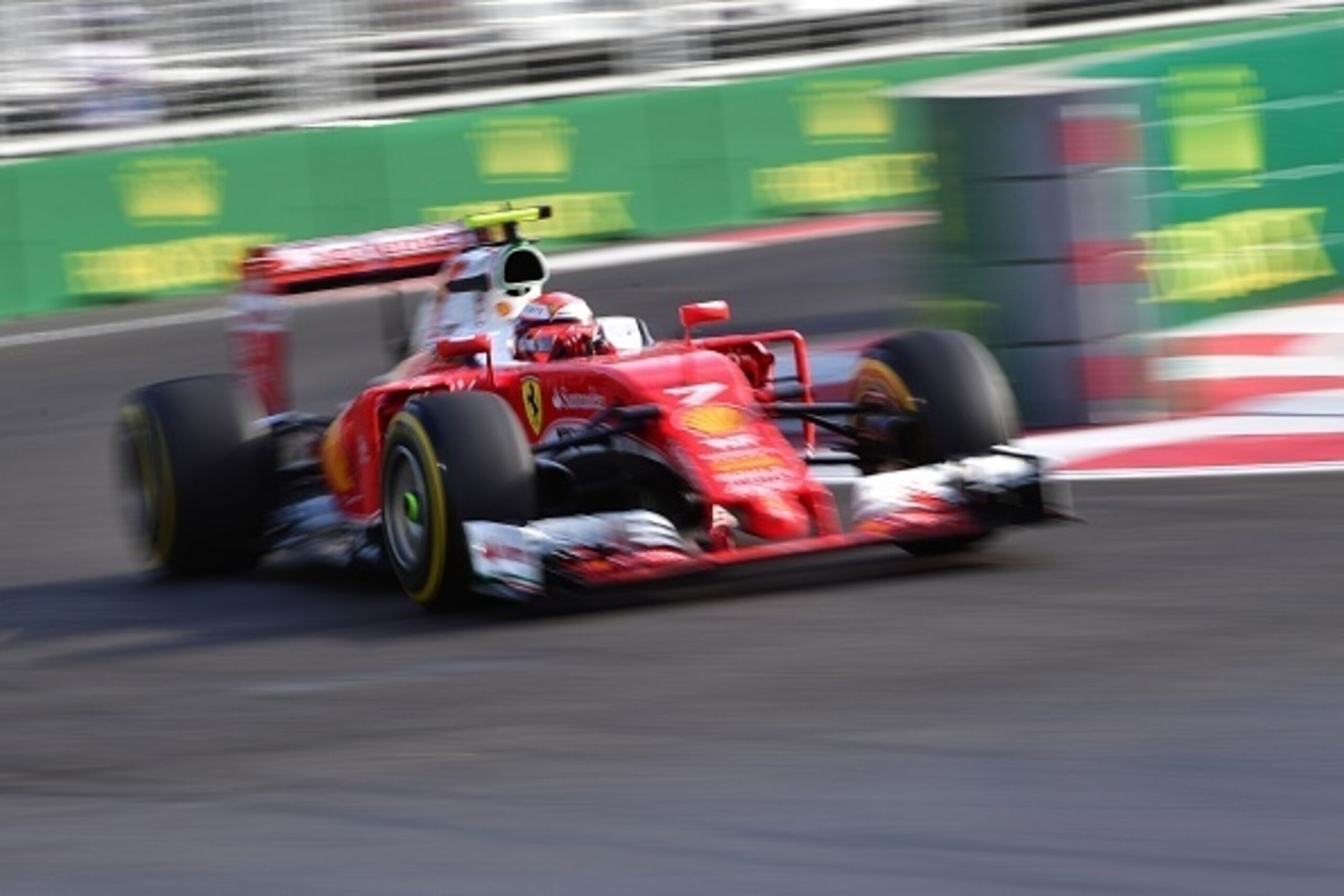
There could be other challenges for the FIA, such as determining whether a message is actually to deal with a problem or if it is performance-related, but that did not seem to be an issue in 2014 or 2015, when the more limited version of the ban was in effect.
And as we saw with Ferrari and Mercedes in Azerbaijan, the teams will generally err on the side of caution when it comes to providing any advice to their drivers.
They can get advice from the FIA before sending a message, and the threat of a five- or 10-second time penalty is not worth the one- or two-10ths of a second they might save each lap with whatever coaching they might try to provide.
As with qualifying, there is a common-sense solution to the problems with the radio ban. This being F1, though, who knows if common sense will prevail?
Follow me on Twitter for updates when I publish new columns and for other (mostly) F1-related news and banter:
.jpg?w=2560 "Colts Football")





