

Copa America Centenario Quarter-Final Breakdown of Strengths and Weaknesses
The Copa America Centenario is arriving at its key stages, with eight teams through to the quarter-finals, from 14-time winners Argentina to the hosts, the United States.
Here we look at the strengths and weaknesses of each side, as just three games stand between one of these teams and the trophy.
The quarter-final fixtures are, with dates according to U.S. Eastern Time:
USA vs. Ecuador (June 16, 9:30 p.m.)
Peru vs. Colombia (June 17, 8 p.m.)
Argentina vs. Venezuela (June 18, 7 p.m.)
Mexico vs. Chile (June 18, 10 p.m.)
Group A Winner: United States
1 of 8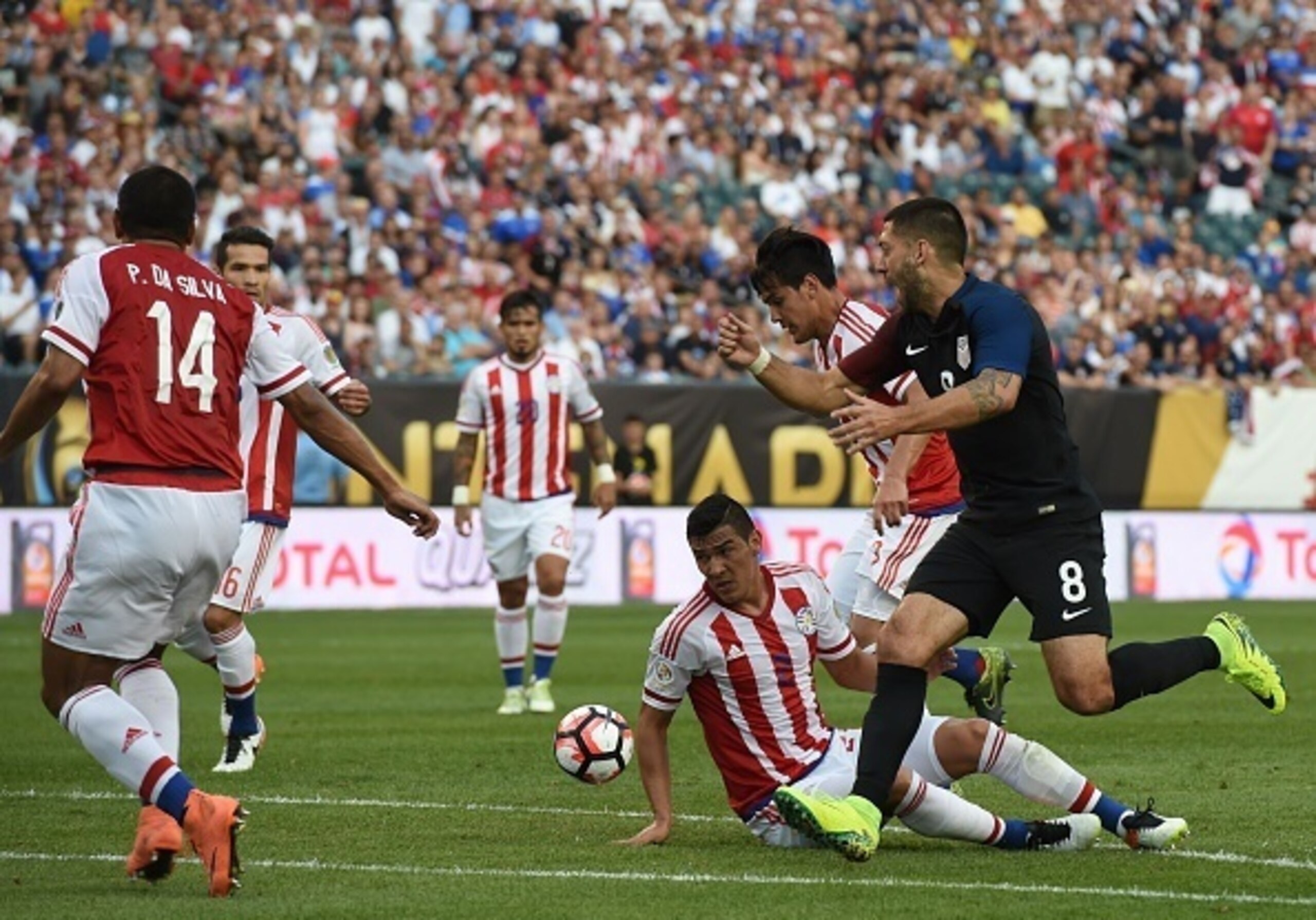
The U.S. men's national team take on Ecuador in Seattle and will be backed strongly in that hotbed of football. That is one of their strengths at this tournament—having home support. While other games have seen sparse crowds, their matches have been relatively busy. The quarter-final should be no exception.
Jurgen Klinsmann’s side were surprise winners of Group A after Colombia threw away the chance to finish top in their final group game, and the hosts showed their resilience to grind out a 1-0 win over Paraguay despite being reduced to 10 men when DeAndre Yedlin was dismissed.
The USMNT’s grit and determination is another big plus for them—it would have been easy for them to roll over after losing their first game against Los Cafeteros, but they turned things around spectacularly against Costa Rica.
In Clint Dempsey, they have a marksman who has not forgotten how to find the net, despite turning 33 in March.
Klinsmann has often been criticised for chopping and changing his team, but thus far he has stuck with the same starting line-up and it is paying off.
However, their weaknesses may be related to that. The USMNT coach doesn’t seem to trust Darlington Nagbe and Christian Pulisic, two players who can turn games in an instant. They may not be ready to have an impact if they are called upon from the bench against Ecuador.
Furthermore, with Yedlin out, Michael Orozco is likely to fill in at right-back. That spells trouble for the U.S., particularly with Ecuador’s Jefferson Montero flying down that flank.
Group A Runner-Up: Colombia
2 of 8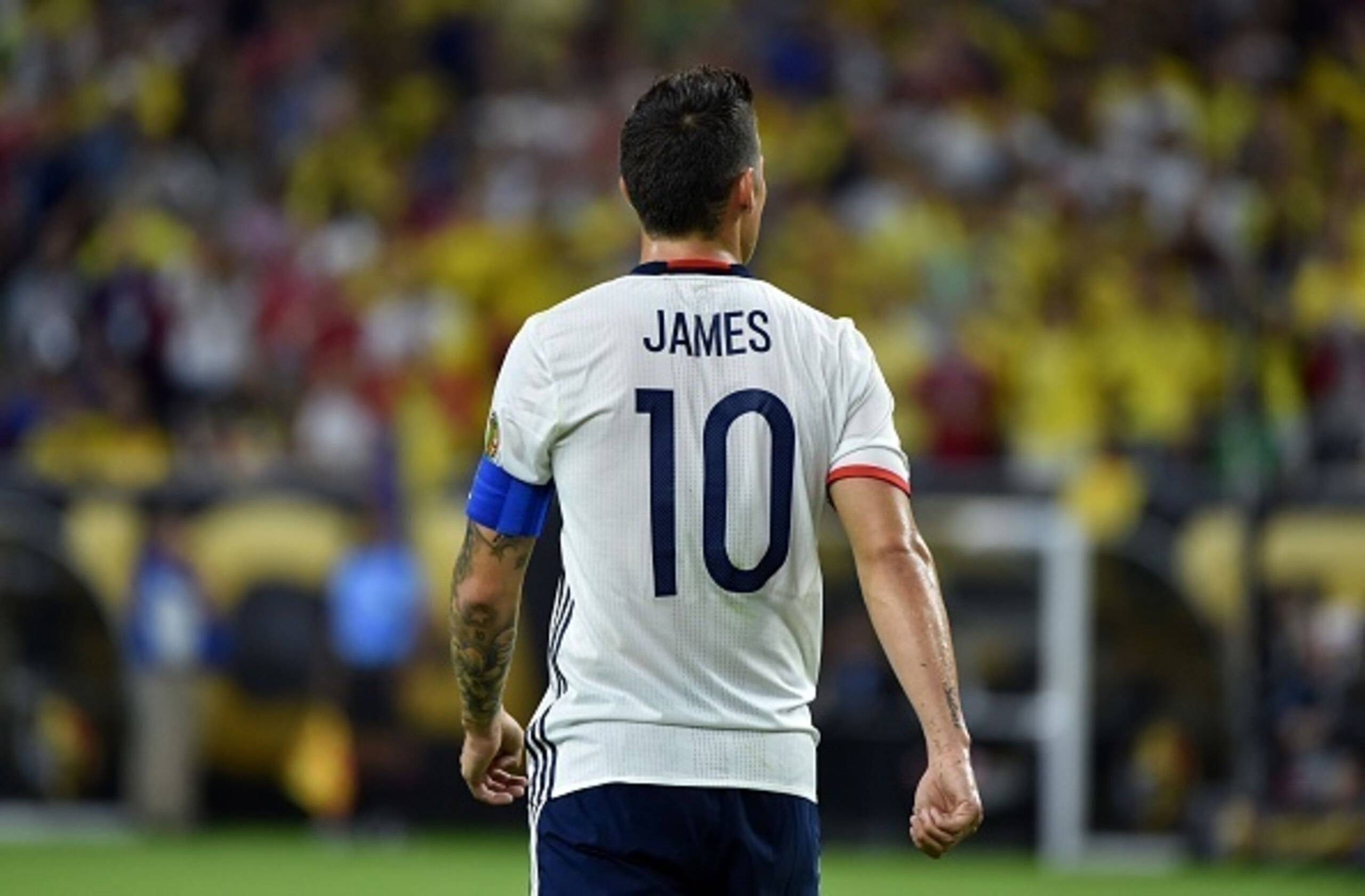
Colombia are one of the strongest teams left in the tournament, despite finishing second in their group.
Jose Pekerman made 10 changes to his starting line-up, and they lost their final game against Costa Rica, condemning them to second place.
It may have worked in their favour though, as Brazil were eliminated and now Los Cafeteros play Peru, with a well-rested first team ready to play.
Pekerman went for a blend of youth and experience and it’s paying off, with their attacking setup one of their most fearsome aspects. As well as James Rodriguez, Edwin Cardona, Carlos Bacca and Juan Cuadrado, youngster Marlos Moreno is ready to offer fresh legs and impetus from the bench.
Another strength is defensive-midfield duo Daniel Torres and Sebastian Perez, who make life tricky for opponents. They will be looking to frustrate Peru and striker Paolo Guerrero particularly.
They don’t have too many weaknesses, but at various points against Paraguay they seemed to switch off, allowing their opponents back into the game. Furthermore, the defence isn’t particularly strong and lacks leadership.
Group B Winner: Peru
3 of 8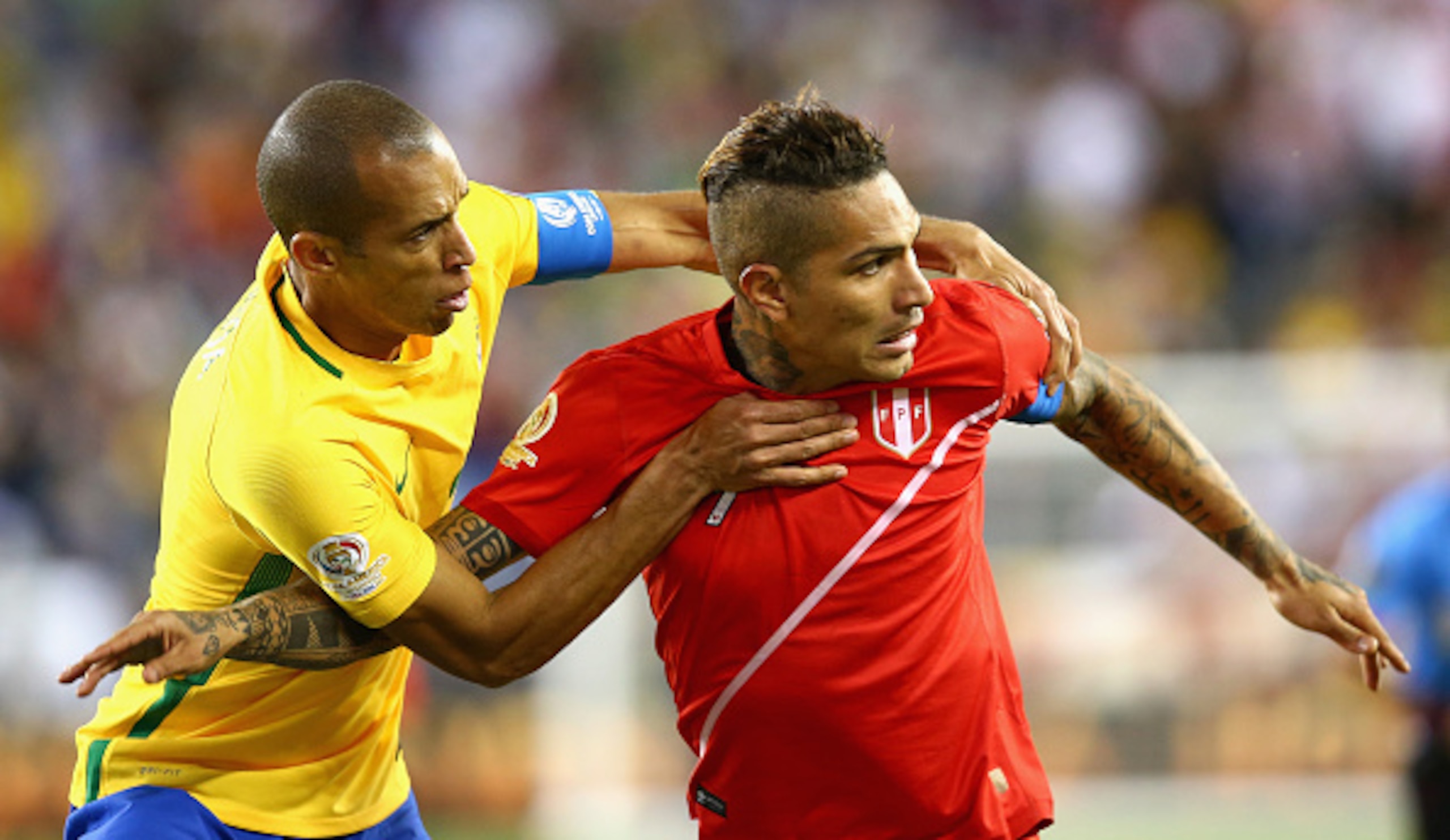
In theory, Peru are the weakest group winner, but they have shown such dogged determination that it’s hard to write them off.
They scored a controversial goal to reach the quarter-finals, with Raul Ruidiaz essentially punching Brazil out of the tournament, but their second-half performance in that game showed they do have creativity as well as tenacity.
Striker Paolo Guerrero is their star player and if he can get just one or two opportunities, you would back him to find the net against Colombia.
They don’t mind playing on the counter-attack, which could work against Jose Pekerman’s team too.
In the weaknesses column, Peru simply don’t have that many quality players. Some of the old guard, such as Jefferson Farfan, have not been included for the tournament and their lack of experience could cost them in high-pressure situations.


.jpg?w=2560 "Rams Eagles Football")
Group B Runner-Up: Ecuador
4 of 8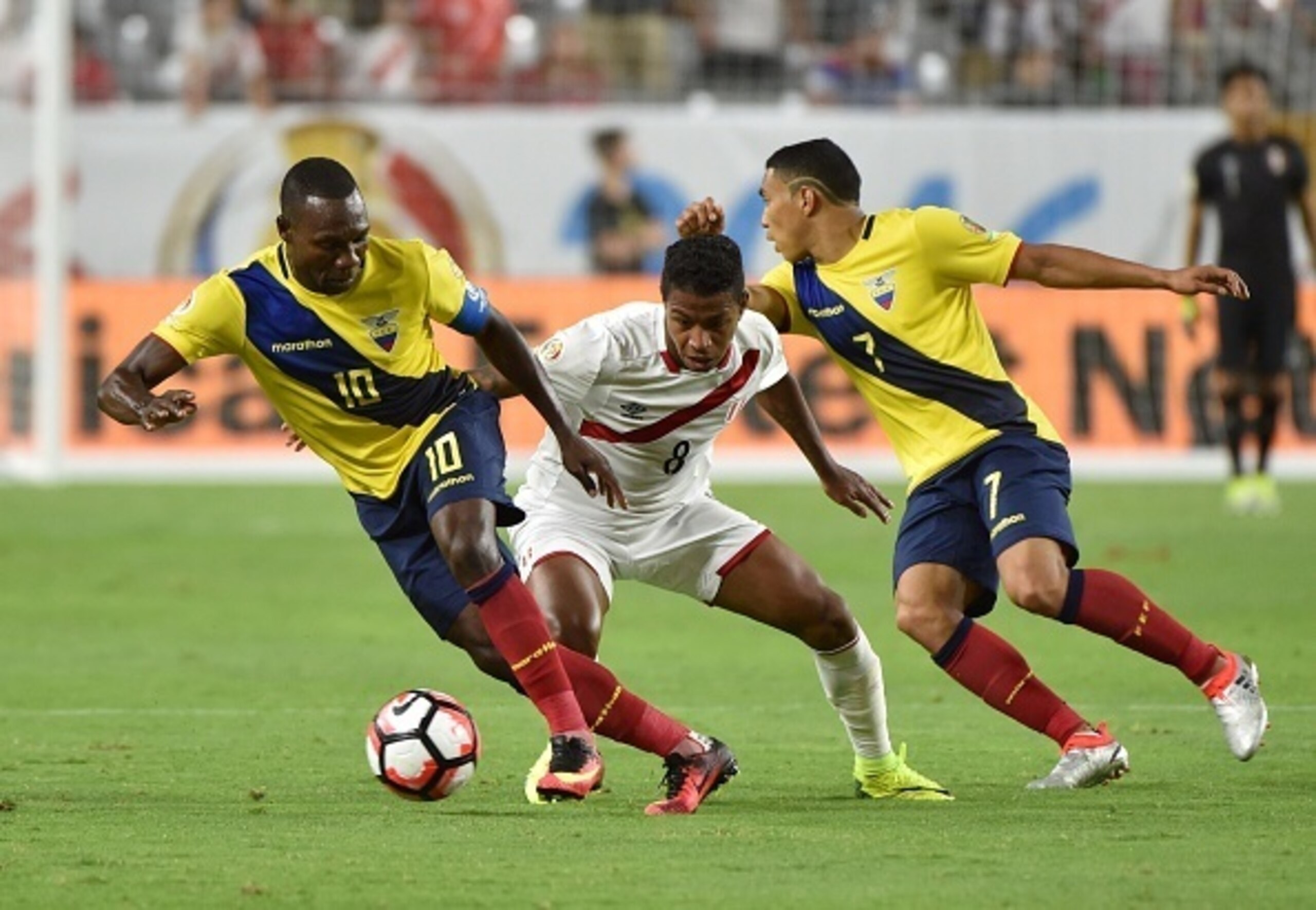
Ecuador’s main strength is their impressive wing work. Jefferson Montero and Antonio Valencia have been impressive at this tournament, and Enner Valencia has enjoyed the service from his compatriots.
They showed their battling qualities against Brazil and then again in the Peru match, when they came back from two goals down to earn a 2-2 draw. Their 4-0 win over Haiti was a breeze, and they are one of the tournament’s more balanced teams.
Their major weakness is a lack of star quality. They don’t have a player who can consistently be the man who ensures they end up with the three points—or in this case, progression to the next round.
Recently they have been poor in these type of events too, so perhaps this is the year that their competition results change.
Group C Winner: Mexico
5 of 8
Mexico have a tricky clash with Chile in the quarter-finals but will consider themselves favourites going into it.
They have several advantages, with a huge fanbase in America travelling to watch the team, a well-rested squad after plenty of rotations by Juan Carlos Osorio and a calendar that worked well for them.
On top of playing their group games in venues in the south-west and not having to trek across the country like many teams, the quarter-final is in Santa Clara, California.
Mexico also have an extra day of rest heading into the game on Saturday too, because Chile played Panama on Tuesday night, while El Tri were in action on Monday.
But beyond these organisational plans, Mexico have an excellent squad and an inventive coach. Players like Javier Hernandez and Jesus Corona are in form, and the team has not been beaten in Osorio’s reign.
In terms of weaknesses, if anything they are their own worst enemy. They lost their grip on the games against Uruguay and Jamaica, although they reclaimed it before anything too untoward happened.
However, against Chile they may not be given that luxury. La Roja attack with fury and if things go their way, they can score a flurry of goals which could kill the game should Mexico have a down spell.
Group C Runner-Up: Venezuela
6 of 8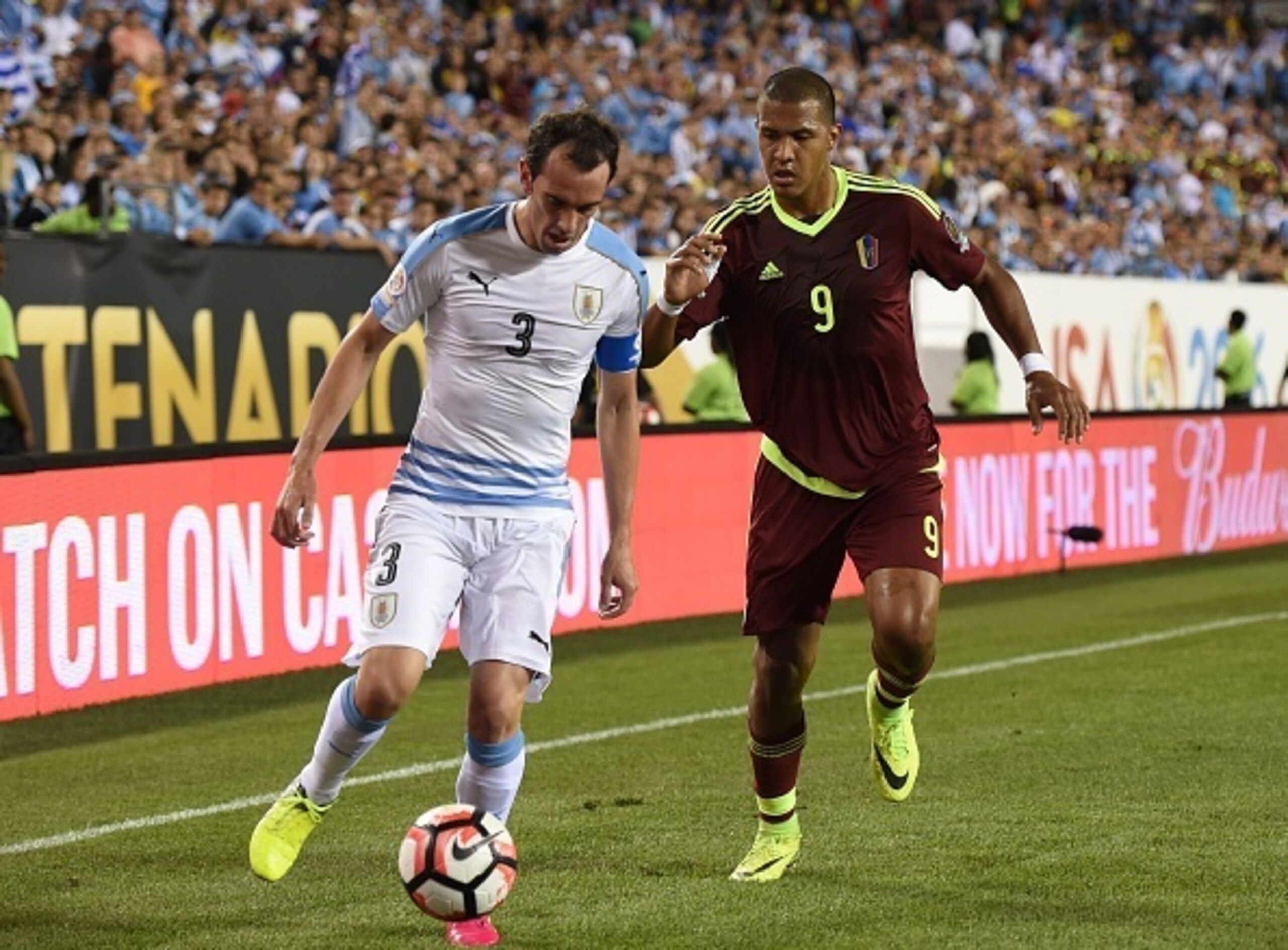
This should never have happened. The Venezuela team was in disarray just a few months ago, but somehow they have pulled themselves together and been the (pleasant) surprise of the tournament.
Salomon Rondon is the key player and they will need to feed the West Bromwich Albion striker if they are to get a result against Argentina, but the Venezuela defence has been stout too.
Meanwhile, Alejandro Guerra has been a bright spark for the Vinotinto, bursting forward from midfield.
Venezuela kept clean sheets against Uruguay and Jamaica and were 10 minutes from pulling off the same trick against Mexico—they almost topped Group C but for Jesus Corona’s late equaliser.
Their weaknesses are rather obvious; they find it hard to create a lot of chances and therefore don’t score a lot of goals.
Plus, the team lacks quality all over the pitch, but they are making up for that in both willing and defensive organisation.
Group D Winner: Argentina
7 of 8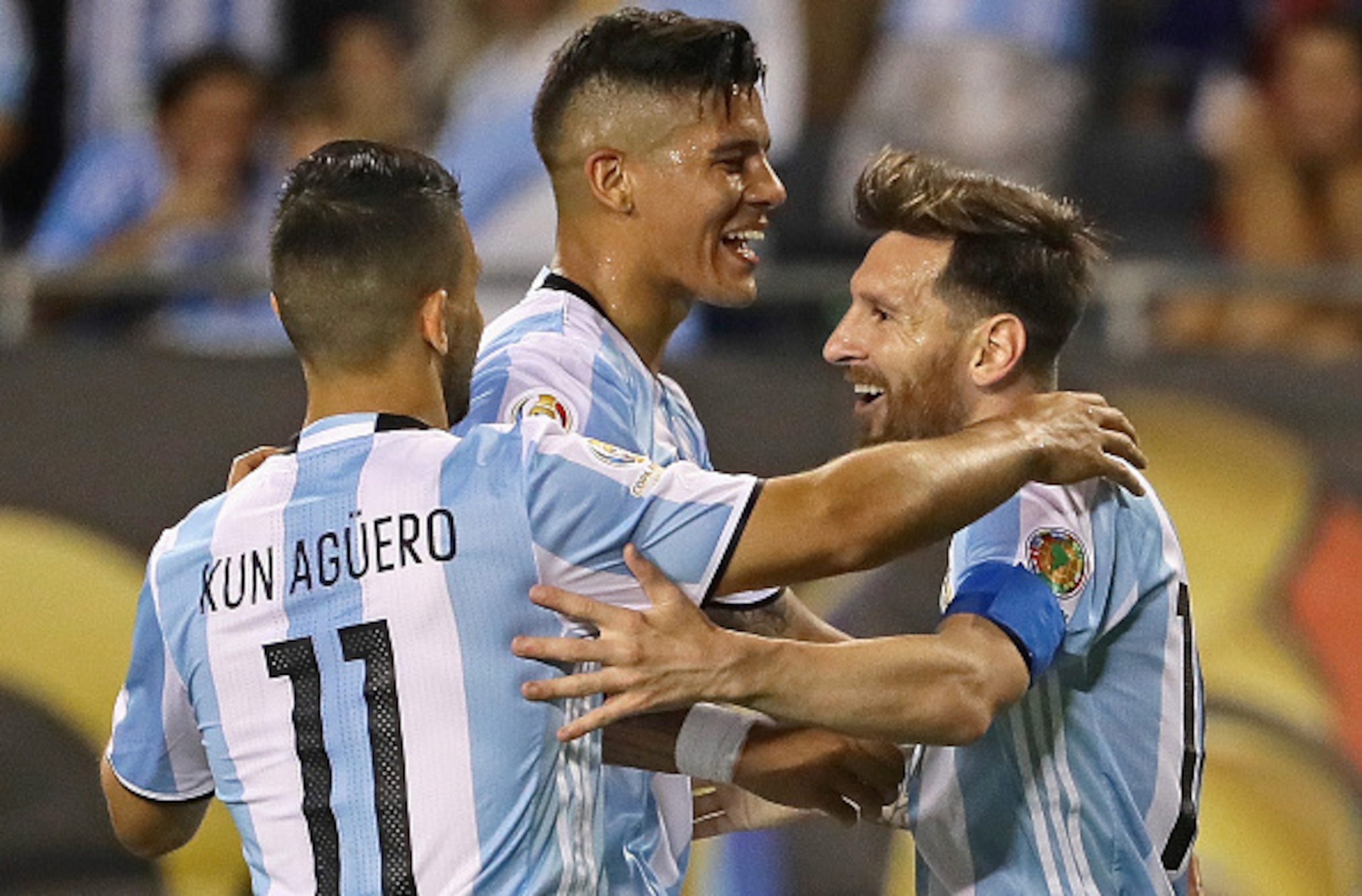
Lionel Messi is likely to start the quarter-final clash with Venezuela and that is the single biggest strength any team could ever have.
But beyond that, the Albiceleste are favourites for a reason. They have a deep squad, in which Sergio Aguero isn’t even a regular starter.
Angel Di Maria got injured, but they can fill in for him with Erik Lamela—who netted against Bolivia—or Nicolas Gaitan among a vast array of stars.
The team are finding their rhythm and have what it takes to end their 23-year major trophy drought.
When it comes to weak points, there aren’t many. Coach Gerardo Martino can be problematic, sometimes making confusing substitutions, not always willing to unleash the team’s full attacking potential.
Sometimes the midfield isn’t creative enough, with Javier Mascherano and Augusto Fernandez both workhorses, putting too much of a creative burden on Ever Banega.
And the defence is far from rock solid, although no team have effectively tested them in that department yet.
Group D Runner-Up: Chile
8 of 8
Chile, the winners of the Copa America 2015, are weaker now than they were this time last year. They seem extremely fragile at the back, and coach Juan Antonio Pizzi has not made his mark on the side after taking over in January.
They also have full-back problems, with Eugenio Mena out injured and Mauricio Isla now suspended for the next round after picking up a foolish yellow card against Panama.
Also—and it is a surprise to be writing this—captain and goalkeeper Claudio Bravo has had a horrendous tournament thus far, arguably at fault in one way or another for all five goals his team have shipped.
However, their strengths are many. No team in the tournament can attack with such vicious vim and relish as La Roja, with Arsenal's Alexis Sanchez growing with each game after a quiet start to the tournament.
Bayern Munich star Arturo Vidal is in good form and was one of the more dangerous players against Panama, though he did not find the net himself.
On the ball, they work wonders. Off it, they need to improve. Facing Mexico will be an acid test.
.jpg?w=2560 "Texans-Mixon Released Football")
.jpg?w=2560 "Commanders Eagles Football")

.jpg?w=2560 "Grading WWE Raw 🔠")
.jpg?w=2560 "Mahomes' Wife Trolls Kubiak 💀")

