

Is the ITF Making an Example out of Maria Sharapova?
There was no hurry for the International Tennis Federation (ITF) to decide on the length of Maria Sharapova's ban. It had to take enough time not to be reactionary on suspending one of the WTA's most popular players of the 21st century for taking a drug recently added to WADA's prohibited list. No matter what they decided, it would be a precedent, and there would be public scrutiny.
A few days after the French Open celebratory feasts and a couple of weeks before Wimbledon gets under way, the ITF banned Sharapova from tennis for two years (via ESPN.com's Darren Rovell) retroactive to January 26, 2016 when she tested positive for Meldonium—a drug she had taken heavily for the bulk of her career before it was deemed a banned substance in 2016.
TOP NEWS
_0.png?w=2560 "CFB Top 25")
Unranked Teams Cause Chaos in Rankings 📊

Brown with an all-time summary of relationship with Tatum
.png?w=2560)
Week 8 Winners & Losers 📊
Sharapova stated the ban is too harsh, according to statements from a letter she posted on her Facebook page:
"While the tribunal concluded correctly that I did not intentionally violate the anti-doping rules, I cannot accept an unfairly harsh two-year suspension. The tribunal, whose members were selected by the ITF, agreed that I did not do anything intentionally wrong, yet they seek to keep me from playing tennis for two years. I will immediately appeal the suspension portion of this ruling to CAS, the Court of Arbitration for Sport.
"
The sentence has been pronounced, followed by an immediate rebuttal. The gloves are on, and Sharapova wants to dance and jab. Meanwhile, the ITF would rather sign the scorecard so that its ruling stands.
The next step will be to see if the sentence is reduced to something like one year, which would be a win for Sharapova, or to determine if the ITF's decision will remain final. Perhaps something will be negotiated in the middle, but don't expect the ITF to willingly back into the ropes.
The ITF has to make an example of Sharapova.
Why the Sharapova Decision is Crucial
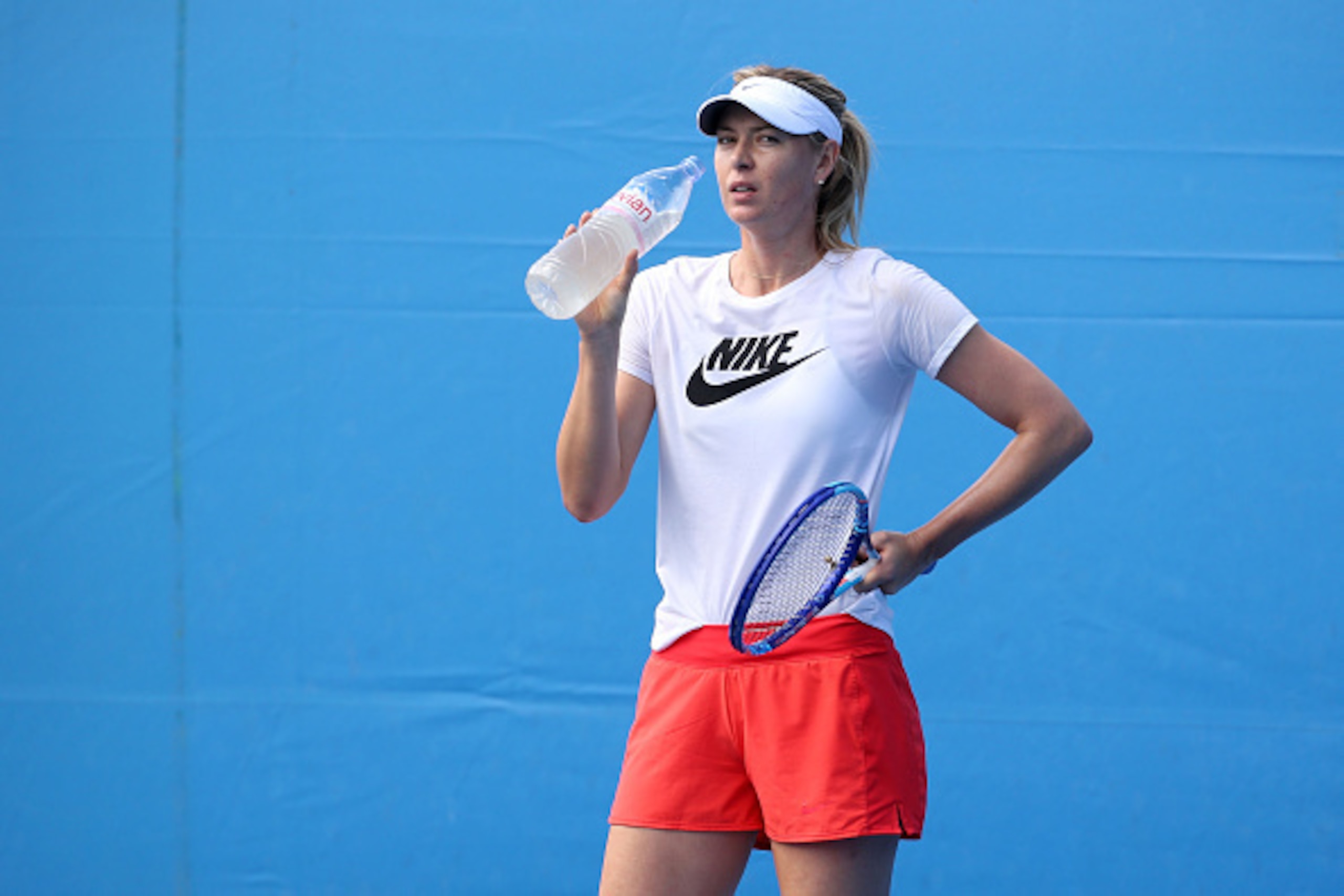
Back in July 2009, Bill Gifford wrote an article for Slate entitled "Steroids Anyone?" with a fair but skeptical thesis of how professional tennis could be clean or nearly untainted by performance-enhancing drugs. He concluded by asking: "Why does tennis remain so lax when it comes to drug testing?"
By 2013, rumblings about performance-enhancing drugs grew louder. For the the Daily Beast, Sujay Kumar wrote "Tennis Has a Doping Problem" that glossed over the sport's history and hinted that there were behind-the-scenes problems with doping cover-ups.
In 2016, a few days before Sharapova's failed drug test, Michael Steinberger for Vanity Fair wrote "Tennis Could Have a Much Bigger Problem Than Match-Fixing." He opened up the old can of worms about performance-enhancing drugs, and it might have seemed annoying given the Australian Open was supposed to be the feature.
On March 7, 2016, Sharapova had her press conference, announcing her failed drug test for meldonium. Was this pre-emptive damage control if not theatrical appeals to public opinion? Emotions ran high for those who supported Sharapova or those who did not want to believe tennis could have this problem.
Professional tennis has taken more than a few big body blows in 2016 with these reports and what needs to be done.
It leaves the ITF in a position of clean-up responsibility for one of the world's most famous female athletes. And it has no choice but to back up its objectives for stronger and more rigorous policies with testing and sentencing.
Sharapova stepped out into the street at the wrong time.
Her lawyer John Haggerty said, via Rovell, "I am disappointed that the ITF tribunal gave Maria an unfairly harsh suspension because she is such a famous athlete and they wanted to make an example out of her."
Nick McCarvel for USA Today cited Dionne Koller, director of the Center for Sport and the Law at the University of Baltimore:
"It's hard to read the tea leaves, but I don't think she can get it cut down or that she'll get it cut down by much. She didn't have any excuse. She is taking the drug and it was found in her system. That's a two-year ban. I think they will uphold the two years or something very close to it.
"
Sharapova will fight to reduce the ban, but she might be hitting a wall, hoping it will break down before her unforced error.
Ben Rumsby of the Telegraph lists why the ITF views Sharapova's history with meldonium as more than just a failed test in January, summarizing key points to a 33-page document that examines her history of taking the drug over the past, including withholding information in her inner circle.
This issue is front and center in professional tennis, and the ITF has to uphold the law and satisfy all aspects of its sport from the tour organizers to the players to the fans. It's much bigger than the great Maria.
The Future of Tennis
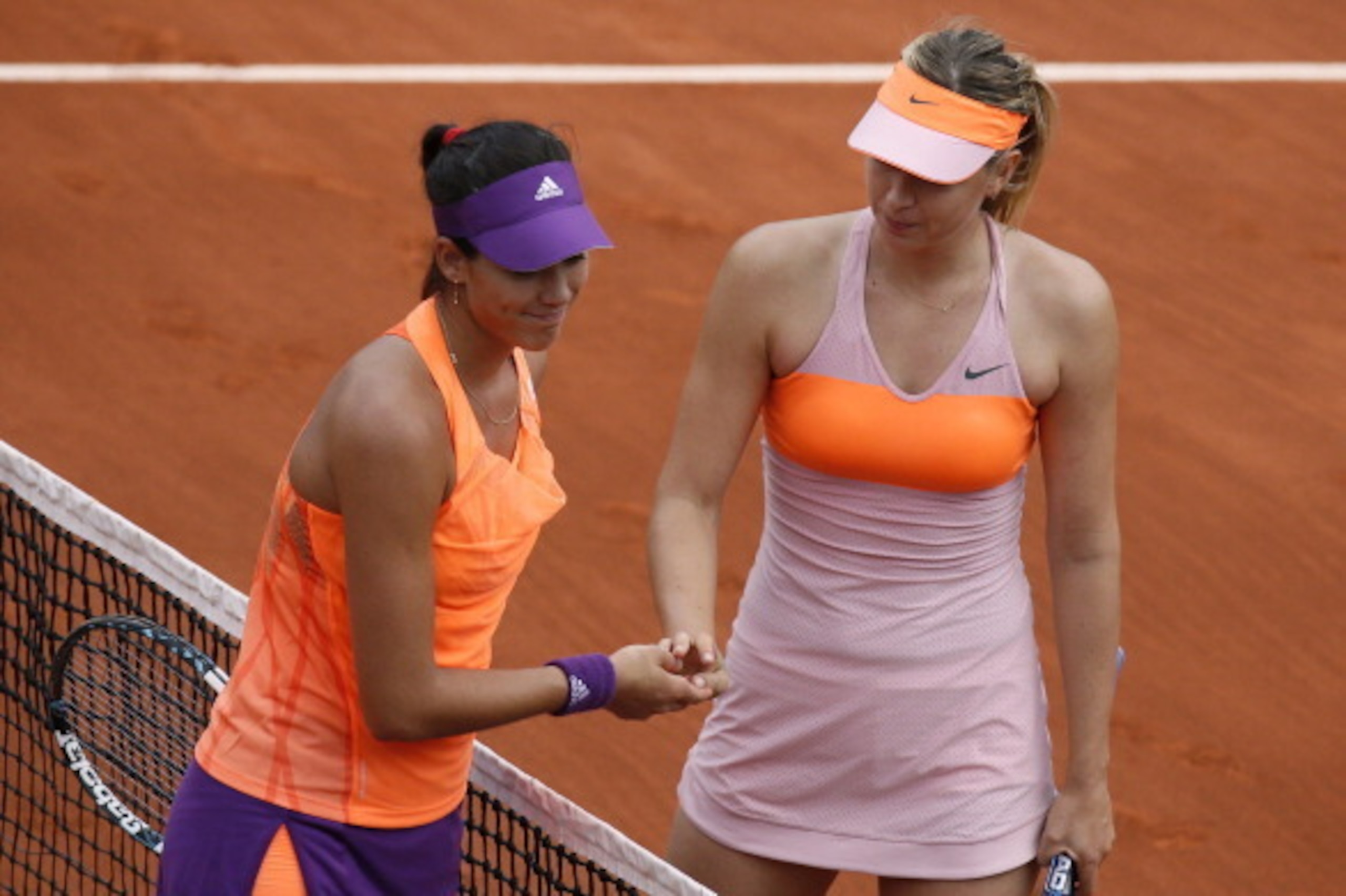
While experts weigh in on what a two-year absence will do to Sharapova (ESPN's Chris Evert thinks Sharapova is effectively finished as a contender if she comes back in 2018, but colleague Pam Shriver believes it could help Sharapova recharge, per Carvel).
Whatever else is decided on Sharapova's sentence, she has already been greatly penalized. This year will pass without her on the tour. She has lost endorsements and millions of dollars. Many tennis fans will see her legacy as tarnished.
It's a sad commentary of a disappointing chapter that has hurt tennis, but it's not the final word. The Sharapova punishment might indeed end her career, but it could save others from a similar fate.
What tennis does not need at all is for something like this to happen to Garbine Muguruza, Simona Halep or Belinda Bencic—athletes who are the future stars. If they were to lose prime years, it could cripple the WTA.
Likewise, the ATP would be devastated if legendary stars Roger Federer, Rafael Nadal and Novak Djokovic were guilty of performance-enhancing drugs. It also needs its next generation of stars to heed all warnings and be clean with their careers.
Does this mean Sharapova is the scapegoat? Is she a symbolic warning to all stars and future participants?
We can only hope everyone comes in clean, accepts a rigorous drug-testing program and understands it's in everyone's best interest to have a level playing field.
Is there at least a happier ending for Sharapova? She's always been a resilient competitor, and she might finish with an inspiring footnote when she gets back to tennis. One can hope.
.jpg?w=2560 "Colts Football")





