

Euro 2016: Dates, TV Schedule, Times and Predictions for Group Fixtures
UEFA Euro 2016 is finally set to kick off on Friday, and for the first time in the tournament's rich history, 24 teams will do battle across six groups throughout the group stages.
The new format is expected to have a big impact, with the four best third-placed teams joining the 12 nations that qualify directly for the knockout stages. In theory, it should allow the top favourites to drop a result or two, but as the qualifying process showed, things might not be as straightforward as they seem.
Here's a look at the full fixture list for the group stages, complete with TV info and some predictions:
TOP NEWS

New NFL contenders starting to emerge after Week 4

Deion Playbook Found at Hotel
.jpg?w=2560 "Cardinals Giants Football")
NFL investigating 2 referees for separate viral exchanges
| Friday, 10 June | 8 p.m./3 p.m. | France v Romania | ITV | ESPN |
| Saturday, 11 June | 3 p.m./10 a.m. | Albania v Switzerland | BBC One | ESPN |
| Saturday, 11 June | 5 p.m./Noon | Wales v Slovakia | BBC One | ESPN |
| Saturday, 11 June | 8 p.m./3 p.m. | England v Russia | ITV | ESPN |
| Sunday, 12 June | 3 p.m./10 a.m. | Turkey v Croatia | ITV | ESPN |
| Sunday, 12 June | 5 p.m./Noon | Poland v Northern Ireland | BBC One | ESPN |
| Sunday, 12 June | 8 p.m./3 p.m. | Germany v Ukraine | BBC One | ESPN |
| Monday, 13 June | 3 p.m./10 a.m. | Spain v Czech Republic | ITV | ESPN |
| Monday, 13 June | 5 p.m./Noon | Republic of Ireland v Sweden | BBC One | ESPN |
| Monday, 13 June | 8 p.m./3 p.m. | Belgium v Italy | BBC One | ESPN |
| Tuesday, 14 June | 5 p.m./Noon | Austria v Hungary | ITV | ESPN |
| Tuesday, 14 June | 8 p.m./3 p.m. | Portugal v Iceland | BBC One | ESPN |
| Wednesday, 15 June | 3 p.m./10 a.m. | Russia v Slovakia | BBC One | ESPN |
| Wednesday, 15 June | 5 p.m./Noon | Romania v Switzerland | ITV | ESPN |
| Wednesday, 15 June | 8 p.m./3 p.m. | France v Albania | ITV | ESPN |
| Thursday, 16 June | 3 p.m./10 a.m. | England v Wales | BBC One | ESPN |
| Thursday, 16 June | 5 p.m./Noon | Ukraine v Northern Ireland | ITV | ESPN |
| Thursday, 16 June | 8 p.m./3 p.m. | Germany v Poland | ITV | ESPN |
| Friday, 17 June | 3 p.m./10 a.m. | Italy v Sweden | ITV | ESPN |
| Friday, 17 June | 5 p.m./Noon | Czech Republic v Croatia | BBC One | ESPN |
| Friday, 17 June | 8 p.m./3 p.m. | Spain v Turkey | ITV | ESPN |
| Saturday, 18 June | 3 p.m./10 a.m. | Belgium v Republic of Ireland | ITV | ESPN |
| Saturday, 18 June | 5 p.m./Noon | Iceland v Hungary | BBC | ESPN |
| Saturday, 18 June | 8 p.m./3 p.m. | Portugal v Austria | BBC | ESPN |
| Sunday, 19 June | 8 p.m./3 p.m. | Romania v Albania | BBC | ESPN2 |
| Sunday, 19 June | 8 p.m./3 p.m. | Switzerland v France | BBC | ESPN |
| Monday, 20 June | 8 p.m./3 p.m. | Russia v Wales | ITV | ESPN2 |
| Monday, 20 June | 8 p.m./3 p.m. | Slovakia v England | ITV | ESPN |
| Tuesday, 21 June | 5 p.m./Noon | Northern Ireland v Germany | BBC | ESPN |
| Tuesday, 21 June | 5 p.m./Noon | Ukraine v Poland | BBC | ESPN2 |
| Tuesday, 21 June | 8 p.m./3 p.m. | Croatia v Spain | ITV | ESPN |
| Tuesday, 21 June | 8 p.m./3 p.m. | Czech Republic v Turkey | ITV | ESPN2 |
| Wednesday, 22 June | 5 p.m./Noon | Hungary v Portugal | BBC | ESPN |
| Wednesday, 22 June | 5 p.m./Noon | Iceland v Austria | BBC | ESPN2 |
| Wednesday, 22 June | 8 p.m./3 p.m. | Italy v Republic of Ireland | ITV | ESPN |
| Wednesday, 22 June | 8 p.m./3 p.m. | Sweden v Belgium | ITV | ESPN2 |
Despite New Format, Upsets to Be Expected
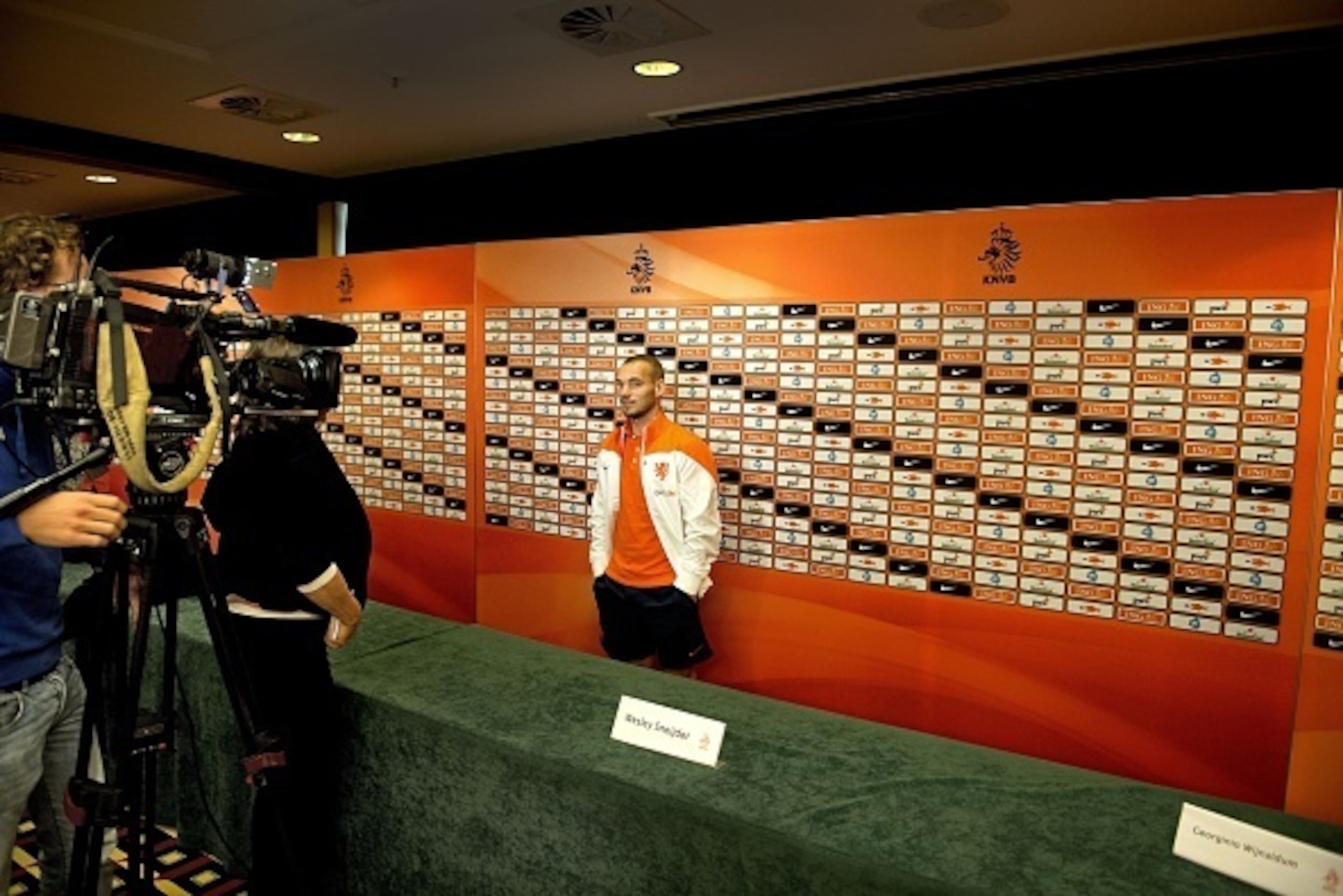
When UEFA announced Euro 2016 would have 24 teams instead of 16, the reasoning behind the decision was to hand some of the smaller football nations in Europe a better chance of making it to the final tournament and gaining valuable experience.
Pundits such as the Guardian's Sean Ingle disagreed, however, and instead said in September 2014 the decision to expand the field was a ploy to ensure all of the top nations would qualify, something sponsors would approve of for obvious reasons.
Less than two years later, the tournament will start without the Netherlands, the third-placed team from the 2014 FIFA World Cup and one of the top football nations in the world. The Netherlands finished fourth in their qualifying group, behind the Czech Republic, Iceland and Turkey―three teams that didn't even qualify for the World Cup.
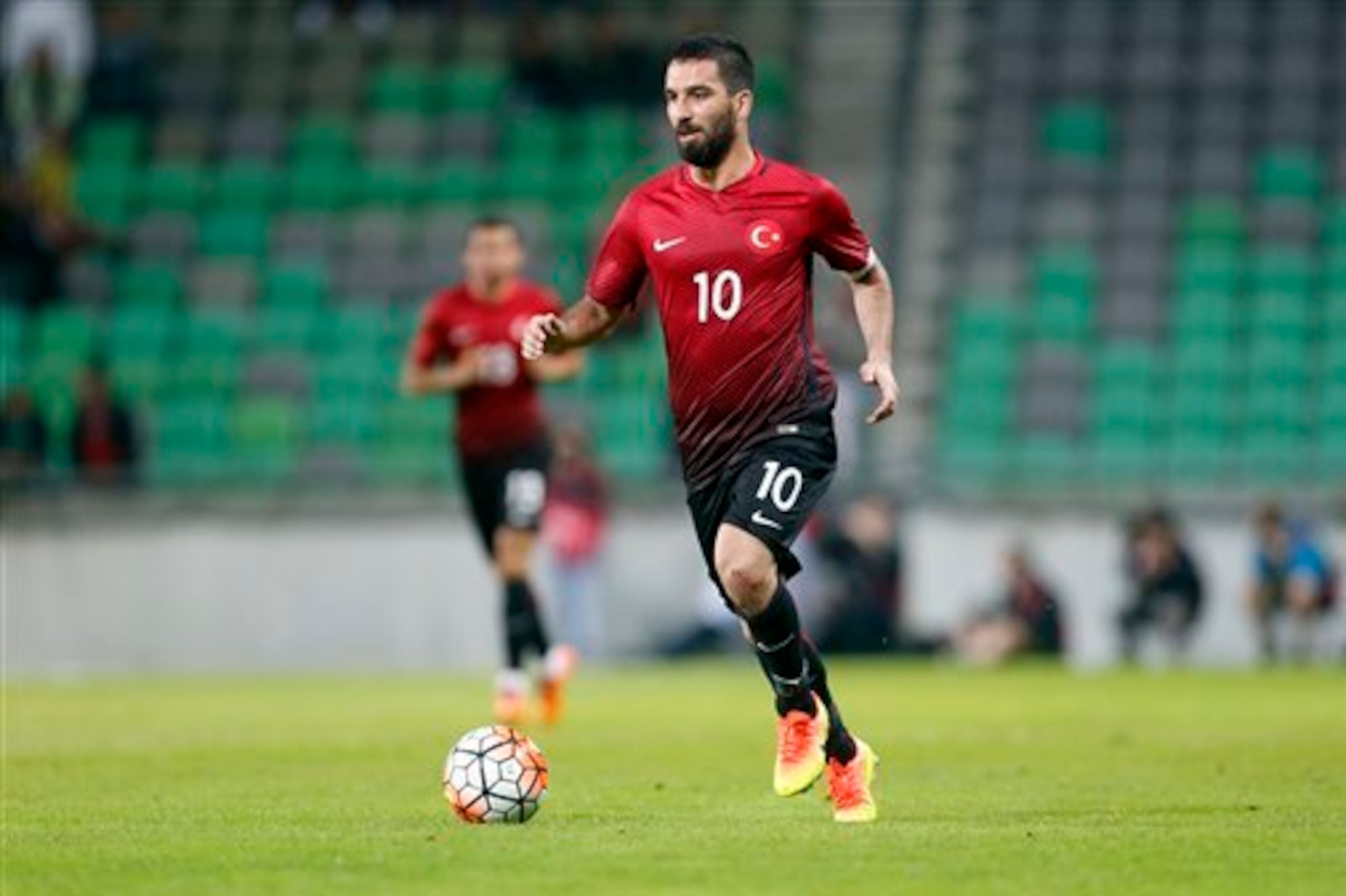
On the national level, the gaps between the top teams and the rest of the field are ever shrinking, and it's a trend that should continue this summer, even with the new format. With 18 teams advancing, the bigger nations should all qualify, but as the draw for the knockout stages has already been predetermined, the advantage of added teams may be minor.
Just look at Group E. Belgium and Italy are expected to battle for the top spot, with the winner likely facing Croatia or Turkey. Second place could mean a clash with Portugal, and third place could result in even worse. Win out, and world champions Germany could be waiting in the quarter-finals.
As shared by Football Italia's David Swann, it's not ridiculous to prefer a second-placed finish in Group E:
The improved parity, a number of key injuries―more on those later―and the complicated new format will all benefit some of the smaller nations, and if the qualifying process or the 2014 World Cup taught us anything, it's that upsets are unavoidable.
Italy and England dropped out of the tournament in the group stages two years ago at the hands of Uruguay and Costa Rica.
The likes of Slovakia, Ukraine and Iceland all find themselves in a similar position, and don't be shocked if at least one of those sides makes good on their status as dark horses.
There Will Be Goals
If there's one thing nearly all of the top teams have in common entering the tournament, it's defensive worries. Germany conceded three against Slovakia in May. Belgium will be without Vincent Kompany and Nicolas Lombaerts. France are without Raphael Varane, Kurt Zouma and Mamadou Sakho. England have kept a clean sheet just once in their last five matches.
France in particular have been hit hard by defensive injuries, and Les Bleus have responded by playing open and freely in recent weeks, choosing to outscore their opponents.
As for England's defence: The Sun Football is still running polls on who should start alongside Chris Smalling:
And then there's Belgium, who were planning on starting two centre-backs at the full-back position before Kompany and Lombaerts went down with injuries and might not make a final decision on their back four until Monday, the day of their opener against Italy.
Manager Marc Wilmots may even start Jordan Lukaku, Romelu Lukaku's younger brother. The 21-year-old plays for Oostende and has limited experience at the highest level. Speaking to RTBF (h/t ESPN FC's Mark Rodden), even Wilmots himself said it's far from ideal:
"You don't make a defence in three days. Jordan had a good match but there were some errors that could have consequences against a team like Italy.
That's the top level. You have to learn not to make them but how can I ask a kid from the Belgian league not to make any mistakes?
"
Italy's defence should be as solid as ever, and while the Germans have shown signs of weakness in the last two years, Die Mannschaft usually turn it around in big tournaments. But the likes of Portugal, whose best central options are all 32 or older, and Spain, who are one injury to Sergio Ramos or Gerard Pique away from starting Marc Bartra, only add to the defensive uncertainty.
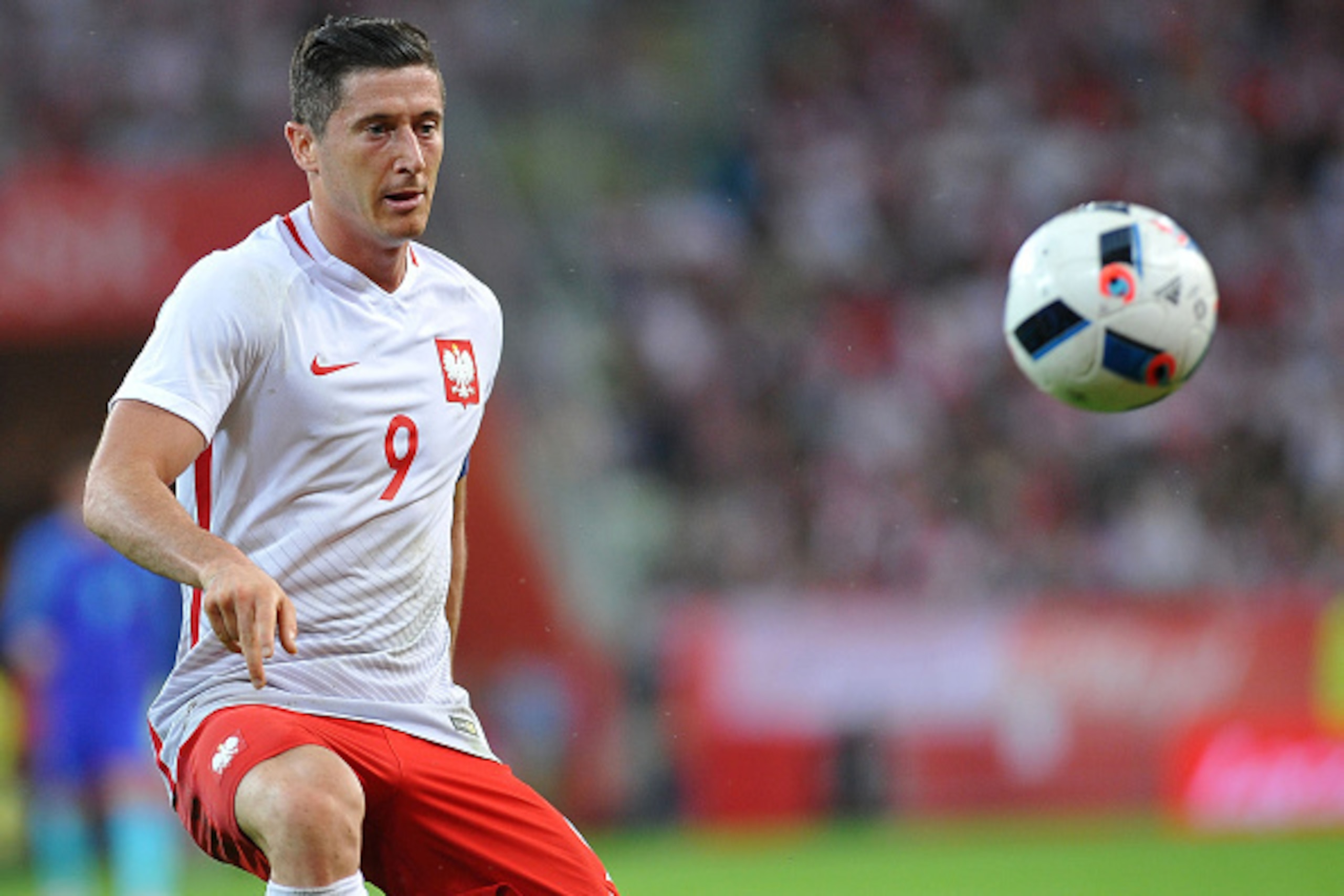
Forwards should have plenty of space to work with throughout the group stages, and several nations, such as Sweden, Poland and Russia, are built almost entirely around top strikers with fantastic international records. The goals should flow in France, to the delight of neutral fans around the world.
.jpg?w=2560 "Titans Giants Football")



.jpg?w=2560 "Tyreek makes another cryptic post amid Chiefs rumors")
.jpg?w=2560 "Ward Nearly Walks Out of Presser 😳")