20 Legitimate Collegiate Sports Dynasties
The logistics of having a dynasty in college sports tends to be a little different than the pros. Without having the benefit of free agency or long-term commitments, building a successful, championship-winning program becomes an ongoing war more than anything else.
Innumerable dynasties have come and gone, which makes the notion of exploring 20 worthwhile. It's important to note that this list is not in any set order. Each slide simply was crafted to explore the inner-workings of said dynasty and figure out what made each team unforgettable.
Bouncing between football, basketball, soccer and more, these 20 legitimate collegiate dynasties will never be forgotten.
Honorable Mentions
1 of 21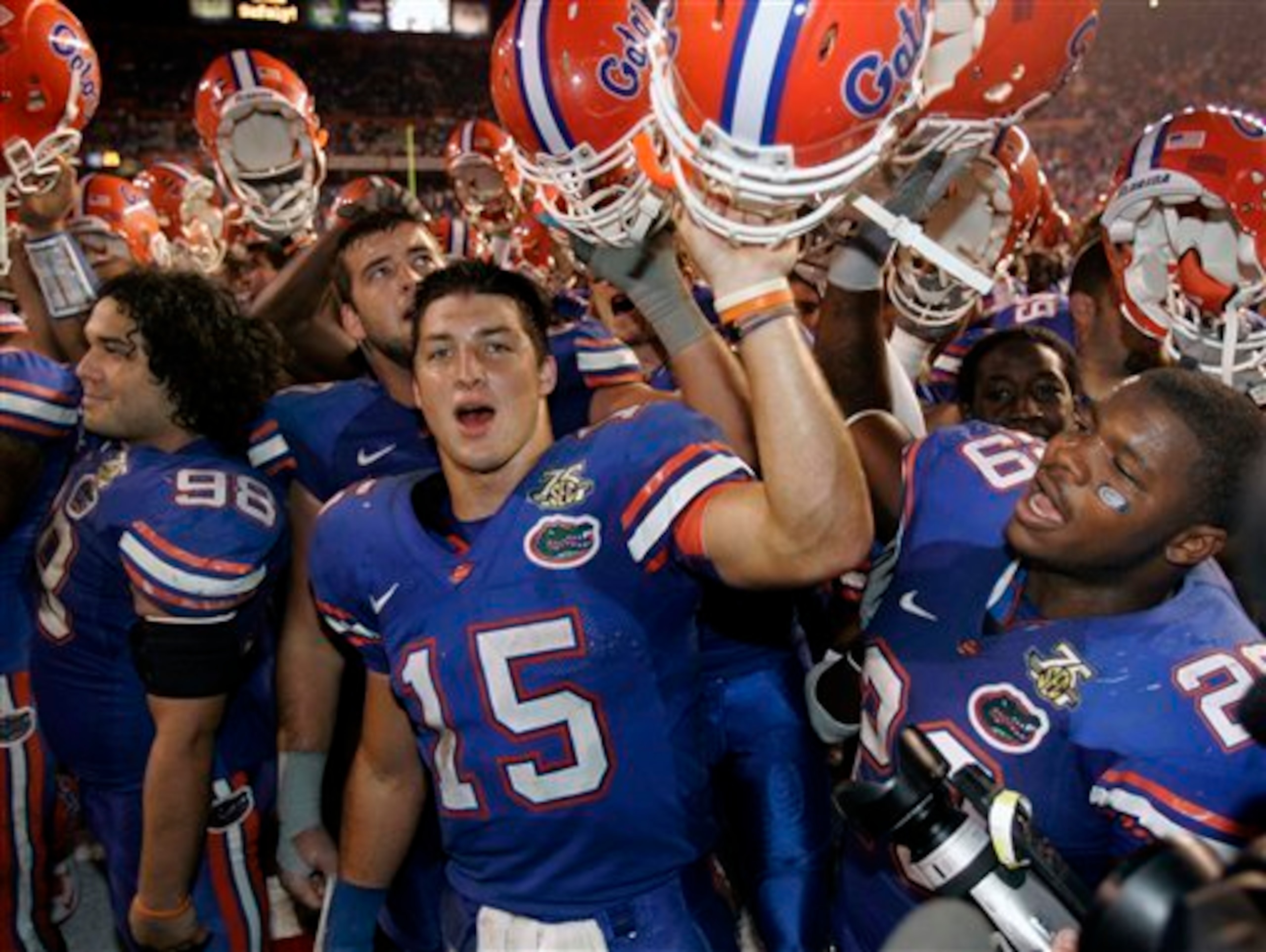
Wondering what teams barely missed out on making our list? Here's the coveted honorable mentions slide.
- Minnesota Golden Gophers Football: 1934-1941
- Texas Longhorns Football: 1961-1973
- University of Michigan Hockey: 1948-1956
- University of Michigan Football: 1940-1948
- Army Black Knights Football: 1944-1949
- Ohio State Buckeyes Football: 2002-2010
- Notre Dame Fighting Irish Football: 1964-1973
- Florida Gators Football: 2006-2009
- Ohio State Buckeyes Football: 1954-1979
Nebraska Cornhuskers Football: 1993-1997
2 of 21
The 1990s represented a time when Nebraska's football program was the closest thing to being deemed unstoppable. Between 1993 and '97, head coach Tom Osborne churned out win after win, engineering an aura that hasn't been matched since.
Quarterback Tommie Frazier was the go-to guy for all things Nebraska. Behind Frazier's dual-threat skill set and a powerful defense, the program went 60-3, winning the Orange Bowl twice and the Fiesta Bowl in '95.
Winning was ingrained deep within the Cornhuskers. They dominated the decade from all angles, making fans feel like this spectacular train ride was never going to end.
To this day, guys like Patrick Runge—writing for Bleacher Report—have preached Coach Osborne's efforts.
UCLA Men's Basketball: 1964-1975
3 of 21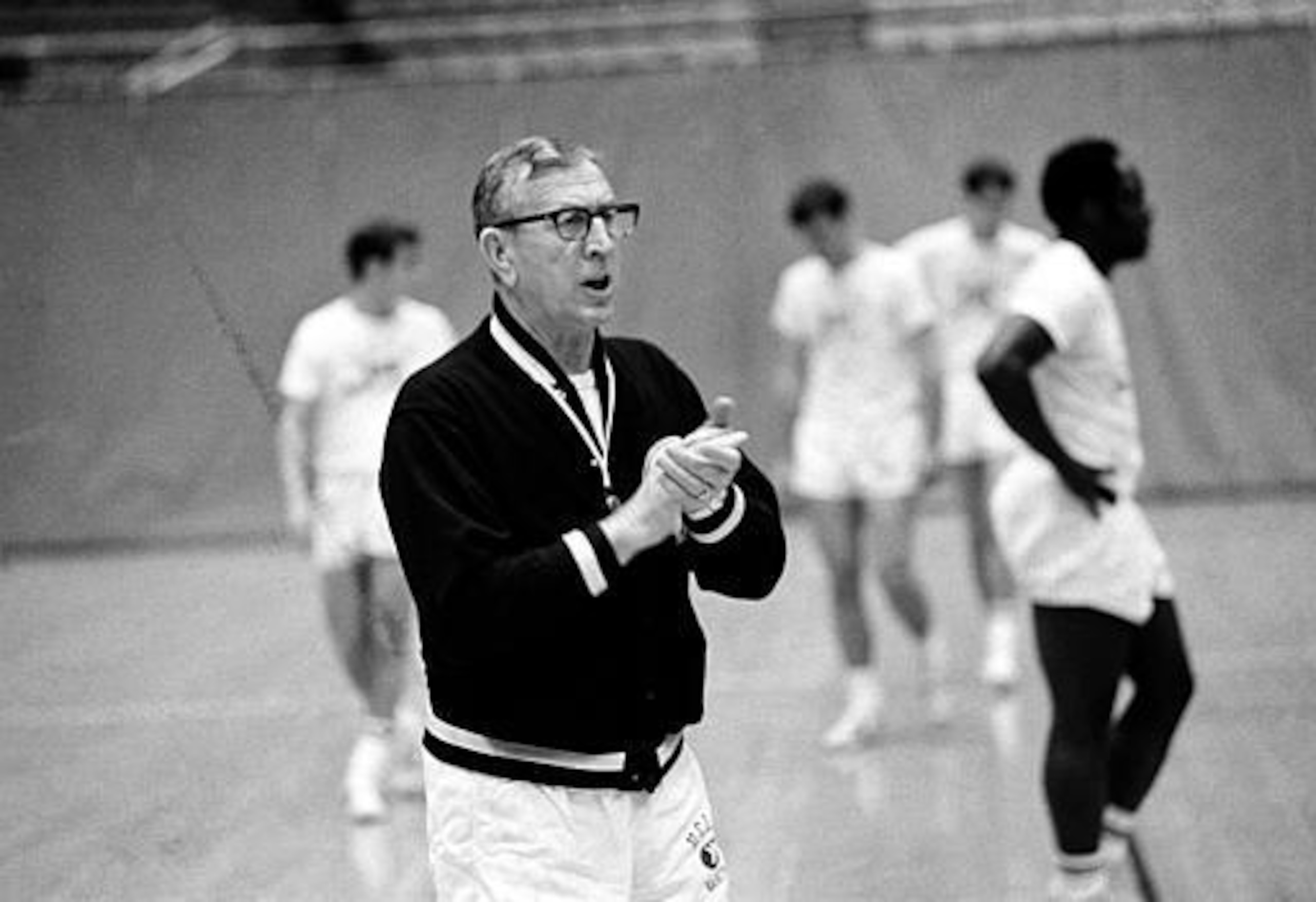
John Wooden's legacy in college sports remains unmatched among his contemporaries. What Coach Wooden accomplished probably will never be duplicated.
The Bruins won 10 national championships in 12 seasons, including seven straight from '67 to '73. He built a program consisting of the best players on the planet. Lew Alcindor—Kareem Abdul-Jabbar—and Bill Walton were towering, near mythological names that headline a crop of superstars.
Wooden's coaching style was different than anyone before him. Chris Dufresne of the Los Angeles Times described it as a "full-court press and free-flow basketball style."
UCLA won a lot of games—88 straight from '71 to '74—changed college basketball and did it all behind the steady hand of John Wooden.
.jpg?w=2560 "Rams Eagles Football")
Alabama Crimson Tide Football: 2008-TBD
4 of 21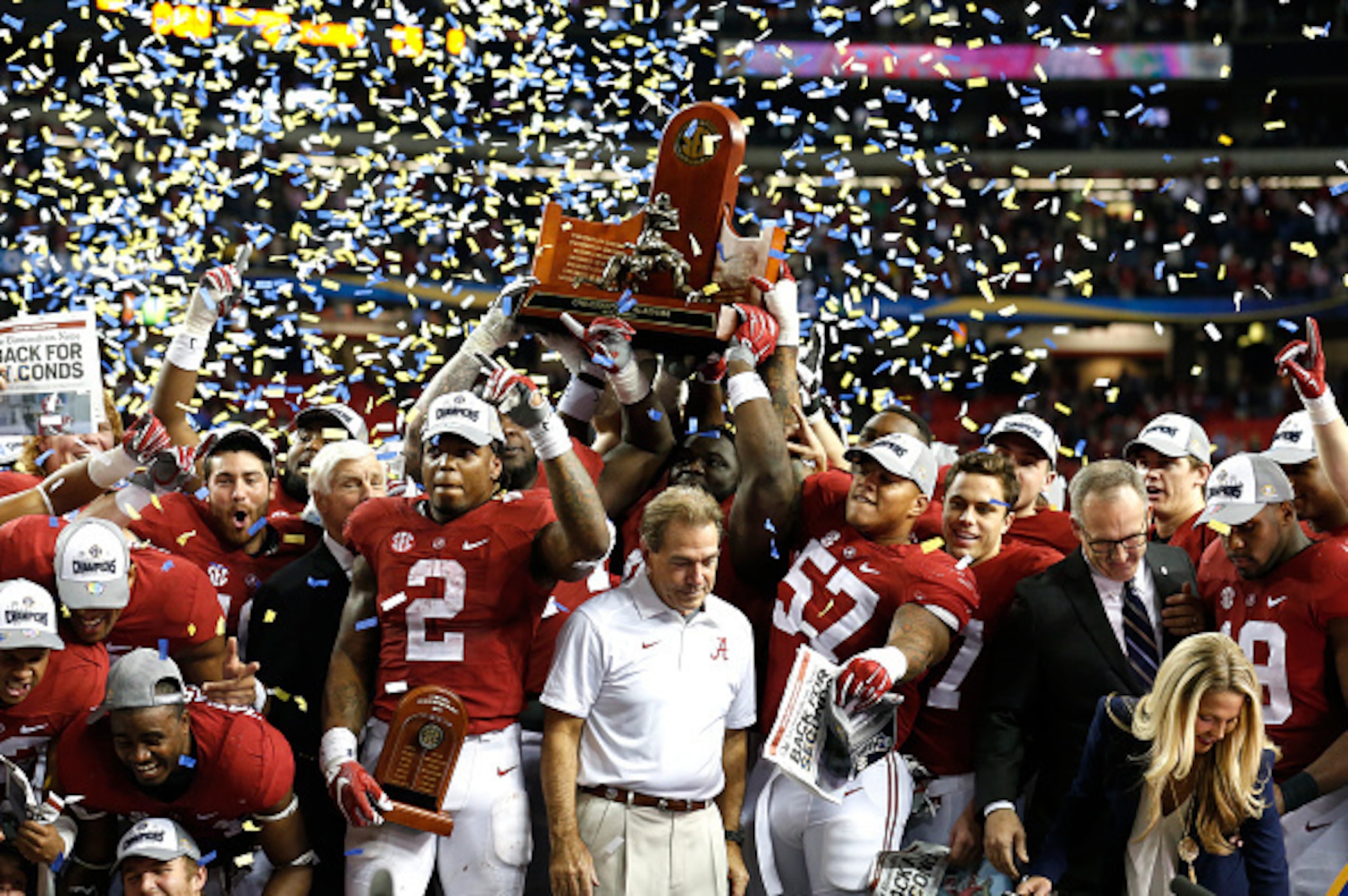
Nick Saban turned the Alabama Crimson Tide into a dynasty with smart recruiting and great coaching. His five national championship wins are topped only by Bear Bryant—another Alabama coaching legend—per Newsday.
Saban's dynasty took shape in 2008. With a seasoned recruiting class firmly in place, the Crimson Tide pulled out a 12-2 record, before losing in the Sugar Bowl 31-17 to Utah.
That loss fueled supremacy. Alabama went 14-0 the following year, winning the BCS title. From 2010 to '13, Saban's program posted a record of 35-5, landing two additional national championships.
Just when people thought the dynasty was over, Alabama went out and defeated Clemson at the conclusion of last season, winning the second annual College Football Championship.
The dynasty lives on, as Kevin Scarbinsky of AL.com mentioned. Rumors of their demise were premature, proving that Saban really is a modern-day savant working within the confines of college sports.
USC Baseball: 1970-1974
5 of 21
College sports in Southern California primarily relate to football. Pete Carroll's Trojan teams of the 2000s represented an era of superstars and winning.
Back in the 1970s, USC was also famous for its college baseball program. The team won five straight titles from 1970 until '74.
Manager Rod Dedeaux was the lead guy put in charge of the Trojans. His career was composed of 11 titles and spanned 45 seasons. The five straight era of the '70s was the crowning jewel in terms of forging a dynasty.
Dedeaux became such an important part of baseball in Southern California over time that he was honored at Dodger Stadium for his contributions to the sport after passing away in 2006.
Miami Hurricanes Football: 2000-2003
6 of 21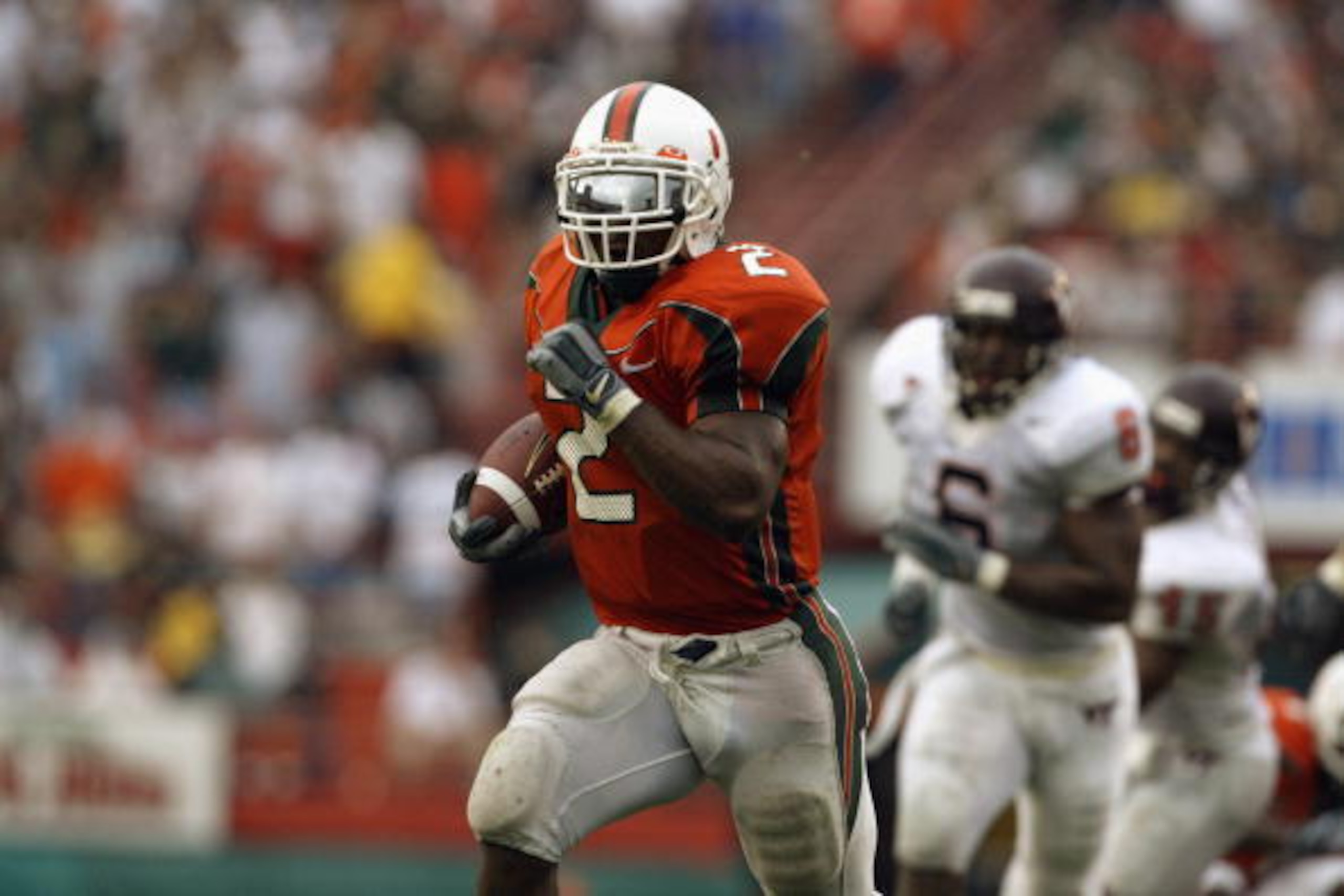
The Miami Hurricanes' dynasty in the early 2000s was built on the back of future NFL stars. Andre Johnson, Willis McGahee, Kellen Winslow Jr., Antrel Rolle, Sean Taylor, Ed Reed, Jonathan Vilma and Clinton Portis all suited up at one point in time at The U.
It was a team not only worthy of a 30 for 30 documentary, but one deemed to have the most talented roster in college football history, by FiveThirtyEight's Neil Paine.
This Hurricanes' dynasty was so gifted, they were able to win under the guidance of two separate head coaches. Butch Davis built the program and won the Sugar Bowl before bolting to take the Cleveland Browns' head coaching job in 2001. Soon after, Larry Coker stepped in, offering a seamless transition.
The team won the Rose Bowl in 2001, followed by the Orange Bowl in '03. A talent-driven roster produced a record of 35-3 from '01 to '03.
Miami's second great dynasty remains the last time this program did anything worthy of national significance.
North Carolina Women's Soccer: 1982-1999
7 of 21
Going from not having a women's soccer program to filling up your school's hallways with NCAA titles in a matter of years is exactly what North Carolina started in 1979.
The Tar Heels may be culturally known for basketball. But women's soccer is where UNC made another lasting impact.
Gregg Doyel, writing for ESPN.com, talked about the program's inception behind head coach Anson Dorrance. "The numbers border on the ridiculous," Doyel mentioned. What he's referring to is the fact this team controlled soccer, winning 16 national titles in 18 years—from 1982 till '97.
A society built around winning turned the Tar Heels into a dynasty capable of rivaling any great team spread across collegiate sports. Credit goes to the players and Coach Dorrance for turning this pipe dream into a reality.
Alabama Crimson Tide Football: 1971-1980
8 of 21
Bear Bryant changed everything we know about Alabama football. Prior to Nick Saban's arrival, Tuscaloosa had one distinct, hat-wearing architect to look up to.
What Bryant accomplished with the Crimson Tide signified a change in the program. Fresh off a dynastic run in the 1960s, Alabama got back to winning big, securing eight SEC titles in a matter of nine years. On a national title front, Bryant walked away with three of those in 1973, '78 and '79.
The sheer will to win was apparent. So much so, Alabama's record during this dynasty totaled up to 107 wins and 11 losses.
University of Connecticut Women's Basketball: 2000-TBD
9 of 21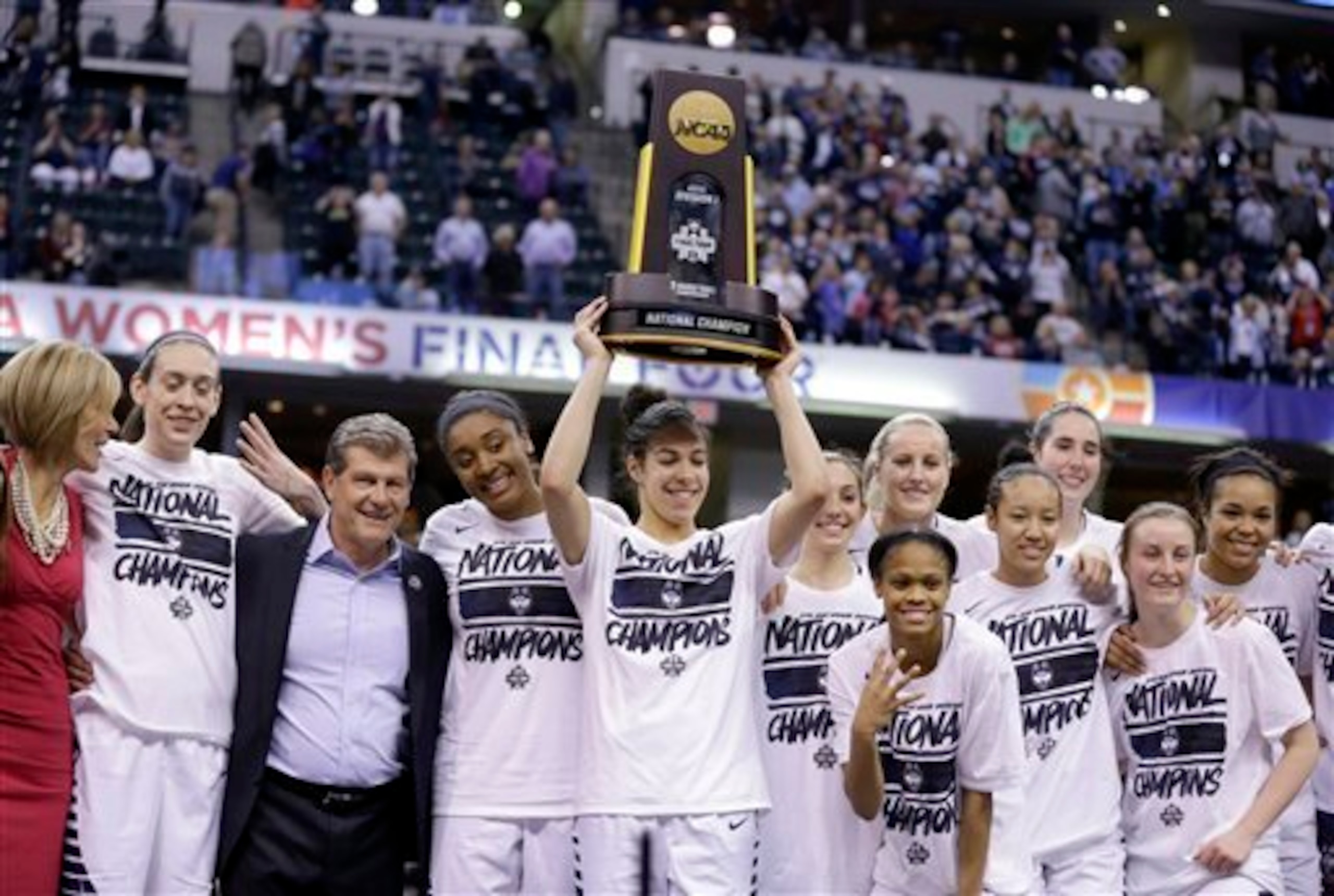
Of all the dynasties we've talked about so far, Geno Auriemma's UConn Huskies have built something grandiose.
Dynasties don't normally last 16 years. Auriemma changed that notion with smart recruiting and phenomenal coaching. The Huskies have captured 10 titles in 16 seasons—including their current streak of four in a row. But the dynasty travels beyond those championship borders. Over the last four years, Auriemma's team has gone 116-1.
Perhaps it's why the Chicago Tribune's Editorial Board called them the "greatest college basketball dynasty ever."
USC Trojans Football: 1967-1979
10 of 21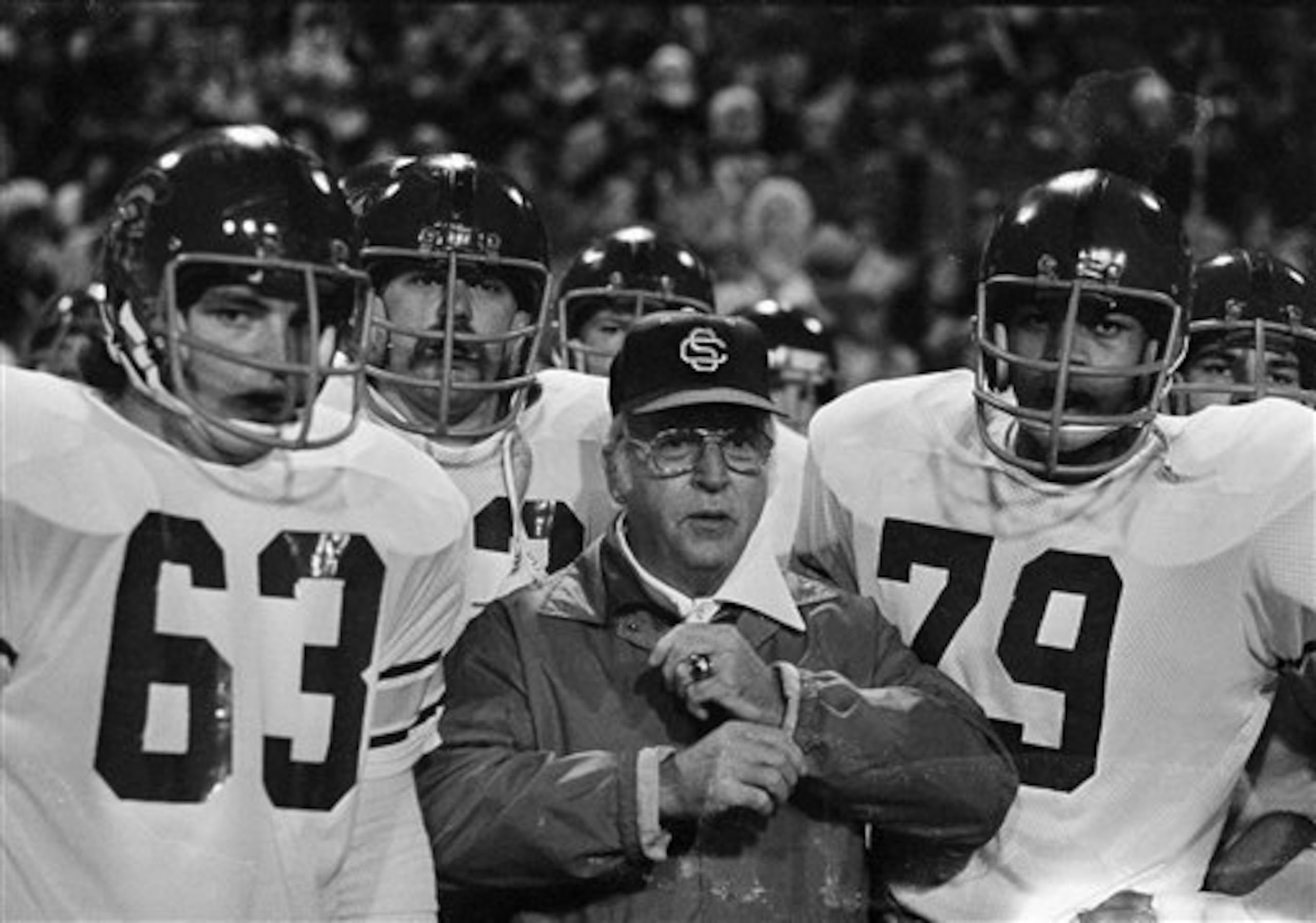
Pete Carroll’s dynasty might generate more notoriety, but the USC Trojans era that started in the late ‘60s and ran till 1979 was another glistening chapter in the school’s history.
Two separate head coaches helped push the Trojans to the top of college football. John McKay worked the bulk of the schedule, serving from ‘67 to ‘75. After he left to take a job with the Tampa Bay Buccaneers, John Robinson stepped in and continued USC’s winning ways.
These Trojans claimed four national titles in 1967, ‘72, ‘74 and ‘78 behind Heisman Trophy winners O.J. Simpson and Charles White. They turned Southern California into a hotbed for must-watch football over the course of 12 years.
University of Minnesota Women's Hockey: 2004-TBD
11 of 21Women’s hockey hasn’t seen a team like the University of Minnesota Golden Gophers. Since 2004, this program has gone on a torrid run. Six national championships, including three out of the last four, have earned it a place in the spotlight.
Unfortunately the sport has lost coverage. Thankfully guys like John Rosengren of Vice Sports have done an excellent job of shedding some attention on the Gophers’ accomplishments.
Rosengren points to a 62-game winning streak as evidence of their appeal. And despite the lack of coverage, the Golden Gophers women’s hockey team has cemented itself as a true collegiate dynasty.
Oklahoma Sooners Football: 1948-1958
12 of 21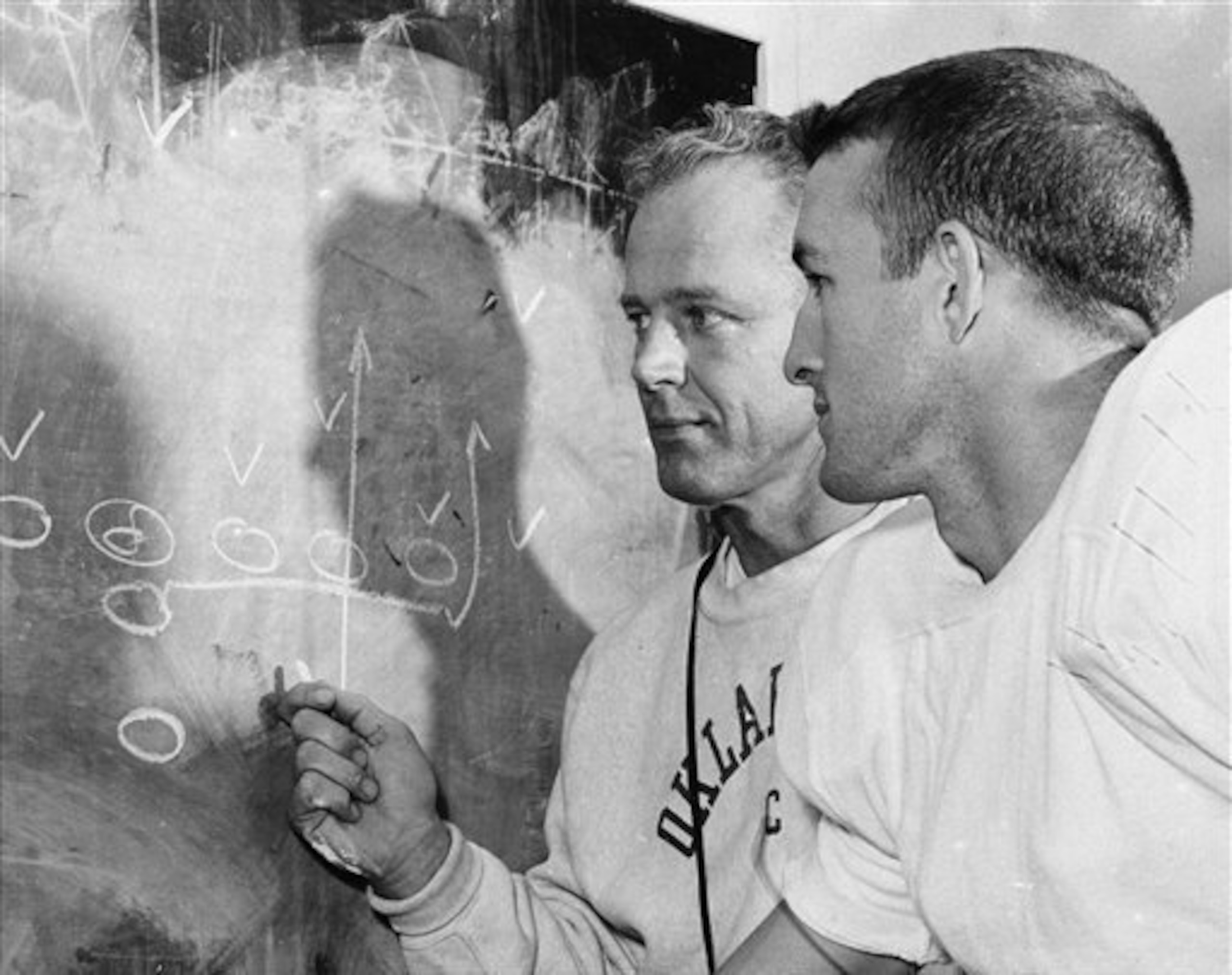
Conversation surrounding a variety of collegiate dynasties often leads back to the Oklahoma Sooners program of the 1950s. It was a picturesque version of winning.
Head coach Bud Wilkinson created a program that went 107-8 in a 10-year span. Really sit back, pour yourself a drink and stew on that line of text for a second. Oklahoma won 107 games, claimed three national titles and lost only eight times.
The game of football has certainly changed since the Sooners' reign of victory. There's no question about it. But change doesn't sweep away the efforts this dynasty put forth. Wilkinson's Sooners are the measuring stick all college football dynasties have to compare themselves to.
Miami Hurricanes Football: 1983-1992
13 of 21
The original Miami dynasty took place in the 1980s and carried over to 1992. Dubbed The U, this program won four national championships—1983, '87, '89 and '91—and saw countless NFL players grace its field.
Eerily similar to the 2000s version of the Hurricanes, the 1980s team proved talent could often outweigh coaching. Three different coaches—Jimmy Johnson, Dennis Erickson and Howard Schnellenberger—all captured titles under the Coral Gables namesake.
Collegiate stars—and future NFL commodities—like Bernie Kosar, Vinny Testaverde, Michael Irvin and Jessie Armstead all bore Miami's colors.
The team was equally controversial as it was successful, sparking an ESPN 30 for 30 feature on its radical reshaping of the college football landscape.
After all the success and wins evaporated, the program was crippled in '95 for violations that went down during the Johnson and Erickson eras. Malcolm Moran's New York Times article highlighted all of the infractions.
But while it lasted, the Hurricanes were featured as the nation's most polarizing collegiate dynasty.
Alabama Crimson Tide Football: 1961-1966
14 of 21
Bear Bryant wasn't known for being a one-dynasty man. Prior to his run in the 1970s, Bryant was the catalyst of the Crimson Tide’s remarkable five-year assault on college football during the ‘60s.
Between 1961 and 1966, Alabama ran through its peers, winning three national titles and losing a grand total of five games. Bryant relied on greats like quarterback Joe Namath in order to conquer the SEC. His plan worked.
This was Bryant’s first run to glory with the Crimson Tide. For all of his heroic efforts that came a decade later, without the ‘60s, there might not be a Bryant-Denny Stadium in Tuscaloosa.
Tennessee Lady Volunteers Women's Basketball: 1990-1999
15 of 21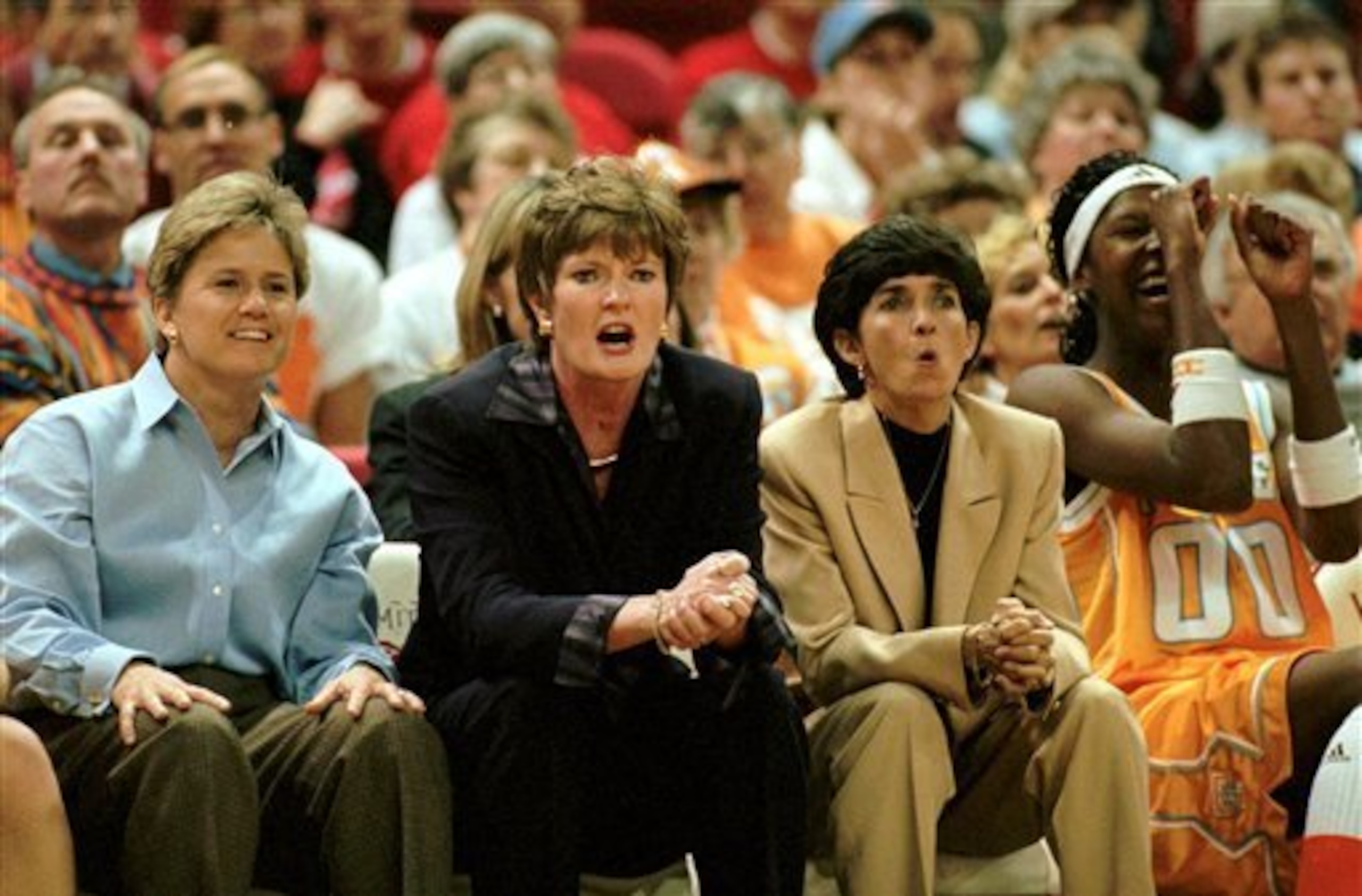
The UConn Huskies women’s basketball team of recent years had a Hall of Fame coach and program to look up to in the 1990s: Pat Summitt’s Tennessee Lady Volunteers.
Those Volunteers controlled college basketball. Summitt’s teams won four championships during the decade, culminating with three in a row from 1996 till ‘98.
Summitt remains a folk hero in college basketball, as ESPN.com's Gene Wojciechowski explained. What she achieved at Tennessee will never be forgotten, especially this dynasty.
Texas Longhorns Football: 1961-1973
16 of 21
Everything about the Texas Longhorns bleeds football goodness. Starting with their smokey orange uniforms and simplistic design, this program was a collegiate tour de force throughout the years.
But starting in 1961, the Longhorns, led by coach Darrell Royal, made serious waves in the pigskin community. Thirteen years produced 115 wins, 24 losses and two ties. What came with all of that positivity was three national titles in '63, '69 and '70.
This dynasty should be remembered for winning, but also by the shadow Coach Royal cast over the football world. He's a Texas legend and innovator of the sport.
ESPN's Ivan Maisel explained part of what made Royal so important: "Royal's teams gave college football the wishbone, the offense that dominated the sport from the late 1960s to the late 1980s."
He pushed boundaries, won a whole lot of ballgames and was immortalized because of it. The Longhorns' dynasty is a testament to his brilliance.
Florida State Seminoles Football: 1992-2000
17 of 21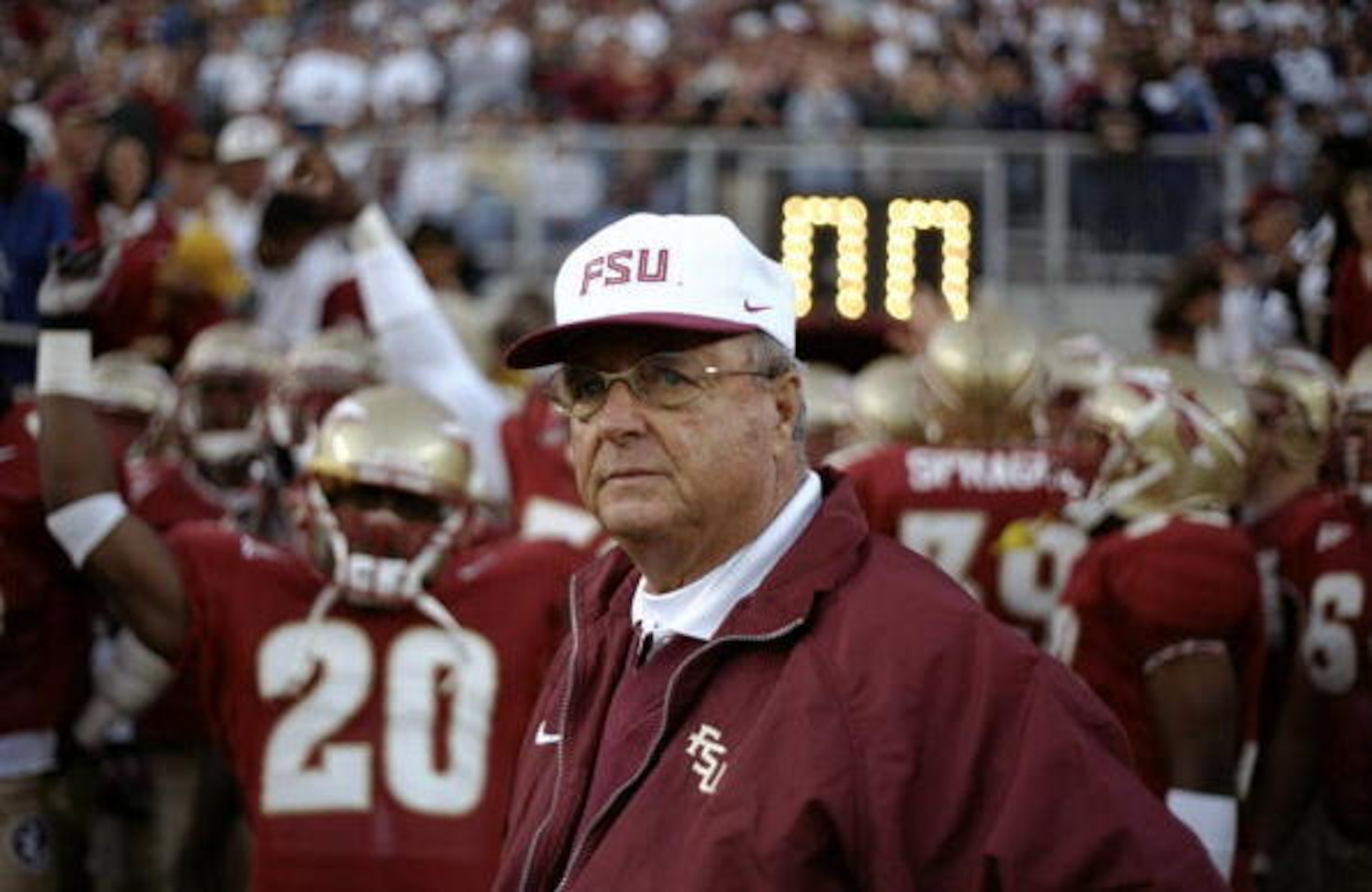
Florida State's glory days took place in the 1990s. Bobby Bowden led the Seminoles to nine ACC titles and two national championships—despite playing in five—during that time period.
It was a great era to be fan of the Seminoles. Each year became a quest for the national title, and players like Chris Weinke, Peter Warrick, Anquan Boldin, Charlie Ward and Warrick Dunn turned into household names.
What’s mesmerizing about all of those Seminole teams is the constant wave of recruits Bowden was able to bring in. Competing with so many other elite programs at the time made the feat of landing a player like Dunn a heck of an accomplishment for a team in the ACC.
There will never be another Coach Bowden. His decade of dominance and loaded teams remains a high point for the program.
Iowa Men's Wrestling: 1975-2000
18 of 21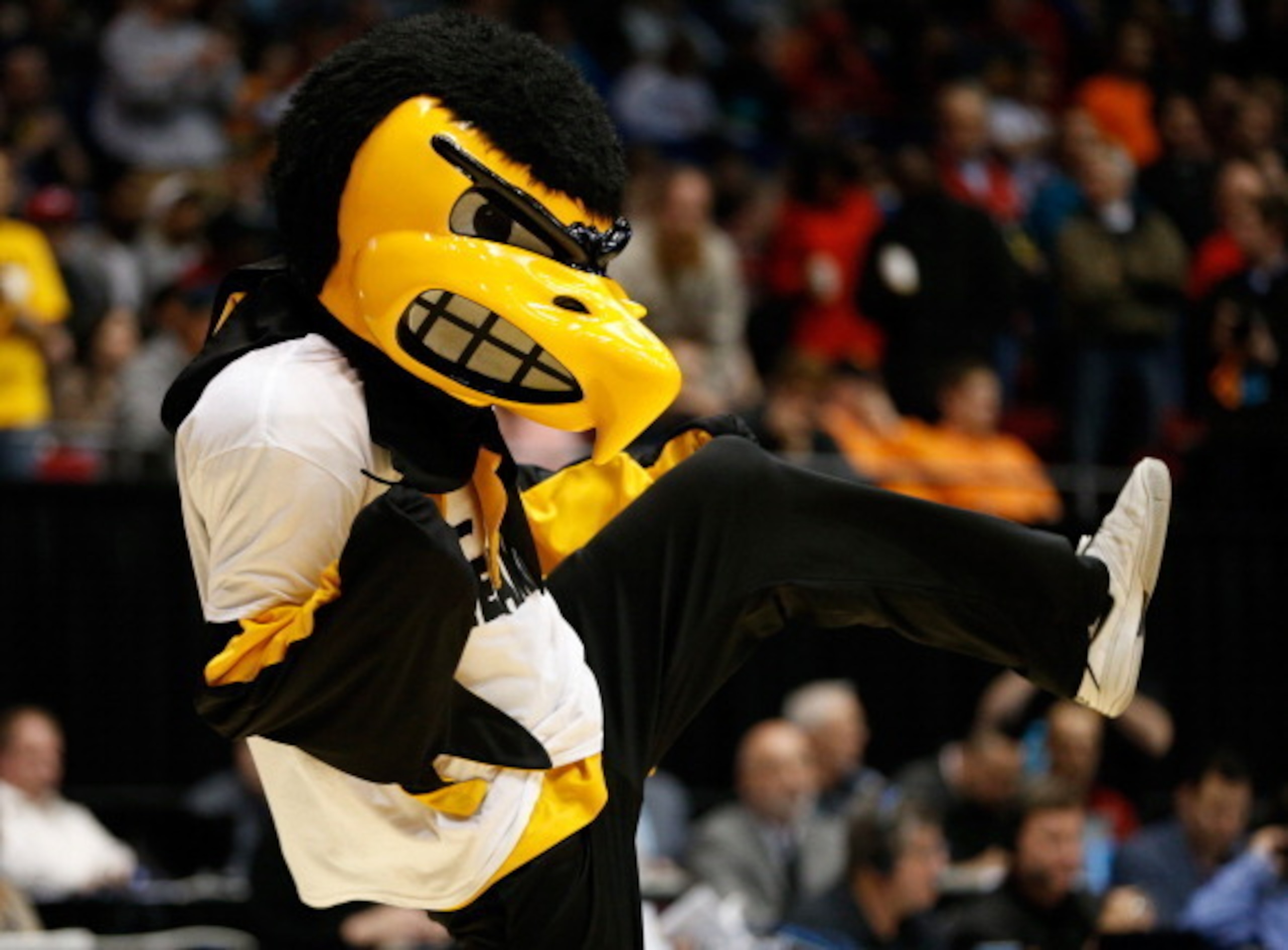
You might think collegiate dynasties are only served up to a select few sports. The Iowa men's wrestling program from 1975-2000 would tell you a different story.
Twenty six years produced 20 national titles. Year-in and year-out, the Hawkeyes took control of the wrestling landscape. It all goes back to Iowa being a state focused on the sport. Mechelle Voepel of ESPN W even called the Hawkeye State the "heartbeat of wrestling."
As we've mentioned before, championship teams come and go. To sustain dominance starting when Gerald Ford was President and run through the last year of Bill Clinton's term puts the true length of this dynasty into perspective.
Notre Dame Fighting Irish Football: 1941-1949
19 of 21
Head coach Frank Leahy’s Notre Dame Fighting Irish understood winning national titles came by way of sustained greatness. From 1941 until the turn of the decade, the Fighting Irish churned out four championships and five undefeated seasons.
To put their winning ways into more of a historical context, Leahy’s teams finished with 75 total wins, seven losses and six ties.
It was a glorious run for Notre Dame, and besides capturing four national titles, it also resulted in three Heisman Trophies.
USC Trojans Football: 2002-2008
20 of 21
Pete Carroll spent 12 seasons with the USC Trojans, turning the program back into a stalwart of college football.
Peak USC was between 2002 and ‘08. It was a calendar-turning period when the Trojans seized two national championships, four Rose Bowls and two Orange Bowls. They also partook in the greatest college football game ever, despite losing to Vince Young’s Texas Longhorns in 2006.
Carroll’s program featured plenty of NFL talent. Reggie Bush, Matt Leinart and Carson Palmer make up three premier names among many that played for the Trojans.
Like a few other controversial teams on this list, the Trojans’ dynasty received its own 30 for 30 film, detailing the rise and fall of the program. No matter how you feel about them, what the Trojans accomplished remains an important chapter in sports.
Oklahoma Sooners Football: 1973-1980
21 of 21
Barry Switzer came to Oklahoma in 1973 taking over for Chuck Fairbanks. Unlike a lot of coaching transitions, Fairbanks’ final two seasons with the Sooners resulted in back-to-back Sugar Bowl wins, placing the team No. 2 in the nation.
When Switzer stepped in, the Sooners took things to the next level. After an initial 10-0-1 offering, Switzer's Sooners’ lost one game in two years. They’d streak to the top, securing two national titles in 1974 and ‘75.
Overall, Switzer’s tenure with the Sooners—which ran from ‘73 until ‘88—was ultra-productive. But his dynastic years between ‘73 and ‘80 remain the blue-chip marker on his collegiate coaching resume.
All stats and information via Sports-Reference.com unless noted otherwise.
.jpg?w=2560)
.jpg?w=2560 "Bleacher Report's Expert NFL Picks 🔮")
.jpg?w=2560 "Tomlin's Take After Cowboys' Players-Only Meeting 💀")