5 Takeaways from Week 7 MLB Action
Rougned Odor certainly grabbed the attention of MLB and may have caught the eye Dana White, president of the UFC.
Odor, a promising second baseman for the Texas Rangers, hit Toronto Blue Jays slugger Jose Bautista flush on the jaw with a hook that would make Conor McGregor jealous. It was not a good look for baseball or Odor.
The brawl between the two teams was Sunday—the start of a tumultuous week in baseball.
It continued with the firing of Atlanta Braves manager Fredi Gonzalez. Many came to the defense of Gonzalez, who was managing a Braves team in rebuild mode with no intention of contending this season.
But his dismissal raised greater concerns about the diversity among baseball managers. That’s a discussion that continued through the end of the week.
Commissioner Rob Manfred later expressed his concern over the increasing length of games this season. MLB has made an effort to shorten games.
And New York Mets pitcher Matt Harvey, once considered a rising star, has suddenly become a liability in 2016. He has a concerning 5.77 ERA and 1.655 WHIP through nine starts this season.
Brighter headlines included Washington Nationals pitcher Stephen Strasburg’s continued dominance. He looks like the player many expected he would develop into when the Nationals drafted him first overall in 2010.
But this week had a negative undertone. What can we take away from a topsy-turvy Week 7?
Rougned Odor Suspension Seems Light
1 of 5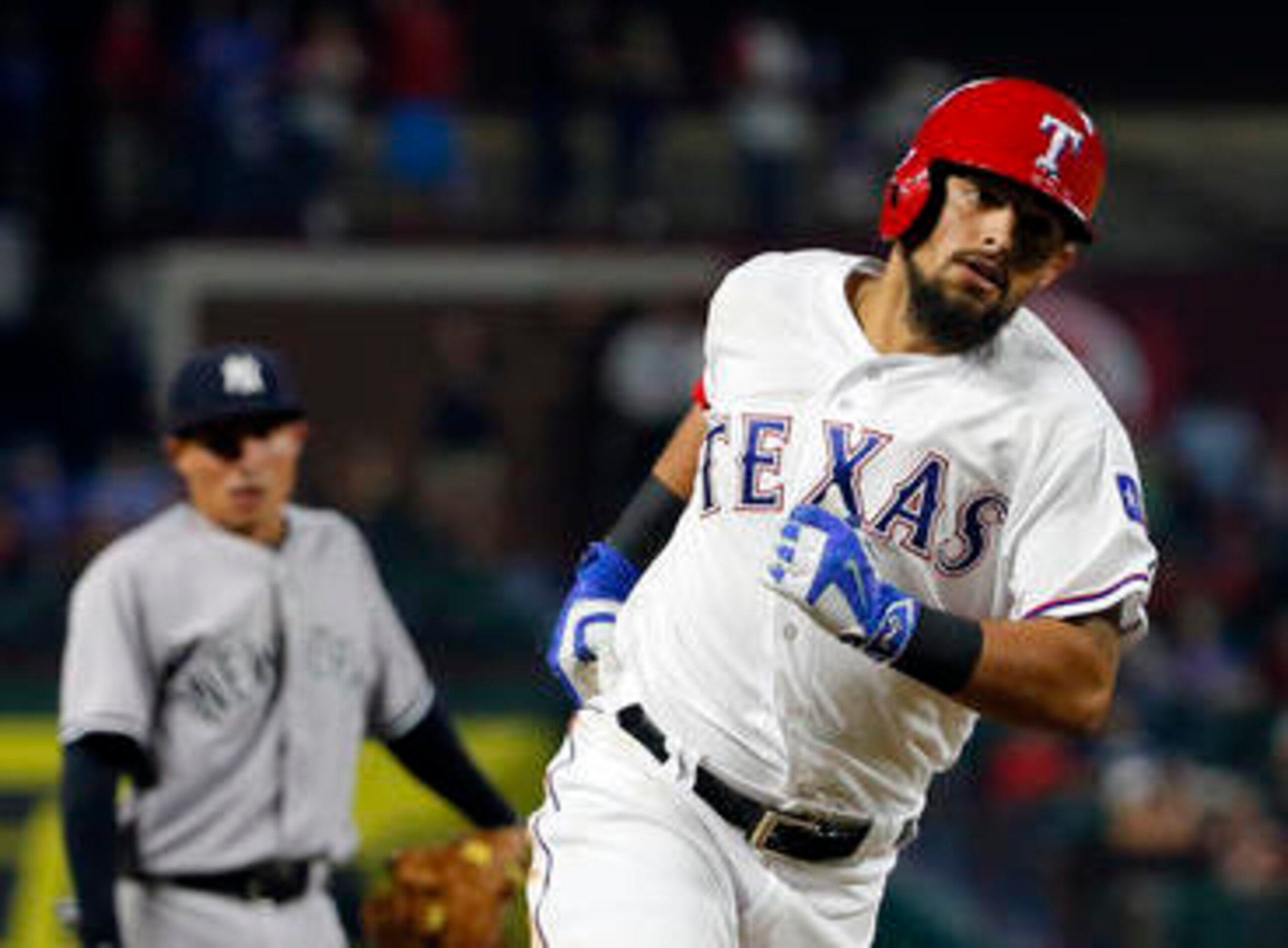
Texas Rangers second baseman Odor turned Globe Life Park into a makeshift boxing ring when he slugged Toronto Blue Jays right fielder Jose Bautista with a right hook Sunday.
The violent punch landed flush on Bautista’s jaw, earning Odor an eight-game suspension, per a press release sent by MLB on Tuesday.
It’s a suspension that is a little too light.
At the time of the event, it appeared that Odor threw the punch in retaliation for what he thought was a dirty slide into second base by Bautista. The slide was arguably late but can easily be characterized as a hard baseball play. (View the slide and ensuing melee courtesy of NESN.)
There’s history between Bautista and the Rangers, too.
Against Texas in the seventh inning of Game 5 of the ALDS last year, Bautista hit a go-ahead three-run homer and promptly flipped his bat. It was an action that may have offended the Rangers, fueling the Odor incident.
For his part in provoking Odor Sunday, Bautista was suspended for one game, according to the same MLB press release.
But regardless of where you stand on showboating and baseball’s unwritten rules or the slide itself by Bautista, Odor’s actions were completely clownish.
Baseball needed to be harsher with Odor. A stronger message needed to be sent that behavior such as that is unacceptable.
The punch itself could have seriously hurt Bautista, one of the game’s most exciting players. Injuries on the field of play are hazard enough for the game. MLB can ill afford having one of its star players sit out because of a fight.
This type of behavior must be legislated out of baseball, and the only way to do so would be imposing a harsher penalty on Odor.
The suspension should have been at least 10 games.
The most comparable suspension is Chicago Cubs catcher Michael Barrett’s 10-gamer in 2006 after he punched White Sox catcher A.J. Pierzynski in a brawl.
Given the similarity between the two incidents, it sends an inconsistent message to suspend Odor for only eight games.
A strong MLBPA is sometimes able to get suspensions reduced. Odor told Gerry Fraley of the Dallas Morning News he would appeal the suspension. So, MLB does have to massage its suspensions in the hopes they will hold up on appeal.
But even if a larger suspension were reduced during the appeals process, it would still send a more appropriate message.
Commissioner Manfred’s Concern over Length of Games Won’t Be Alleviated
2 of 5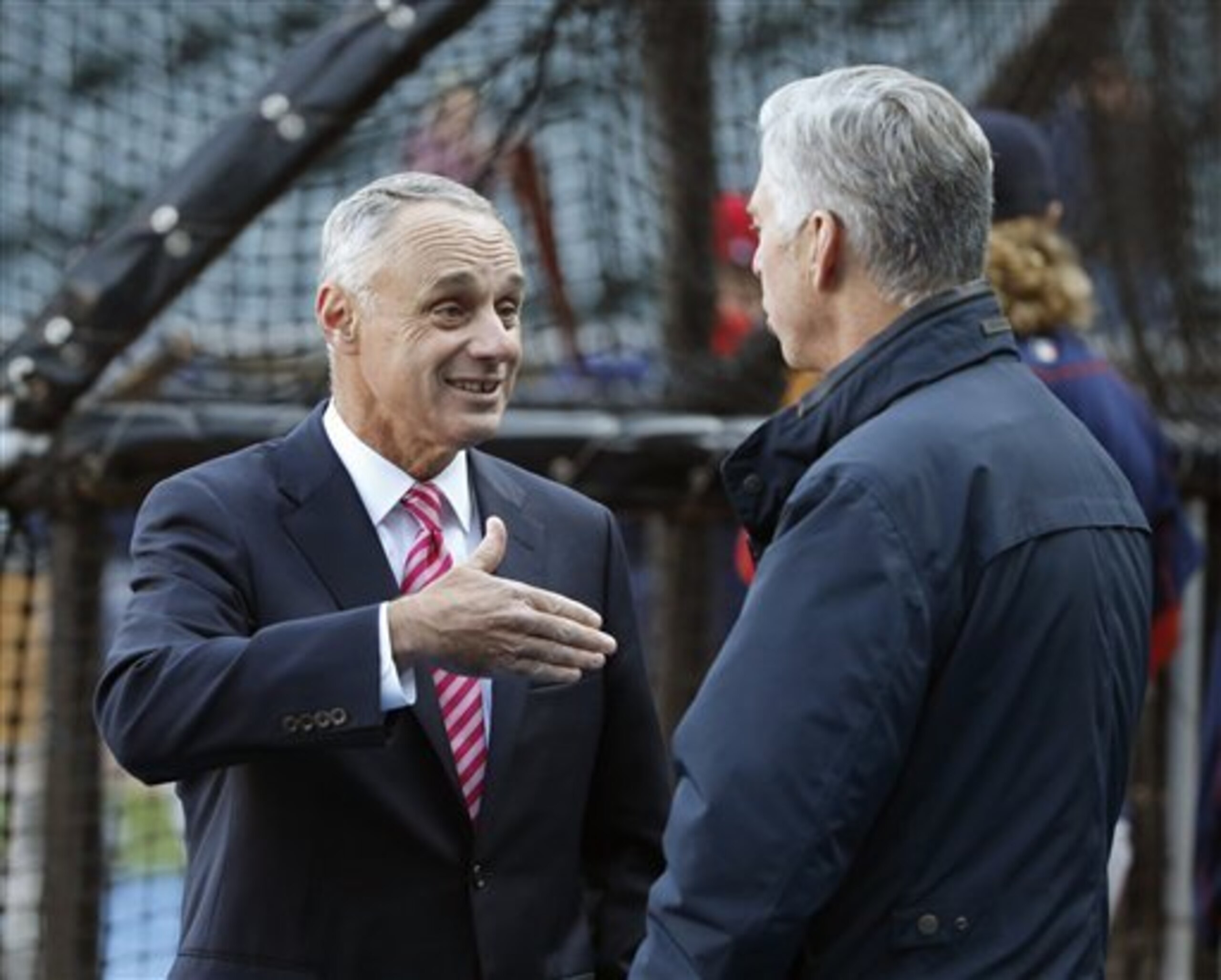
In an attempt to increase baseball’s appeal by speeding up games, MLB has instituted pace-of-play rules.
But this season, commissioner Rob Manfred has found those rules aren’t working. He discussed his concern in an interview with ESPN.com’s Jayson Stark. Stark reported that through Monday, games averaged three hours, 26 seconds. At the same time last season, games averaged 2:53:33.
"We think the single biggest thing we had going for us early in the year [last season] was player focus on the topic," Manfred told Stark. "And we feel like we've lost a little focus. So we're doing a variety of things to try to get that focus back."
He can speed up events that aren’t directly related to the play of the game itself. Mound visits are clocked. He could reduce the number of times a player steps in and out of the batter’s box. He can even put a clock on the time a team has to put in a relief pitcher.
But many of those measures would have minimal effect.
Longer games this season are a result in a change of strategy. Throughout baseball, hitters are being encouraged to see more pitches per at-bat. Stark noted that through Monday, baseball is averaging 289.25 pitches per nine-inning game, the highest in seven seasons.
More pitches means, quite obviously, a longer game.
But that strategy has a residual effect. More pitches thrown, particularly by a starter, means more pitching changes. Those take time, as each pitching change prompts a commercial break.
Ultimately, the commissioner can make all the adjustments he desires, but there doesn’t seem to be anything he can do to change the effects of widespread strategy.
Fredi Gonzalez Firing Underscores Concerns About Diversity Among Managers
3 of 5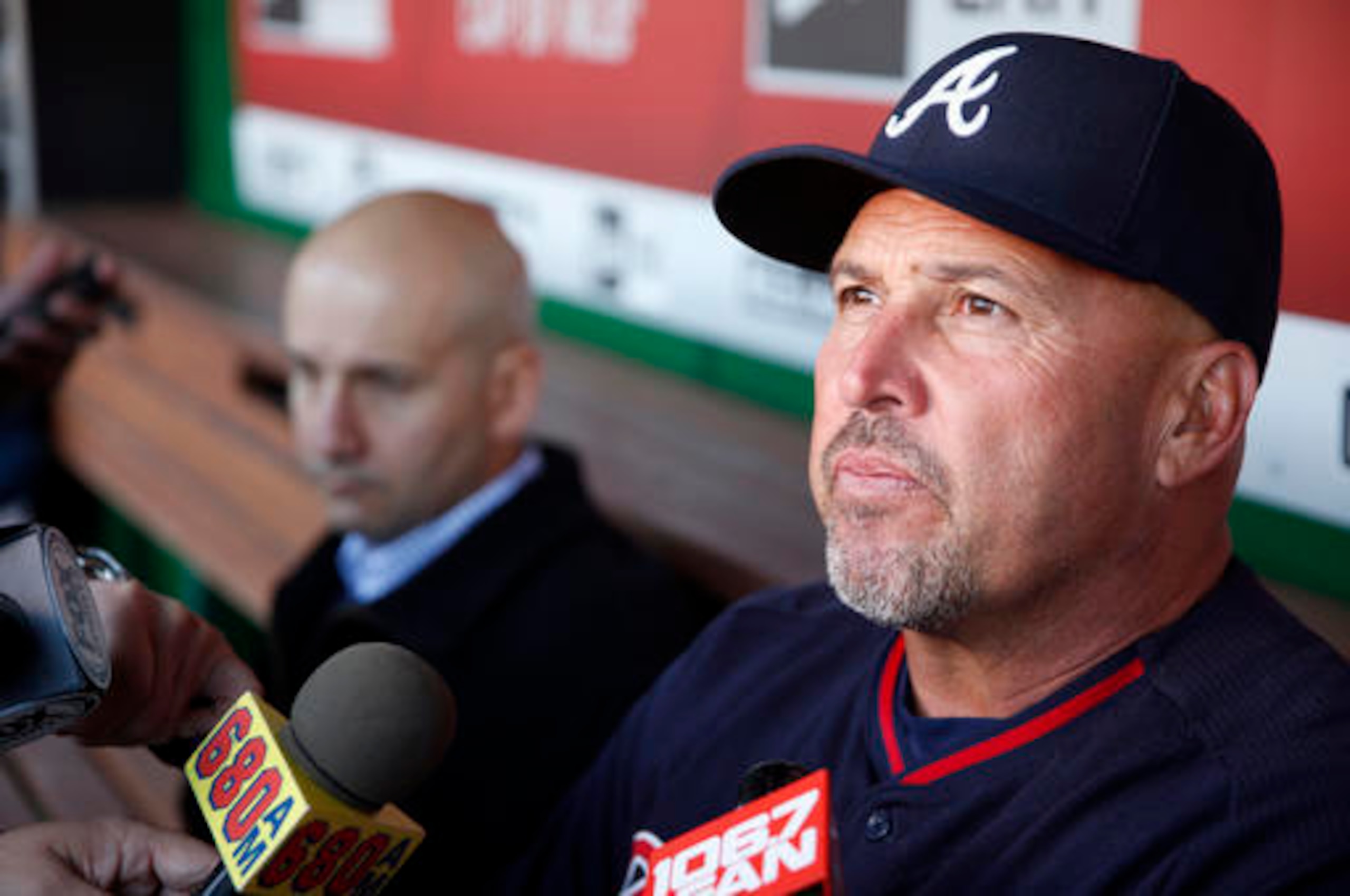
On Tuesday, the Atlanta Braves fired manager Gonzalez. The merits of such of move, for a team rebuilding and without the intent to contend, can be debated.
But the larger issue surrounding the Gonzalez firing concerns the lack of diversity among MLB managers today.
At the start of the season, Gonzalez was the only Hispanic manager in the game. Dusty Baker of the Washington Nationals and Dave Roberts of the Los Angeles Dodgers are the only current African-American managers.
Given the number of Hispanic players in baseball, it’s alarming that MLB is without a Hispanic manager. Bob Nightengale of USA Today wrote in April of last season that African-Americans represented 7.8 percent of players on Opening Day rosters in 2015.
The decline of African-American players in MLB has been a separate topic of conversation. But even so, the percentage of African-American managers represented in the managerial ranks falls short of that of the players.
A third African-American manager would make the percentage of managers higher than the players.
MLB has made efforts to increase enthusiasm for the game within the African-American community, but more African-American managers would help the cause.
The lack of a Hispanic manager is a more glaring issue, though.
Not only does the disparity exist in who gets the managerial jobs, but the requirements for Hispanic managers seem lopsided.
The White Sox's Robin Ventura, Detroit Tigers' Brad Ausmus, St. Louis Cardinals' Mike Matheny and Seattle Mariners' Scott Servais are examples of managers who were hired without any prior MLB coaching experience.
In the age of sabermetrics, front-office experience is more heavily considered on the resume of a prospective managerial candidate. So that jump is possible, as was the case with the Servais hire. Still, coaching experience is generally important.
It seems unfair that Hispanic candidates with past coaching experience like Sandy Alomar Jr. or Joey Cora, a current manager in Double-A who has MLB bench-coach experience, aren’t given as much consideration as first-time guys like Ventura or Ausmus.
Moreover, there isn’t a Hispanic candidate in recent memory without prior coaching experience who has been given the opportunity to manage a Major League club.
Matt Harvey’s Problems Are About Control
4 of 5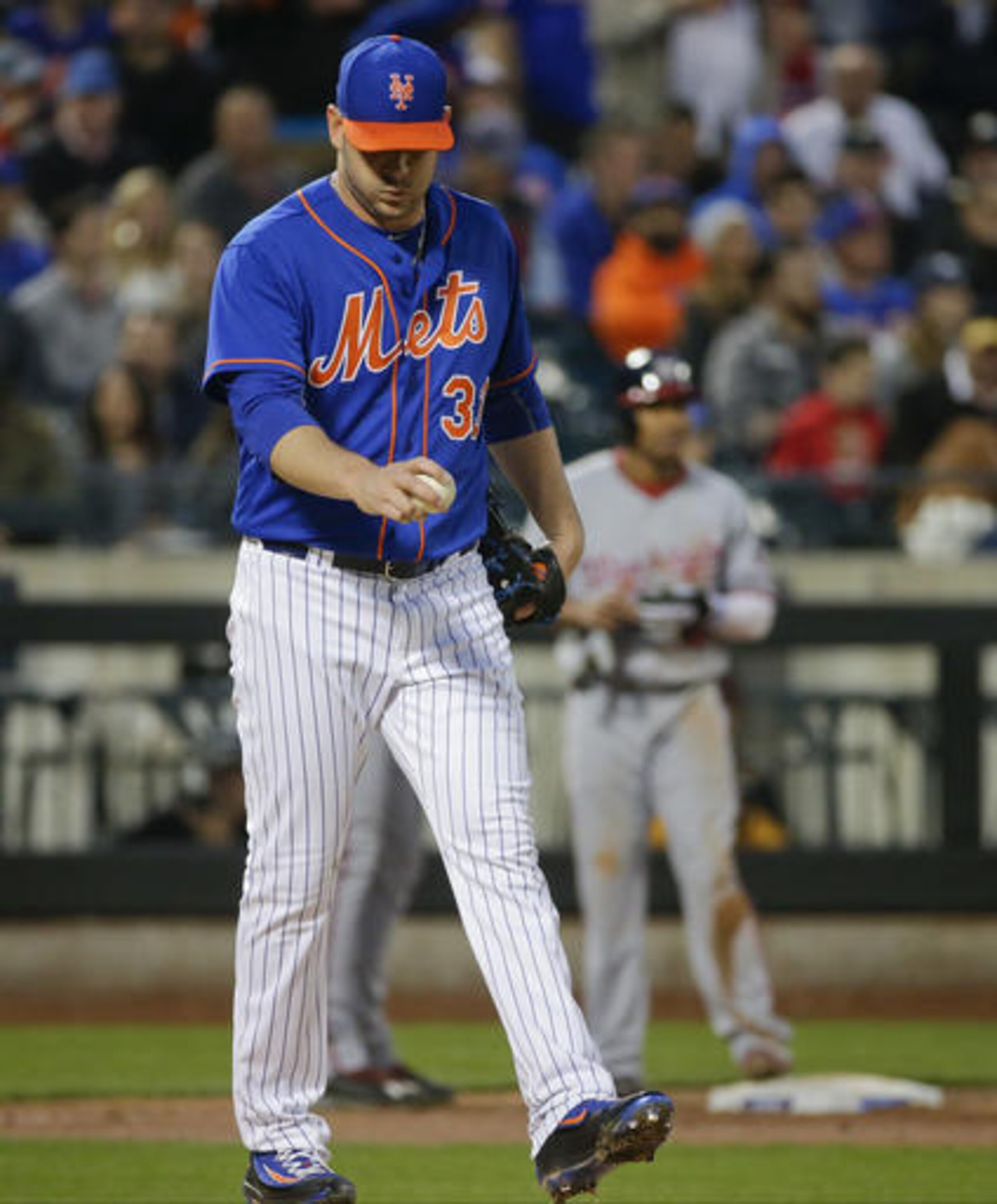
After giving up nine runs (six earned) in only 2.2 innings against the Washington Nationals on Thursday, New York Mets pitcher Matt Harvey probably couldn’t have imagined things getting worse after he reached the dugout.
After the game, they did.
Manager Terry Collins wouldn’t commit to allowing Harvey to pitch his next start. But Bleacher Report's Danny Knobler, in a piece for ESPN.com, reported Friday that Harvey is now expected to pitch on Tuesday.
Still, there’s serious concern as to whether the once-promising ace of New York’s starting staff is a liability for the club this season.
Harvey is without an outing that has gone longer than six innings. That’s likely a result of his high 1.655 WHIP. He’s having to face too many batters early.
The underlying cause: a lack of control.
Harvey is unable to locate his fastball, the pitch that is supposed to be the easiest to command. According to FanGraphs, opponents are hitting .314 off Harvey’s fastball, suggesting the pitch is catching too much of the plate.
Control isn’t always a function of balls and strikes, as is the case with Harvey this season. He has only allowed 15 walks. Per Knobler, Collins indicated the control issues were all about confidence.
"We really think he's got to get back on the horse, as fast as he can," Collins said.
Stephen Strasburg Finally Living Up to the Hype
5 of 5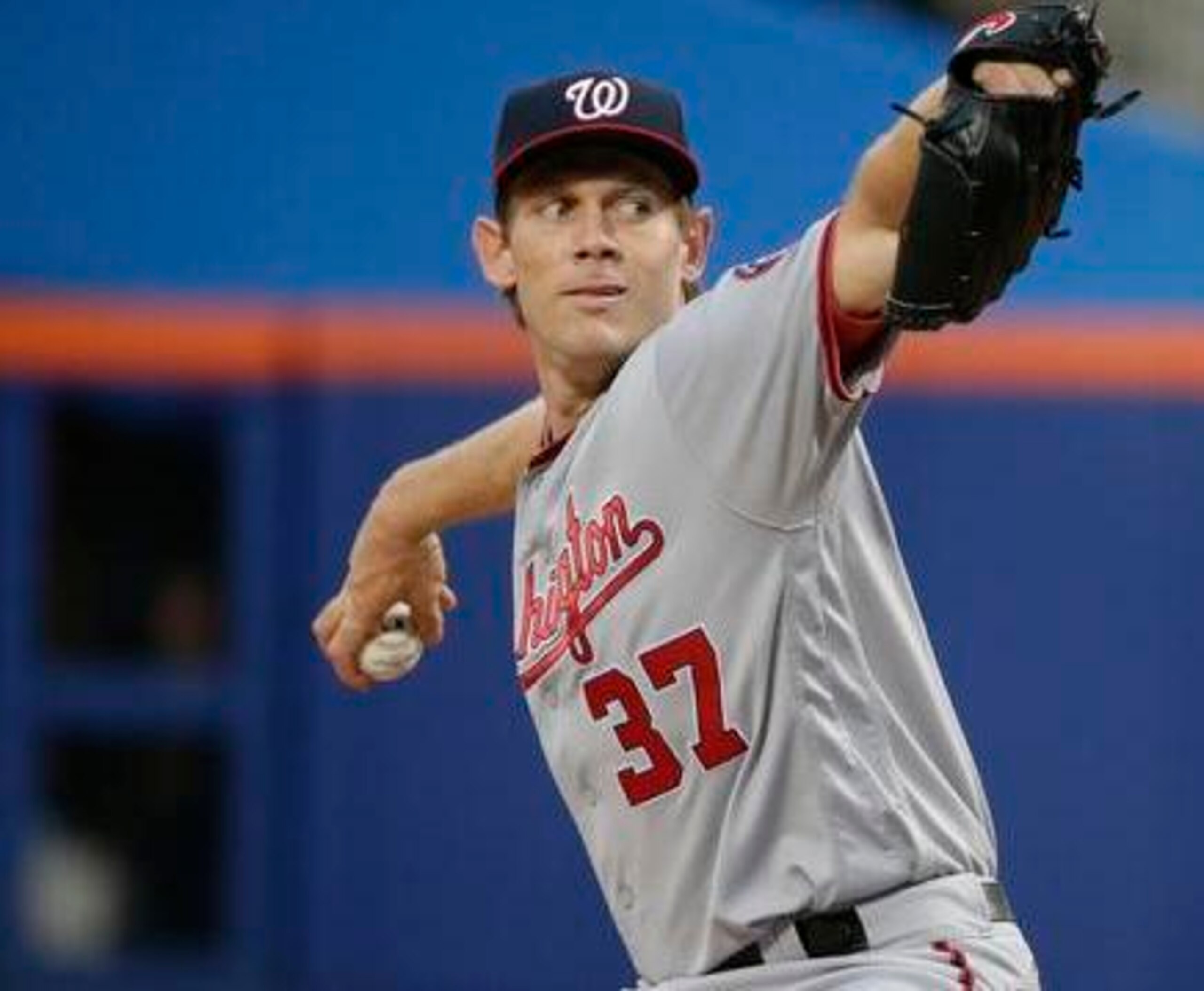
The 2010 MLB draft may seem like it was ages ago, which might suggest that the development of that year’s No. 1 pick, Strasburg, has been slow.
It should be noted that Tommy John surgery slowed Strasburg, which he underwent just a few months into his MLB career. Subsequently, the Nationals decided to carefully manager his innings, notably leaving him off the playoff roster in 2012 because he had exceeded his pitching limit.
Regardless of however long it took, the Nationals pitcher is finally looking like the ace the team thought it was getting nearly six years ago.
On Thursday, the Nationals won their 13th straight game that Strasburg has pitched. That’s a franchise record, according to ESPN, that dates backs to the organization’s stint as the Montreal Expos.
More importantly, though, Strasburg is carrying a 2.80 ERA through nine starts this season and a 2.30 FIP, a statistical measure of a pitcher’s effectiveness independent of the quality of defense behind him.
He finished the 2015 season with a 3.46 ERA and his 2014 campaign with a respectable 3.14. But neither number had him considered among the game’s elite pitchers.
That has changed this season.
On a Nationals team that may boast the best rotation in baseball, Strasburg might not end the season as the ace. But on many MLB teams, he would undoubtedly be the No. 1 guy.



.jpg?w=2560 "Latest Peyton-Colts Rumors")
.jpg?w=2560 "Ugly Jets Scoring Stat 😳")

.jpg?w=2560 "Landing Spots for Trade Candidates 📍")