Ousmane Dembele Transfer: Remembering Borussia Dortmund's Previous No. 7s
At some clubs, the unveiling of a new player taking the No. 7 shirt is a new event all of its own, regardless of who that player actually is.
There is something about that horizontal line followed by a diagonal one running from top right to bottom left which evokes something in football supporters, with thoughts of the likes of Cristiano Ronaldo, David Beckham, Kenny Dalglish and George Best never too far away.
What about at other clubs, though?
TOP NEWS
Haaland Landing Spots 📍

Highest-Paid Soccer Players 💰
.jpg?w=2560 "FIFA Congo Player Eligibility")
FIFA Knew Before World Cup Congo Goalie was Ineligible
At Borussia Dortmund, the unveiling of new wonderkid signing Ousmane Dembele was an exciting enough event all on its own, and it didn’t need confirmation of his No. 7 shirt for that to increase.
But what about the club’s other No. 7s, though? Who were they, and what do they say about the footsteps that Dembele is trying to follow in? Well, initially, not much, but it does get better.
The young Frenchman takes the shirt from the winger Jonas Hofmann, who was never quite able to live up to his potential during four years in the Dortmund first-team setup, largely due to injuries. He was loaned to Mainz last season and then made a permanent switch to Borussia Monchengladbach in January.
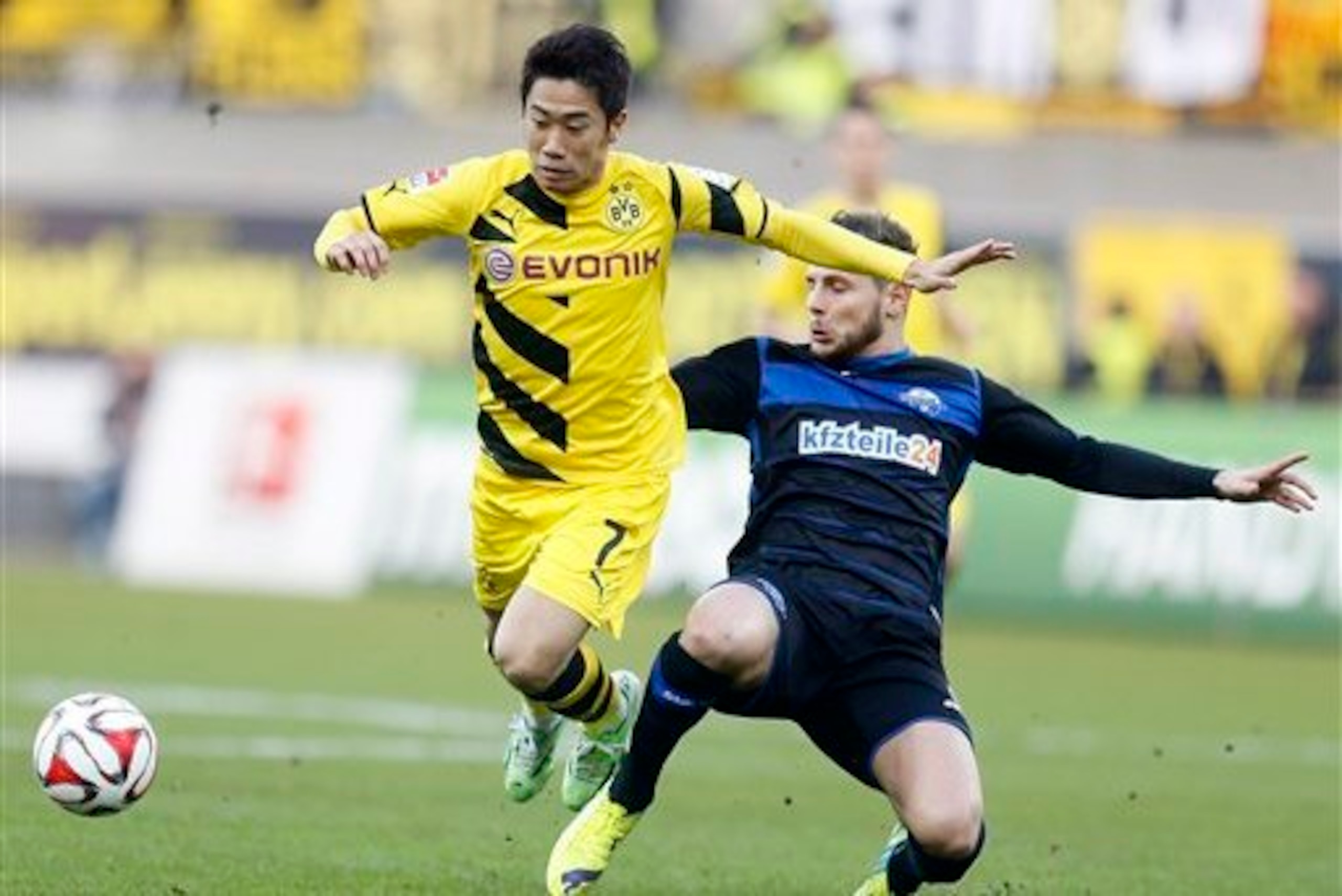
Before that, the shirt was taken by Shinji Kagawa upon his return to Dortmund from Manchester United in the summer of 2014, but it wasn’t long before the popular Japanese player switched to the more familiar No. 23 he wore during his two Bundesliga title successes under Jurgen Klopp in 2011 and 2012.
Midfielder Moritz Leitner, another who didn’t quite reach his potential, donned the shirt for the second one of those successes, but who wore it during the first is often forgotten.
That's because for the 2010/11 season it was one Robert Lewandowski—a new signing from Polish club Lech Poznan—who took the No. 7, weighing in with nine Bundesliga goals as Klopp’s side largely relied on 21 strikes from Paraguayan forward Lucas Barrios (No. 18) on the way to their first league title in nine years.
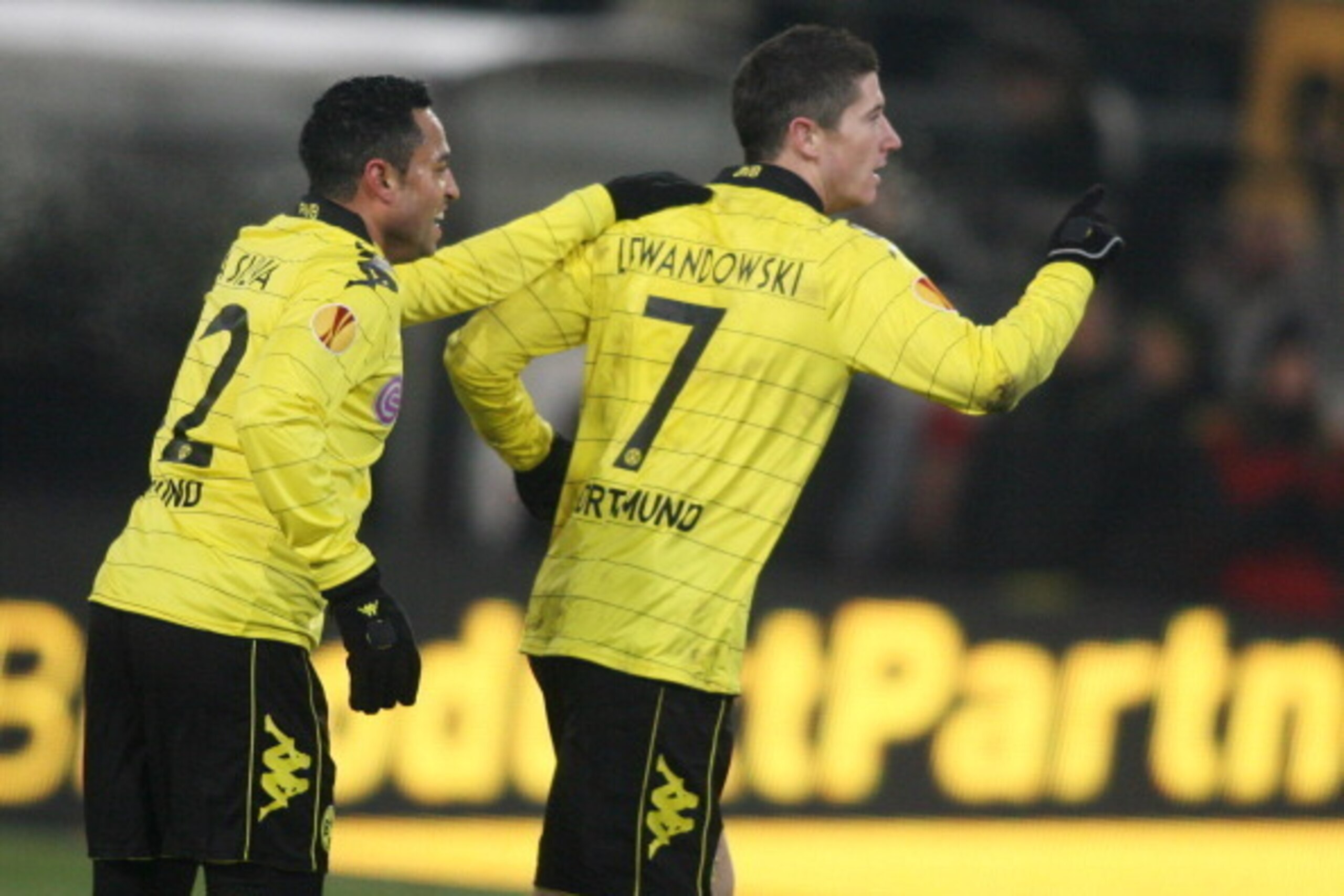
Lewandowski switched to No. 9 the following season and the goals never stopped flowing, and his discarding of the No. 7, along with Kagawa’s, perhaps gives the number a strange position in Dortmund’s recent history.
Because before Lewandowski there was the Brazilian midfielder Tinga and the full-back Guy Demel, the former a somewhat obscure four-capped international and the latter a willing but limited workhorse, most recently seen at Scottish club Dundee United following a spell at West Ham.
Superstars with their eyes on another number, journeymen players from overseas or youngsters failing to reach the heights they are capable of. Dortmund’s No. 7 shirt has seen them all.
Fear not, though, because hope is on the horizon in the shape of previous century, and the two most memorable European victories in Dortmund’s history.
Dembele was just 13 days old when his new club shocked Juventus to win the Champions League final at the Olympiastadion in Munich in May 1997, with the headlines going to two-goal Karl-Heinz Riedle and the substitute Lars Ricken, who scored a stunning strike within seconds of coming on.
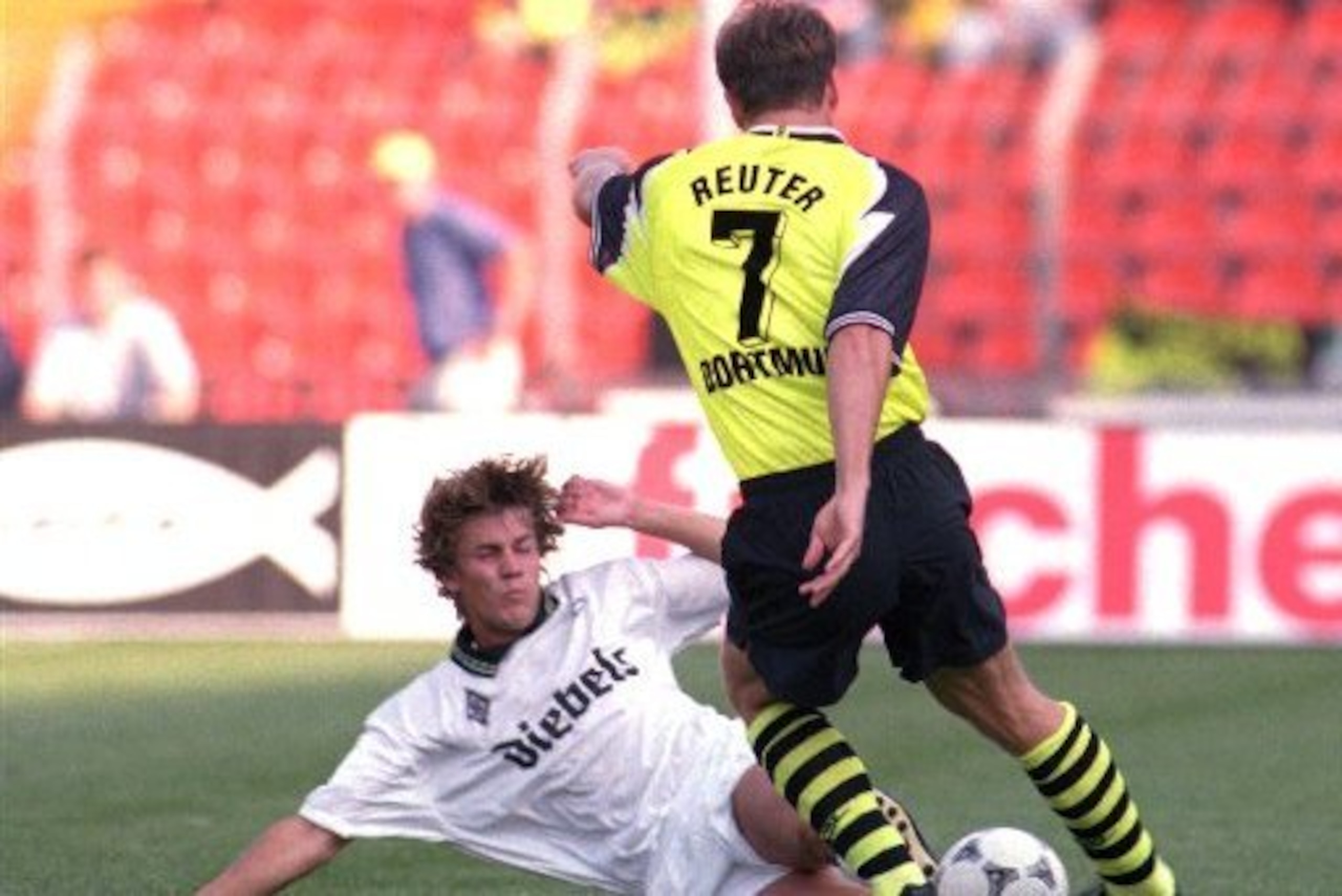
Credit must go to Dortmund’s No. 7 and right wing-back on the night, though, the experienced World Cup and European Championship winner Stefan Reuter, who helped keep a certain Zinedine Zidane quiet as he played the full 90 minutes.
Reuter—the long-term No. 7 who captained Dortmund in the 2002 UEFA Cup final—is third on the club’s all-time appearances list behind sporting director Michael Zorc and goalkeeper Roman Weidenfeller, and if Dembele comes anywhere near those players, then he’ll have had some career at the club.
And for a final piece of inspiration, what about one of Dortmund’s most memorable goals of all time?
In the 1966 European Cup Winners’ Cup final, winger and No. 7 Reinhard “Stan” Libuda (nicknamed after legendary English winger Stanley Matthews) scored a stunning chip 17 minutes into extra time to beat Bill Shankly’s Liverpool at Hampden Park and secure the club’s first-ever European trophy.
In Libuda’s obituary following his death in 1996, the Independent's Norman Fox wrote: “He was held in high esteem by the fans, especially in his home town of Gelsenkirchen where at the height of a career that never quite reached the peaks, a large religious text on a wall once claimed 'Nobody Gets Around Jesus.' A fan added: 'Except Libuda.'"
How’s that for a bit of divine inspiration for the player taking on Libuda’s famous number half a century later?
Will Dembele be a lucky No. 7?


.jpg?w=2560 "Weather Channel Trolls Texans-Titans 💀")