
Did Chelsea Sacrifice Their Long-Term Future for Short-Term Success?
Hindsight is always perfect. What could or should have happened is usually clearer with time, and Chelsea Football Club are no exception.
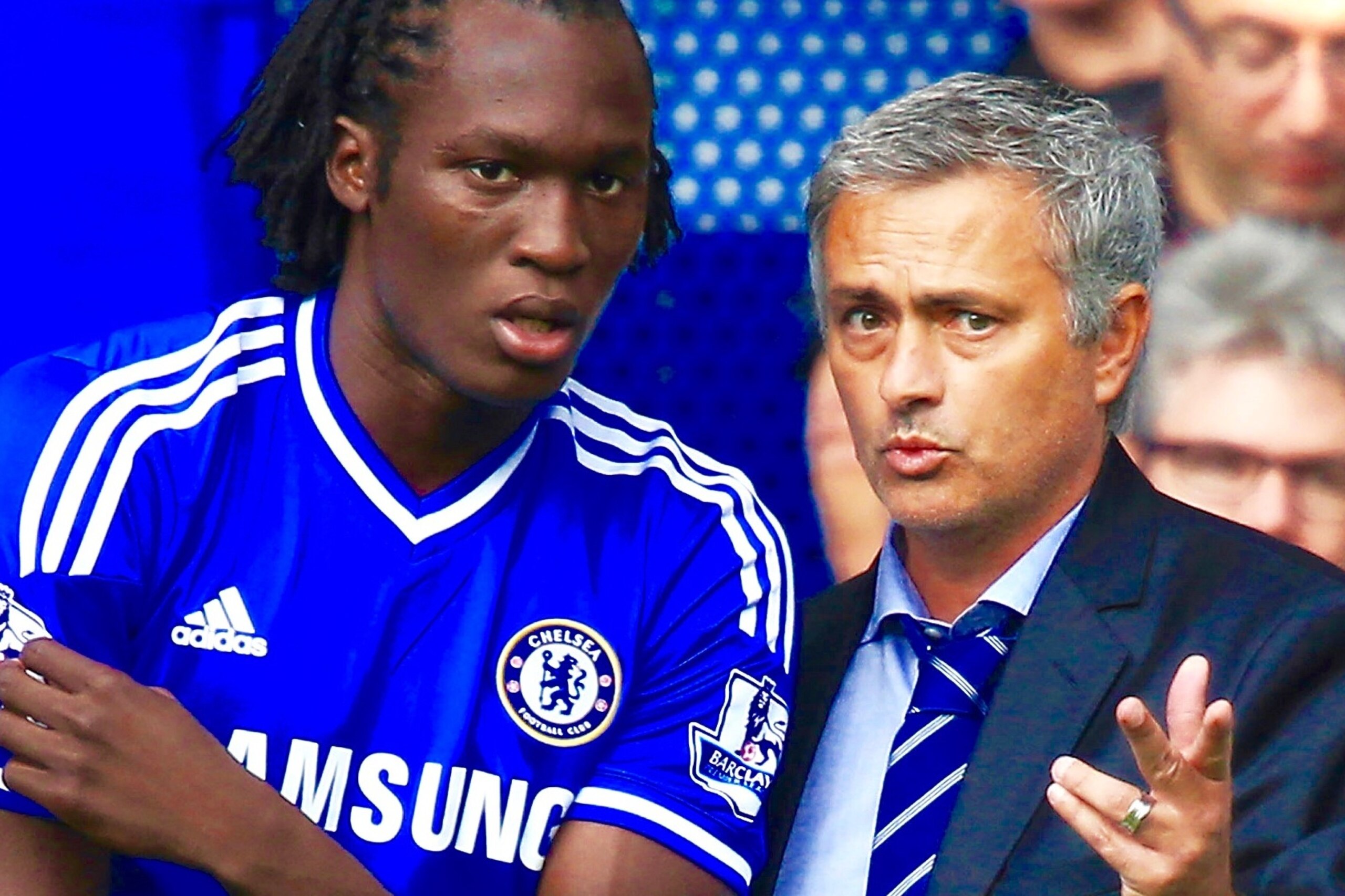
In the summer of 2013, manager Jose Mourinho arrived at Stamford Bridge for the second time. On owner Roman Abramovich's books were the muddled visions of Luiz Felipe Scolari, Carlo Ancelotti, Andre Villas-Boas and Roberto Di Matteo. It was the Portuguese's primary mission to craft his own team and secure a Premier League crown for the first time since 2009/10.
That, though, was not the only perceived objective. Blues supporters were hoping Mourinho would be able to last. His first tenure, spanning three-and-a-half-seasons, derailed—ending by mutual consent—in September 2007. The second was meant to be an extended, Sir Alex Ferguson-like reign.


Walking into a dressing room with the old guard of John Terry, Frank Lampard, Petr Cech, Ashley Cole, Michael Essien and Florent Malouda, Mourinho had to transition from Chelsea's old guard. In position were younger players like Eden Hazard, Oscar, Kevin De Bruyne, Romelu Lukaku, Thibaut Courtois and Andre Schurrle.
Pieces existed, and many thought Chelsea's then-new manager would arrive in west London, phase out the elders, install the youthful options and build from there.
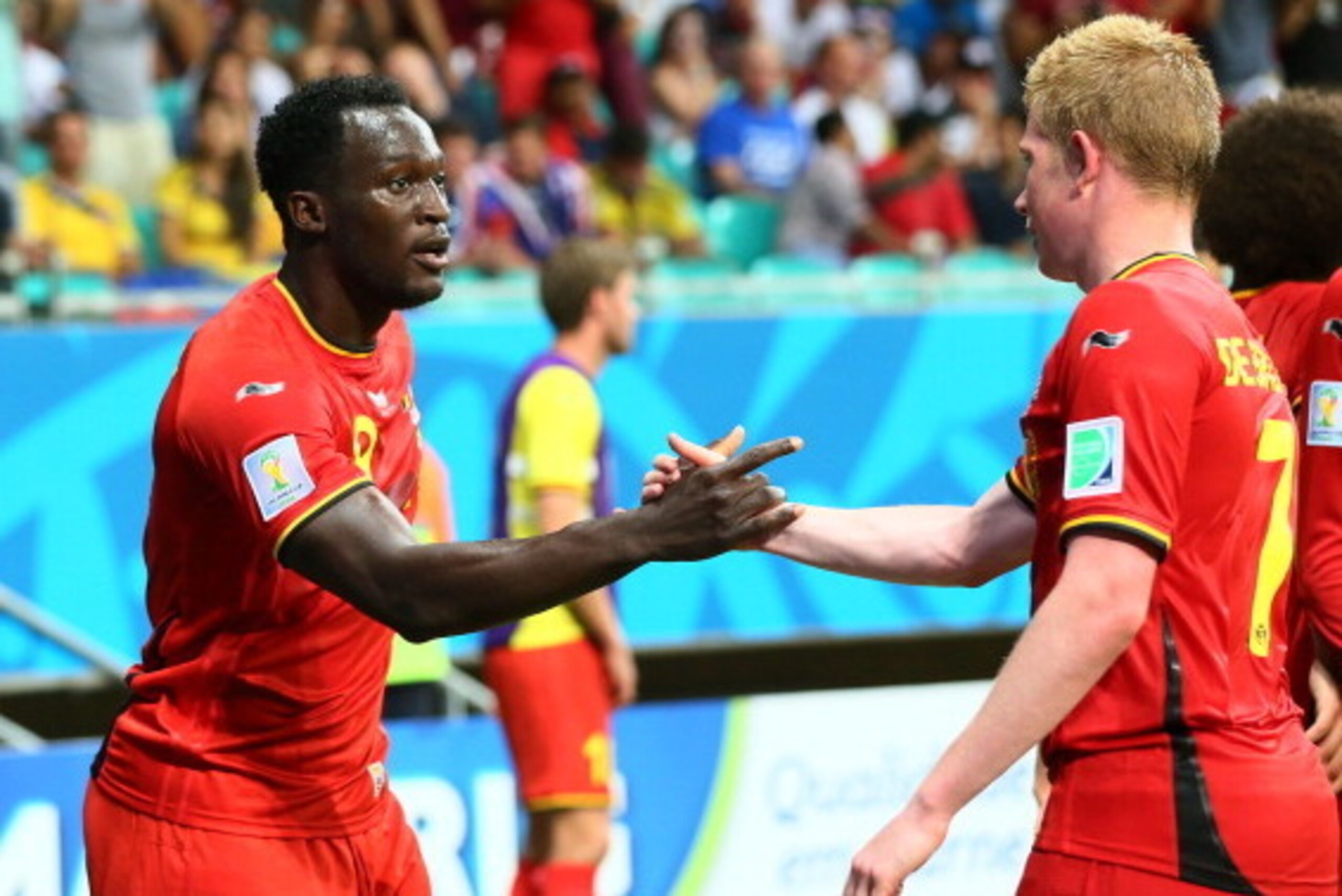
That did not exactly happen. Young players were loaned (Lukaku to Everton, Courtois to Atletico, Ryan Bertrand to Aston Villa) and others were sold (De Bruyne to VfL Wolfsburg), meanwhile, finished articles like Willian, Samuel Eto'o and Nemanja Matic were acquired.
Mourinho seemed under the impression the distant future was irrelevant. Signing and keeping around more mature footballers was a clear signal winning as soon as possible was the manager's ambition. In 2013/14, the Blues finished third, behind Manchester City and Liverpool. Having trouble with the Premier League's mid-table, a more well-rounded, clinical Chelsea might have won the league; instead they finished six points short.
The next summer was more of the same, except for introductions of Courtois and Kurt Zouma.
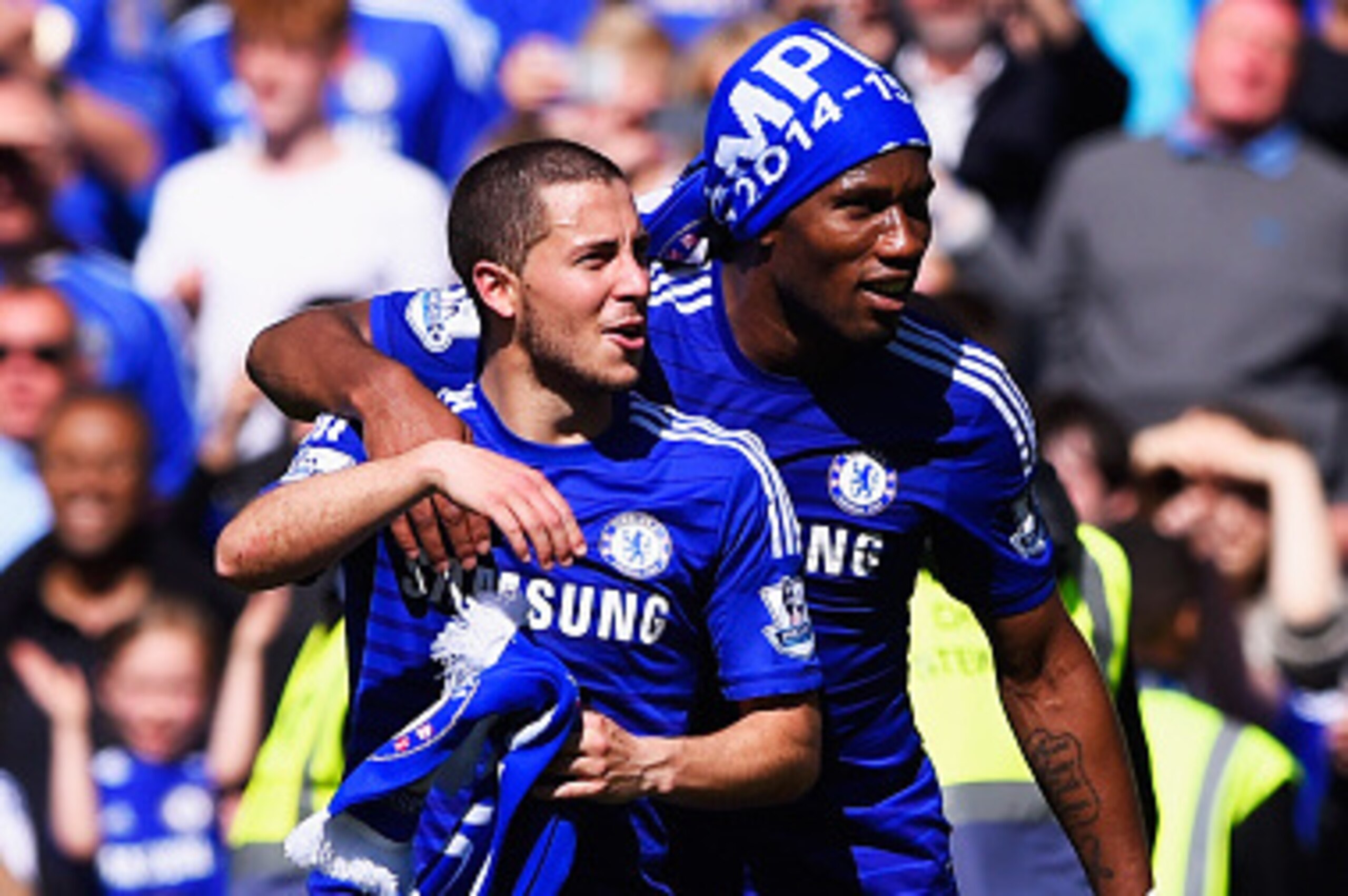
David Luiz, Lukaku and Schurrle were sold, while Cesc Fabregas, Diego Costa, Filipe Luis and Drogba were brought to west London. Plugging obvious holes from the season prior, Chelsea took flight in 2014/15.
Winning the Premier League by eight points, adding the League Cup for good measure, Mourinho had done what he intended: Returned England's pre-eminent trophy to Stamford Bridge for the first time in five years.
Many of the young components made the now-champions look as if the club's future was bright. Hazard (24), Oscar (23), Courtois (22), Zouma (20) and others were just entering the prime of their respective careers.
So, mission complete: Mourinho had established a league-winning side and retained enough young talent to spark a Blues revolution; or at least Chelsea's board thought that.
"The issue here is Mourinho was undone buy his players' lack of hunger, his board's lack of signings and his own personality.
— ChelseaTalk (@ChelseaTaIk) 19 December 2015"
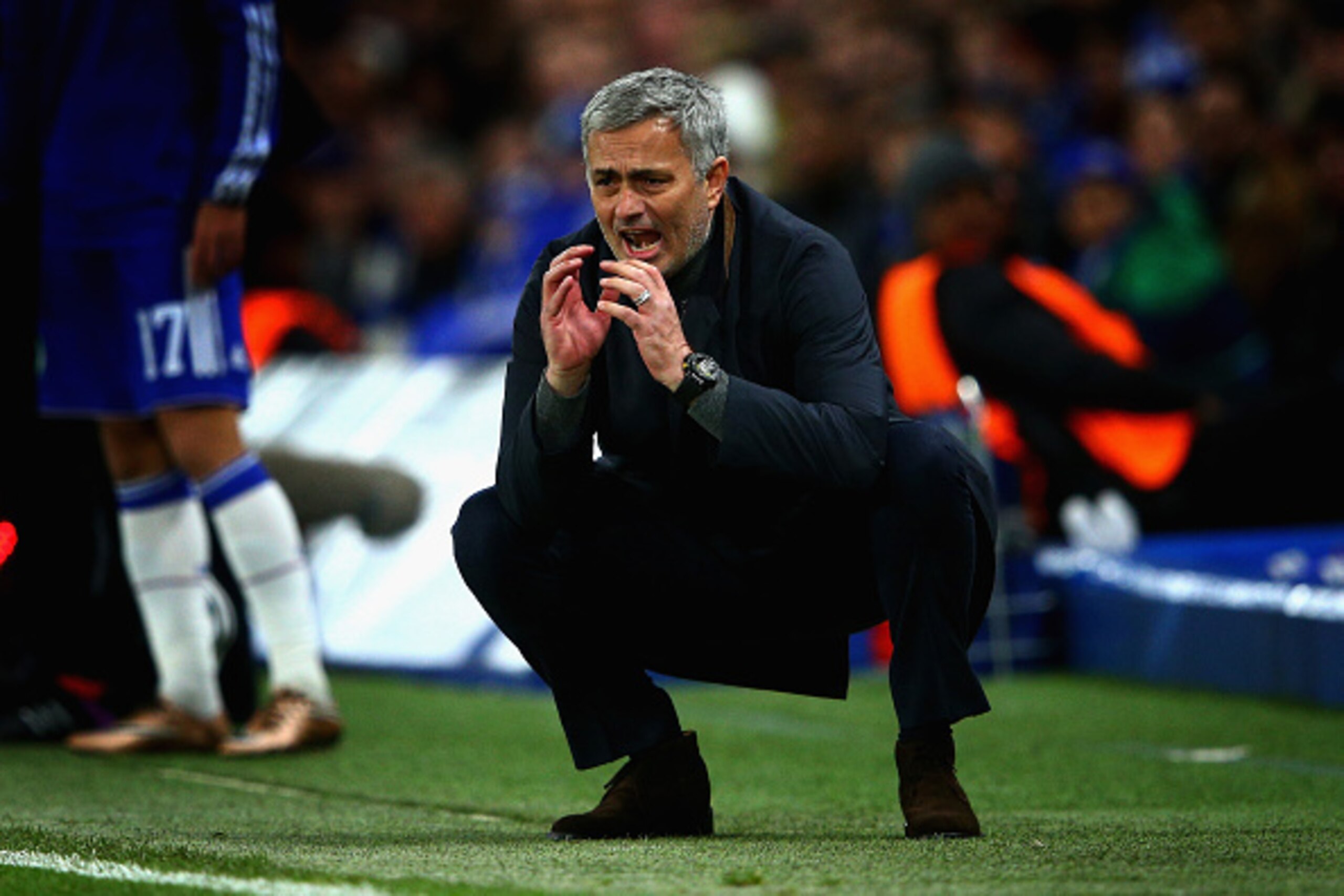
After winning the league, the west London side were oddly vacant in the 2015 summer transfer window. Selling Cech, Luis and allowing Drogba to leave—only signing Barcelona's Pedro as a marquee name—overconfidence, and possibly arrogance, was criminal.
Incoming and outgoing names were not enough to spur competition. Combined with an ill-advised post-season tour of Asia and relatively rushed pre-season tour of the United States, poor fitness and subpar motivation levels were begging for their comeuppance, and it arrived—hard.
Winning just four of their first 16 Premier League matches, losing nine, Mourinho and Chelsea again split by mutual consent after just two-and-a-half years, dashing whatever hopes of a long-term managerial appointment. Debates rage whether sacking the Portuguese was the correct decision, but in his wake (unaware of his final vision), many players were estranged and/or sacrificed.
Abramovich owns possibly the best youth academy in Europe and certainly one of the best scouting networks. It begs the question why Mourinho (and Chelsea's board) was so keen to rush the project.
Surely those resources required time to mature and grow, but the plan, from Mourinho's announcement, appeared to be winning at any cost—even if that meant alienating the likes of De Bruyne, Lukaku and Juan Mata and eventually creating discord in the Blues dressing room.
Now, should any Chelsea supporter be willing to trade De Bruyne or Lukaku for the 2014/15 Premier League title? Of course not. To that extent, Mourinho's second era was successful. He built a squad who went from contenders to champions in two summers. The now-53-year-old's magic is coming into a club, calculating what needs fixing to win the league, then winning the league.
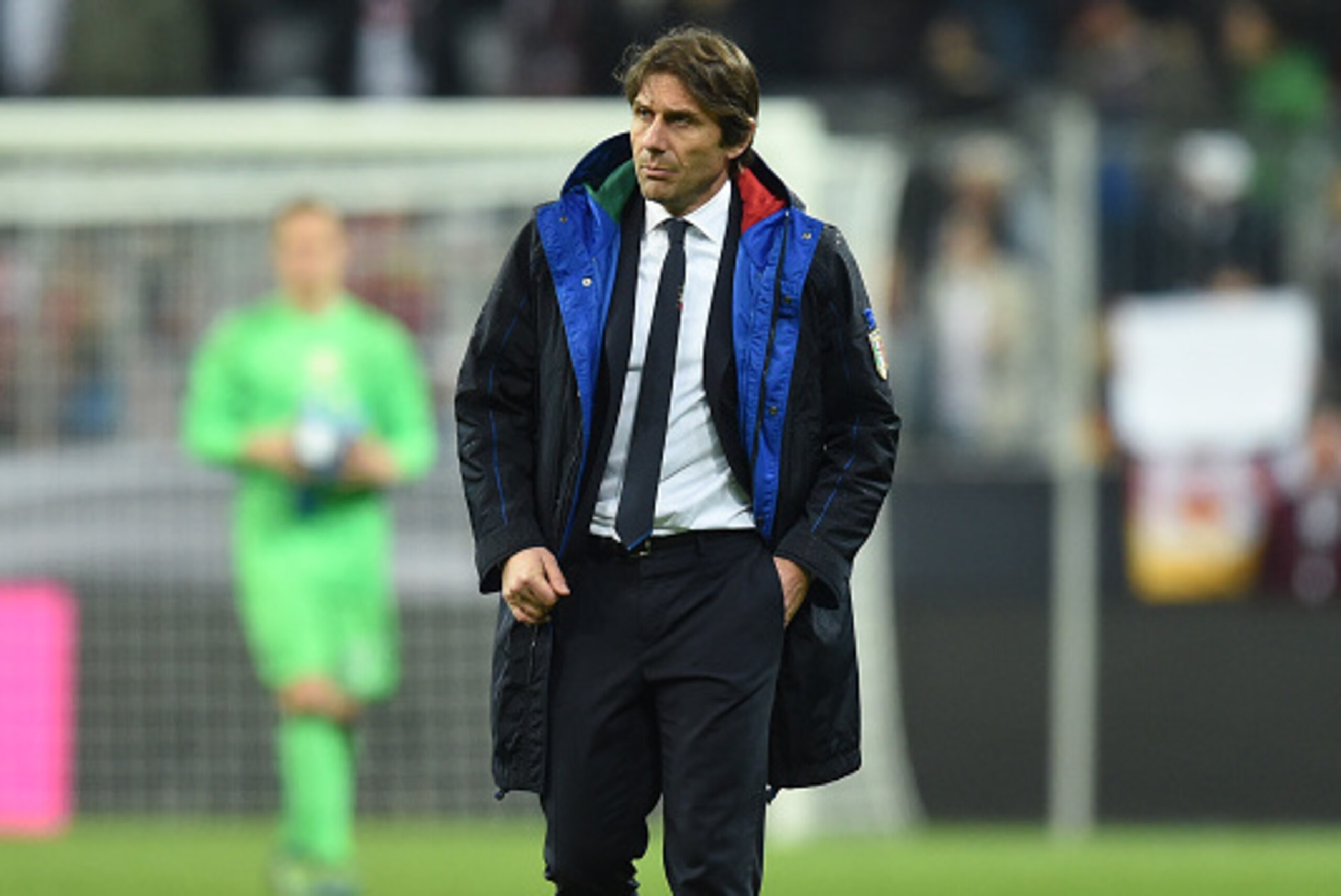
The issue, however, is that mentality does not always take into account what comes after the title.
It would have been interesting to see what Mourinho did in the upcoming summer window, maybe repeating the process—diagnosing what went wrong, prescribing the correct transfers and going again—but his removal makes that impossible.
Some might look at Chelsea's current side, what was given up, and suggest they sacrificed their long-term future for short-term success, but that only depends on what Abramovich's intention was to start. They acted as if a long-term future under Mourinho was paramount, but everything permitted suggests the opposite.
Chelsea did what they needed to win the league once (possibly twice with better luck); in that case, losing great players was always going to happen. Knowing what we know now, though, Mourinho should have probably slowed his process down another season, used more young/academy players and steered clear of signing established, opinionated veterans.
The club might have kept some of their obvious talent and had enough quality depth to withstand whatever football threw its way; but, as we say, time provides every situation clarity—time Chelsea wish they could have back.
*Stats via WhoScored.com; transfer fees via Soccerbase where not noted.

.jpg?w=2560 "Seahawks Chiefs Football")



.jpg?w=2560 "Latest Peyton-Colts Rumors")