2016 NFL Draft: Prospects with Instant-Impact Potential for Fantasy Football
The NFL draft's completion is shortly followed by next season's fantasy football rankings and projections. But some early expectations can already be set for many prospects.
Obviously fantasy projections will change slightly based on where players are selected on draft day. Some exciting prospects will end up blocked by more polished products, while other lesser talents will have easier paths to immediate playing time.
Based on every prospect's skill set and their projected transition to the NFL, here's an early look at which rookies should be highly regarded from a fantasy perspective, regardless of where they end up in the draft.
For the purposes of this list, we're going to focus solely on immediate fantasy value for the 2016 season. And for that reason, no quarterbacks have been included.
It's extremely rare that any rookie quarterback has fantasy value in standard season-long leagues, and this year appears to be no different.
Based on this year's crop of talent, the following list is heavy on running backs and receivers, with one tight end mixed in.
Ezekiel Elliott, RB, Ohio State
1 of 11
Ezekiel Elliott stands head and shoulders above the other prospects in this draft class in terms of immediate fantasy potential.
While Elliott offers plenty of value simply for his rushing ability, what puts him at an elite level as a fantasy target is his impact on passing down.
Unlike many rookie running backs, Elliott never needs to come off the field for strategic purposes.
Elliott has been productive as a receiver out of the backfield throughout his career, hauling in 56 catches over the past two seasons. Additionally, he is an excellent blocker, generating a pass-block success rate of 97.2 percent in 2015, according to CFB Film Room.
Due to his impact in all situations, Elliott is a candidate to rank among the leaders in snaps played at running back in 2016.
Derrick Henry, RB, Alabama
2 of 11
The full extent of Derrick Henry's fantasy value will become more clear once we know who he's sharing the backfield with in 2016. But due to his power-running style, Henry is a candidate to, at worst, emerge as a touchdown vulture.
Henry checked in at 6'3", 247 pounds at the NFL Scouting Combine, making him an ideal short-yardage running back and an elite option for any team near the goal line.
Henry's downside as a fantasy running back is his lack of impact in the passing game. He's not nearly at Elliott's level in pass protection and offers almost no value as a receiver out of the backfield.
Henry caught just 17 passes in his three years at Alabama.
In terms of an NFL comparison, Henry's role may end up looking like Alfred Morris' in recent years with the Washington Redskins, as a productive runner who gives way to others on passing downs.
Josh Doctson, WR, TCU
3 of 11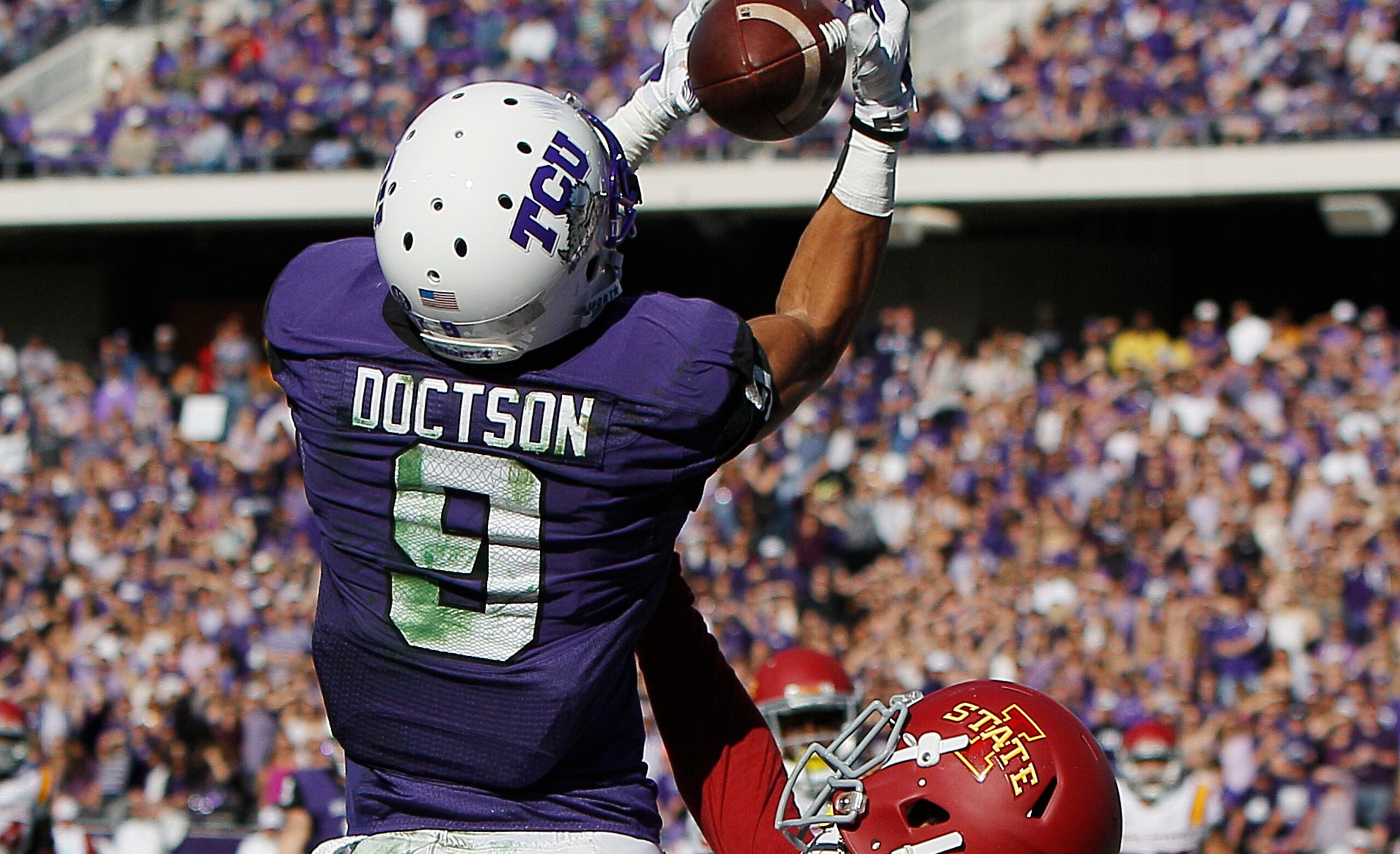
Rookie receivers have been immensely productive in recent years. And the common theme among the likes of Amari Cooper and Odell Beckham is their elite hands.
TCU's Josh Doctson is the receiver how most closely matches their skill sets in this year's class.
Doctson has arguably the best hands of any receiver in this year's class, and he also has a knack for coming down with the contested targets. That's a combination that makes the transition from college to the pros significantly easier for a young wide receiver.
It's also a combination that makes for a great red-zone target, increasing the odds Doctson snags a few touchdowns in his rookie season.
Regardless of the offensive system he lands in, Doctson is going to find ways to be productive and make the most of his early playing time.


.jpg?w=2560 "Seahawks Chiefs Football")
Laquon Treadwell, WR, Ole Miss
4 of 11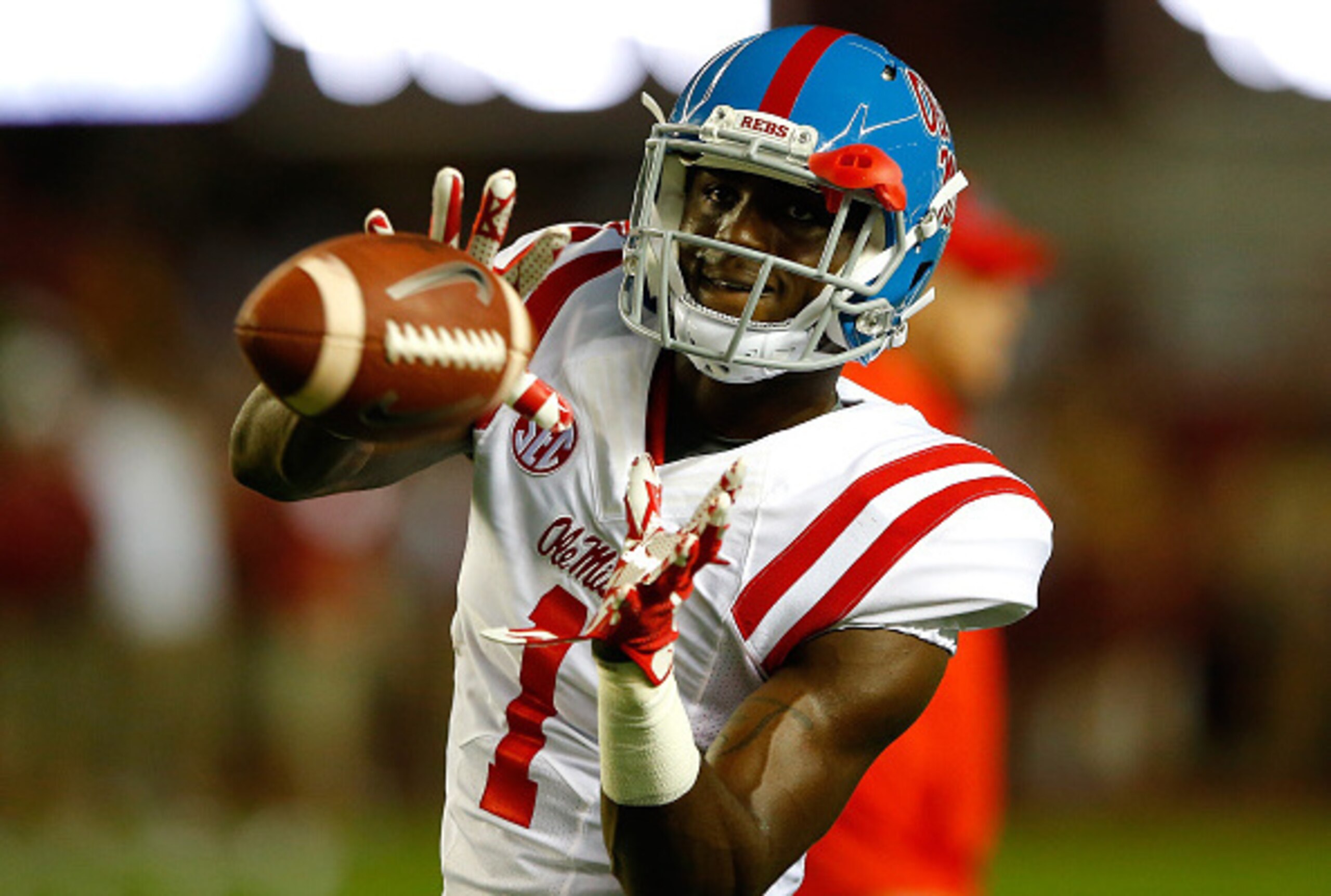
Laquon Treadwell's fantasy value hinges on where he lands, because he lacks the big-play ability to put up significant numbers on relatively few targets.
Due to his lack of speed, Treadwell struggles to create separation down the field and will likely be used primarily as a possession receiver on short and intermediate routes.
In the right system, however, Treadwell could emerge as a valuable fantasy weapon, especially in points-per reception (PPR) leagues.
Even if Treadwell ends up as a third option in the slot, he could have a rookie year similar to Miami Dolphins receiver Jarvis Landry in 2014 (84 rec, 759 yards, five touchdowns).
Michael Thomas, WR, Ohio State
5 of 11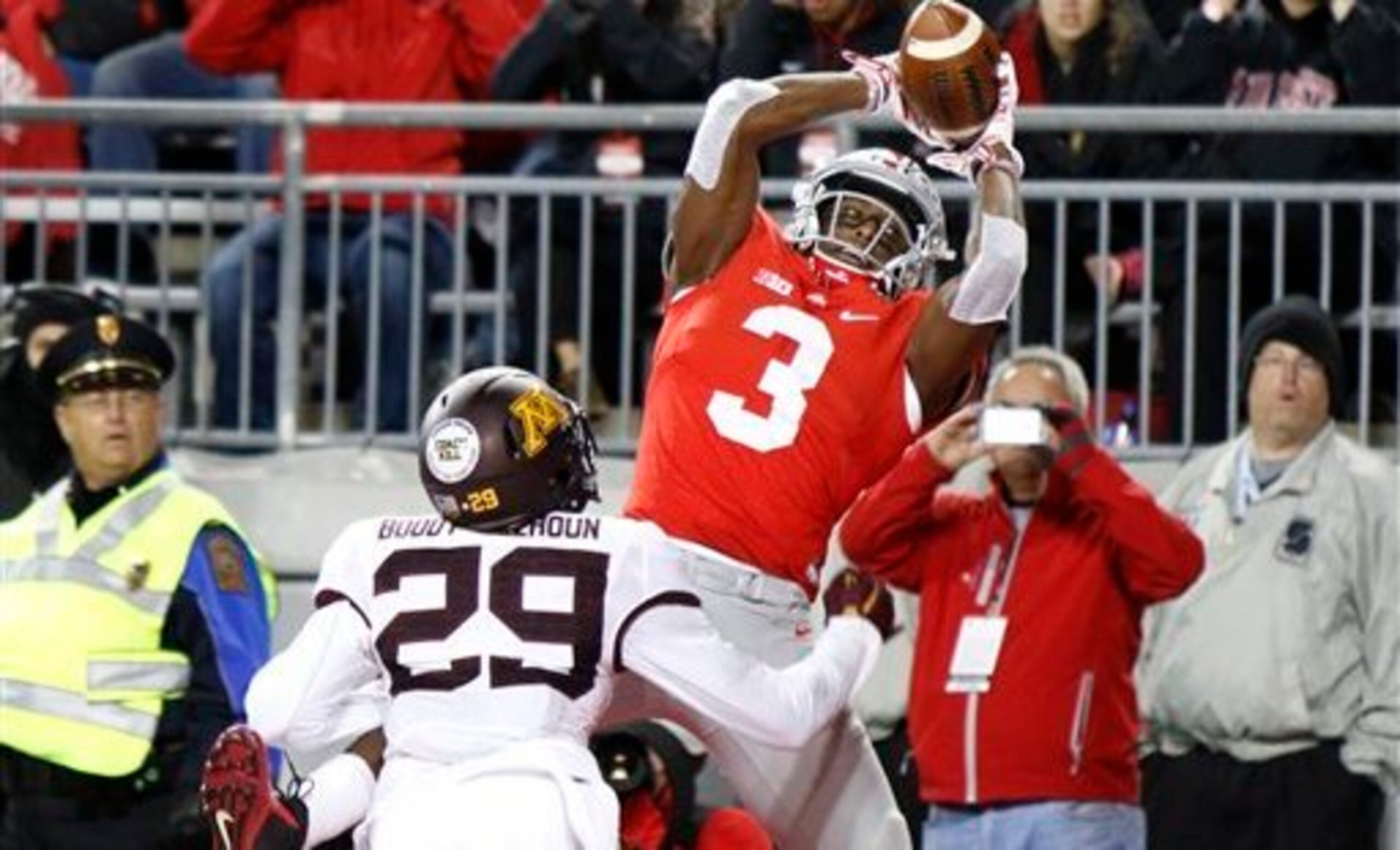
Michael Thomas fits into the same profile as Treadwell due to his limited big-play ability.
Thomas is the type of receiver who could be extremely valuable to his team on the field, but only have a marginal fantasy impact due to his lack of stat-padding plays.
At Ohio State, Thomas gained a reputation as an elite route-runner with great hands, but he struggled to create separation over the top and was used almost exclusively on short and intermediate targets.
Thomas is unlikely to be a fantasy superstar early in his career, but he should be a rookie worth owning in most PPR leagues.
Due to his reliable hands and route-running technique, Thomas should earn playing time early in his career and gradually see more targets as the season wears on. As long as he isn't blocked on the depth chart, Thomas should be capable of producing 50-75 catches as rookie with a few touchdowns mixed in.
Corey Coleman, WR, Baylor
6 of 11
NFL teams have been gradually embracing the spread offenses that are rampant in the college game, but there's still a substantial gap between the NFL game and what's asked of receivers in Baylor's offense.
Due to the transition, Corey Coleman should be expected to experience some rookie growing pains, and he'll likely lay a few eggs from a fantasy perspective in his rookie year. He'll need to refine his route running to create separation in the NFL, and some better cornerbacks will get the best of him early in his career.
But Coleman also has big-play potential due to his speed and leaping ability. He's the type of receiver who can make a fantasy impact on just two or three catches due to his potential as a downfield weapon.
Even if Coleman lands in an offense where he isn't the first or second option, he's a candidate to make an occasional fantasy impact due to his big-play ability.
Will Fuller, WR, Notre Dame
7 of 11
Will Fuller falls into the same category as Coleman—a rookie receiver who will have boom-or-bust potential on a weekly basis.
Fuller is arguably the most dangerous pure deep threat in this draft class, but he struggles to impact the game in other areas.
If Fuller earns playing time early in his career, expect him to receive a few deep targets per game, giving him the potential for some high-scoring fantasy outputs.
However, Fuller struggled with drops throughout his career at Notre Dame, making him a candidate to land in the doghouse, losing playing time and his quarterback's confidence.
At this stage of his career, Fuller lacks the skills to be a consistent fantasy performer on a week-to-week basis. As a result, he probably offers more value in daily leagues, where he could provide some high-scoring weeks at a cheap price.
Paul Perkins, RB, UCLA
8 of 11
Paul Perkins is the Ezekiel Elliott-lite of this draft class.
If Perkins had Elliott's size and speed, both running backs would be coming off the board in the first round. But Perkins is a notch below Elliott in terms of measurables and will likely fall to Day 2 as a result.
Fortunately for Perkins, there are a number of teams, such as the Miami Dolphins, Dallas Cowboys and New York Giants, who could be looking for a running back to play a significant role in the offense on Day 2.
Perkins' immediate fantasy value may be limited because he likely won't be in a position to be guaranteed 20-plus touches per game. However, in leagues with deep rosters he will certainly be worth owning as a handicap for whoever he's sharing the backfield with during his rookie year.
Every year young running backs emerge as stars late in the season when injuries begin to take their toll, and Perkins' ability to impact the game as both a runner and receiver will immediately make him a productive fantasy player once he's given a starting job.
Hunter Henry, TE, Arkansas
9 of 11
Hunter Henry will likely be the only rookie tight end with any immediate value. However, even he is a fringe fantasy target in 2016.
Henry is purely a receiver, offering almost no value in pass protection, which will limit the amount of time he sees the field early in his career.
Expect Henry to be used in a similar role to Coby Fleener the past few years in Indianapolis. Like Fleener, Henry won't be on the field every down, but if he receives enough targets, he can produce decent fantasy numbers.
Other Prospects of Note: Running Backs
10 of 11
Devontae Booker, Utah
Booker is a short but powerful running back who runs with a style similar to Doug Martin's. He has starter potential, but he's coming off a November knee surgery that has prevented him from fully working out this offseason.
Kenneth Dixon, Louisiana Tech
Dixon was an extremely productive college running back who has the size and speed to start at the next level. However, ball-security issues have been a concern throughout his career and could cut into his playing time if he doesn't get it under control.
C.J. Prosise, Notre Dame
Prosise converted to running back from receiver prior to his senior year, and his experience at both positions could make him a valuable backup. He's a sleeper candidate to have some value in PPR leagues.
Kenyan Drake, Alabama
Drake is the reverse of Prosise, who played running back throughout his career but started taking snaps from the slot late in his college career. He'll probably never be an every-down starter at running back or receiver, but he's a serious home run threat who could have fantasy value if he gets enough touches.
Alex Collins, Arkansas
Collins is a typical third- or fourth-round running back prospect who doesn't stand out in any one area, but with enough touches he can be a relevant fantasy running back. Expect him to be off the radar early in the season, but if injuries force him into playing time, he could be a late-season pickup with some value.
Other Prospects of Note: Wide Receivers
11 of 11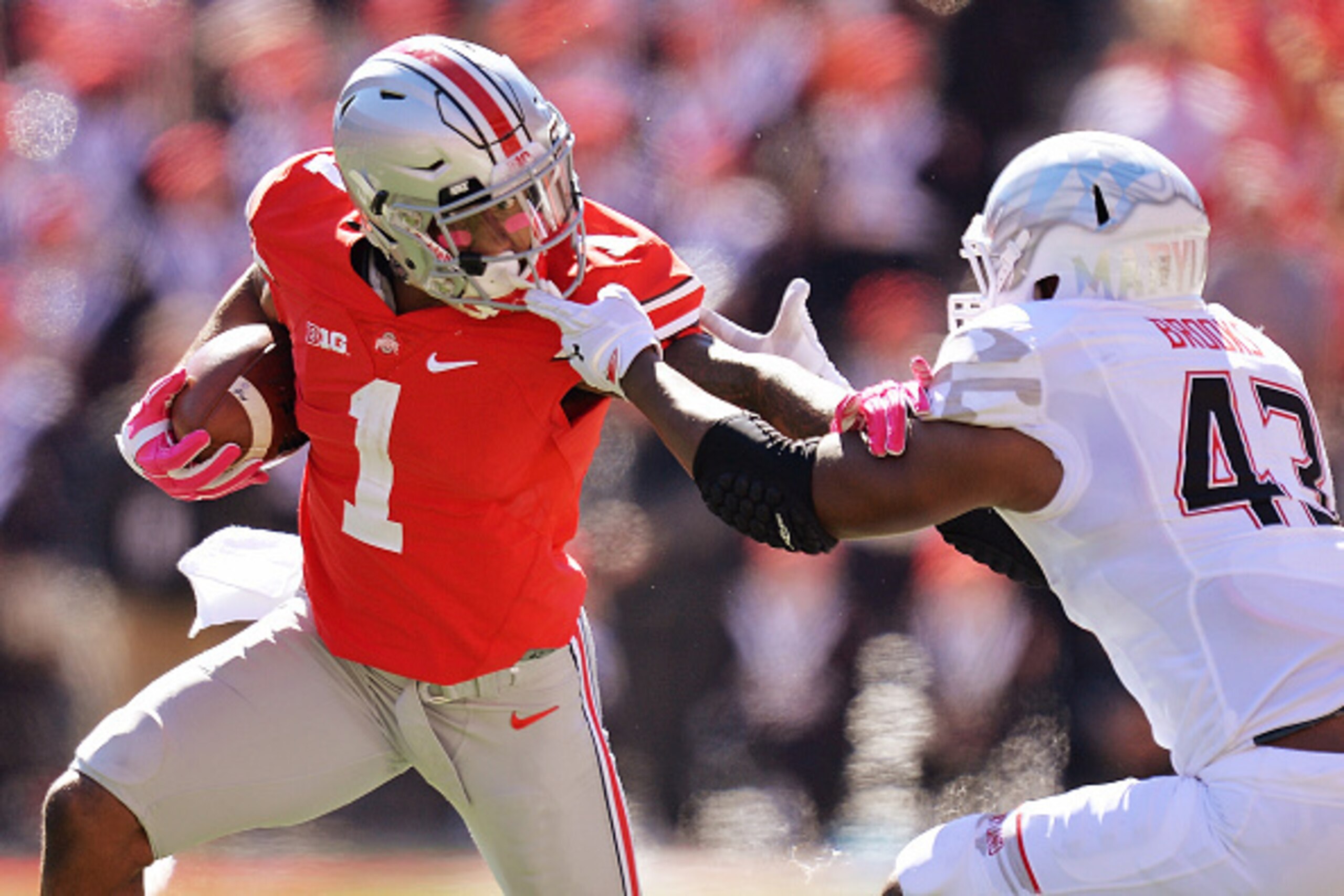
Braxton Miller, Ohio State
Miller's impact is impossible to project due to his lack of experience. He is extremely dangerous with the ball in his hands, and he could earn significant playing time as a slot receiver. However, due to his lack of experience, he could also wind up buried on a depth chart early in his career.
Tyler Boyd, Pittsburgh
Boyd has the potential to make an immediate impact from the slot. He lacks elite speed and size, but he's dangerous after the catch. Like many slot receivers, he will probably be most valuable in PPR leagues.
Leonte Carroo, Rutgers
Carroo was suspended twice in 2015, once for a domestic violence arrest. So anyone drafting him, in real life or fantasy, will be taking a risk. But he has the skills to win on the outside or the slot, making him a potentially valuable versatile weapon.
Sterling Shepard, Oklahoma
Due to his size (5'10"), Shepard's ceiling as a fantasy star is limited. He likely won't see many red-zone targets, but depending on where he lands, he could emerge as a weapon in the slot.
Pharoh Cooper, South Carolina
Cooper is built like a running back and could effectively be used as such on quick-strike targets in the slot. He's not much of a home run threat, so his value will depend on the number of targets he receives.
Kolby Listenbee, TCU
Listenbee is too small and lacks the reliable hands to earn a starting job, but his speed makes him dangerous. He could see a handful of deep targets per game, giving him some boom-or-bust potential on a weekly basis.


.jpg?w=2560 "Latest Peyton-Colts Rumors")