
2016 NFL Draft: Best-Case, Worst-Case Scenarios for Every Top Prospect
The NFL draft process is almost entirely about projections. While we can have a baseline about what players can be early in their NFL careers, prospects are drafted primarily about what they could become with NFL coaching, training and experience.
Prospects have varying "floors," their relatively safe roles in the NFL in some fashion, and "ceilings," their potential best-case scenarios.
These eight prospects appear to be the top 10 in the class, excluding quarterbacks. Each player’s best and worst-case scenario can vary based on eventual team fit, unsure development needs in the NFL and how his current style fits into the league, for better or worse.
Laremy Tunsil, OT, Ole Miss
1 of 8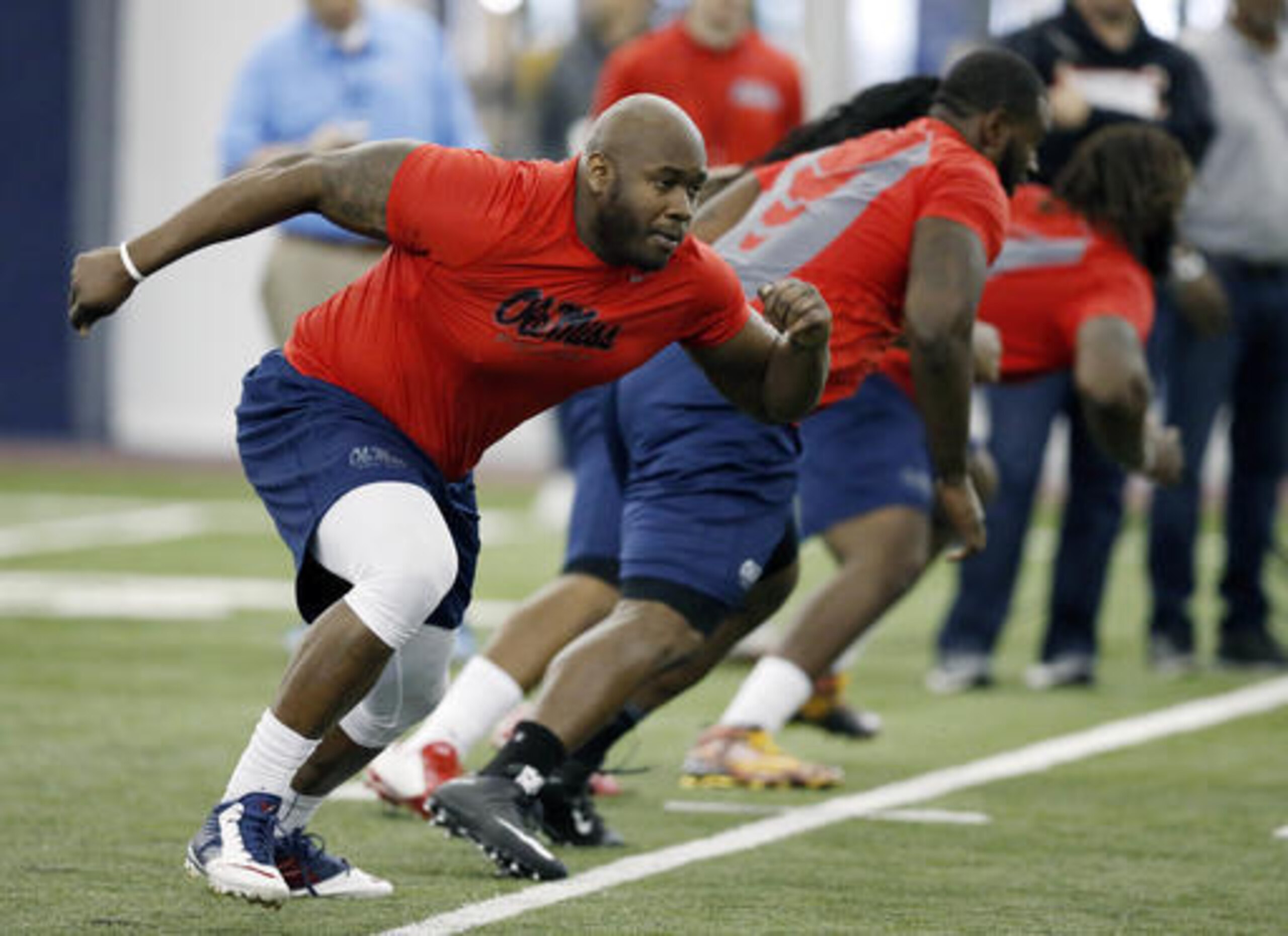
Best Case
With elite feet, athleticism and lateral control coupled with awesome finishing strength, Tunsil could become one of the NFL’s best offensive tackles of the decade. It’s high praise, but his elite skill set and relative efficiency at such a young age offer great promise.
Similar in pass-blocking smoothness and controlling upfield run blocking to Hall of Famer Walter Jones of the Seattle Seahawks, Tunsil could merit high praise if he slides into a left tackle spot early and works with at least a quality offensive line coach.
Worst Case
If Tunsil busts, he won’t be the first highly rated offensive tackle in recent draft history to do so. Greg Robinson in 2014 (second overall) and Eric Fisher (first) and Luke Joeckel (second) in 2013 haven’t met expectations yet as offensive tackles.
While it would be a surprise if Tunsil was considered a major bust after three or four years, complacency can quickly become the enemy of development in the NFL. If Tunsil doesn’t actively work toward his ceiling, he could be another in a frustrating line of promising offensive tackles who are considered potentially replaceable after his rookie contract.
Jalen Ramsey, DB, Florida State
2 of 8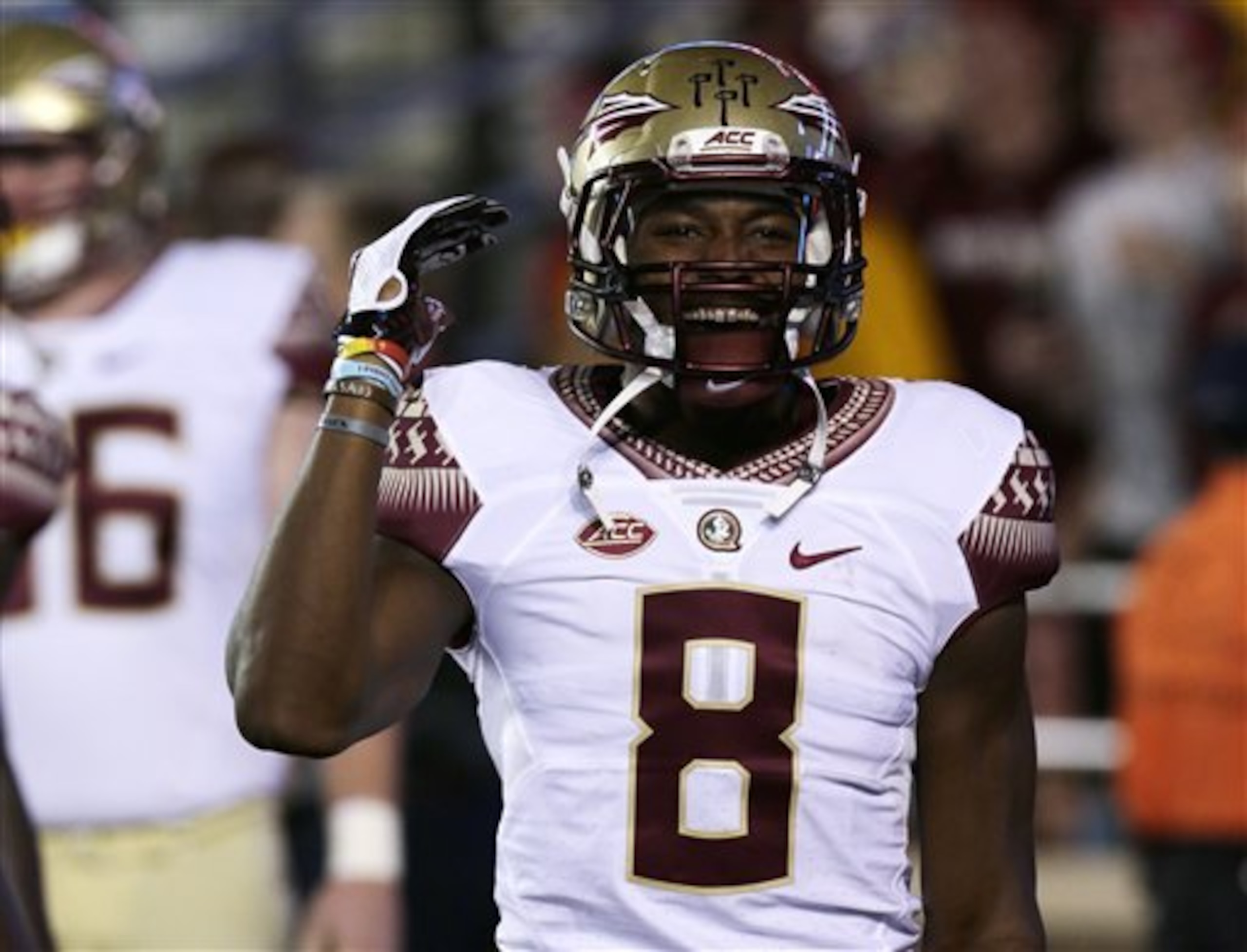
Best Case
One of the best pure athletes in recent NFL draft history, Jalen Ramsey’s ceiling is arguably the highest of any defensive back since Charles Woodson in 1998. I believe he falls somewhere in the range of Seahawks safety Earl Thomas and Cardinals defensive back Tyrann Mathieu as an impact player, especially if he’s asked to play more safety than cornerback.
But regardless of whether he plays in the middle of the field or on the perimeter as a cornerback, Ramsey’s change of direction, elite explosiveness and overall body control should make him one of the NFL’s most feared defensive backs. He has the potential to grow into a Hall of Fame-worthy player.
Worst Case
While his athleticism and experience at cornerback and safety give him position versatility, my biggest fear for Ramsey is that he’ll never fully develop at safety or cornerback. He’ll likely be able to add value at both positions, but for him to reach his full potential, he’ll need experience at one position and master that role's nuances.
His role as a chess piece likely won’t change in the NFL, and the worst-case scenario might still make him a quality cornerback/slot coverage option/safety hybrid who can fill multiple positions. But without refinement at any one position, Ramsey could fail to live up to his top-five draft position.
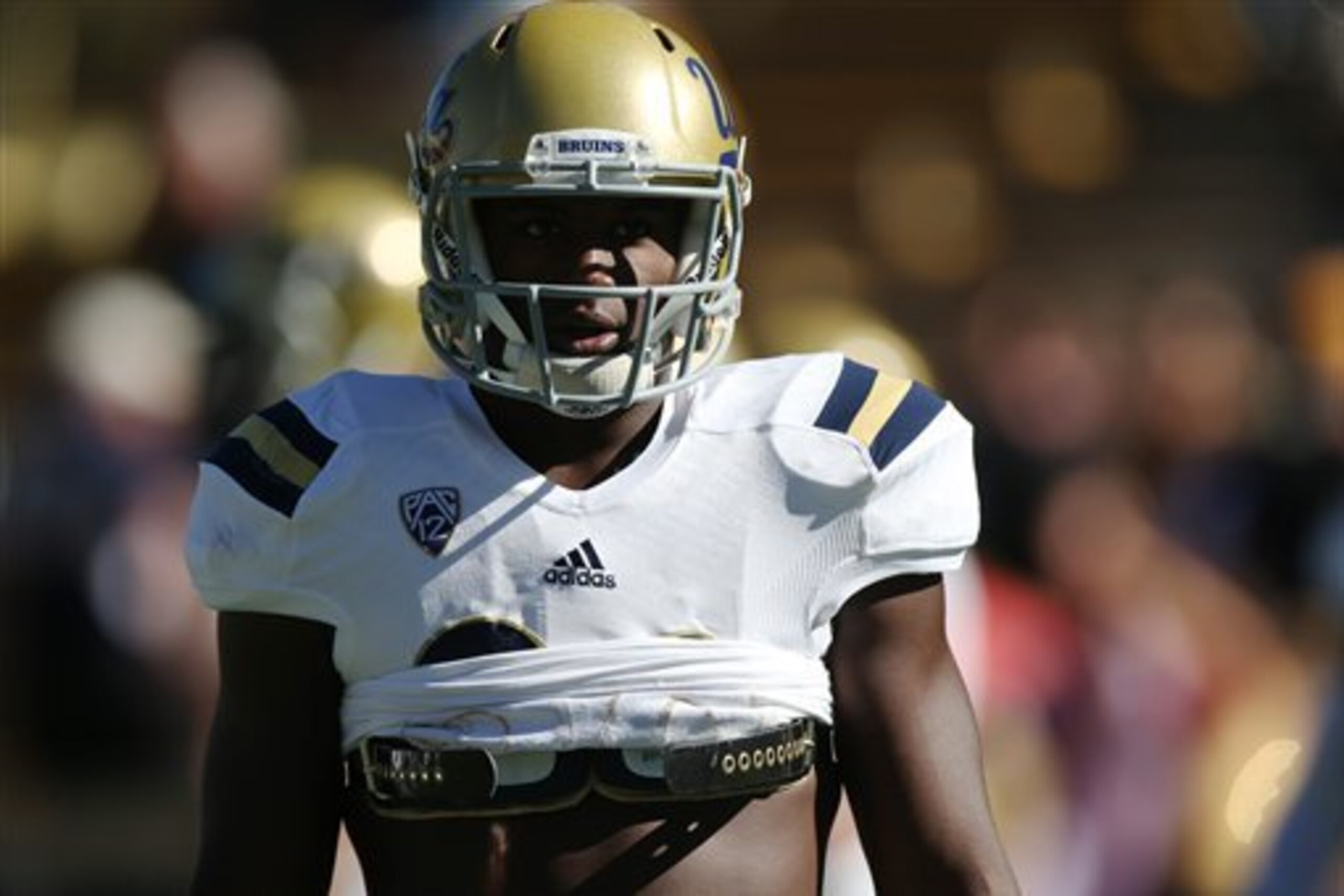
Myles Jack, OLB, UCLA
3 of 8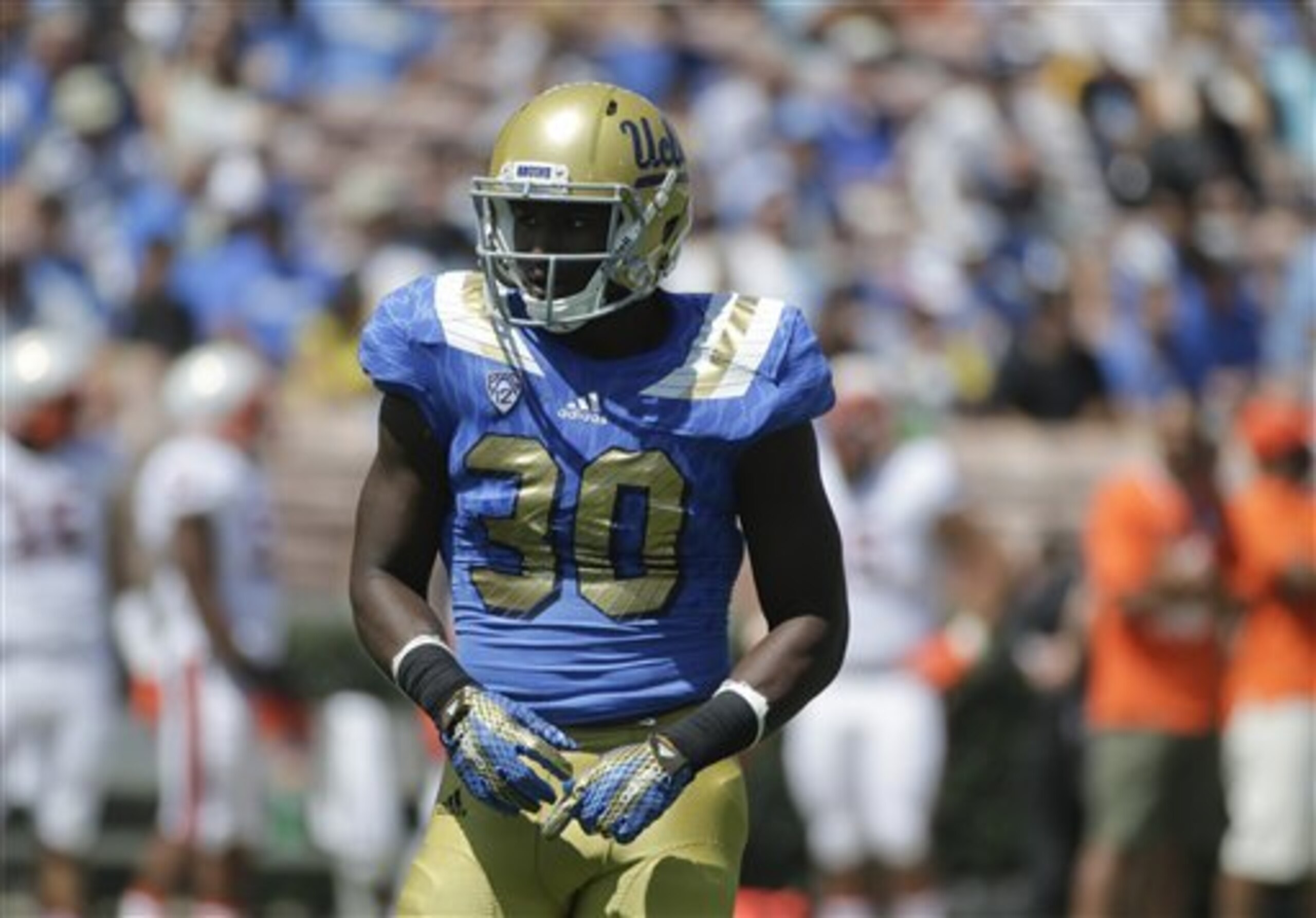
Best Case
Over the last 10 years (at least), there hasn’t been a linebacker who can cover as well as Myles Jack can. The former safety and do-it-all linebacker offers remarkable fluidity and balance when transitioning vertically, and he could legitimately cover tight ends and slot receivers as well as most safeties in the NFL.
Couple that with elite range, explosiveness and finishing ability as a run defender in space, and Jack perfectly fits the type of linebacker NFL teams covet nowadays. Playing a 4-3 defense may be the best way to maximize his coverage ability and range, and he’ll only get better with more experience at linebacker.
Worst Case
First off, the clear worst-case scenario is if Jack can’t fully recover from his season-ending knee injury in 2015. He was unable to run at his pro day, and if he’s unable to reach his peak once again, the slightly undersized (6'1", 245 lbs) linebacker may struggle to start in the NFL.
If he’s healthy, Jack could struggle to evade bigger, more efficient hand-use blockers if he’s stuck playing inside. While he could fill a 3-4 inside linebacker role, it wouldn't be the best use of his skill set, and his upside may be capped. Jack’s ceiling may be stumped by his injury or NFL position but not by his athletic upside.


DeForest Buckner, DE, Oregon
4 of 8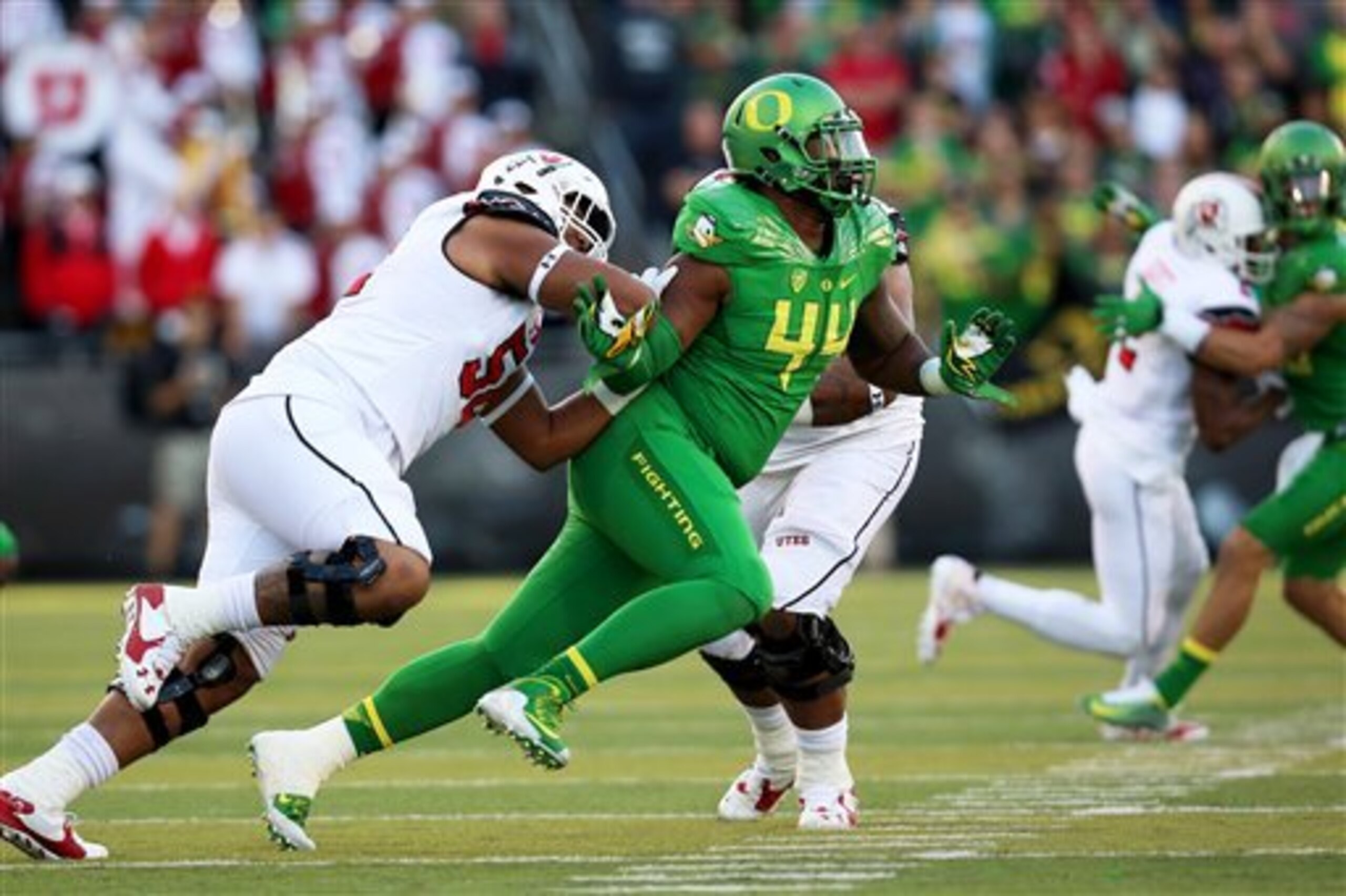
Best Case
With high character, awesome length and the flexibility to bend on the inside and the perimeter, DeForest Buckner can be a defensive lineman that a defense can build around. His pass-rushing will never be his best skill set, but he’ll able to generate pressure, eat up blockers and set up teammates for success.
Buckner can fit into a 3-4 defense as a 5-technique perfectly, as Oregon utilized him in that role in its defensive front seven. However, his extension power off the edge and flexibility in space could make him a powerful strong-side 4-3 defensive end. One of the safest prospects in the 2016 class, Buckner has all the tools to be a franchise defensive staple for the next 10 years at a level just a notch below J.J. Watt.
Worst Case
As stated earlier, Buckner offers good, not great, pass-rushing upside and may never record eight to 10 sacks per year. That limitation, especially if he struggles early in the NFL as a taller interior defensive lineman, could lead to frustrating development.
If Buckner isn’t able to adjust to the NFL level as a taller defensive lineman and eat up space with his extension and lateral activeness, he could be neutralized with far too much ease. While it’s unlikely he’d flame out of the NFL in a few years, there’s a chance he becomes a replaceable defensive lineman after his rookie contract.
His best (and maybe necessary) fit may be in a Pittsburgh Steelers-like defense that utilizes bigger, longer defensive linemen.
Joey Bosa, DE, Ohio State
5 of 8
Best Case
A stout edge defender who’s been efficient as a pass-rush finisher and a power run-stopper, Joey Bosa is an ideal strong-side player for any NFL defense. He’s able to fit in either a 3-4 or 4-3 defense, as he has the in-space control and buildup strength to threaten in either defense.
His best NFL comparison may be to Cameron Jordan of the New Orleans Saints, as he can provide ample bend and power on the perimeter and finishing ability once he reaches the ball-carrier. His effectiveness in setting the edge and finishing can allow for linebackers and opposite pass-rushing defensive ends to thrive around him en route to a multiple Pro Bowl career.
Worst Case
Bosa hasn’t been a poster child for strong character during his college career. He was disciplined and eventually suspended during his time at Ohio State for academic and marijuana-related issues, and he lived in isolation during his 2015 season to prevent any future issues.
On the field, Bosa doesn’t offer dominate pass-rushing upside, which is always a concern in today’s NFL. Starters need to threaten as pass-rushers in a passing-focused league, and Bosa’s knack for taking advantage of poor hand placement or positioning by pass-blockers in college may not translate at the NFL level. Unless character issues derail his career, he’ll likely always be a capable starter in the pros.
Ezekiel Elliott, RB, Ohio State
6 of 8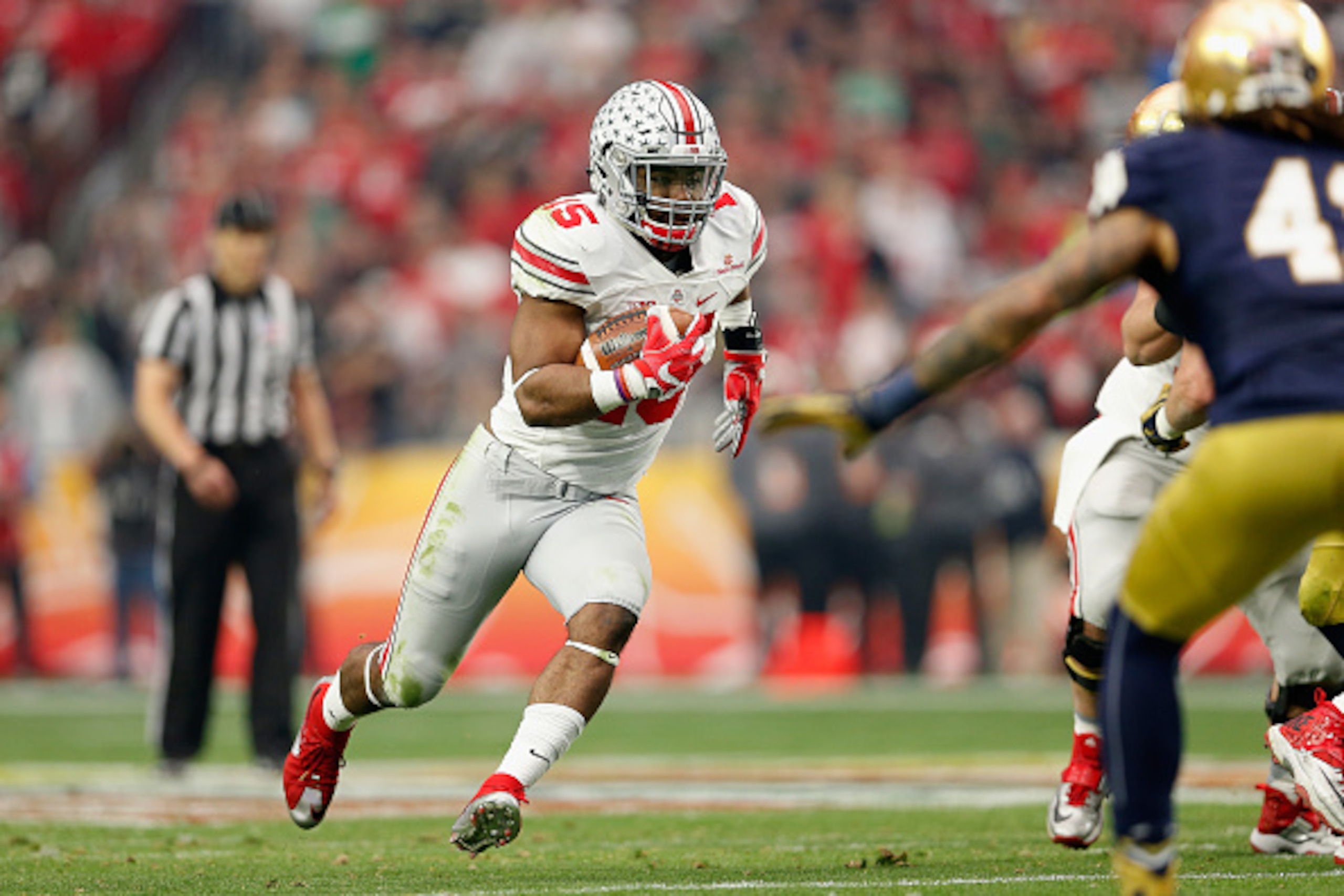
Best Case
Not only is Elliott the clear top running back in the 2016 class, but he’s on the same level as Todd Gurley in terms of being an elite prospect that NFL teams should consider in the top 10 despite the position’s devaluing. With balance-to-explosiveness as a runner and the versatility as a pass-receiver and pass-blocker, Elliott should offer three-down value immediately in his NFL career.
Elliott’s running upside is what makes him special, and he’ll be the favorite to win the NFL’s Rookie of the Year voting almost immediately after he’s drafted. And with the ideal body type, top-end speed, power when working on the interior and added versatility, he could be a younger, potentially better, version of Matt Forte over the next eight years.
Worst Case
While I doubt the Ohio State offense amplified Elliott’s production enough to inflate his NFL transition, Urban Meyer’s offenses haven’t been consistently effective in finding easily translatable NFL prospects. That, coupled with the trend of prior Meyer prospects sometimes having issues adjusting off the field when they reach the NFL, offers at least a little concern about Elliott’s NFL future.
Injuries and carries haven’t been an issue for Elliott, but a big fear may be if he lands in an offense that relies on him to be a workhorse early in his career. He’s never been asked to do that in college, and if he’s overworked as a rookie or early in his career, it may stifle his development and potentially lead to unexpected injury concerns down the road.
Vernon Hargreaves, CB, Florida
7 of 8
Best Case
A highly refined, NFL-ready cornerback, Hargreaves should be able to step in day one and start in the NFL at a high level. While his length may be a concern early in his career, he’s shown the ability to handle all types of receivers in the SEC over the last three years.
While athletically and physically his upside might be a bit capped, Hargreaves' tenacity and feistiness as a cornerback can’t be overlooked. After dominating as the country’s best cornerback the last two years at the college level, he could reach that ceiling early in his NFL career. If he’s one of the NFL’s best cornerbacks after a year or two, it shouldn’t totally surprise evaluators.
Worst Case
There’s always a concern with how successful sub-6'0" prospects will fare against bigger, more vertically explosive receivers at the NFL level. In Hargreaves' case, his concerns are exacerbated by his perceived ability as a finished product.
Hargreaves has handled NFL-level receivers throughout his Florida career, but the question may be if he’ll continue to improve. A fundamentally strong coverage cornerback, he still has things to improve, especially his hip turn and timing against bigger receivers. But if NFL teams feel he’s tapped out, he may be reduced to a capable, adequate NFL starter and not much more.
Ronnie Stanley, OT, Notre Dame
8 of 8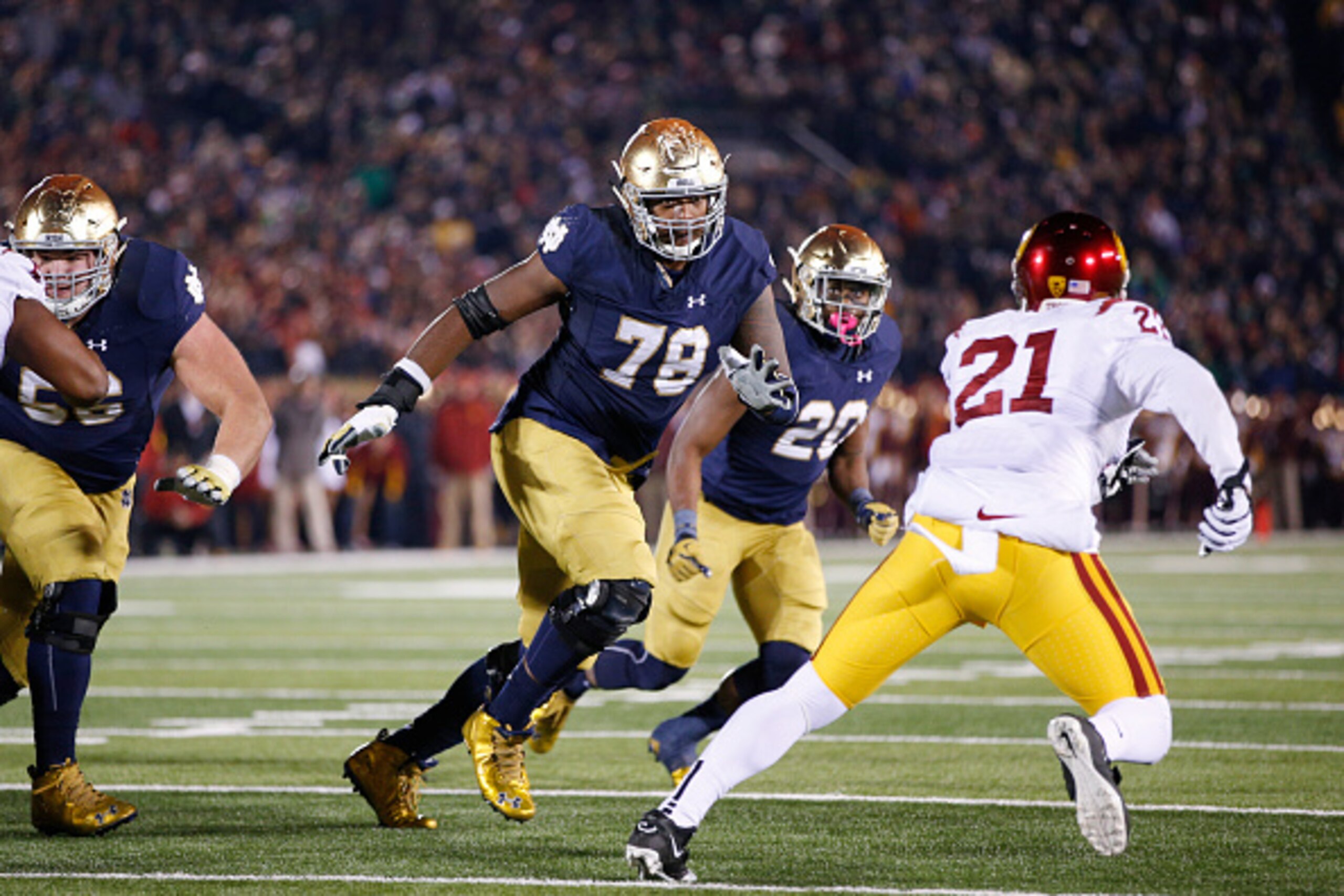
Best Case
Possessing remarkable feet, lateral quickness and pass-blocking control, Ronnie Stanley has been the best pass-blocker at the college level over the last two seasons. With awesome length to go with that athleticism, there’s no reason on the field that he shouldn’t continue that pass-blocking success.
While his run blocking is strong and based around his ability to extend and generate power, it’s his pass-blocking that could quickly make him one of the NFL’s best blockers. Teams that utilize longer breaking rounds and wider offensive line splits (the Patriots are the most notable team) should covet and best utilize Stanley’s upside.
Worst Case
Stanley’s main concern as a prospect is his passion and desire to continue to improve. He didn’t take a dominant next step between 2014 and 2015 and may have actually regressed a bit against bigger, stronger defensive ends, most notably Shaq Lawson.
If Stanley doesn’t have the requisite passion to continue to improve, he could be quickly erased as an NFL blocker. Offensive line prospects are far from ready when they enter the NFL, and the position takes ample work, focus and passion. If Stanley doesn’t have those qualities, he could be quickly forgotten in the NFL.
.jpg?w=2560 "LA Premiere of \"Chad Powers\"")


.jpg?w=2560 "Landing Spots for Trade Candidates 📍")
.jpg?w=2560 "Ugly Jets Scoring Stat 😳")