
Ranking the 2016 NFL Draft's Best Big-Play Running Backs
While the NFL has devalued early-round running backs over the last five years, it hasn’t depreciated the value of big-play running backs throughout the draft process. As the quickness and range of linebackers improve, so too must the NFL’s running backs to continue to separate and produce big-play opportunities in space.
These eight running backs are loosely ranked, as their big-play ability varies in what their role might be in the NFL. Some are explosive thanks to their NFL Scouting Combine performance, while others boast quick acceleration as runners. A few even offer most of their value as receivers out of the backfield.
These eight playmakers may not be solely drafted on their big-play ability, but that skill set could help these prospects last in the NFL for more than the three-year league average at the position.
8. Keith Marshall, Georgia
1 of 8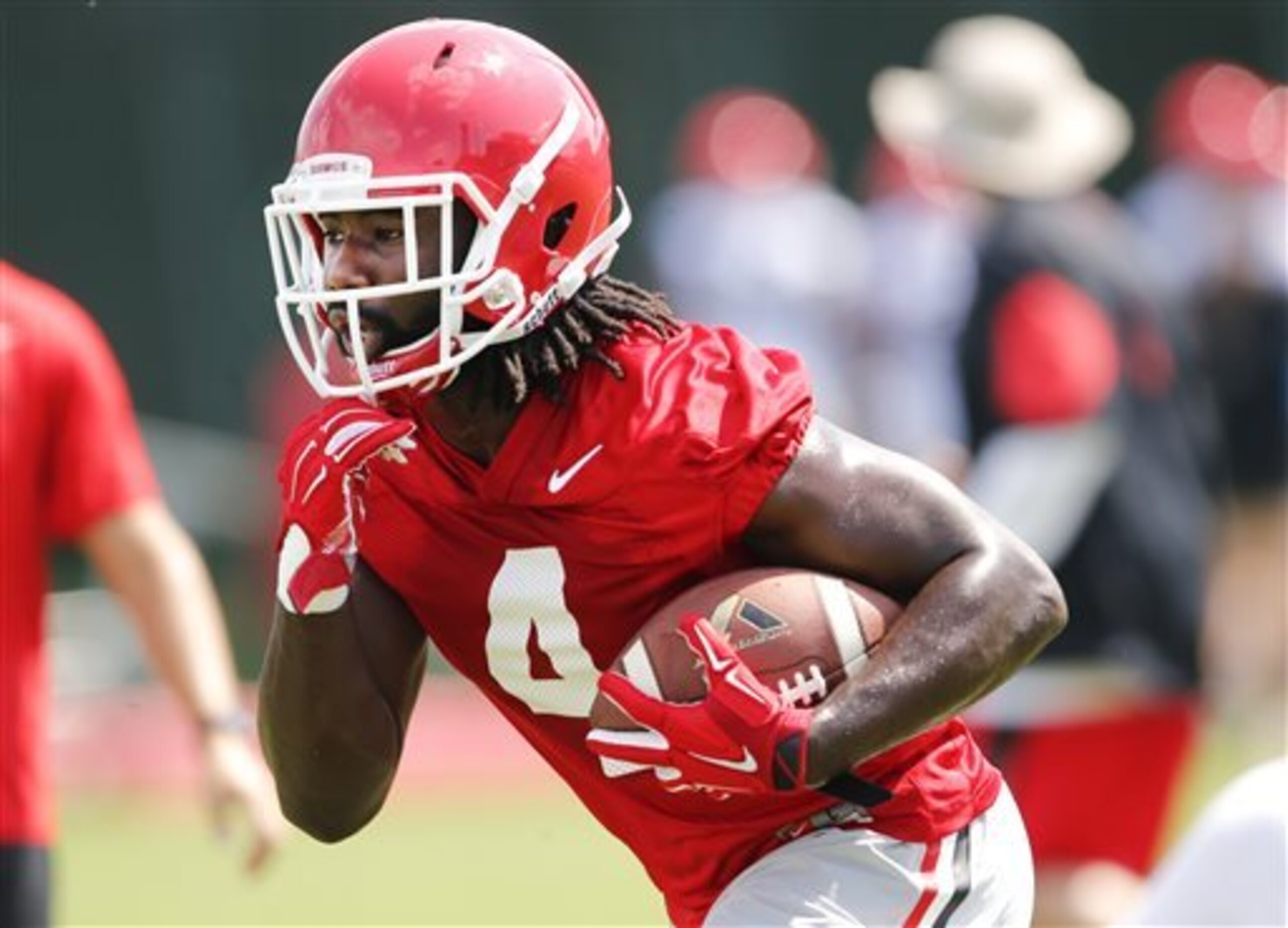
While he flashes explosive upside as a prospect on film, Marshall’s NFL Scouting Combine performance tells a different story. He finished with the fastest 40-yard dash among running backs with a blistering 4.31, coupled with a 1.53 10-yard split, which was also the fastest at his position.
At 219 pounds, that type of speed can’t be ignored despite Marshall’s severe injury history. He missed both 2013 and 2014 with season-ending injuries, including an ACL tear in 2013. Running back injuries, especially knee injuries, are tough to get past in the NFL, but Marshall’s on-film explosiveness and elite combine numbers may be enough to get him drafted early on Day 3.
7. Kenyan Drake, Alabama
2 of 8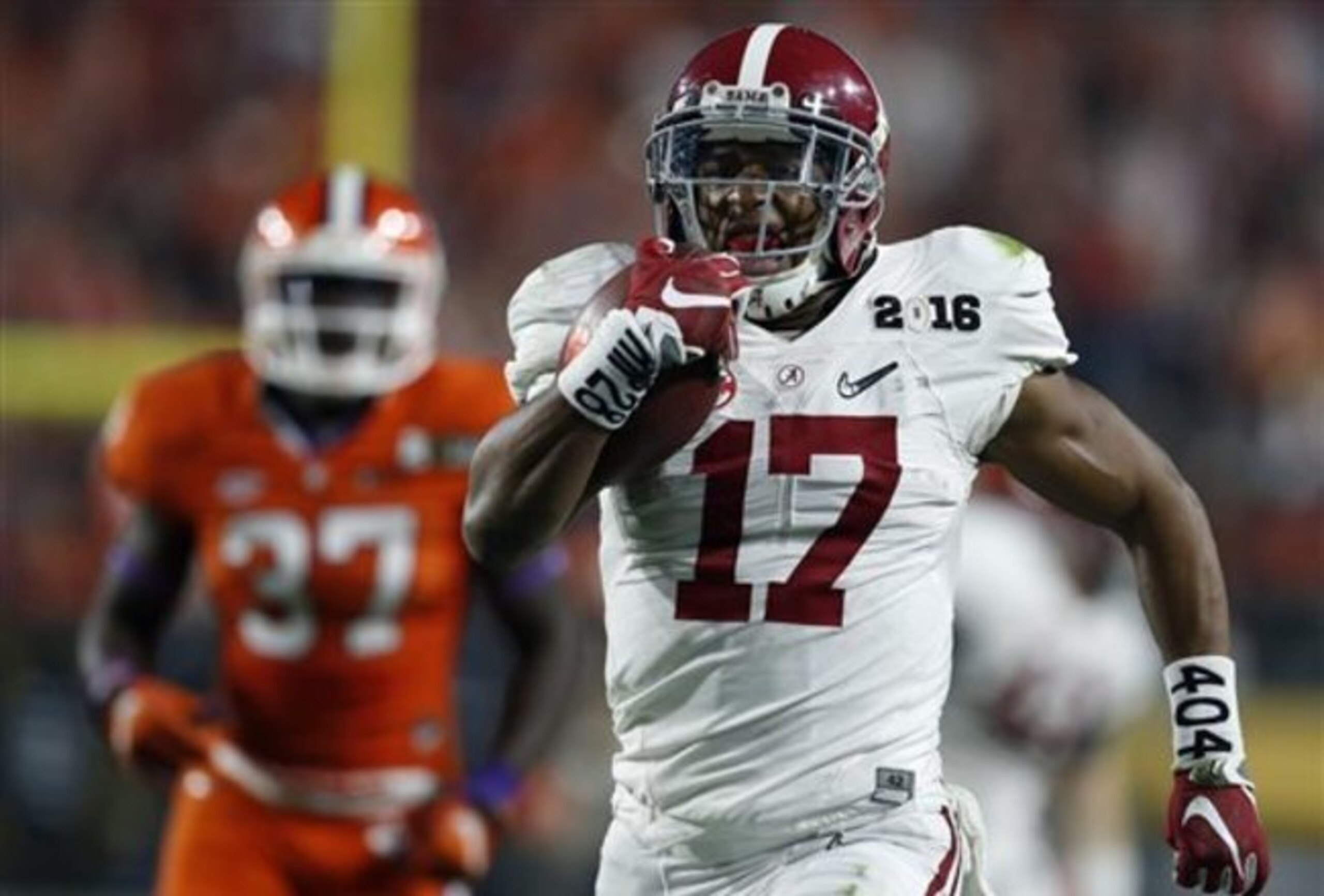
While Derrick Henry dominated the Alabama offense and especially the rushing attack, Kenyan Drake made his presence felt as a runner, receiver and returner throughout his senior season. Returning in 2015 after suffering a broken leg in the middle of his junior season, he authored a remarkable comeback story and offered a much-needed spell to Henry during Alabama’s championship run.
While his 4.45 40-time impresses for a runner at his size (6'1", 210 lbs), his 10-yard split (1.64) was the third slowest among tested running backs, showing that his big-play ability requires some buildup before he’s truly a threat. He can offer receiver ability and some situational running back versatility, but Drake will best demonstrate his big-play ability as a returner at the NFL level.
6. DeAndre Washington, Texas Tech
3 of 8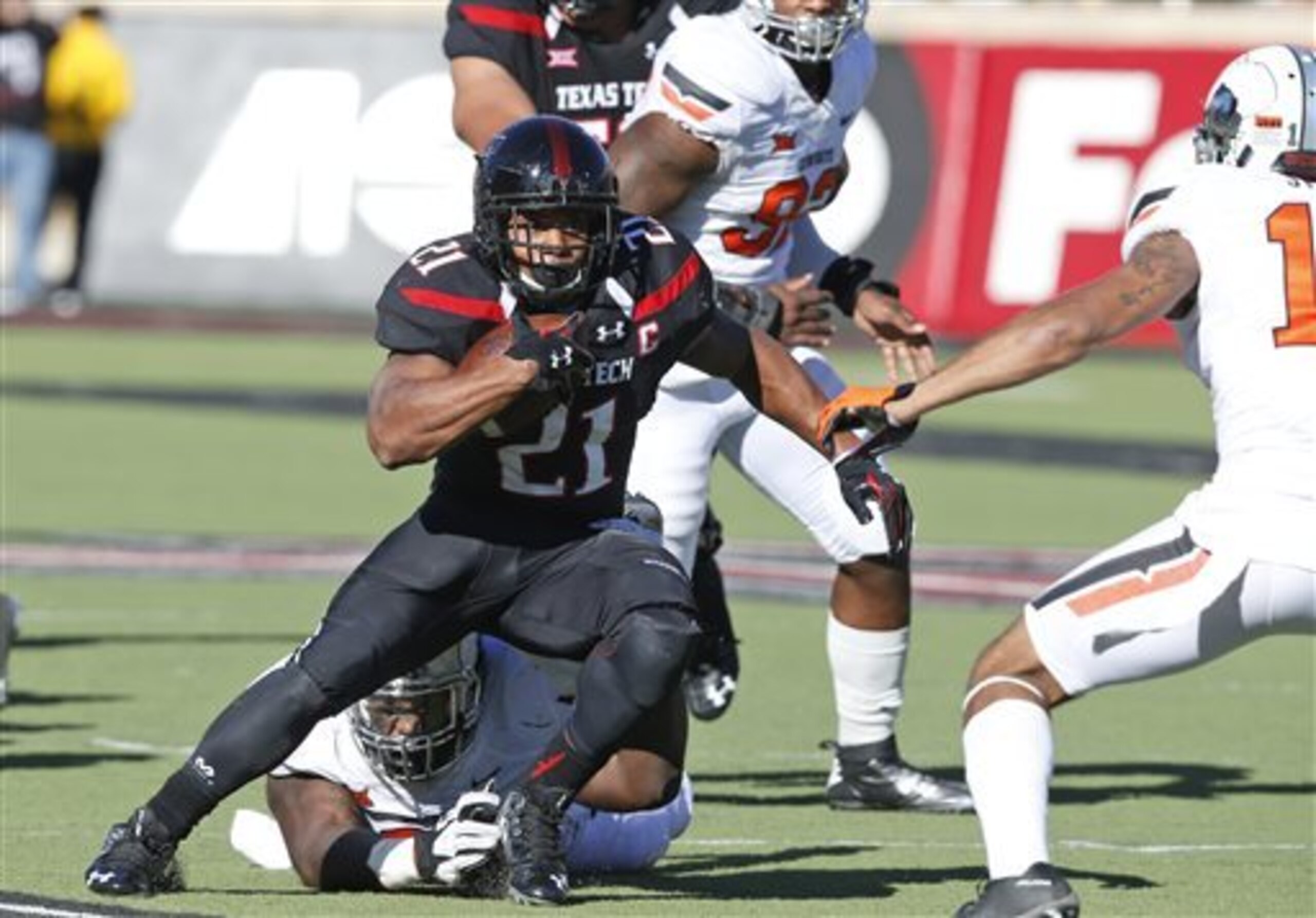
The 5'8" running back was underappreciated during his college career, as he hailed from a high-volume passing offense at Texas Tech that allowed him to remain productive yet had its share of detractors. Playing in a spread offense that attacks horizontally in the passing game leads to bigger openings on the interior for running backs to work.
That said, Washington made the most of those openings with his production, explosiveness and elusiveness in the open field. Finishing with 6.4 yards per carry and nearly 1,500 yards, he left Texas Tech as one of the team's most productive running backs in school history. With measurable, statistical and combine number similarities to that of Giovani Bernard, Washington could replicate that rotational yet dynamic role in the NFL early.

.jpg?w=2560 "Cowboys Texans Football")
5. Daniel Lasco, California
4 of 8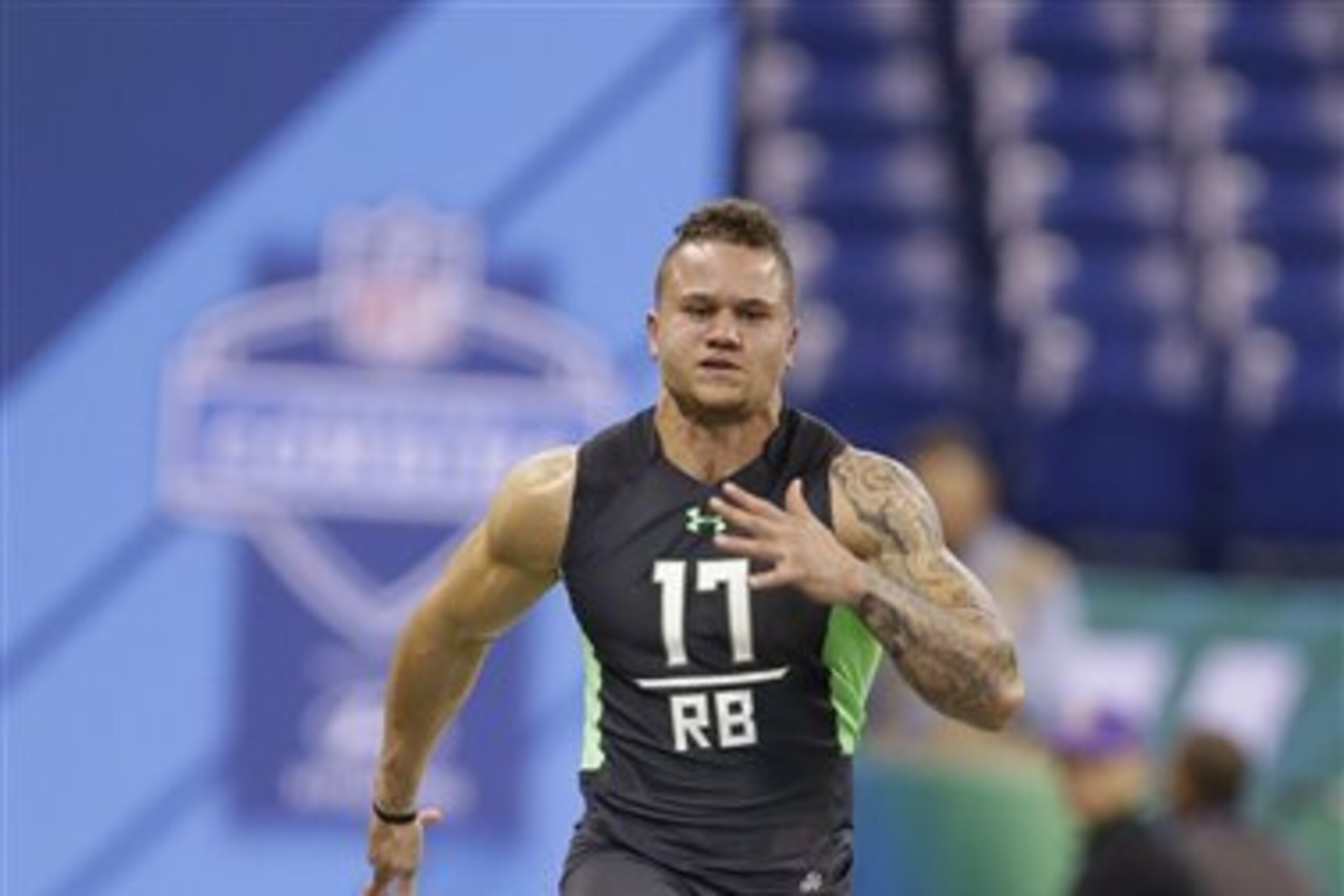
Considered a good, not great, athlete on film, Lasco posted impressive NFL Scouting Combine numbers, finishing with a 4.46 in the 40-yard-dash, tying Keith Marshall for the top 10-yard split (1.53) and jumping a 41.5-inch vertical. On film, Lasco is a highly explosive short-area running back who can quickly turn small windows into big plays.
Lasco is known for taking a bit too much punishment on film, staying upright at times too long and working laterally at the second level instead of working through contact enough. But he stays active in his movements, isn’t shy when it comes to contact and, when he can elude arm tacklers at the second level, can get to his top speed quickly when he sees daylight. While not a traditional home run threat, Lasco could become one of the NFL’s better change-of-pace running backs to take advantage of a tired or off-balance defense thanks to his explosive start as a runner.
4. Paul Perkins, UCLA
5 of 8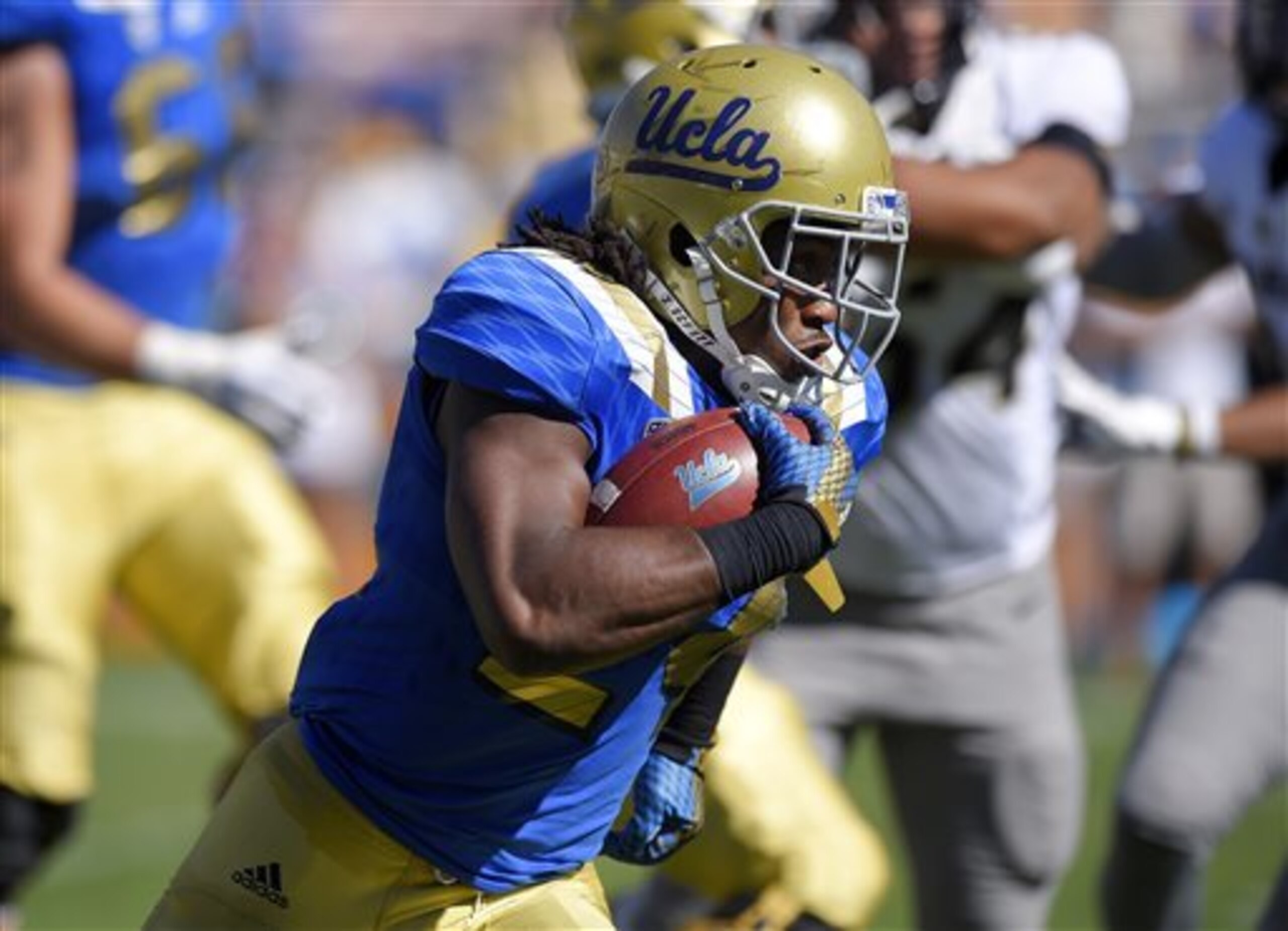
One of the 2016 NFL draft’s best running back prospects, Perkins is arguably the shiftiest back in the entire class. Offering awesome lateral quickness and stop-start balance, he routinely gets to the perimeter and makes linebackers miss once he gets in space.
While Perkins' inability to work through contact and his interior running may hold him back from being a top-tier running back, his big-play ability isn’t in question. He ripped off five runs of 40 yards or more and 30 receptions, and both should be expected to continue in the NFL. Whether or not he’ll be viewed as a feature back, we’ll learn early on draft weekend if he lands somewhere in the top two rounds.
3. Byron Marshall, Oregon
6 of 8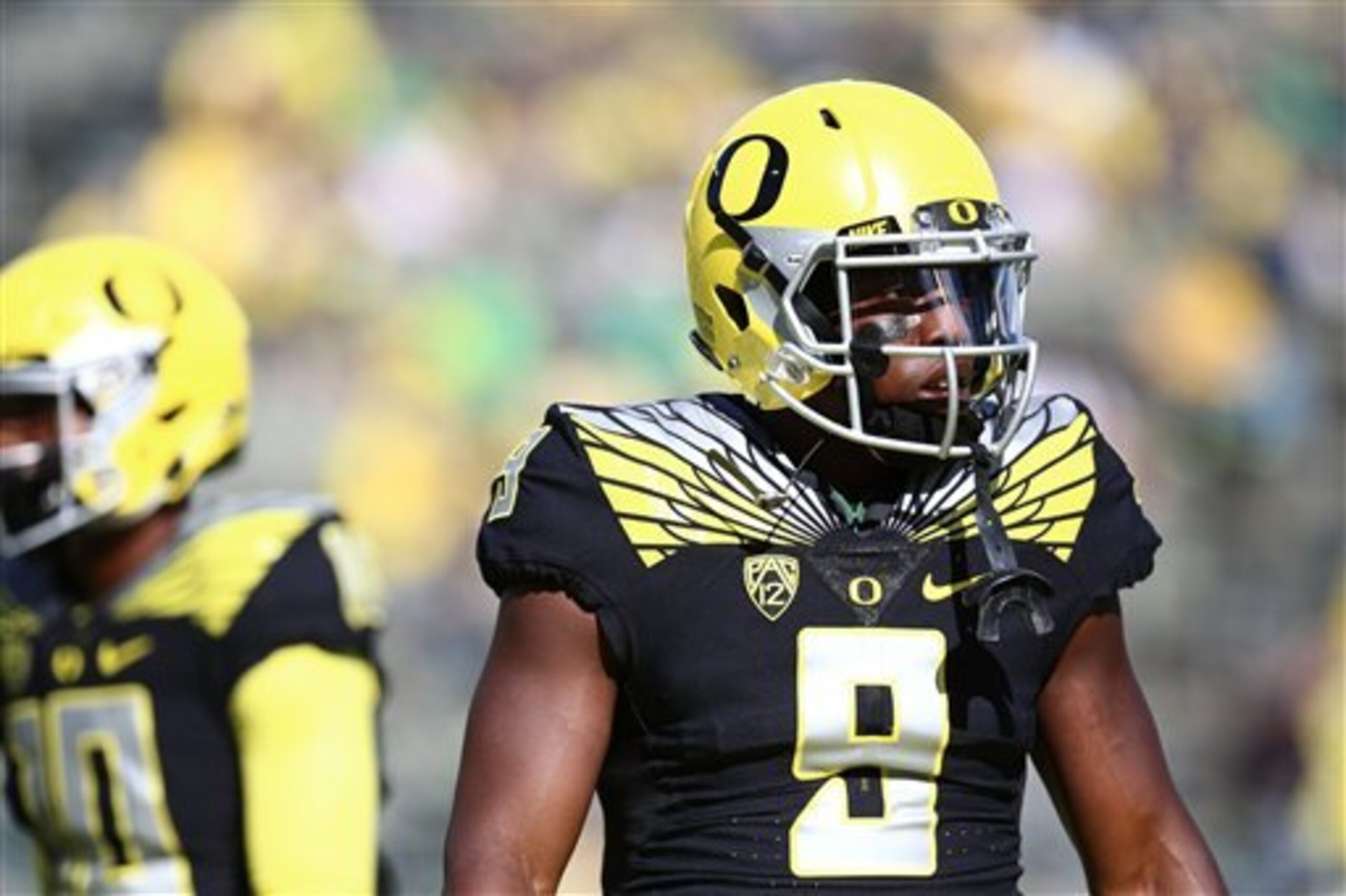
With experience at both receiver and running back at Oregon, Marshall could potentially play either role at the NFL level. While his short-area explosiveness may be better suited for a slot role in the NFL, his top-end speed and big-play ability with the ball in his hands should help him make more of a consistent impact at running back.
Marshall had a season-ending injury that kept him out of the NFL draft process this offseason, but NFL teams haven’t forgotten the dynamic upside that he displayed in the Oregon offense. With a similar upside and skill set to that of DeAnthony Thomas, Marshall could be a do-it-all big-play threat for a team on Day 3, especially if he can add immediate value in the return game.
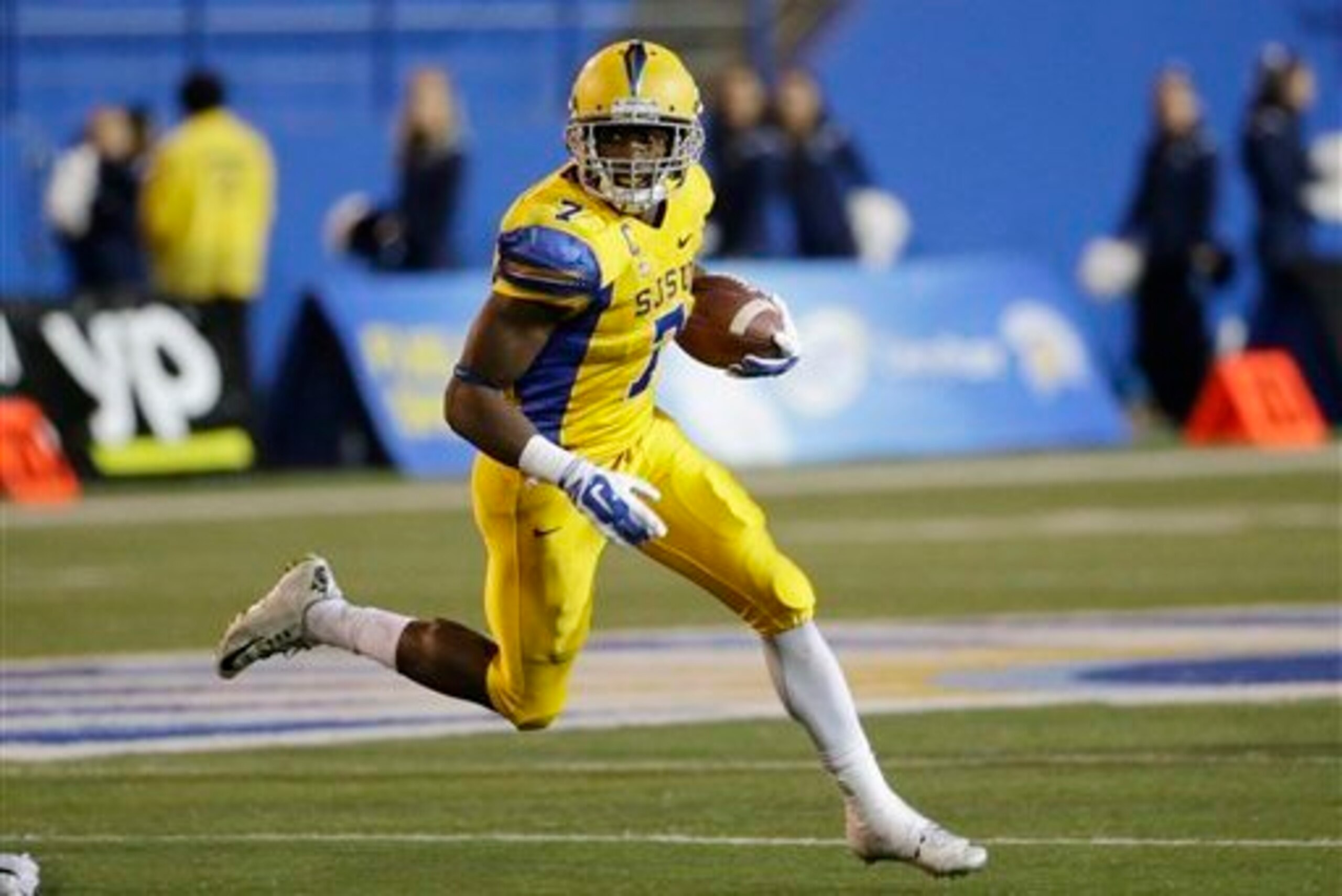
2. Tyler Ervin, San Jose State
7 of 8
In my opinion, Ervin is the premier pass-catching running back of the 2016 class (excluding Ezekiel Elliott), not because of his hands or separation ability but because of his explosive change of direction and hip turn when he becomes a receiver. Finishing with 45 receptions in 2015, Ervin should contribute immediate big-play value out of the backfield.
Ervin coupled that versatility and open-field elusiveness as a runner and receiver with a stellar NFL Scouting Combine. He posted a 4.41 40-time, second-best among running backs in attendance. His bulk may be a red flag for some teams, as he was the lightest running back at the NFL Scouting Combine at 192 pounds.
1. Ezekiel Elliott, Ohio State
8 of 8
Ezekiel Elliott is not only the top running back in the class by a clear margin, but based on his size (6'0", 225 lbs), explosiveness and top-end speed, he also has the potential to rip off big plays with more frequency than any other back in the class.
Ezekiel Elliott is worth a top-10 pick, in part because of his ability to maximize opportunities that his offensive line gives him. His balance, plant and burst, along with the core strength to break tackles, allowed him to put up multiple big-play runs at Ohio State. Despite not seeing ample carries, there’s no reason Elliott can’t quickly become one of the most feared big-play running back starters at the NFL level as a rookie.
.jpg?w=2560 "Browns Jaguars Football")