
The Biggest Offensive Playmakers in the 2016 NFL Draft
Evaluating offensive skill-position players can be tough because the future of many players is tied directly to the scheme in which they land and whether the coaching staff positions them to succeed.
So to determine who has a future as an offensive playmaker, let's focus on one trait coaches can use to exploit mismatches: explosiveness.
This trait can show up in two different ways: straight-line speed and change-of-direction ability.
Offensive playmakers with breakaway speed change the way defenses prepare. A speedster lined up at receiver often influences how a safety lines up or reacts to the quarterback post-snap.
Change-of-direction ability doesn't impact the defensive alignment as much, but it is often one of the elite traits possessed by players who churn out big play after big play. The ability to make defenders miss in the open field or to swiftly alter the direction of a route can leave a defender in the dust.
Each of these playmakers wins in slightly different ways, but they all possess the explosive traits to be considered a potential playmaker at the next level.
Ezekiel Elliott, Ohio State
1 of 8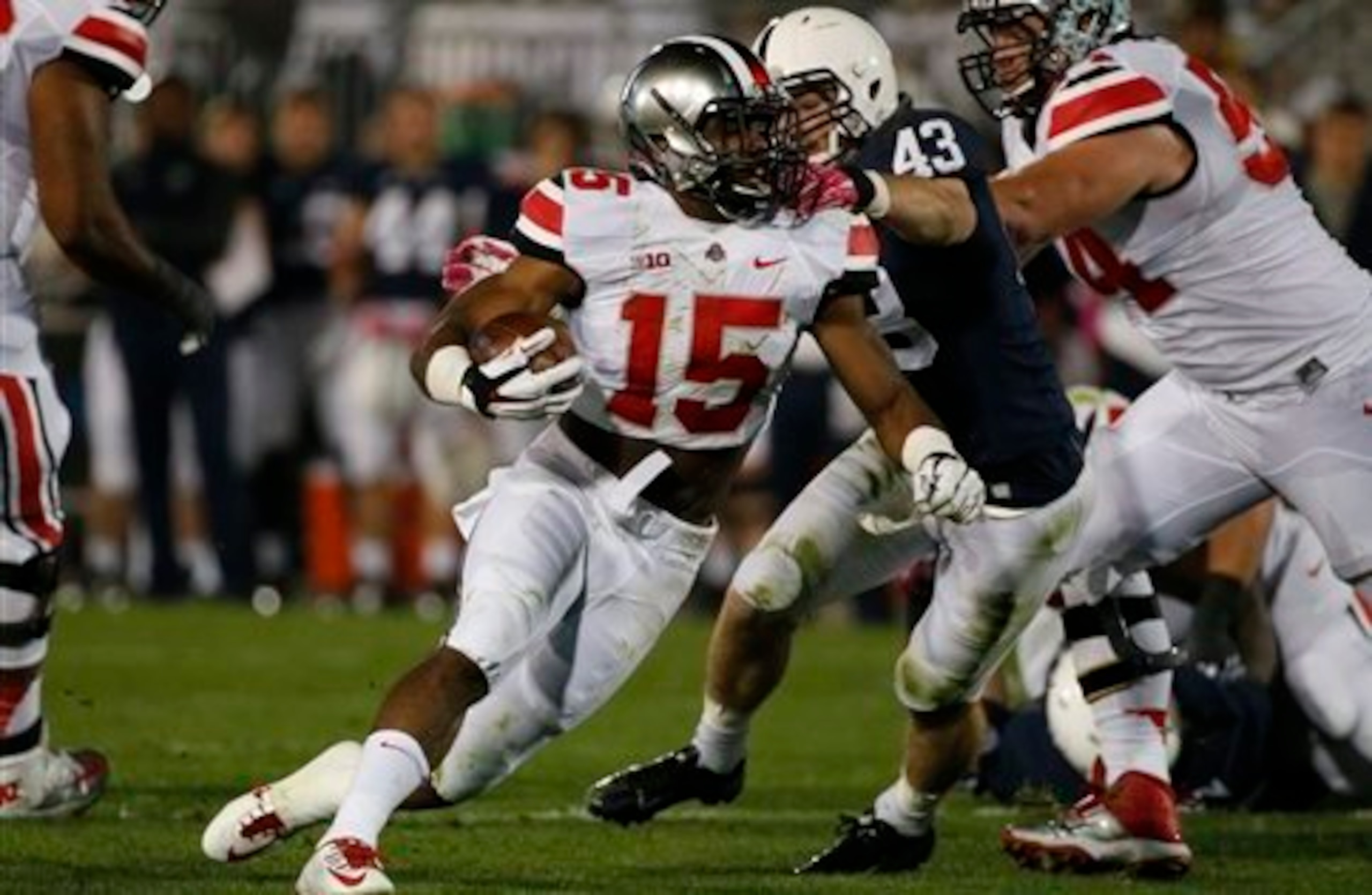
Ohio State's Ezekiel Elliott may be the most complete running back to enter the draft in the past decade.
Elliott is most dangerous for his explosive one-cut running style—as evidenced here against Alabama in the 2015 College Football Playoff. But his impact in the passing game takes his draft stock to another level.
With many teams throwing the ball 60 percent of the time, drafting a running back who only influences the other 40 percent of plays is no longer a priority for many teams. Elliott, however, is good in pass protection and is a weapon as a receiver.
During his career at Ohio State, Elliott hauled in 58 receptions for 449 yards.
Elliott will come off the board in the first round and should immediately rank among the NFL leaders in scrimmage yards in 2016.
Potential fits: Dallas Cowboys, Miami Dolphins, New York Giants
Corey Coleman, Baylor
2 of 8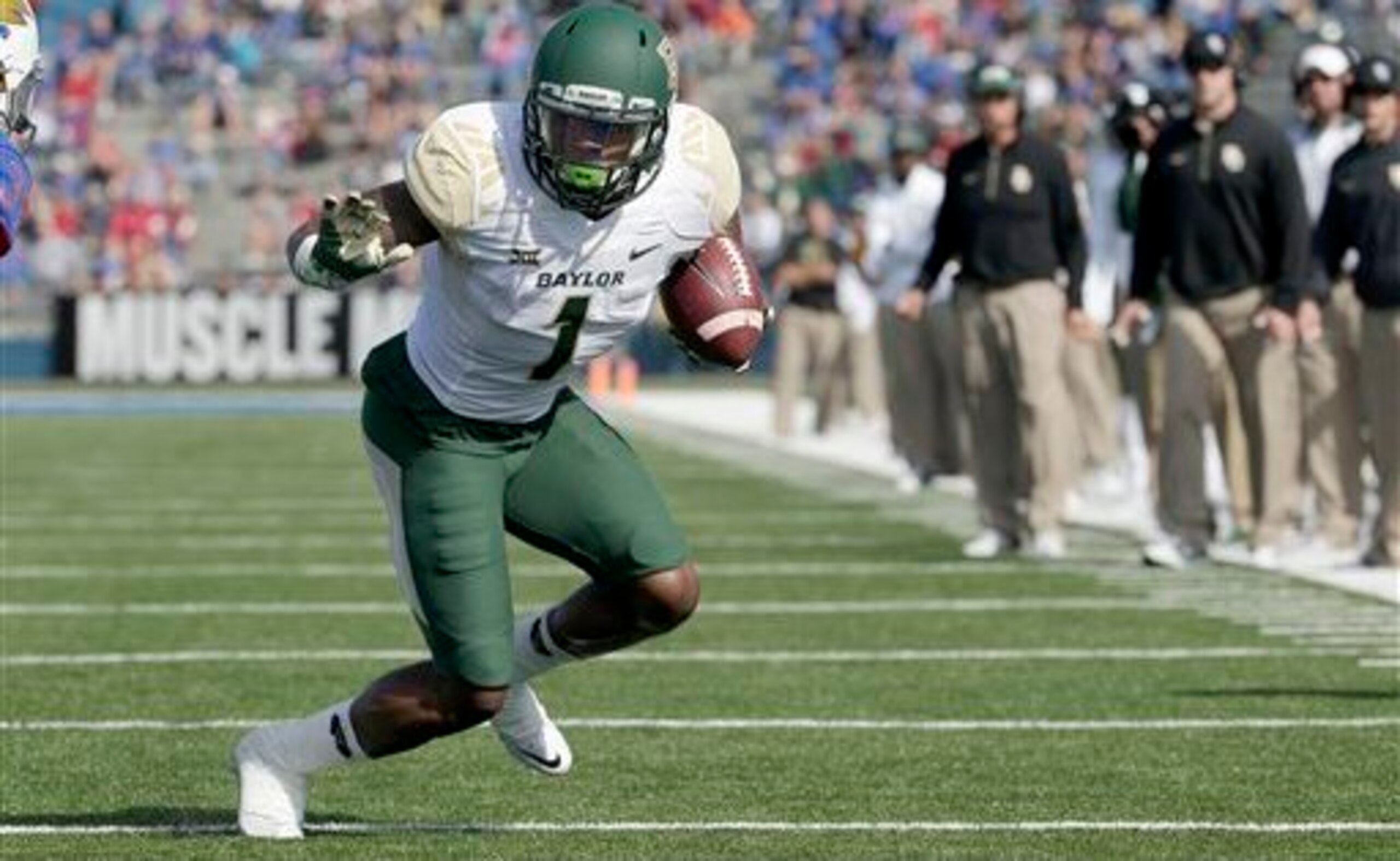
Immediate expectations for Corey Coleman should be modest, as he transitions from Baylor's offense to an NFL scheme.
While NFL teams are slowly drifting into the territory of the more fast-paced, spread attack Baylor runs, there's still a wide gap between the responsibilities of receivers in the NFL and at Baylor.
With that said, Coleman has the athletic traits to develop into an Antonio Brown-like playmaker in the NFL.
Coleman will likely make his most immediate impact as a deep threat, but he will become more dangerous as he develops his route-running technique at the intermediate level.
Potential fits: St. Louis Rams, Cincinnati Bengals, Minnesota Vikings
Will Fuller, Notre Dame
3 of 8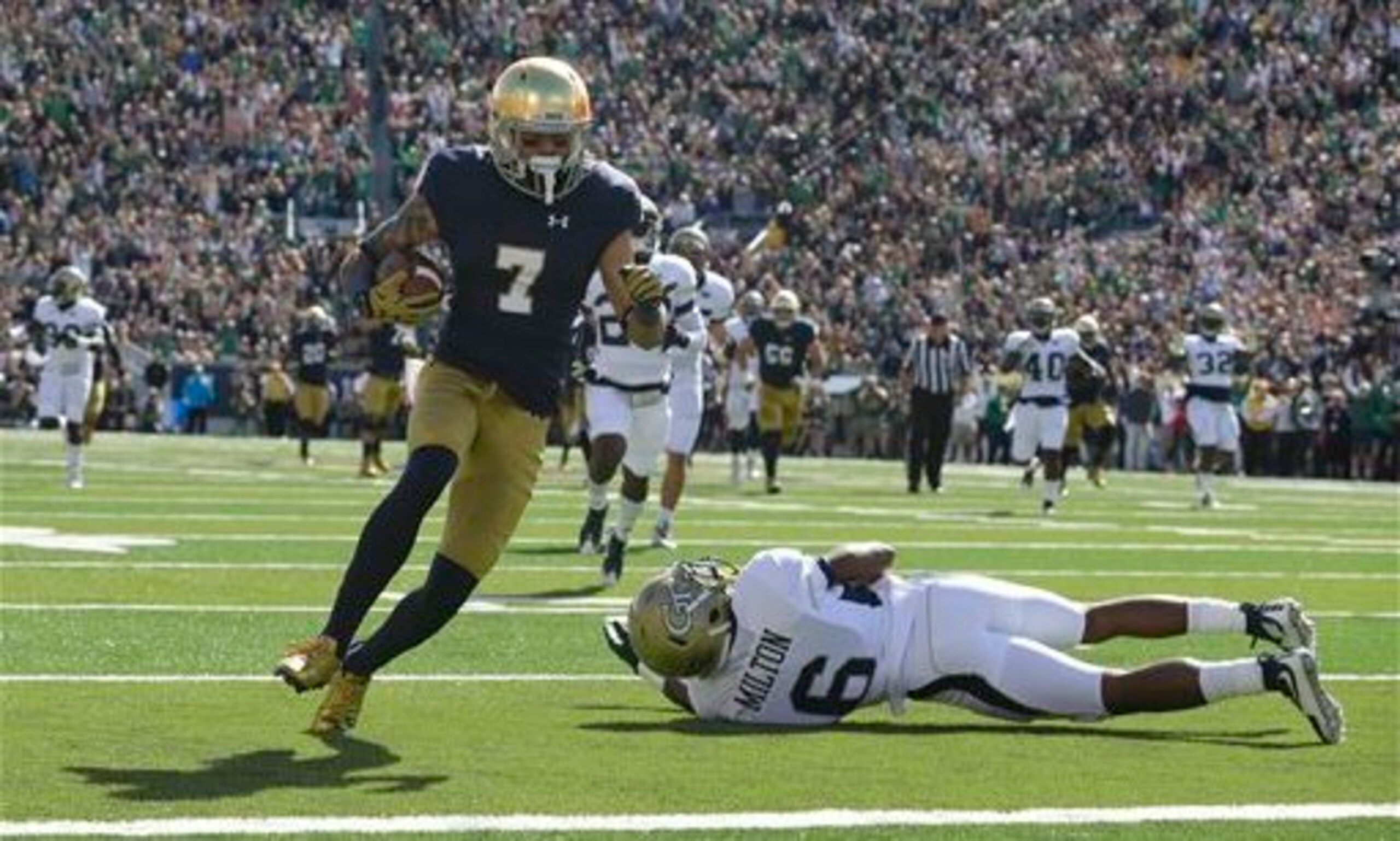
Any team looking for an immediate downfield weapon will have an interest in Notre Dame's Will Fuller.
His skill set is limited, and there are some obvious flaws in his game, most notably his issue with drops. According to CFB Film Room, he dropped 10 passes in 2015.
Fuller also struggles with physical play, getting thrown off his routes by stronger corners at the line of scrimmage and outmuscled for balls in traffic.
Those are issues that may never be eliminated, but they shouldn't take away from Fuller's ability to impact the game.
Fuller's complete skill set, flaws included, are comparable to Ted Ginn Jr., who carved out a valuable role for himself in the Panthers offense in 2015.
Potential fits: Houston Texans, Washington Redskins, Cleveland Browns

.jpg?w=2560 "Cowboys Texans Football")
Braxton Miller, Ohio State
4 of 8
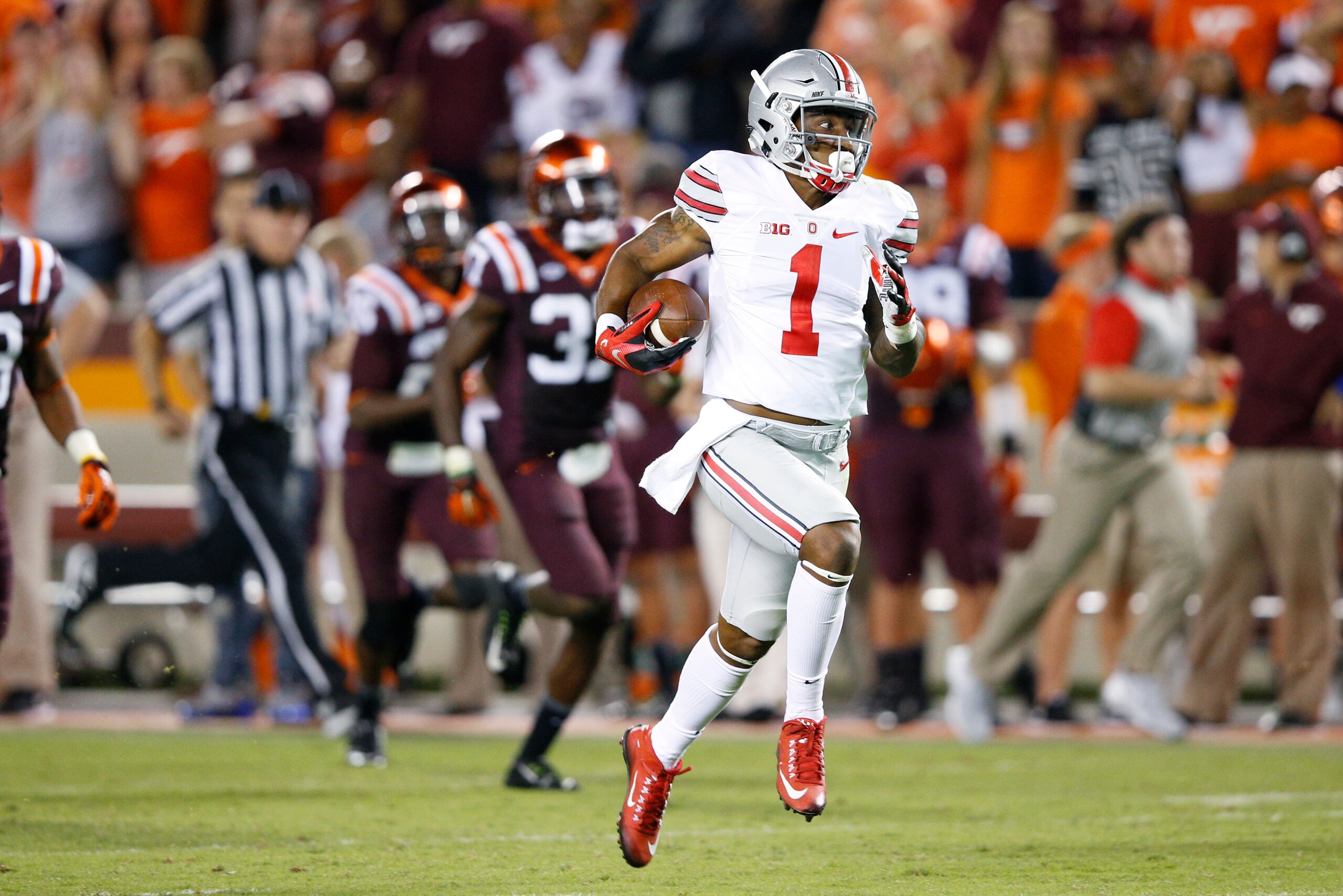
Braxton Miller is a wild card in this draft.
Despite being labeled a wide receiver in 2015, 63 percent of Miller's touches came in the running game—and that doesn't even account for the tap passes he received that technically counted as receptions.
When Miller did line up as a traditional receiver, the majority of his targets came down the field, which required limited development in his route running.
NFL teams evaluating Miller have to balance the upside he brings as a multifaceted weapon with the question of whether or not he'll be able to make an immediate impact.
Few players have Miller's blend of height (6'1"), speed and elusiveness, so his ceiling is high. Where he lands in the draft, however, may depend on how quickly teams think he can make plays in the pros.
Potential fits: San Francisco 49ers, New England Patriots, Kansas City Chiefs
Kenyan Drake, Alabama
5 of 8
Kenyan Drake intentionally follows Braxton Miller in this slideshow because the two playmakers have the ability to impact the game in similar ways.
Like Miller at Ohio State, Drake was forced to transition to a new role in Alabama's offense, taking on more responsibilities as a wide receiver and kick returner in 2015. He had been used almost exclusively as a running back.
The explosive Drake more than doubled his career reception total in 2015, hauling in 29 catches for 276 yards and a touchdown.
Injuries plagued Drake throughout his college career, and they will likely prevent him from carrying the load as a running back in the NFL as well. But he showed the playmaking ability to influence the game from multiple spots on the field, which will make him a dangerous weapon in the pros.
Potential fits: New England Patriots, New Orleans Saints, Seattle Seahawks
Josh Doctson, TCU
6 of 8
Josh Doctson isn't as fast as many of the other receivers on this list, but he is arguably the most efficient receiver in this draft class.
For starters, Doctson's hands will immediately rank among the most reliable in the league when he turns pro. According to Pro Football Focus, Doctson dropped just six of 84 catchable passes in 2015 (7.1 percent).
Along with elite hands, Doctson has impressive leaping ability (41" vertical at the combine) and a knack for creating just enough space with his quick feet to generate separation on shorter routes.
So while he lacks the speed to be a serious deep threat, these traits made Doctson one of the most efficient receivers on the short and intermediate routes.
According to CFB Film Room, Doctson hauled in a remarkable 83 percent of his targets at 10 to 19 yards downfield.
That type of efficiency should allow for a smooth transition to the NFL and make Doctson a candidate to be among the most effective rookie playmakers in this draft class.
Potential fits: Minnesota Vikings, Cincinnati Bengals, New York Giants
Paul Perkins, UCLA
7 of 8
Paul Perkins' stellar 2015 season flew under the radar, as he was overshadowed by UCLA's freshman phenom quarterback, Josh Rosen.
According to Pro Football Focus, Perkins was the most difficult running back to bring down in 2015, ranking No. 1 in their elusive rating formula on the strength of 85 missed tackles forced.
Perkins' performance on the field supports the stats, as he demonstrates explosive change-of-direction ability, which makes him difficult to corral.
As an added bonus, Perkins is a seasoned vet catching passes out of the backfield, hauling in at least 20 in each of his three seasons with the Bruins.
On the second day of the draft, Perkins will be a strong candidate to be selected by a team looking to fill an immediate void at running back.
Potential fits: Miami Dolphins, Baltimore Ravens, New England Patriots
Sterling Shepard, Oklahoma
8 of 8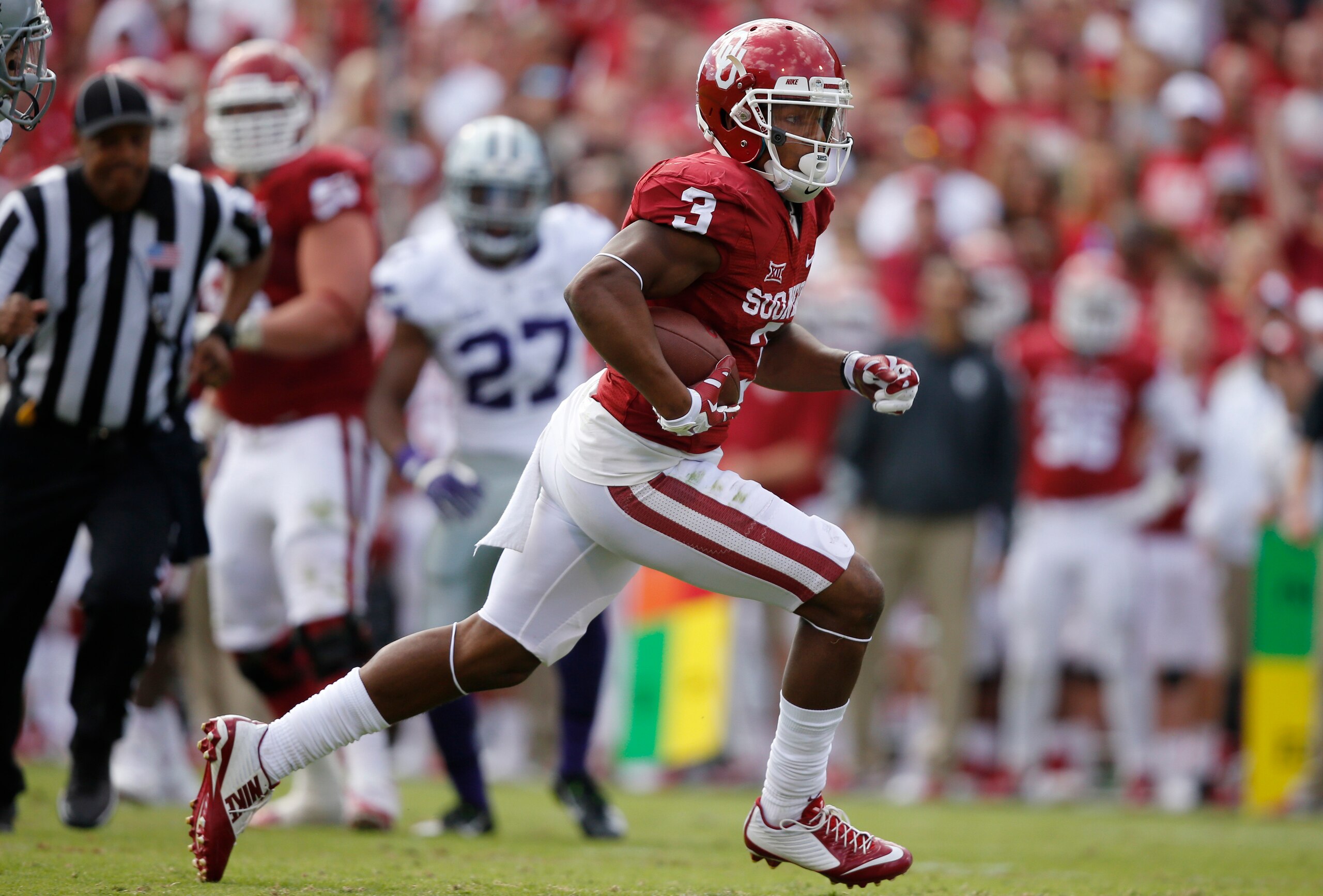
Sterling Shepard may never develop into a fantasy superstar in the NFL, but he's going to make frequent appearances on highlight reels.
Shepard doesn't appear to have have the size or elite speed to play on the outside in the NFL, but his sharp cuts in his routes and his quick acceleration make him ideal to play a significant role in the slot.
In terms of NFL comparisons, Shepard has comparable skills and could play a similar role to Green Bay Packers receiver Randall Cobb.
Like Cobb, Shepard has the quick feet to be elusive in the open field, making him an ideal weapon in the quick-strike passing game.
Potential fits: Kansas City Chiefs, Carolina Panthers, New England Patriots
.jpg?w=2560 "Browns Jaguars Football")