Mid-Round NFL Draft Prospects with Pro Bowl Potential
Every NFL team expects to find the draft's best prospect with their first-round pick. Drafting early gives teams a better chance to find impact players who fit exactly what they want to do on offense or defense. In a perfect world, the best players would always rise to the top of the draft.
But that’s what makes the draft process and the NFL draft itself so entertaining and crucial. Feature players can be found throughout the draft process at every position. Determining who those are predraft is next to impossible, but finding prospects who have been overlooked, are under-appreciated or who need developmental time can give an idea as to which players may defy the odds in the future.
These eight prospects, all for differing reasons, aren’t expected to be first-round selections, but they have the upside to grow into quality NFL players and potential Pro Bowlers.
Cardale Jones, QB, Ohio State
1 of 8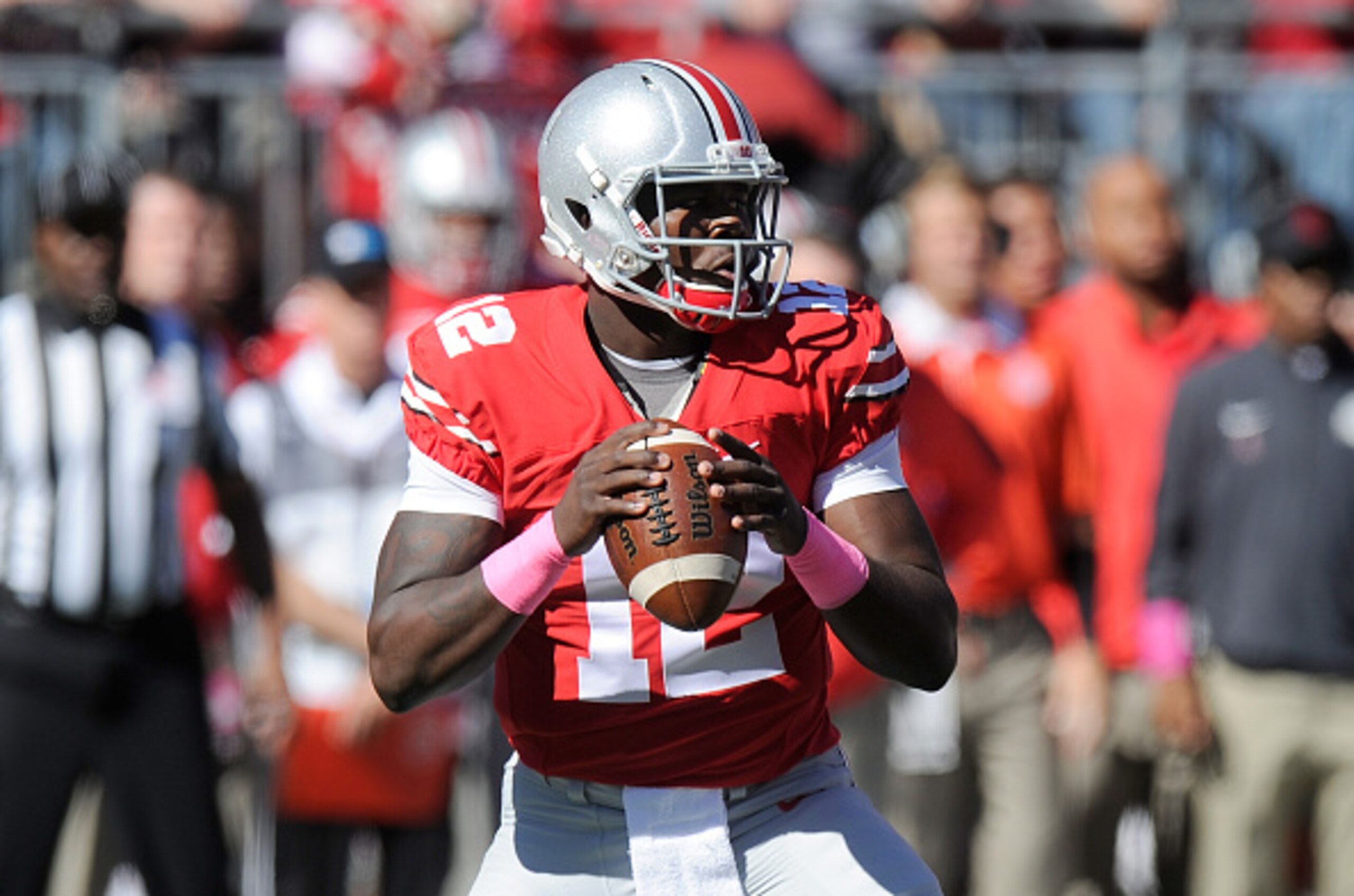
Cardale Jones was involved in one of the most unique quarterback situations in recent college football history. After taking over for the final three games of the 2014-15 season and winning a national champion, Jones returned to school with much fanfare and earned the starting job for six more weeks until he was benched for J.T. Barrett. But his lack of development in only nine career college games should speak to potential untapped rather than a lost cause.
Possessing elite arm talent, physical build and athletic upside, Cardale Jones offers the same skill set that has made Cam Newton and Ben Roethlisberger two of the NFL’s best.
He’s able to finish under pressure, off balance and with defenders draped over him to still attack vertically. That, coupled with the athleticism to force defenses to account for his running upside is what makes him a worthwhile developmental quarterback. And while he’ll need time in the NFL before he can emerge as a consistent starter, his developmental needs stem from patience in coaching, confidence off the field and less pressure to make big plays each time he’s asked to drop back.
If he can land with an offensive coordinator who can patiently tap into his upside, Jones might emerge as the 2016 draft’s best quarterback three years from now.
Jonathan Williams, RB, Arkansas
2 of 8
For Arkansas’ Jonathan Williams, durability will be the biggest question mark for NFL teams. A foot injury suffered in fall camp forced him to miss the entire 2015 season, along with the Senior Bowl and the NFL Scouting Combine workout. That lingering injury will continue to give team's pause.
A powerful, low-center-of-gravity runner, Williams is more of a bowling-ball contact runner than one who's dynamic and elusive. A durable runner who works best with lateral quickness after first contact, Williams should thrive once again as a between-the-tackles runner who can finish five- to six-yard runs at the NFL level. Williams plays with plus-patience and decisiveness in the hole, altering his speeds effectively to maximize his blockers.
A highly effective pass-catcher and adept pass-blocker, he'll be able to add immediate third-down upside to an NFL team. He's offers some experience as a soft-handed receiver who finishes away from his frame, and he's developed some out-of-backfield routes that could transition nicely to the NFL.
Big-play upside was already going to be a question mark when trying to determine what Williams' NFL value would be, but his foot injury and the fact it's lingered this long pushes him down to a late-Day 2 prospect unless teams can be confident in his recovery. Still, he's a prime candidate to be an every-down starter in the NFL who should've gone much earlier than he may actually go. Despite being a two-year starter, he doesn't have a ton of tread on his tires thanks to the rotation Arkansas uses.
Rashard Higgins, WR, Colorado State
3 of 8
Under-recruited out of high school, Rashard “Hollywood” Higgins landed at Colorado State, where he instantly became the team's feature offensive weapon and one of the nation's most promising young receivers.
Higgins offers route-running upside to maximize his size/speed attributes. He sets up head fakes, double moves and combination routes in a fluid, efficient and catching-effective manner, highlighting his instinctive route understanding. His route running is reminiscent of backyard football. He appears to be just trying to get open, using his speed to separate and having the end zone in mind.
But his route tree isn’t merely an on-the-fly development. He possesses a high-level, instinctive nature to know where he can orchestrate double moves, where a defense is vulnerable and how his route can immediately set up his quarterback for a throwing lane and a quick delivery.
You can't count on Higgins to win 50-50 balls against 6'0" defensive backs, but with his quickness and route IQ, the odds are consistently stacked in his favor before the ball reaches the highest point. Barring he lands with one of the handful of truly precise NFL passers, Higgins' job will be to either separate himself enough to enable his quarterback to make easy throws or continue to finish away from his frame.
While this isn’t where he’s best, it’s where NFL defensive backs need to know he can beat them if he hopes to be more than a one-dimensional receiver. Higgins has concerns in terms of his body type, scheme/role limitations and potentially good-not-great vertical speed, but his maximization of his assets, coupled with impact receivers like Tyler Lockett, paves the way for Higgins' high upside as a draft pick and long-term NFL starter.

.jpg?w=2560 "Cowboys Texans Football")
Sebastian Tretola, OG, Arkansas
4 of 8
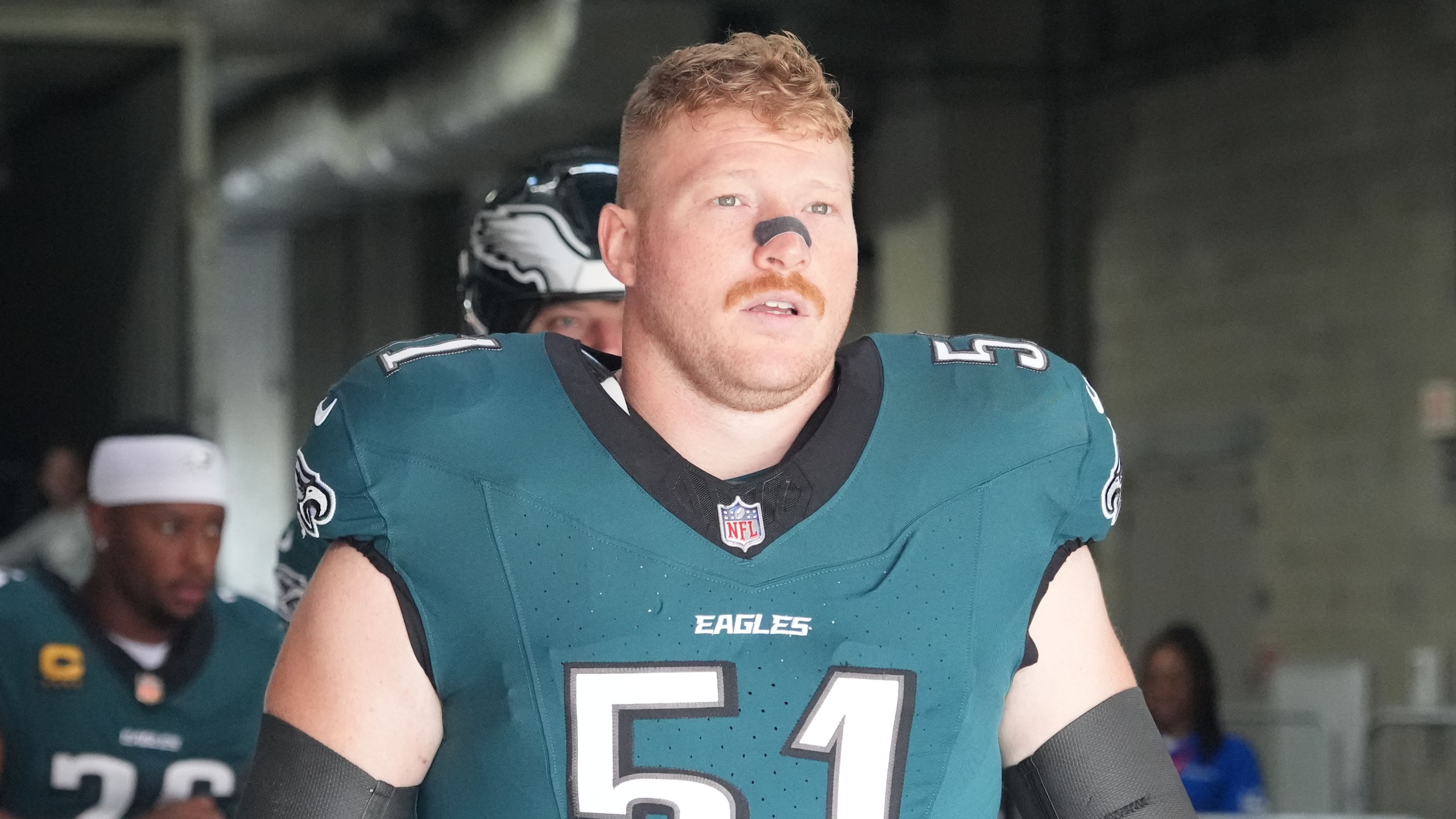
Initially starting his high school career at Nevada for 2011 and 2012, Sebastian Tretola transferred to Iowa Western Community College before emerging as one of the nation’s top JUCO prospects and landing at Arkansas. An active upfield blocker in a highly productive rushing attack the last two seasons, Tretola plays with awesome intensity and hand engagement, fighting hard to meet his second-level blocker. His hands can get a little wide at times, but he remains active in hand replacement and working for inside leverage.
Patient when firing his hands initially, he doesn't reveal himself too early. He stays powerful as he works downfield, staying behind his pads with lower-half force. He maintains a strong base in his hand reposition, keeping his lower-half slide composed, with a wide upper-half frame. He's an adequate pull-blocker, but he's a bit slow and upright when asked to really engage in space. In pass protection, he plants with a strong, sturdy base consistently, and even though he doesn't offer top-end lateral quickness and efficiency, he's able to use his wide frame and active hands to neutralize in a phone booth.
His intensity, activeness and focused demeanor, along with being a plus locker-room presence should make him a coveted second-tier guard prospect, and he can make an immediate impact at the NFL level as a power run-blocker with plus hand strength.
Willie Henry, DT, Michigan
5 of 8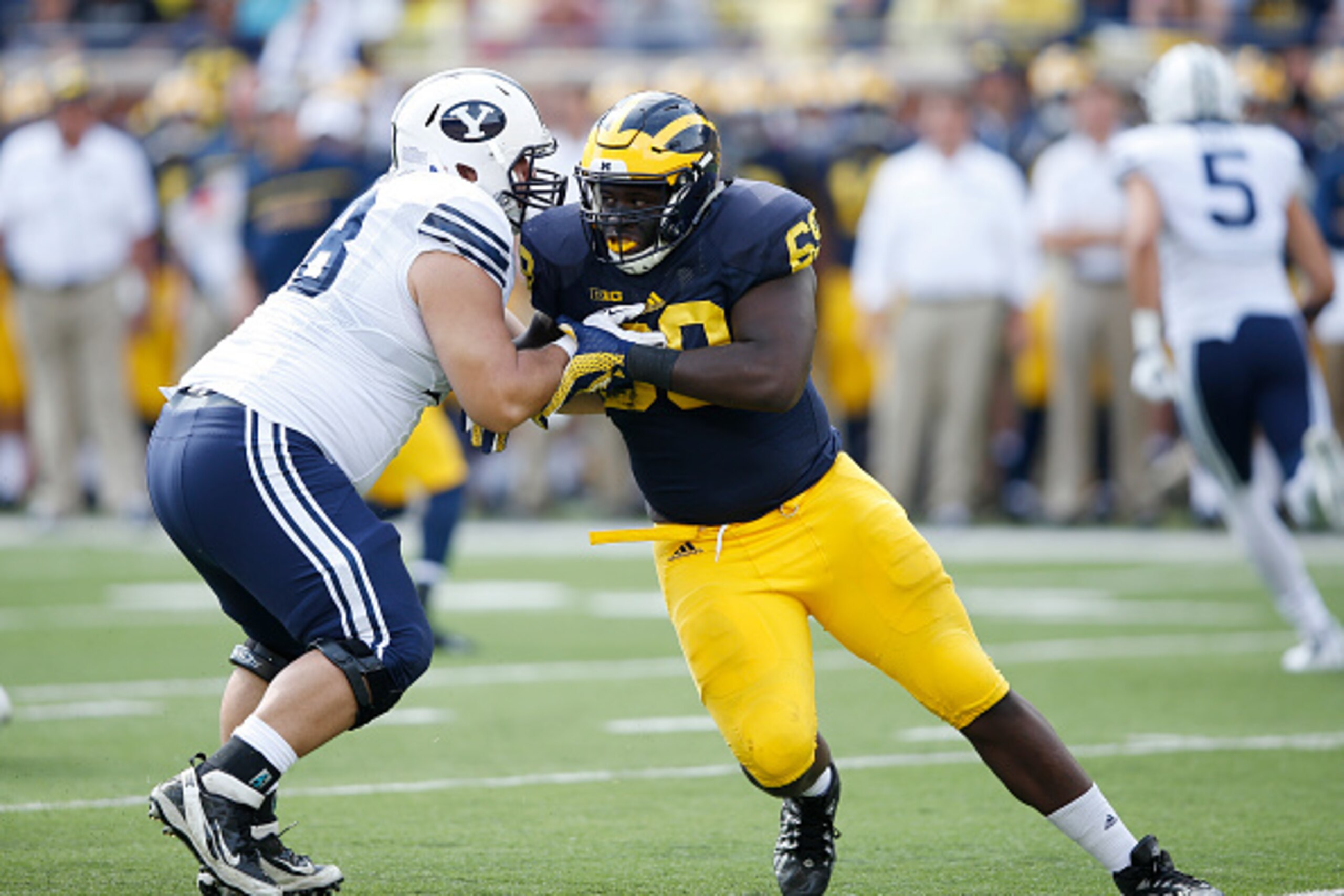
The quality of senior and junior depth on the Michigan defensive line in 2015 limited Willie Henry’s overall snap count, but he proved to be the best prospect on a highly successful Michigan defense. Working as both a nose tackle and a 3-technique, Willie Henry wins initially with a plus first step and highly consistent initial pad level, winning the leverage battle with consistency.
Henry received ample time across the defensive line as both a power rusher and a stunting set-up defensive lineman, offering plus vision and anticipation to attack an offensive line unit. Active and powerful initial hands, Henry erases offensive line hand placement very well, keeping his hands inside and setting up to finish with top-end leg drive.
Rarely knocked back initially or once he's engaged, Henry often dominates off the line of scrimmage and routinely gets pressure in the pocket with leg drive and arm extension. He utilizes a plus rip/swim move to rush the passer, and he can further develop that at the NFL level with a more consistent focus on rushing himself. Explosive and balanced through his rush moves, Henry is best when he can sink low, drive initially and counter off that move rather than set-up moves initially.
He can be a bit overly aggressive in his initial rush positioning, and he plays over his feet at times on obvious passing downs against more refined rushers. After offering versatility on the Michigan defensive line and consistently winning off the snap with awesome hand placement, extension and leg drive, Henry emerged as Michigan's most impactful defensive lineman and should fit multiple NFL defenses early on in his NFL career en route to potentially a handful of Pro Bowl seasons.
Josh Perry, OLB, Ohio State
6 of 8
Somewhat forgotten about from a loaded Ohio State draft class this year, Josh Perry was arguably the team’s most consistent defender after Joey Bosa. Perry thrived as the team’s prime strong-side linebacker, willing to engage in the open field and working through blocks with plus balance and active hands to minimize running lanes.
A strong wrap-up tackler, Perry offers high-level read and react skills in the run and quick-passing game, taking few wasted steps in pursuit and staying in a constantly athletic position as he works to the ball. Perry finishes with awesome consistency as a tackler, including in space and against shiftier running backs and short-area receivers. He’s also flashed in coverage, though that’s certainly not his strong suit, and he only provides adequacy there rather than developing upside.
Perry isn’t the sexiest of the host of Ohio State prospects, but he may be the most NFL-ready after Bosa. Perry won’t be a top sack performer or wow athletically, but he may be destined for multiple 100-tackle seasons as a reliable, complete NFL strong-side 4-3 linebacker.
Harlan Miller, CB, Southeastern Louisiana
7 of 8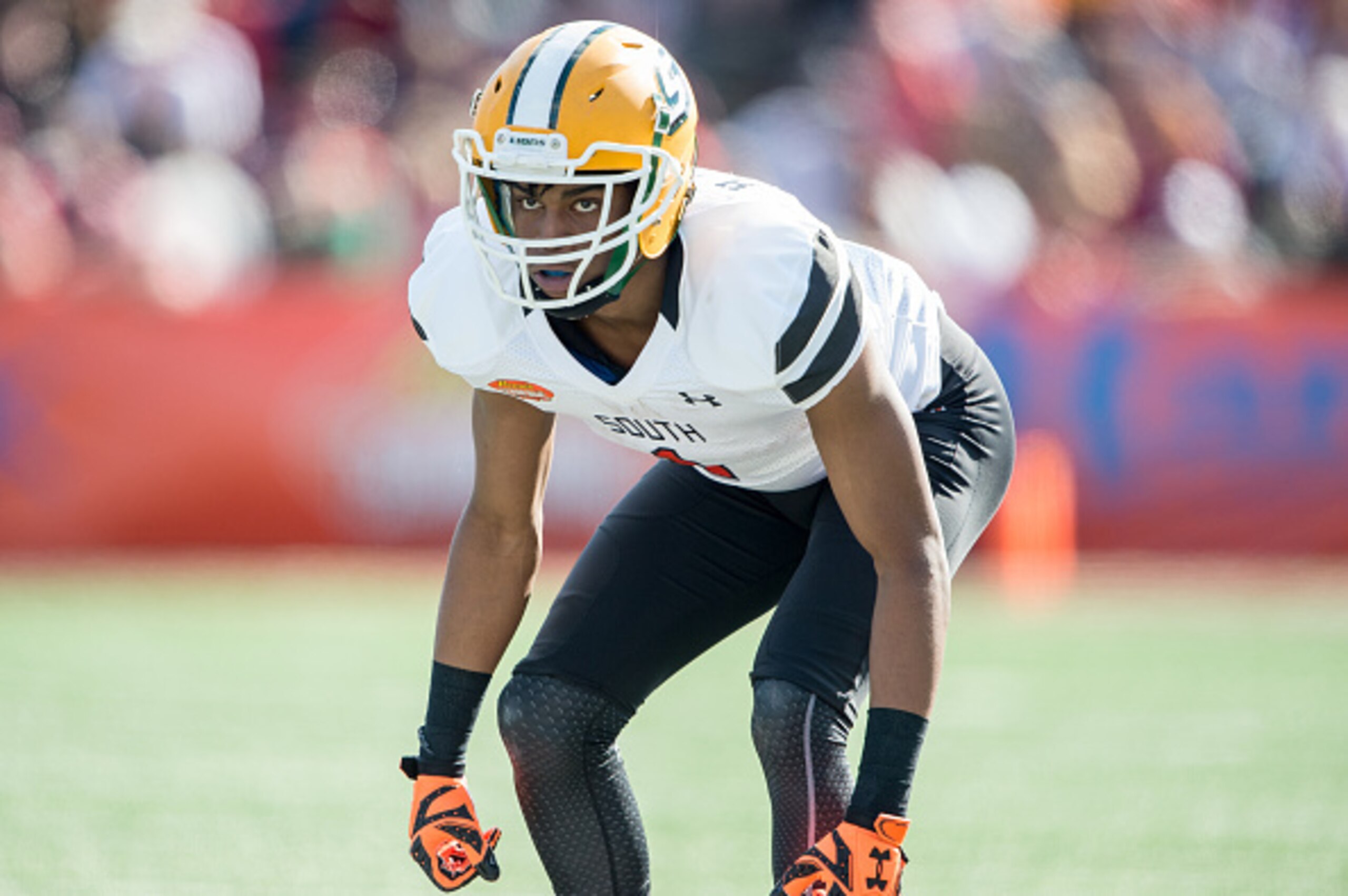
The long, physically imposing cornerback Harlan Miller has grown into one of the FCS' best cornerbacks from his sophomore through senior season, earning FCS All-American honors for most of his college career. Miller is one of the better run-defending cornerbacks in entire 2016 class despite not boasting great bulk or size.
Playing away from his frame to explode through receiver contact and finish at the ball-carrier, Miller is highly effective in off coverage as a run and pass defender. In coverage, Miller thrives in both press and short-area coverage. Relying on his ability to engage and dislodge a receiver's initial route, Miller was surprisingly still targeted during his senior season, as he rarely saw a receiver work through a clean route tree in his matchups.
He’s a bit indecisive at times and could be susceptible to more polished receivers. but he fires his hands well through coverage and should be able to make up for missteps with plus ball skills. Despite being a three-year starter and growing into one of the FCS' best, he's still a work in progress as a potential bump-and-run cornerback.
That ability and willingness to physically pay, even down the field, was on display at the Senior Bowl as well. His mental make-up and self-confidence displayed throughout the draft process emphasizes the idea he's a worthwhile developmental-cornerback prospect. And in today’s NFL, press cornerbacks who can finish in both coverage and run support are highly coveted. While it’s too brash to say he’s the “next Josh Norman," it’s not unreasonable to expect early NFL success and swagger from Miller.
DeAndre Houston-Carson, SAF, William & Mary
8 of 8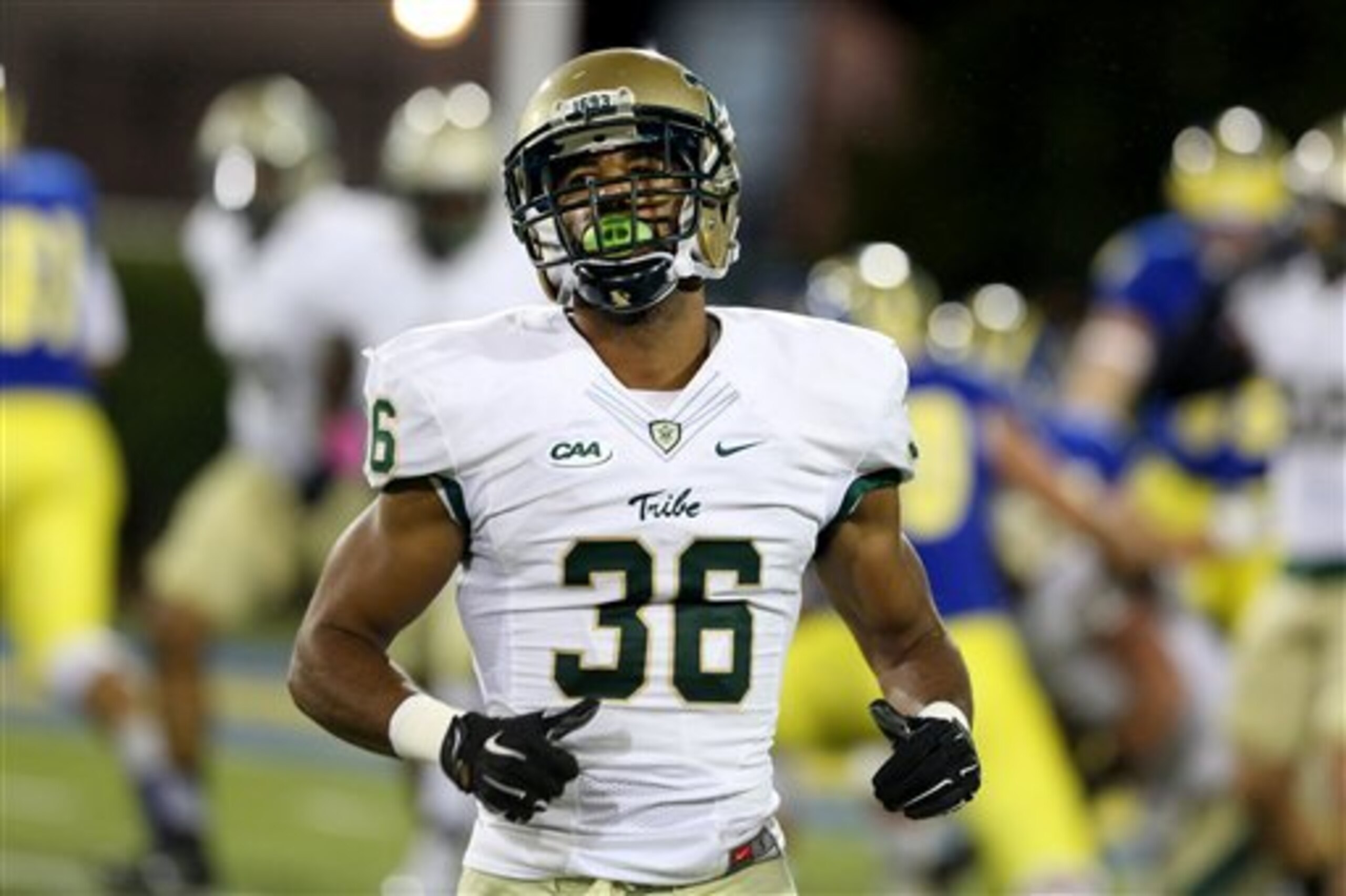
After three years of producing at a high level at cornerback and a wrist injury in 2014, a new defensive back coach at William & Mary last offseason pushed for DeAndre Houston-Carson to make the safety switch. Athletically, the switch made sense and turned him into a better NFL prospect.
Houston-Carson's hip turn-and-run wasn't proficient for an NFL-level cornerback, and he often relied on press contact and hand usage to keep his receiver off balance in his transition. While he could offer some value as a press cornerback at the NFL level in some systems thanks to his length, he's grown, and is still growing, into a safety role.
His read steps and overall footwork in off coverage is still developing, but his hip turn and explosiveness has been more properly used in an off-coverage role as a safety than when engaged in man coverage. He can still add support in man coverage on occasion, and that versatility is a major reason he'll be valued highly at the NFL level. He's played with plus range and motor in run support.
A stout and efficient tackler, Houston-Carson offers great instincts in run support and running lanes, finishing away from his frame after plus running-lane angles. Also a strong contributor on special teams as a gunner, he'll offer immediate value there as well. A versatile player, NFL-built and playing with confidence after a four-year run as the team's leader, Houston-Carson should fit multiple NFL systems as a strong or free safety. He has a skill set worthy of tapping into.
.jpg?w=2560 "Browns Jaguars Football")