What Would a 'European Super League' Mean for the Premier League?
Can a "secret meeting" really be a secret meeting if there are pictures? That should have been the first question when photos of a supposedly "top-secret" meeting were taken in west London, as five high-ranking officials from England's top clubs left the Dorchester Hotel.
Chelsea chairman Bruce Buck, Manchester United executive vice-chairman Ed Woodward and chief executive officers from Arsenal, Liverpool and Manchester City—Ivan Gazidis, Ian Ayre and Ferran Soriano respectively—were seen leaving the five-star accommodation; the speculation surrounding their meeting was rampant.
Alan Nixon of the Sun suggested the "summit" was focused on the Premier League's pre-eminent clubs leaving the UEFA Champions League—possibly joining a "European Super League." The reason being the presence of representatives from American billionaire Stephen Ross.
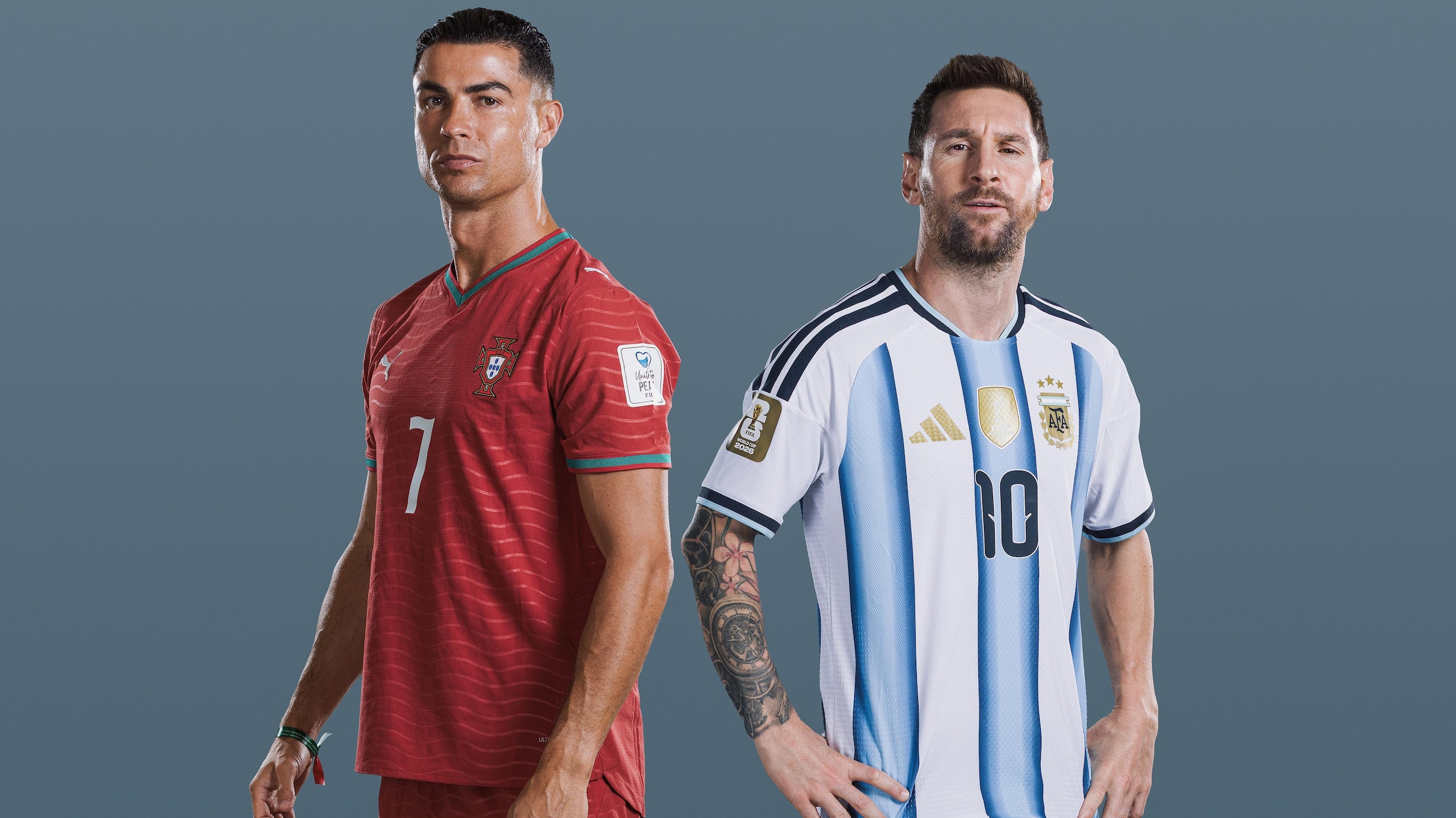


Owner of the NFL's Miami Dolphins and Relevant Sports, who organise the International Champions Cup (ICC), many believe Ross is intent on collecting Europe's largest clubs and creating a new competition—surpassing and/or usurping the Champions League.
Responding to the considerable conjecture, an Arsenal Football Club spokesman released a statement, taken from the Press Association's football Twitter page, that read:
"We are strongly opposed to any breakaway.
Not Arsenal, nor any clubs at the meeting, are seeking changes to the Premier League and European landscape and no conversations surrounding displacing the Premier League or starting a European super league took place.
Discussions were primarily about the ICC and formats of European competition that would complement the existing Premier League.
"
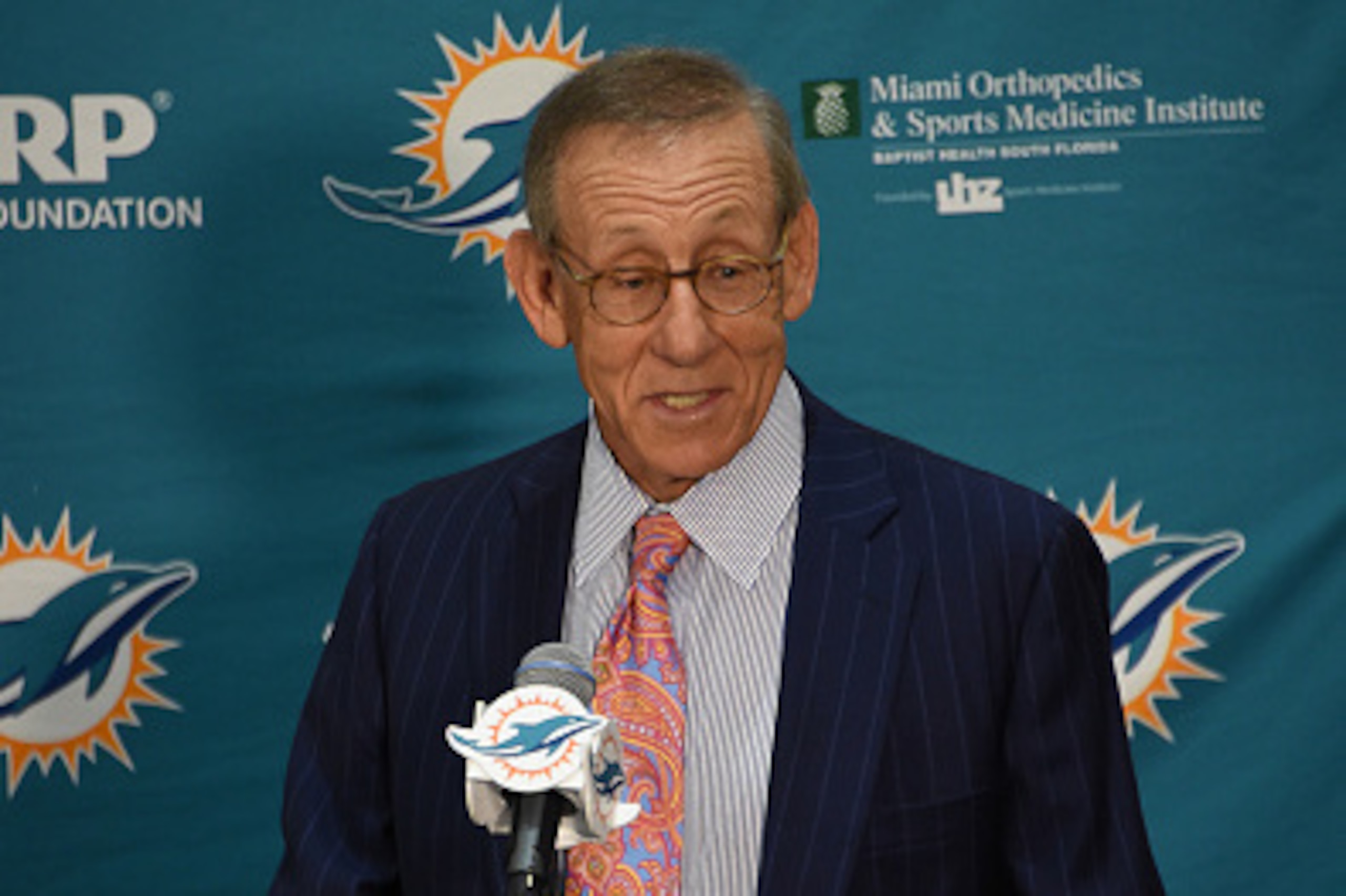
So five of England's most important footballing figures met with Ross' representatives, and the foremost topic was a pre-season tournament? It is possible, of course, but Arsenal's statement seems more a deflection than anything.
"No conversations surrounding...starting a European Super League took place," but conversations dealing with alternative "formats of European competition" did?
If that was the case: Where were Leicester City, Tottenham Hotspur and West Ham United? The three best teams of the 2015/16 season—considering their position, pre-season expectation and points total—were frozen out in a meeting about improving the Premier League's European outlook. That looks a slight contradiction.
Then UEFA general secretary, and now FIFA president, Gianni Infantino said in January, as reported by the Associated Press' Rob Harris: "The Super League already exists. It's called the Champions League." The way this season has gone, England could send Spurs, the Foxes and the Hammers into Infantino's "super league," but can the Premier League's more prestigious clubs stand idle, losing millions in the process?
It has long been contended: Nobody makes billions by being an idiot. If Ross has read Robert Greene's The 48 Laws of Power, he might know Greene's third and fourth rules are "conceal your intentions" and "always say less than necessary."
There is no point to announce: "Yes, our meeting was about irreparably shaking the foundations of European and English football—making sure England's five biggest clubs have a permanent seat at Europe's elite table," as that could incite chaos and potentially destroy the endeavour. The more measured approach would be obscuring the true discussions, using Arsenal's blanket statement as water on a fire.

"Stoke and Newcastle have just offered up a pretty compelling 45-minute argument for a European Super League.
— Rory Smith (@RorySmithTimes) March 2, 2016"

Per the Guardian's David Hytner, Arsenal manager Arsene Wenger told reporters in 2009: "The national leagues will survive but maybe in 10 years, you will have a European league. I'm not sure 100 percent that I'm right, but I feel inside our game there are some voices behind the scenes coming up to do something." Seven years later, foundations for the Frenchman's prognostication might have started.
After asking why Leicester, Spurs and West Ham were not invited, we have to ask ourselves—in the event Wenger was correct—what happens to the Premier League? If Arsenal, Chelsea, Liverpool, Manchester City and Manchester United conclude abandoning the top-four format (and the Champions League in general) "would complement the existing Premier League," what becomes of the rest?
It makes no sense for England's elite to break away from the current system without assurances. If merit was the sole contributing factor, the Premier League's current eighth- (Liverpool) and 10th-placed (Chelsea) clubs would not have been invited to the Dorchester.
Merit and the Premier League's popularity have created an environment where mid-table clubs can compete with the so-called big boys. This makes reaching Champions League places incredibly difficult, while concurrently installing randomness into proceedings. Removing Blackburn Rovers, only four clubs—Arsenal, Chelsea, Manchester City and Manchester United clubs—have won the EPL (which started in 1992/93).
Those days appear to be ending. Prize winnings and lucrative television deals have made the landscape of English football more competitive. For clubs who enjoyed more lopsided times, feeling their grip loosen because of increased parity must be frightening.
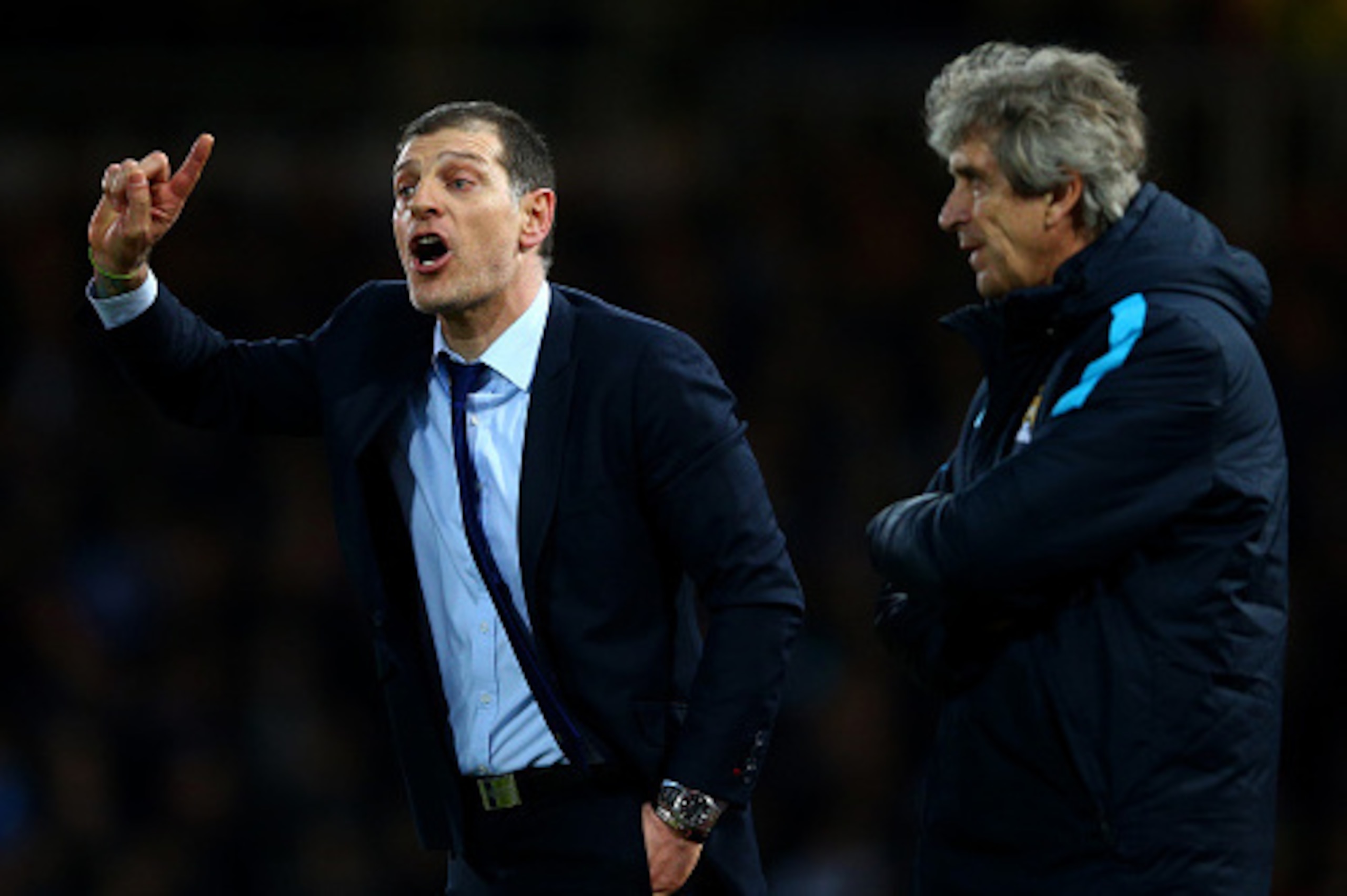
What happens to the Premier League with a "European Super League?"
Probably not too much at first.
The chaotic nature of English football should continue. Teams in the middle class will improve and give established clubs trouble. What might happen after a few seasons, however, is money coming from a "European Super League," and only going to five clubs, would begin to create hierarchy.
English football then likely reverts back to the 2000s, with a "big five" instead of the "big four." Occasionally other teams would break through that firm quintet, but infrequently at best.
The only saving grace could be Ross' "European Super League" having a version of relegation, where the worst performing member of a specific league is replaced by another club; but, again, there is little point breaking the current UEFA system if assurances to the "big five" were not made.
In conclusion, you might think: "If it's not broken, don't try and fix it," and many would agree. The issue becomes, though: Who gets to decide when something is broken?
There isn't a great (or pleasing) answer to that question.
*Stats via WhoScored.com; transfer fees via Soccerbase where not noted.



.jpg?w=2560 "Dak to Stroud: Get Some Wins 💯")
.jpg?w=2560 "5 NFL Players Getting Trade Buzz")