

Ranking Every Big Ten Football Team's Defense Heading into Spring Practice
Spring practice is already underway in the Big Ten—at least for a few teams—which means that it's officially time to start looking ahead to the 2016 season.
With the deadline for players to enter the NFL draft having passed and national signing day in the books, the rosters for the upcoming season are essentially set, allowing us to have a good idea of what each Big Ten team will bring to the table in the coming year. And if last season was any indication, the conference should be home to some of the nation's top players and units on the defensive side of the ball, with the league representing five of the country's top 15 defenses in 2015.
Some teams may have lost a lot, but many also managed to replenish their units with strong recruiting classes and player development track records that speak for themselves.
With that in mind, let's rank where each Big Ten defense stands at the start of 2016's spring practice slate.
14. Indiana
1 of 14
The good news for the Indiana defense is that, according to SB Nation's Bill Connelly, the Hoosiers return 84 percent of their defensive production from 2015—the second-highest in all of the Big Ten.
The bad news is the experience Indiana is returning on the defensive side of the ball comes from a unit that ranked 120th in the nation in 2015, making it the eighth-worst defense in all of college football.
The Hoosiers defense will take a hit in 2016, as defensive lineman Darius Latham has departed for the NFL draft after recording 10 tackles for a loss and four sacks in his junior campaign, and fellow D-lineman Nick Mangieri's (9.5 sacks) eligibility has expired. Indiana will, however, return junior linebacker Marcus Oliver, who led the Hoosiers with 112 tackles in 2015, and sophomore Jonathan Crawford, who tallied a team-high four interceptions in his freshman season.
With so many young players already possessing experience, Indiana's defense has the upside to potentially take a step forward in 2016. But until the Hoosiers do just that, it's tough not to call them one of the worst defenses in the Big Ten—and potentially, once again, the entire country.
13. Purdue
2 of 14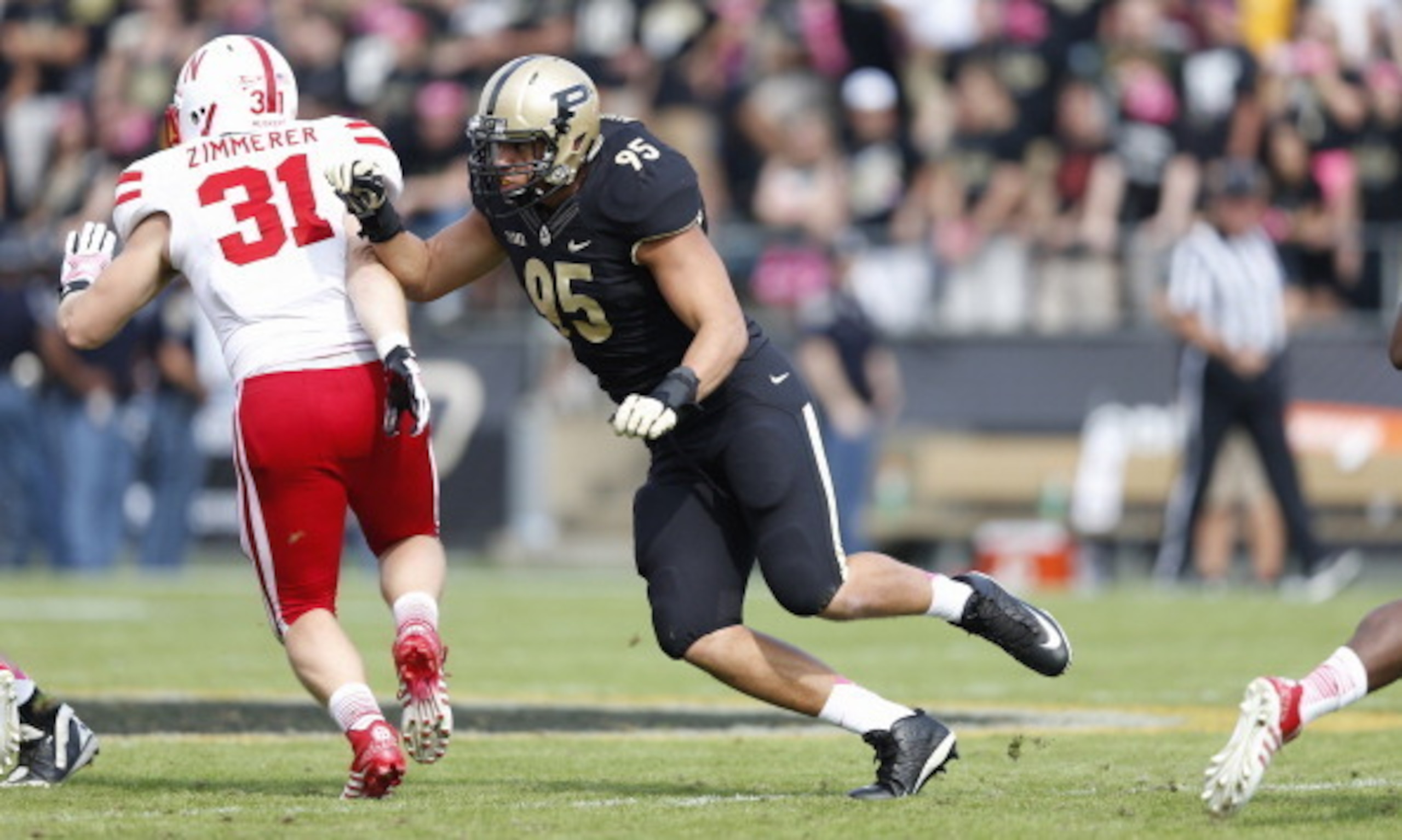
Firing defensive coordinator Greg Hudson and replacing him with former Nebraska assistant Ross Els, head coach Darrell Hazell is clearly looking for a new direction for his defense in 2016.
That shouldn't come as a surprise after Purdue's defense ranked 110th in the country and played a key role in the Boilermakers' 2-10 record in 2015.
Hazell spoke highly of Els in a statement announcing the new coordinator's hiring:
"I love what coach Els brings to our staff. He is incredibly detailed, yet very simplistic in philosophy. Our players will be fundamentally sound and play with great enthusiasm. He has been an excellent recruiter at every place he has coached; and I can't wait to see our defense flourish with his addition to our team.
"
On the bright side for Purdue, its defense returns 65 percent of its production from last season and several young contributors. Safety Leroy Clark (88 tackles), defensive tackle Jake Replogle (14 tackles for loss) and defensive end Evan Panfil (four sacks) will each be back in West Lafayette and will need to continue their individual success in order for their unit to find overall improvement in 2016.
That, of course, will be easier said than done, but the pieces are in place. Now it's just a matter of determining whether changing the defensive coordinator was enough, or if larger adjustments will be necessary for turning around the Purdue program.
12. Maryland
3 of 14
Ranking 90th in the nation, Maryland's defense played a significant role in the Terrapins' 3-9 record in 2015.
And despite adding former Michigan defensive coordinator D.J. Durkin as its head coach, Maryland's defense only figures to take a hit in the coming year following the departure of defensive end Yannick Ngakoue (13 sacks) to the NFL.
Returning 46 percent of their defensive production from 2015, the Terrapins don't possess much experience—and the experience they do possess wasn't part of a particularly impressive unit. Junior linebacker Jermaine Carter Jr. returns as the team's leading tackler, having tallied 103 stops last season, and defensive back William Likely is electric with the ball in his hands. However, the rest of the secondary is depleted, and the unit as a whole is short on proven talent.
It's hard to imagine Maryland's defense not taking a step forward with Durkin at the helm, but his past teams at Michigan and Florida possessed more highly recruited players than the Terrapins roster does. The scheme may improve, but the production as a whole could very well take a step back as the most crucial portion of Durkin's work may ultimately come on the recruiting trail.

11. Rutgers
4 of 14
With the hiring of new head coach and former Ohio State defensive coordinator Chris Ash, Rutgers now finds itself in possession of one of college football's top defensive minds.
But while Ash helped harness the Buckeyes' talent into one of the nation's top defenses, turning around a unit that ranked 111th in the country in 2015 will likely prove to be a taller task.
If the Scarlet Knights head coach will be able to hang his hat on one aspect of his defense in 2016, it'll be their experience, with Rutgers returning 90 percent of last season's defensive production—the most in the Big Ten. Safety Anthony Cioffi (four interceptions) and defensive lineman Quanzell Lambert (2.5 sacks) will be back in Piscataway, as will sophomore defensive back Isaiah Wharton (10 pass breakups).
Still, the numbers from last season speak for themselves. Ash will likely need a few more recruiting cycles to truly replenish his depth chart and fit the quarters coverage scheme that's worked so well for him in his coaching career.
10. Illinois
5 of 14
Despite possessing a 5-7 record in 2015, Illinois actually laid claim to one of college football's more underrated defenses.
In fact, the Fighting Illini's defense ranked 30th in the nation last season, but will only return 38 percent of their defensive production from 2015.
That could mean a steep drop off for Illinois, with the eligibility of defensive back Clayton Fejedelem (140 tackles) having expired and the Illini having lost five of their top seven tacklers. However, Bill Cubit's team will return safety Taylor Barton (four interceptions) and linebacker Dawuane Smoot, who tallied a team-high eight sacks in 2015.
But having lost so much production elsewhere, Illinois will need a few key contributors to emerge in the coming year. Who those players may be remains to be seen, but at the very least, they'll be part of a unit that's already tasted recent success.
9. Nebraska
6 of 14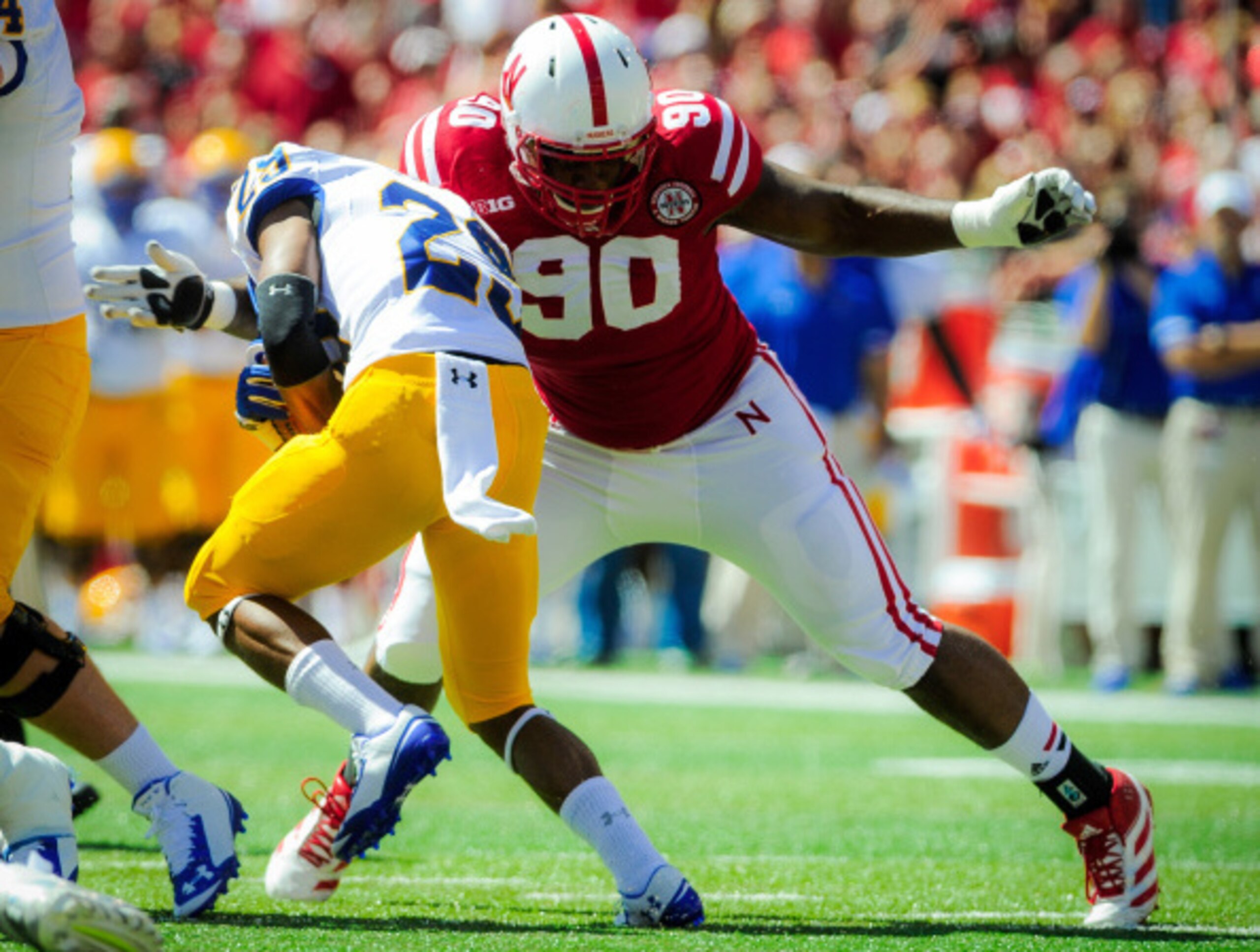
While its defense ranked 64th in the nation in 2015, Nebraska should benefit from an experienced group that will return seven starters and 63 percent of its production from last season.
Most impressively, the Cornhuskers may have one of the better defensive lines in the Big Ten in the coming year, despite losing defensive tackle Maliek Collins as an early entree in the NFL draft.
Even with Collins gone, Lincoln will still lay claim to some of the league's top defensive linemen, particularly sophomore Freedom Akinmoladun (4.5 sacks) and senior Greg McMullen (four sacks). At 6'5" and 300 pounds, McMullen possesses the ability to play both defensive tackle and defensive end, and could very well be moved around on a game-by-game—or play-by-play—basis in 2016.
But while it can mask many shortcomings, Nebraska will need more than just a strong defensive line for its defense to take a step forward in the coming year. Second-year head coach Mike Riley brought in an impressive recruiting class which includes 4-star safety Lamar Jackson, who could play right away, but it remains to be seen how many new Huskers will be able to make an immediate impact in their college careers.
8. Minnesota
7 of 14
Despite possessing a losing record last season, it'd be hard to blame Minnesota's defense for its disappointing 2015 campaign.
After all, the Golden Gophers possessed a top-25 defense, with Tracy Claeys' team ranking 24th in total defense in his first season as head coach.
With the interim tag now removed after taking over for Jerry Kill midway through the year, Claeys returns 48 percent of his defensive production following the losses of defensive end Theiren Cockran and defensive backs Briean Boddy-Calhoun, Eric Murray and Antonio Johnson. Minnesota does, however, return linebacker Cody Poock (99 tackles) and defensive back Jalen Myrick (three interceptions) from last year's team.
In terms of replacing key contributors, the Golden Gophers face no shortage of questions, particularly in their secondary. But the production of the scheme a season ago speaks for itself and leaves Minnesota near the top half of defenses in the Big Ten entering 2016.
7. Penn State
8 of 14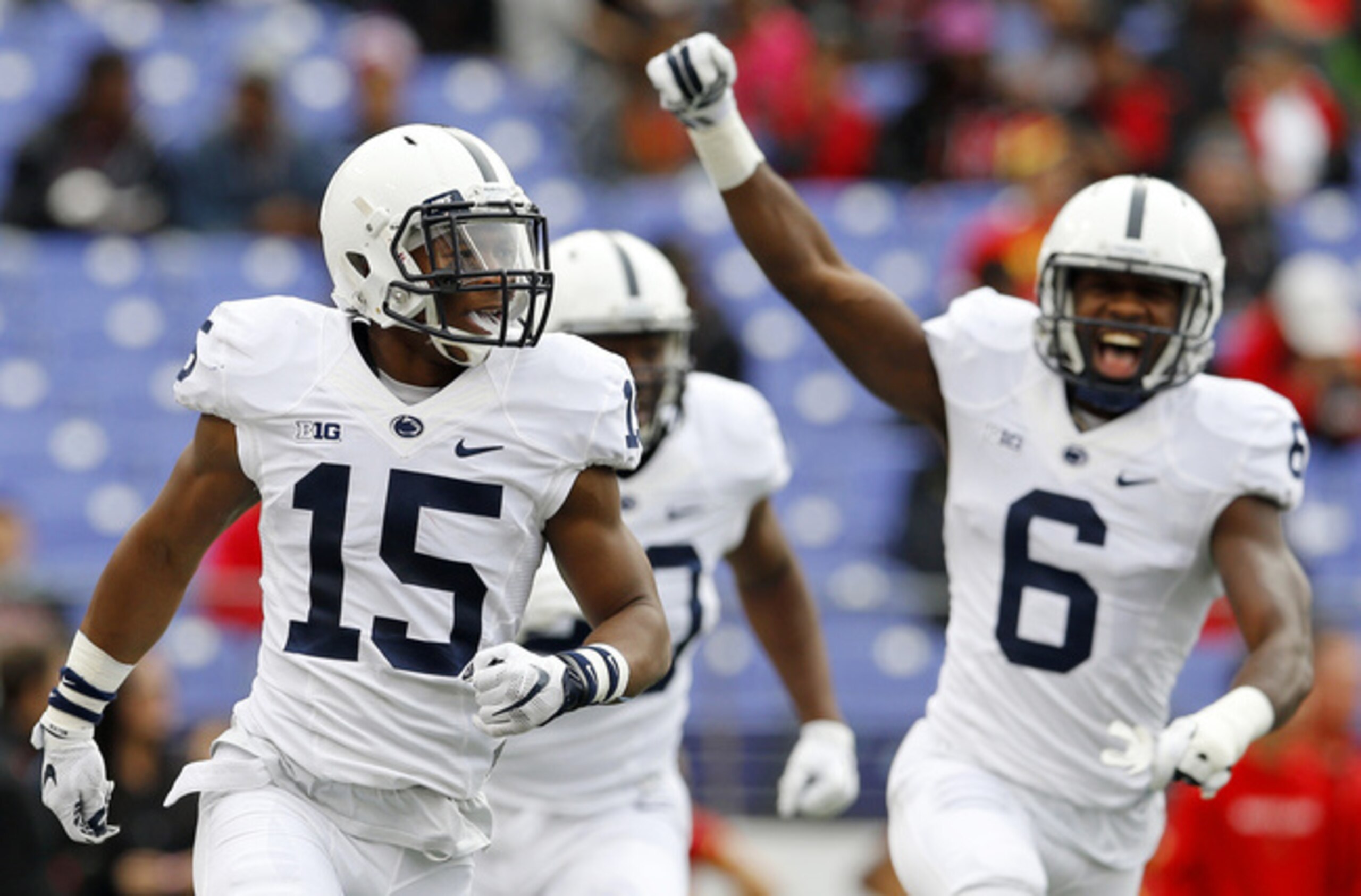
Despite losing three of its four starting defensive linemen from a season ago—including All-American defensive end Carl Nassib and potential first-round pick Austin Johnson—Penn State's defense will actually possess plenty of experience with six starters and 63 percent of its production returning in 2016.
But perhaps the biggest loss to the Nittany Lions defense this offseason came on the sidelines, with defensive coordinator Bob Shoop's departure to Tennessee.
Replacing Shoop, who helped navigate the nation's 14th-ranked defense, could prove easier said than done, with head coach James Franklin promoting linebackers coach Brent Pry to fill the vacancy. Franklin is hopeful that the continuity with Pry will benefit his unit and allow it to continue to improve in the coming year.
"Brent has had a dramatic impact on our defense and our team for the last five years and he is very deserving of this opportunity to move into the defensive coordinator position," Franklin said upon Pry's hiring. "Brent's promotion will help make this a smooth transition and allow us to continue to build one of the top defenses in the country."
In order for that to be true, the Nittany Lions will need big years from their experienced linebacking corps and secondary as well as their one returning starter on the defensive line, defensive end Garrett Sickels. Franklin has recruited well since arriving in State College, but he'll now need that talent to step up in order to ease the transition that's occurred on his coaching staff.
6. Northwestern
9 of 14
After a successful—and surprising—10-3 campaign, Northwestern returns just 58 percent of its production from a defense that spent much of last year in the top 10 before ultimately ranking 13th at season's end.
But for all of the pieces the Wildcats must replace—including Deonte Gibson's nine sacks—Pat Fitzgerald's team will be returning its most important player in third-team All-American linebacker Anthony Walker.
Having recorded 120 tackles, 20.5 of which came for a loss, and four sacks as a sophomore, Walker will once again serve as the anchor to the Northwestern defense, which returns five starters from last year's team. The Wildcats will also benefit from the presence of defensive tackle Tyler Lancaster and safety Godwin Igwebuike, each of whom already possess starting experience entering their junior seasons.
"This is probably as deep and as talented a defense that we've maybe ever had," Fitzgerald said in December, per the Tampa Bay Times' Kelly Parsons. "We're relatively young, and [it's nice] to see the way that group has come together."
With key pieces in place, Northwestern's defense should find itself building on the success it enjoyed a season ago. But Walker won't be able to do it alone, and Northwestern will need new key contributors to step up—particularly on a defensive line that will be breaking in three new starters in 2016.
5. Michigan State
10 of 14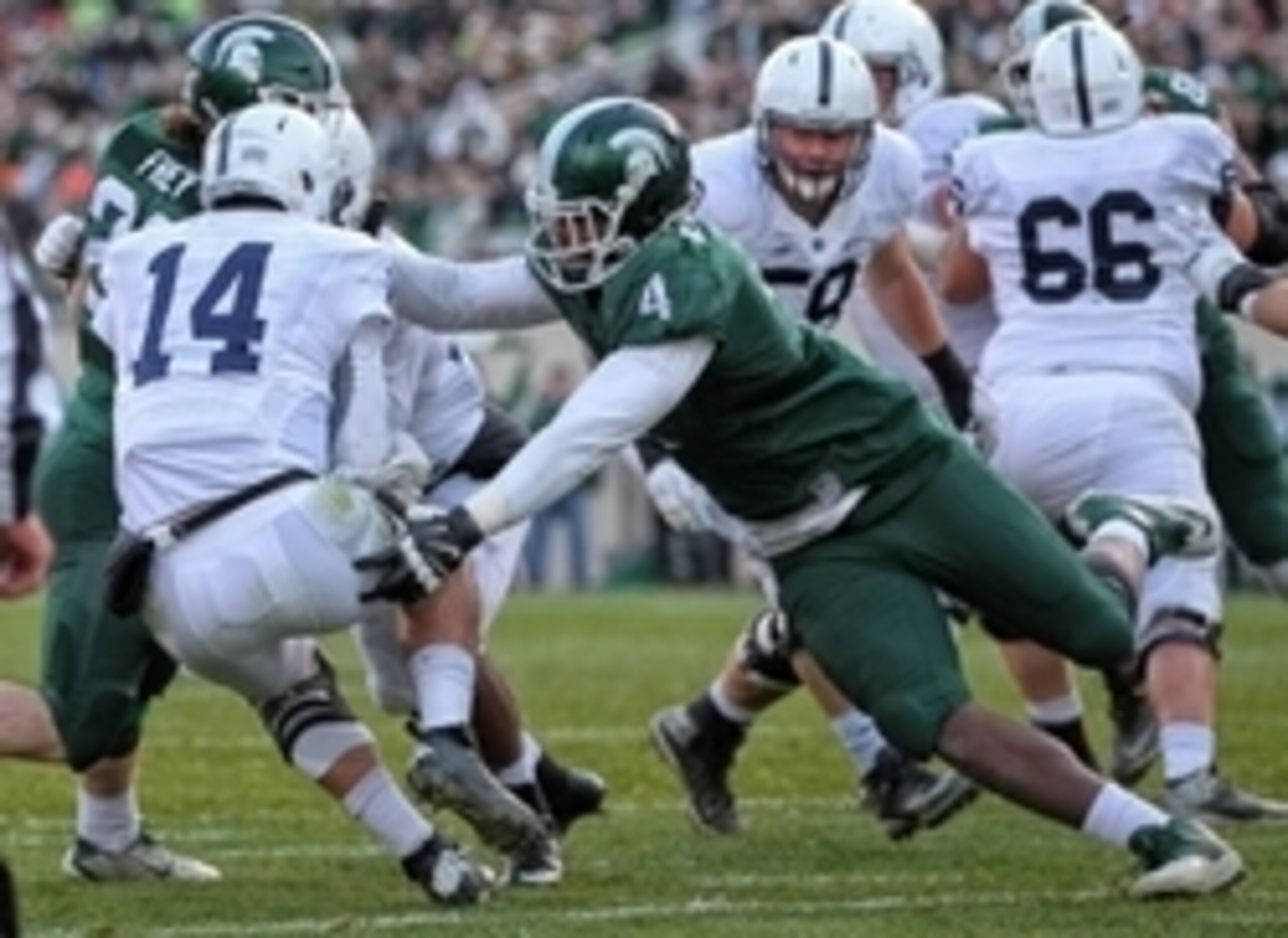
While Michigan State has built its identity as a program on the defensive side of the ball under Mark Dantonio, the Spartans weren't as impressive defensively during their run to last season's College Football Playoff as one might think.
Ranking 26th in the nation at season's end, Michigan State laid claim to what was statistically the Big Ten's seventh-best defense in 2015.
And while cornerstone defensive end Shilique Calhoun is no longer around, look for a Spartans defense that returns six starters and 64 percent of its production from a season ago to take a step forward in 2016. With its offensive counterpart returning so little—just 26 percent of its production from a season ago—it's going to need to do so in order for Michigan State to keep pace in the ultracompetitive Big Ten East.
Look for big years from All-Big Ten defensive lineman Malik McDowell, linebacker Riley Bullough and cornerback Demetrious Cox. The Spartans may have seemed to regress defensively last season, but Dantonio's history would suggest that's not a trend that should last long in East Lansing.
4. Ohio State
11 of 14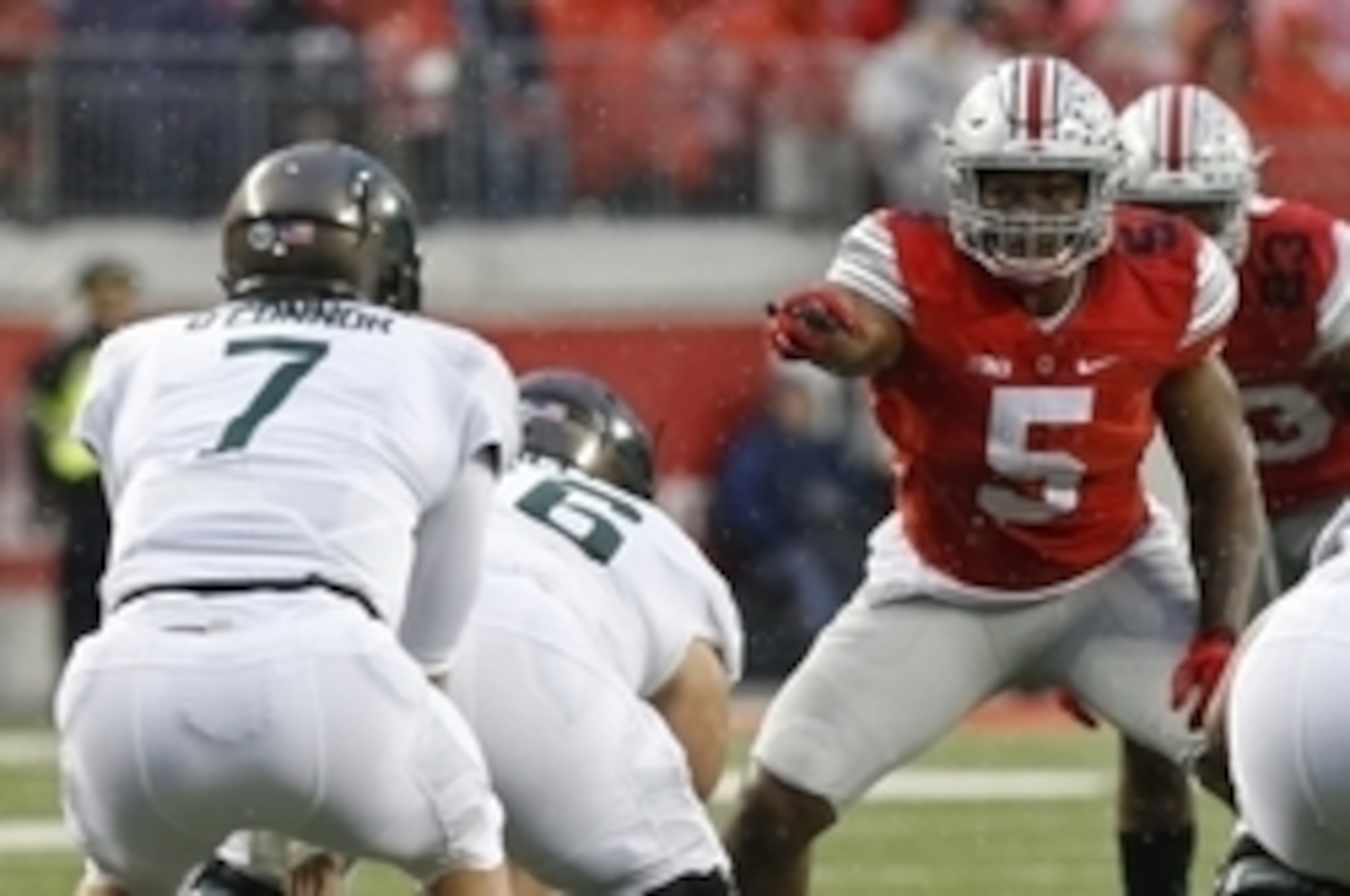
Perhaps the hardest team in the Big Ten—if not the entire country—to figure out, Ohio State returns just three starters and 36 percent of its production from a defense that ranked ninth in the nation in 2015. Additionally, the Buckeyes have replaced defensive coordinator Chris Ash—now the head coach at Rutgers—with former Tampa Bay Buccaneers head coach Greg Schiano.
But with as well as head coach Urban Meyer has recruited since arriving at Ohio State, all of the departures in Columbus, both in the locker room and on the sidelines, could prove to be a moot point.
Having filled his roster with five top-seven classes, including this past recruiting cycle's No. 4 haul, the Buckeyes possess no shortage of top-level talent, even as potential first-round picks like Joey Bosa, Darron Lee, Vonn Bell and Eli Apple walk out the door. In fact, Meyer already has his eye on a number of highly touted players to step into the Buckeyes lineup, where they'll join established starters in linebacker Raekwon McMillan, defensive end Tyquan Lewis and cornerback Gareon Conley.
"I call it the year of development here," Meyer has said on multiple occasions this offseason.
Look for breakout years from Freshman All-American defensive end Sam Hubbard and former Ohio Mr. Football and junior linebacker Dante Booker. The Buckeyes may possess little in terms of proven talent, but their head coach's track record on the recruiting trail and with player development speaks for itself.
3. Iowa
12 of 14
There may not have been a bigger surprise in college football in 2015 than Iowa, which found itself just one Big Ten title game win away from crashing the College Football Playoff. Throughout the year, the Hawkeyes hung their hat on their defense, which ranked 22nd in yards allowed and 19th in scoring average after enduring a blowout loss to Stanford in the Rose Bowl.
But while Iowa figured to take a step back in 2016, its defense received a big boost when Big Ten Defensive Back of the Year Desmond King opted to return to Iowa City for his senior season.
"Personally, I think it's the best thing for him on all levels," head coach Kirk Ferentz said of King's return, per Luke Meredith of the Associated Press. "I just think it's a great, great thing."
It also happens to be a great thing for Iowa. Altogether, the Hawkeyes will return 72 percent of their production and eight starters on the defensive side of the ball from last year's team.
Looking at Iowa's defensive depth chart, it's hard to find a true weakness, with proven players returning up front, at linebacker and in a loaded secondary. In multiple Power Five conferences, the Hawkeyes defense would likely be the league's best—which only speaks to how impressive the returning talent is in the Big Ten in 2016.
2. Wisconsin
13 of 14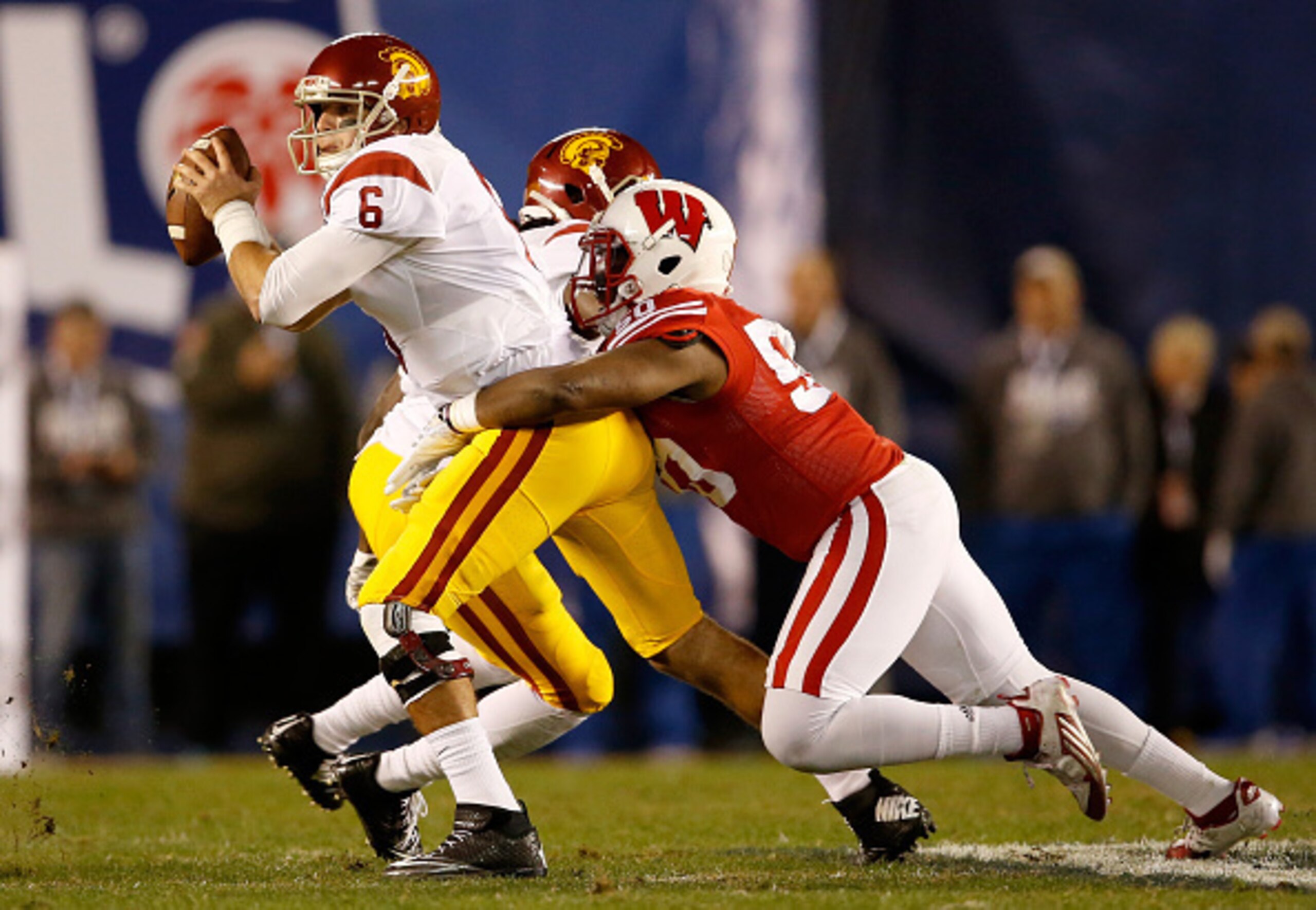
The country's second-ranked defense, Wisconsin allowed just 268.5 yards and a nation-low 13.7 points per game in 2015.
From that unit, the Badgers return 54 percent of their production and eight starters, but will have to replace star outside linebacker Joe Schobert, who tallied a team-high 9.5 sacks in 2015.
But with the rest of its front seven returning, including leading tackler T.J. Edwards and linebacker Vince Biegel (eight sacks), Wisconsin's defense should be able to negate the loss of the reigning Big Ten Linebacker of the Year with relative ease. The Badgers will also benefit from the return of cornerbacks Derrick Tindal and Sojourn Shelton, who should help negate a relatively inexperienced group of safeties.
On the offensive side of the ball, Wisconsin faces no shortage of question marks, returning just 34 percent of their production from a season ago and having lost four-year starting quarterback Joel Stave. But the Badgers defense should keep them in every game as they attempt to return to the top of a suddenly competitive Big Ten West.
1. Michigan
14 of 14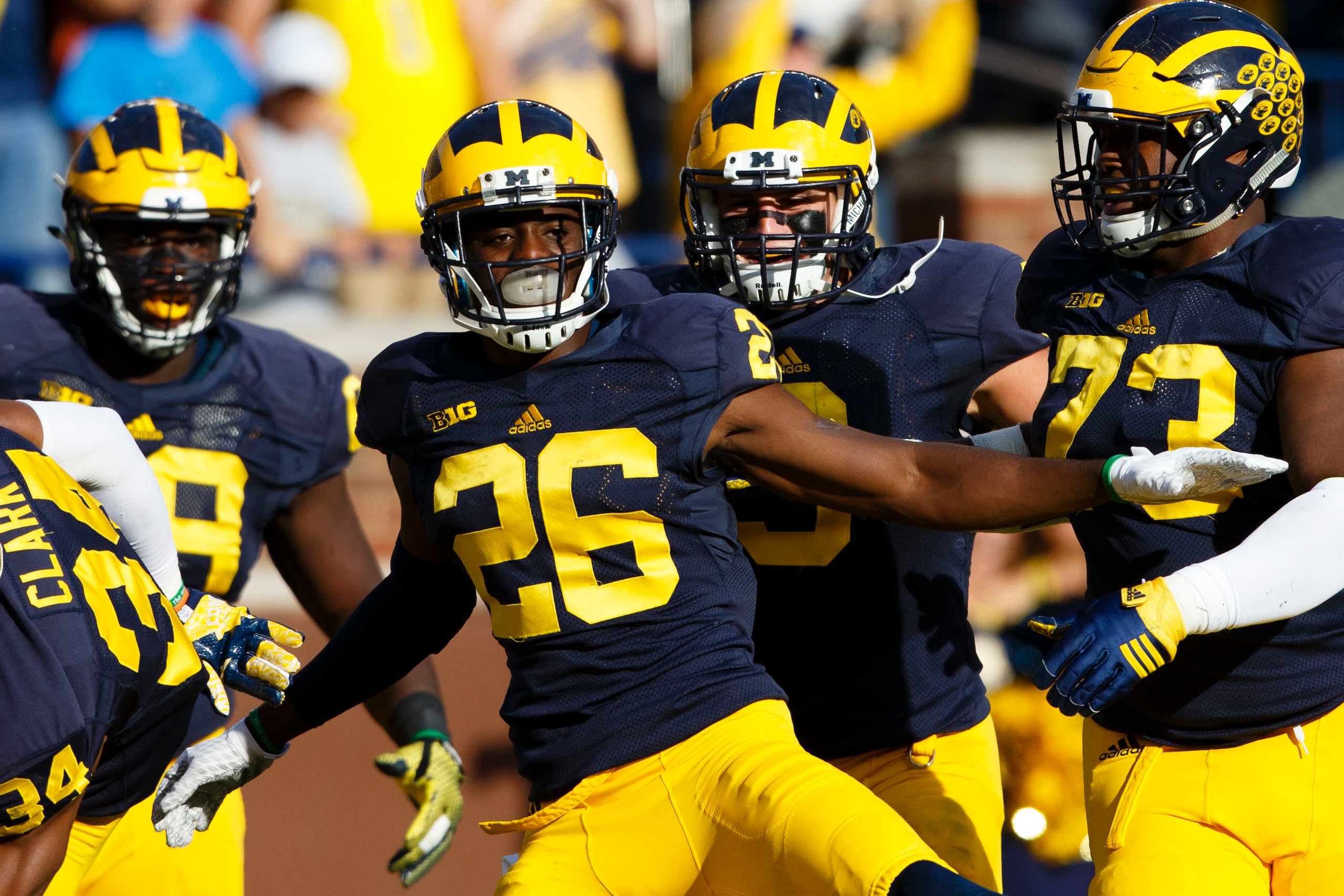
Returning six starters and 73 percent of its production from a season ago, Michigan's defense admittedly has some holes it still needs to fill in 2016.
But of what the Wolverines defense does return, there may not be a more talented group of players in all the Big Ten.
Starting with a secondary that includes standouts at cornerback in Jourdan Lewis and safety in Jabrill Peppers, Michigan will find itself one of the harder teams to move the ball on through the air in 2016. The linebacking corps is depleted—at least from an experience standpoint—but head coach Jim Harbaugh has already recruited well and senior Ben Gedeon should bring stability on the outside.
Up front, the Wolverines return Chris Wormley and Ryan Glasgow at defensive tackle, but it shouldn't take long for the nation's top-rated prospect, Rashan Gary, to find himself on the field. In his first season in Ann Arbor, Harbaugh helped engineer the nation's No. 4 defense—a ranking that may only improve as he continues to add talent to an already impressive depth chart.
Ben Axelrod is Bleacher Report's Big Ten lead writer. You can follow him on Twitter @BenAxelrod. Unless noted otherwise, all quotes were obtained firsthand. All statistics courtesy of CFBStats.com. Recruiting rankings courtesy of 247Sports.
_0.png?w=2560)
.jpg?w=2560)

.jpg?w=2560 "NFL investigating 2 referees for separate viral exchanges")
.jpg?w=2560 "OBJ Calls Out Giants 😳")


.jpg?w=2560 "Tyreek makes another cryptic post amid Chiefs rumors")
.jpg?w=2560 "Ward Nearly Walks Out of Presser 😳")