
The Most Concerning Statistic for Every AP Top 25 College Basketball Team
We're getting down to the nitty-gritty of the college basketball season. That means it's time to get picky.
Sure, the Top 25 teams in the Associated Press poll have to be feeling pretty good about life. They're virtually walking through the front door into the NCAA tournament, which we can now officially say is next month.
But no one should feel invincible. The wacky list of results—do we dare call many games "upsets" anymore?—has put everyone on notice: Every team out there has a flaw.
That's what we're here to analyze, recognizing that just because a team is bad at something doesn't necessarily make it the worst problem. Some teams, for example, may be poor shooting teams from three-point range, but they may also disguise that problem by not shooting a ton of deep ones.
The problems we'll look at lie in aspects that—much like squeaky brakes or an excessively clunky engine—really need to get taken into the shop and figured out. Sometimes it's individuals, but we tend to lean on collective problems.
There's still about six weeks to get fixed. But here's one issue for each currently ranked team that must be addressed.
25. South Carolina: Point Distribution from the Foul Line (No. 3 Nationally)
1 of 25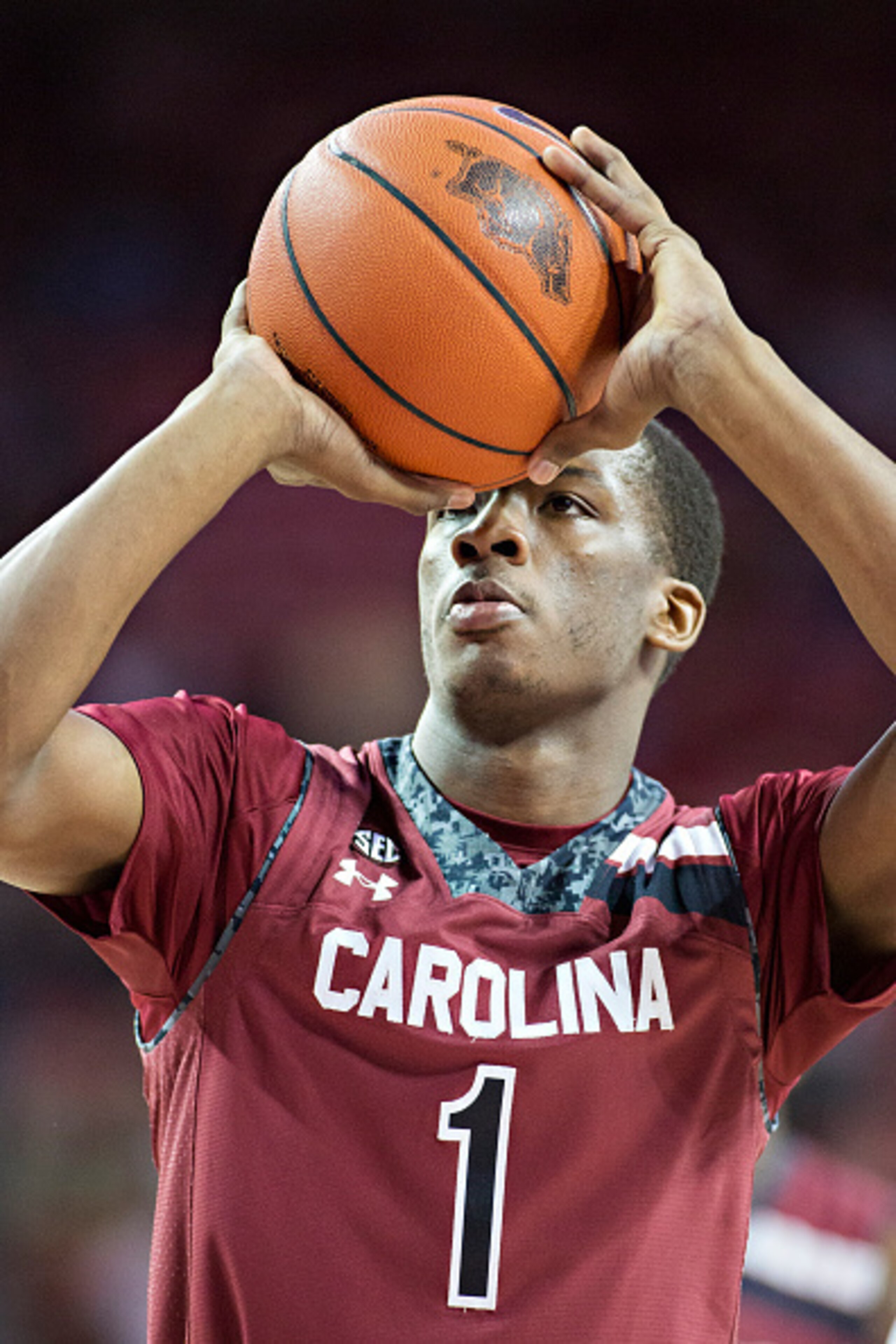
A lot of what we'll focus on through these slides are "losing stats"—numbers that expose a team.
But we start with the South Carolina Gamecocks, who have a critical winning number that must be embraced. They're third nationally in point distribution at the foul line.
Not a great shooting team, not even a greatly accurate team from the foul line (67.0 percent), Frank Martin's team has built itself into a winner by being relentless at drawing contact and getting freebie-point opportunities.
USC didn't do that at Georgia on Tuesday, and it was costly.
"We came out lazy and chillin'," Sindarius Thornwell told reporters afterward.
They only shot 19 free throws, while averaging 30 for the year—that leads the country.
Getting to the foul line so much isn't easy. It's hard on the body and mind. But for Martin's team, it's the only way.
24. Dayton: Turnover Percentage (No. 273 Nationally)
2 of 25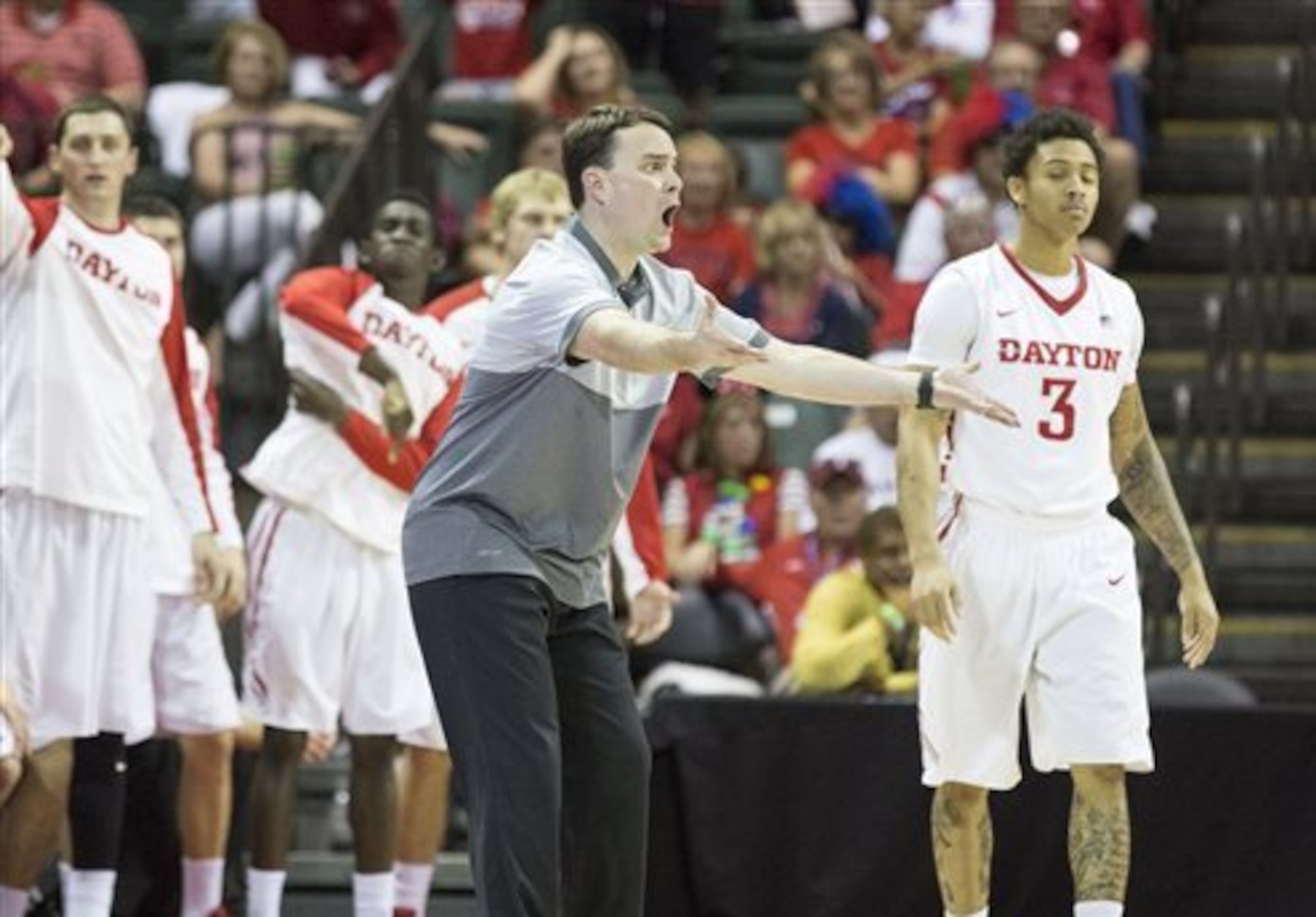
Archie Miller has had a ton of success with the Dayton Flyers already, yet no team is off to a better start for him than this one.
What can be improved? Dayton is 10th in the Atlantic 10, No. 271 nationally, when it comes to turnover percentage. It'd be a good thing to get squared away, considering the second half of league play will be a more formidable slate (meeting Rhode Island, Saint Joseph's and VCU for the first time in the unbalanced schedule.
23. Arizona: Worst Turnover Percentage in the Sean Miller Era (18.9)
3 of 25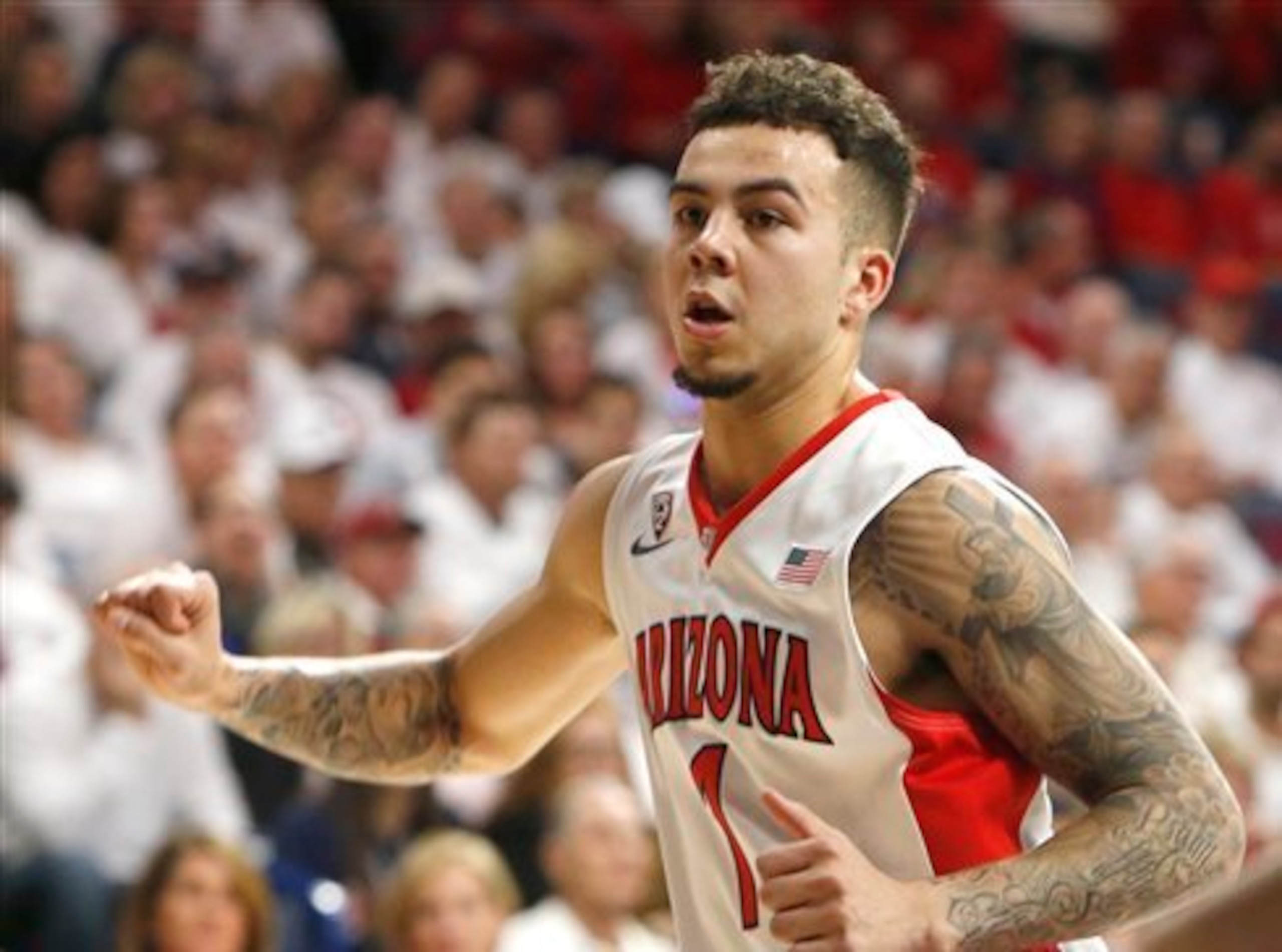
Arizona's no stranger to players leaving early for the NBA, thus causing big amounts of turnover.
What no Sean Miller team has done so much since he took over in 2010 was turn over the ball this much. His Wildcats are at an 18.9 percent clip, which puts them 211th in the country.
No wonder Miller's been so upset lately.
22. Indiana: Turnover Percentage (Last in the Big Ten, 20.6 Percent)
4 of 25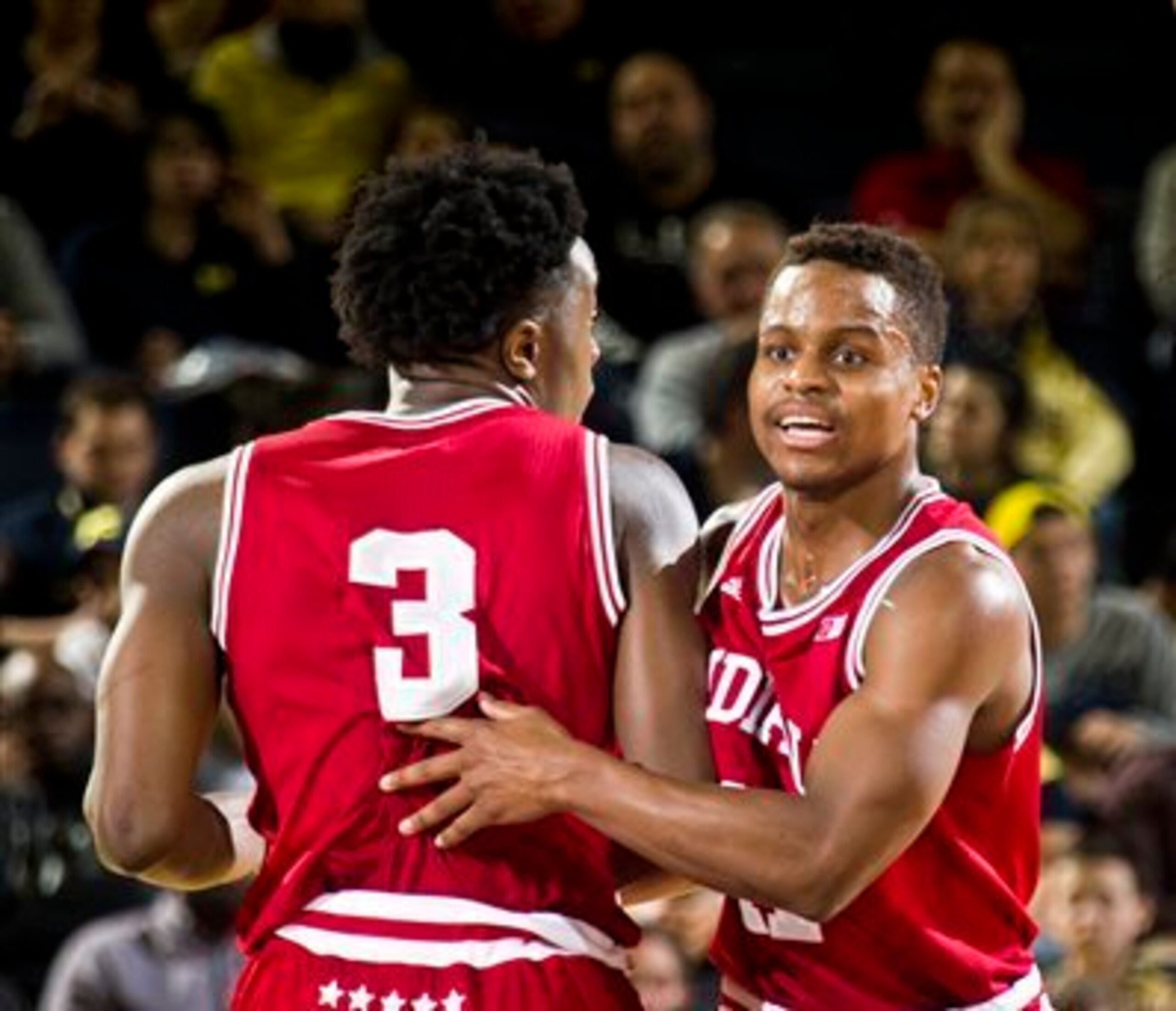
It's hard to get on a team too much after it obliterates a solid one on the road with a 28-0 run.
But this is all about yearning for improvement. Just imagine if the Indiana Hoosiers could hang on to the ball a little better. They're ranked dead last of the 14 Big Ten teams in turnover percentage.
Perhaps IU has it figured out a little. There were 19 turnovers committed in an overtime loss to Wisconsin, but just 12 in each of the past two wins against Michigan and Minnesota.
Turnovers are a running theme with this team, though. They have been since the ultra-disappointing Maui Invitational.
21. Wichita State: In a Conference with a KenPom Rating of No. 12
5 of 25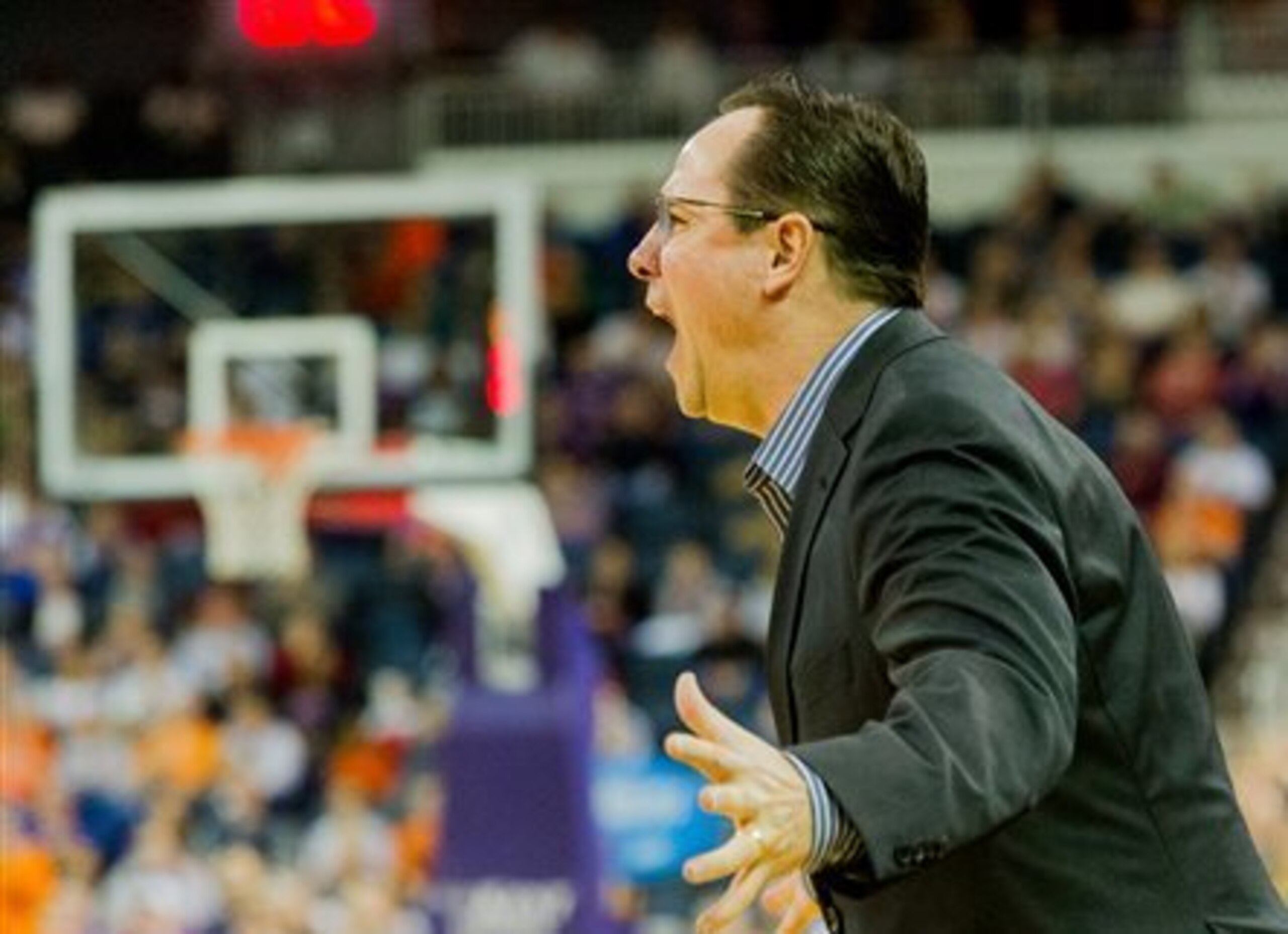
At least in the win column, the Wichita State Shockers are making up for lost time. They're 11-0 in conference games, pulling in a record of 17-5 overall.
Those injuries and bumps in the road are things of the past. Now, the question is whether WSU's past will come back to haunt it. Does this team need to win the Missouri Valley Conference's at-large bid (in the tournament) to be safe for the NCAA tournament?
Right now the Missouri Valley is ranked No. 12, the worst for the conference since a No. 13 ranking in 2003.
WSU has a virtually 90 percent chance of winning out its nine regular-season games. But missed chances (albeit with star point guard Fred VanVleet hobbled at times) against USC, Iowa (which doesn't look so bad anymore) and Alabama have to leave Gregg Marshall's team to "play angry" like usual and not let up.
The league strength isn't really doing the group any favors.
20. Kentucky: General Foul Trouble
6 of 25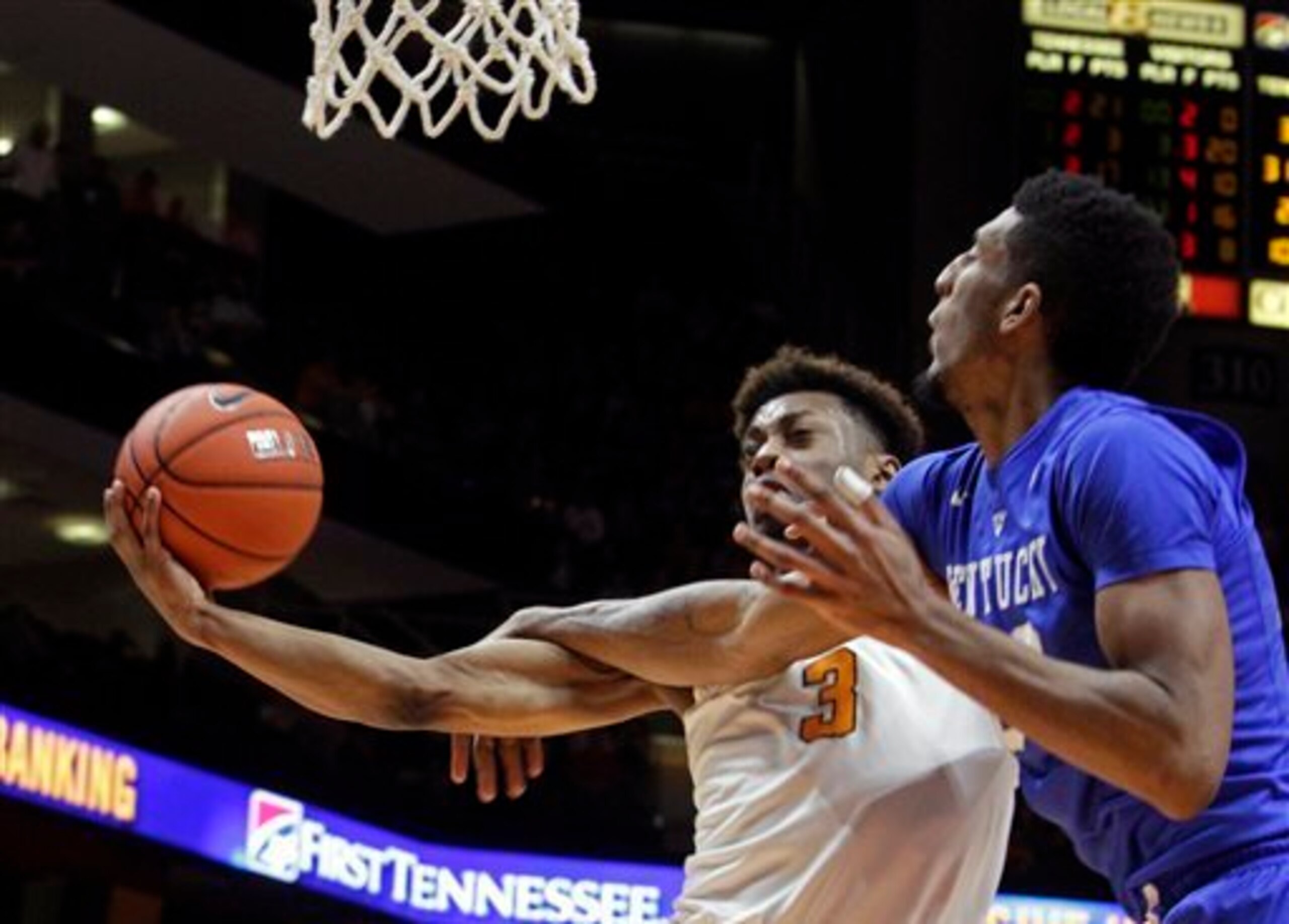
If you've seen a picture of a Kentucky player raking someone across the arms once, you've probably seen it several times a game.
The Wildcats have an unfortunate habit of fouling this year. Just a few days after several Wildcats fouled out at Kansas—granted, that game went overtime—there were five players who each picked up two first-half fouls in a wild game that saw Tennessee rally from a 21-point deficit on Tuesday.
Alex Poythress and Tyler Ulis—two key leaders—each fouled out, too.
A disturbing, ongoing trend bears noting: Skal Labissiere, Marcus Lee and Poythress all rank in the top 10 of fouls committed per 40 minutes in the SEC.
Those three all average more than five fouls a game, with the freshman Labissiere at a pretty ludicrous 7.1.
Kentucky isn't platoon-deep enough to withstand all of the ramifications of such foul trouble.
19. Louisville: The Free-Throw Line (68.7 Percent, 213th in the Nation)
7 of 25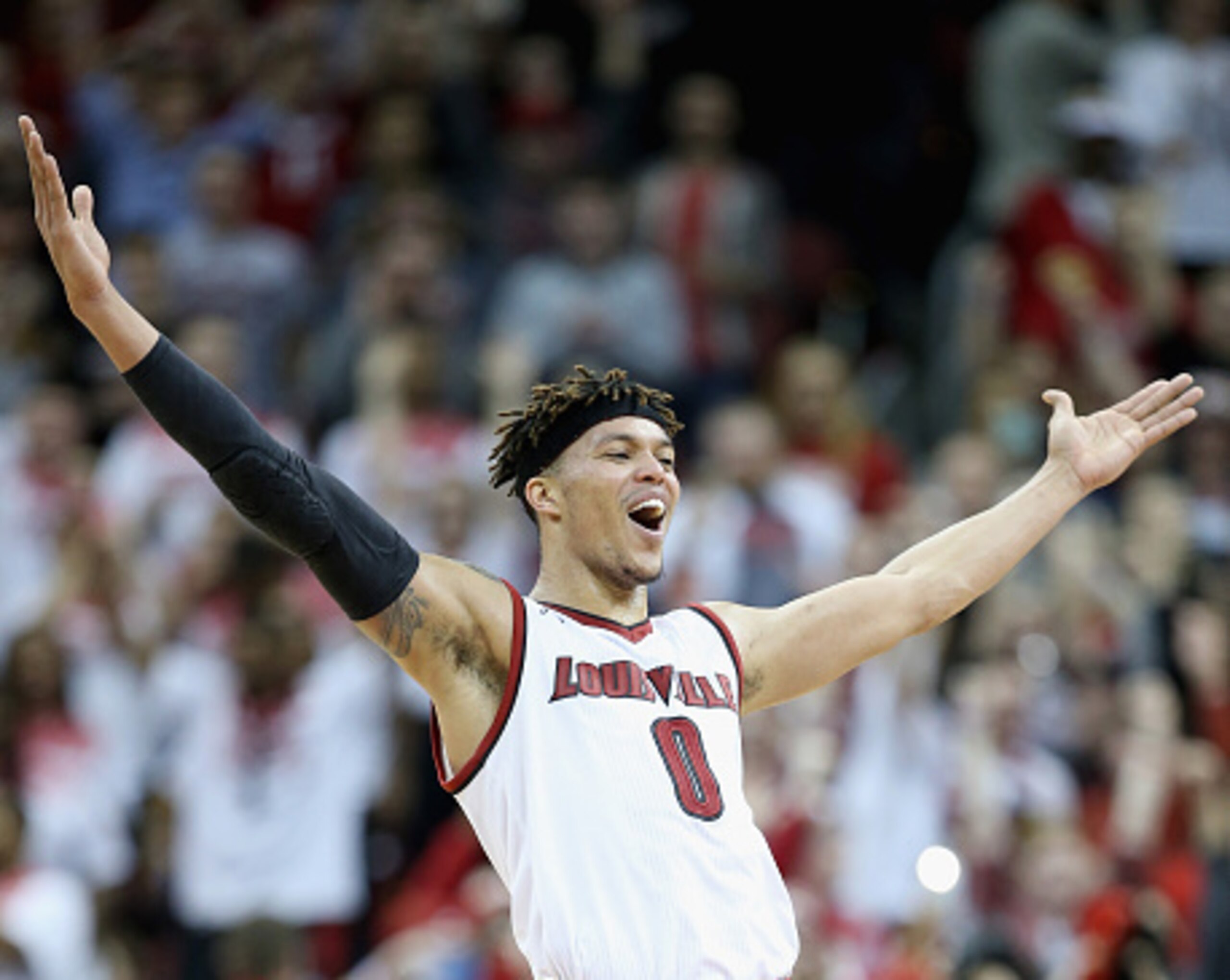
What could get Damion Lee and the Louisville Cardinals to celebrate like this more often? Maybe being a little better collectively at the foul line.
UL isn't the only team to have a concerning issue at the stripe. It's just incredibly apparent that 68 percent is the Cards' current magic number, and that could make their season disappear.
In its first three losses, Rick Pitino's team shot 68 percent from the line each time—and lost by a total of 10 points to Michigan State, Kentucky and Clemson.
The group is 68.7 percent for the season, 213th nationally.
This is a broken-record statement, though. It hovered in the 66 percent range the previous two years. By the way, it was at nearly 71 percent (123rd nationally) the year it won the title. So good things happen by sinking the freebies.
18. Purdue: Big Ten Turnover Percentage (18.3 Percent, Ranked No. 13)
8 of 25
Can a leopard—or in this case a Boilermaker—change its spots?
Boy, Purdue coach Matt Painter would love to see it happen a little. But he's also resigned at this point to “We are who we are,” as he told the Lafayette Journal & Courier's Nathan Baird last month.
Purdue is 13th in the 14-team Big Ten in turnover percentage, losing 18.3 percent of its possessions to miscues (only Indiana is worse at 20.6).
Some of this might be expected. The Boilermakers rely so much on post touches. Poke-aways are going to happen. But as Baird pointed out, in the team's four losses, Purdue has been outscored 91-48 in points off turnovers. That's an average deficit of about 11 points in each game right off the top.
You bet Painter's keeping an eye on it. Maybe a crossed one at that.
17. Miami: The X-Factor Known as Ja'Quan Newton
9 of 25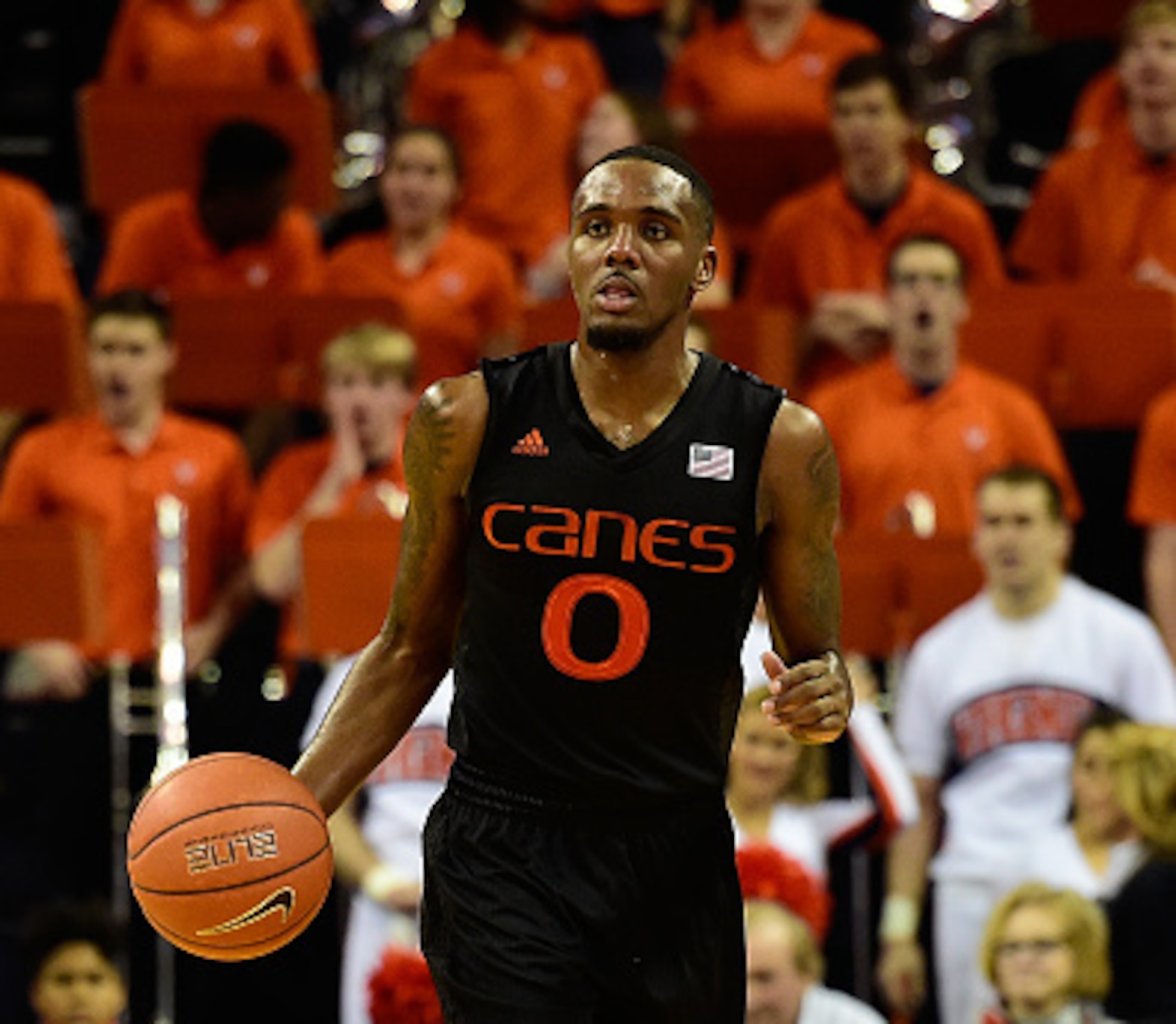
Ja'Quan Newton is a 6'2" sophomore who only uses up about half of the minutes available. But there's something that really stands out.
When he plays well, the Hurricanes are successful. When he doesn't, Miami loses. It's really as simple as that.
It's a nice, easy line in the (South Beach) sand to understand.
In Miami’s five ACC victories, Newton has averaged 14.4 points and 2.8 assists per game, hitting 55.8 percent from the field. He's only making 30 percent of his shots in defeats, averaging about eight points and half as many assists.
16. Oregon: Turnover Percentage (17.2 Percent, 91st Nationally)
10 of 25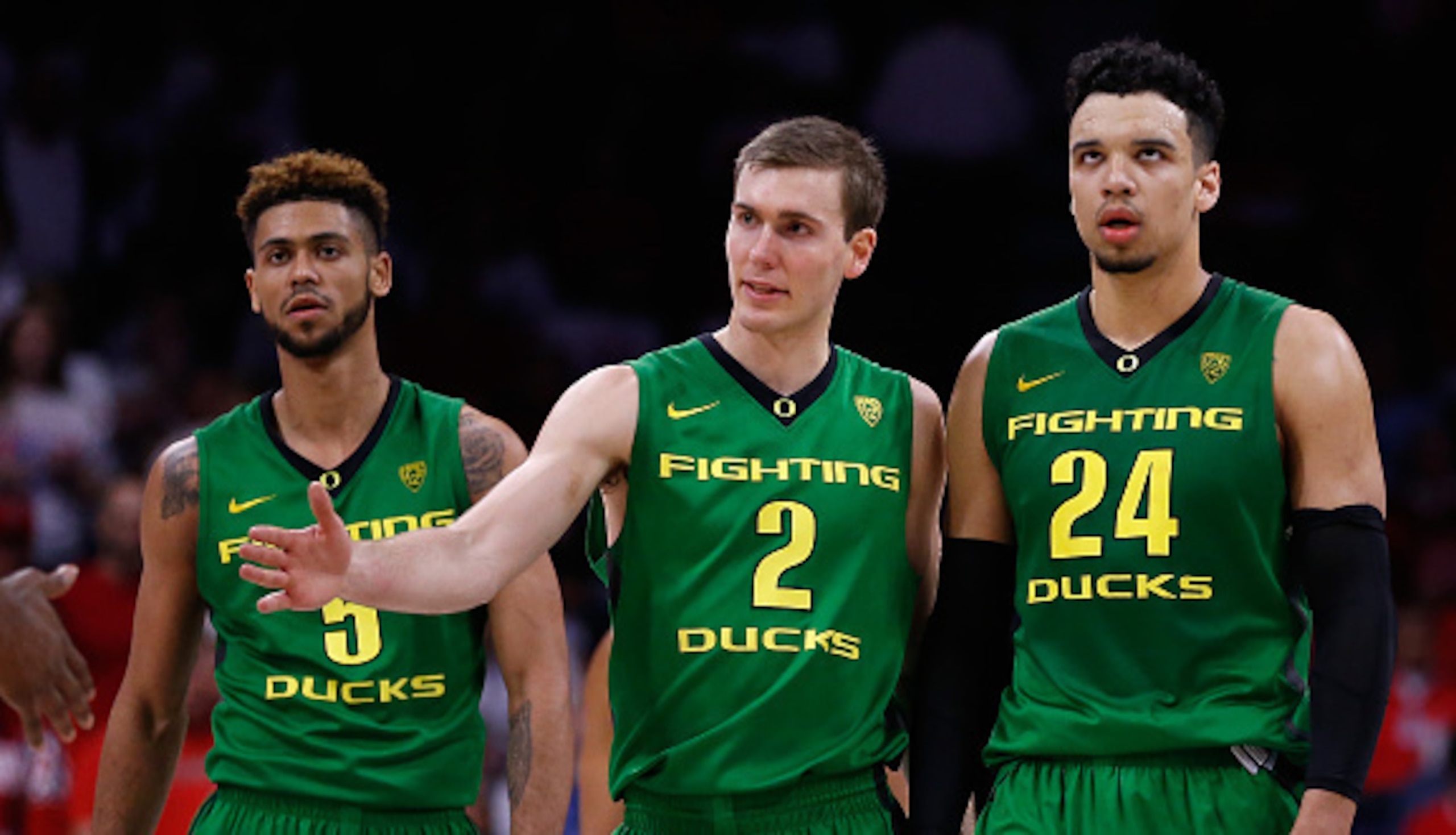
You can be the judge of whether these three Oregon Ducks are on the same page.
But the overall trend would suggest that's the case, as they've taken over first place in the Pac-12.
"Over their last five games, the Ducks are averaging 13.8 turnovers per 100 possessions; had they played so precisely all season, they’d rank second in the country in that category, according to the analytics website kenpom.com," wrote Rob Moseley of GoDucks.com.
“One guy can screw it up,” Kevin McKenna said. “But right now we’ve got everybody on the same page, trying to do the right things—trying to make simple plays.”
That would be nice to continue climbing from the current spot as the 90th-most turnover-prone team in the country. That's not usually coach Dana Altman's style.
15. Baylor: Defensive Efficiency (99.7, 95th Nationally)
11 of 25
Not many coaches love analytics more than Baylor's Scott Drew. But he can't exactly love what he's seeing right now from his own team.
An inefficient defensive effort at home against Texas led to a somewhat surprising defeat.
Drew addressed reporters afterward:
"We have not been very good defensively the last few games. The last six games I think we gave up 46 and our defensive efficiency is down to the 90s in the country last I saw. We have been able to overcome it by rebounding and taking care of the ball and doing well, offensively. We will have to figure out how to get better defensively.
"
Yes, he's right. Baylor is 95th nationally in defensive efficiency.
Baylor's players recognized the problems after losing to Texas.
"We could have done some better things defensively as far as being in the right spots and taking away (Connor) Lammert’s threes," Taurean Prince said, per the Associated Press' Stephen Hawkins. "If we take away a couple of those we’re in the game."
Sounds good. Now, it's just a matter of execution, and getting back to some better efficiency.
14. West Virginia: Troubles at the Foul Line (66 Percent, 289th Nationally)
12 of 25
West Virginia could sure use more nights at the foul line like Tuesday night against Iowa State.
The Mountaineers iced a big-time Big 12 road win by making 17 of 22 attempts. More nights like that could sure help Bob Huggins become more huggable. This is a program that is still ranked close to the 300s for its free-throw ineptitude.
But give Devin Williams a lot of credit. He's a 72 percent shooter who made all seven attempts at Hilton Coliseum. That followed up a 4-for-4 showing (and the team was 14-of-16) in an upset loss at Florida before that.
Huggins has been known to publicly criticize his team's focus when the foul line hasn't been as kind, like after the home loss to Texas. So that aspect seems to have taken a step in the right direction.
The Mountaineers will need it to keep moving that way.
13. Iowa State: Offensive Rebounding Percentage (265th Nationally by KenPom)
13 of 25
Give up a 15-point lead on what's usually a dominant home court and let a visitor snag 18 rebounds, and, yeah, there are going to be accusations of weakness.
Iowa State's woes come on rebounding, where it's not particularly tall (effective height, by KenPom, is 151st). West Virginia (and Devin Williams in particular) exposed the Cyclones on Tuesday night.
Their offensive rebounding percentage is hovering awfully close to No. 300 nationally. Forget about the 16 turnovers last night—the Mountaineers do that to everyone—but note that West Virginia produced a 15-6 edge on offensive rebounds. Putback baskets were important.
Throw in the fact that Iowa State can have long sequences of one-shot-and-done possessions, not going after the offensive glass as well themselves, and it bodes for more problems down the road.
12. SMU: Steal Percentage (10.9 Percent, 332nd Nationally by KenPom)
14 of 25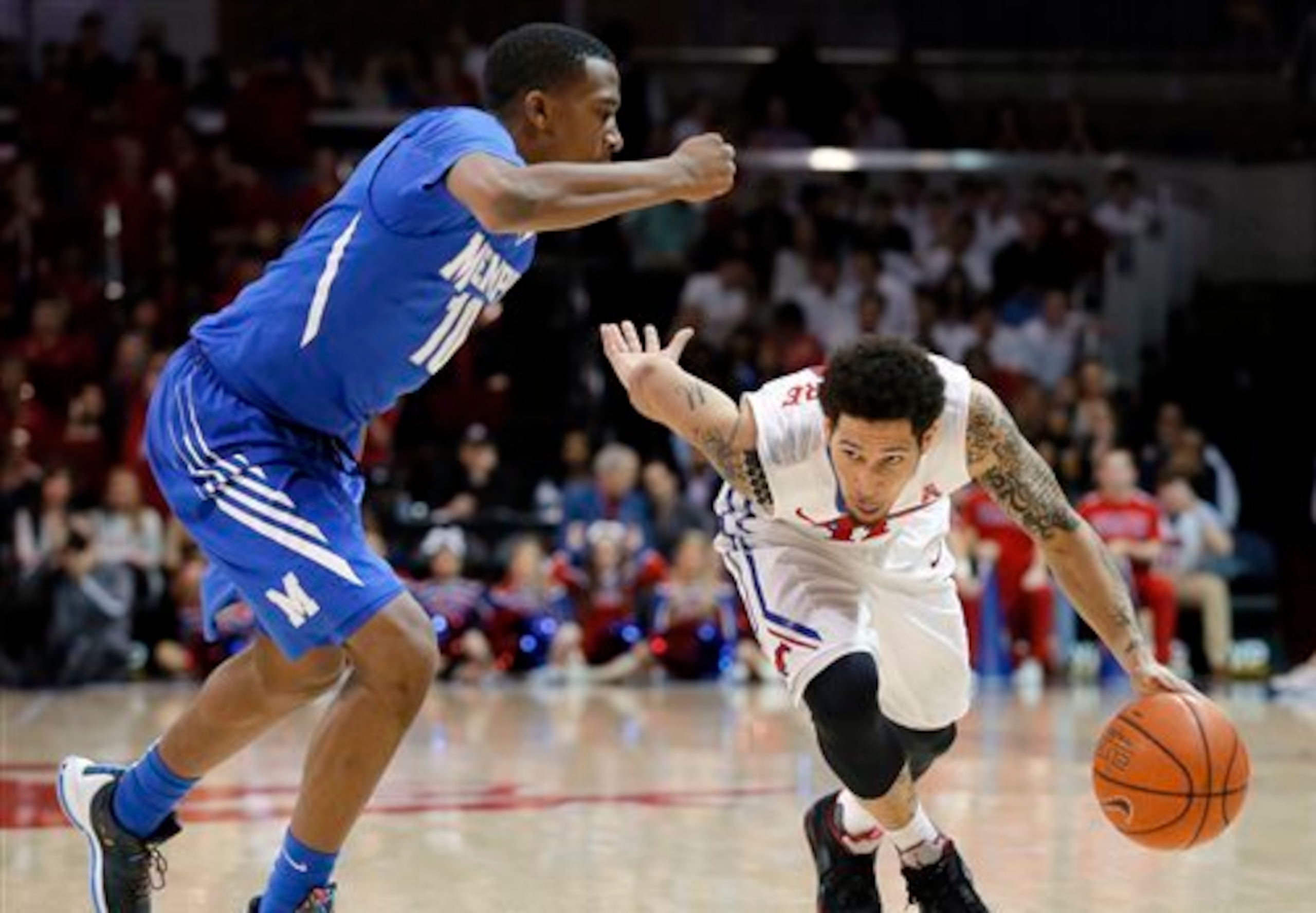
SMU went from undefeated to losing two of its last three games.
A big reason why was steals. It gave up a 16-9 edge on steals and was outscored 41-25 on points off turnovers in the defeats to Temple and Houston in a one-week span.
KenPom has 10.9 percent of SMU's offensive possessions thwarted by steals, which puts Larry Brown's team at No. 332 nationally.
Practices have been hard to come by because of a tight string of games. So the Mustangs—who are ineligible for the NCAA tournament—will have to go back to the drawing board before facing South Florida on Feb. 7.
11. Providence: Effective Field-Goal Percentage (44.4 Pecent, 9th in Big East)
15 of 25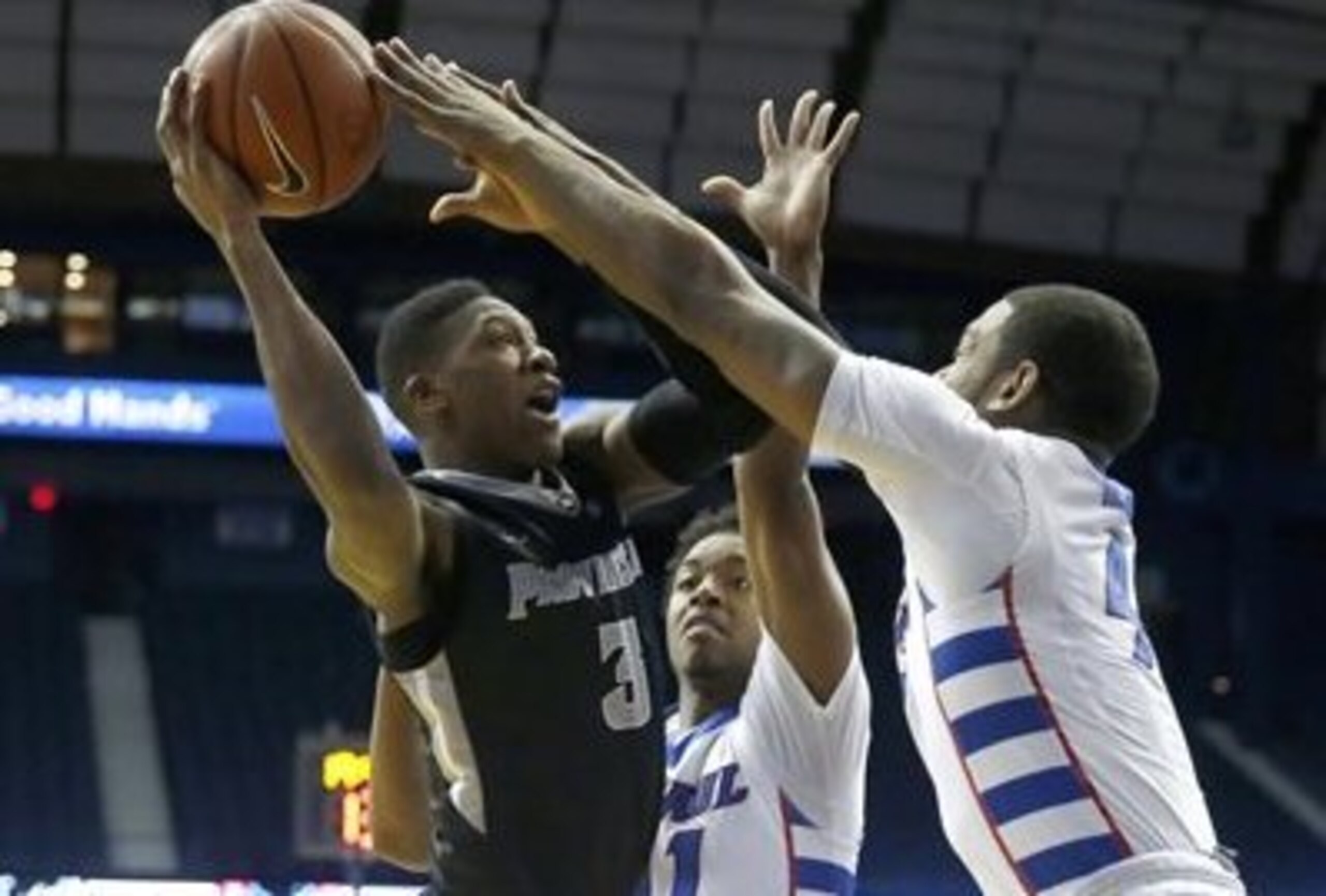
Yes, it's easy to pick on a team after it lost at DePaul.
But the Friars need to pick on themselves and figure out how to be a more competent shooting team. They're ninth in the Big East, just ahead of conference doormat St. John's, in effective field-goal shooting (essentially a way to measure two- and three-point shots equally).
That's also No. 256 nationally, between Cal State Northridge and Southern. Not exactly in the neighborhood of a Top 10 team.
Kris Dunn's a fantastic passer, but there could be some trust issues if his teammates can't pick it up. It's also a group that shoots just 31 percent from three-point range, making Dunn's job even tougher if he wants to drive and kick.
10. Michigan State: Constant Health Concerns
16 of 25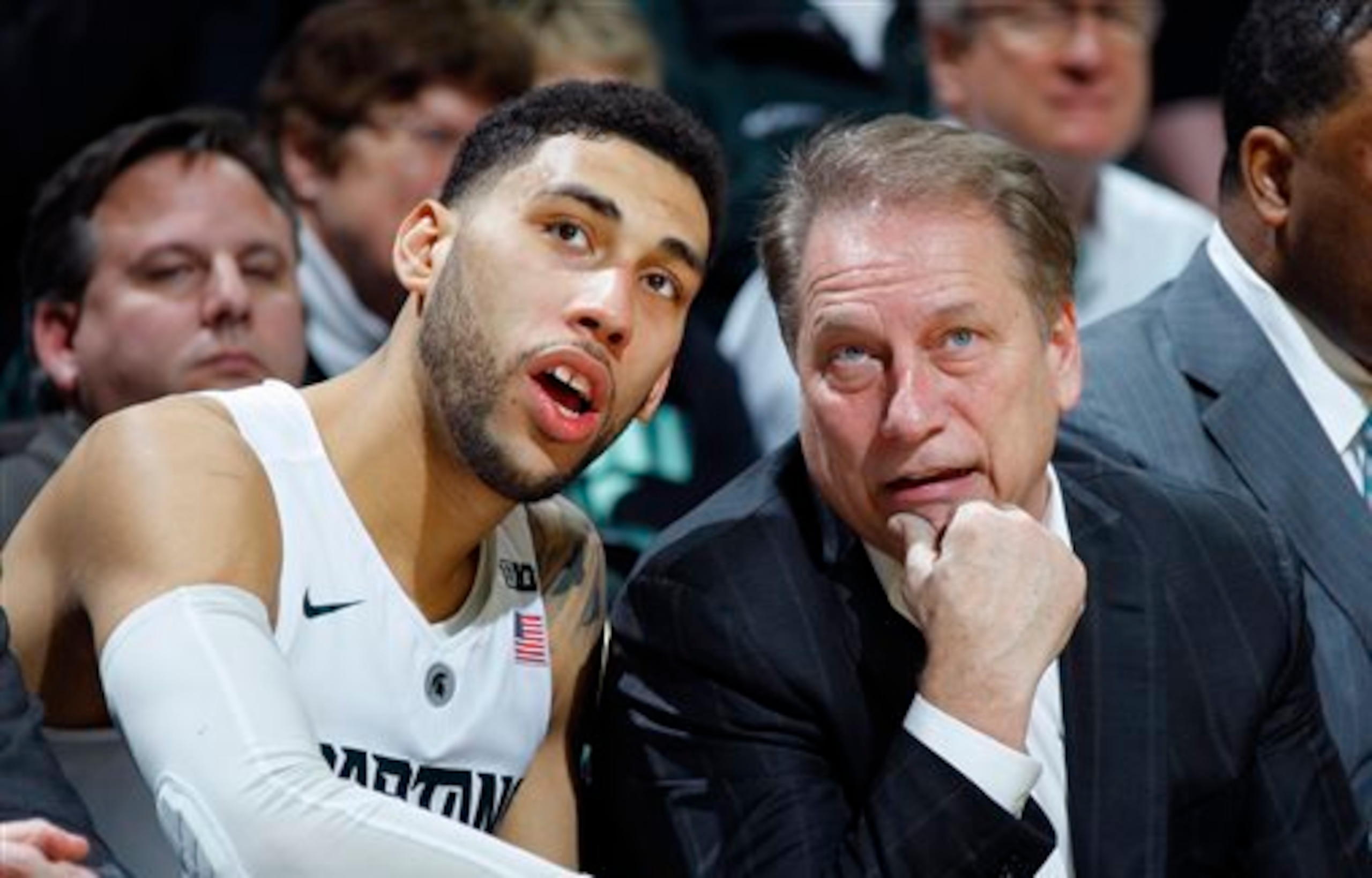
Could that be Tom Izzo and Denzel Valentine trying to figure out how to keep the Michigan State Spartans healthy?
Well, it didn't work for the Spartans star, who missed four games because of knee surgery. And MSU, for better or worse, has had to spread the minutes around a lot. Nine players average 12 minutes a game, while 11 get at least eight—that's high by Izzo's standards.
The Spartans have had their full allotment of scholarship players available for just three games this season, according to recent MSU notes provided by the school.
Guard "Tum Tum" Nairn is still in a walking boot, so that's another issue. How long can Sparty run while swaddled in medical tape?
9. Virginia: Mike Tobey's Consistent Foul Trouble
17 of 25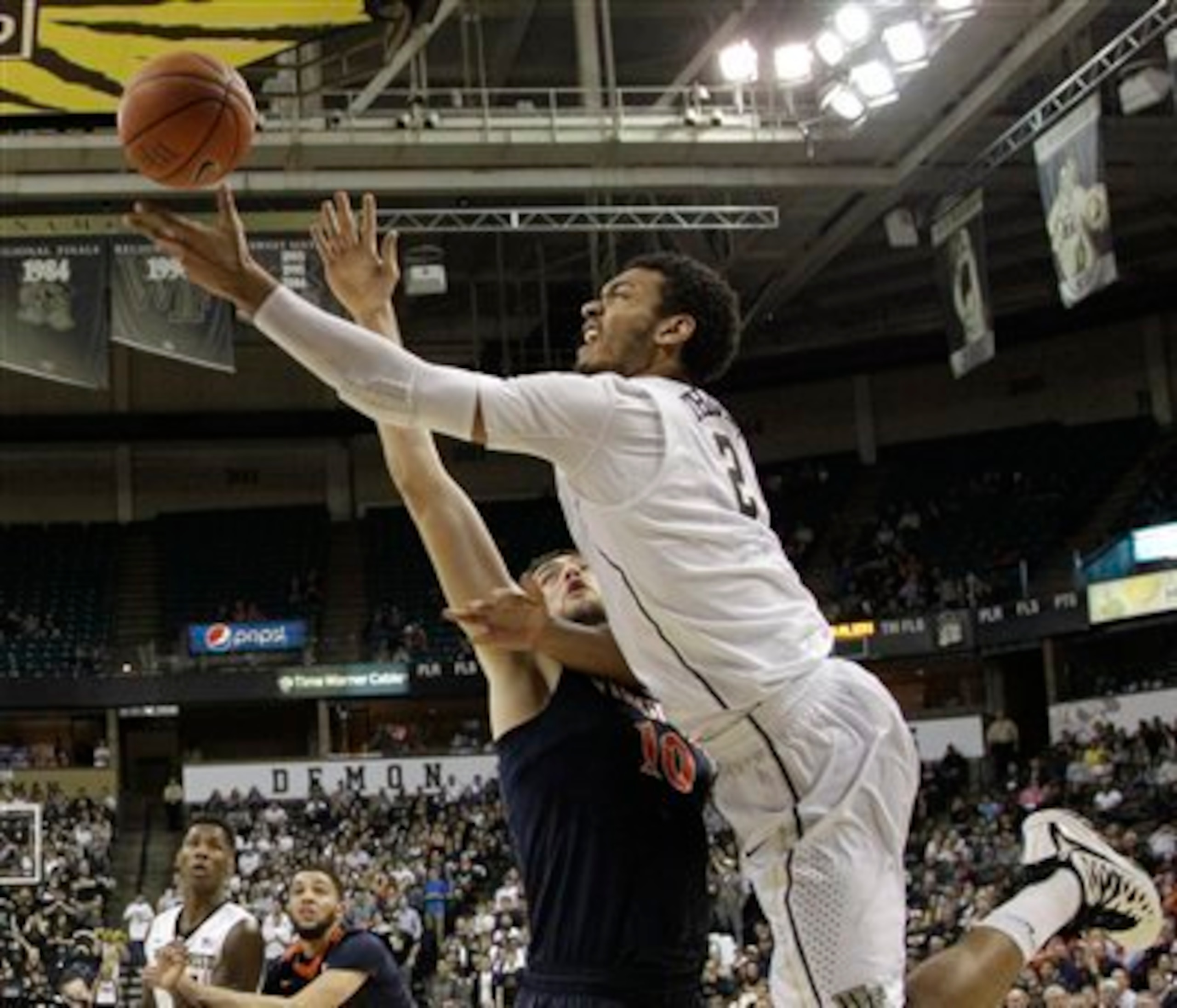
Now, we hate to pick on individuals in this team-related segment. We won't do it often. But it's really out of care for a particular situation.
Virginia has a 7'0" senior who's capable of a big impact—really, he's one of the Cavaliers' most efficient players—if he can keep from drawing referees' attention.
Mike Tobey addressed the issue when speaking with reporters in December:
"This season, foul trouble has been my problem. I’ll try to take this and roll with it to help the team to make a run in the ACC. I had more confidence in myself. The last couple of games I’ve had two fouls in the first half, so I’ve been getting down. I’ve got to keep working hard in practice. My teammates support me, so I was able to go out and play well today.
"
Tobey averages about seven points and four rebounds, pretty darn good considering he only gets about 16 minutes a game. He's a 58 percent shooter (60 percent inside the arc).
A much tougher number is the 5.1 fouls he commits per 40 minutes. If he can figure out defense (not being leveraged like in the picture above), the sky's the limit for him helping UVA.
8. Texas A&M: Free-Throw Percentage (65.7 Pecent, 297th Nationally)
18 of 25
Three players control things for Texas A&M, which is certainly not a bad thing until free throws are considered.
The Aggies are ranked 297th nationally, making just 65.7 percent of their attempts. That's above Auburn, Alabama and Florida in the SEC, and those teams don't have nearly the high-level goals that Texas A&M does this year.
Danuel House, Jalen Jones and Tyler Davis have taken the brunt of the attempts as you'd expect. But they're a combined 68.9 percent. Jones and Davis, both big men, present especially worrisome cases because they're so good at drawing fouls (both top-100 nationally).
Figure out the foul line, and it'll take some burden off.
7. Kansas: Defensive Block Percentage (215th Nationally Via KenPom)
19 of 25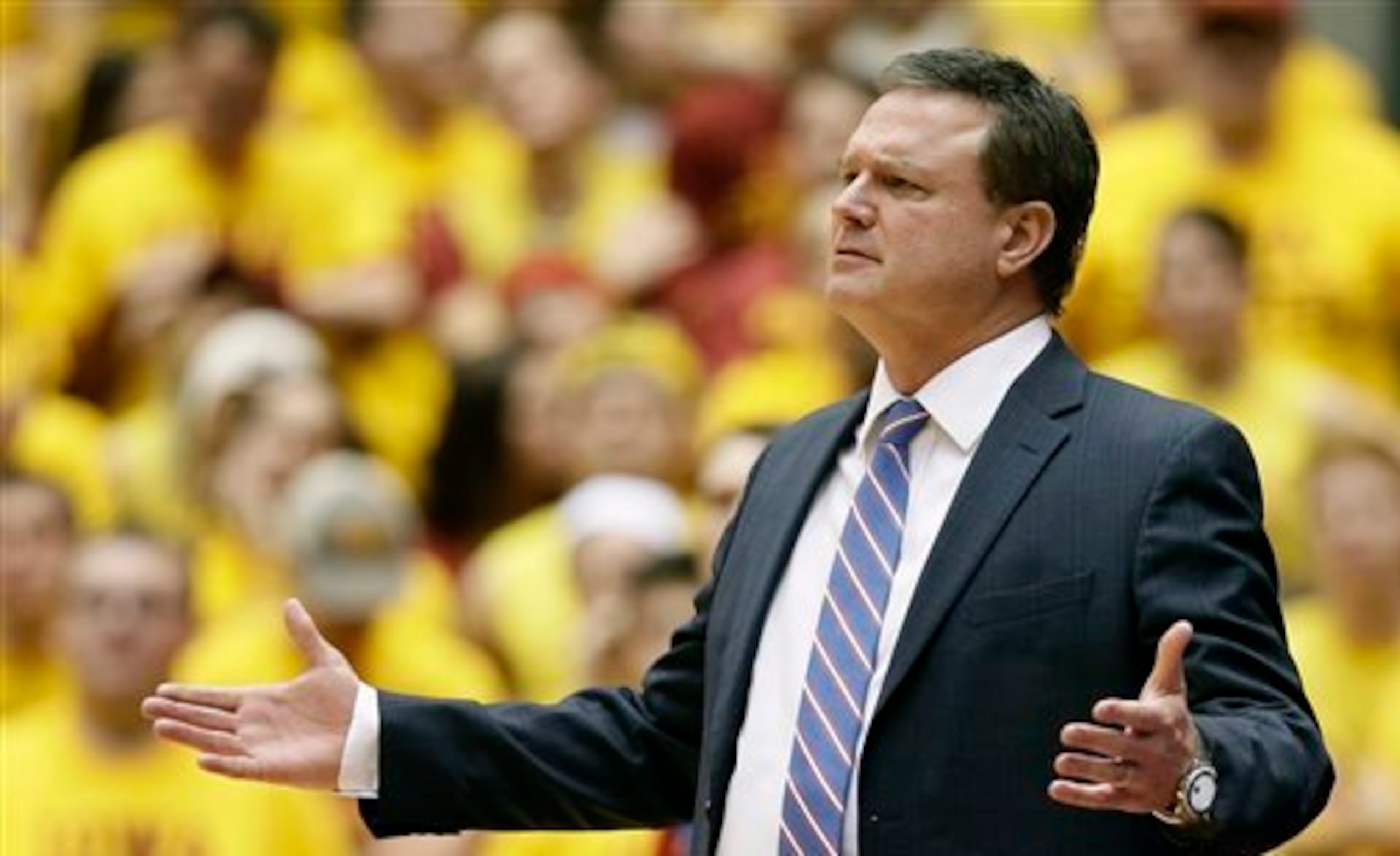
If Kansas' 11-year reign as Big 12 champion ends, it'll most certainly come down to its play at the rim.
It would likely mean opponents are still finishing there. The Jayhawks have been in quite the post-player quandary. Using Landen Lucas and Jamari Traylor inside has kept their best shot-blocker candidates (Hunter Mickelson, Cheick Diallo) on the bench. There's a pick-your-problems element here.
Mickelson has struggled with an ankle injury while Diallo's freshman year has been rife with learning curves.
Kentucky lost in overtime last weekend but continued to expose a major KU flaw—it made 72 percent of its two-point shots, the second-worst mark against KU in the last six seasons, according to CJOnline.com's Jesse Newell. Where's a Jeff Withey when you need him?
The Jayhawks rank 215th in block percentage. They’ve never been worse than 87th in coach Bill Self’s 13 seasons. No wonder he's up in arms in the photo above.
6. Xavier: Experience (1.58 Years, 229th by KenPom)
20 of 25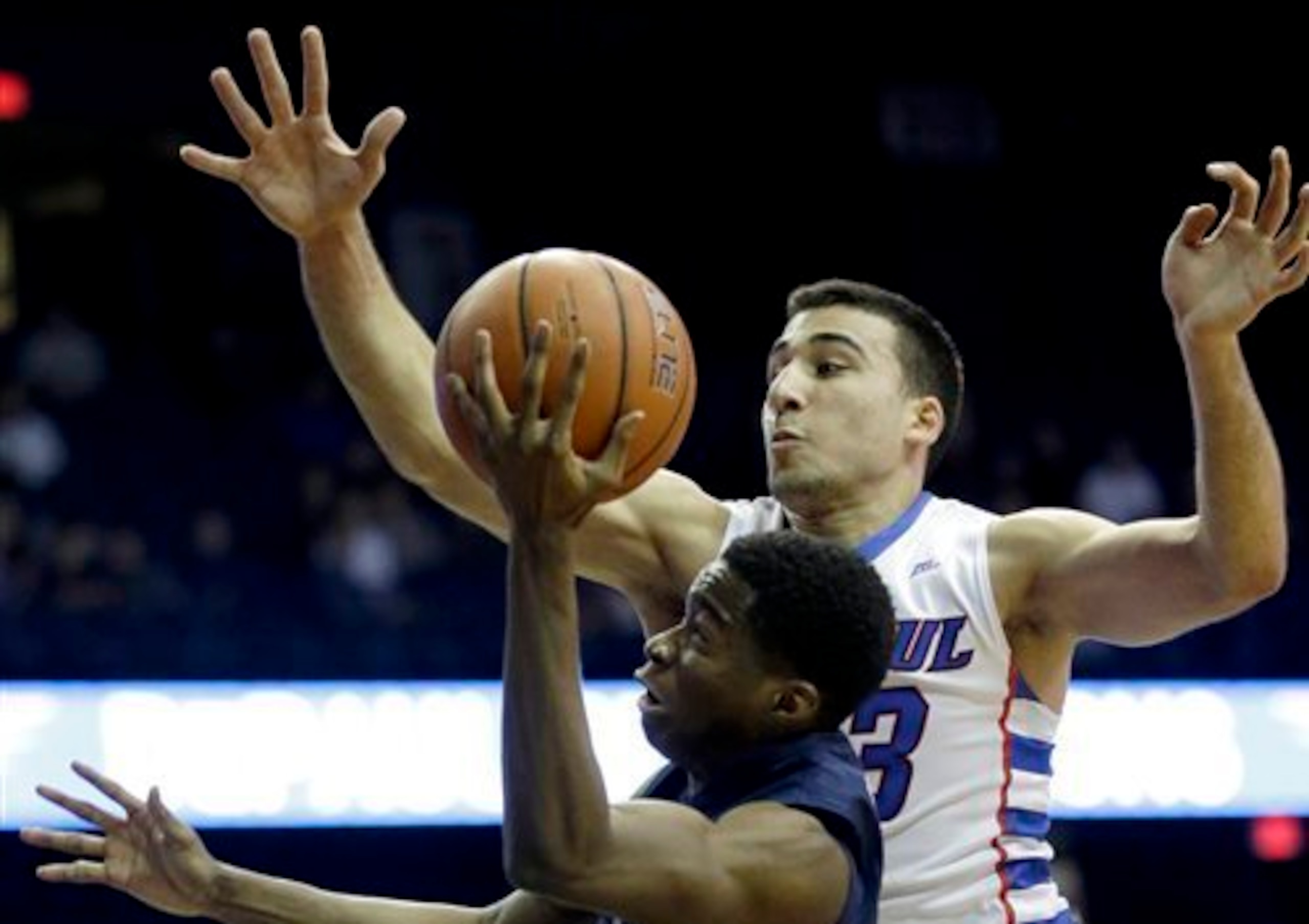
This is shaping up to be a special year at Xavier, which Bleacher Report's C.J. Moore recently touched upon.
The Musketeers aren't perfect, though. They're young, ranked 229th by KenPom in that category.
What's it mean? One could argue—and we will—that it means something regarding nitty-gritty, tough baskets. This isn't a very good shooting team inside the arc. Finishing may come with experience.
James Farr and Jalen Reynolds are big guys shooting 50 percent from the paint area, but otherwise it's a steady drop-off. The team's around-the-rim conversion rate ranks second-last in the Big East, according to Hoop-Math.com.
5. Iowa: Defensive Rebounding (13th in Big Ten)
21 of 25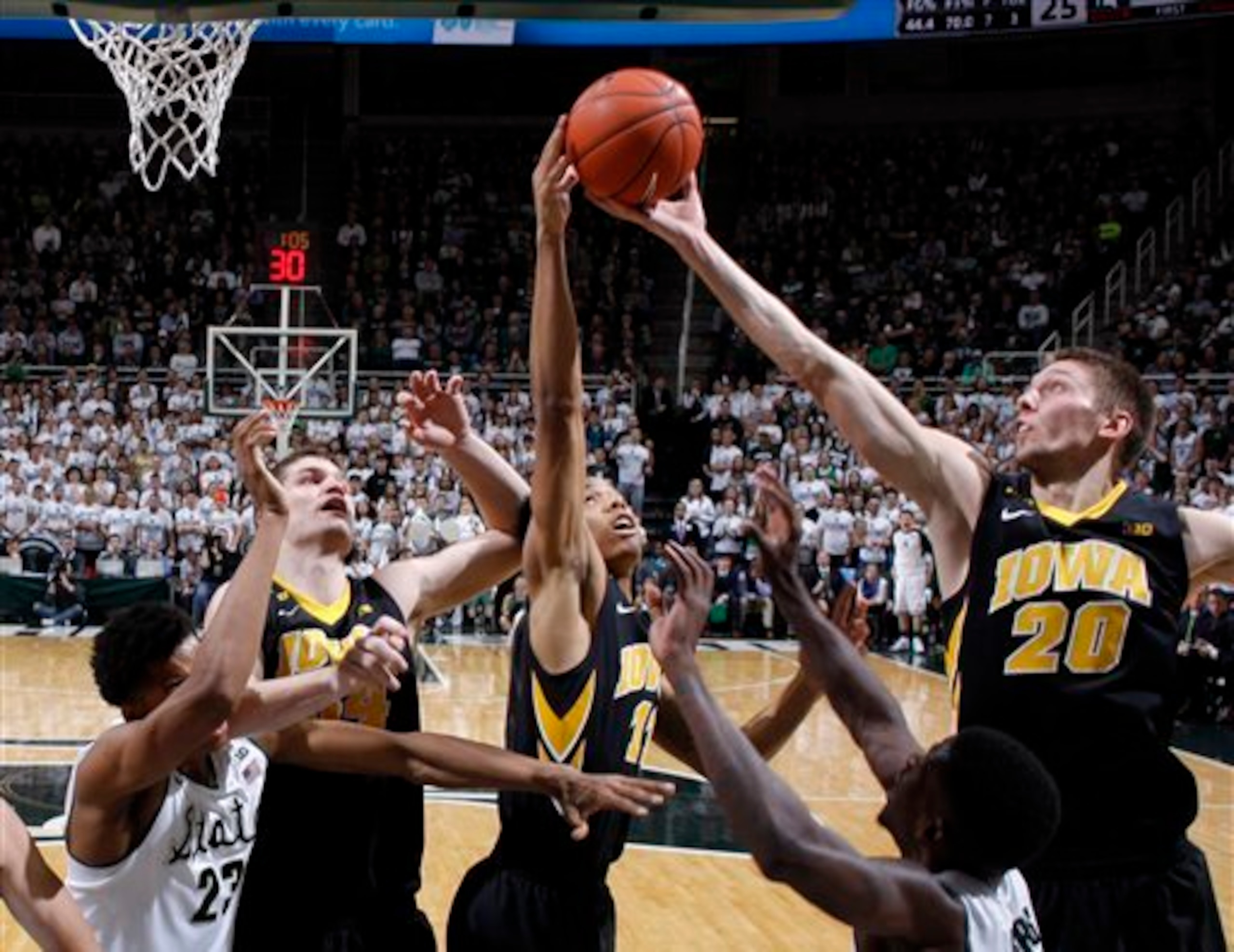
The Iowa Hawkeyes' problems come in twos.
They're not very good at keeping opponents off the offensive glass (13th out of 14 teams in the Big Ten). That would seem to be at least a part of why Fran McCaffery's team is rated 10th in the league by allowing opponents to shoot 50.9 percent inside the three-point line.
It's odd company for such a highly ranked team to be among. Consider that Illinois, Rutgers, Minnesota and Michigan are the only worse teams on two-point defense. Only the Wolverines are clinging to any NCAA tournament hopes, and they just gave up a 28-0 run to Indiana.
Purdue needs to go looking for better company in that stat.
4. Maryland: Turnover Percentage (19.3, 244th Nationally Via KenPom)
22 of 25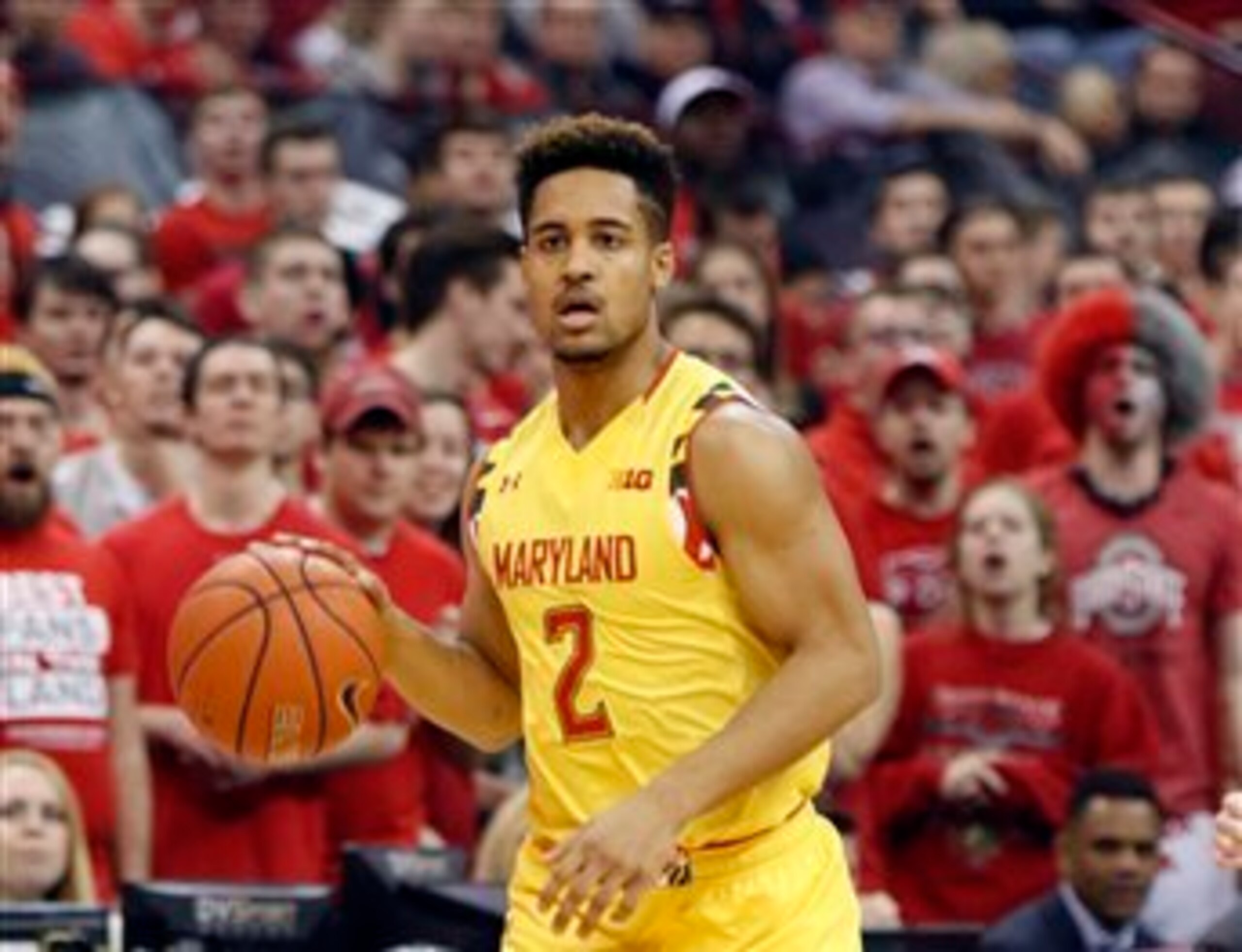
Carelessness could turn costly very fast for a team like the Maryland Terrapins, bringing down that high ceiling.
The Terps rank 244th in the country in taking care of the ball, which shouldn't come as a surprise considering they've been haunted virtually all season—including 22 turnovers in a loss to North Carolina in December.
Melo Trimble and Rasheed Sulaimon are two primary ball-handlers who have undercut their solid assists totals (202) with more than half as many turnovers (102).
The numbers shine especially bright right now, as Maryland can really use all the shots it can muster. Like many teams, the Terps are no strangers to shooting slumps. Over the past four games, Maryland has posted four percentages that would rank among the five worst this season.
Along with Robert Carter and freshman center Diamond Stone—whose role rightfully has increased lately—Maryland's potential downfall will be not taking care of the ball enough, minimizing the impact of a variety of fantastic offensive tools.
3. Villanova: 3-Point Shooting Percentage (31.9 Percent, 9th in Big East)
23 of 25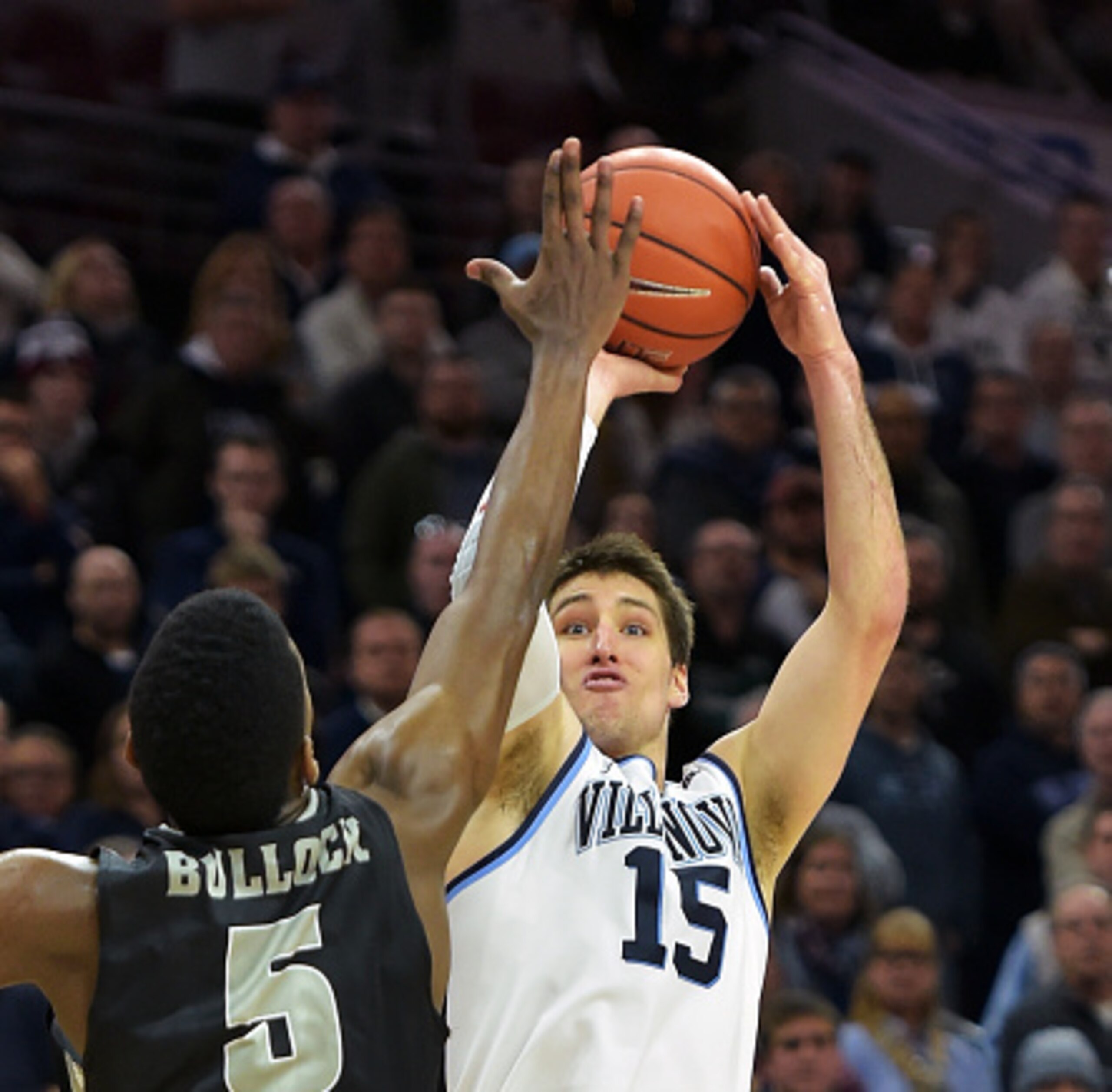
The trick to beating Villanova is to force the Wildcats to shoot three-pointers.
They'll take 'em and more than likely miss. Jay Wright's team is ranked ninth out of 10 in the Big East in three-point percentage (31.9 percent), a number made scarier when noticing that no team has taken more attempts.
The glass-half-full Nova fan could note that the arc woes are built largely on three games. But those were all losses to solid teams that figure to have a better chance of forcing such lousy attempts.
In the three defeats (Providence, Virginia, Oklahoma), the Wildcats have shot a combined 23-of-89 (about 25 percent). Big East play is the time to get this ironed out or figure out alternatives.
2. North Carolina: Marcus Paige's Shooting over Last 6 Games
24 of 25
When Marcus Paige last received major attention, it was Jan. 4—a couple of hours before Buddy Hield and Oklahoma were in that triple-overtime classic at Kansas—and Paige was working his own wonders.
He had 30 points and really hasn't been heard from since. Paige has only 36 points spread over the past six games, making just 12 of his 57 shots. The skid is magnified after Tuesday's loss at Louisville (71-65) in which he was 3-of-13 from the field.
North Carolina is a cockeyed shooting team in general, especially from the three-point line (30.7 percent, worst in the ACC; 327th nationally). But Paige's slump is an even greater stress, considering the 6'1" senior has the ball in his hands so much and the Tar Heels need him to be a threat.
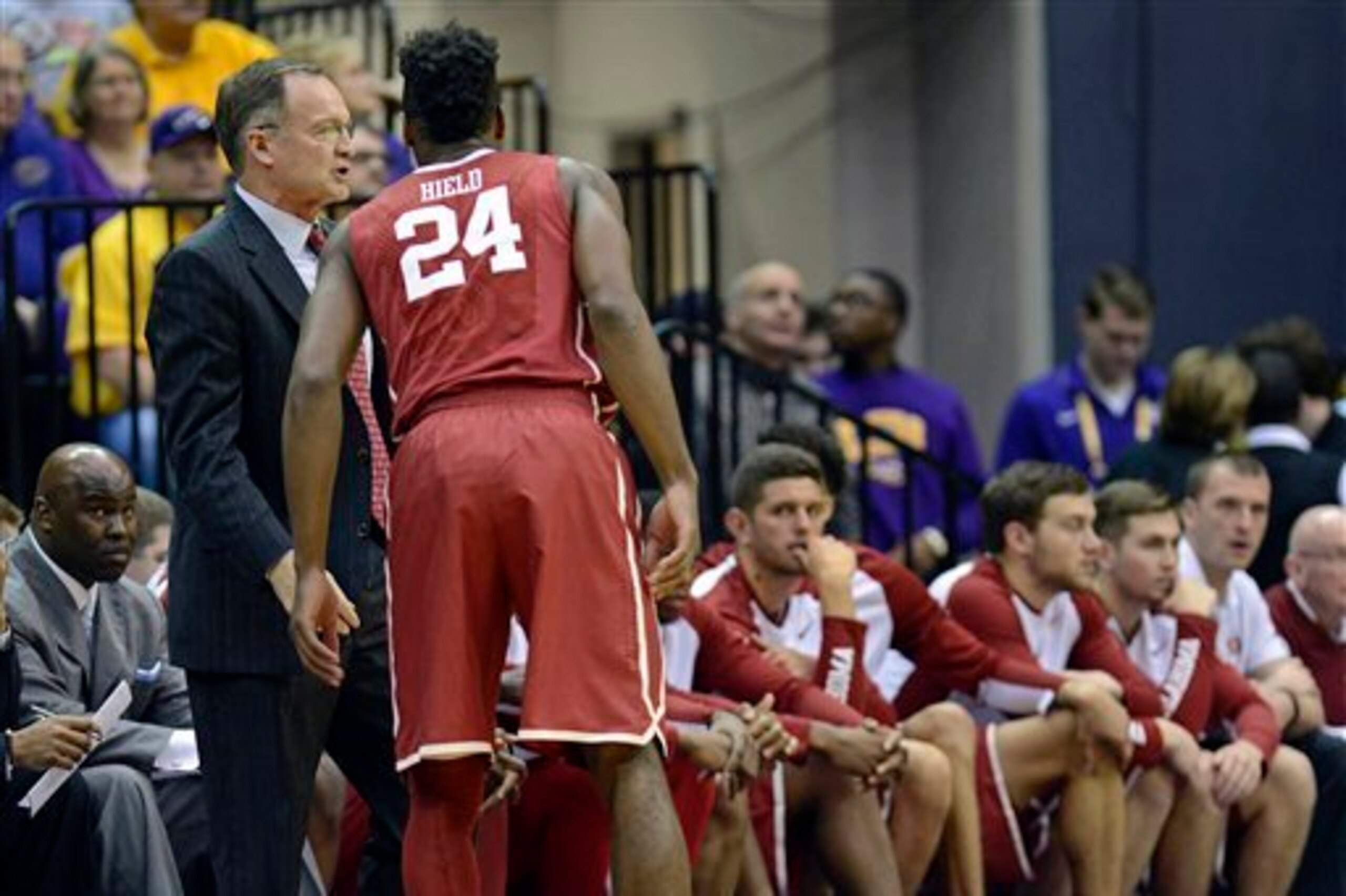
1. Oklahoma: 2-Point Shooting Percentage (7th in Big 12)
25 of 25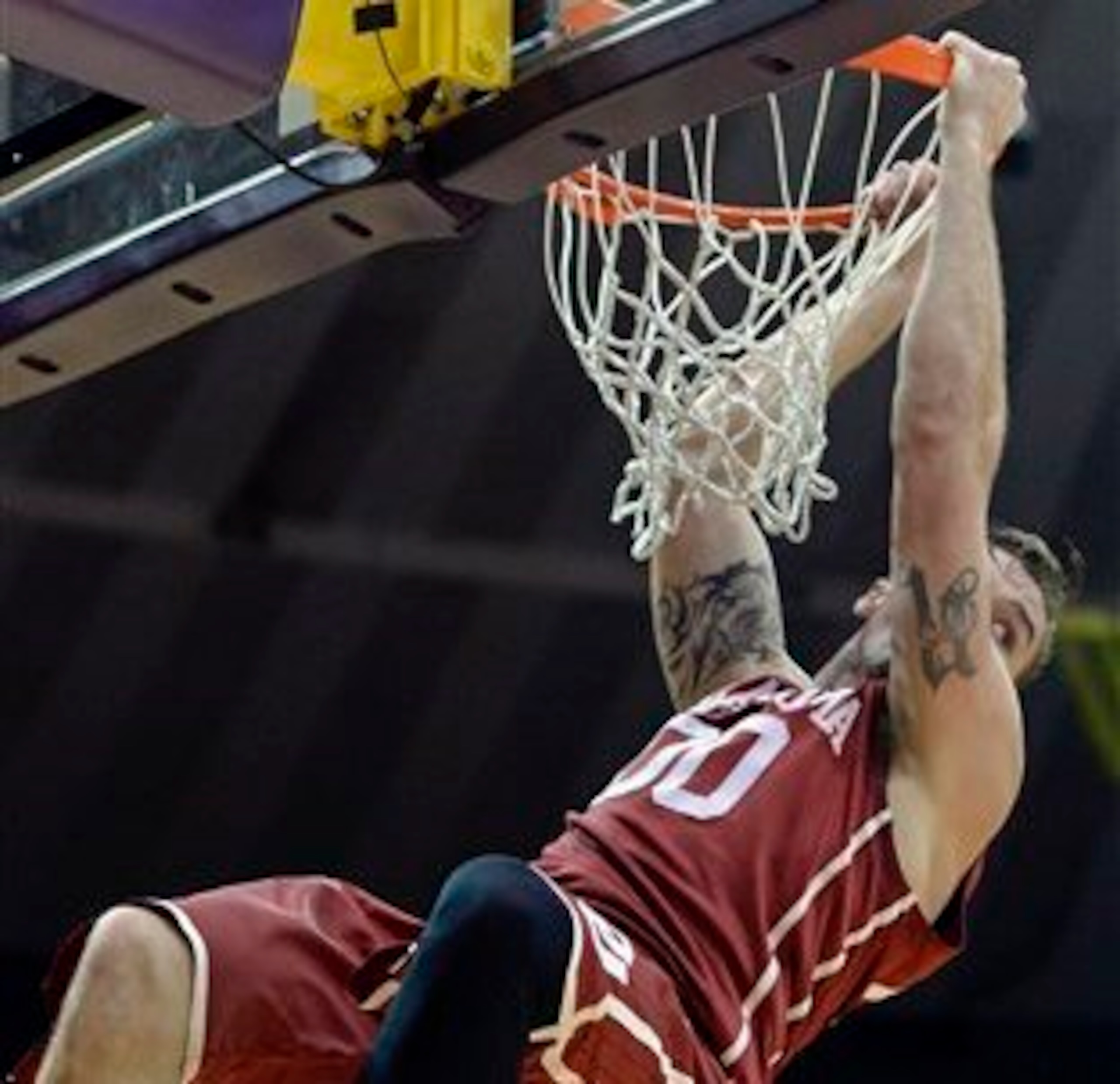
Ryan Spangler hanging on the rim (above)—that's what the Oklahoma Sooners need more of.
This team is consistently on fire from three-point range but consistently a dud from inside the arc. Right now, it's ranked ninth in the Big 12 alone on two-point shot percentage.
It's a dicey problem that OU acknowledges. Yet it's also almost absurd to recognize that, while shooting 47.7 percent inside the line, the rate is barely below that—45.9—beyond it.
Is that messing with fire?
We think so. It may not catch up with the Sooners in the Big 12 race—in which they were put on notice with West Virginia staying in a tie for first place with a win at Iowa State on Tuesday—but the arc could be fool's gold in the long run.
Oklahoma was intent on building its inside prowess, scoring 40 points in the paint and shooting 22 free throws against TCU earlier this week.
Oklahoma (19-2, 7-2 Big 12) drove to the basket early and often, scoring 40 points in the paint and making it to the free-throw line 22 times on Tuesday night, as the Oklahoman's Ryan Aber pointed out.
“It’s nice knowing that if we need to, we can switch up how we score, if the three ball’s not falling or we just don’t need it,” Khadeem Lattin told reporters afterward. “That’s what we did today. We switched up how we scored. It’s nice to be versatile.”
It's more than nice, which is why OU practiced so hard on bullying TCU.
Unless otherwise noted, advanced statistics courtesy of KenPom.com.

.jpg?w=2560 "Cardinals Giants Football")

.jpg?w=2560 "Love's Body Already 'Tired'")
.jpg?w=2560 "OBJ Calls Out Giants 😳")
.jpg?w=2560 "Ward Nearly Walks Out of Presser ▶️")