
Building MLB's Perfect Pitcher, Piece by Piece
In the 1996 sports comedy Space Jam—still easily the best movie ever to feature Porky Pig and Patrick Ewing—a group of aliens led by Danny DeVito steals the powers of various NBA players to construct a hybrid dream team.
That's our purpose here, sort of. Except instead of using basketball greats, we'll be sapping strengths from MLB pitchers. And DeVito isn't involved.
What makes a great pitcher? For our purposes, let's break it down into five essential elements: velocity, durability, off-speed/breaking stuff, command and mechanics.
By limiting each category to just one current starting pitcher, we're necessarily omitting some of the game's elite stars (hello, Jake Arrieta) and including at least one lesser name (what's up, Phil Hughes).
We're also leaving off relievers, so no flame-throwing closers or slider-slinging setup men.
The point of the exercise isn't to list the five best pitchers in baseball. It's to figure out what attributes we could mix and match, Space Jam style, to form the ultimate Frankenhurler.
Grab a stick, slap on some pine tar and dig in when ready—if you dare.
Velocity: Noah Syndergaard
1 of 5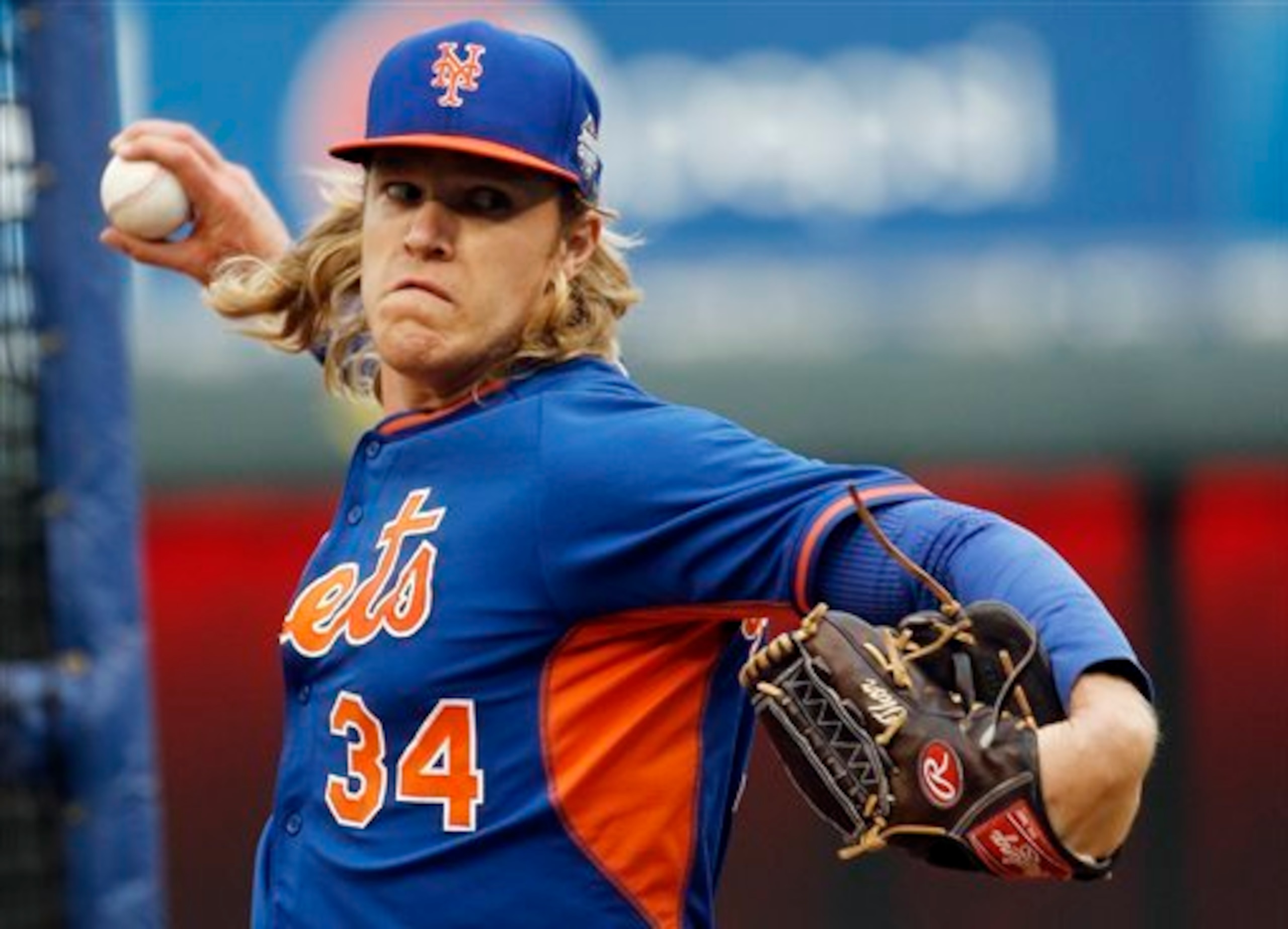
There are plenty of blazing fastballs in today's game, to the point where seeing a guy hit triple digits is almost commonplace.
In fact, as Daren Willman of MLBAM noted in December, the portion of MLB pitches that exceeded 95 mph peaked at 9.14 percent in 2015 compared to 4.82 percent in 2008.
But when New York Mets right-hander Noah Syndergaard throws his bolts, everyone—opposing hitters included—takes notice.
Last year, the kid they call Thor averaged 97.1 mph on his fastball. That's the highest regular-season average by any pitcher with at least 100 innings under his belt since FanGraphs began keeping track in 2002, according to data cited by Mike Vorkunov of NJ Advance Media.
Throwing hard isn't everything, which is why we've got four more categories to cover. But a radar-gun-singeing heater is a valuable asset that can't be taught.
And style points count for something, as Syndergaard proved with his awesome response to Willman's stat about rising velocity: "My bad."
Durability: Madison Bumgarner
2 of 5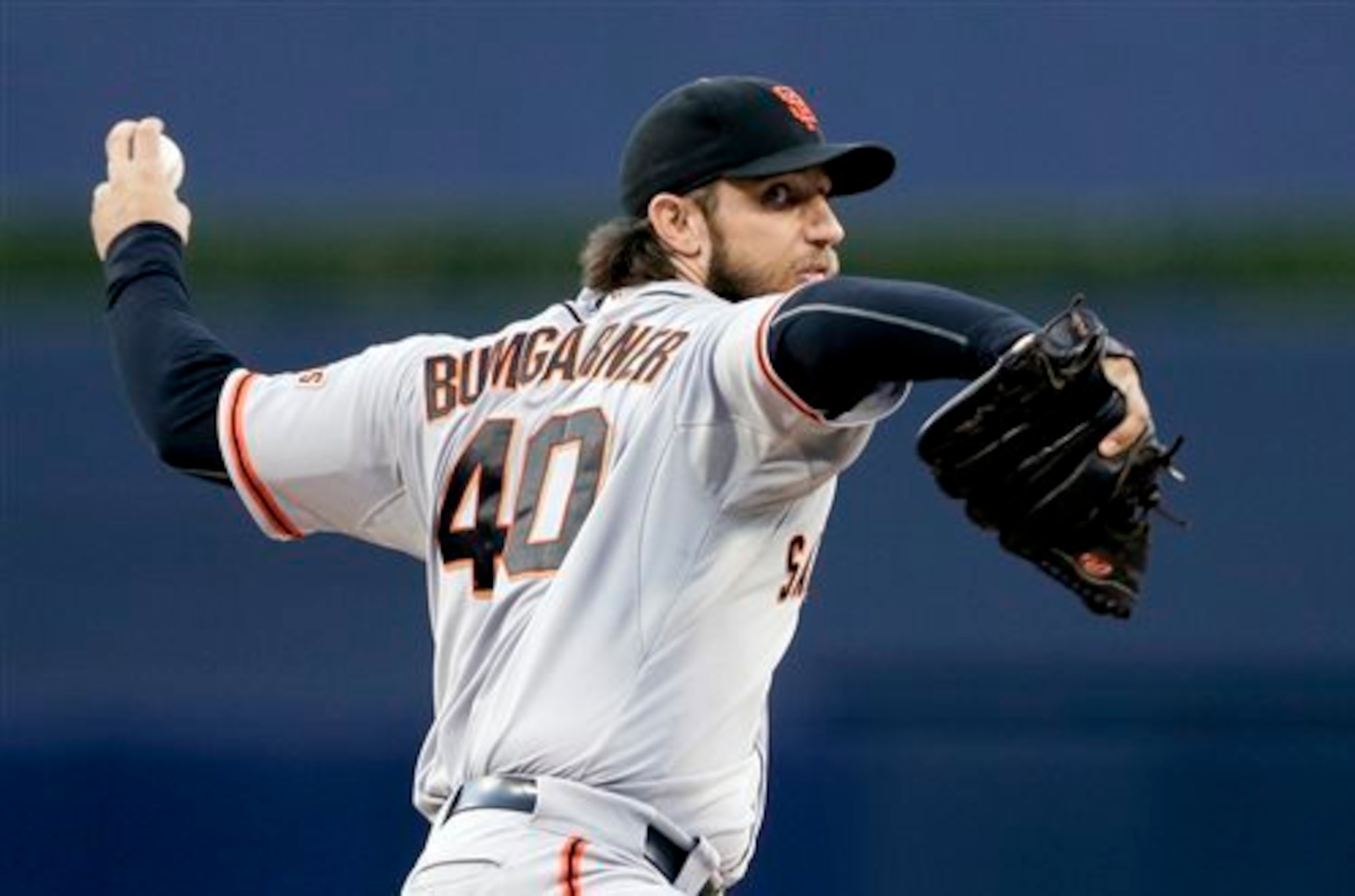
Entering the 2015 season, the big question surrounding San Francisco Giants ace Madison Bumgarner was how much his crazy 2014 workload would impact his performance.
Remember, after throwing 217.1 regular-season frames in 2014, Bumgarner logged an MLB-record 52.2 postseason innings, including 21 in the World Series alone.
According to ESPN Stats & Info, the country-strong southpaw became the first pitcher to record two wins, a shutout and a save in the same Fall Classic. Essentially, he was a one-man pitching staff.
So, did it affect his 2015 output? Bumgarner blew a snot rocket on the very notion.
The Giants missed the postseason thanks to injuries and some inconsistent starting pitching. Bumgarner, on the other hand, didn't miss a step, throwing a career-high 218.1 innings and tying for the MLB lead with four complete games.
Is he going to slow down in 2016? Why don't you ask this tree.
Off-Speed/Breaking Stuff: Dallas Keuchel
3 of 5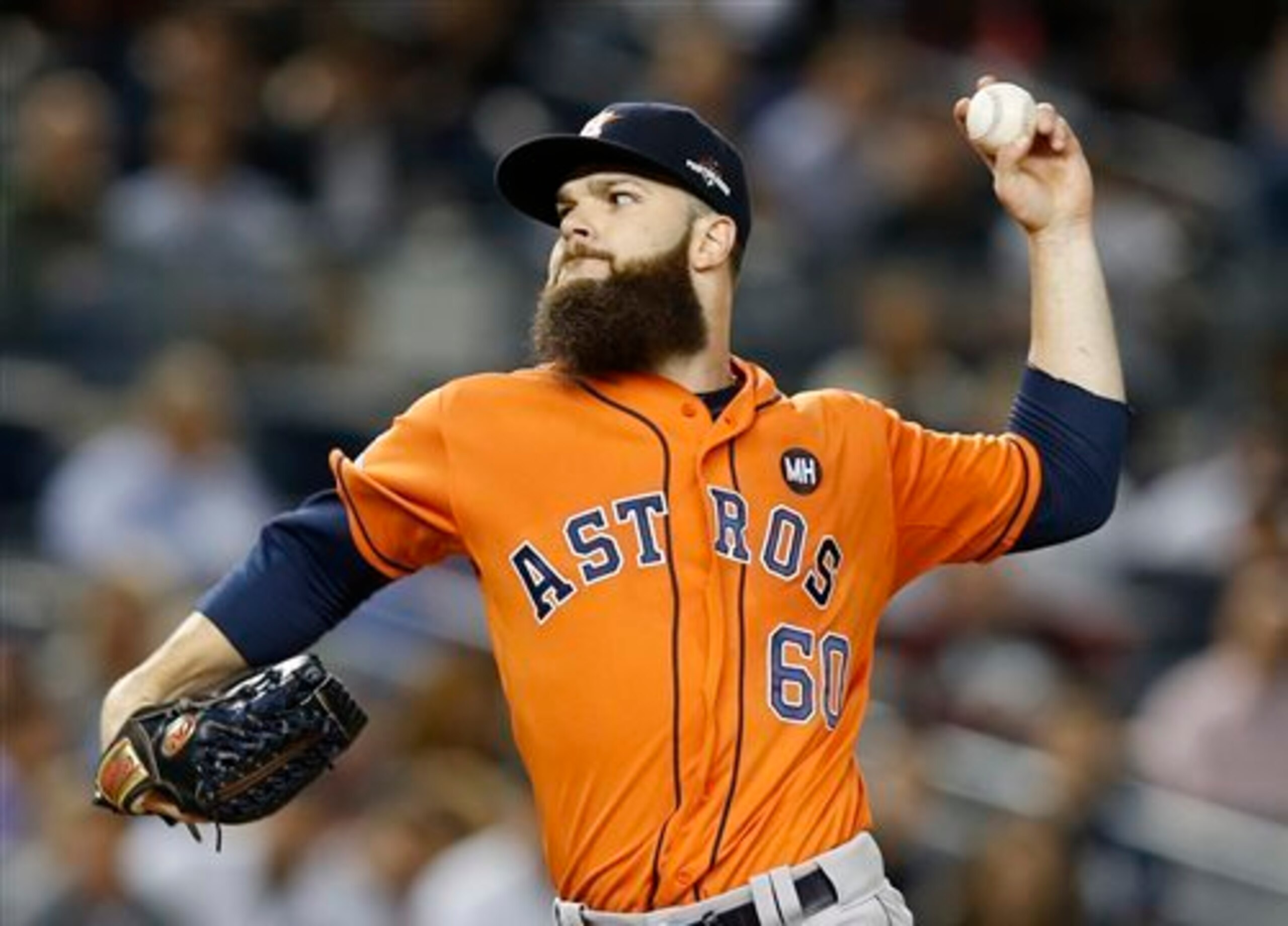
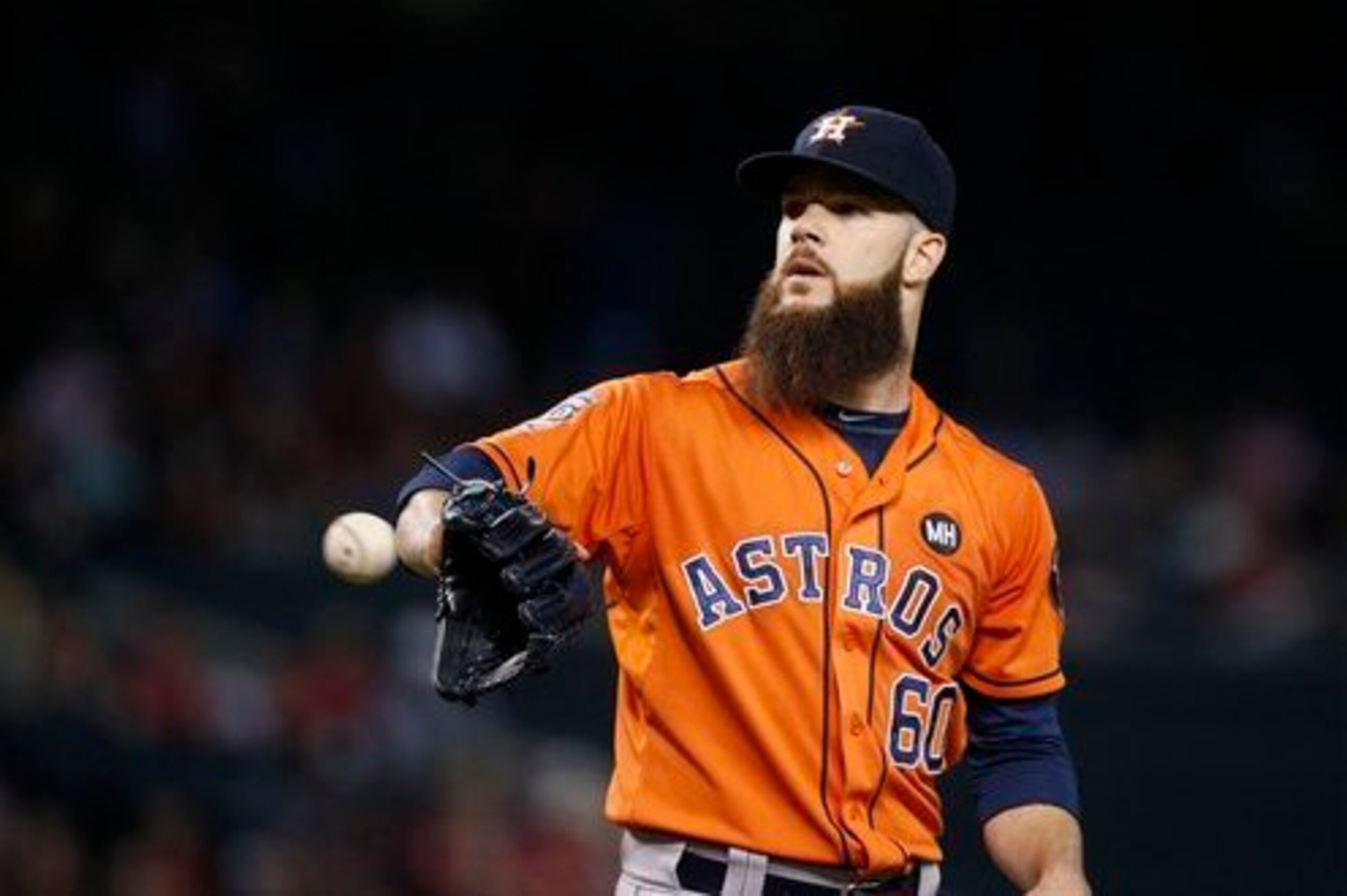
Dallas Keuchel, the reigning American League Cy Young Award winner, has a fastball that sits in the high 80s and low 90s.
So how did he dominate all comers in 2015 en route to a 20-8 record and 2.48 ERA?
With a plus changeup and a wicked slider, against which opposing batters hit .196 and .115, respectively, per FanGraphs.
Keuchel also leans on his sinker to induce ground balls. But the rise of his off-speed and breaking pitches, particularly the slider, coincided neatly with his rise to excellence.
In 2012, his first year in the league, the slider hardly factored into his repertoire. By 2014, it was his second-most-used pitch.
After last year's success, you can bet he'll keep throwing it. And opposing hitters, in all likelihood, will keep flailing.
"He pitches in the zone, and then once those guys start swinging, he expands it," pitcher Mike Fiers said of his Houston Astros teammate, per the New York Times' Zach Schonbrun. "It just shows you that you can pitch with any speed."


Command: Phil Hughes
4 of 5
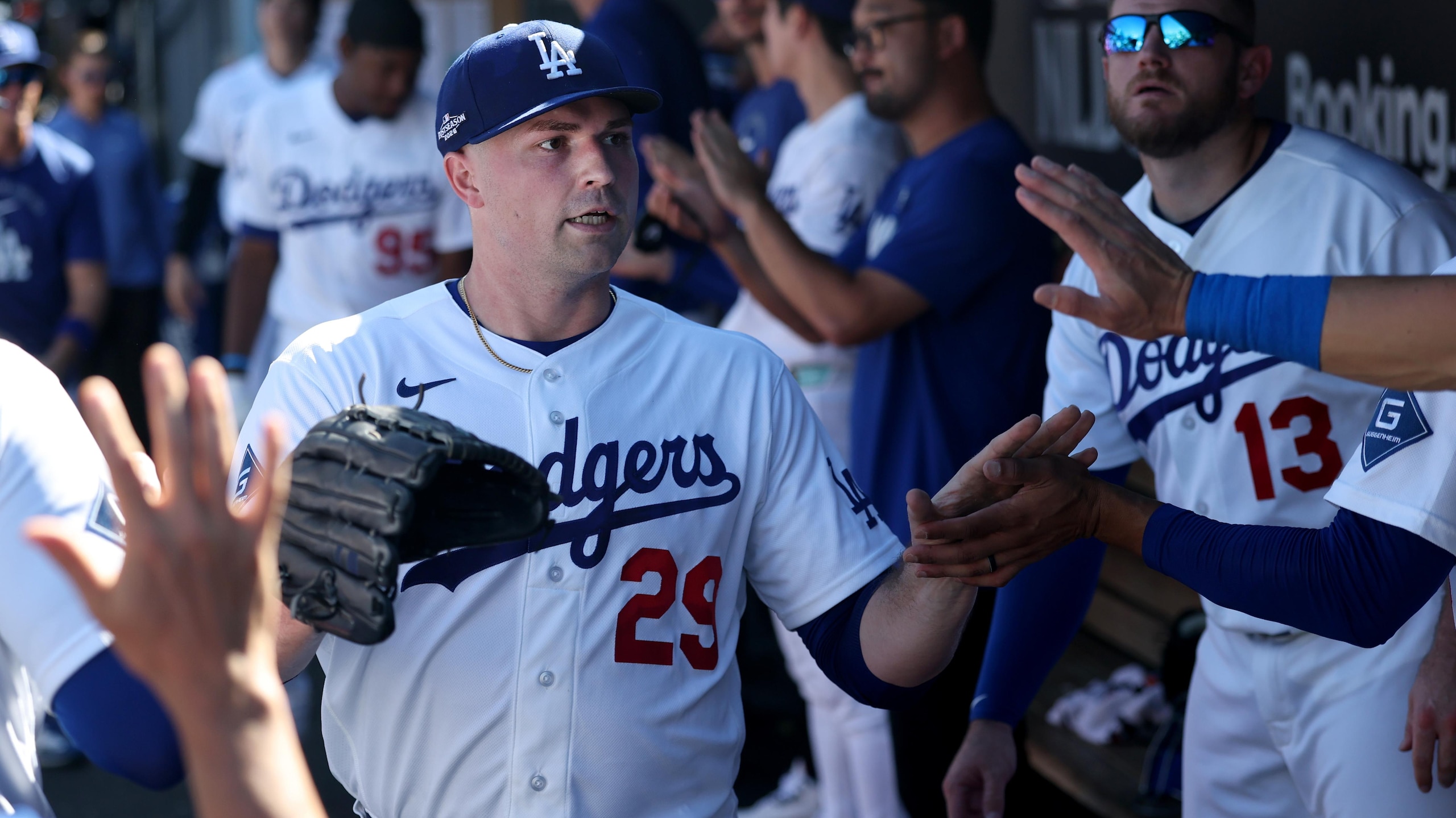
It was tempting to give this slot to Zack Greinke, whose pinpoint control led him to an MLB-best 1.66 ERA and 0.844 WHIP last year.
But it's simply impossible to ignore what Phil Hughes has accomplished over the last two seasons.
An otherwise middle-of-the-pack pitcher, Hughes set baseball's all-time strikeout-to-walk ratio in 2014 with an eye-popping 11.63.
Not surprisingly, he also led MLB with 0.7 walks per nine innings, as he issued just 17 free passes (one of them intentional) all season.
It was worth wondering if Hughes, who owns a lifetime 4.33 ERA in nine big league seasons, could back that up.
He did, issuing just 16 walks in 155.1 innings in 2015, good for 0.9 walks per nine innings.
Again, he's not going to light the league on fire in any other category. But if we could marry that one skill to the others on this list, it'd be a legitimate superpower.
Mechanics: Clayton Kershaw
5 of 5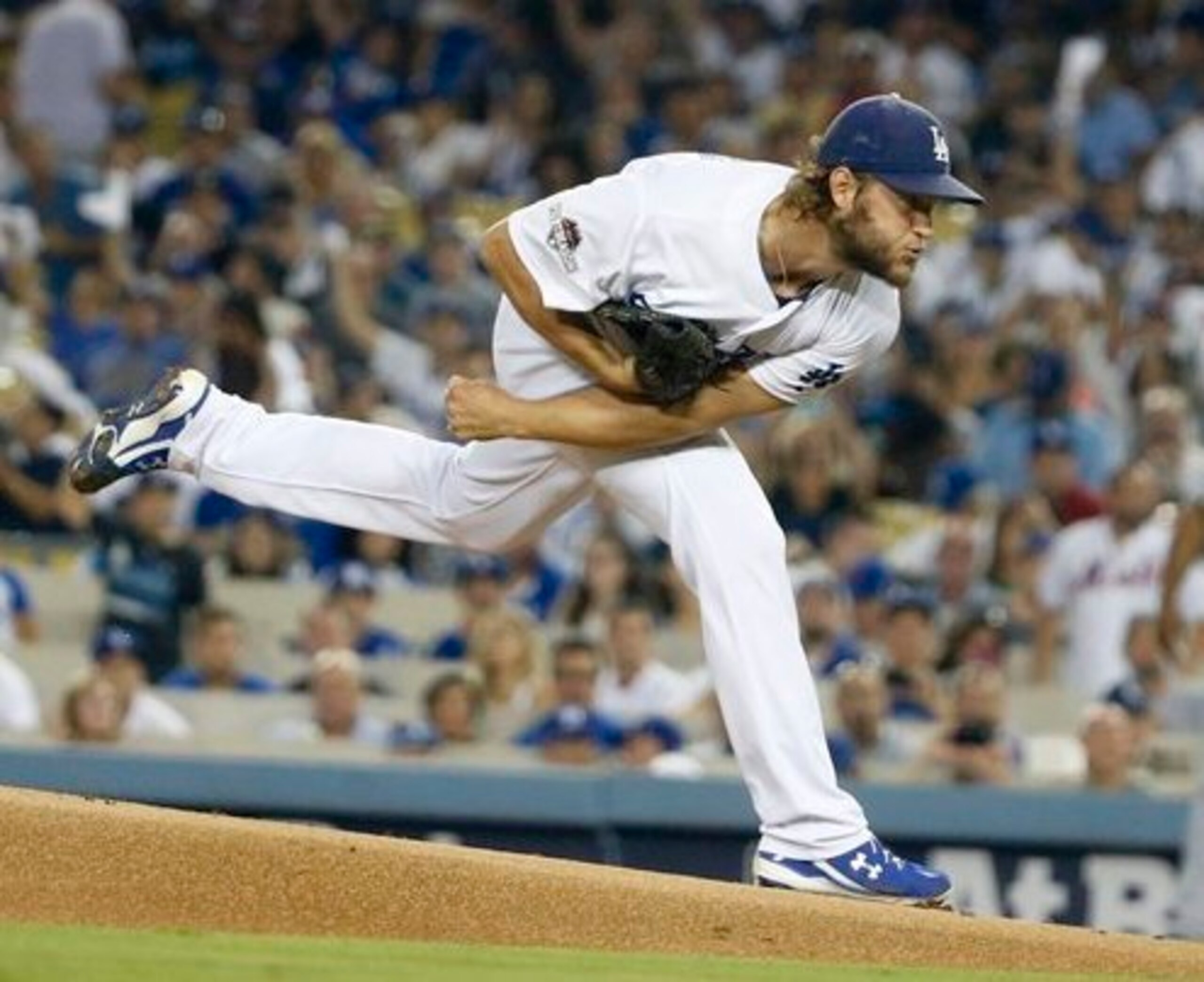
Clayton Kershaw warranted consideration in every category. He can reach back and light up the radar gun. He's eclipsed 200 innings in five of the last six seasons. His curveball is nearly unhittable when it's right. And he's a strikeout machine who keeps walks to a minimum.
That's why he's got three Cy Young Awards and an MVP trophy in his case, and it's why he's arguably the best pitcher in baseball. OK, forget arguably, he is.
But we're giving him credit in the windup department, because that's where it all begins.
Windups, like swings, are subjective creations, each a work of art in its own right. Do you like Johnny Cueto's herky-jerk funkiness? Maybe Chris Sale's sidearm slingshot? There's no wrong answer.
Kershaw, though, is a lanky, uncoiling bundle of power and deception, as FanGraphs' Jeff Sullivan elucidated in 2013:
"Kershaw, without question, has been blessed with wonderful stuff, and with a more conventional delivery, he'd almost certainly be a successful starting pitcher. … But because of the way he throws, Kershaw keeps the baseball hidden from the hitter until right before it's released, and it stands to reason that makes Kershaw even more effective than he might be otherwise. Hitters are left having to guess, and Kershaw isn't afraid to throw any of his pitches to any kind of bat.
"
The stuff, in other words, is the key. Duh to that. But, as any FedEx driver will tell you, delivery matters, too. And, as in all other areas, Kershaw's got it locked down coming off the mound.
All statistics courtesy of Baseball-Reference.com unless otherwise noted.


.jpg?w=2560 "Viral Rams Coach Vid 🖕")
.jpg?w=2560 "Injury-stricken Seahawks signing veteran RB")
.jpg?w=2560 "2 NFL Officials Suspended")


.jpg?w=2560 "Mahomes' Wife Trolls Kubiak 💀")

.jpg?w=2560 "Grading WWE Raw 🔠")