

Creating MLB's Perfect 25-Man Superteam Entering 2016
We occasionally like to think they do, but true Major League Baseball superteams don't actually exist in nature. Put a supposed superteam under a microscope, and you'll find the imperfections.
But in these days when we can almost taste the 2016 MLB season, we can at least imagine what a superteam would look like.
With our eyes on in-their-prime stars with strong track records and strong outlooks for 2016, we're going to handpick a perfect 25-man roster. It will consist of eight starting position players, a designated hitter, four bench players, five starting pitchers and a seven-man bullpen complete with a closer, two setup men, two middle relievers, a lefty specialist and a long reliever.
Now, here's the important part: Rather than a no-holds-barred selection process, we've chosen to fill the above roles only with players that figure to fill them in the 2016 season. That is, our reserve catcher will be a player who projects as a reserve catcher. Our No. 4 starter will be a player who projects as a No. 4 starter. And so on. This way, we can build a team that would hypothetically be able to function in reality.
That's it for the ground rules, so step into the box whenever you're ready.
Catcher: Buster Posey, San Francisco Giants
1 of 26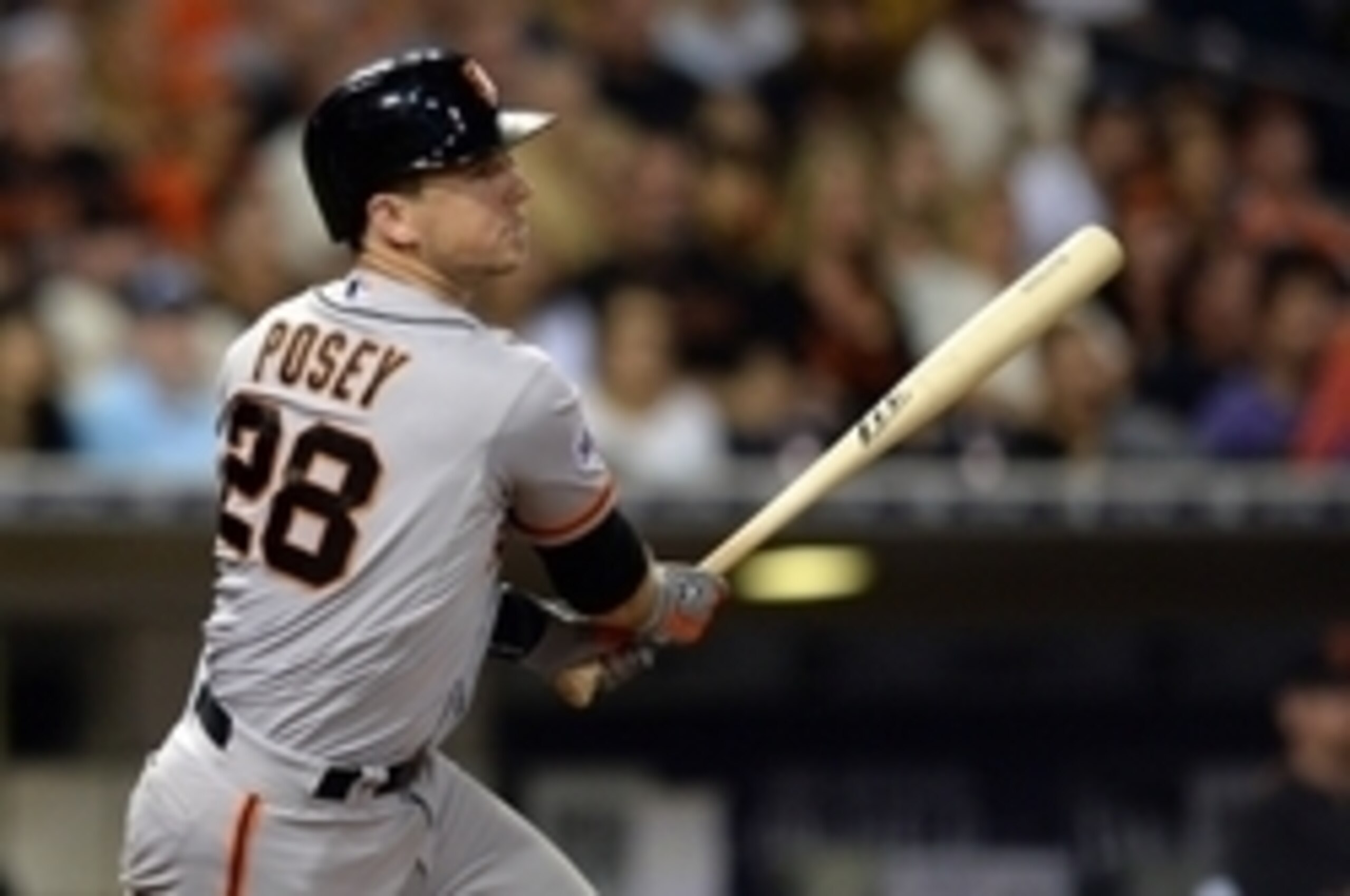
If we're going to pick a guy to be in the squat for our superteam, well, shoot. How can we pass up a 28-year-old with a Rookie of the Year, an MVP and three World Series titles to his name?
And yeah, Buster Posey also boasts some stupendous numbers. Since 2010, he's hit .312 with an .862 OPS while averaging 23 home runs on a per-162-games basis. Among qualified catchers, the San Francisco Giants star has been by far the best hitter in the business over the last six seasons.
To boot, Posey isn't showing any signs of slowing down.
He hit .318 with an .849 OPS in 2015, walking more often than he struck out in the process. He was also a gem defensively, throwing out 36 percent of would-be base stealers and, per Baseball Prospectus, rating as one of MLB's top five strike-framers. He even threw in some quality defense at first base on the side. With all this in mind, Scott Spratt—writing for ESPN.com—made a compelling case for Posey as the National League MVP last August.
The award ended up going to another player who will appear on this list, but no matter. If nothing else, Posey's 2015 season erased any and all debate over who deserves to be called baseball's best catcher.
First Baseman: Paul Goldschmidt, Arizona Diamondbacks
2 of 26
This is where things get more difficult. Between Miguel Cabrera, Joey Votto, Anthony Rizzo, Chris Davis and a few others, there are some really good first basemen in MLB today.
But if we're going to choose one, we have to go with "America's First Baseman."
Paul Goldschmidt teased big potential back in 2011 and 2012, and has made good on it by hitting .309 with a .968 OPS and 88 total homers over the last three seasons. Add in 45 stolen bases and a pair of well-deserved Gold Gloves, and the Arizona Diamondbacks star is indeed the total package.
“He’s the best all-around player, in my opinion, in the game," said Arizona general manager Dave Stewart last summer in an interview with Arizona Sports 98.7 FM.
Well, that may be a stretch. But what's not a stretch is calling Goldschmidt the game's best first baseman. Baseball-Reference.com WAR claims the 28-year-old has been the best of the bunch over the last three years by a comfortable margin.
Second Baseman: Dee Gordon, Miami Marlins
3 of 26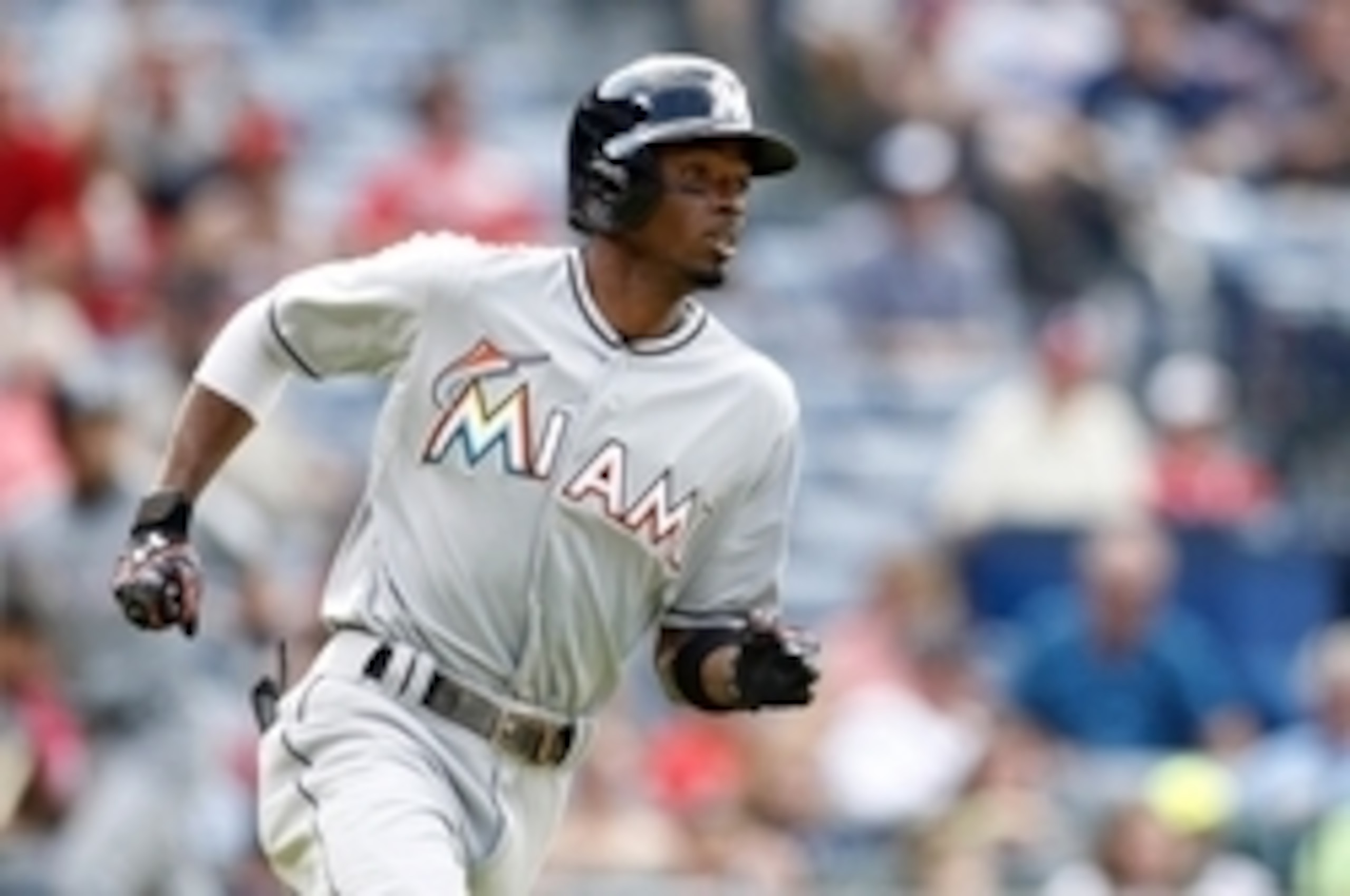
A couple of years ago, the debate over the best second baseman in the game centered on Robinson Cano and Dustin Pedroia. But now, it's a wide-open discussion.
Dee Gordon, though, is just the man for our superteam.
Somebody has to bat leadoff, after all, and the Miami Marlins star has handled that role well over the last two seasons. Gordon isn't much for drawing walks, but the lefty hitter's contact-oriented approach produced a .289 average in 2014 and an NL-best .333 average in 2015. And with his speed, he's also stolen a major league-best 122 bases.
Or, as Los Angeles Dodgers left-hander Brett Anderson summed up Gordon to Dylan Hernandez of the Los Angeles Times: "Kryptonite lefty speed guy."
Where Gordon has improved, meanwhile, is on defense.
The 27-year-old went from being a newbie at second base in 2014 to a Gold Glover in 2015. As Jeff Sullivan of FanGraphs highlighted, this was the result of him learning to play second base with his head in addition to his physical tools. In so doing, he made himself a truly well-rounded player.


Third Baseman: Josh Donaldson, Toronto Blue Jays
4 of 26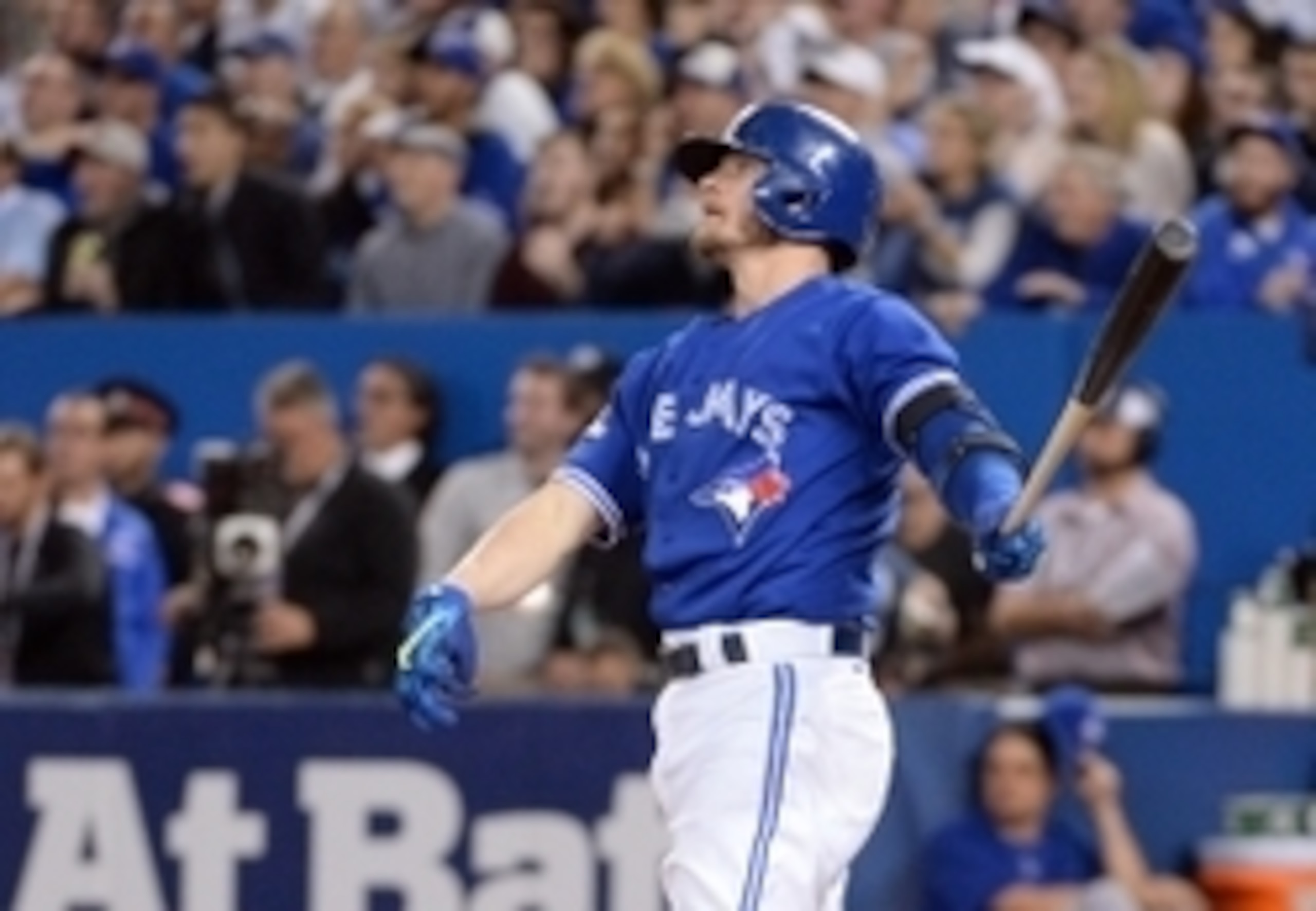
The term "hot corner" has probably never been more appropriate than it is right now. From Manny Machado to Adrian Beltre to Nolan Arenado to Kris Bryant, third base is loaded.
But just as Goldschmidt reigns supreme among first basemen, Josh Donaldson reigns supreme over third basemen.
The Toronto Blue Jays star is coming off an American League MVP season in which he hit .297 with a .939 OPS and a career-high 41 home runs. This was the culmination of a larger body of work, as the 30-year-old has been a wrecking ball ever since his first full year in 2013. In three seasons, he's hit .284 with an .874 OPS and 94 total home runs.
Granted, Donaldson doesn't have the defensive chops of a Machado or an Arenado. But he's not much of a step down from them either. Donaldson is far more athletic than you'd expect from a former catcher, and he has used his athleticism to rate as a well-above-average defender.
Add up all of Donaldson's contributions, and you get a player who leads all other third basemen in rWAR over the last three seasons. And like with Goldschmidt, it's by a comfortable margin.
Shortstop: Francisco Lindor, Cleveland Indians
5 of 26
Like at second base, there's no obvious call to make about who's the best shortstop in baseball today. There are some good veterans lying around, and there was also a youth revolution at the position in 2015.
It is from that revolution that we're going to find our guy: Francisco Lindor.
The 22-year-old Cleveland Indians star is appealing in part because shortstop is a very important defensive position, and he's a very good defensive player. Lindor often displayed Statcast-able defense in his 99-game rookie season in 2015. And on a rate basis, he might have been the league's best defensive shortstop.
Lindor is also no slouch on offense. In his rookie year he hit .313 with an .835 OPS, and he tacked on 12 homers and 12 steals. And though his minor league track record suggests these numbers might be a bit inflated, the fact that Lindor is a switch-hitter with an advanced approach allows for some optimism.
Other good candidates for our superteam's shortstop include Carlos Correa, the 2015 American League Rookie of the Year, as well as Brandon Crawford and Xander Bogaerts. But Lindor figures to be a better defender than all three. That and his quality bat make him too attractive to pass up.
Left Fielder: Alex Gordon, Kansas City Royals
6 of 26
Because left field is home to players with a wide variety of skill sets, it's a position where "best" is hard to define. There's no easy call to make here.
So, let's make the safe call: Alex Gordon.
At the least, it's a fact that Gordon has been the game's best left fielder over the long haul. Since 2011, he's hit .281 with an .809 OPS while averaging 18 home runs and 10 stolen bases per season. He's also won four Gold Gloves in this span, and the metrics agree those have been well-earned.
Looking ahead, Gordon does have a question mark looming over his head. The Kansas City Royals star is heading into his age-32 season, and he's coming off a year in which a leg injury limited him to 104 games in the regular season. There's a chance he's past his physical prime.
However, it's worth something that Gordon was his usual self when he was healthy in 2015. He hit .271 with an .809 OPS and 13 homers and continued to play strong defense in left field. Knowing this, there's a good chance he has at least one more elite year ahead of him.
Center Fielder: Mike Trout, Los Angeles Angels
7 of 26
Does simply saying "Duh" count for sufficient reasoning here?
No? Oh, very well.
On the off chance you haven't been keeping up with current affairs, Mike Trout is basically Willie Mays, Mickey Mantle, Ken Griffey Jr., Han Solo and Indiana Jones all in one. The Los Angeles Angels star took the league by storm at the age of 20 with an MVP-caliber performance in 2012, and he has further cemented himself as the game's best player in three seasons since.
All told, Trout has hit .308 with a .970 OPS in his four full seasons and averaged 34 home runs and 27 stolen bases. And though it's been somewhat of a bumpy ride, the metrics have generally rated him as an above-average defensive center fielder.
Really, the only things worth complaining about are the facts that Trout strikes out too much and that he's been declining as a base stealer. Nonetheless, rWAR rates him as by far the best overall player in baseball since 2012. And after leading the AL in OPS and slugging 41 homers in 2015, it's hard to say Trout is trending downward.
So, as I was saying, "Duh."
Right Fielder: Bryce Harper, Washington Nationals
8 of 26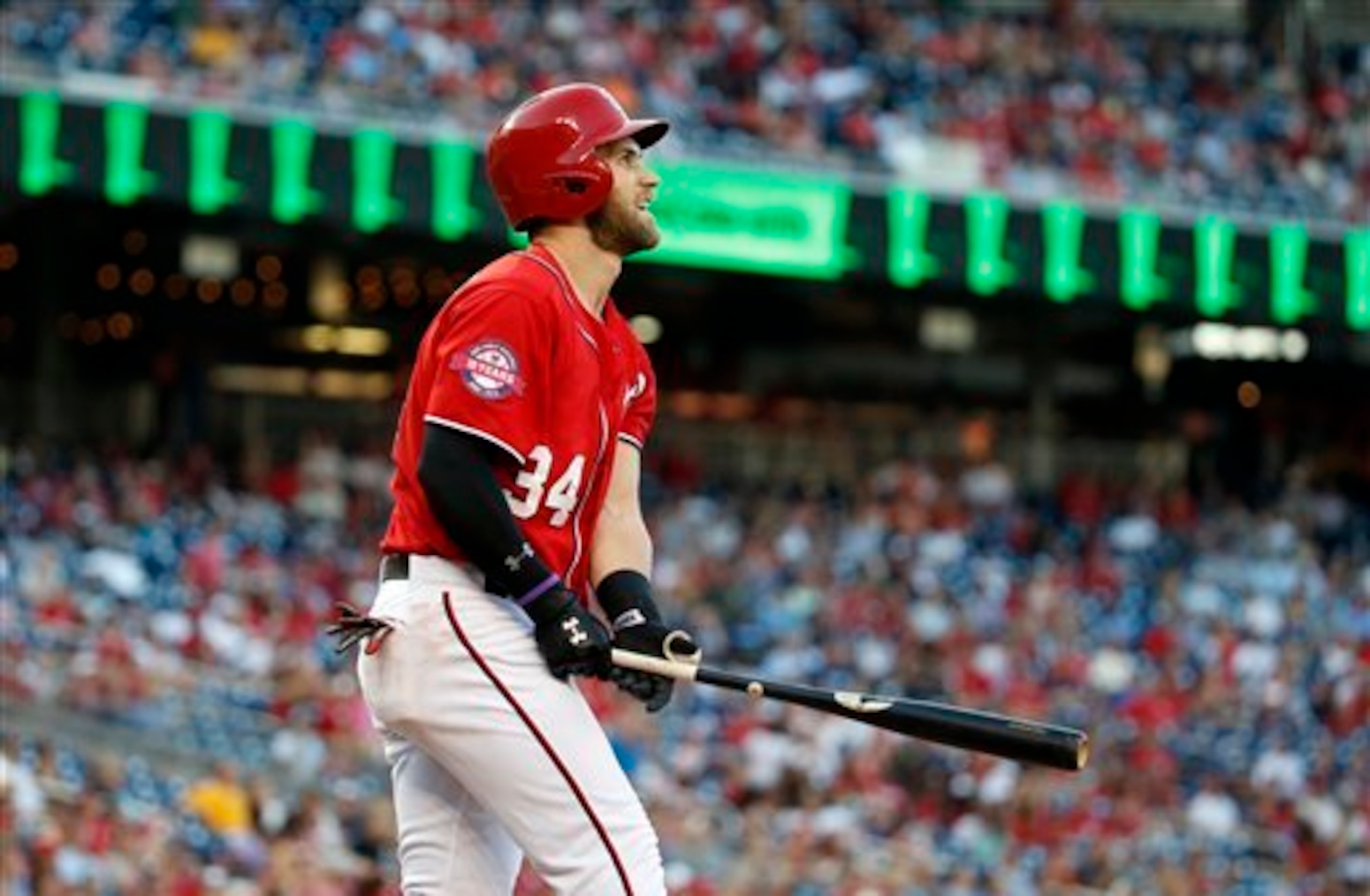
Right field may not be the deepest position in baseball, but it's one of the most top-heavy. Among the contemporary greats are Jason Heyward, Giancarlo Stanton and Jose Bautista.
And then there's Bryce Harper, who just showed he can be a lot better than any of them.
For the first three years of his career, the 23-year-old Washington Nationals star toed the line between being successful and being disappointing. He was mostly good when healthy, but short of the superstar he was billed as during his prospect days. Worse, staying healthy wasn't easy.
But 2015 changed everything. Harper destroyed the competition with a .330 average, an MLB-best 1.109 OPS and 42 home runs. All that amounted to the best offensive season since Barry Bonds in 2004, and solid right field defense further helped put Harper atop the rWAR charts.
Of course, now Harper has to repeat it. But that may actually be doable. Beyond finally staying healthy, Harper broke through because he finally calmed down and tightened up his plate discipline.
"He understands himself more," said now-former Nats manager Matt Williams last August, via Tracy Ringolsby of MLB.com. "He's not chasing pitches out of the strike zone. That's why his walks are up. That's why his home runs are up."
Basically, that's why Harper is who we thought he was going to be.
Designated Hitter: David Ortiz, Boston Red Sox
9 of 26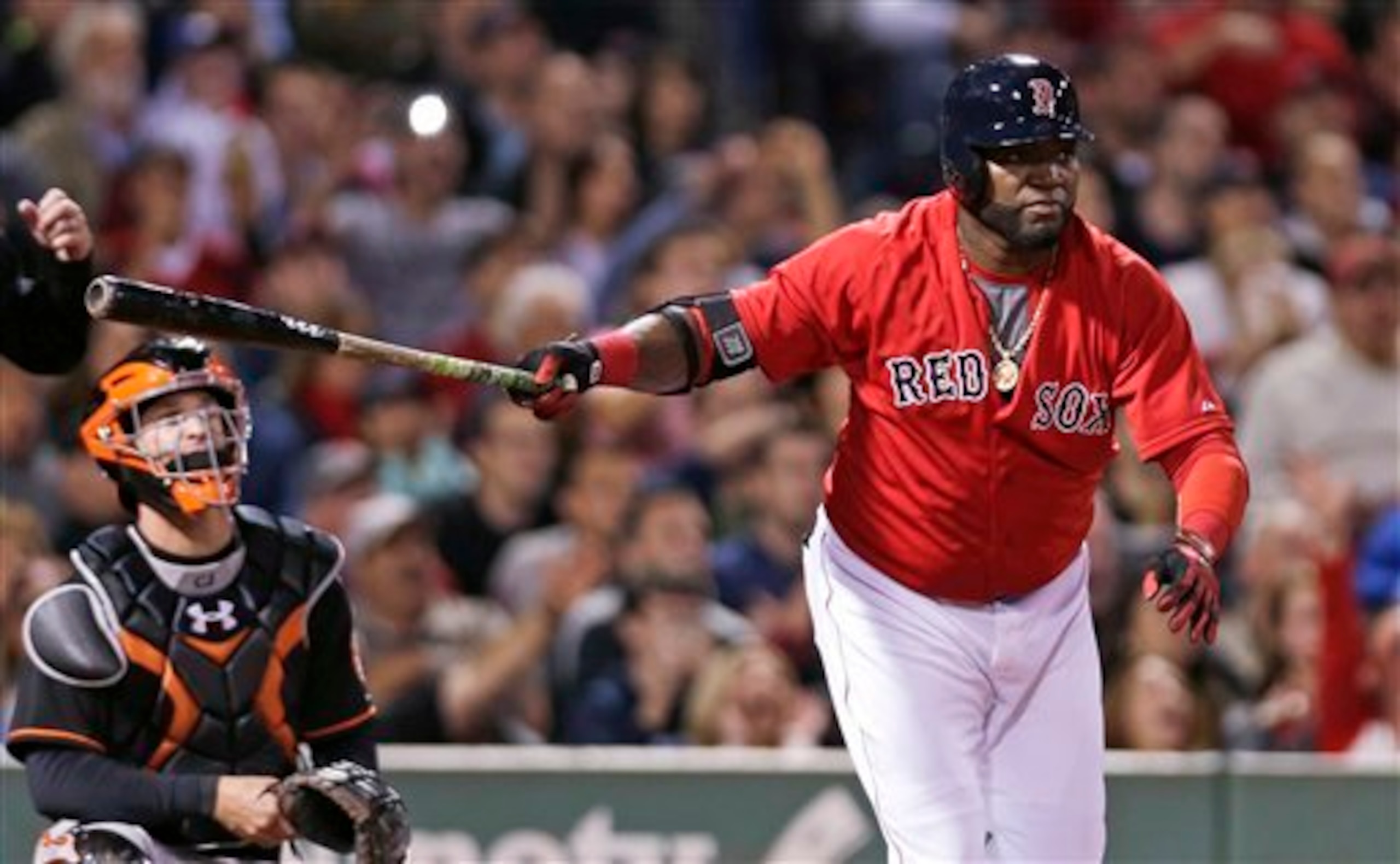
Hey, of course our superteam has a DH. Watching pitchers hit is a good way to get your daily cringes in. Watching DHs hit is actually fun. According to sources, fun is good.
Especially when said DH is David Ortiz.
Big Papi first broke out all the way back in 2003 and since then has embarked on a career that will arguably be worthy of Cooperstown after it's finally over at the end of 2016. Over the last 13 seasons, the Boston Red Sox star has hit .288 with a .951 OPS and 445 of his 503 career home runs.
And though Ortiz is now on the wrong side of 40, he's still going strong. He hit .273 with a .913 OPS and 37 home runs in 2015, and overall he has hit .281 with a .915 OPS and 102 home runs since 2013. By rWAR, he's been easily the league's top DH over the last three seasons.
On that list are some pretty good alternatives, including Victor Martinez, Alex Rodriguez, Prince Fielder and Kendrys Morales. But it's never a bad idea to go with the sure thing, and things don't get much surer than Big Papi.
Bench: Caleb Joseph, Baltimore Orioles
10 of 26
If we were going with a no-holds-barred approach, here's where you'd find an argument for Russell Martin to be our reserve catcher. Alas, our reserve catcher must actually be a reserve catcher.
Among those happy few, though, none stands out quite as well as Caleb Joseph.
Though Joseph will be backing up Matt Wieters on the Baltimore Orioles in 2016, the 29-year-old is no stranger to playing time. He's played in 182 games over the last two seasons—and played well, as rWAR rates him behind only 12 other catchers.
Offensively, Joseph is far from the complete package. In two seasons, he's hit only .223 with a .660 OPS. But his 20 home runs go to show he at least has a bit of power to offer. So, there's that.
More importantly, Joseph is a pretty good defender. He's thrown out 37 percent of would-be base stealers in the last two seasons, and Baseball Prospectus rated him as one of MLB's better strike-framers in 2015.
Bench: Brock Holt, Boston Red Sox
11 of 26
It's not easy to make the All-Star team as a super-utility player. Meet Brock Holt, one of very few players who knows what that's like.
The 27-year-old was the Red Sox's lone All-Star in 2015, an honor he earned by hitting .292 with a .791 OPS while playing all over the field in the first half. He ended up hitting .280 with a .727 OPS and overall has hit .280 with a .720 OPS over the last two seasons.
But while Holt's offense is nice, it's what he can do on defense that makes him a good fit for our bench. Over the last two seasons, he's played all four infield positions and all three outfield positions.
“He goes and plays every day, and it may be a different position every day but he’s ready for the task," said Red Sox outfielder Mookie Betts in a NESN interview in June.
The only thing Holt hasn't done yet is catch or pitch, and it's probably not a good idea to rule out him of doing either.
Bench: Marwin Gonzalez, Houston Astros
12 of 26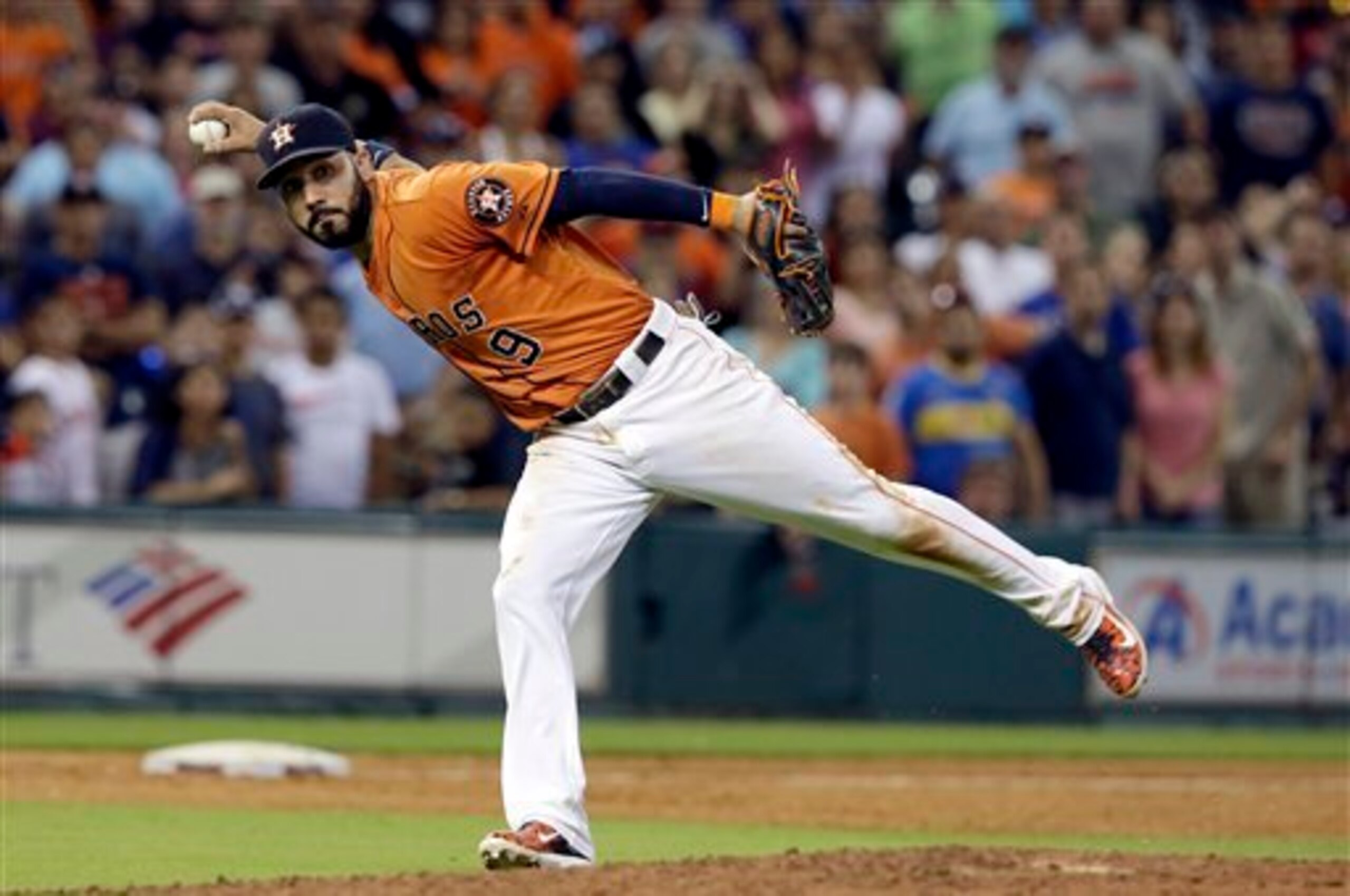
Out there in Los Angeles is a fella named Enrique Hernandez, who would be a good right-handed-hitting super-utility player to pair with Holt on our superteam's bench.
The trump card, though, is a switch-hitting super-utility player. You know, like Marwin Gonzalez.
The 26-year-old was the Houston Astros' starting shortstop not too long ago, but Correa's rise last season forced him into a utility role. He took it and ran with it, playing all four infield positions while also logging time in left field.
"He could play right or center too, if I asked him to do it," Astros manager A.J. Hinch told Tim Brown of Yahoo Sports in September.
Gonzalez also carried on as an above-average hitter. Over the last two seasons, he's hit .278 with a .744 OPS and 18 home runs. That gives him a power advantage over Holt, who has hit only six homers over the last two seasons.
Bench: Jake Marisnick, Houston Astros
13 of 26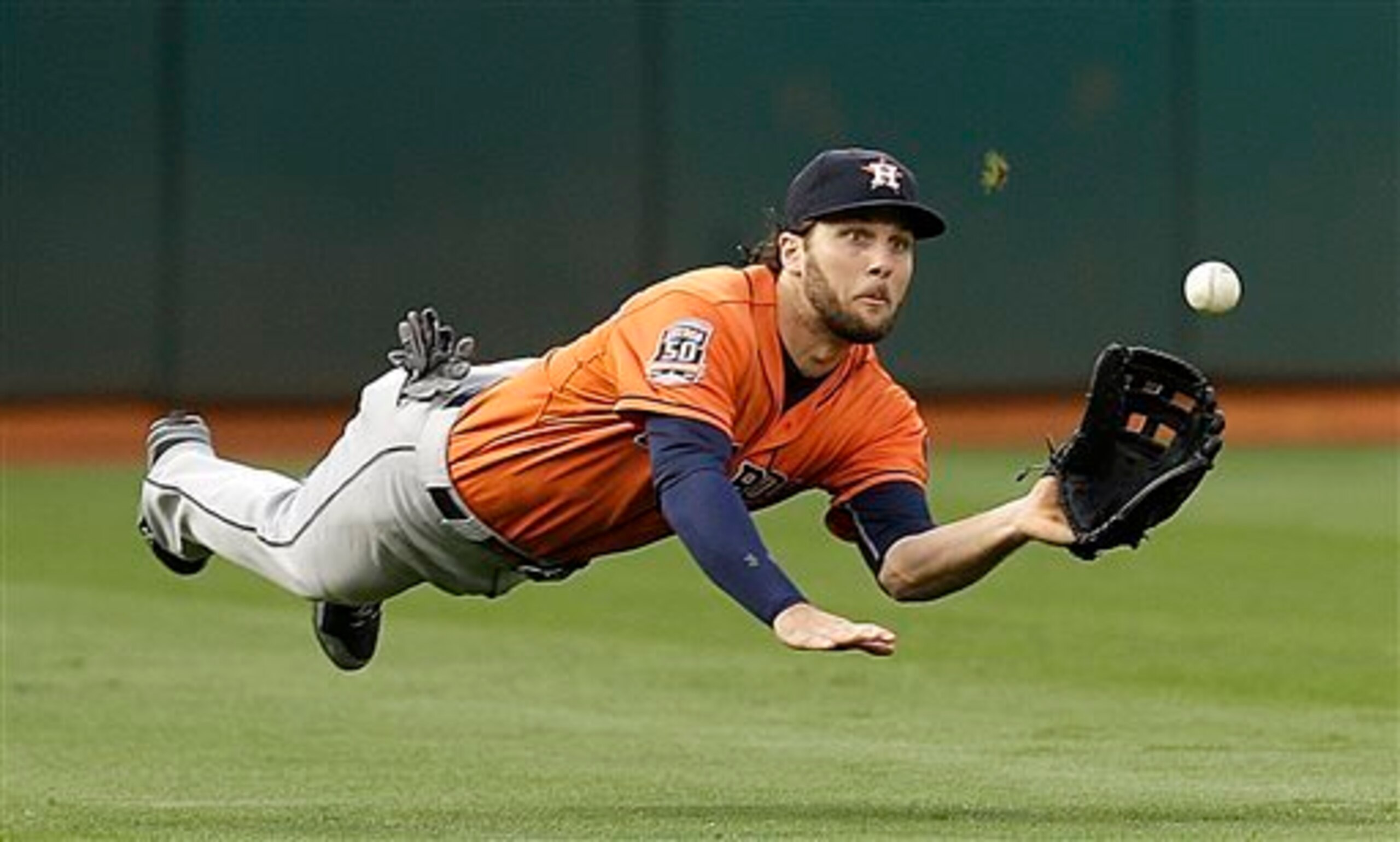
Look out across the baseball landscape, and you'll see quite a few solid fourth outfielders. Names like Gregor Blanco, Gerardo Parra, Sam Fuld and Chris Young come to mind.
But the most exciting guy on the scene is a relative newcomer: Jake Marisnick.
Injuries elsewhere on the Astros allowed Marisnick to make 101 starts last year, and the 24-year-old used those to author a solid breakthrough performance. He was a below-average hitter with a .236 average and a .665 OPS, but he padded his overall value with nine homers, 24 stolen bases and excellent defense in all three outfield spots.
Heading into 2016, though, Marisnick is behind Colby Rasmus, Carlos Gomez and George Springer on Houston's depth chart. That means the Astros will be taking his power, speed and defense off the bench, quite the attractive proposition knowing that Marisnick could probably start for a few teams.
No. 1 Starter: Clayton Kershaw, Los Angeles Dodgers
14 of 26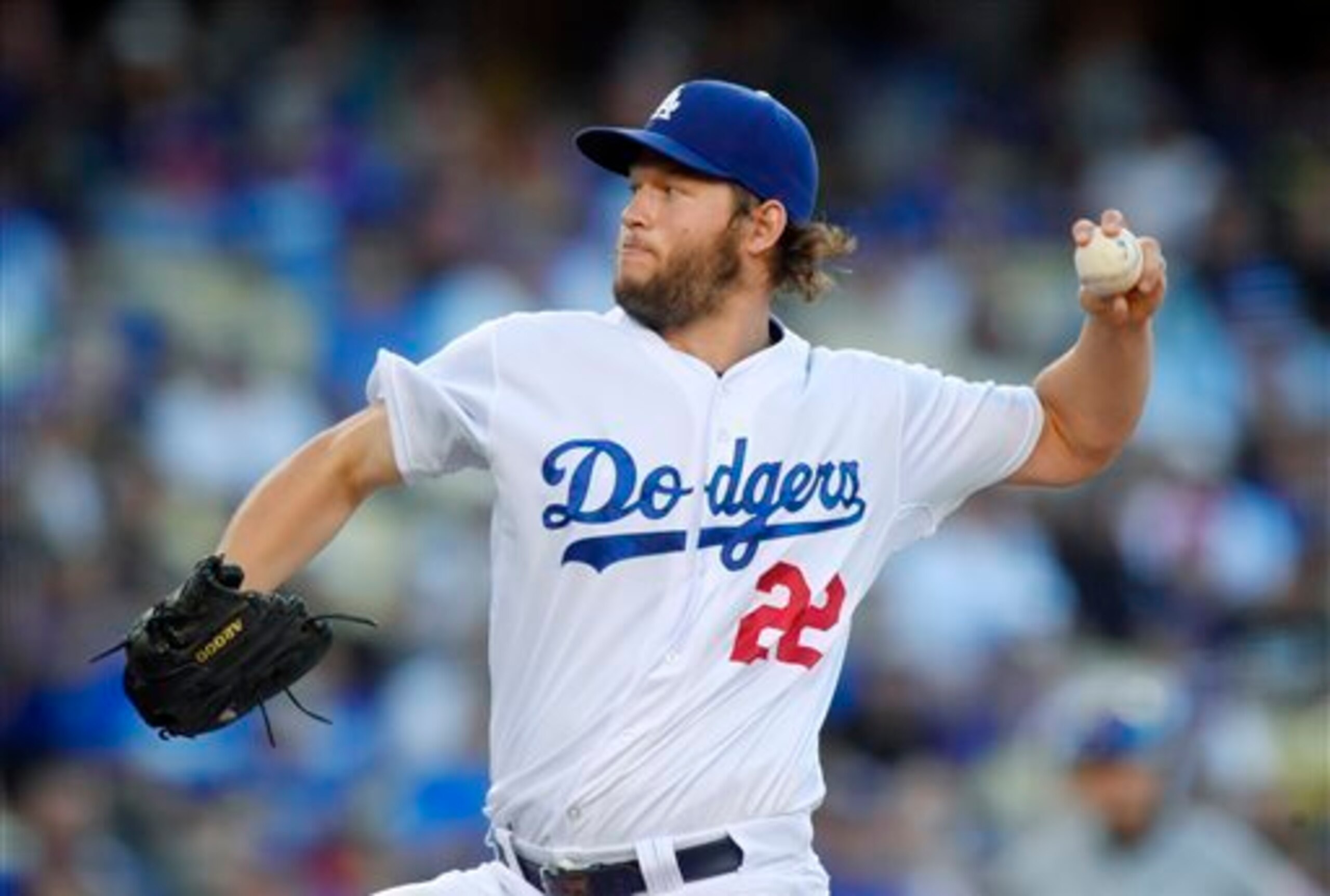
Baseball is in an age dominated by pitching, and it certainly has the No. 1 starters to prove it. Reigning Cy Young winners Jake Arrieta and Dallas Keuchel are just the tip of the proverbial iceberg.
But if it's dominance and consistency that define an ace, Clayton Kershaw is still the man.
There was a point last season when the 27-year-old Los Angeles Dodgers ace seemed off. Through his first nine starts, he had a 4.32 ERA. But Kershaw put that behind him in Kershaw-like fashion, ripping off a 1.39 ERA and striking out 202 more batters than he walked over his final 24 starts.
In the end, Kershaw finished 2015 with a higher strikeout rate, a lower walk rate and more innings pitched than Arrieta. He didn't get a Cy Young for his efforts, but he arguably deserved it.
Had Kershaw won the Cy Young, it would have been his fourth in five seasons. And in those five seasons, all he's done is rack up a 2.11 ERA and a sterling 5.16 strikeout-to-walk ratio. According to rWAR, he's been the best pitcher in baseball by a laughably big margin.
No. 2 Starter: Matt Harvey, New York Mets
15 of 26
Where Kershaw was an easy call for the top spot in our rotation, the No. 2 spot is a tougher call. There aren't many true aces working as No. 2 starters, after all, so our best choice is a guy who has been an ace in the past and has ace upside going into 2016.
Hence, Matt Harvey.
Before Tommy John surgery came along and wrecked things, Harvey owned 2013 with a 2.27 ERA and 6.16 K/BB ratio. He proved in his 2015 return that his operation did little to sap his talent, posting a 2.71 ERA and 5.08 K/BB ratio in 29 regular-season starts. According to one measure, the only pitcher who's been more dominant than Harvey since he broke through in 2012 is none other than Kershaw.
Now all Harvey needs to do is show he can handle the workload of an ace, and that's something he's determined to do.
“You look at guys who have thrown 230 innings year after year after year, that’s kind of somebody who I’ve always wanted to be,” Harvey told Anthony McCarron of the New York Daily News in October.
After pitching a total of 216 innings between the regular season and postseason in 2015, Harvey has a good chance of hitting his mark.
No. 3 Starter: Noah Syndergaard, New York Mets
16 of 26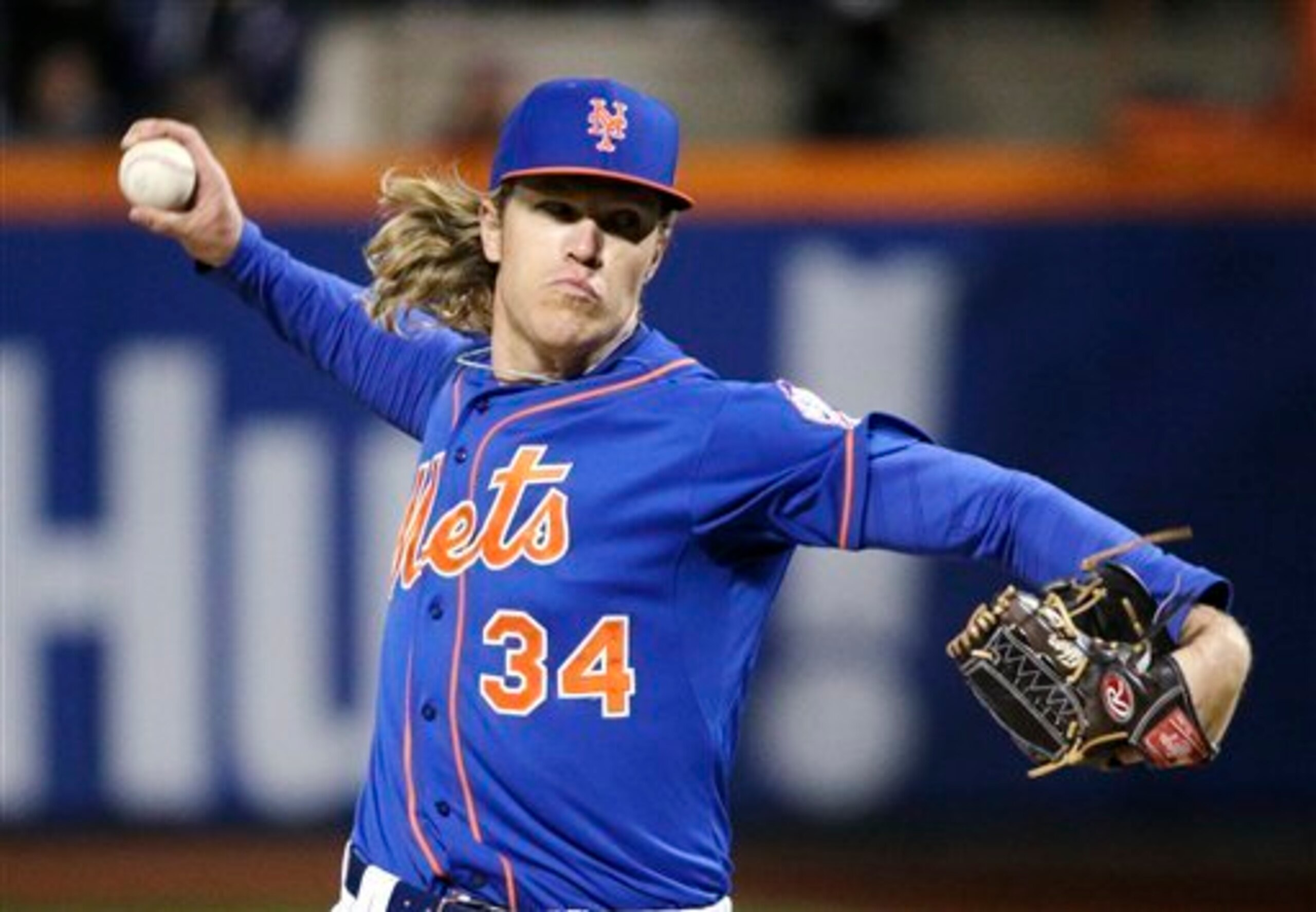
When looking at the league's No. 3 starters, relatively safe bets such as John Lackey and Michael Wacha stand out. There's also a high-upside youngster in Cleveland named Danny Salazar.
Instead, we're going to go with the high-upside youngster in Queens: Noah Syndergaard.
After coming into 2015 as one of the best pitching prospects in baseball, Syndergaard lived up to the hype by posting a 3.24 ERA and an excellent 5.35 K/BB ratio in 24 starts for the Mets. The 23-year-old certainly made a big impression with his fastball, which led MLB with an average velocity of 97.1 miles per hour.
And yet, odds are we haven't even seen Syndergaard at his best. He came into the league already armed with a hard fastball, wicked secondaries and much better control than your average prospect. After starring in both the regular season and postseason as a rookie, he now has loads of experience.
It's fair to expect Syndergaard to take his 2015 performance and stretch it out over 200 or so innings in 2016. But it should surprise nobody if he does even better. If he does either, he'll be a No. 3 starter in name only.
No. 4 Starter: Mike Leake, St. Louis Cardinals
17 of 26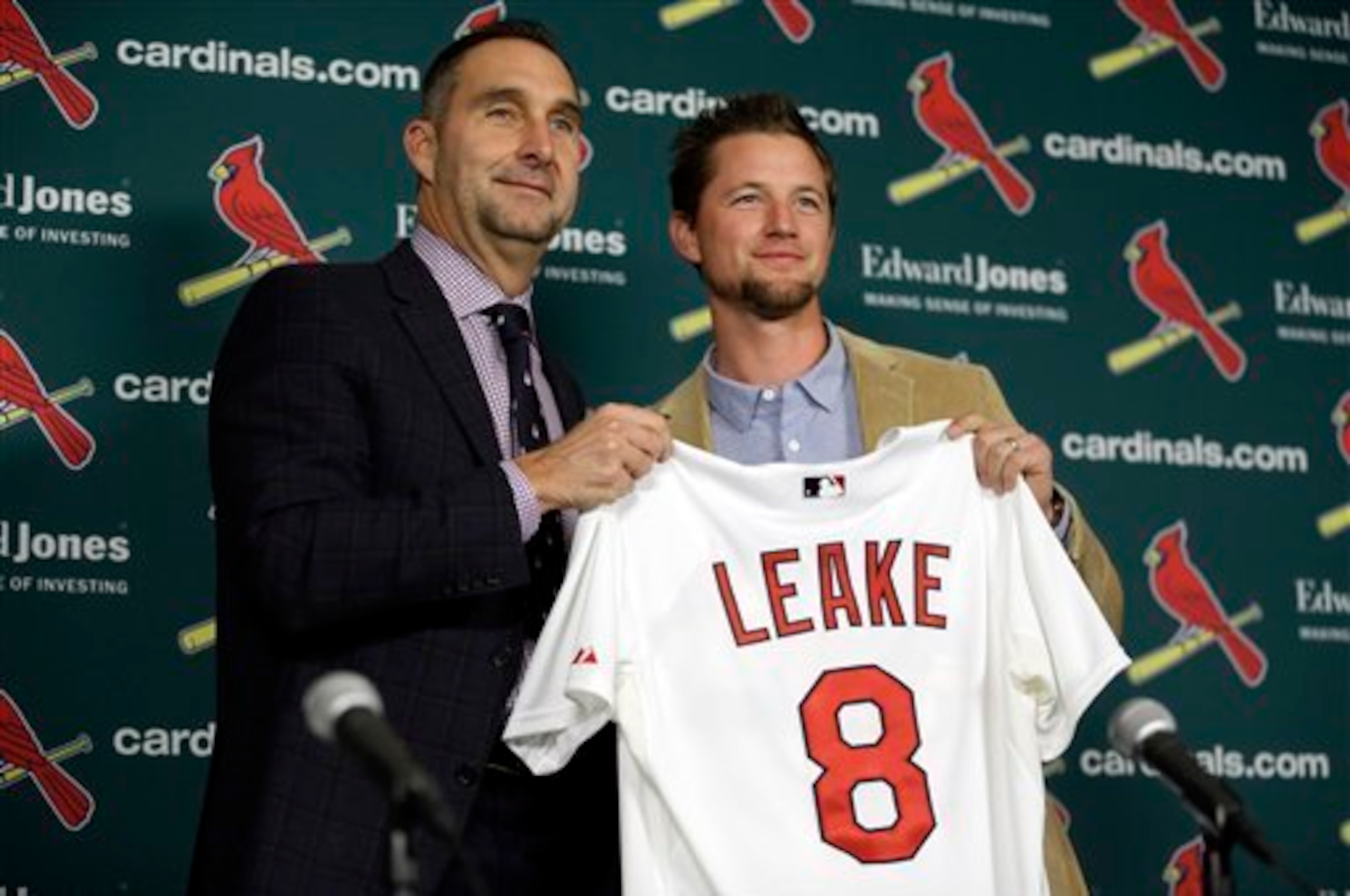
When you go as far as the No. 4 spot in any rotation, you're typically past the parts to get excited about. Some No. 4 starters are reliable and some have upside. But few, if any, have both.
That puts us in a position to make the safe pick: Mike Leake.
Leake could hypothetically pitch second or third in the St. Louis Cardinals rotation, but both the club's official website and the ever-valuable RosterResource.com have him slated as the team's No. 4 starter. The Cardinals should feel lucky to have him there, as the 28-year-old should produce much better results than your typical No. 4 starter.
Over the last three seasons, Leake has put up a solid 3.59 ERA while averaging nearly 200 innings per season. Nobody's ever going to mistake him for a dominant pitcher, but he uses strong command and a diverse arsenal to pitch to contact effectively. Case in point: See his career ground-ball rate of 50.2.
Leake may not have much upside, but he has reliability and little-to-no downside.
No. 5 Starter: Kyle Hendricks, Chicago Cubs
18 of 26
Ah, yes. No. 5 starters. Or maybe the word is "yeesh." It's generally not a place teams put talent. It's a place they simply put whatever is left.
Save for the Chicago Cubs, who have Kyle Hendricks to put in their No. 5 spot.
Now, it's not quite a given that they will. But that's where RosterResource.com has the 26-year-old slated in Chicago's rotation, and the folks at Bleacher Nation agree. That's good enough for us.
So, too, obviously, is Hendricks himself. Though his first full season in 2015 doesn't look all that impressive at first glance, it gets better the closer you look. Hendricks may have only authored an average-ish 3.95 ERA in his 180 innings, but he did so with a strong 3.88 K/BB ratio and a 51.3 ground-ball percentage.
That is to say, Hendricks was a solid workhorse who threw strikes, missed some bats and got plenty of ground balls. He really deserved better than the 3.95 ERA he was dealt, which bodes well for 2016.
Closer: Wade Davis, Kansas City Royals
19 of 26
Just as today's pitching-rich environment isn't short on No. 1 starters, it's not short on shutdown closers either. Aroldis Chapman stands out, as do Craig Kimbrel, Kenley Jansen, Zach Britton and a few others.
But now that Wade Davis has become a full-time closer, let's talk about him.
Davis was a starter when he arrived in Kansas City in 2013, but he became a dominant reliever in 2014 and, eventually, a dominant closer in 2015. The 30-year-old has racked up a league-best (min. 100 appearances) 0.97 ERA and held opposing hitters to a league-low .429 OPS over the last two years.
And how. Davis has struck out 187 batters in 139.1 innings and allowed only three home runs. This is what you can do when you have good command of a mid-90s fastball and a nasty cutter and curveball.
“That’s what makes him elite," Royals pitching coach Dave Eiland told Tyler Kepner of the New York Times in October. "Mariano [Rivera] threw one pitch, but he threw it all over the place, so it was actually more than one pitch—here, there, front door, back door. Well, Wade can do that with three different pitches.”
There you go. There's the recipe for an unhittable closer.
Setup Man: Dellin Betances, New York Yankees
20 of 26
Speaking of failed starters-turned-dominant relievers, the next most notable entry on that list is also just the guy we want setting games up for Wade Davis: Dellin Betances.
Betances has gotten to close some games since becoming a full-time reliever for the New York Yankees in 2014, but he has spent most of his time setting up for other guys. But that hasn't stopped him from carving out a reputation as a nightmare matchup for the opposition.
In 144 appearances over the last two seasons, Betances has racked up a 1.45 ERA that ranks second only to Davis among relievers that have appeared in at least 100 games. The 27-year-old has also held opponents to just a .475 OPS, which ranks third among relievers.
In racking up these numbers, Betances hasn't been quite as nuanced as Davis. But there's little need to be nuanced when you're a 6'8" behemoth with a high-90s fastball and a curveball that regularly appears on PitcherList.com's daily GIF roundups. With these weapons, Betances has struck out 40 percent of the batters he's faced over the last two seasons.
If it wasn't for Davis, Betances would have a pretty strong claim to the title of baseball's best reliever. As it is, he's a clear choice as the game's top setup man.
Setup Man: Andrew Miller, New York Yankees
21 of 26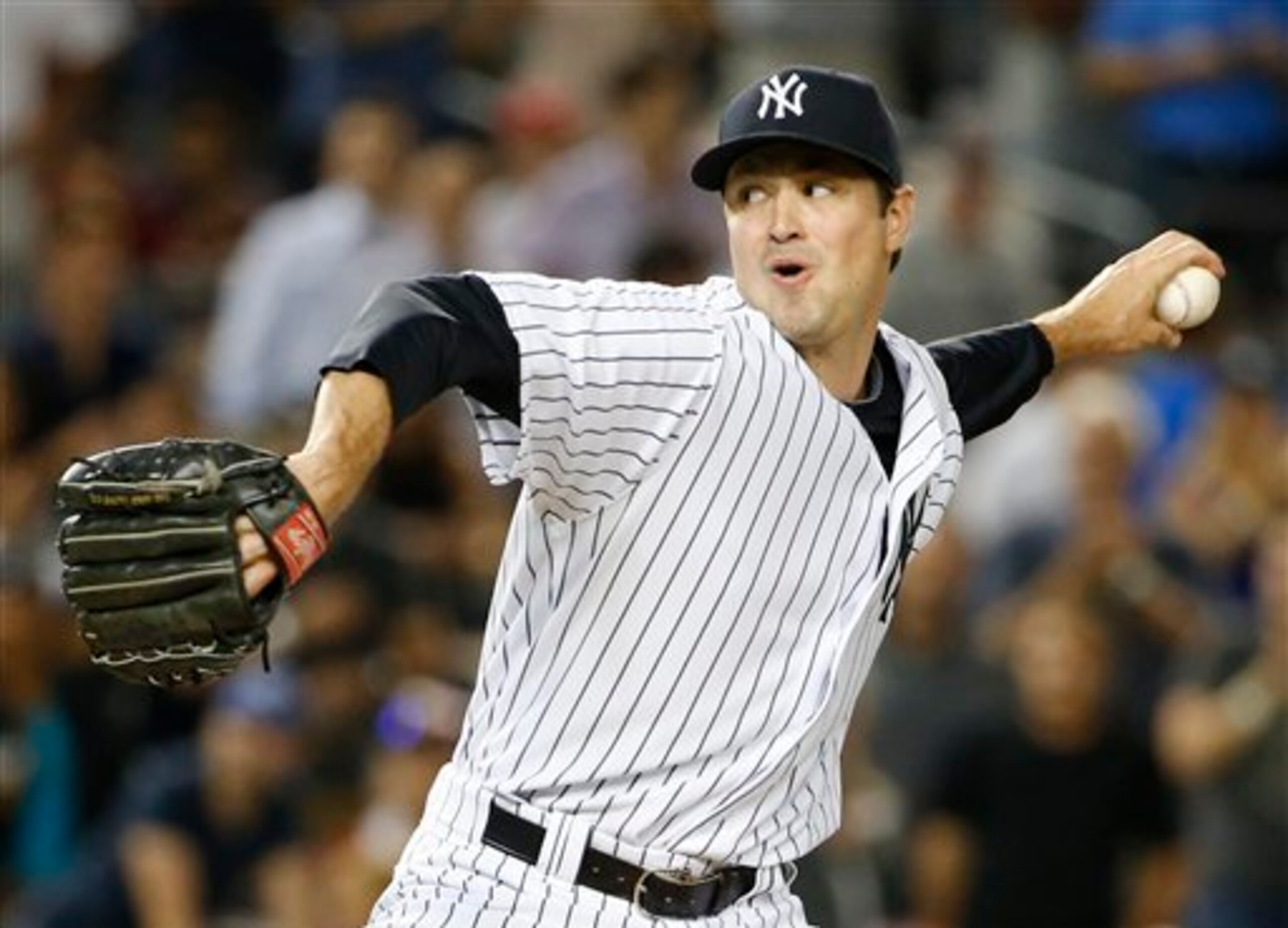
With a dominant right-hander locked into one setup role, it would be ideal to lock a dominant left-hander into the other setup role. And out of that hat, there's really only one name to draw: Andrew Miller.
With Yankees skipper Joe Girardi confirming recently that Aroldis Chapman will be the club's closer moving forward, Miller will be moving back to a setup role in 2016. That should be no problem.
After all, Miller was one of the best setup men in baseball in 2014, and overall he has been an elite reliever over the last two seasons. In 133 appearances, the 30-year-old has racked up a 2.03 ERA and struck out over 40 percent of the batters he's faced.
This is the result of Miller developing some control to go with his mid-90s heat and excellent slider, and the total package has allowed him to hold opposing hitters to a .466 OPS over the last two years.
Immediately behind Miller on that OPS list is Dellin Betances. Immediately in front of him is Wade Davis. Having the three of them in the same bullpen would, therefore, be just swell.
Middle Reliever: Josh Fields, Houston Astros
22 of 26
What's the difference between a setup man and a middle reliever? It's often hard to say, but we're after pitchers who are good, yet who are also the fourth or fifth option out of their particular bullpen.
That's a list that doesn't have many interesting names on it, but Josh Fields stands out.
In Houston's bullpen, the 30-year-old figures to slate below Ken Giles, Luke Gregerson and Will Harris or Tony Sipp on the pecking order. But Fields deserves better, as he's quietly established himself as an overpowering reliever over the last two years.
Fields' ERA in 108 total appearances is only 4.02, but there's one measure that actually rates him as a top-10 overall reliever. That points to the effectiveness of his fastball-breaking ball combination, which has led to 137 strikeouts and only four home runs allowed in 105.1 innings.
Middle Reliever: Junichi Tazawa, Boston Red Sox
23 of 26
With Fields off the board, the best idea is to round out our middle relief core with a guy who's just plain dependable. That's typically not a word associated with middle relievers, but Junichi Tazawa fits the bill.
With Kimbrel and Carson Smith joining Koji Uehara, Tazawa has gone from being the No. 2 man in Boston's bullpen to being more like the No. 4 option. After he posted a 4.14 ERA in 2015, it may look like a fate the 29-year-old deserved.
But Tazawa wasn't actually that bad in 2015. His ERA increased, but his strikeout, walk and home run rates stayed pretty true to where they were in 2014, when he posted a 2.86 ERA. And over the last three seasons as a whole, he's managed a solid 3.36 ERA with an even more solid 4.57 K/BB ratio.
The latter puts Tazawa up there among the best relievers in the league. By another measure, he's been one of the league's top 30 relievers over the last three years.
Lefty Specialist: Javier Lopez, San Francisco Giants
24 of 26
Because, come on, what's a bullpen without a good LOOGY in it? And if we're going to pick a LOOGY, Javier Lopez's name is the first that comes to mind.
The 38-year-old Giant has been making a living as a left-handed specialist for 13 seasons now, and he showed in 2015 that he's not getting any worse at his job. Among southpaws who faced at least 50 left-handed batters, the .323 OPS that Lopez held lefties to was the best.
And so it goes. Lopez has held lefty batters to a .454 OPS over the last five seasons combined, which is also the best in baseball among lefties who have faced at least 100 left-handed batters.
This just goes to show that even if you can only throw in the mid-80s, you can still make a living as long as you're left-handed and can throw at a funky angle.
Long Reliever: Josh Collmenter, Arizona Diamondbacks
25 of 26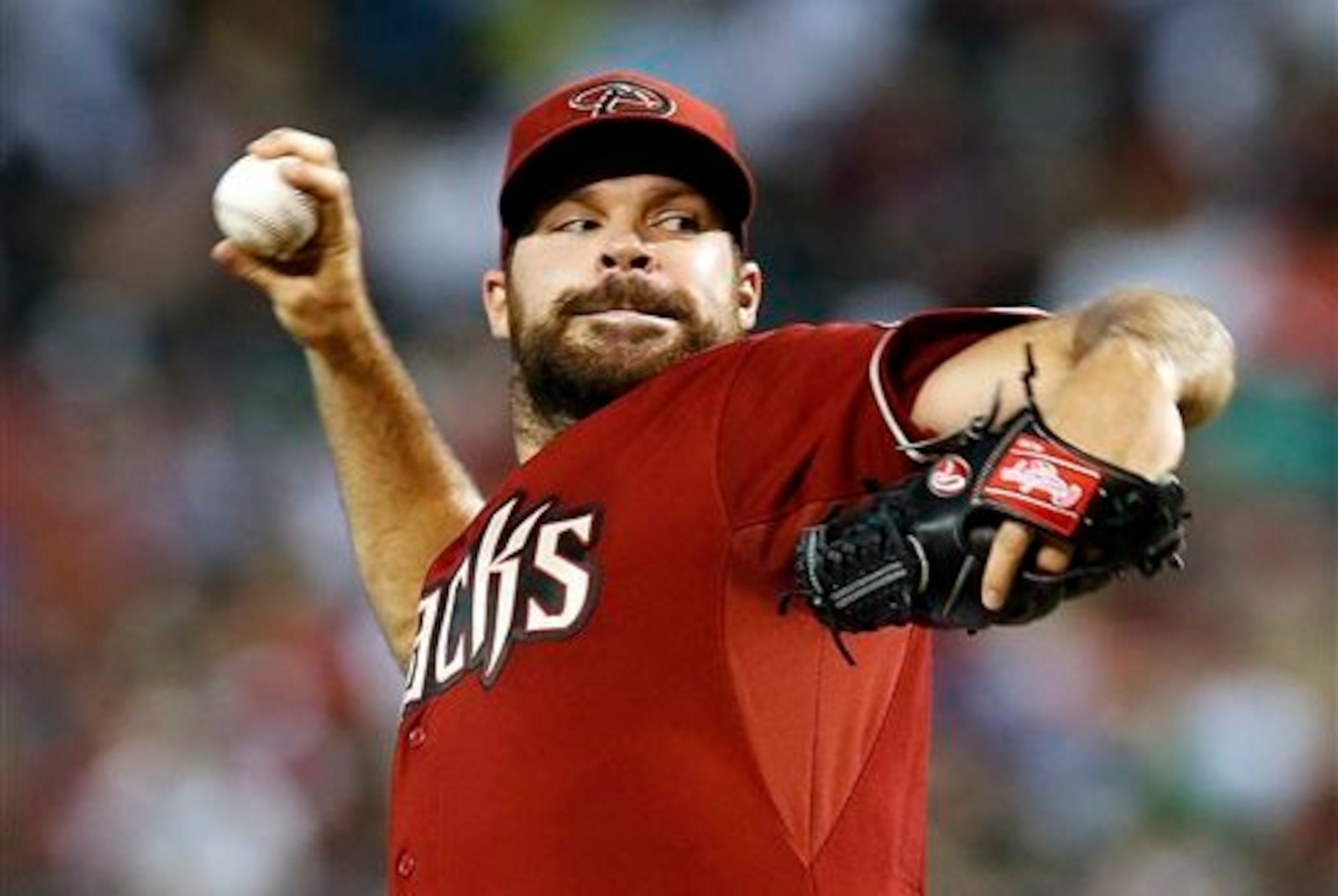
We come now to the final piece of not just our bullpen, but of the larger overall puzzle: a long reliever. And if we can be perfectly honest with each other, there aren't many exciting options.
But Josh Collmenter? He's alright.
Collmenter is one of relatively few pitchers in baseball who has picked up significant experience doing long relief work in recent seasons. Over the last three years, only three pitchers have logged more appearances of at least two innings than he has.
What makes Collmenter stand out, though, is how effective he's been when the Diamondbacks have asked him to go long. He owns a 1.64 ERA in his 39 multi-inning appearances since 2013, allowing just 72 hits in 104.1 total innings.
This would seem to be reflective of how his unusual over-the-top delivery and repertoire can be tough to figure out within a single at-bat. Even in Collmenter's wildly mediocre career as a starter, he's had little trouble being effective the first time through the order.
The Full Roster
26 of 26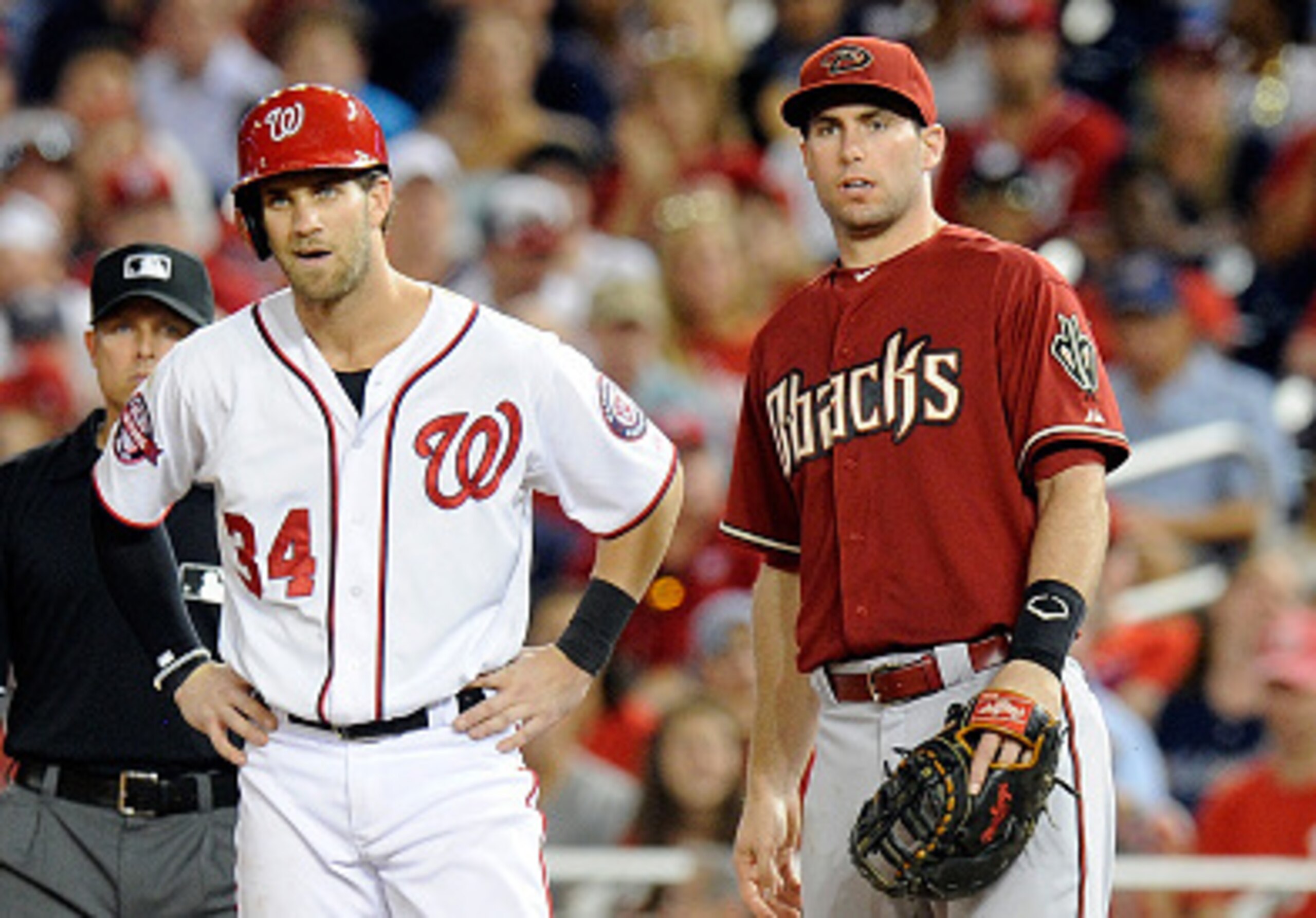
If you want to skip ahead, you'll see what our superteam's roster looks like when it's all laid out.
But there's another matter that needs tending to: Just how good would this team actually be?
For that, we can turn to the Steamer projections found at FanGraphs. When the projections for our 25 guys are added up, we get a total of 69.4 WAR. Considering that the Cubs currently lead everyone with a projection of just 52.4 WAR, that's pretty good.
In other words, our superteam would be, well, super.
Lineup
1. Dee Gordon, 2B (L)
2. Paul Goldschmidt, 1B (R)
3. Bryce Harper, RF (L)
4. Mike Trout, CF (R)
5. David Ortiz, DH (L)
6. Josh Donaldson, 3B (R)
7. Buster Posey, C (R)
8. Alex Gordon, LF (L)
9. Francisco Lindor, SS (B)
Bench
Caleb Joseph, C (R)
Brock Holt, UTIL (L)
Marwin Gonzalez, UTIL (B)
Jake Marisnick, OF (R)
Starting Rotation
1. Clayton Kershaw (L)
2. Matt Harvey (R)
3. Noah Syndergaard (R)
4. Mike Leake (R)
5. Kyle Hendricks (R)
Bullpen
Closer: Wade Davis (R)
Setup: Dellin Betances (R)
Setup: Andrew Miller (L)
Middle: Josh Fields (R)
Middle: Junichi Tazawa (R)
LOOGY: Javier Lopez (L)
Long: Josh Collmenter (R)
Stats courtesy of Baseball-Reference.com and FanGraphs unless otherwise noted/linked.


.jpg?w=2560 "Viral Rams Coach Vid 🖕")
.jpg?w=2560 "Injury-stricken Seahawks signing veteran RB")
.jpg?w=2560 "2 NFL Officials Suspended")


.jpg?w=2560 "Mahomes' Wife Trolls Kubiak 💀")

.jpg?w=2560 "Grading WWE Raw 🔠")