
Ranking the Top 10 Men's Players Heading into 2016 Australian Open
There's the top-ranked Novak Djokovic, and then there are the other top-10 ATP tennis players scattered in the 2016 Australian Open draw. While the heavily favored Serbian prepares to win his sixth championship in Melbourne, the other combatants hope they can survive each other and steal the crown.
This is the challenge for unique star players who must use their gifts to travel through seven rounds. Whatever transpires, the presence of Djokovic looms over the entire bracket as Australia's summer shines its annual welcome to the year's first Grand Slam opportunity.
We rank the players who have the best chance to challenge for the championship. How have they been playing? What are their strengths and weaknesses? Who are the key opponents they must defeat? Be sure to weigh in with your own comments in the forum below.
10. Tomas Berdych
1 of 10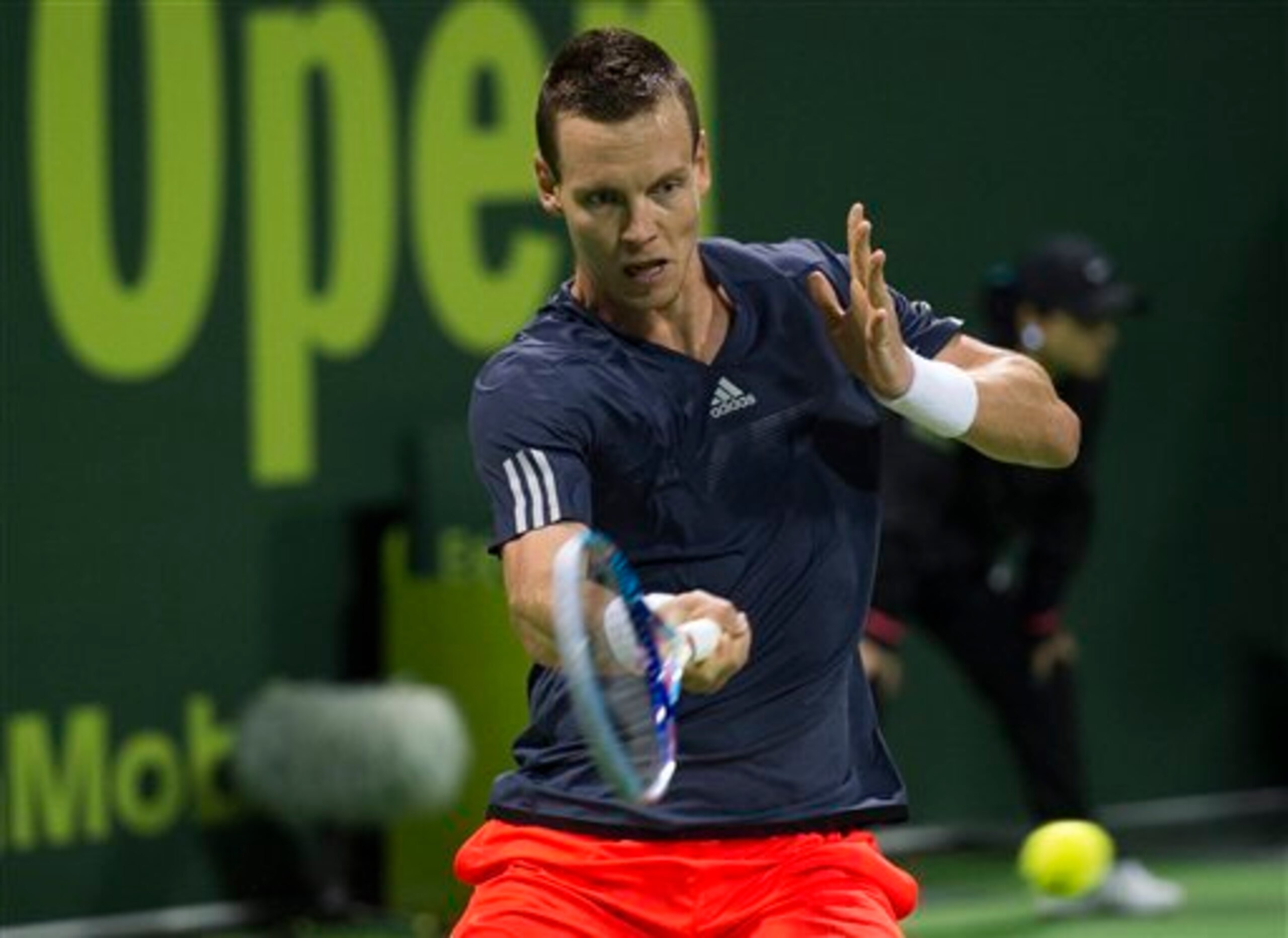
Although he’s the ATP’s No. 6-ranked player, Tomas Berdych’s status as a contender is wearing thin. Always consistent and powerful, he has too many vulnerabilities and routine patterns to his game. For instance, in late November’s World Tour Finals, round-robin opponent Kei Nishikori often waited exactly where Berdych was going to hit the ball before the Czech started his windup.
He is vulnerable to slices, corner shots, defensive retrieving and windy conditions with his high serving toss. It’s too much to expect him to offensively dictate all of his matches against multiple top-10 players, especially in light of his history of falling in the early days of the second weeks at majors.
But he’s a dangerous and proven player, and he has run all the way to the semifinals in each of the last two Australian Opens.
Berdych’s draw is more rugged this time around. He could be clashing swords with Australian Nick Kyrgios, a firebrand with more talent who could very well mow down Berdych. We know what we are getting with Berdych, but Kyrgios could be the favorite in that one.
It wouldn’t get much easier thereafter, as he would potentially have to face Marin Cilic and Roger Federer. They are three players with more tennis variety and upside the Berdych, meaning the Czech will be hard-pressed to make it deep into the second week.
9. Kei Nishikori
2 of 10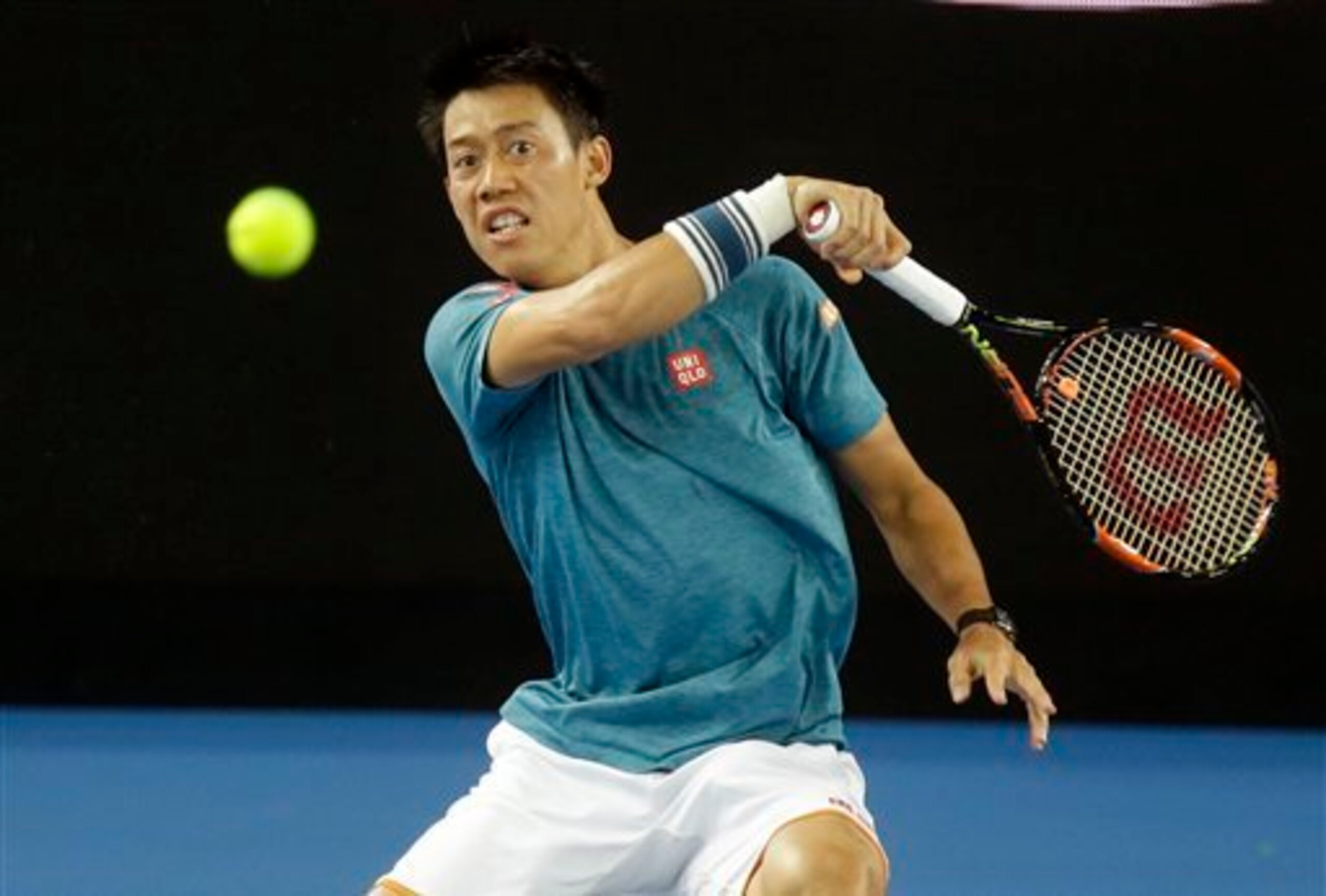
Sometimes, it’s easy to understand Kei Nishikori’s talents as breathtaking reflexes and quick-strike groundstrokes. Then, as soon as you have got him figured out, adversity strikes. Part of the problem is he is injured too frequently. It’s hard enough for him peak for the grind of big tournaments, and he’s rarely had enough clout to fight past the top superstars.
Despite his speedy footwork and gift for redirecting shots and angles, there are times Nishikori looks limited. Take the 2015 Australian Open quarterfinals. Seeded No. 5, the Japanese star had cruised into what seemed like a coin-flip match with Stan Wawrinka. The Swiss' heavy groundstrokes blew the lid off the match midway through the first set, and Nishikori was thereafter unable to generate much offense.
There’s generally a wide gap between the elite and Nishikori's aspirations to become one of them, and unfortunately his Australian Open road will go no further than the quarterfinals. Djokovic would treat the match as if the 2014 U.S. Open semifinal meeting between the two were given a chance to be replayed. I’m not sure anyone would take 40-1 odds on Nishikori forcing King Novak to kneel before him.
8. Nick Kyrgios
3 of 10
Young Australian Nick Kyrgios has not been consistent enough to become a top-10 or even a top-20 player, but he’s a home-run threat if his game suddenly matures. There’s been recent evidence the 20-year-old is making strides. He was a strong player with his booming serve at the IPTL, and he led Australia Green to the Hopman Cup.
Unlike more plodding tennis players like John Isner and Milos Raonic, Kyrgios is a terrific athlete who has the footwork, movement and groundstrokes to be a superstar. He also has a huge serve, which gives him more margin to break his opponents. He's learning to stay in matches while he figures out how to win with the rest of his game.
Next, Kyrgios needs to harness his fire, use it to motivate himself rather than melt like a cheap plastic toy.
He will likely get his chance in having to overcome the dependable, big groundstrokes of Tomas Berdych in the third round. His road ahead includes possible matches with Marin Cilic and Roger Federer, but upsets could pit him against other talented young players such as Dominic Thiem or Grigor Dimitrov.
One thing’s for sure: Kyrgios is not afraid to take on any of the superstars. He relishes the possibilities of proving this late in the second week. But he’s got to get there first. It won’t happen if he sulks and grouses the way he did in his most recent Wimbledon match, against Richard Gasquet.

.jpg?w=2560 "Steelers Saints Football")
.jpg?w=2560 "Rams Raiders Football")
7. Milos Raonic
4 of 10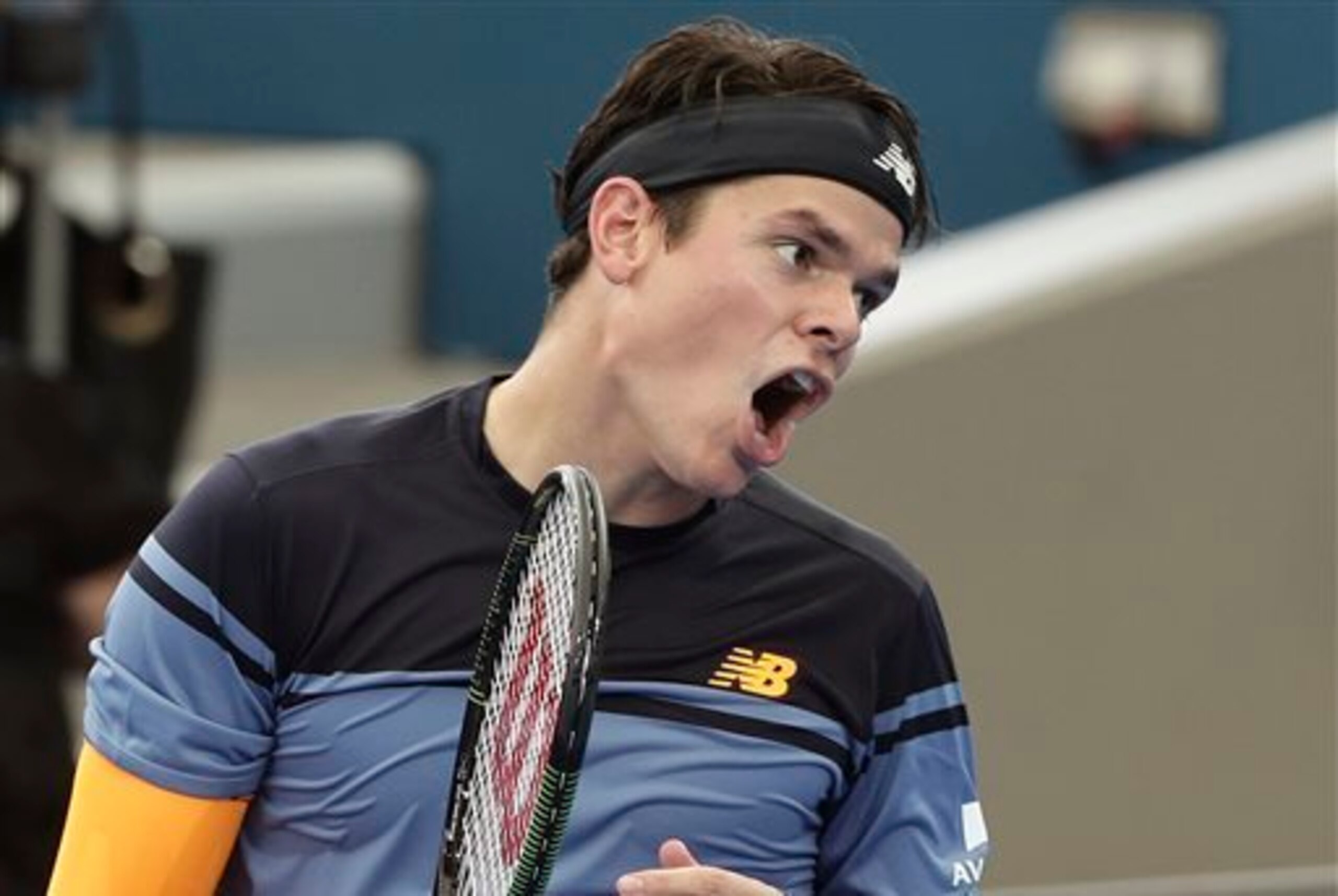
Fresh off his victory over Roger Federer for the Brisbane title, Milos Raonic is off to a confident start in 2016. He has overcome an injury-plagued middle to 2015, his massive serve is firing and he is learning to create better break-point opportunities with his ground game.
Is this enough to make a run at the Australian Open championship?
Possibly, but it's a slim chance. He has a 2014 French Open quarterfinal and Wimbledon semifinal on his resume. In the 2015 Australian Open, Raonic outserved Feliciano Lopez in the fifth set of the fourth round before getting swept by eventual champion Novak Djokovic in the quarterfinals.
Raonic has a mean draw for 2016, beginning with the fourth round. Can he serve past Stan Wawrinka, close out Rafael Nadal the way he did last year at Indian Wells and topple Andy Murray and Djokovic?
Not unless there is bracket chaos that sweeps at least two of those titans into the Great Barrier Reef.
He won't win the championship, but this major will be an important measuring stick of Raonic’s progress and potential to do damage in 2016.
6. Marin Cilic
5 of 10
Maybe I’m one of the few who believes in Marin Cilic. Times have been tough since his incredible blitz to win the 2014 U.S. Open, but he’s better than his No. 13 ranking. There are the usual questions about his footwork and consistencies on defense, but Cilic is one of a handful who has proved he can win a major.
He’s got a big-time serve, powerful forehand and world-class skills. Why not Australia?
Naysayers might point out Cilic has not progressed since he’s come back from nagging injuries. Is he motivated? Does he have an identity that can confidently attack his opponents? Will hot weather drain this big man like it did to Juan Martin del Potro two years ago?
The 6'5" Cilic could have a savory Croatian battle with young Borna Coric in the second round, perhaps the most interesting encounter by that point in the draw. Then the fourth round starts a lineup of possibilities, including Nick Kyrgios or Tomas Berdych, Roger Federer and Novak Djokovic. It’s probably going to take more than his magical power game from September 2014.
5. Rafael Nadal
6 of 10
It might be now or never if we assign the tournaments during the first half of 2016 as Rafael Nadal’s realistic chances at winning another major title. There’s a growing feeling the Spanish legend’s major window may have already closed, particularly after he was drubbed 6-1, 6-2 by Djokovic in the recent Qatar Open final.
Australia might go down as the “unlucky” venue for Nadal, the big fish that got away where he only won the 2009 title in a classic over Roger Federer. He has often had bad timing with injuries (see: 2011, 2013 and 14), which is unfortunate given the heat and high bounces from the Plexicushion should be more favorable to him than the speedier U.S. Open surface on which he has won two majors.
Nadal has played better since October, but he’s clearly not at the level he needs to be in order to defeat Djokovic. He has questions and inconsistencies to sort out, and he’s a long shot to win this championship.
Times have changed when we see Nadal is matched up with Fernando Verdasco in the first round. To be sure, we shouldn’t be discussing possible upsets to Verdasco or the streaky Jeremy Chardy in the third round, but Nadal’s no longer able to cakewalk to the second week.
He’s going to need to play his best tennis to overcome a challenge from either Kevin Anderson or Gael Monfils in the fourth round. Then, it looks like the Ilie Nastase Group from London’s recent World Tour Finals with possible matches lined up against Stan Wawrinka and Andy Murray—who could be facing David Ferrer in the other quarterfinal for even more symmetry.
Nadal proved he can defeat Wawrinka and Murray on indoors courts in November, so maybe a trip to the final in Melbourne is a solid possibility. If so, he must pray that old rival Federer finally finds a way to upend Djokovic at the top of the bracket. If not, there’s no way a possible final with Djokovic lasts half as long as it did in 2012. It might not take two hours for Djokovic to blast Nadal into the next decade, at least if the recent final in Doha is anything to go by.
4. Andy Murray
7 of 10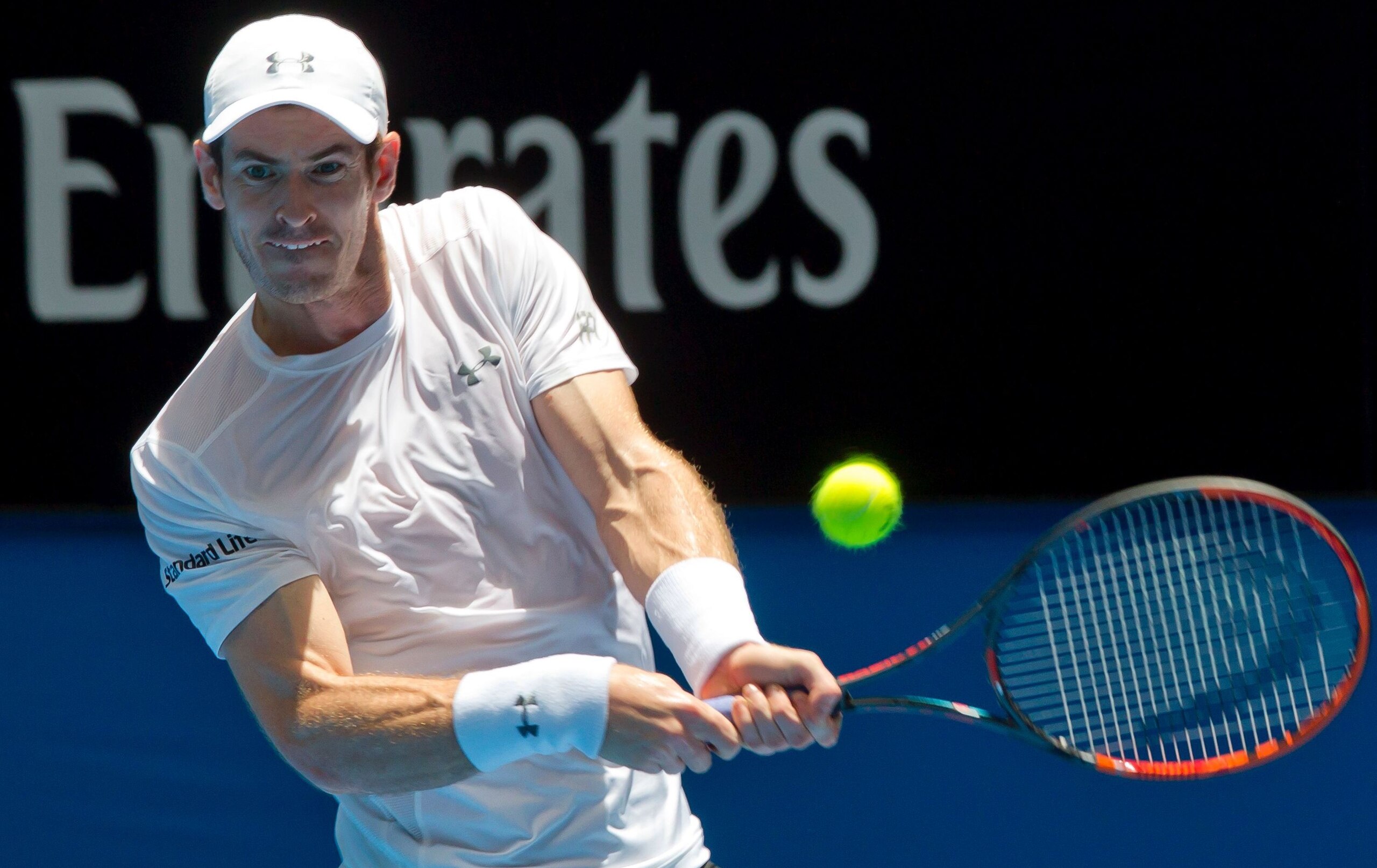
Slipping under the radar? Despite his record of winning two majors, 11 Masters 1000 titles and a recent Davis Cup conquest that’s on the shortlist of most heroic in history, Andy Murray is still looking up at three players with bigger punches. All this despite being ranked No. 2 in the world.
The Scot is a winner, but he’s usually unable to defeat Novak Djokovic and Roger Federer in matches at majors, at least since 2013. That year, he defeated Federer in the Australian Open semifinals and Djokovic in the Wimbledon final.
Murray might be at a level comparable to his peak under former coach Ivan Lendl. The problem is Federer has added more variety and Djokovic has become a monster. With Stan Wawrinka also in the way as a more powerful baseline hitter and Nadal still fighting, it would be hard to give Murray better than about 8-1 odds.
There's terrific excitement for his opening-round match against the 18-year-old Alexander Zverev, but Murray's experience should help him cruise through. The draw will be nice for a couple more rounds,
Unless potential fourth-round opponent Bernard Tomic decides to work hard and complete matches, it’s hard not to love Murray’s run all the way to the semifinals—yes, we know David Ferrer would be waiting in the quarterfinals, but he would be exiting with polite waves a few hours later.
Murray would conceivably get either Wawrinka or Nadal in the semifinals with the prize a crack at trying to slay Djokovic. Using the WTF finals in November as an indicator, Murray would need to sharpen his play. He could get to the final, but it’s hard to see him holding the trophy unless Djokovic takes a vacation.
3. Roger Federer
8 of 10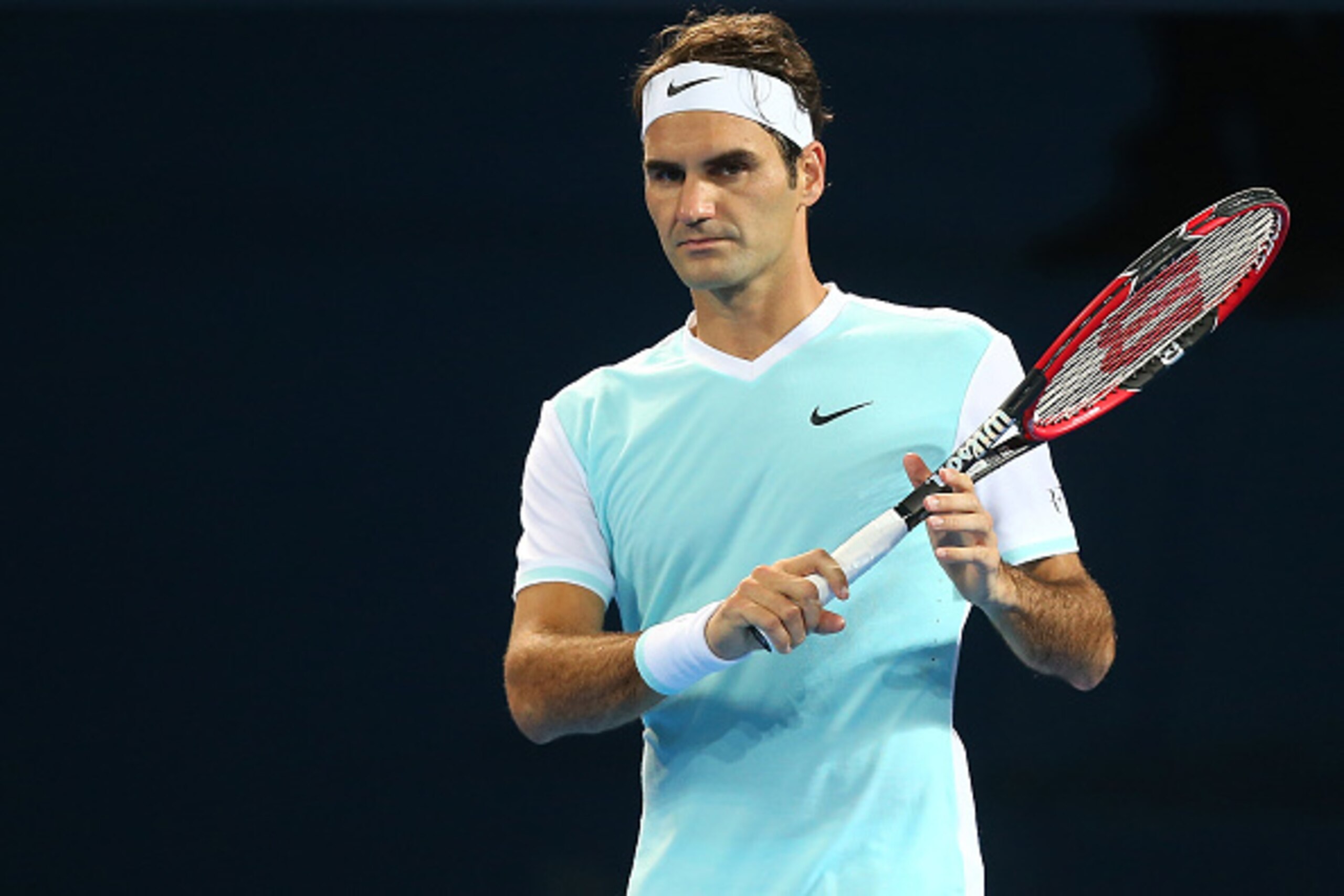
The Swiss Maestro is sure to bounce back from his disappointing defeat to Andreas Seppi in the third round in Melbourne last year. He’s otherwise been remarkably consistent, having reached at least the semifinals in every year from 2004 to 2014. But since the last of his true prime set with his 2010 title against Andy Murray, Federer has usually hit his wall in the semifinals.
What would he need this year to reach the final? His serve sets up everything else, and although Melbourne’s Plexicushion surface lets his opponents respond with more time, Federer still must be opportunistic with shortening points.
It will be interesting to see whether he continues to add to the attack principles that were honed under coach Stefan Edberg or if he will change things up more from the baseline because of the recent coaching addition of Ivan Ljubicic.
Federer’s always motivated, but he needs to go deep in Australia to help him justify sitting out about two months from mid-March into late May.
His draw did not do him too many favors, either. If Grigor Dimitrov is playing his best tennis, he could match up with Federer and give him fits. Federer at least has the edge in regard to creating better advantages with his court positioning and thinking skills. That should get him through.
There are other dangerous players who could wreck Federer’s expected run to the semifinals. Dominic Thiem is more threatening than David Goffin on the Australian Open courts, on which he has the time to hit heavy and hard.
By the quarterfinals, it could be very tough if he has to face big serves—and at least some crowd support—from Nick Kyrgios. He might be wishing for a more familiar match against predictable Tomas Berdych.
2. Stan Wawrinka
9 of 10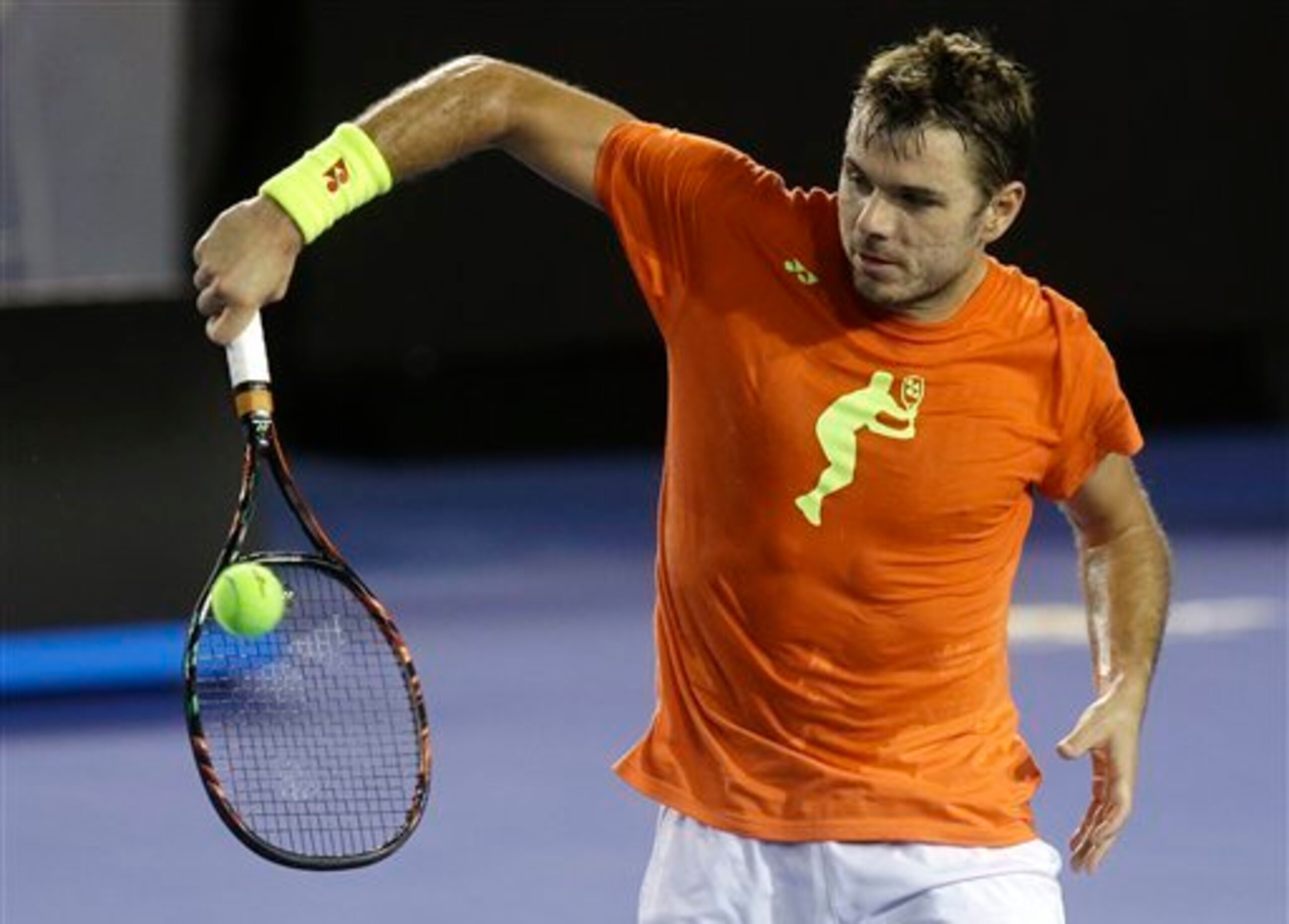
He’s the world No. 4, but Stan Wawrinka is especially nasty in Melbourne. This is where he grew into a contender three years ago, pushing Novak Djokovic to the brink of defeat in the fourth round. It is also where he put the hammer on Djokovic and Rafael Nadal to win the 2014 championship. Even last year’s semifinal loss to Djokovic made the Serbian sweat until the fifth-set getaway.
He deserves to be No. 2 in the ranking, and not just because he’s the only one other than Djokovic to hold this trophy aloft since 2011. Ironman Stan has the time he needs to set up and tee off with his powerful upper body and lower trunk. He can blast holes through the court, and he’s not afraid to stare down the top players when the pressure is hottest.
It’s not a given that Wawrinka will get to the semifinals given the early-rounds upsets he still suffers too regularly for a top player, but he is clearly the one player Djokovic does not want to play in Melbourne. If he is in the zone, he is very capable of winning his third major.
It won’t be plain sailing for Wawrinka to get past Jack Sock in the third round. The young American’s forehand is big and capable of forcing Wawrinka into errors. Then, there’s Milos Raonic’s serve, Rafael Nadal’s determination and Andy Murray’s reliability all waiting to prevent any possible meeting with Djokovic in the final.
He might just have the toughest path of any of the stars, so let’s not even talk about a dream final with King Novak.
1. Novak Djokovic
10 of 10
Is Novak Djokovic the most overwhelming favorite at a major of the last decade? Every championship road must go through the Serbian. Ancient Rome was hardly this indomitable.
He’s at the peak of his career, and amazingly he keeps evolving. It’s not enough that he has had virtually no weak spot to attack for the last five years. Now he’s developing more weapons with his serve, forehand and defense. His returns are smarter, sharper and able to puncture the more calculated strategies of his opponents. If pressing opponents are off one iota, it’s curtains.
It's Djokovic against the draw, and the draw seems severely overmatched. Yes, Ivo Karlovic might be a slight concern, but this is not Brisbane 2015. No elephant has memories greater than a tennis superstar.
Otherwise, lightweight Kei Nishikori might be his only reasonable challenge through the quarterfinals, but the Japanese star’s strengths all pale next to the Serbian’s superiority.
Best of all, we might get Djokovic vs. Federer in a major semifinal just like the good old years. In Australia, it’s a massive edge for Djokovic, especially when you factor in the seemingly impossible task of anyone getting three sets off him in one match. He might not lose three sets in two weeks.
Will Djokovic be the winner? Unless someone puts out a career effort and the Serbian drops about three levels, it’s most likely we will see his name engraved on the Australian Open trophy for the sixth time.
.jpg?w=2560 "AP Poll Top Five Week 9")
.jpg?w=2560 "Chiefs Giants Football")
.jpg?w=2560 "Lamar Being Out Shocked Ravens")

.jpg?w=2560 "Packers Safety Slams Refs 🤬")