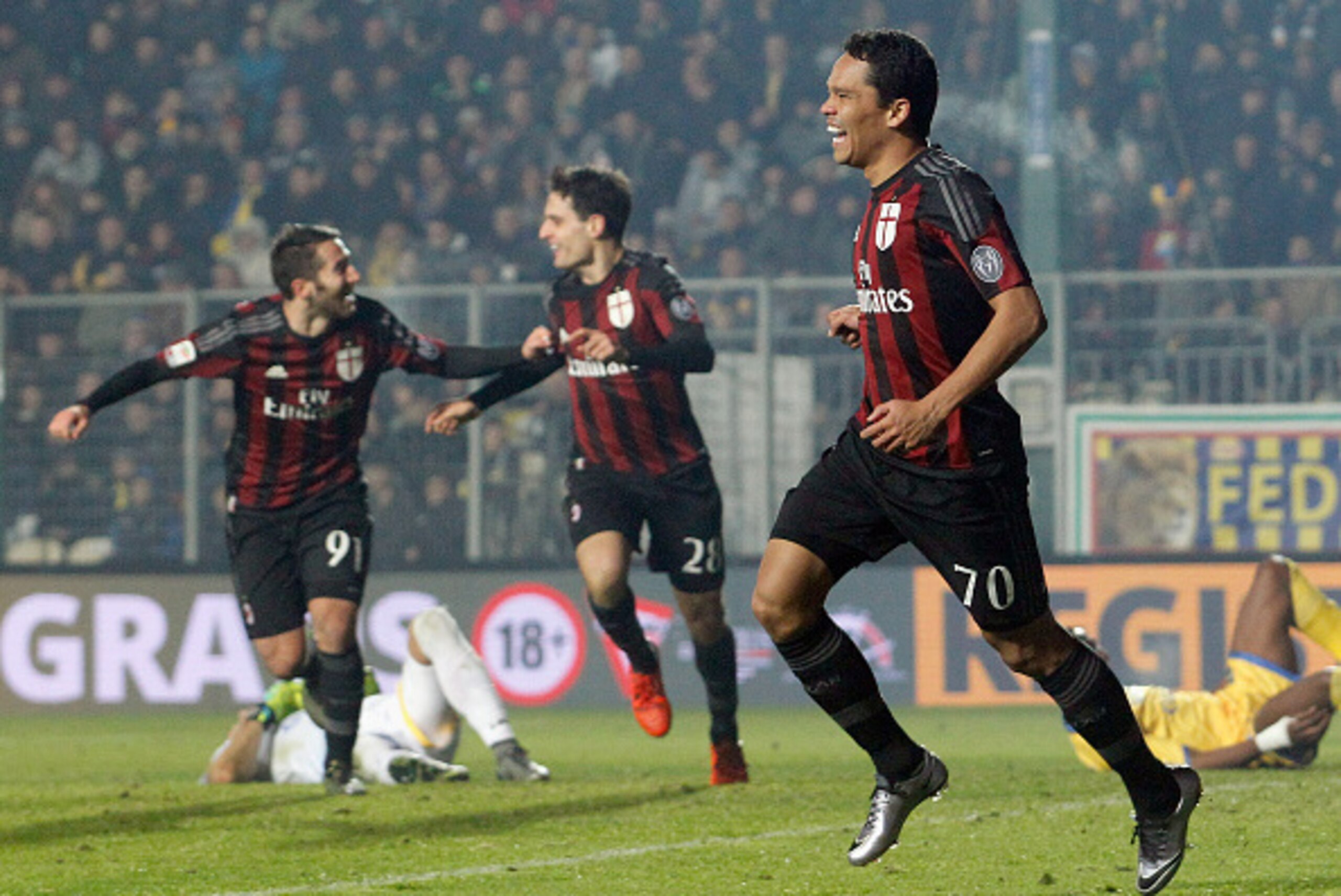

The Highs and Lows for AC Milan in 2015
2015 was a year that AC Milan and most of their fans probably would like to forget.
They entered the year in position to make a run at a return to European competition. Instead, Filippo Inzaghi's team flopped badly, winning only seven games after the winter break, eventually finishing 10th.
Along the way, the team also endured some exasperating off-the-field issues that could hold back their attempts to return to Italy's elite.
In spite of all of that, though, there were some bright spots in the darkness. The beginnings of a young core could be in the making, and if it's handled correctly, it could get the team where it wants to go.
What were the highs and lows for AC Milan? Let's take a look at the year that's passed and see where Milan shone and where they fell on their faces.
High: Goalkeeping
1 of 6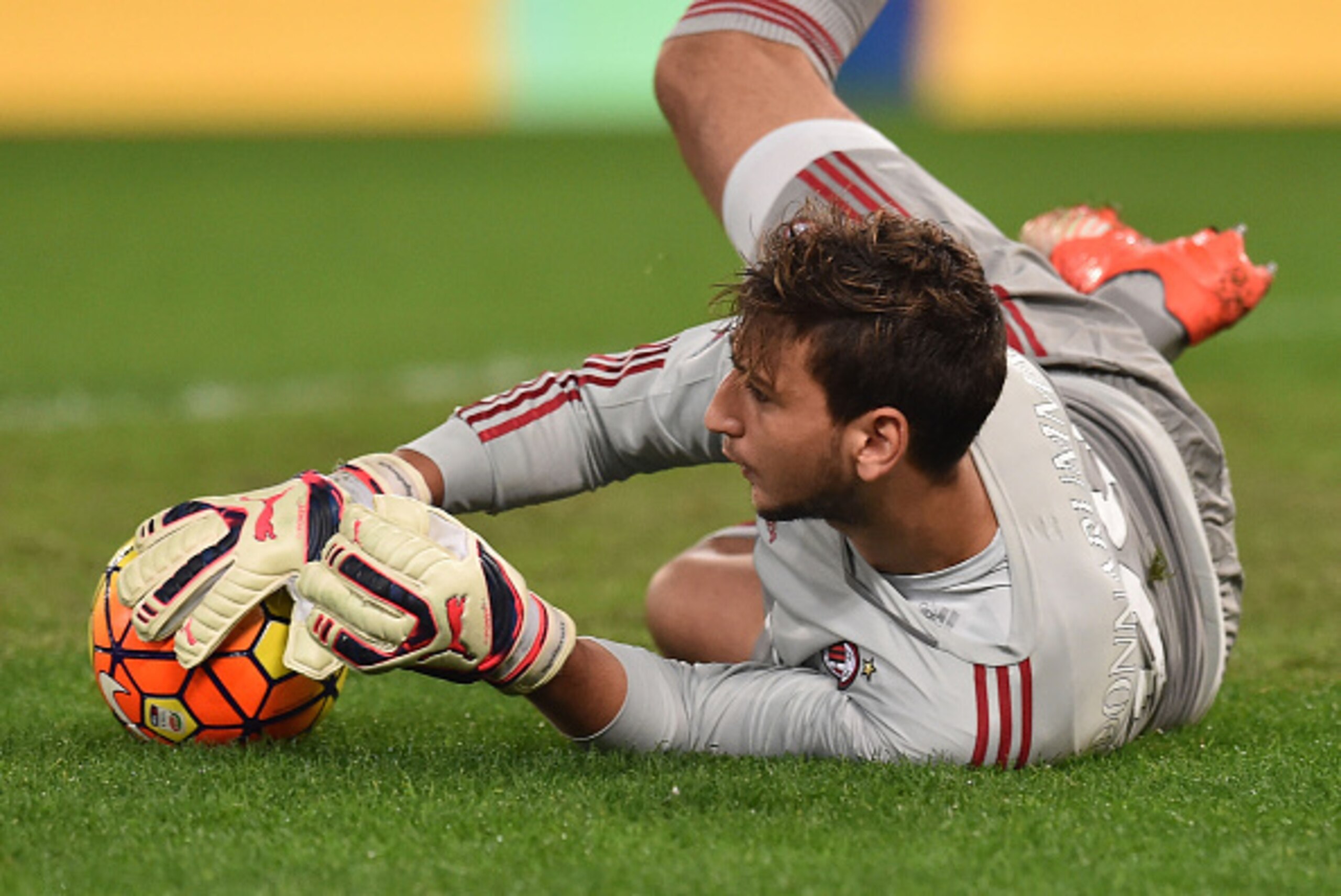
Milan's defense has been anywhere from average to downright putrid this year, but the goalkeepers have had little to do with that.
Diego Lopez was the team's best player last season, hands down. He did his best marshaling the scattered defenders in front of him, and when they failed to do their job, he did his best at his. He made save after fantastic save. He kept games close when they shouldn't have been, stole a point or two and on a few occasions, made losses look far better than they otherwise would have.
He kept up that level of play at the very beginning of the season but then his form started dropping off. The cause was probably a knee injury. In early November, it was announced that he was dealing with patellar tendonitis in his left knee and that he'd take time to treat the problem.
By that time, he had already been benched—for an unexpected replacement.
When Gianluca Rocchi blew his whistle to start Milan's game against Sassuolo on October 25, 16-year-old Gianluigi Donnarumma broke Gianluigi Buffon's record and became the youngest goalkeeper to ever start in a Serie A game. He won that game—along with four others in the nine he's played.
The only game he's lost was a 1-0 decision to Juventus on a fantastic strike by Paulo Dybala. The week before that, he kept a 0-0 draw against Atalanta intact with a string of world-class saves.
What's more impressive than that is the way he's played the ball and the leadership he's displayed. When forced into saves, he can often be seen barking orders at his defenders—some of whom are more than twice his age. It's the kind of behavior that evokes that other goalkeeper named Gianluigi.
Donnarumma could be the keystone of a bright new core for Milan—if he is allowed to continue developing. Between him and Lopez's performance from the second half of last season, the crucial place between the posts has been manned by capable hands this year.
Low: The Stadium
2 of 6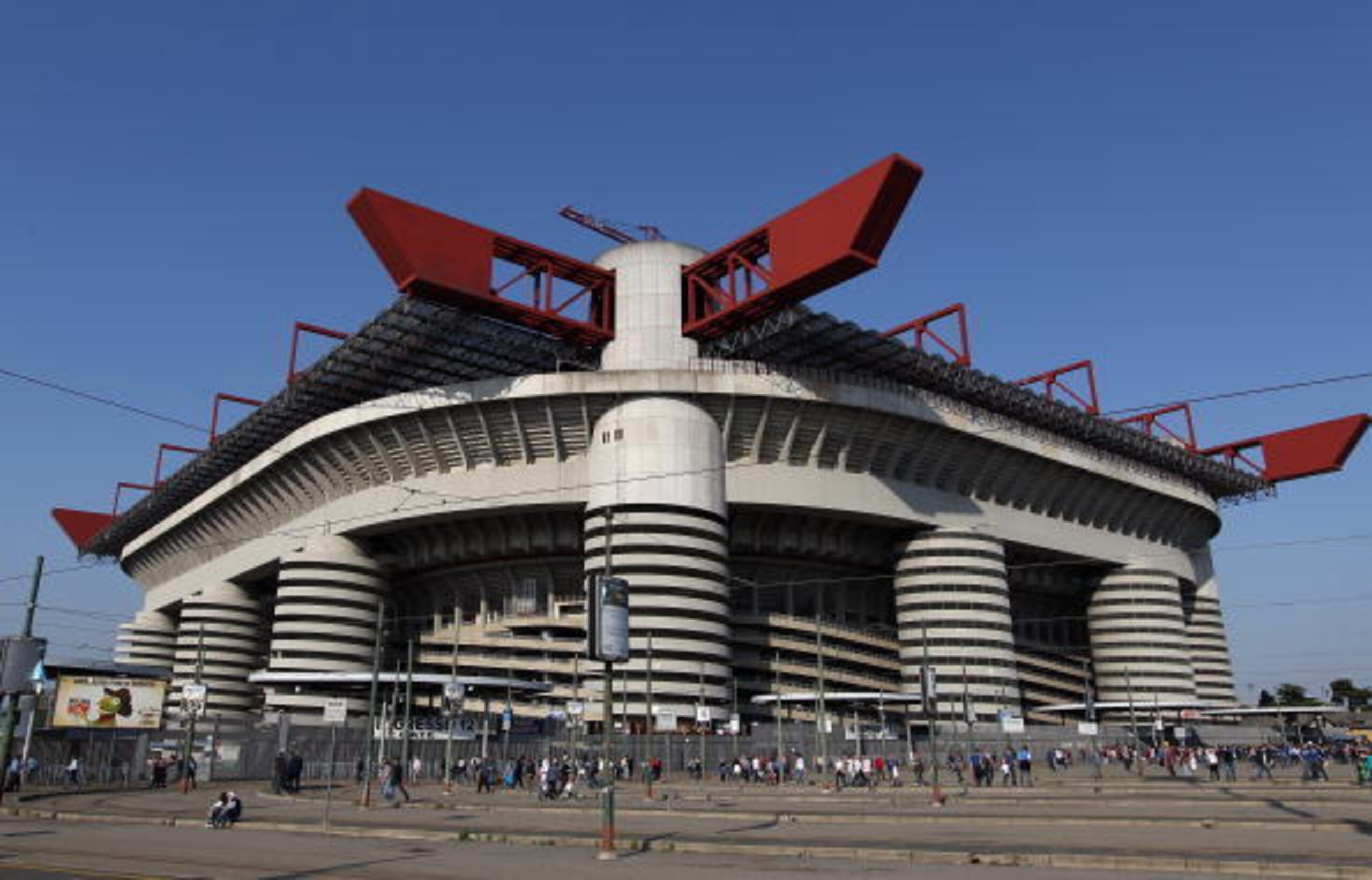
Milan has called the Stadio Giuseppe Meazza—better known to everyone as the San Siro—home since 1926. Just to provide the math, that's 89 years.
Since that time, it's undergone at least seven major renovations. It's a venerable old place, but as a home for Milan, it has outlived its usefulness.
Some people have seen that—including people at Milan. In July, the club won a bid to take over land in the Portello district of the city, where they planned to build a new, state-of-the-art 40,000-seat stadium.
Within weeks, though, the plan was dead. A squabble over financial responsibility for reclaiming the land led to the cancellation of the entire project.
It's a huge step back for the team. While the San Siro is a wonderful place, it's old and—even more important—it's far too big. Neither Milan nor Inter can fill an 80,000-plus seat stadium with regularity. A reduction in size, along with the modern amenities that fans in places like England and Germany enjoy, would be a major upgrade.
Juventus has shown the rest of Italy's teams what a new stadium can do for a club. The Juventus Stadium has turned into a huge revenue stream while no longer having to pay rent to a municipality. The result? The Bianconeri have the most solid finances in the league—and their plans to develop the neighborhood further will improve them even further.
Sassuolo is one of the two other teams in the league that owns their own ground, and they're one of the best-run clubs in the country.
What's troubling is that owner Silvio Berlusconi doesn't seem broken up about any of this. In the ESPN FC article about the cancellation of the plans, he declared his love for the old stadium and seemed somewhat dismissive of his daughter, Barbara—a team vice-president and the leader behind the stadium plans.
Berlusconi has turned into a symbol of stagnation over the last several years, and this is one of the biggest reasons why. If Milan doesn't move on a new stadium soon, other teams will do it themselves and pass them by. Roma is already on track to do so. If Milan doesn't do the same, they'll be left behind.
High: Giacomo Bonaventura
3 of 6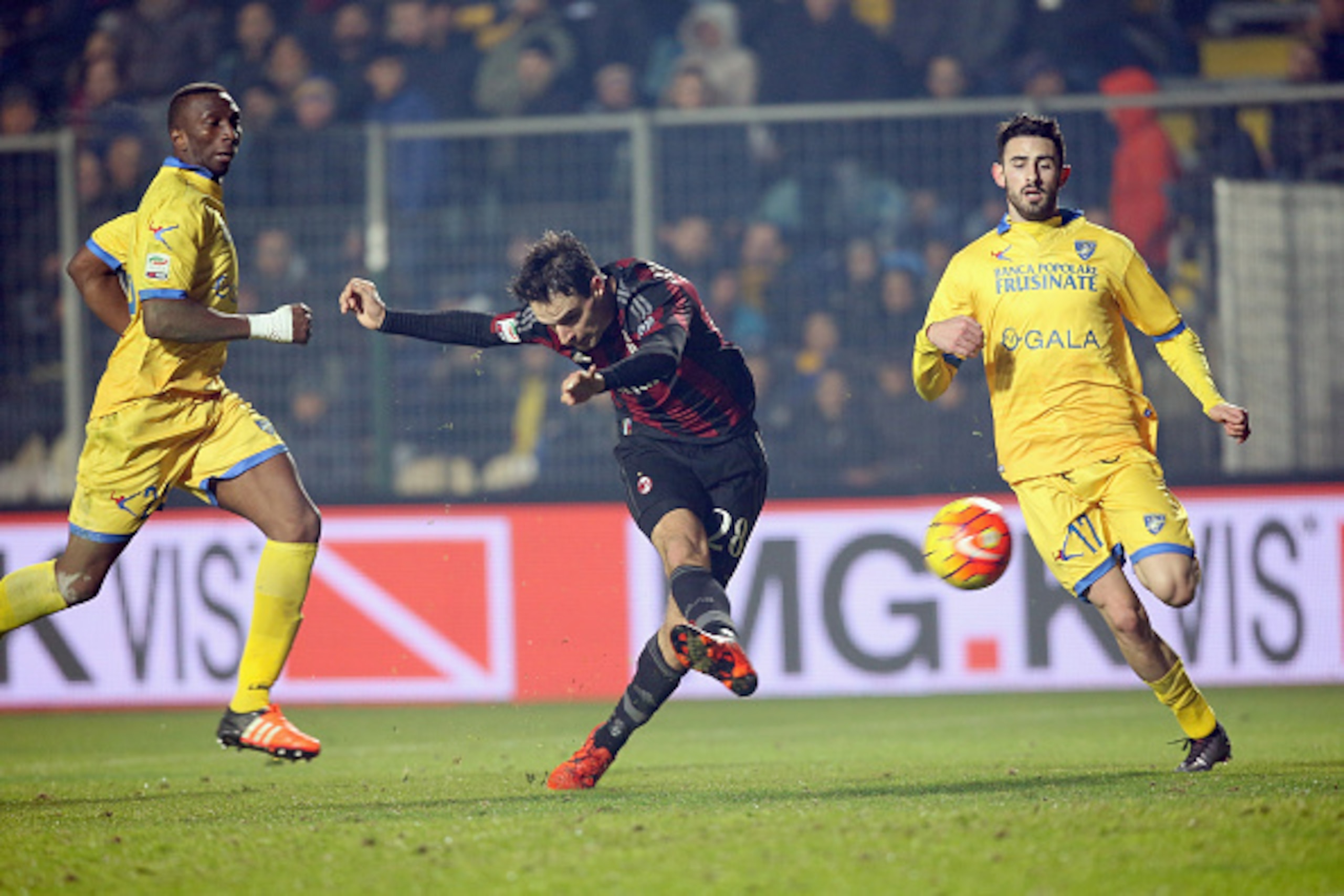
Giacomo Bonaventura joined Milan on deadline day two summers ago. Since then, he's been the team's best outfield player.
Since joining, he's managed 11 goals and 10 assists and played a variety of positions. Whether as a box-to-box midfielder, a trequartista or a winger, Bonaventura has gone wherever his manager has told him to go and played his heart out.
When so many Rossoneri players looked like they had given up at the end of last year, the 26-year-old never let his head drop and kept playing until the end.
As well as being the best player on the team, he's also probably the most important at the moment. Milan is suffering from a severe lack of creativity. Bonaventura is really the only player on the squad with the kind of creative play that can get players like Carlos Bacca and Luiz Adriano genuine chances to score.
Whether it's his ability to get players the ball or his pinpoint free-kick delivery, Bonaventura has been a bright light in a dark period.

.jpg?w=2560)
Low: The Taechaubol Saga
4 of 6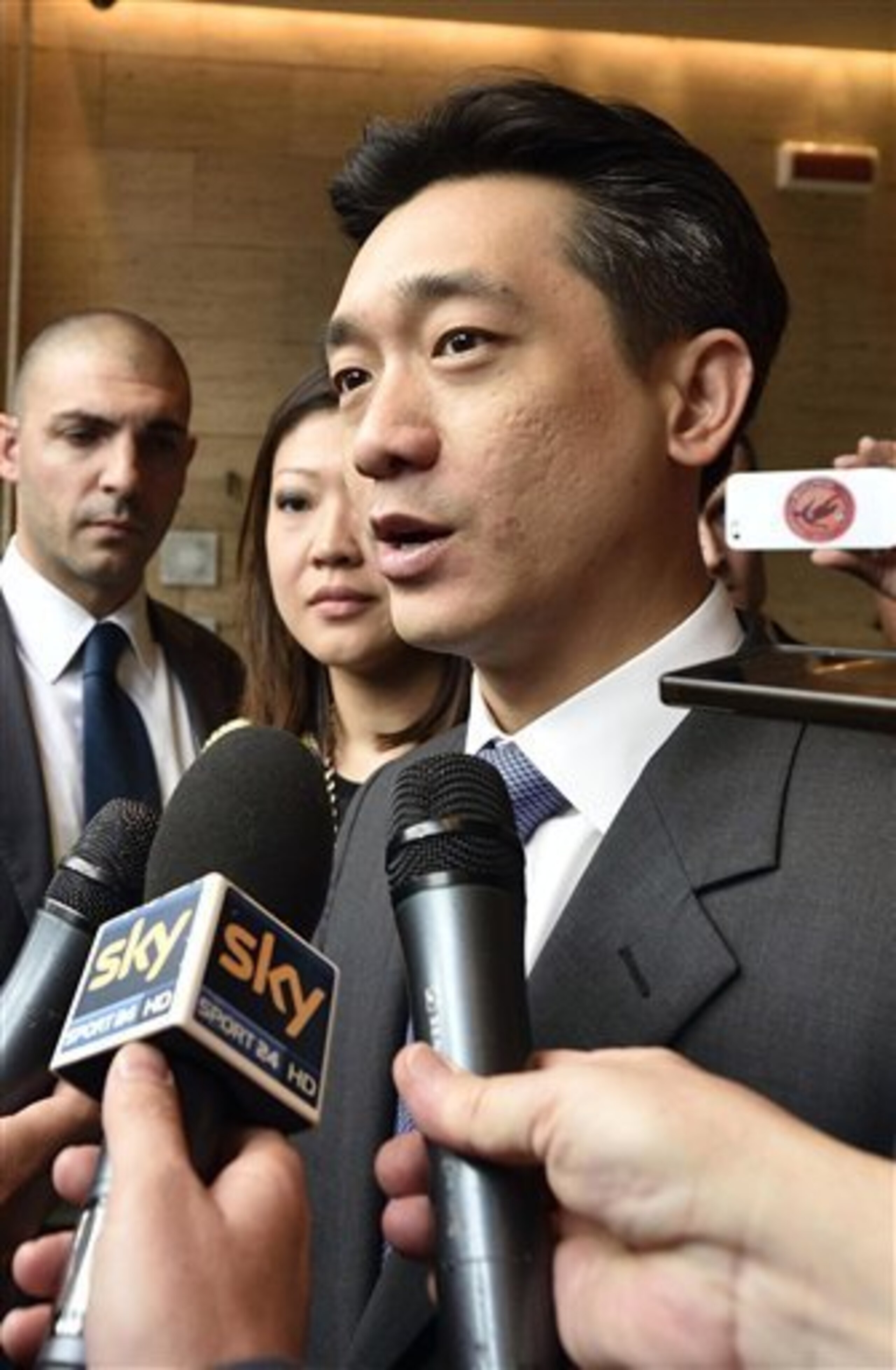
Milan has been strapped for cash for quite some time. Five years ago, Silvio Berlusconi's daughter Marina, who runs the family holding company Fininvest, cut the team off financially from the rest of the family's empire.
The team was reduced to selling its best players and buying mediocre, over-the-hill veterans to replace them. The squad wasn't up to the standard of the shirt—and something had to be done.
Last season, Berlusconi made it clear that he was looking for investors. After much delay, it was announced that he had come to an agreement with Thai businessman Bee Taechaubol to take over a 48 percent stake in the team.
The deal was supposed to be closed in a month, but that deadline has been repeatedly extended. This week, La Repubblica reported (h/t Football Italia) that Taechaubol, who does not have the independent wealth of the Russian oligarchs and Qatari oil barons who throw money around the transfer market, has only been able to raise 30 percent of what he needs to complete the transaction.
The saga of Taechaubol's purchase attempt is, at best, a distraction. At worst, it could have serious implications for Milan, who spent heavily in the summer transfer market for the first time in half a decade and may have done so with the expectation that Taechaubol's money would be there to soften the blow.
While it wouldn't destroy the team in the way financial problems destroyed Parma, Milan's finances wouldn't be in good shape if this deal falls through and leaves Berlusconi scrambling to find a replacement investor. The failure of that deal to finally come together has been a major sore spot.
High: Carlos Bacca
5 of 6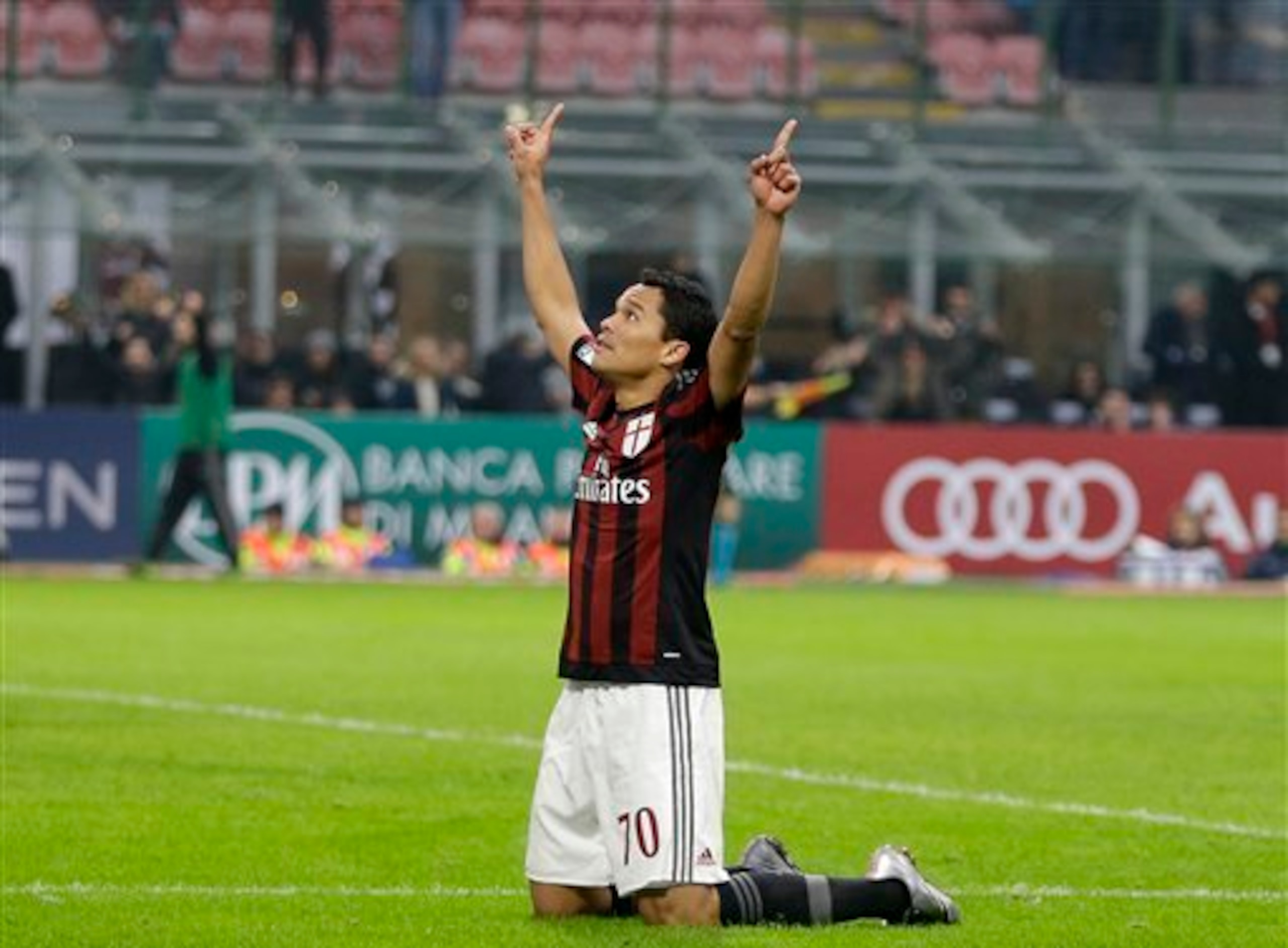
When Milan's attempt to sign Jackson Martinez from Porto fell through this summer, Carlos Bacca was the man they lined up to replace him in their plans.
He has since been a revelation. He's scored eight goals and instantly turned into one of the most dangerous strikers in a league that is notoriously unforgiving to forwards who have just arrived.
What's most impressive is that Bacca has done this with almost no service. According to WhoScored.com, Bacca has only attempted 1.5 shots per game this season—far fewer than many other top strikers.
The Colombian has won the hearts of Milan fans and the respect of Italian defenses. He'll be a bright spot for the team now and into the future.
Low: Mattia De Sciglio
6 of 6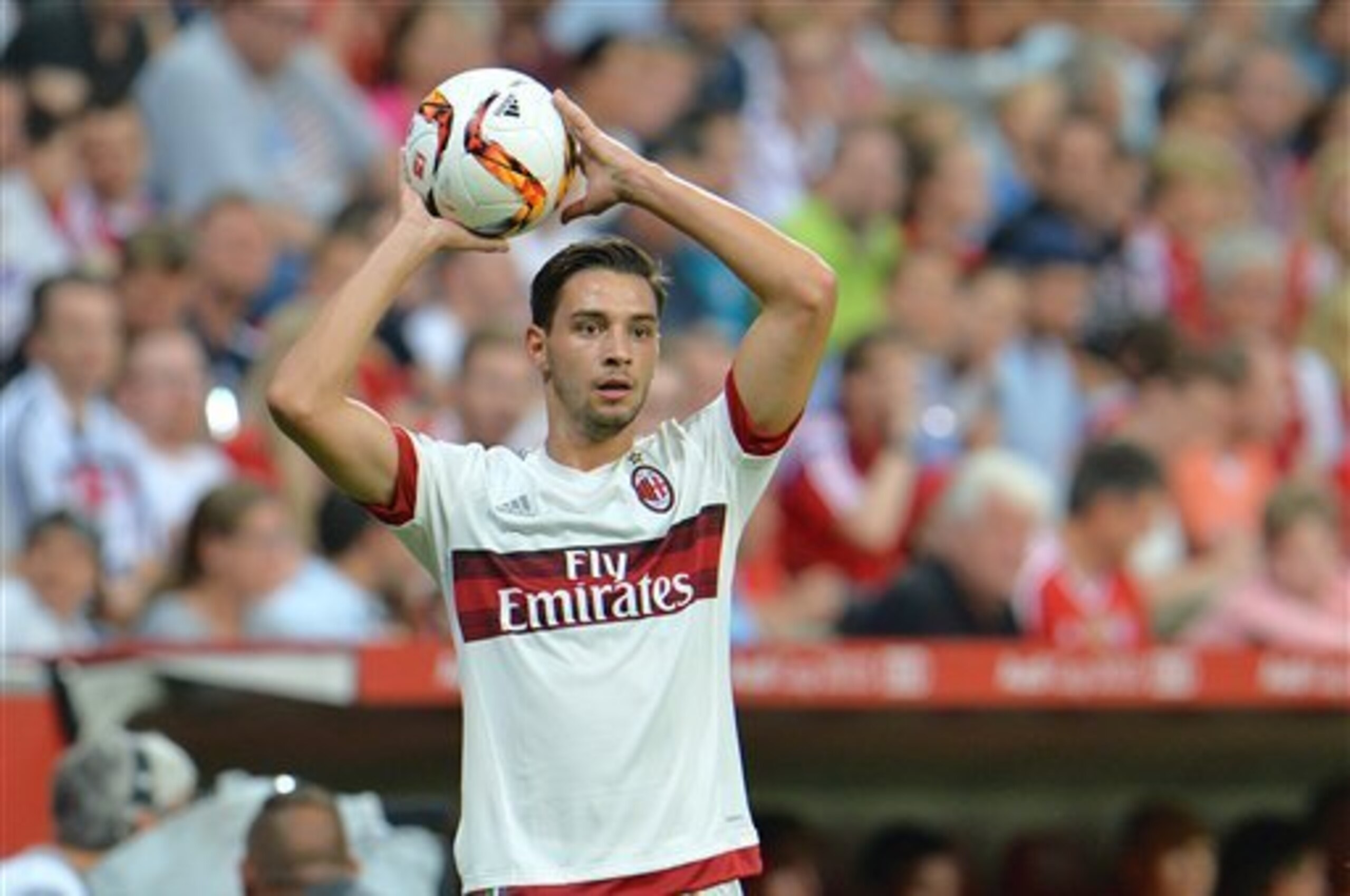
Two years ago, Mattia De Sciglio was one of Italy's rising stars. He had just gone to the Confederations Cup as a 21-year-old. In the next summer, he was starting at the World Cup.
But De Sciglio has regressed since that trip to the Confederations Cup. He was once compared to Paolo Maldini—even by the man himself. But his career path has begun to look more like that of Inter defender Davide Santon—a quick starter who plateaus just as quickly.
Injuries have played a part in this stagnation, but he hasn't developed very much on his own either. He's been pushed out of the starting positions by Ignazio Abate and Luca Antonelli—and now 18-year-old Davide Calabria is coming up behind him. By the end of the year, he may find himself out of the pecking order entirely.
It's been a shame watching such a promising young talent fail to meet his potential.



.jpg?w=2560 "2 NFL Officials Suspended")

.jpg?w=2560 "Viral Rams Coach Vid 🖕")