

Premier League's Battle of the Managers Is This Season's Compelling Storyline
This is a season in which narrative has taken over. In terms of quality, the football has been fairly ordinary; in terms of entertainment, it has been brilliant.
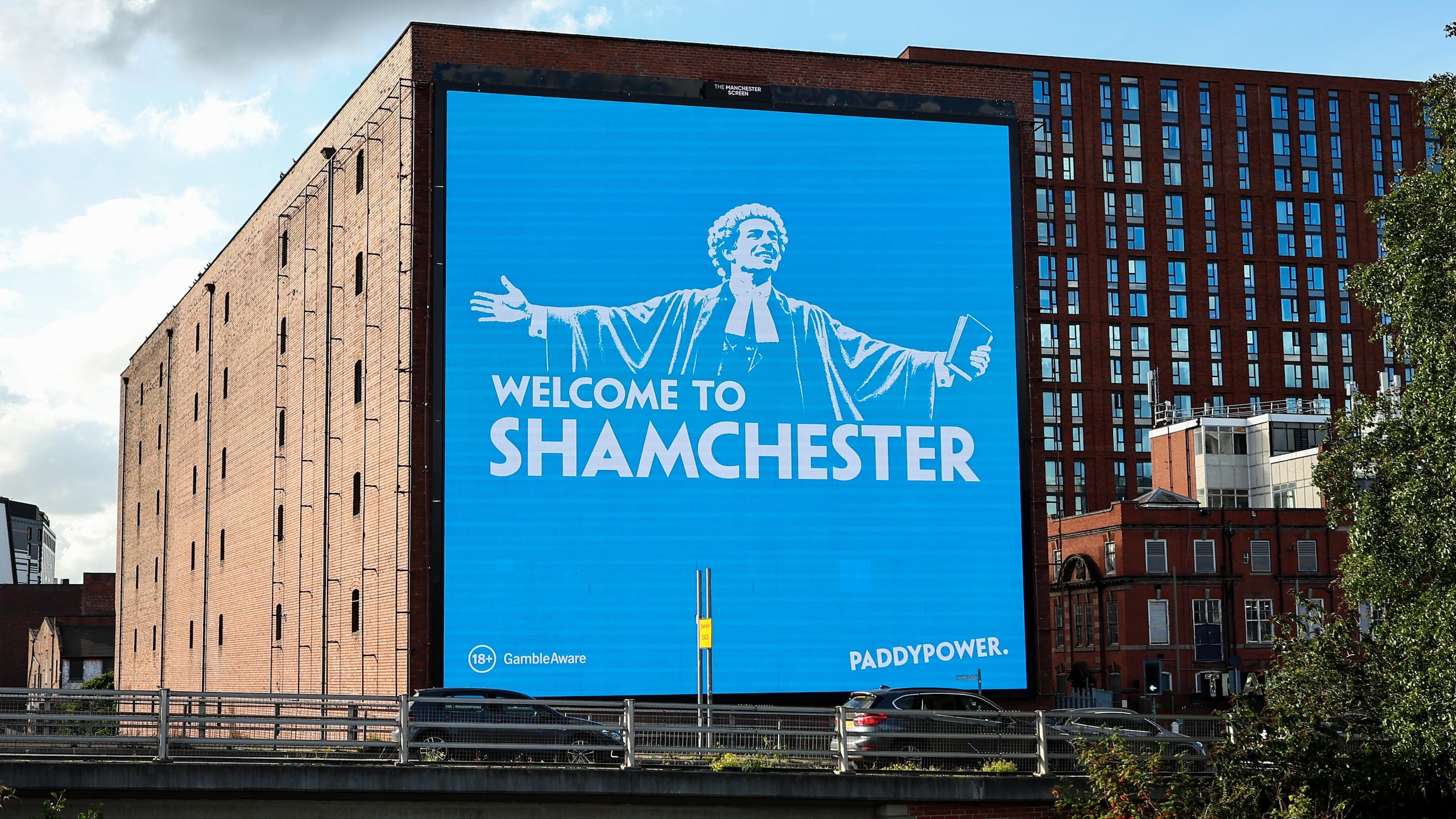
With the possible exception of games involving Aston Villa and Sunderland, there’s hardly been a match this season that has felt predictable. And at the heart of the drama is the human story of the managers, these brooding Julius Caesars with their quirks and styles, whose (potential) appointments and dismissals have provided so much of the drama.
As Paul Hayward noted in the Telegraph, there is something very odd about Russian oligarchs, U.S. speculators and Middle Eastern potentates squabbling over these fulminating grey-haired men with their lined faces and excellent tailoring. What we are witnessing is a footballing Game of Thrones, but Game of Thrones as it would be if the families could swap their leaders.

.jpg?w=2560)
Sport has an advantage over scripted entertainment in that a general lack of drama makes its drama more unexpected. There are stretches of matches and seasons that are predictable, and that means when there is drama, it’s somehow more dramatic; even the best films or television series have to conform to a basic structure and build to a climax.
Sport also benefits from being real: The late winner that would feel cliched and sentimental in a script thrills at the end of a cup tie because it is not the product of a mind seeking a best-case scenario but because it actually happened.
Yet, the Premier League this season feels as though it’s being played for maximum drama. There is a short story written in 1967 by the Argentinian writers Jorge Luis Borges and Adolfo Bioy Casares called Esse est Percipi that imagines a reality in which stadiums have all been demolished and football is scripted, existing only as a drama on the radio. The Premier League this season feels like an HBO series, with the stakes gradually being ramped up week by week.
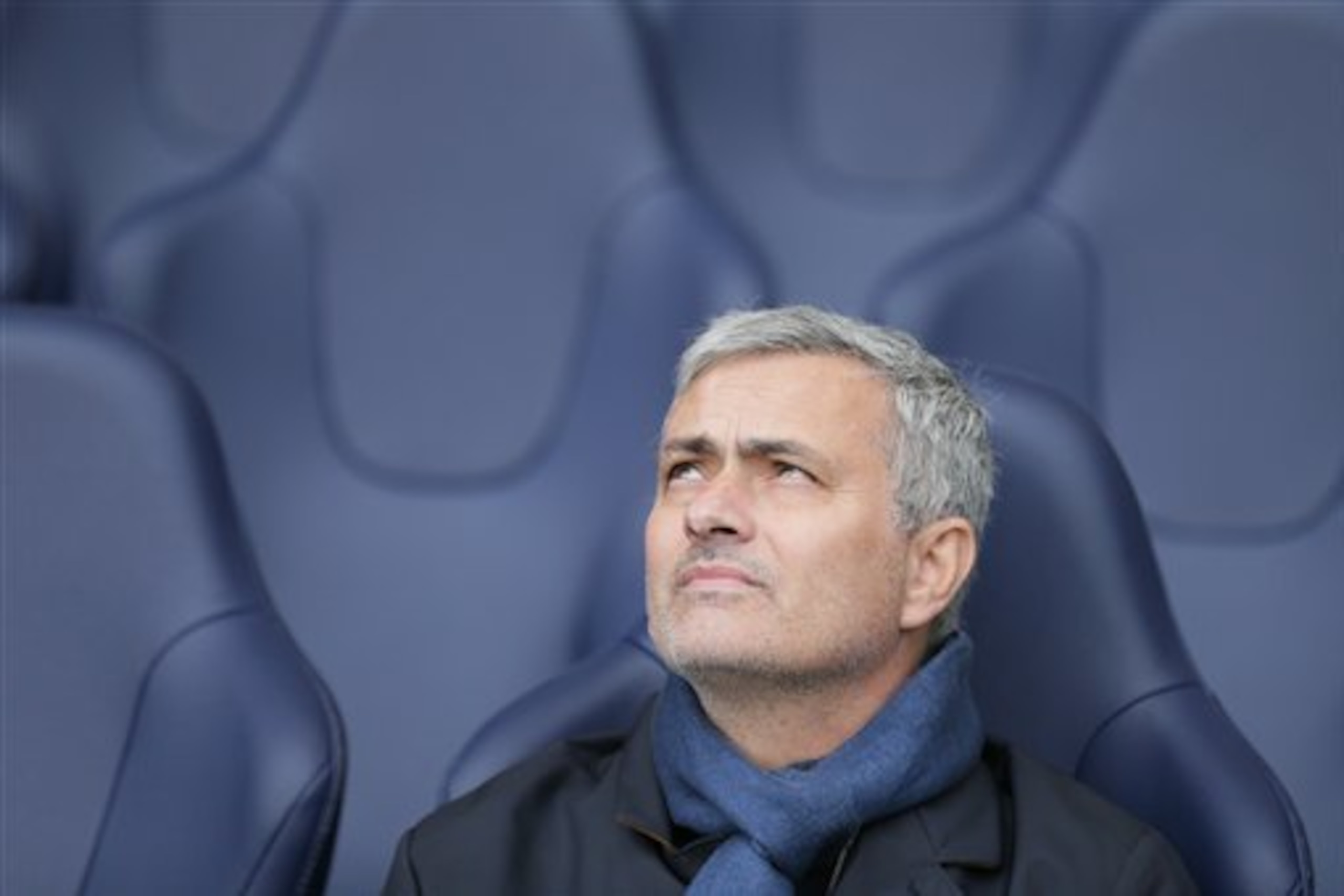
Who could possibly have predicted the twist towards the end of Series Three, whereby the character who was exiled right back at the start of Series One returned, almost from nowhere, to gain his revenge on the man who had replaced him and deliver the fatal blow to oust Jose Mourinho from Chelsea?
But even as the audience gasps at the audacity of that coup de theatre, it becomes apparent that it was only a stepping stone on the way to a far greater moment of drama in Series Four.
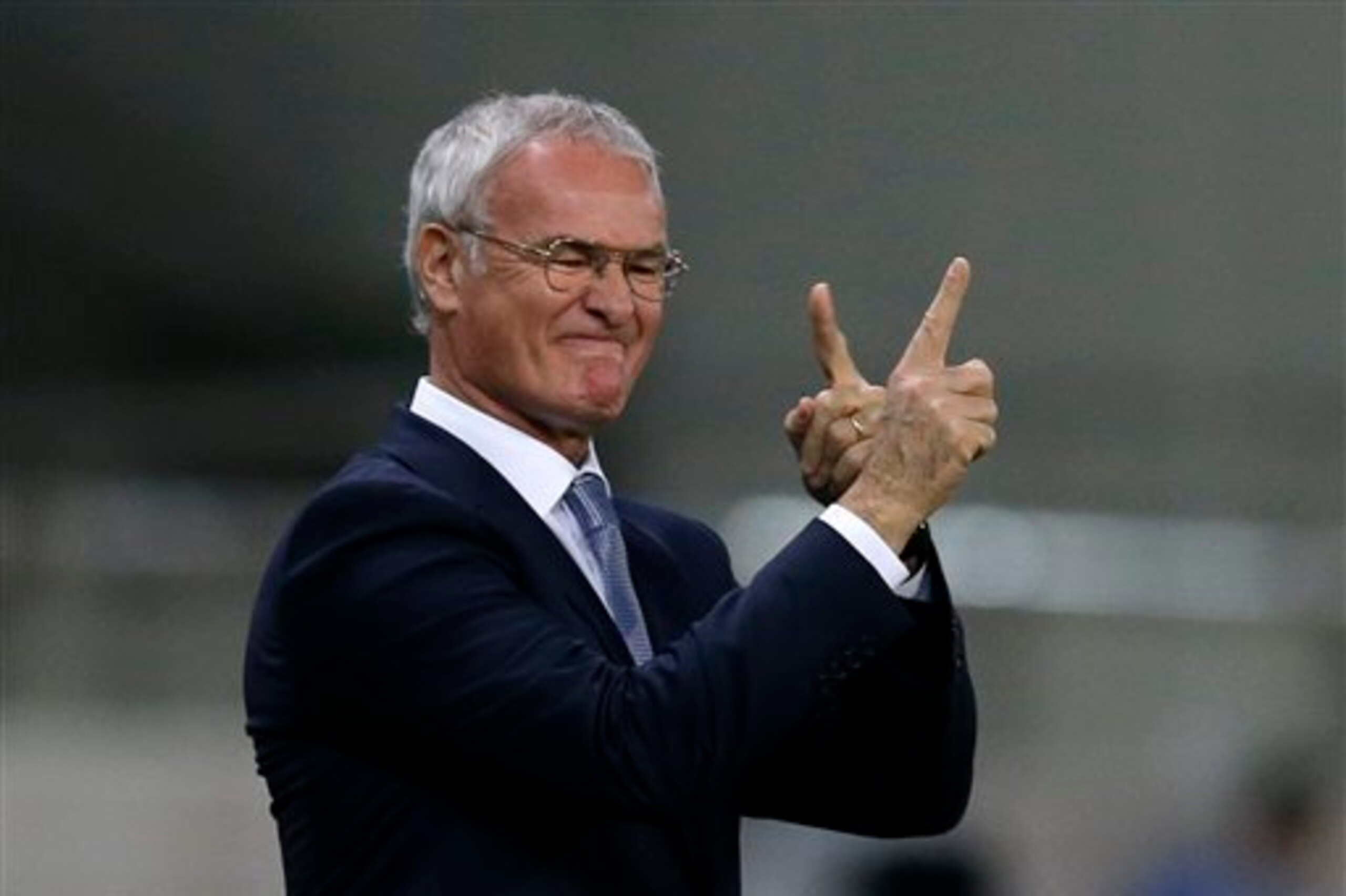
So perfect has been the plotting that it has come to seem almost inevitable that Pep Guardiola and Mourinho will renew their rivalry in Manchester, with the added quirk of the Portuguese coach succeeding a manager who was a mentor to both: Louis van Gaal (who, hopefully, will lurk somewhere in the background ready to emerge, Claudio Ranieri-like from the shadows, to deliver some unexpected and devastating blow).
Whatever the failings of the Premier League, it is undeniably superb at luring the best managers in the world to England. In part, of course, that’s to do with money, but it may also be that the manager is revered in Britain as he is nowhere else. There is an expectation that managers should be sharp, idiosyncratic, empire-building autocrats, rather than the replaceable technocrats who dominate elsewhere.
Only recently has English football accepted the notion of a technical director: the thought of a manager who is essentially a functionary in a corporate machine feels wrong. We want our managers to be like kings in a Shakespeare history play, ambitious, flawed, eccentric, engaging and battling their demons.
It’s tempting to wonder what cause and effect are here. When football became a mass-market event with the introduction of Match of the Day in 1964-65, English football was dominated by a clutch of hugely charismatic and/or domineering figures.
At Liverpool, Bill Shankly, growling his aphorisms, was just beginning to assert himself. At Manchester United, Matt Busby, sternly patrician, was pursuing his European dream. Don Revie, fretful and superstitious, had built Leeds United into a major force. Bill Nicholson, idealistically dignified, was only three years on from winning the double with Tottenham Hotspur. It’s only natural given the abundance of such figures that they became the model, perceived as what was necessary to succeed as a club.
They themselves probably behaved like that and were given the platform to do so because of the success of the innovator and showman Herbert Chapman at Huddersfield and then Arsenal in the '20s and early '30s.
Perhaps it’s even psychologically comforting to believe managers are in control, that football is a battle of two minds and the troops they command. To accept the level of randomness in the game—Chris Anderson and David Sally in The Numbers Game suggest that between two teams of roughly equal ability, around 50 per cent of what determines who wins is down to luck—is perhaps to acknowledge that much of life is random, and that is a profoundly terrifying thought.
And perhaps the greatest irony of all is that this season, when the big beasts of management are gathering in England, Arsenal are seemingly best placed to win the title. If Leicester City falter and the Gunners hold their nerve, it will be a triumph of the most old-fashioned of managers.
Arsene Wenger has despaired of football’s big-money era, its lack of patience and its constant demands for new celebrity signings. He has tried to stick to the philosophy of developing talent, of buying it young and moulding it, often to the frustration of fans. The acquisitions of Alexis Sanchez and Mesut Ozil have belatedly shown some willingness to compromise, but Arsenal remain parsimonious by the standard of the elite clubs.
The side that beat Manchester City on Monday cost less than the City bench, featuring only one player bought for more than £20 million. Last summer, Arsenal signed only one player: goalkeeper Petr Cech.
To win it now would be a vindication for Wenger and his methods—and that, perhaps, would be the greatest twist of all: If, in the season of the great managerial merry-go-round, the title were to be won by the old-school manager who has been there all the time.





.jpg?w=2560 "2 NFL Officials Suspended")

.jpg?w=2560 "Viral Rams Coach Vid 🖕")