

How Will the IPTL Affect Tennis' Top Stars for Australia 2016?
Professional tennis does not have a typical offseason. It’s unlike the seasonal calendar of professional team sports that perform for six to nine months in a primary region before downshifting to rest and reload.
Tennis’ schedule is an alternative blueprint. Individual tour members travel the globe to compete all year in primarily warm locales. The ATP and WTA tennis tours usually end in late November before recommencing in January for an Australian summer.
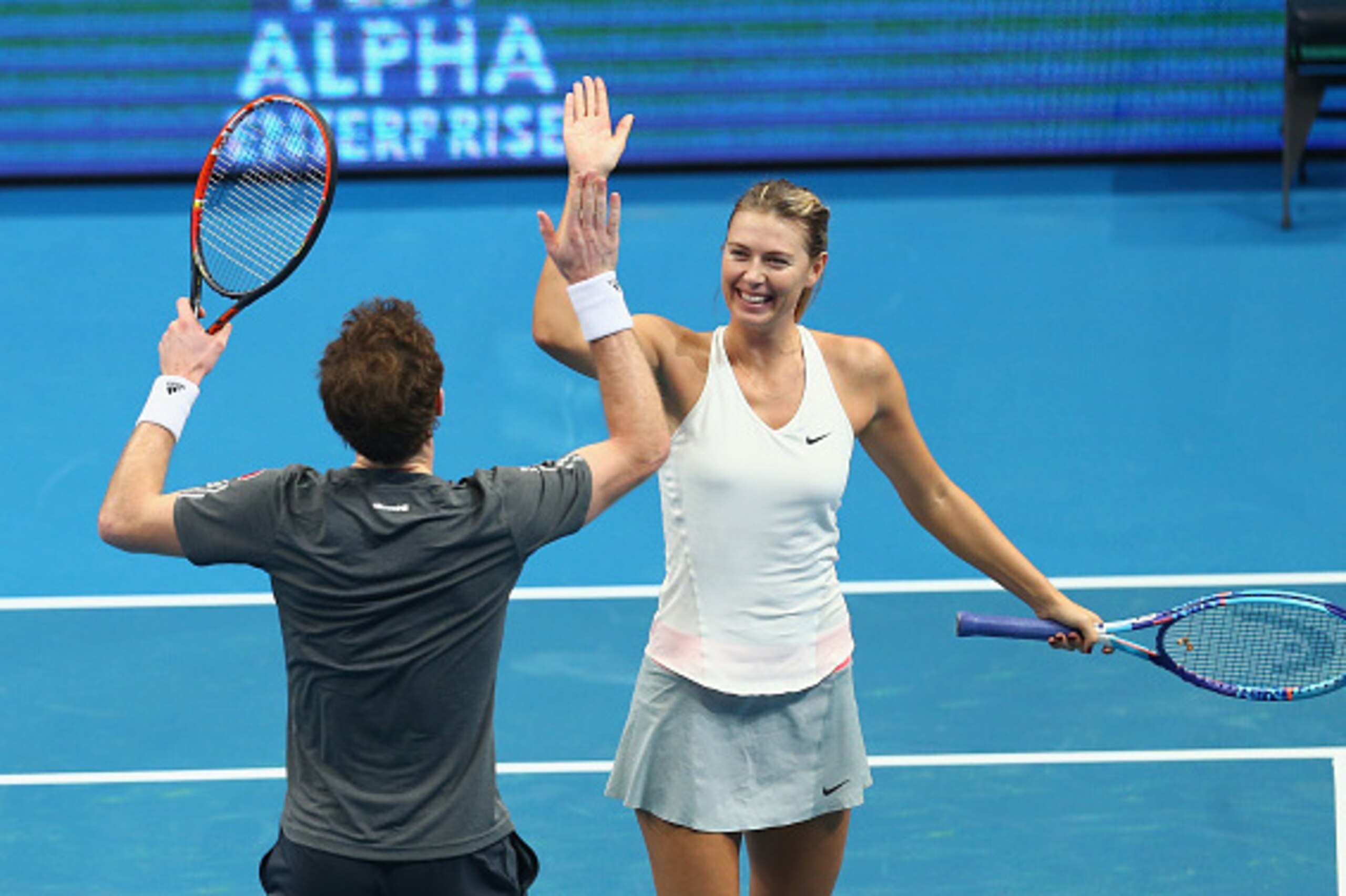
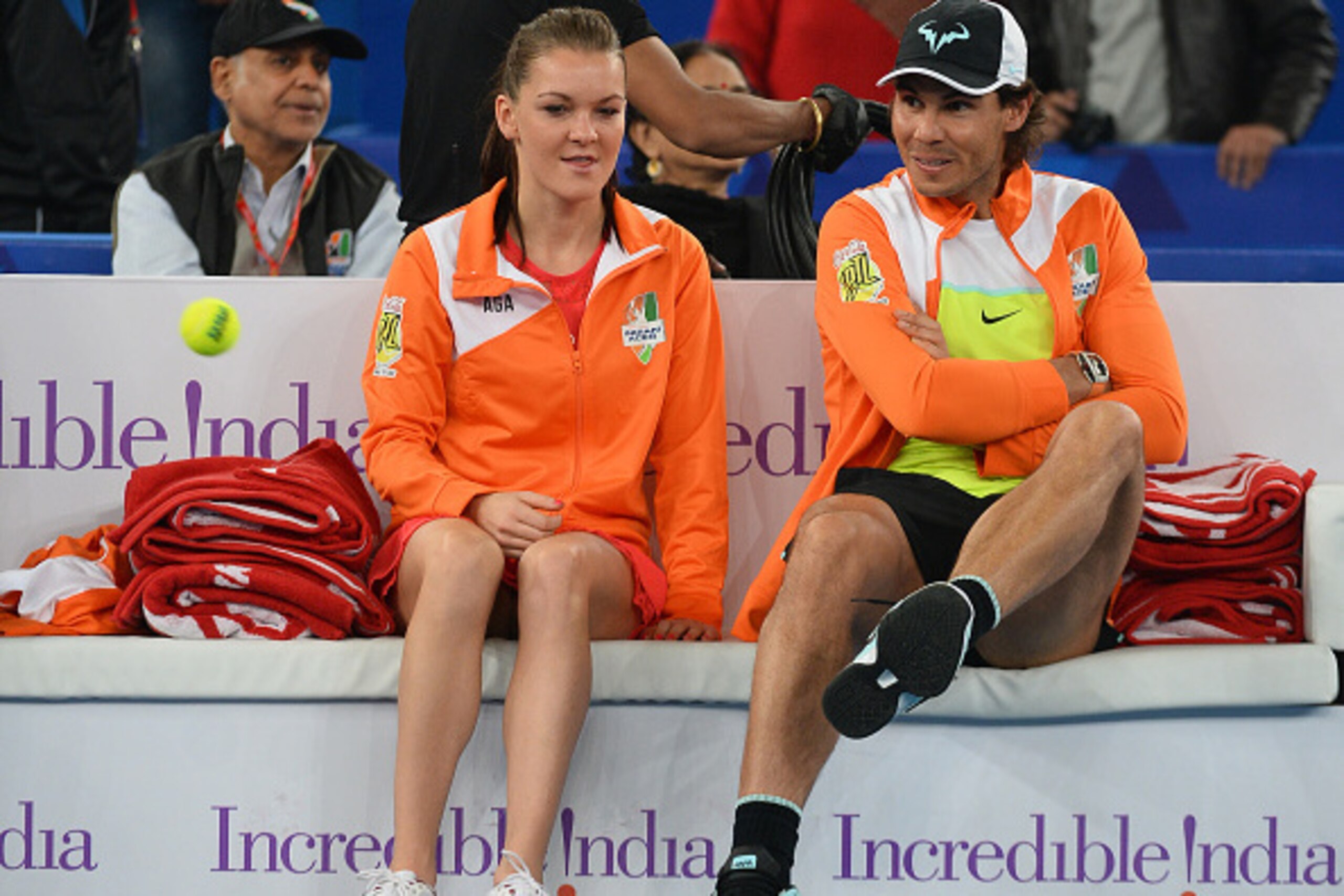
But the old formula of rest, training and rejuvenation has been put away like an overhead smash. Stars like Roger Federer, Rafael Nadal, Andy Murray, Maria Sharapova and Serena Williams are just a few of the superstars who have chosen to play in the lucrative International Premier Tennis League.
TOP NEWS

J-Dub Suffers Gruesome Injury

Contenders starting to separate themselves after Week 7

Geno Explains Wilson Exchange
December’s blank page has been mapped with the ITPL’s team competitions that tour through Japan, India, Dubai, Manila and Singapore.
While it’s a more relaxed and festive competition that mixes in varieties of groups and teammates, something that the stars clearly enjoy, there will continue to be concerns about how taxing this might be for the top stars.
Even with more abbreviated one-set playing formats, will the ITPL traveling and commitment create a meltdown in Melbourne?
Managing the Tennis Year
Managing a tennis year is a different world of challenges from one tennis player to the next.
Players are individual brands with varying complexities who must balance their strengths, health, ages and priorities. These variables shift from year to year like a feature story for the Weather Channel.
These days, it might be more imperative than ever that players and their teams control their workload to the finest degree.
How does a player maximize his or her athletic talent in a small career window? There are only so many chances for financial boons and achieved ambitions. Meanwhile, the player leans on the edge of ruin, reaching for paydirt while holding on against injury or burnout.
A star like Nadal is willing to invest his greatest energy in the spring when he can showcase his clay-court dominance. But there is a cost to treating a two-month marathon like a sprint.
For the past four years, Nadal’s European clay tournaments have depleted his chances at Wimbledon, where he has suffered several early-rounds losses.
Federer likes to capitalize on the second half of the tennis year where the courts are speedier. He’s been cutting back on more of his former springtime tennis schedule.
For 2016, he will not be playing Masters 1000 tournaments in humid Miami or the European clay-court swing with Monte Carlo, Madrid and Rome. He’s banking most on having fresh legs and energy for Wimbledon, the Olympics in Brazil and the U.S. Open.
If Nadal and Federer are respectively harvesting oranges and apples, it only begins to explain why stars intermittently play or drop tournaments. Somewhere along the way, players must take pit stops, resting a few weeks before expending their strength when it’s time to battle.
It’s like bingeing and fasting. There are the busy majors months like January, June and August. There are the lighter, more optional tune-ups like February, July and (formerly) December.
Murray threw his body into the wringer during the U.S. Open Series in August and topped that off with the Davis Cup semifinals. He jumped into mid-November madness, training on clay while maximizing his efforts at the indoors World Tour Finals before leading Team Britain to capture the Davis Cup.
We’re not sure if he’s come up for oxygen yet, but he’s swinging away for the IPTL’s Singapore Slammers.
Ripple into Australia
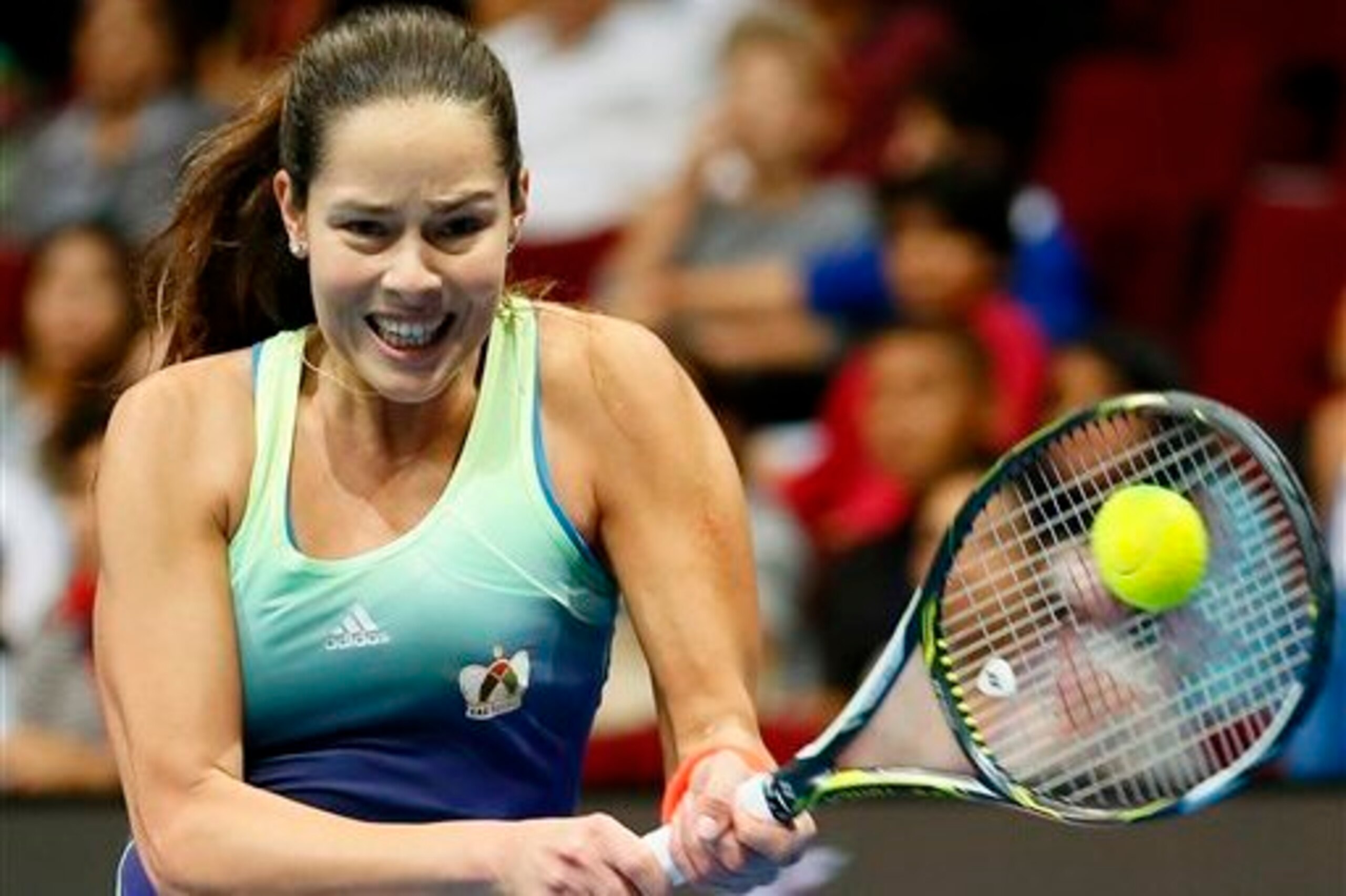
How will the extra efforts in the Far East ripple Down Under? Will an aging Federer be overly fatigued by Melbourne? Or maybe the Swiss Maestro will better maintain his best form and charge through the likes of Andreas Seppi in the Australian Open’s early rounds.
On the other hand, young potential star Nick Kyrgios can use the IPTL to rub shoulders with the giants and legends in his sport. Winning several of these sets can only boost his confidence when the ATP gets underway, especially when center stage will be in his home country.
Meanwhile, Serena, who had been absent from WTA competition since her U.S. Open semifinal loss to Roberta Vinci, found her smile and was able to knock off some rust, according to her comments in the International Business Times:
"It's fun. That's why I'm here again, because I had a lot of fun last year and I definitely want you (IPTL) to continue it.
I was forced out early from my year and it's a good opportunity for me to get some more tennis in and get ready. So it felt really good.
"
For Nadal, the IPTL could help him continue his autumn momentum in returning to the top five in the rankings. But it could potentially be a much greater risk for him than the other players. He’s finishing off a complete year and crossing his fingers that his injury-plagued past will not haunt his ambitions for a championship renaissance.
Maybe the ITPL is essential for Nadal to keep building his strength through Melbourne and reclaim his clay-court empire in the spring. Or would he be better off resting from glamorized exhibitions like the IPTL? If he flies too close to the sun, his tennis could burn out faster than you can say “Icarus.”
Then there’s world No. 1 Novak Djokovic. The Serbian paced himself to win six Masters 1000 titles, three majors and the WTF, turning in perhaps the greatest year of all time. He chose to withdraw from the IPTL, simply explaining, per the Indian Express, “It’s been a long year for me and my body needs some extra time to recover.” He believes this is the way to seize a fifth Aussie crown in six years.

For now, we are not sure on the potential effects of playing in the IPTL when 2016 recommences with the grind of the ATP and WTA tours. Tennis as a hobby could be a little less fun when it becomes the day job once again.
Times have also changed, and players have made the tour more than a one-man crusade through Dante’s underworld. Stars have learned to integrate the tour as part of their lifestyle, managing their social and relationship needs with family, friends and professional teams. They are playing better and longer.
Maybe by late January, this is all much ado about nothing, but if Nadal, Federer, Sharapova or another star is overly fatigued or injured for Australia, gallons of media ink will spill all over the digital and televised tennis world.
Blame could take shots at the IPTL.
.jpg?w=2560 "Rams Raiders Football")
.jpg?w=2560 "Steelers Saints Football")

.jpg?w=2560 "🚨 Week 8 AP Top 25 Poll")

