

Can Porto Provide the Lowest Point of Chelsea's Troubled Season?
Their fortunes may be contrasting ones over the course of their respective domestic campaigns so far, but Chelsea and Porto might allow themselves the flicker of a similar emotion as they take the field for their Champions League faceoff on Wednesday night. How on earth did we get ourselves into this mess in the first place?
We’re set for one of the most high-stakes confrontations of the final night of the group stage at Stamford Bridge, but it shouldn’t be that way. If Porto had done what was expected of them and beaten Dynamo Kiev in their penultimate group match, both of these sides would be through to the last 16 already.


.jpg?w=2560)
Instead, their improbable choke (not the first time they’ve fluffed their lines in a big match under coach Julen Lopetegui—more of which later) against the Ukrainian champions means that they have to come to London and win if they want to have a chance of equalling last season’s run to the quarter-finals, while just a draw will do for Chelsea.
It would be no small feat. Lopetegui and company will need to make history to continue in the Champions League, with Porto winless in 16 previous visits to England in European competition, with just two draws among those. They’ve lost all seven games that they’ve played in London, three of which were at Stamford Bridge. On the last occasion that Porto were in the capital, they were obliterated, losing 5-0 at Arsenal (in 2010).
There is inspiration from the past, however. Costinha’s late, late equaliser against Manchester United at Old Trafford in 2004—which precipitated Jose Mourinho’s famous run down the touchline—still looms large in Portista memories, as well it should. That great escape was a major step on the way to what ended up as ultimate victory in the Gelsenkirchen final against Monaco that year, which doubled as Mourinho’s dramatic final act as boss at the Dragao.
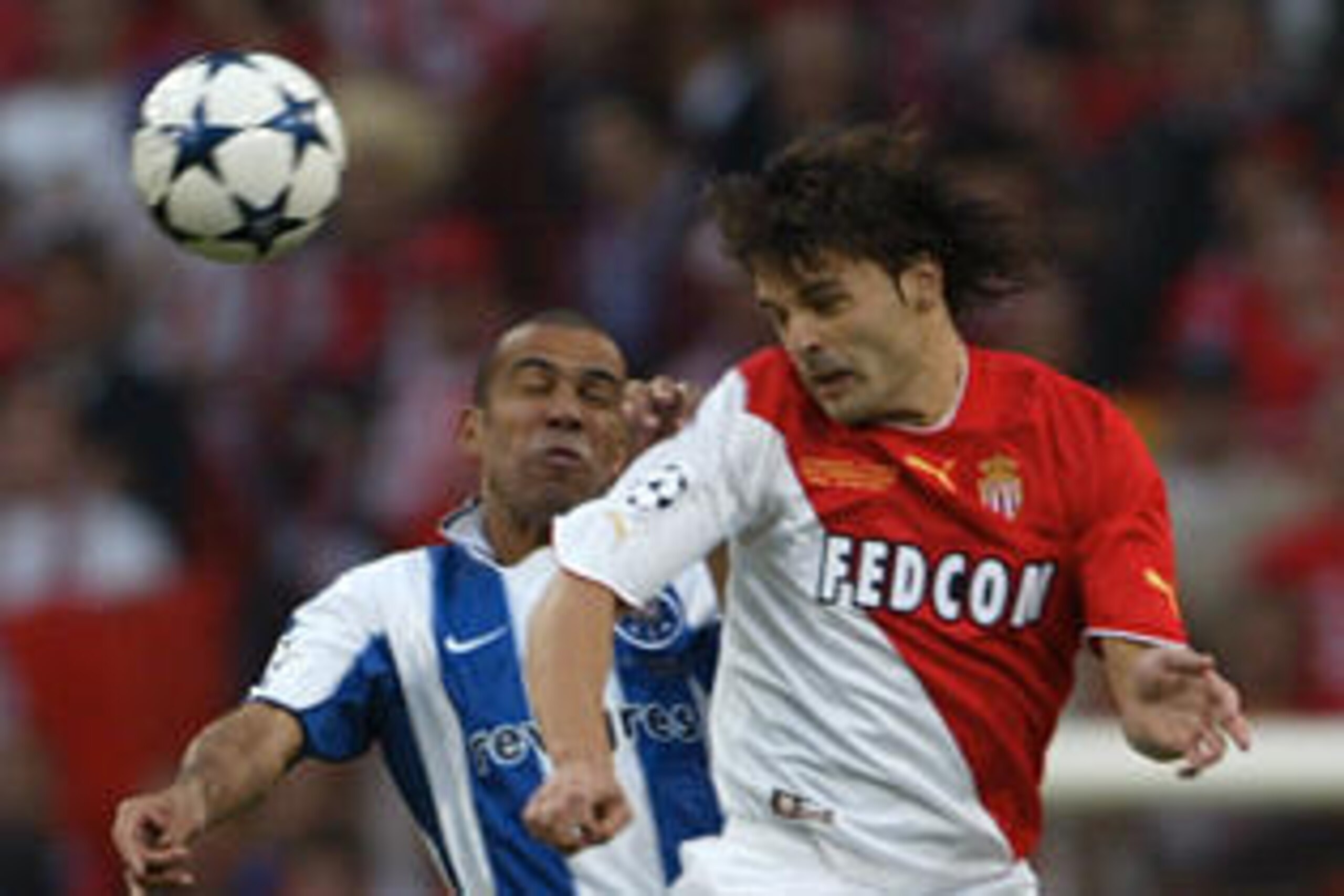
Whatever the result on Wednesday night, we are unlikely to see Lopetegui do the same. Though his personality may sharply contrast with that of the now-Chelsea manager, president Jorge Nuno Pinto da Costa brought him in during the summer of 2014 with the remit of having a similar kind of influence: that of imparting a distinct philosophy, having taken Spain’s under-21s and under-19s to European Championship success.
The jury is still out on Lopetegui for many Portuguese observers, but Porto’s performances in the very biggest of games have taken an upswing this season. The 49-year-old was pilloried in the press for being tactically outwitted by Marco Silva and Jorge Jesus in the first half of last season, as Sporting and Benfica both won at Dragao before Christmas.
This time around, Porto beat Benfica and Chelsea in the space of nine days in September. Lopetegui will need the sanguine displayed in those games again, with his side having inadvertently created another mega-fixture by way of that unexpected defeat by Dynamo.
While Lopetegui may ultimately stand or fall by the results of those decisive matches, he will also do so particularly by Iker Casillas’ performances in those high-spec encounters. The fortunes of the two goalkeepers (one former, one current) at the Dragao are inextricably linked.
Lopetegui, who came through the academy at Real Sociedad before later providing back-up to Carles Busquets at Barcelona in the 1990s, was instrumental in persuading his countryman to leave Real Madrid. The pair had got to know each other well at the 2002 World Cup, when Lopetegui was goalkeeper coach to Inaki Saez’s Spain squad.
When Porto made their move last summer, Lopetegui intervened personally, making telephone calls directly to Casillas to sell him a move to the Dragao (as reported here by Marca, in Spanish). So, while the Bernabeu legend has given Porto a PR bump, his performances in the biggest matches are under intense scrutiny and so, by association, is Lopetegui.
Much was made of the Casillas-Mourinho rematch before the first meeting between Porto and Chelsea this season, and that subtext will no doubt hang over the return, but Casillas’ motivation for helping to guide his new club through will come from elsewhere.
The Spain captain had a big part in that costly loss to Sergiy Rebrov’s side, only palming a relatively tame shot by Derlis Gonzalez (an ex-Benfica player, if it wasn’t already bad enough) up and into the net for Dynamo’s second, which effectively killed the game. The anguish with which he held his head afterwards showed that he knew how big a mistake it was.
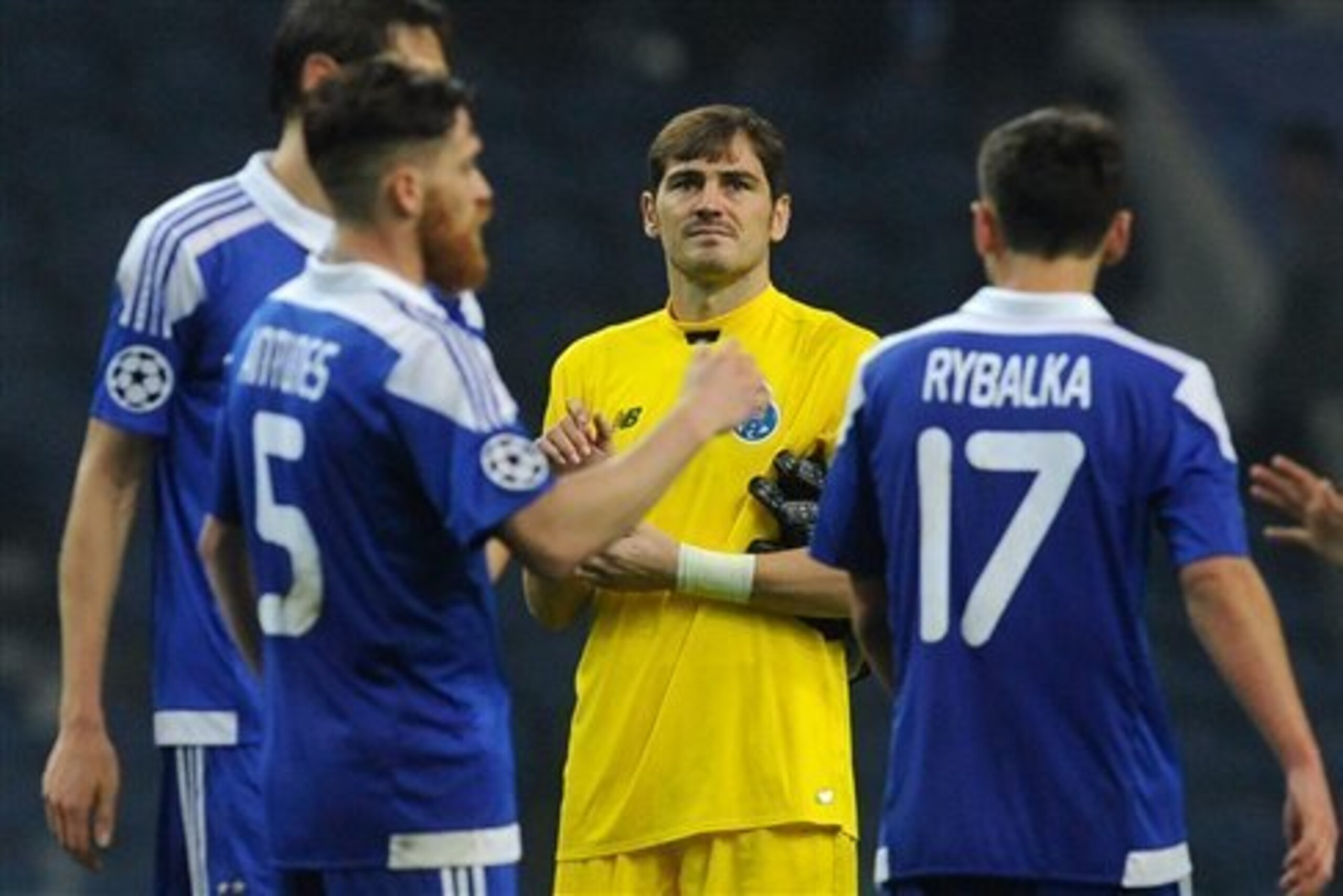
Casillas knows that there are only a handful of games he will be truly judged on this season—the Classico meetings with Sporting and Benfica, and the most high-profile of Porto’s Champions League clashes. So while Casillas’ penalty save from Salva Chamorro, which prevented a late Tondela equaliser in the Liga four days after Dynamo, was a nice story of redemption (A Bola’s headline said "Casillas saves Lopetegui," as reported by Sapo Desporto, in Portuguese), it didn’t make up for what went before.
There is, of course, an argument to be made that Casillas may not be the most solicited of Porto’s players on Wednesday night, given Chelsea’s terrible season and their inability to crack even newly promoted Bournemouth last weekend.
Yet, however vulnerable Chelsea are at present, Porto are faced with a very particular challenge in being required to come to the Bridge and win the game. Lopetegui’s tactics in the gala games tend to be fairly cautious and always have been since he arrived at the Dragao.
The move from Porto’s habitual 4-3-3 to a more circumspect 4-1-4-1, farming playmaker Yacine Brahimi out to a wide-left role from where he cuts inside, has become a default and is likely to be employed again this week. It is natural to wonder whether Lopetegui and his team can switch emphasis to come and fetch the result, rather than just to wait and see, even against a wounded Chelsea.
One plus is that Jesus Corona, a genuine winger rather than a wide midfielder, should get a start after scoring in successive games. The Mexican should give Baba Rahman something to think about. On the other side, Brahimi will still be Porto’s go-to as they seek to unlock the Blues.
Porto can perhaps take more hope than anything from that first game, when they had significantly less possession than Chelsea but still mustered 22 shots at goal. The ability to get what they need is there—we just need to be convinced that they are mentally strong enough to execute it. That, of course, is pretty much the story of Mourinho and Chelsea’s season, too.



.jpg?w=2560 "2 NFL Officials Suspended")

.jpg?w=2560 "Viral Rams Coach Vid 🖕")