

Who Will Go Down as the Greater Player: Novak Djokovic or Pete Sampras?
As Novak Djokovic finished his fourth year as the ATP No. 1 player, he is rapidly chasing down historical records and legendary players. His dominance has conjured up memories of past generational superstars including the great Pete Sampras.
The American was indisputably the greatest player of the 1990s, vanquishing a variety of legendary stars and turning a competitive period into his own era. From 1990-2002, he won 14 major titles in 18 finals appearances. He rode off into the sunset with the 2002 U.S. Open title, compiling records that were thought to last for decades, most of which were exceeded by Roger Federer in the subsequent decade.

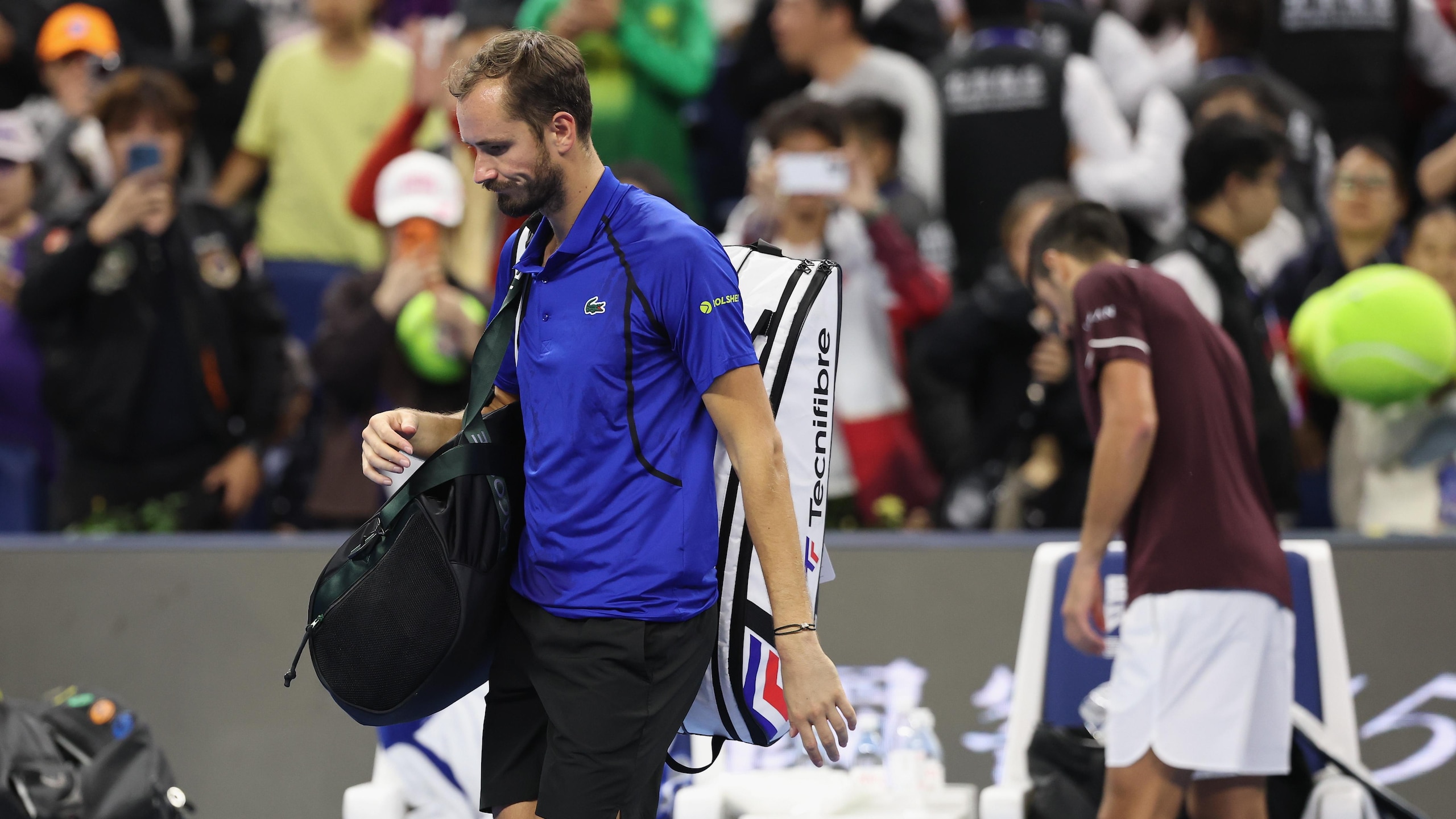

Now Djokovic is storming ahead with his own brand of dominating tennis, something not lost on one of his great admirers, Sampras, who remarked four years ago that Djokovic’s 2011 season was the greatest year he had ever seen.
By 2013, Sampras believed Djokovic could break his record for most times as the year-end No. 1 player. (Rafael Nadal claimed 2013, so the Serbian will have to settle for taking at least five of six year-end No. 1 titles, if not more.)
Fast forward to 2015 and—after Djokovic’s second epic year of tennis—arguably the greatest season of all time. He’s earned comparison talk with the greatest legends in the sport, which includes the mighty Sampras.
But how would they match up against each other, and will Djokovic soon catch up with and surpass the Sampras legacy?
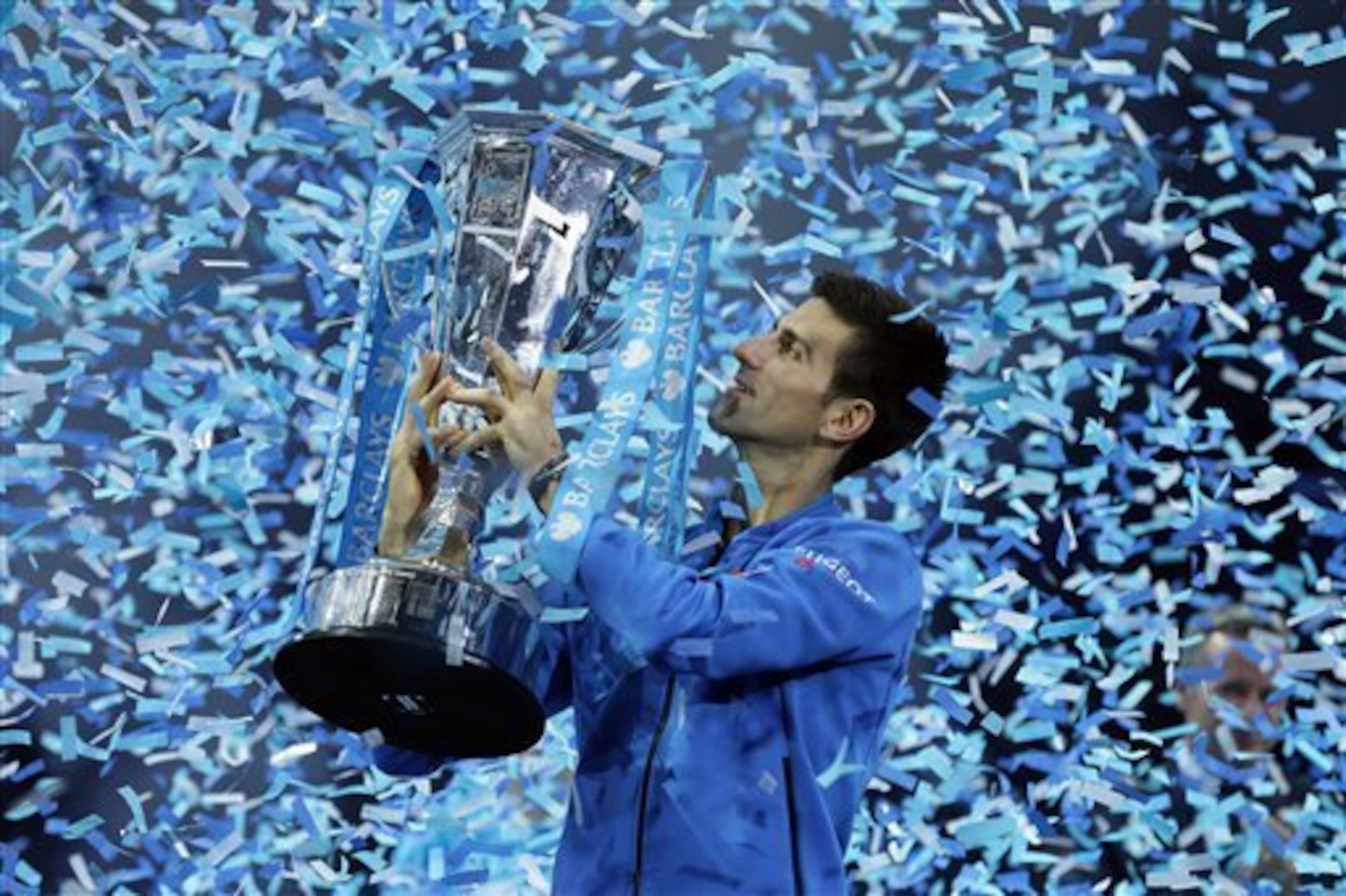
Tale of the Tape
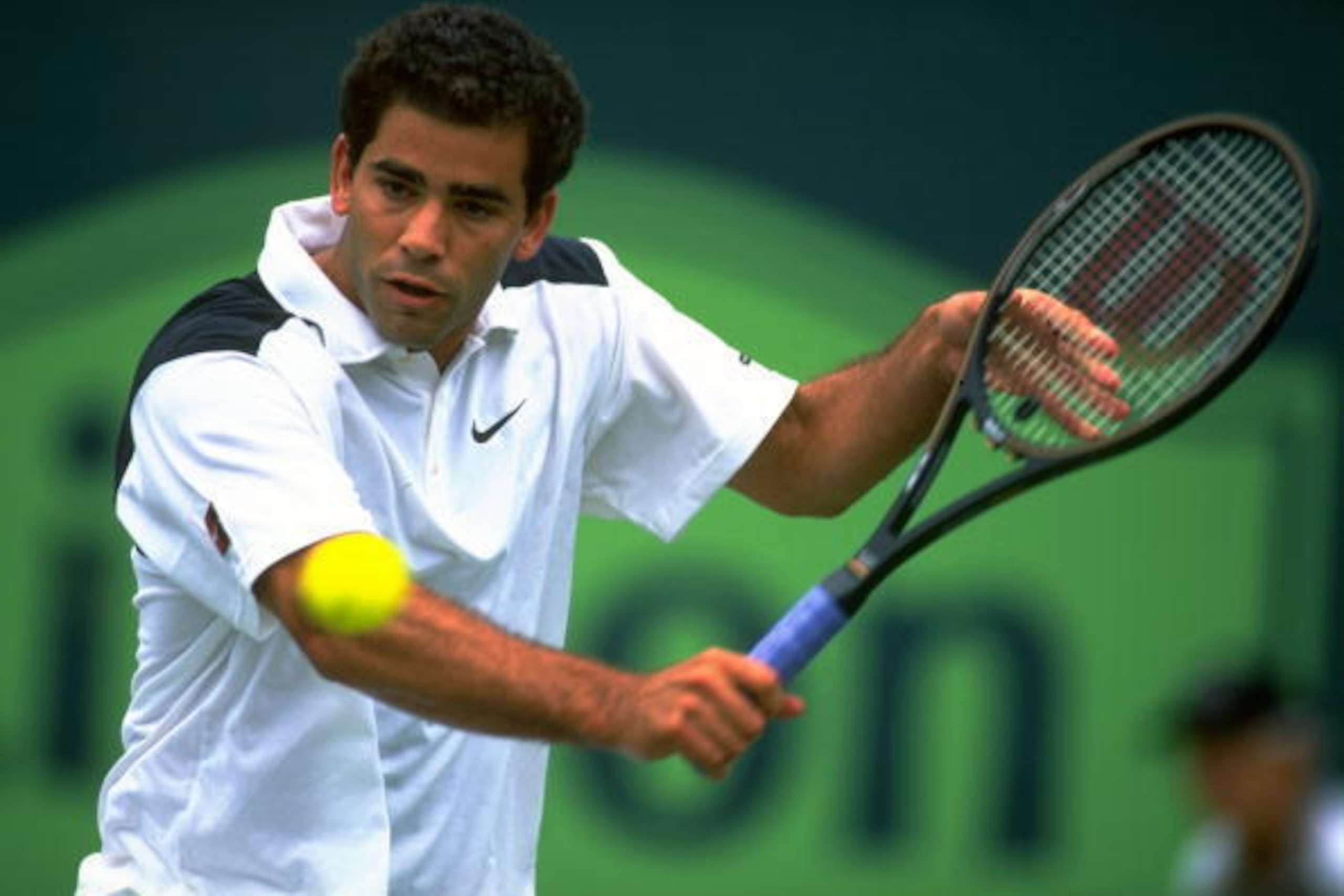
At 6’1”, Sampras was an athletically gifted tennis player. While most might remember his huge serve and efficient net game on a stage like Wimbledon, it might be more difficult for those that did not see him play to understand his more subtle but incredible talents.
He scorched overhead shots with the kind of leaping that was reminiscent of basketball icon Michael Jordan.
He had a fluid baseline game and very underrated footwork and defense. He often outdueled Andre Agassi, Jim Courier, Michael Chang and other baseline players while seldom venturing at net. His running forehand might have been the best ever.
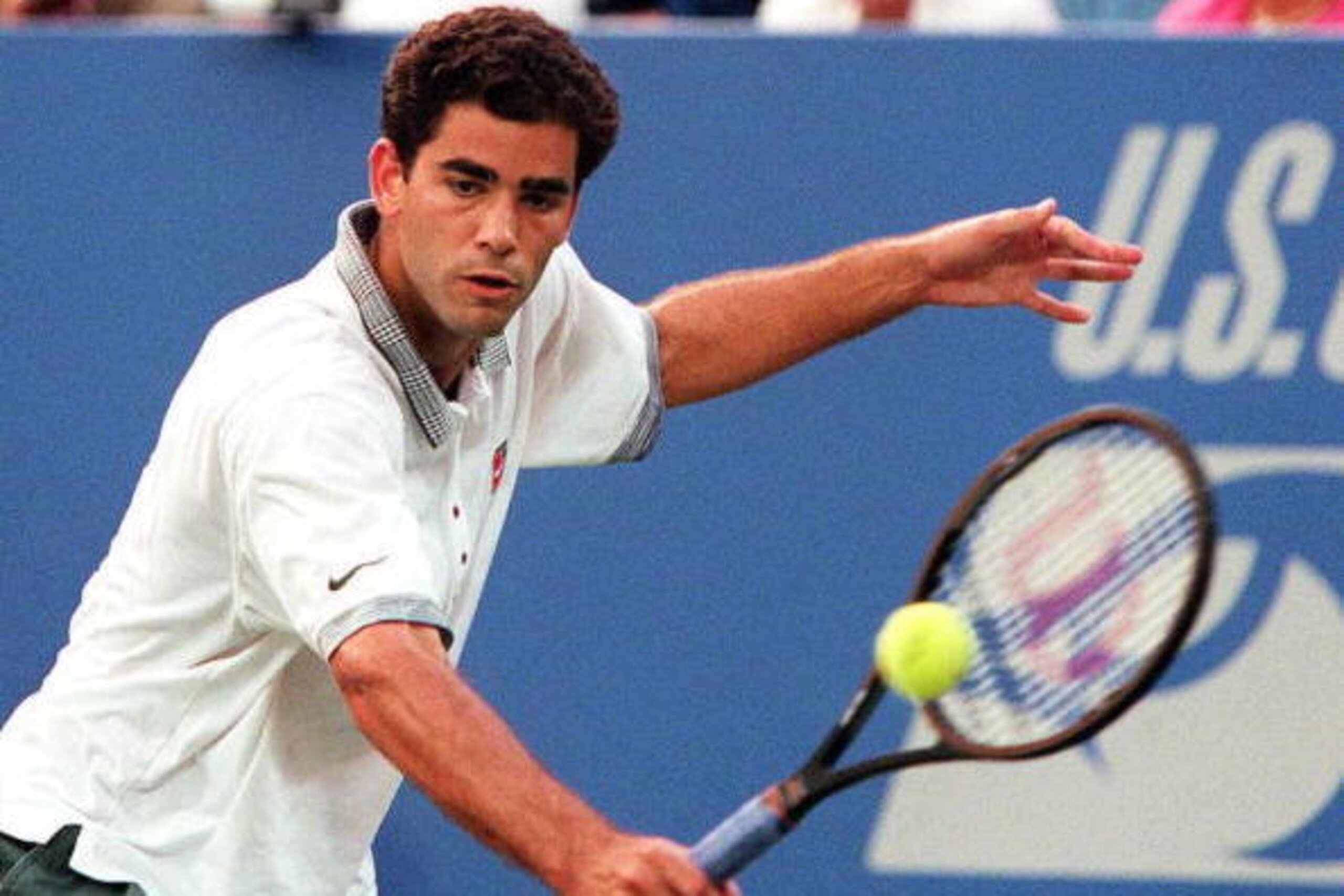
He was nimble and powerful, quick and intelligent. When big-point tension was highest, he was cool and unflappable, nearly always rising above the moment to create magical shots. He was molded to play attacking tennis and play his all-courts game against a variety of generational styles and conditions.
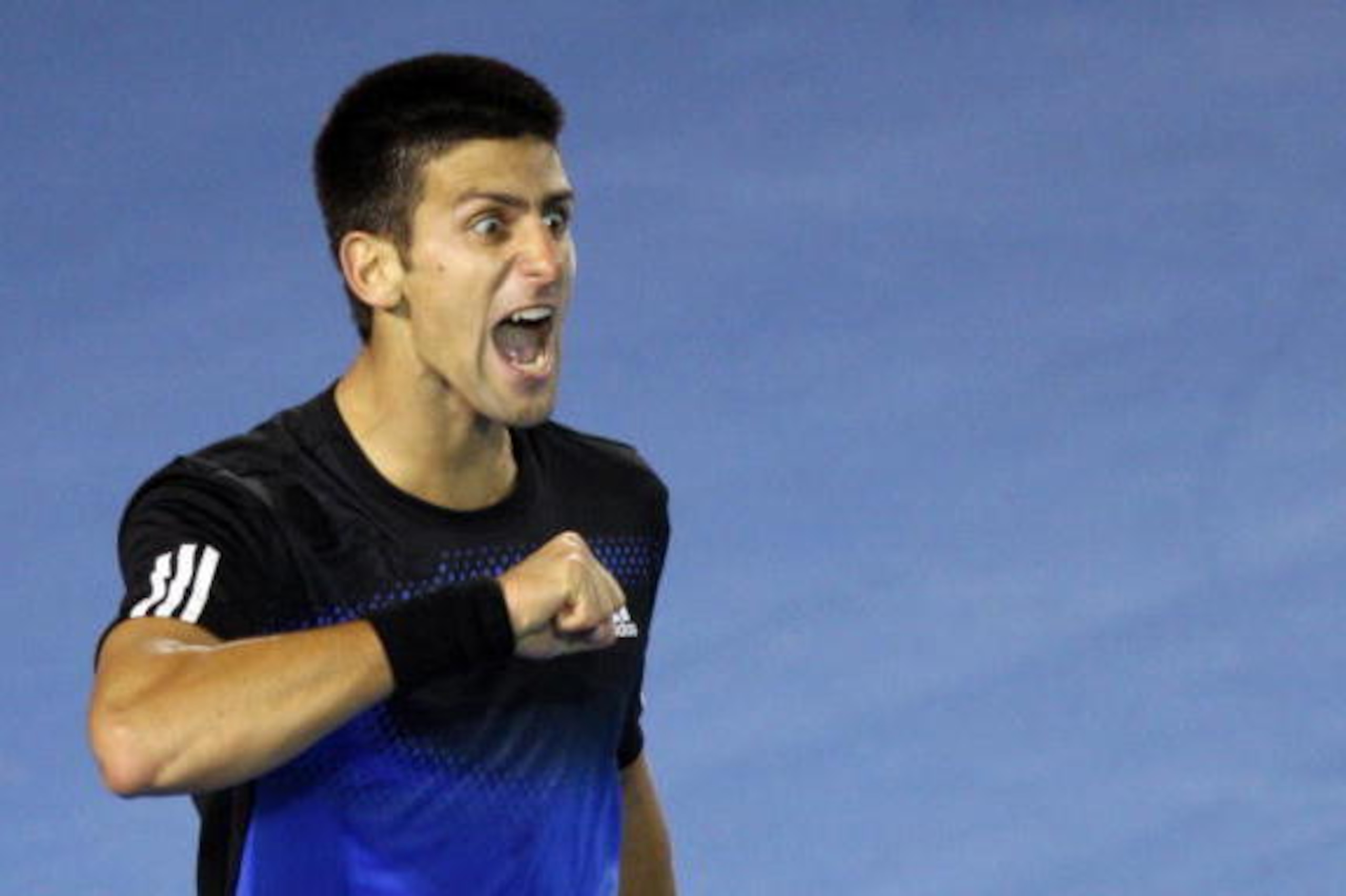
The 6’2” Djokovic is the modern specimen of tennis flexibility. He’s part contortionist in his abilities to bend, slide and attack from seemingly impossible defensive positions. He has evolved into an intelligent aggressive player who utilizes patience, margin and savvy baseline attacks. His backhand feasts on topspin and devours anything short. His service and net game are underrated because he is so well-rounded that he rarely exposes any weakness.
Djokovic is the greatest returner in his generation and maybe of all time. He constantly puts pressure on opponents’ second serves, and he punishes short groundstrokes.
Suppose they were generational rivals? Would Sampras’ potent offense break up Djokovic’s two-way attack?
There are of course different generational conditions including today’s advantages of superior technology, better fitness and homogenized courts.
Djokovic primarily plays baseline rivals, but it’s a tall order to grind away in a more physical ATP. While Sampras was breaking down by the age of 28, Djokovic is surging ahead with his best play.
Sampras had to play against more variety of styles in opponents. He benefited from faster grass at Wimbledon, but he did not emphasize as much training and preparation on clay. It's conceivable that today's top players and conditions would push Sampras to even greater heights.
Sampras was a two-time winner on Australia’s stickier Rebound Ace surface, and Djokovic is clearly a superior player on today’s plexicushion surface in Melbourne.
It's hard to see the Sampras backhand holding up under Djokovic's extra time to execute relentless pressure, and the current world No. 1 proved his marathon mettle in the 2012 Australian Open final over Nadal.
The Serbian would also dominate their clay-court encounters where Sampras was never comfortable and always ambiguous about how to play, even with sporadic success.
At Wimbledon, Sampras’ serve and attack game was much greater than the 2014-15 challenges of Federer.
Even on the modern grass, Sampras’ awesome second serve and approaches would constantly shorten points and interrupt Djokovic’s rhythm. He could attack from anywhere as well, and give modern advances with rackets and baseline play.
On fast surfaces, Sampras had the athleticism to pick up balls, move like a cat and set up shots. He was the great disrupter, ruining any kind of rhythm from a great baseliner like Andre Agassi. It’s hard to see prime Djokovic beating prime Sampras on grass.
On the faster hard courts of the U.S. Open. Sampras and Djokovic might have their best battles, but a strong edge out to the American for his five championships and various manners of winning with his serve, net game, baseline play and ability to thrive in pressure.
And it’s the pressure these two create that makes this battle so interesting. Both of them are mentally tough. Either of them can jump out and suffocate an opponent, and either of them can come back quickly if they struggle for a set or two.
They are both capable of scary, streaky tennis. Djokovic has grown into the kind of consistency that Sampras exhibited more readily in his prime, partially because the former world No. 1 could impose his offensive power more naturally, whereas the Serb’s more eclectic skills have had to grow in the crucible of overcoming Federer, Nadal and Andy Murray.
Looking simply at their physical skills and capabilities, it could be a split with Djokovic winning the slower surfaces and Sampras the faster ones.
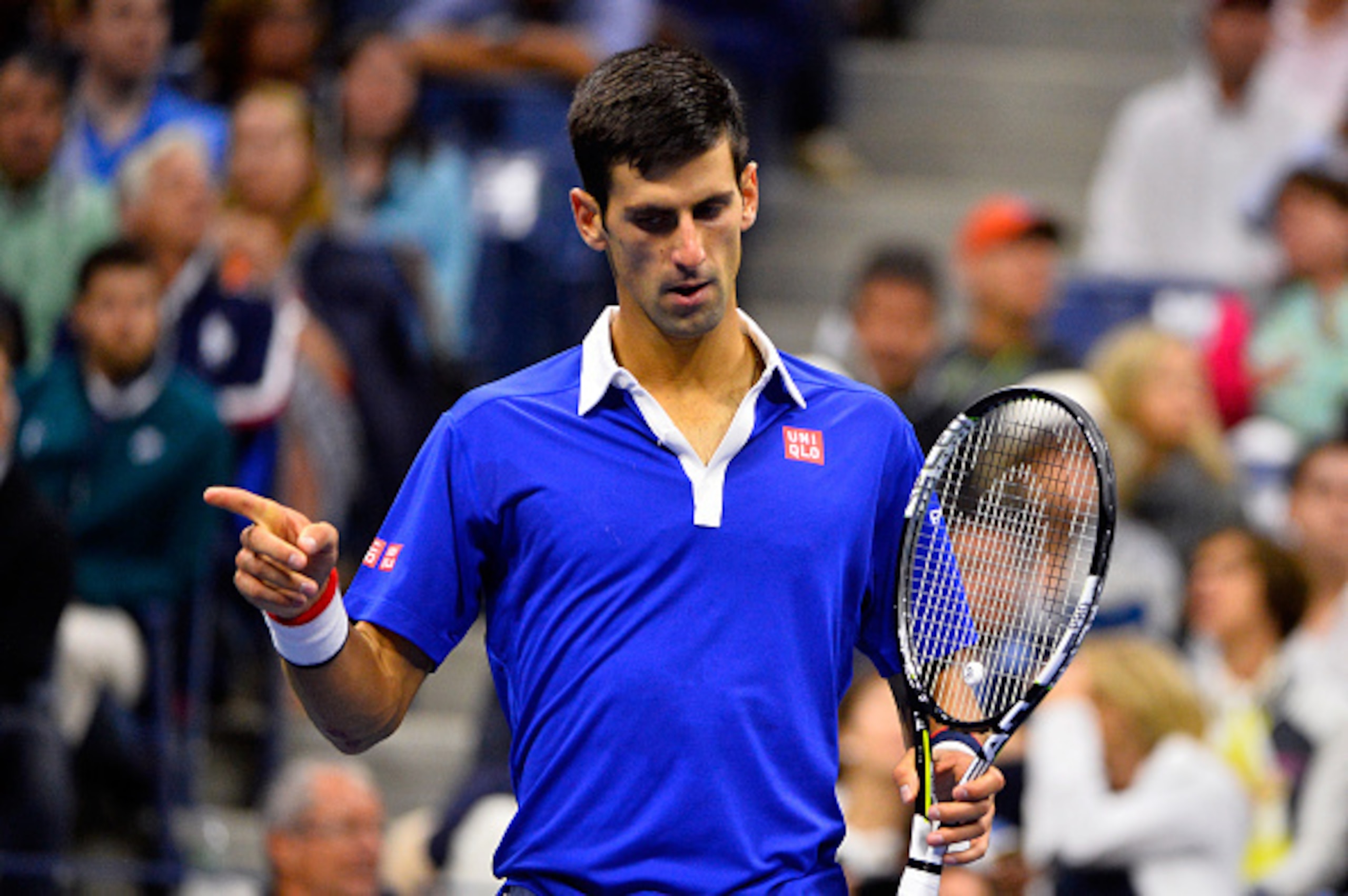
Chasing Sampras’ Biggest Records
Federer got the jump on Sampras, cruising past the American by 2009 when he captured his French Open title and then his 15th major title at Wimbledon. It was the pinnacle of Federer’s legacy dominance, when he was at the height of mythical discussions that declared him as the greatest player of all time.
Since then, Nadal has made an equally compelling case with his more-dominant play on clay, mastery of their head-to-head battles and what many perceive as a stronger field of competitors. He captured his 14th major title at the 2014 French Open, tying Sampras’ total, before fading as a major contender.
Djokovic is now playing his best tennis and looks to have a few more prime tennis years, barring injuries or inexplicable diminishing of skills. Three major championships in 2015 make it reasonable to project a couple more in each of 2016 and 2017, which would tie him with Sampras and possibly Nadal (if the Spaniard is unable to win another major title).
Then there’s Djokovic’s absolute consistency and greatness on all surfaces. He chalks up points from January through November, meaning that it’s going to be tough for anyone to catch him for the No. 1 ranking.
Federer has already reduced his schedule somewhat in the past few years, and Nadal will likely have to pace himself for key bursts of being a contender. The Spaniard’s career has largely glutted on the first half of the tennis year, especially late spring and early summer, so expecting that he could replicate a full year of dominance like 2010 or 2013 is increasingly unlikely.
Djokovic has also had his way in big matches against age-rival Murray, and he is far more versatile and dependable than a streaky champion like Stan Wawrinka. Until someone else rises up, Djokovic could take his foot off the gas and still cruise to the year-end No. 1 ranking for the next year or two.
He needs one more year-end No. 1 trophy to tie Federer and Jimmy Connors. Two more ties him with Sampras, and three more could stand him alone in history.
If that were to happen, Djokovic might pass Sampras (286) and Federer (302) for the most weeks ever at No. 1. Currently, the Serbian trails with a very healthy but distant 175 weeks, but he could be looking to pick off both of these legends two years from now.
All of this is viewed through the prism of late 2015 when Djokovic is playing his best tennis. He’s fit and motivated. His legendary rivals are aging or far enough behind that the tour is more about him than a compelling rivalry. There are no young players threatening to break into the Grand Slam column, let alone to challenge for No. 1.
Djokovic or Sampras? For now, it’s looking more and more like a toss-up, but the solid edge still goes to Sampras for more great years, major titles and weeks at No. 1.
The X-factor is Djokovic’s future. If he wins the French Open just one time, he passes Sampras with an important distinction. A few more major titles in this modern era would all but win the popular vote among tennis fans and critics. He might even one year surpass the accomplishments of Nadal and Federer, and at the least cap his legacy with unique records these other three legends could not accomplish.
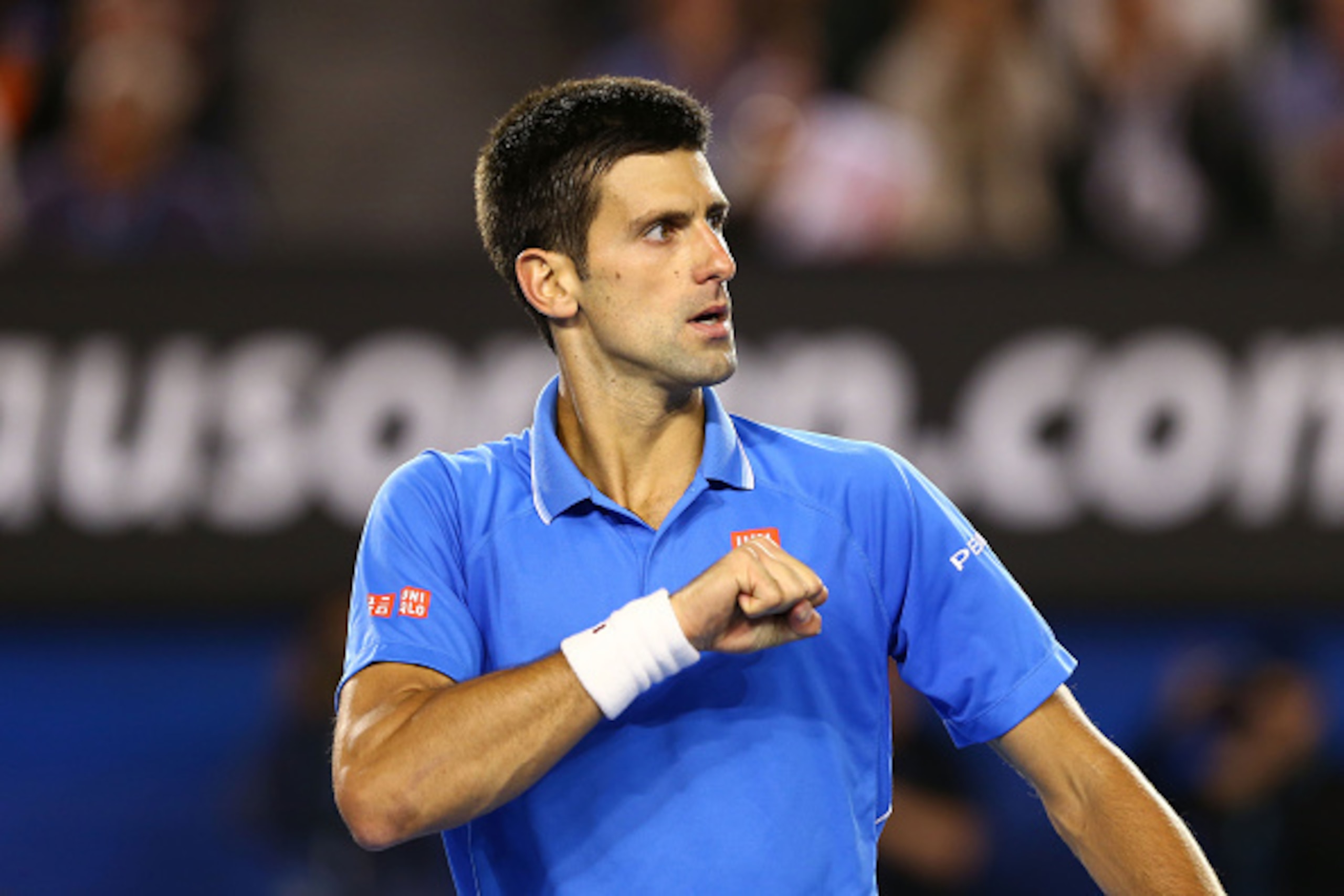
Greatest player ever? Simon Barnes of ESPN.co.uk did not hedge in making his case for Djokovic with the bold headline “Novak Djokovic is the greatest tennis player in history.”
Barnes and others might feel this way now when everything is going great for Djokovic, but the mood can change as quickly as a fourth-set postponement at Roland Garros. Besides, haven’t we all learned that there is no single greatest player of all time?
But the Sampras comparison is very apt in at least one important regard: As we close in on the 2020s, the Serbian could have several more years of dominating the way Sampras did when competition thinned a bit in the mid-1990s. Until somebody else steps up, Djokovic is sprinting ahead.
.jpg?w=2560)

.jpg?w=2560 "2 NFL Officials Suspended")


.jpg?w=2560 "Viral Rams Coach Vid 🖕")