
Has Being British Helped or Hurt Andy Murray's Career?
Representing Great Britain and its regal tennis roots has been a boost to Andy Murray's career. However, has it also been more of a burden?
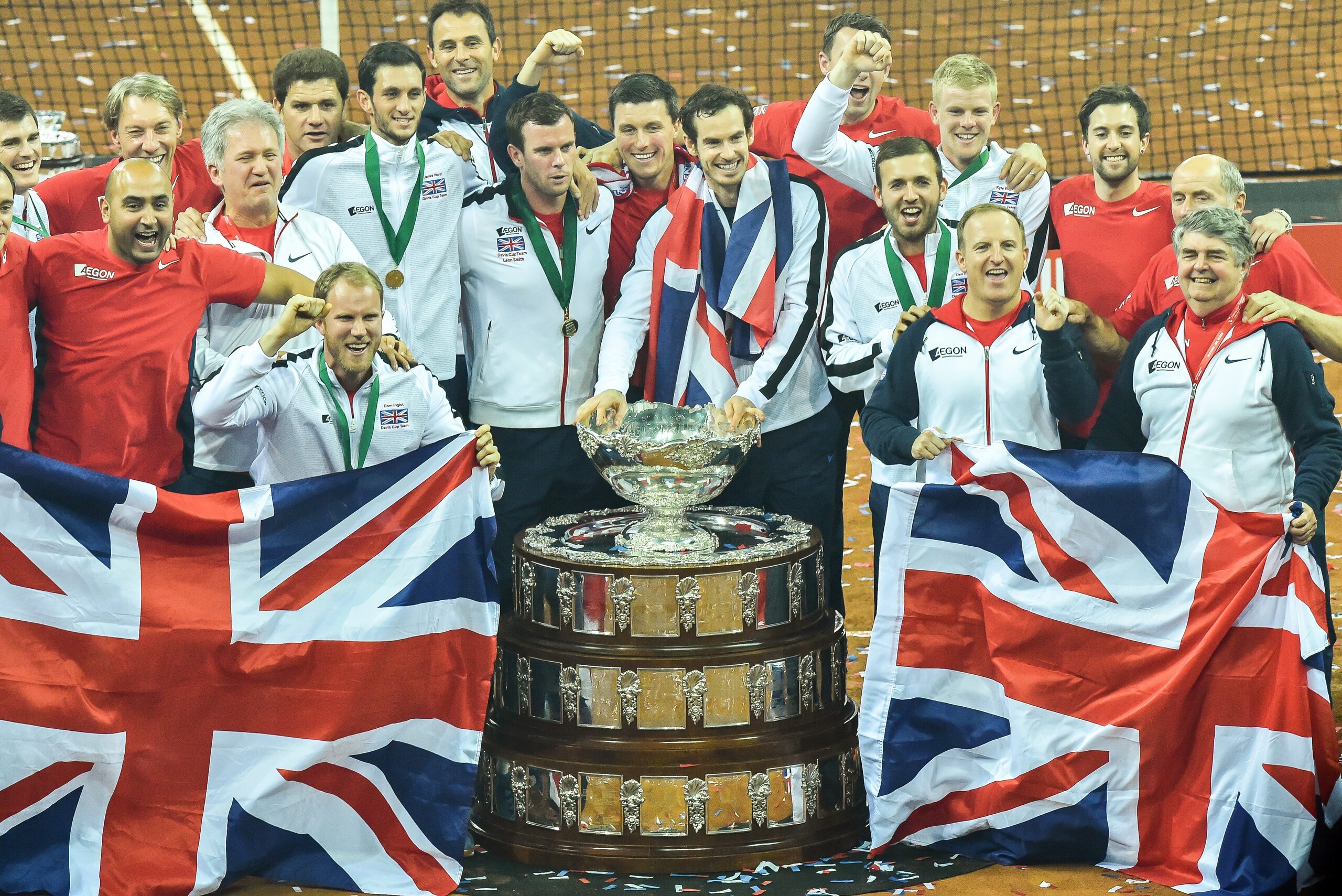
Murray, 28, completed a royal trifecta when he lead Great Britain to a Davis Cup win over Belgium this past Sunday. It was the country's first Davis Cup title since 1936. In 2013, Murray became the first British player to win Wimbledon since 1936. He also won an Olympic gold medal on London soil in 2012.
Other players, such as China's Li Na and—more recently—Japan's Kei Nishikori have scored historic firsts for their country. However, Murray has shouldered his nation's tennis legacy like no other.


It's partly because unlike British predecessor Tim Henman, Murray won a Grand Slam. Henman reached the semifinals at a Slam more than once, but never a final. Murray has defeated some of the game's all-time greats, including Roger Federer in the London 2012 Olympics.
In going 11-0 and playing a part in all but one of the rubbers needed to clinch the Davis Cup title this year, Murray deserves every accolade coming his way. Great Britain's Davis Cup captain Leon Smith told the Evening Standard that Murray's feat "has to be one of the best achievements of all time."
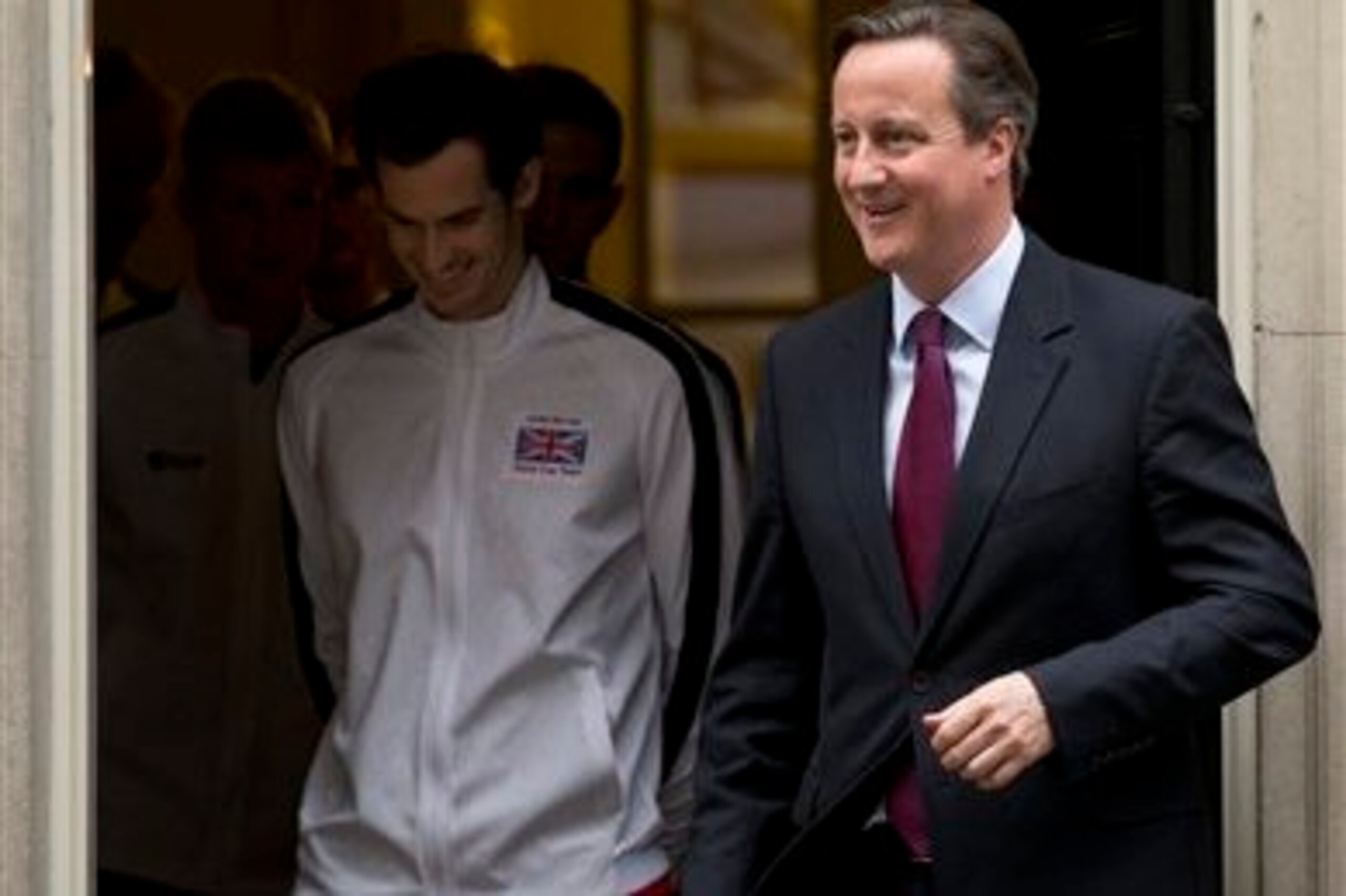
Indeed, Murray and the rest of the Davis Cup team captured the hearts of fans at home and abroad. They were welcomed to 10 Downing Street by British Prime Minister David Cameron. The No. 2-ranked player on the ATP World Tour—Murray has been the toast of England.
Yet as much as Murray has been celebrated, he's also frustrated British fans over the years. He's had to deal with the pressure of carrying a country on his back. Yeah, every now and then, someone like Heather Watson will come along and tease British fans with a good showing at Wimbledon. However, Murray is the only British player, male or female, considered a serious contender to win Grand Slams.
Sometimes expectations of British fans may even exceed Murray's goals.
As The Guardian's Paul Hayward once wrote:
"Murray has never appeared eager to take to the court as an emblem of British frustration. In a lonely sport of one v one there is enough to cope with without introducing oneself as Her Majesty's representative. The idea of him as a specifically British tennis player is ours, not his. History's dead hand can only weigh upon his strokes.
"
Still, Murray appears to embrace the pressure, seemingly flaunting it as martyr and savior.
Whether barking obscenities during Davis Cup matches or collapsing on the clay after clinching the title, Murray shows the world how emotionally draining it is to be called upon—again and again—to save the nation.
He claims that playing for country brings out the best in him. However, he has no problems ruffling feathers with compatriots, especially those in lofty places.
As British fans celebrated their Davis Cup title, Murray took the opportunity to chastise the Lawn Tennis Association. In an interview with The Guardian, Murray complained about what he perceives as complacency on the part of the Lawn Tennis Association.
“I don’t know where the next generation are. They need to act on it now. It’s no use doing it in 18 months. Start now. It should have started before today. It’s time to make some positive changes so that things get better.”
The "what have you done for me lately" sentiment seems to blow both ways.
The champagne had barely dried from the celebration in Belgium before members of the media were already asking Murray if he would help the UK defend its Davis Cup title in 2016.
There was no such pressure put on Federer or Stan Wawrinka last year after they led Switzerland to its first Davis Cup title.
Murray told the Evening Standard that the Davis Cup's position following the Grand Slams makes it difficult to defend. "Most of the top players are going right through to the end of the majors. Grand Slams are stressful, physically and mentally. I think that’s where the issue is.”
It's insane that a man who just went 11-0 in Davis Cup play is asked to "back it up" next year.
Still, as burdensome as being British can be, it also has its privileges. Being a superstar in such a prominent and title-starved nation contributes to Murray's international celebrity.
When comparing careers, are Murray's accomplishments much better than those of—say Lleyton Hewitt, Marat Safin or Andy Roddick?
Hewitt, Safin and Roddick all reached No. 1. Murray never has. Hewitt won two Grand Slams and reached a final in another. He was also on two Davis Cup title teams.
Safin won two Grand Slams and was a member of two Davis Cup title teams. Roddick won just one Slam. However, he reached the finals at Wimbledon three times, including an epic loss to Federer in 2009.
Yet Murray has been included in the "Big Four" with Federer, Rafael Nadal and Novak Djokovic—men in greatest-of-all-time conversations.
Of course, Murray is scrutinized more. But despite being from a modest Scottish family, Murray's wedding was covered as if he were royalty.
His country is solidly behind him because he's already vanquished the ghosts of Britain's paltry tennis past.
Murray has no John McEnroe, Arthur Ashe or Jimmy Connors in the more recent annals of British tennis. If he did, perhaps like Roddick, he'd be sometimes unfairly labeled as an underachiever.
Would Murray be as celebrated in Great Britain if Rod Laver, Ken Rosewall or Roy Emerson played for Union Jack? What if Tim Henman had similar success to Patrick Rafter or Pat Cash? Hewitt is beloved by Aussies, but his stature is eclipsed by the likes of Laver, Margaret Court and even Evonne Goolagong.
Although Safin is considered by many as the greatest Russian player ever, he never received the adulation and amount of media attention heaped on Murray.
Murray is a household name in Great Britain and the U.S., that mammoth English-speaking country. Being British—with all its burdens—seems to have benefited Murray more than it's hurt him.
.jpg?w=2560)

.jpg?w=2560 "2 NFL Officials Suspended")


.jpg?w=2560 "Viral Rams Coach Vid 🖕")