

Jesse Lingard Offers Old Trafford a Glimpse of the Old Manchester United
The aftermath of Manchester United's victory over CSKA Moscow saw Jesse Lingard voted man of the match by supporters. His performance was far from flawless, but his purposeful, dynamic and high-risk attacking style was a throwback to a version of United with which their fans are more familiar.
It was a peculiar night at Old Trafford, and the subject of United then-and-now appeared foremost on many supporters' minds. Cries of "Attack-attack-attack!" were audible from the Stretford End even before kick-off. By half-time they had become a defiant, deafening chorus, laden with subtext.

.jpg?w=2560)

United had attacked—they had eight shots in the first half—but they had not found the breakthrough and the memory of three consecutive 0-0 draws loomed large. It was not “attack” per se that was missing, rather it was attack with some more verve that was being called for.
Had Wayne Rooney not taken the second of the gilt-edged chances he was offered after Anthony Martial had been substituted, the post-match coverage would have a very different tone. Martial's substitution saw the crowd reach breaking point with Louis van Gaal.
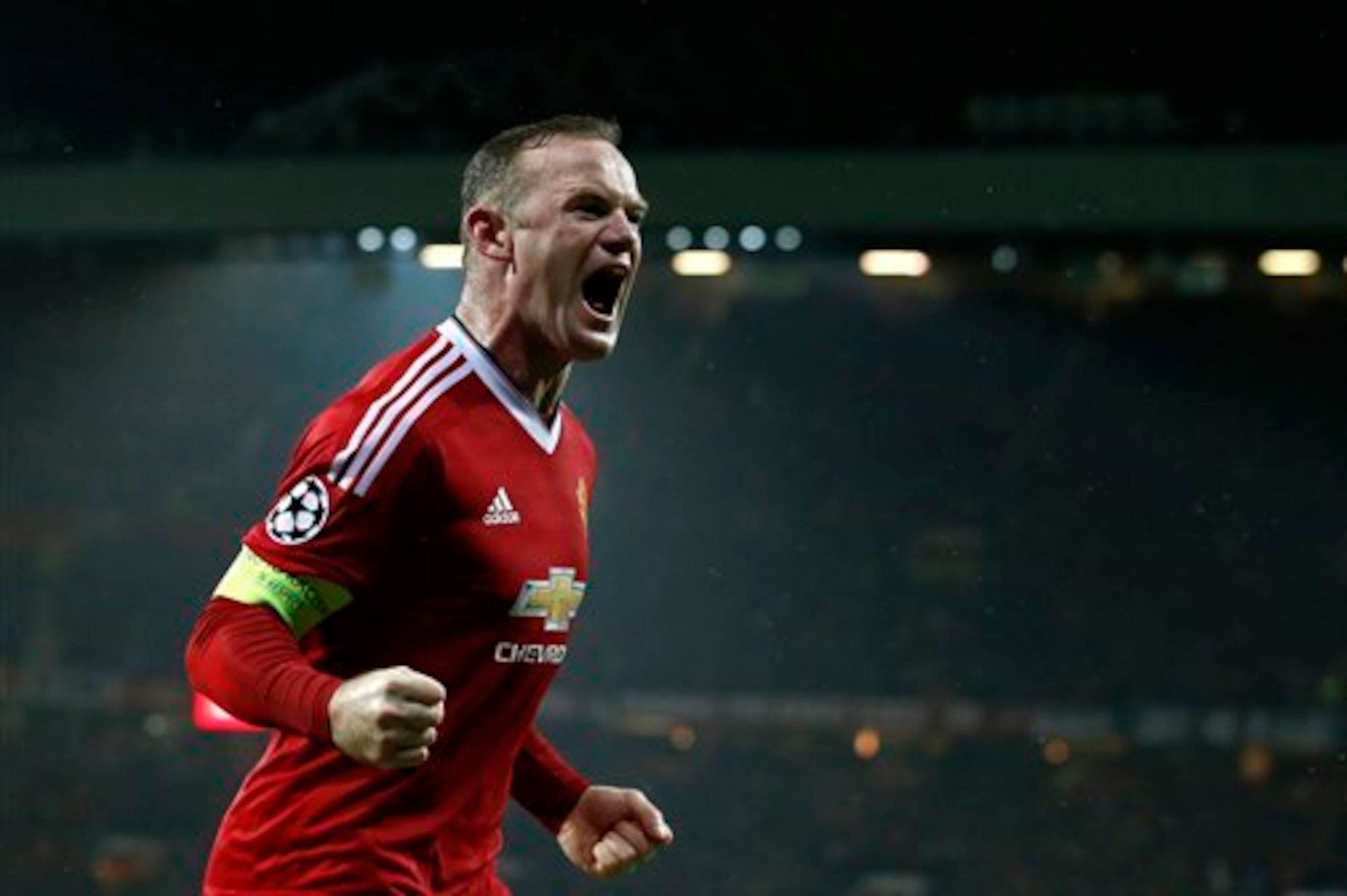
Singing "we're Man United, we want to attack" and crying "attack-attack-attack!" was meant to send a message—change the style, encourage the players to be bolder, take more risks. When Martial was removed, the crowd were shown that subtext was not enough, and booed and jeered the decision to make their feelings abundantly clear.
Van Gaal, in his post-match press conference said when asked about the boos, per BBC Sport, "That's the opinion of the fans but afterwards they shall not be disappointed." The second part of that sentence alludes to the fact that Rooney scored United's winner after his manager had sent him up front.
Van Gaal should probably reconsider his certainty on the fans' feelings. The substitution may have worked in a literal sense, but what it represented remains troubling in terms of a fear that his instincts may be too conservative to gel with the intentions of the Old Trafford crowd.
It should also be said that the fans in attendance offered plenty of vocal support in addition to expressing their frustrations. Moments after chanting their desire for attack, they switched to a chorus of "We love United, we do."
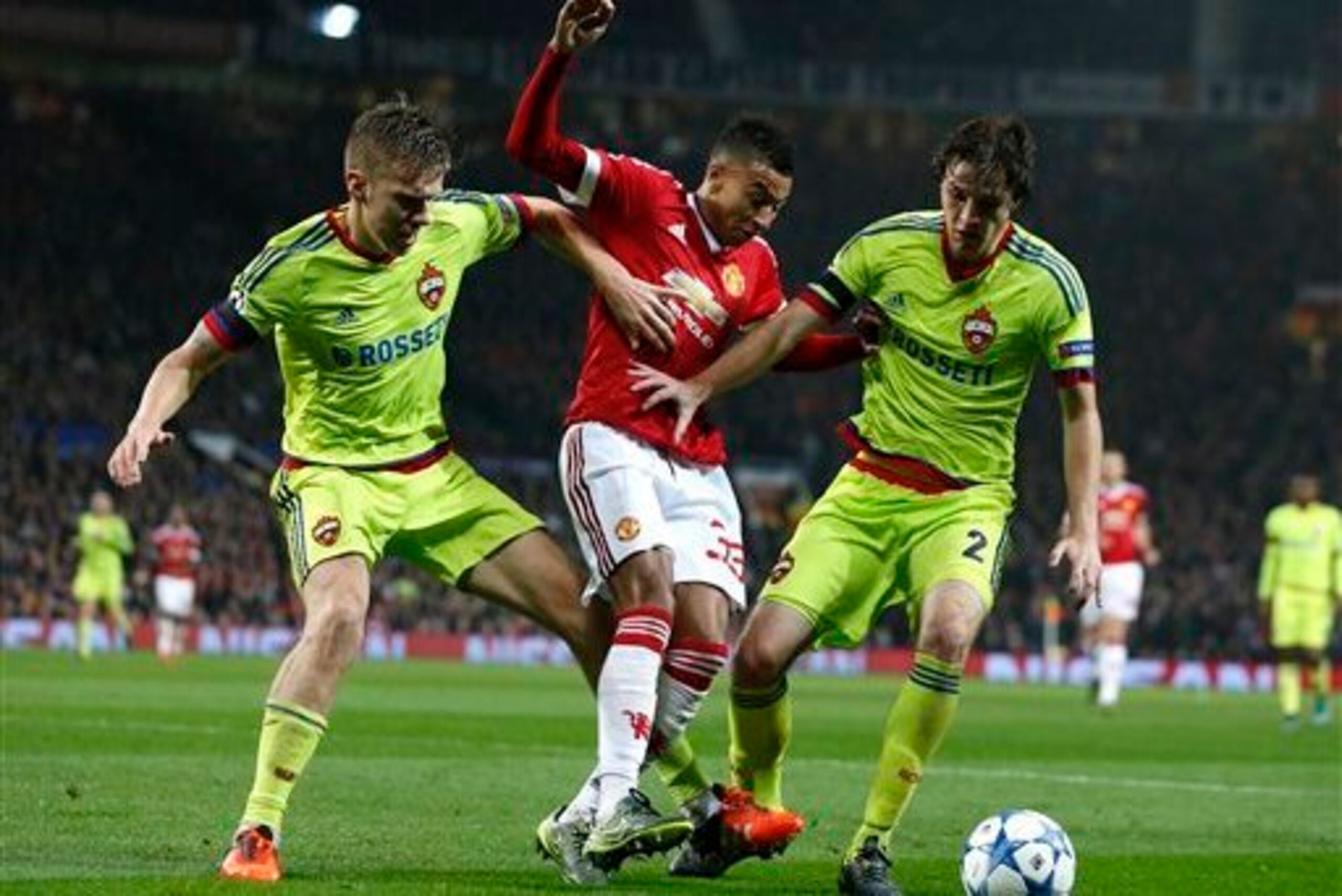
Lingard appeared to take the crowd's urging to heart. He was clearly determined to make some kind of impact on the game. Being a young player, with next-to-no experience of elite-level football, he understandably did not always achieve his aims.
Indeed, some in the crowd expressed their frustration with him, too, which was unfortunate given he was clearly trying to do what they had asked. For the most part, though, he received plenty of support.
His numbers reflect the ambivalence of risk on a football pitch. He had four shots, hitting one on target. His passing was reasonably secure, with 88 per cent of his attempts to find another United player succeeding. His crossing was not particularly effective—none of his five attempts found a man.
He had four unstable touches of the ball, per WhoScored.com—those being failed attempts to control a pass—the most of any player on the pitch.
He lost the ball with five of his 12 take-ons, which, of course, means he succeeded with seven of them, and it was this aspect of his game which most spoke to the crowd's desire to see some of the style of the United of old in the current incarnation.
Intriguingly, in a post-match interview for ESPN FC, Lingard said of his involvement in the goal, "I was just trying to be as direct as I could, get the crowd off their feet, obviously I had to be direct at the right time so we had to be patient sometimes."
He went on to say that at half-time, Van Gaal had said "keep going, keep performing the same as the first half, be patient, kind of like ignore the fans and keep playing your own game and hopefully the goal will come."
In the end, Lingard's contribution was telling. It was his perfectly weighted ball—hit on the volley from a lofted through ball from Michael Carrick which led to Rooney's goal. It was a goal that simultaneously lifted a weight off the backs of United's manager, their captain and the crowd.
It was a goal that came about after a change of approach, too, a brief switch to more direct football in the final third.
Lingard's instinct to want to "get the crowd off their feet" may have eventually superseded his manager's instruction to "ignore the fans," or it may just have been that eventually United's patience paid off.
Most likely it was a little of both.
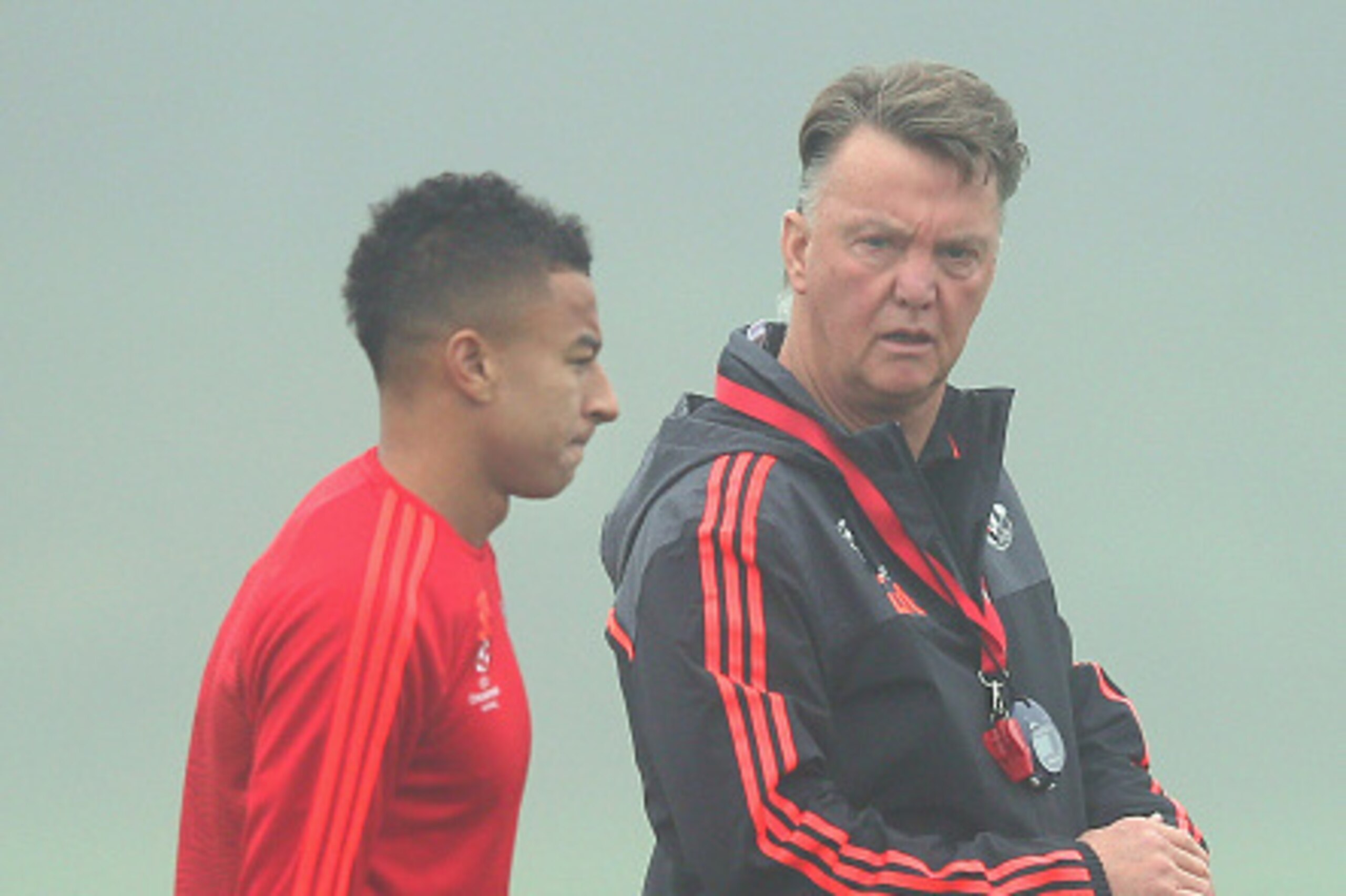
Over the coming months Van Gaal will need his creative players to take some risks. Unless results are spectacular, the grumbles about the style of play will continue.
Lingard, a player who has been at the club since childhood, did a fine job of representing something of the old familiar United on Tuesday night. That he was man of the match should offer Van Gaal some hints as to what direction to take his team in the months ahead.
All advanced statistics per Squawka.com except where otherwise stated.
.jpg?w=2560 "Falcons Saints Football")
.jpg?w=2560 "Rams Eagles Football")
.jpg?w=2560 "Injury-stricken Seahawks signing veteran RB")


.jpg?w=2560 "2 NFL Officials Suspended")
