Would the Premier League Benefit Without a League Cup?
People love their football clubs more than their next-door neighbours.
Every opportunity to enjoy one's team is an escape from whatever realities life holds. For 90 minutes (and sometimes more) one can immerse themselves in arguably the world's greatest pastime.
Making an argument for less football, in such an environment, can never be popular—but it might be necessary.


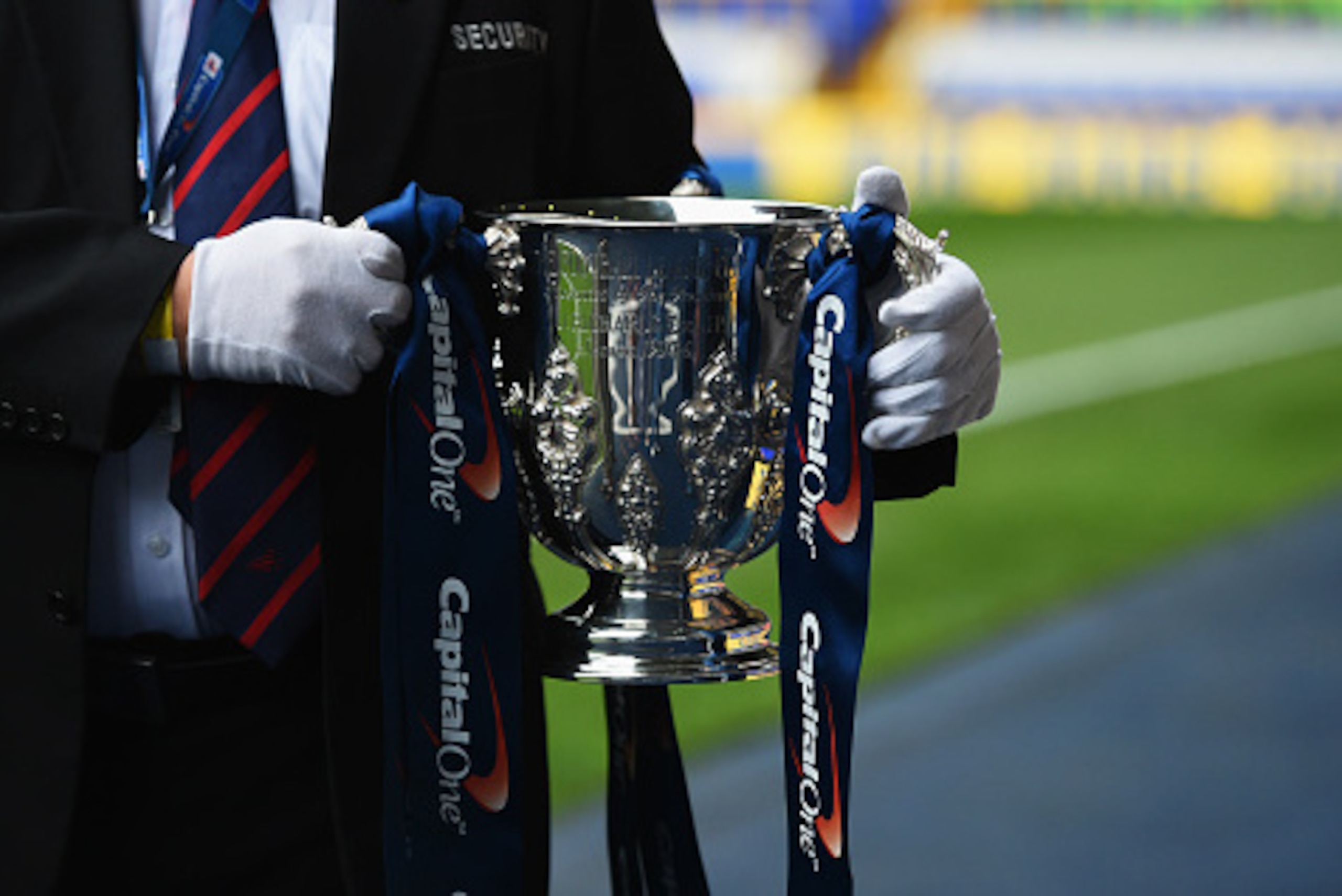
The English League Cup is, in many respects, an anomaly. Of the five major leagues in Europe: Spain, Germany and Italy do not have an equivalent. They have two major domestic honours (the domestic league and a cup), while England and France have three (the domestic league and two cups).
Played since 1960/61, the English League Cup is considered the least of England's three honours.
Lacking the scale of the Premier League and prestige of the FA Cup, it is played almost as a favour. For clubs in the top-flight—and some in the Championship—the prize money is minimal and the risk of injury outweighs any value due to midweek scheduling and the possibility of 120-minute matches.
To be prematurely eliminated from the competition is rarely viewed as positive but is invariably spun to mean: "We can now place our full attention on the Premier League," which normally gets the siege-ready mob to lower their pitchforks and torches.

Some managers have varying philosophies on the cup, but getting knocked out is always made to seem a blessing in disguise.
For example, Arsenal manager Arsene Wenger views the competition as an opportunity to play youngsters and veterans who are not being used frequently in the Premier League nor Champions League. This could be why the Gunners have never won the trophy during the Frenchman's 19-year tenure.
Chelsea's Jose Mourinho, on the other hand, sees the competition as a chance to win silverware, and he normally plays one of his best XIs. He has won the trophy three times in six seasons as Blues manager.
Taking the 2015/16 competition into account: neither method worked. Arsenal lost to Sheffield Wednesday 3-0 and Chelsea lost to Stoke City on penalties following a 1-1 draw. In both instances, the spin was renewed focus on the Premier League.

In France, the Coupe de la Ligue usually takes four matches to win. Paris Saint-Germain won the trophy in 2014/15, playing a quartet of matches to secure the honour. In England, the number is normally six. Chelsea—the current holders—played Bolton Wanderers, Shrewsbury Town, Derby County, Liverpool (home and away), then Tottenham Hotspur in the 2014/15 final.
This distinction seems minute, but there is one factor only English clubs must contend with in Europe's five major leagues: The Christmas schedule.
Spain, Germany, Italy and France allow their footballers a winter holiday. England is unique.
The Christmas and holiday schedule is an auspicious time as an English football supporter. It means while other fans across the globe are missing their clubs, one gets to watch three meaningful fixtures crammed into the space of seven days—which have the potential to define a season.
There are, however, back-end consequences.
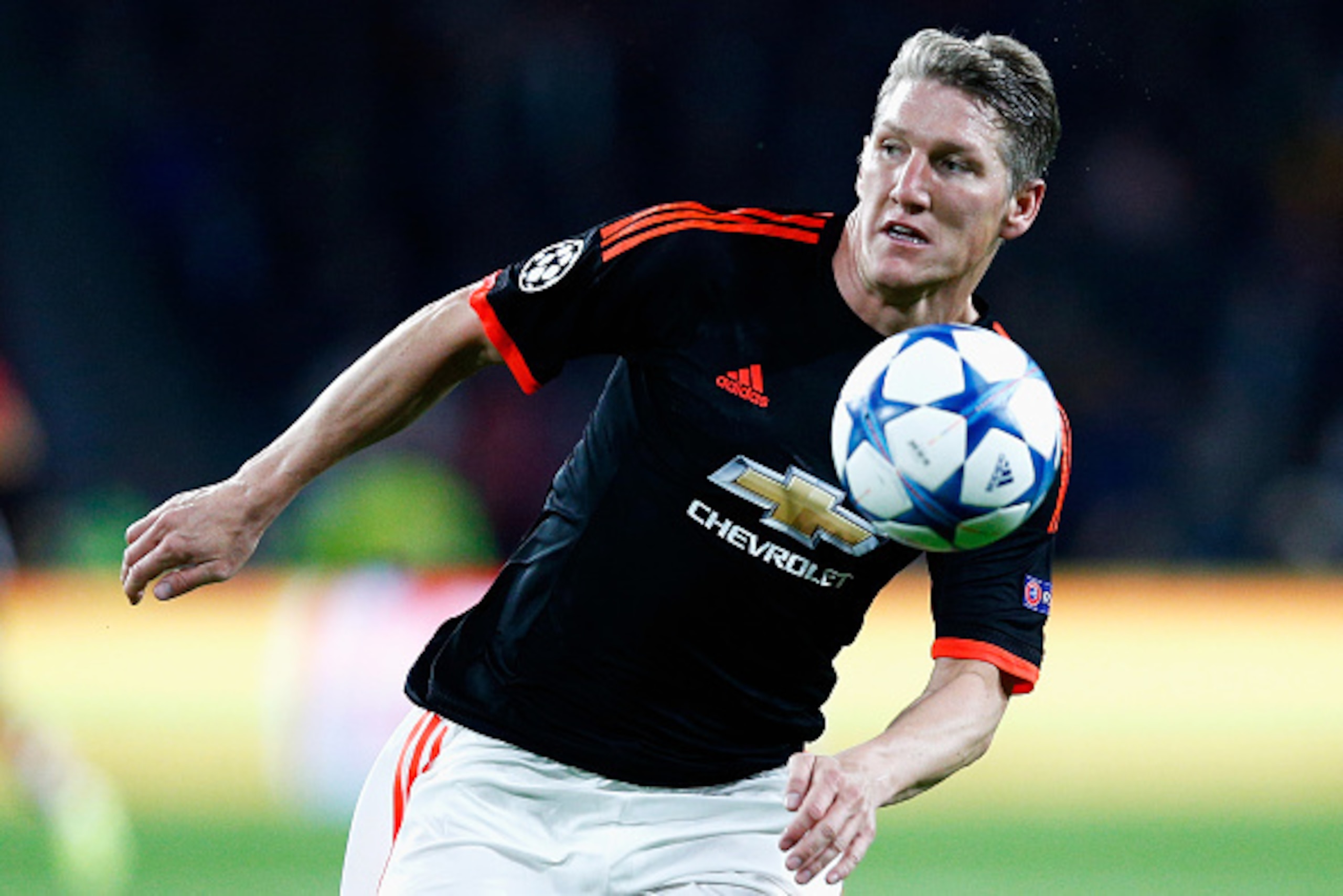
Continental clubs, either not having a third domestic cup or fewer matches to play, are well rested heading into the second half of the season. English clubs, conversely, seem rather lethargic in comparison.
Many wonder why the Premier League has struggled in recent seasons to gain footing in the Champions League and/or Europa League. Three factors include the added responsibility of League Cup duty, the Christmas schedule and a vastly improved mid-table tier—thanks to millions in television revenue—making every domestic fixture a stern challenge.
The League Cup is not a necessity, nor is it a coveted honour. It exists to fatten the pockets of the Football League and help lower leagues boost their attendance numbers/gate revenue.
With over 50 years of history, one might think the competition would have some relevance in how English football is perceived, but it makes a general mockery of the experience.
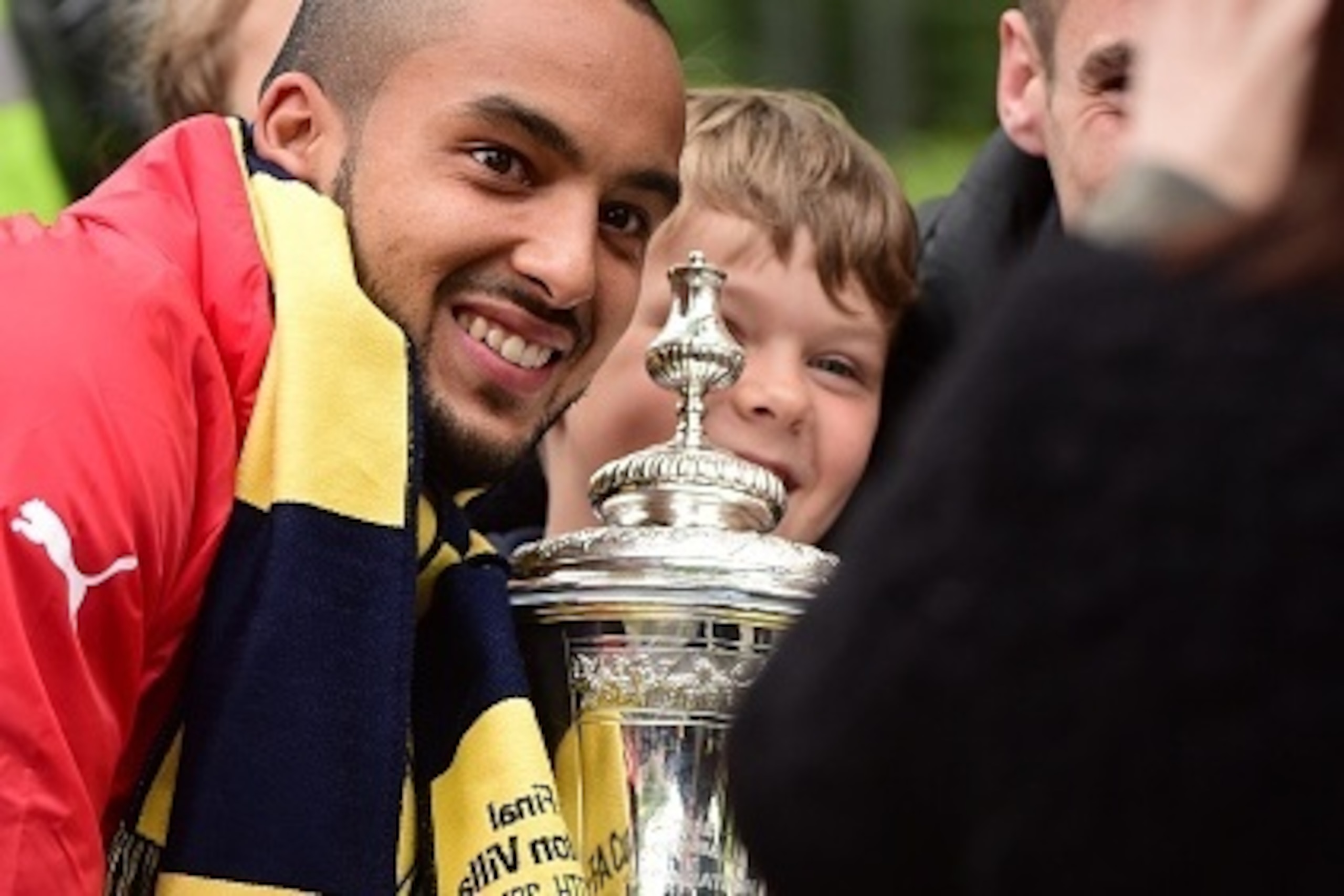
If teams are not compelled to try, what is the point?
Furthermore, if marquee clubs are being drained of resources (e.g. Theo Walcott and Alex Oxlade-Chamberlain suffering injuries this week), the question must be asked if the League Cup is a viable endeavour, especially when considering EPL participation.
For a trophy that breaks the Premier League's momentum, places additional strain on the resources of all involved and lacks the cachet of the FA Cup—the world's oldest cup competition, founded in 1871/72—one might not fail to argue for its continuance.
Additionally, when the only other country England has something in common with is France, there might be an issue to address.
*Stats via WhoScored.com; transfer fees via Soccerbase where not noted.
.jpg?w=2560 "Colts Football")


.jpg?w=2560 "Malik Beasley Negotiating Plea Deal (AP)")

.jpg?w=2560 "NFL House in Paris Closes for Protests (AP)")