A Strong Bundesliga Title Race Can Only Help Bayern Munich in Champions League
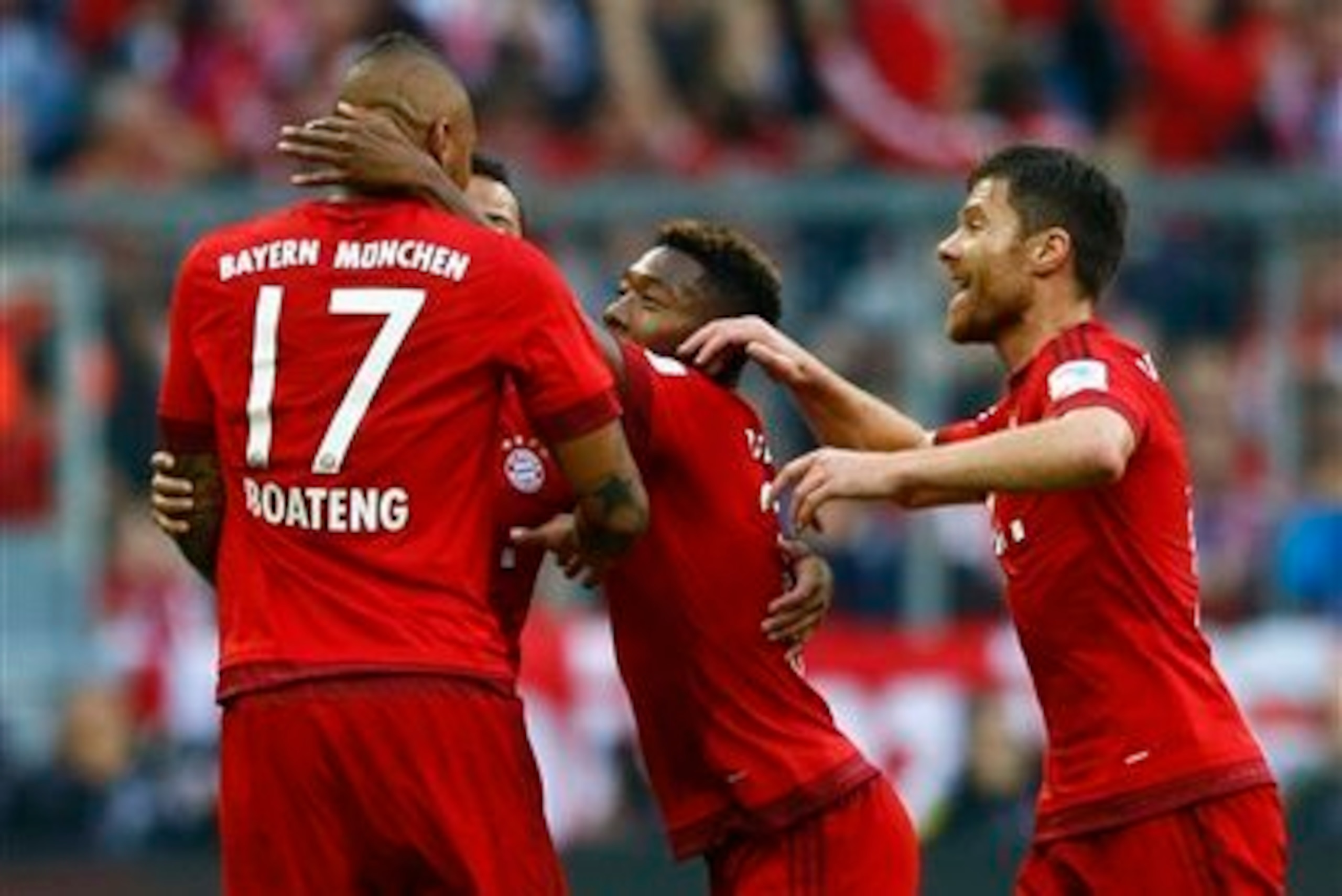
On Sunday, Bayern Munich put Borussia Dortmund to the sword with a 5-1 win at the Allianz Arena. It was a victory that opened a seven-point lead atop the Bundesliga table, and many (this author included) claimed that the emphatic result essentially ended the title race with 26 games to spare.
The gulf in squad class and depth between Bayern and any opponent matches the income gap. Bayern are that much richer, their squad is that much better; even in early October, it's near impossible to imagine any other champions.
The status quo on one hand may appear to be good for Bayern, in that it means a near-guaranteed trophy at season's end, while allowing them to focus more on more tricky fixtures like the one-off DFB-Pokal matches and the Champions League.


However, Bayern's comprehensive dominance of the Bundesliga in recent years has devalued the competition in the minds of many, to the point that some feel winning it is less of an achievement than a simple meeting of expectations. In the minds of many, the quality of this Bayern team can only be measured in the Champions League, against other European giants.
And although it may appear to be a good thing that Bayern's top stars will be rested for the games that matter most, history suggests a more competitive title race may actually be better for Bayern's chances on the international stage.
"Müller: "I play at FC Bayern. Our job is to win our games not to keep the league competitive and please the neutrals" pic.twitter.com/dQhXGduFHi
— Bayern & Germany (@iMiaSanMia) October 5, 2015"
During Pep Guardiola's reign as Bayern coach, Bayern have gone undefeated in the first round of each Bundesliga season to date. The titles have been more or less wrapped up by the end of December in every instance, with Bayern having played their most inspired football during that time.
Some of their biggest performances in the Champions League (their 7-1 demolition of Roma at Stadio Olimpico last year and the 3-1 win against Manchester City a year before being prime examples) have come in the autumn.
In the second half of the last two seasons, however, Bayern have had critical spells in which they struggled for form. Last year they lost three consecutive Bundesliga games in May, and the previous year they went three games without a win from the end of March until mid-April. They didn't have to worry about losing, it seemed, because in each case the title was already won.
At the same time, that loss of motivation on the domestic front may have translated into a loss of form in the Champions League: In two years under Guardiola, Bayern's knockout-round record stands at five wins, three draws and four losses, and the Bavarian giants are yet to truly play at their highest level over two legs of any elimination round.
And although underwhelming performances in the first legs of their ties against Shakhtar and Porto this spring may have been countered effectively by second-leg masterclasses, when they faced true giants in Barcelona, they were finally punished for only managing to find their best form in the second leg.
Friendly matches are often a poor indicator of preparedness prior to a World Cup, and similarly, Bundesliga matches when the title has long ago been decided may not be the best way to keep a team like Bayern at their very best heading into the business end of the Champions League.
Just as a team 5-0 ahead at half-time will rarely have the intensity, focus and drive to make it 10-0 by full-time, a team "going through the motions" of winning domestically may not be able to suddenly switch into a higher gear when needed to. Keeping a consistent rhythm and building momentum in March, April and May is the best way to ensure success, and it's very difficult to do just that without urgency.
The greatest concern, of course, is how to create conditions that promote competition within German football. There unfortunately is no foolproof answer, and all the possibilities (like eliminating the 50+1 rule requiring clubs to be owned in majority by fans) have unsavory side-effects.
Yet, if another club does indeed manage to challenge Bayern until the end of a season, it would not only make the league more attractive but keep Bayern at their very best for the Champions League.

.jpg?w=2560 "Colts Football")
.jpg?w=2560 "NFL House in Paris Closes for Protests (AP)")


.jpg?w=2560 "Trevon Diggs Cut by Seahawks")